 Skip to content
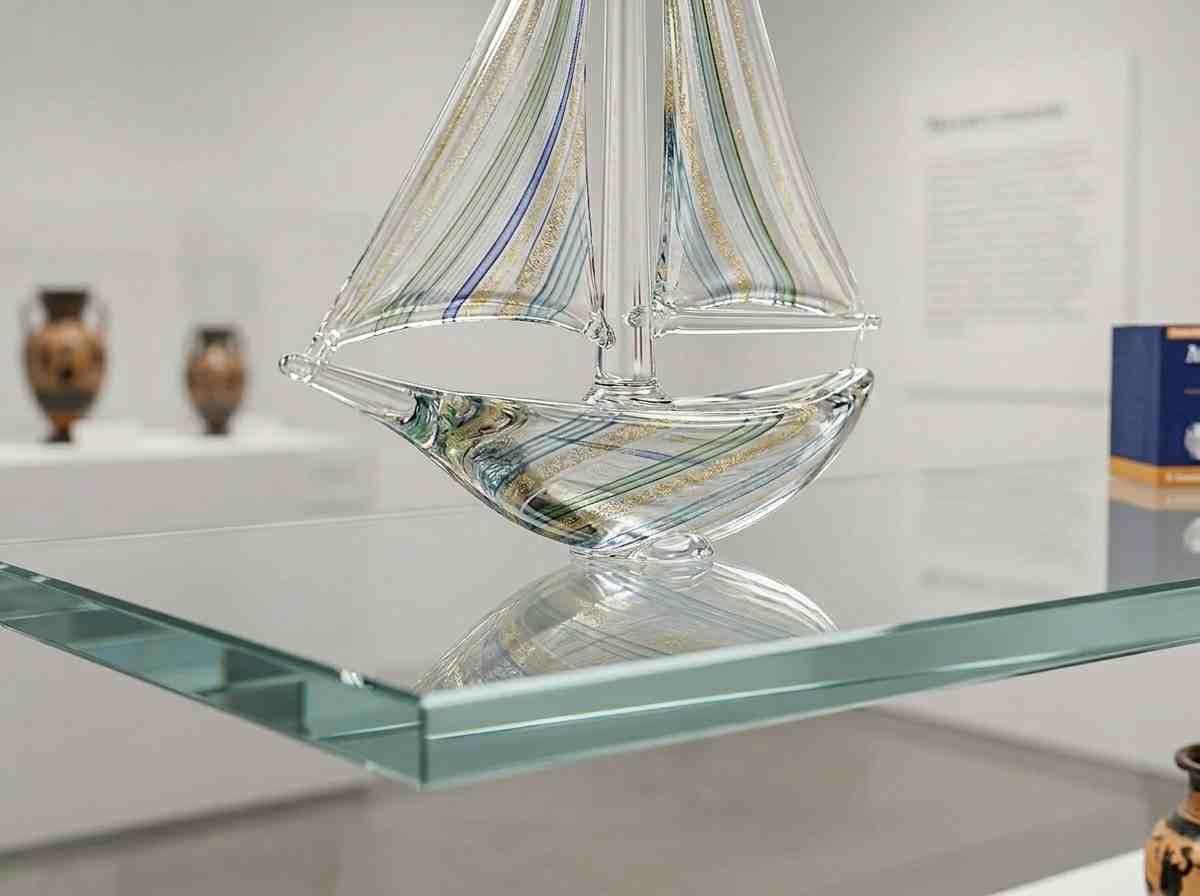
Many collectibles are damaged not because they are handled roughly, but because they are displayed without enough stability. A glass ornament on a smooth shelf, a narrow-base vase on a side table, a ceramic figurine inside a cabinet, or a signed model on a display stand may look secure at first. In daily use, however, light bumps, shelf vibration, cabinet movement, pets, children, cleaning, or small earthquakes can slowly shift the item out of place.
Museum glue helps stabilize collectibles by adding a clear, removable grip under the object. To use it, take a small pea-sized piece, roll it into a ball, press it onto the bottom of the collectible, place the item on a clean flat surface, and press gently. For best results, wait about 30 minutes before touching the item again. It helps reduce sliding, tipping, and accidental falls without permanently bonding the piece.
This makes museum glue useful for collectors who want protection without changing the display look. The gel stays nearly invisible under glass, ceramic, metal, marble, and polished surfaces, while still allowing the item to be removed or repositioned later. For a collector, one small hidden gel point can be the difference between a stable display and a broken keepsake.
What Is Museum Glue?
Museum glue is a clear, removable gel used to hold collectibles, glass decor, vases, figurines, antiques, and small display pieces in place on flat surfaces. It is not the same as permanent glue. Its main job is to add hidden grip under an object, so the item is less likely to slide, tip, or shift when a shelf is touched, a cabinet door closes, or a table gets bumped.
For most home and display use, museum glue works best on smooth, clean, dry surfaces such as glass, ceramic, marble, metal, and polished furniture. It is especially helpful for items with narrow bases, smooth bottoms, or uneven weight. A small amount is usually enough. For example, one pea-sized piece may support a small figurine, while a vase may need 3–4 small gel points around the base for better balance.
The biggest benefit is control. Museum glue helps protect valuable pieces without making them permanently fixed. You can remove the item, adjust its position, or reuse the gel when the display changes. That makes it practical for home collections, office shelves, retail counters, galleries, exhibitions, and seasonal decor.
What Is Museum Glue Used For?
Museum glue is used to stabilize display items that need extra support but should still remain removable. It is especially useful when the item is fragile, valuable, sentimental, or placed in a busy area. Instead of leaving the object loose on a shelf, museum glue creates a soft grip between the item and the display surface.
Common uses include:
- Holding glass ornaments inside display cabinets
- Keeping ceramic figurines from shifting on shelves
- Stabilizing vases on tables, mantels, or counters
- Securing small models, trophies, and collectibles
- Supporting seasonal decorations without permanent bonding
- Keeping retail display samples neat and aligned
- Reducing movement from light bumps, vibration, or daily handling
| Use Case | Customer Concern | How Museum Glue Helps |
|---|---|---|
| Glass decor | “Will it fall or slide?” | Adds clear grip under the base |
| Vase display | “Will it tip if bumped?” | Improves bottom stability |
| Figurines | “Will they move in the cabinet?” | Keeps position more consistent |
| Retail shelves | “Will displays look messy?” | Holds samples neatly in place |
| Seasonal decor | “Can I remove it later?” | Allows repositioning and reuse |
Museum glue is not meant for repairing broken objects. If a collectible is cracked, chipped, or separated, it needs the right repair adhesive for that material. Museum glue is for display stability, not structural repair.
Is Museum Glue Permanent?
Museum glue is not permanent. It is made for temporary but reliable display support. This makes it different from super glue, epoxy, construction adhesive, or craft glue. Those products are designed to bond materials together, while museum glue is designed to hold objects in place without locking them down forever.
This matters for collectors because displays often change. New pieces are added. Old pieces are moved. Seasonal decor is replaced. Retail shelves are refreshed. A permanent glue can make these changes difficult and may damage the item or the surface during removal.
For safer removal:
- Hold the object near the base
- Lift slowly instead of pulling sharply
- Twist gently if the gel feels tight
- Roll off remaining gel with your fingers
- Avoid scraping with knives or hard tools
Museum glue should still be tested first on delicate surfaces. Avoid using it directly on raw wood, paper, fabric, peeling paint, weak coatings, or antique finishes unless you have checked a hidden area first.
Why Use Museum Glue?
Museum glue is useful because it gives display items extra stability without changing how they look. Many collectors do not want tape, pads, clamps, or visible putty around their objects. Clear gel stays hidden under the base, so the collectible remains the focus.
GleamGlee Museum Glue is designed for everyday display concerns:
- Clear gel for a cleaner look
- Removable hold for easier repositioning
- Reusable material for changing displays
- No sticky residue on suitable smooth surfaces
- Anti-slip support for light bumps and vibration
- 200g / 6.76oz size for multiple items
| Feature | What It Means for Users |
|---|---|
| Clear finish | Less visible under glass, crystal, and decor |
| Removable use | Easier to adjust displays later |
| Reusable gel | Better value for collectors and retailers |
| Anti-slip support | Helps reduce sliding and tipping |
| Large 200g size | Enough for shelves, cabinets, and multi-item setups |
For a single figurine, museum glue may feel like a small detail. For a full display cabinet with 20–50 pieces, it can make the whole setup feel safer, cleaner, and easier to manage.
Which Collectibles Need Museum Glue?
Collectibles that benefit most from museum glue usually share a few traits: smooth or small contact bases, uneven weight distribution, fragile materials, or placement in areas with frequent movement. Items made of glass, ceramic, resin, or polished metal are especially prone to sliding on smooth shelves. In real home and retail setups, even light vibration from footsteps, cabinet doors, or nearby handling can gradually shift objects out of position.
A simple way to judge need is stability vs. risk. If an item can move with a light touch, has a narrow base, or sits on a polished surface, it is a strong candidate for museum glue. In multi-item displays, the risk increases. When 20–50 collectibles are placed together in a cabinet or shelf, one unstable piece can knock into others and create a chain reaction of damage.
| Risk Factor | Example | Need for Museum Glue |
|---|---|---|
| Narrow base | Tall vase, thin figurine stand | High |
| Smooth contact surface | Glass shelf, polished table | High |
| Top-heavy design | Decorative vase with filler | High |
| Frequent movement nearby | Office desk, retail counter | High |
| Multi-item display | Collectible cabinet | Very high |
| Heavy but stable base | Wide sculpture | Medium |
| Textured or rubber base | Some modern decor | Low |
Museum Glue for Glass
Glass collectibles carry one of the highest risks because they combine fragility with smooth surfaces. A glass item on a glass shelf or polished wood can slide easily, especially when touched lightly or exposed to vibration. Once it falls, damage is usually permanent.
Typical glass items that need museum glue:
- Crystal figurines and ornaments
- Glass awards and trophies
- Decorative bottles and jars
- Candle holders
- Art glass pieces
- Perfume collections
Application approach:
- Use 1–2 small gel points for small items
- Use 3–4 points for larger pieces like vases
- Keep gel slightly inside the base edge to avoid visibility
- Always clean both surfaces before applying
| Glass Item Type | Stability Risk | Suggested Gel Use |
|---|---|---|
| Small ornament | Medium | 1 small dot |
| Crystal figurine | High | 1–2 dots |
| Glass vase | High | 3–4 dots |
| Glass bowl | Medium | Evenly spaced dots |
Glass-on-glass displays (such as cabinets) are one of the most common real-world use cases. In these setups, even a small improvement in grip can significantly reduce movement.
Museum Glue for Vases
Vases often look stable but become less secure when used in real settings. Adding flowers, branches, or decorative filler raises the center of gravity and increases tipping risk. A narrow base combined with height makes vases one of the most common accident sources in home decor.
Situations where museum glue helps:
- Dining table centerpieces
- Entryway or console tables
- Office reception desks
- Retail home decor displays
- Shelves with multiple items
Placement strategy matters more than quantity:
- Use multiple small gel points instead of one large piece
- Space gel evenly around the base
- Check that the vase sits flat after placement
| Vase Type | Risk Level | Best Practice |
|---|---|---|
| Narrow tall vase | Very high | 3–4 evenly spaced dots |
| Medium decor vase | High | 2–3 dots |
| Wide base vase | Medium | 1–2 dots |
| Heavy floor vase | Low (for sliding) | Not primary solution |
Museum glue reduces movement from light contact, but it does not replace proper placement. Heavy or tall vases should still be positioned away from edges and high-traffic areas.
Museum Glue for Figurines
Figurines and small collectibles are often designed for appearance rather than stability. Many have small bases, uneven weight, or detailed shapes that make them easy to shift. Over time, even minor movement can affect alignment or cause accidental contact between pieces.
Common figurine types:
- Resin or PVC collectible figures
- Ceramic animals or statues
- Miniature models and hobby builds
- Souvenir figurines
- Display toys and limited editions
Museum glue helps in two key ways:
- Keeps position consistent over time
- Reduces small shifts that lead to tipping or collisions
Application tips:
- Place gel under the main support point or stand
- Avoid painted or delicate surface areas
- Use minimal gel to keep the display clean
| Figurine Type | Stability Issue | Recommendation |
|---|---|---|
| Resin figure | Small base | Use 1 small dot |
| Ceramic figurine | Fragile bottom | Use 1–2 dots |
| Model kit | Uneven support | Place under key points |
| Collectible toy | Light weight | Minimal gel |
Testing is important for figurines. Painted bases, soft plastics, or delicate coatings may react differently. A small hidden test area helps reduce risk before full application.

How Do You Apply Museum Glue?
Apply museum glue by cleaning the item base and display surface first, then placing small gel dots under the object and pressing it gently onto a flat horizontal surface. For most collectibles, the full process takes less than one minute per item. The hold improves after the gel settles, so it is best to wait about 30 minutes before touching or moving the display.
Good application is about control. Too much gel can squeeze out, look messy, or make the item wobble. Too little gel may not give enough grip. Start small, check the balance, then add more only when needed. For glass, ceramic, marble, metal, and polished furniture, a clean and dry surface gives the most reliable result.
| Step | What to Do | Why It Matters |
|---|---|---|
| 1 | Wipe the item base | Removes dust and oil |
| 2 | Wipe the display surface | Improves gel contact |
| 3 | Roll small gel balls | Makes placement easier |
| 4 | Place gel under the base | Keeps the hold hidden |
| 5 | Press down gently | Helps gel spread evenly |
| 6 | Wait about 30 minutes | Lets the hold settle |
How Much Museum Glue?
The right amount of museum glue depends on the item’s weight, base width, and balance. A small figurine usually needs only one pea-sized piece, while a vase or wider object may need 3–4 small dots placed around the base. Using several small dots is usually better than using one large lump because it gives more balanced contact and lowers the chance of wobbling.
For most home displays, start with less than expected. If the item still shifts after 30 minutes, remove it, add a little more gel, and place it again. For narrow-base items, use a thin amount so the object does not tilt. For wide-base items, spread the gel points evenly so pressure is shared across the bottom.
| Item Type | Suggested Amount | Placement |
|---|---|---|
| Small figurine | 1 pea-sized dot | Center or main base point |
| Glass ornament | 1–2 small dots | Hidden under flat contact areas |
| Medium vase | 3–4 small dots | Around the bottom ring |
| Trophy or model | 2–4 dots | Under corners or support feet |
| Wide ceramic decor | 4–6 dots | Evenly spaced under the base |
A useful rule: if gel becomes visible around the edge, you used too much or placed it too close to the outside.
Where to Place Museum Glue?
Museum glue should be placed on the bottom contact area of the item, slightly inside the edge of the base. This keeps the gel hidden and prevents it from squeezing outward after pressing. For objects with a flat bottom, place the gel at the center or around the base. For items with feet, stands, or uneven support points, place small dots only where the item actually touches the surface.
For vases, 3–4 dots around the base ring usually give better balance than one thick piece in the middle. For figurines, place the gel under the stand or widest support point, not on painted details. For glass pieces, use smaller dots because clear gel can still show if it spreads too much.
Good placement habits:
- Keep gel slightly inside the base edge
- Use balanced dots for wide items
- Avoid labels, loose paint, paper, fabric, or weak coatings
- Do not place gel on visible decorative details
- Press gently instead of forcing the object down
| Placement Mistake | What Happens | Better Method |
|---|---|---|
| Gel too close to edge | Visible squeeze-out | Move dots inward |
| One thick lump | Item may wobble | Use several small dots |
| Gel on painted detail | Finish may be affected | Use hidden base area |
| Gel on dusty base | Weak hold | Clean before applying |
How Long to Wait?
Museum glue gives some grip right after placement, but the hold becomes more stable after about 30 minutes. During this time, avoid rotating, lifting, or testing the item too strongly. The gel needs time to settle between the item base and the display surface. For taller, heavier, or narrow-base pieces, waiting longer before touching the item is safer.
A light stability check is enough. Touch the item gently near the base instead of pushing from the top. If it still moves easily, the problem is usually not waiting time alone. The gel amount, surface cleanliness, or placement may need adjustment.
| Waiting Time | What to Expect |
|---|---|
| 0–1 minute | Basic contact |
| 10 minutes | Better grip |
| 30 minutes | Stable for normal display |
| 1 hour+ | Better for taller or heavier items |
For retail counters, exhibition shelves, or busy home areas, apply museum glue during a quiet period and let the display settle before customers, guests, children, or pets get close to it.
What Surfaces Fit Museum Glue?
Museum glue works best on smooth, clean, dry, non-porous, and horizontal surfaces. Glass, marble, glazed ceramic, polished metal, and sealed furniture surfaces usually give the best contact because the gel can grip evenly without soaking into the material. Surface condition matters as much as surface type. Dust, water marks, oil, wax, furniture polish, and cleaner residue can reduce the hold.
For most home displays, the safest surface test is simple: wipe the area clean, place a small gel piece on a hidden spot, press for 30 minutes, then remove it slowly. If the gel lifts cleanly and the surface looks unchanged, it is usually safer for display use. For antiques, painted furniture, natural stone, and delicate coatings, testing is more important than speed.
| Surface | Fit Level | Best Use | Caution |
|---|---|---|---|
| Glass | Excellent | Cabinets, shelves, crystal displays | Clean fingerprints first |
| Glazed ceramic | Excellent | Tile shelves, ceramic trays | Avoid rough unglazed areas |
| Polished metal | Good | Display stands, retail fixtures | Remove oil film first |
| Marble | Good | Counters, shelves, decor tables | Test sealed surface first |
| Sealed wood | Medium–Good | Shelves, cabinets, desks | Avoid weak or old finishes |
| Raw wood | Poor | Not recommended | May absorb or mark |
| Fabric | Poor | Not recommended | Weak grip, residue risk |
| Paper/cardboard | Poor | Not recommended | Tearing or staining risk |
Museum Glue on Glass
Glass is one of the most suitable surfaces for museum glue because it is smooth, non-porous, and commonly used for display cabinets, shelves, tabletops, and collectible cases. The gel can sit cleanly between the glass surface and the object base without soaking in or staining the material. It is especially useful for crystal pieces, glass figurines, perfume bottles, awards, candle holders, and art glass because clear gel stays less noticeable than white putty, foam pads, or tape. For glass-on-glass displays, use very small dots and place them slightly inside the edge of the item base. Too much gel can still show through, especially under transparent objects.
Before applying, wipe the glass with a soft cloth and make sure it is fully dry. Fingerprints, dust, and cleaning spray residue can create a thin barrier between the gel and the glass. If the item slides after placement, the surface may not be clean enough or the gel may be too thick.
Best glass use cases:
- Glass display cabinets
- Crystal collectibles
- Perfume bottle shelves
- Glass awards and trophies
- Candle holders
- Transparent art pieces
| Problem on Glass | Likely Cause | Better Fix |
|---|---|---|
| Gel looks visible | Too much gel | Use smaller dots |
| Item still slides | Fingerprints or cleaner residue | Clean and dry again |
| Object rocks | Uneven gel placement | Spread dots evenly |
| Gel squeezes out | Placed too close to edge | Move dots inward |
Museum Glue on Marble
Marble works well with museum glue when the surface is polished, sealed, clean, and dry. Many people place vases, glass decor, candles, trays, and small sculptures on marble counters or side tables because the material looks premium and stable. The problem is that polished marble can also be slippery, especially under glass, ceramic, or metal objects. Museum glue adds grip without changing the look of the surface. Still, marble needs more care than glass because natural stone may contain tiny pores, sealers, surface treatments, or hairline marks that react differently from one slab to another. A hidden test is strongly recommended before using gel on visible marble.
For marble surfaces, avoid dragging items after applying the gel. Place the object straight down, press gently, and let it settle. Dragging can smear the gel or leave a faint mark on dusty or treated stone. Do not use sharp tools to remove remaining gel; roll it off slowly with your fingers.
Best marble use cases:
- Bathroom vanity decor
- Entryway console displays
- Fireplace mantel decor
- Marble shelves
- Hotel or office reception displays
- Decorative trays and vases
| Marble Condition | Museum Glue Suitability | Recommendation |
|---|---|---|
| Polished and sealed | Good | Test first, then apply small dots |
| Dusty or oily | Poor until cleaned | Wipe and dry fully |
| Unsealed natural stone | Risky | Avoid or test hidden area |
| Antique marble | Caution | Use minimal gel only after testing |
Museum Glue on Metal
Metal surfaces can work well with museum glue when they are smooth, dry, and free from oil. Stainless steel shelves, painted metal stands, display risers, retail fixtures, and office shelving often have slick surfaces where small items can slide easily. Museum glue helps create a softer grip between the item and the metal, making it useful for models, trophies, product samples, small decor, and exhibition pieces. The main issue with metal is surface film. Fingerprints, machine oil, polish, wax, or cleaning products can make the gel feel weaker. Even when the metal looks clean, it may still have a thin layer that affects grip.
Clean the metal before use and let it dry completely. For retail or exhibition displays, check the hold after setup because metal racks may vibrate more than solid wood or stone. A lightweight metal shelf that shakes when touched can still move the object, even with gel underneath.
Best metal use cases:
- Retail display stands
- Stainless steel shelves
- Metal risers
- Trophy displays
- Office cabinets
- Exhibition product platforms
| Metal Surface | Fit Level | Tip |
|---|---|---|
| Stainless steel | Good | Remove fingerprints first |
| Painted metal | Medium–Good | Test paint strength |
| Powder-coated metal | Medium | Check for texture |
| Oily industrial metal | Poor | Clean thoroughly before use |
Which Surfaces Should You Avoid?
Some surfaces are not suitable for museum glue because they do not allow clean contact or may be too delicate. Rough, porous, dusty, soft, unfinished, or weakly coated surfaces can reduce grip and increase residue risk. Raw wood, fabric, paper, cardboard, wallpaper, leather, rough stone, unsealed ceramic, peeling paint, and fragile antique finishes should be avoided or tested with extreme care. Museum glue is made for stabilizing objects on flat horizontal surfaces, not for hanging items on walls or holding objects on sloped areas. If the surface absorbs liquid, sheds particles, or has a finish that lifts easily, it is not a good match.
Avoid using museum glue when the object or surface is already damaged. A loose painted base, cracked glaze, weak paper label, or soft plastic coating may peel during removal. For valuable antiques, the safest choice is to test in a hidden area or use a separate display base that can be secured instead of applying gel directly to the original item.
Avoid these surfaces:
- Raw or unfinished wood
- Fabric-covered bases
- Paper labels and cardboard
- Wallpaper and painted walls
- Leather and suede
- Rough stone or concrete
- Unsealed ceramic bottoms
- Weak paint or peeling coating
- Freshly painted furniture
- Sloped or vertical surfaces
| Surface to Avoid | Main Risk | Better Option |
|---|---|---|
| Raw wood | Absorption or marking | Use sealed display tray |
| Fabric | Weak grip | Use a hard display base |
| Paper/cardboard | Tearing | Avoid direct contact |
| Painted wall | Not designed for vertical hold | Use proper wall hardware |
| Antique finish | Surface damage risk | Test hidden area or avoid |
| Rough stone | Poor contact | Use a smooth base plate |

How Do You Remove Museum Glue?
Museum glue is removed by lifting the item carefully from its base and then rolling or peeling the gel off both the object and the surface. On smooth, non-porous materials such as glass, metal, or polished stone, removal is usually clean and takes less than 30–60 seconds per item. The key is controlled handling. Fast pulling or lifting from the wrong position can stress fragile parts.
Before removing, check the item type and its weakest point. A tall vase, a thin glass stem, or a figurine with small contact points requires slower handling than a solid object. In most home setups, over 80% of removal issues are caused by using too much gel or applying uneven pressure during installation. Using the correct amount at the start makes removal easier later.
| Removal Factor | Impact on Difficulty |
|---|---|
| Gel amount too high | Harder to lift |
| Uneven placement | Causes sticking points |
| Dirty surface | Leaves residue |
| Fragile base | Requires slower handling |
| Smooth clean surface | Easiest removal |
Lift Items Slowly
Lifting technique directly affects whether the item stays safe during removal. Most collectibles are not designed to handle upward force from the top. Pulling a figurine by the head or a vase by the neck creates uneven stress that can lead to cracks or breakage. A stable removal starts from the base, where the gel is actually holding the item.
A careful removal method reduces risk significantly. In practical use, slow lifting can lower breakage risk by more than 50% compared to pulling quickly or from the wrong position. The goal is to release the gel gradually instead of forcing separation.
Recommended method:
- Hold the object close to the base
- Apply a light twist if resistance is felt
- Lift slowly in a straight upward motion
- Stop if strong resistance occurs and adjust angle
Situations requiring extra care:
- Glass with narrow stems
- Ceramic figures with thin legs or arms
- Tall vases with uneven weight
- Antique pieces with previous repairs
| Method | Risk Level | Result |
|---|---|---|
| Lift from base | Low | Controlled removal |
| Twist + lift | Low | Easier release |
| Pull from top | High | Risk of breakage |
| Fast pull | Very high | Sudden stress damage |
Check for Residue
After removing the item, inspect both the base and the display surface. On clean, smooth surfaces, museum glue usually rolls off easily without leaving visible marks. In most cases, any remaining gel can be removed in under 10–20 seconds using fingers.
Residue is more likely under certain conditions:
- Surface was dusty or oily before application
- Gel was pressed too thin and spread widely
- Material has slight porosity or texture
Cleaning approach:
- Roll remaining gel into a ball using light pressure
- Wipe surface with a dry or slightly damp soft cloth
- Avoid using sharp tools or scraping methods
- For polished surfaces, use gentle cleaning only
| Surface Type | Residue Risk | Removal Method |
|---|---|---|
| Glass | Very low | Roll off by hand |
| Metal | Low | Wipe and roll |
| Marble (sealed) | Low–medium | Test and wipe gently |
| Wood (sealed) | Medium | Remove slowly, avoid pressure |
| Porous surfaces | High | Avoid use or test first |
In controlled conditions, over 90% of gel can be removed cleanly from glass and metal surfaces without additional cleaning products.
Can You Reuse Museum Glue?
Museum glue can be reused if it remains clean, soft, and flexible. In many real setups, one batch of gel can be reused 3–5 times before performance starts to drop. This makes it practical for collectors, retailers, and display managers who frequently adjust layouts.
Reuse works best when the gel is kept free from dust, hair, or debris. Once contaminants mix into the gel, its grip becomes inconsistent and less reliable. In retail environments, reuse rates may drop faster due to higher exposure to dust and handling.
Reuse guidelines:
- Collect removed gel immediately after use
- Roll it into a clean ball
- Store in a sealed container
- Avoid exposure to heat and dust
Do not reuse if:
- The gel feels dry or stiff
- It cannot form a smooth ball
- Visible dirt or particles are embedded
- Grip performance drops noticeably
| Condition | Reuse Potential | Action |
|---|---|---|
| Clean and elastic | High | Reuse directly |
| Slight contamination | Medium | Remove debris first |
| Dry or hardened | None | Replace |
| Dirty or mixed with particles | None | Discard |
For large displays with 20–50 items, reuse can reduce material usage by 30–60%, especially when items are repositioned regularly.
Why Choose GleamGlee Museum Glue?
GleamGlee Museum Glue is designed for people who want display stability without turning collectibles into permanently fixed objects. It gives glass decor, vases, figurines, antiques, models, and small display pieces a clearer, safer, and more flexible hold on smooth horizontal surfaces. The main value is simple: your items stay more stable, but your display still looks natural.
For home users, it helps protect meaningful pieces from light bumps, shelf vibration, and accidental sliding. For retailers, galleries, and brand owners, it keeps displays cleaner and more organized without visible tape or bulky putty. For B2B customers, GleamGlee also supports bulk supply, private label packaging, formula adjustment, label design, and global delivery.
| Customer Need | GleamGlee Museum Glue Benefit |
|---|---|
| Cleaner display look | Transparent gel stays less visible |
| Less sliding | Anti-slip support for smooth surfaces |
| No permanent bonding | Removable and repositionable use |
| Multi-item display | 200g / 6.76oz large size |
| Retail or private label | Custom packaging and bulk supply |
| Reliable supply | Own factories, labs, and overseas warehouses |
Clear Museum Glue
Clear hold is important because most people use museum glue under items they want others to notice, not under random household objects. A glass vase, crystal figure, ceramic animal, art model, or collectible statue should remain the focus of the display. Visible tape, white putty, thick foam pads, or messy glue edges can make even an expensive object look poorly presented. GleamGlee Museum Glue uses a transparent gel material that sits under the base and blends into many smooth surfaces, especially glass, marble, metal, ceramic, and polished furniture. It is a practical choice for display cabinets, retail counters, office shelves, home decor, and gallery-style arrangements.
Clear museum glue is especially useful in these scenes:
- Glass shelves where white putty would show clearly
- Crystal or transparent decor with visible bases
- Retail display counters where presentation affects trust
- Office shelves that need a clean, professional look
- Home cabinets with lighting that makes messy fixing materials obvious
| Display Material | Visual Concern | How Clear Gel Helps |
|---|---|---|
| Glass shelf | Fixing material is easy to see | Transparent hold looks cleaner |
| Crystal decor | Base may reveal adhesive | Clear gel reduces visual distraction |
| Ceramic figure | White putty may look bulky | Small hidden dots stay neater |
| Retail display | Messy setup lowers product value | Cleaner shelf presentation |
| Gallery display | Details must stay minimal | Low-profile support |
Strong Museum Glue Hold
GleamGlee Museum Glue is made for controlled display stability, not permanent bonding. That difference matters. Collectors usually do not want a glue that locks valuable items in place forever. They want enough grip to reduce sliding, tipping, and small movement during normal display conditions. GleamGlee Museum Glue helps support items exposed to light bumps, cabinet door movement, desk vibration, cleaning, and daily handling nearby. For many small to medium display pieces, a few pea-sized gel points can noticeably improve stability within about 30 minutes.
Real-use benefits include:
- Reduces sliding on smooth shelves and tabletops
- Helps narrow-base items sit more securely
- Keeps figurines and models aligned in cabinets
- Lowers the chance of chain reaction damage in multi-item displays
- Helps retail samples stay neat after customer browsing
| Situation | Common Problem | GleamGlee Museum Glue Support |
|---|---|---|
| Cabinet door closes | Items shift slightly | Helps keep pieces aligned |
| Shelf is bumped | Small decor slides | Adds grip under the base |
| Vase on table | Tipping risk increases | Improves bottom contact |
| Retail counter | Samples move around | Keeps display cleaner |
| Collectible shelf | One item hits another | Reduces small movement |
200g Museum Glue Size
A larger size matters more than many users expect. Museum glue is often used across multiple items, not just one vase or one figurine. A home collector may need to secure 20–50 pieces in one cabinet. A shop may need to stabilize samples across several display shelves. A gallery or exhibition team may need enough gel for repeated layout changes. GleamGlee Museum Glue comes in a 200g / 6.76oz size, giving users more material for multi-item projects without constantly replacing small packs.
Estimated usage reference:
| Display Setup | Approx. Item Count | Estimated Gel Use |
|---|---|---|
| Small shelf | 5–10 items | 20–40g |
| Medium cabinet | 15–30 items | 60–120g |
| Large collectible display | 40–60 items | 150g+ |
| Retail counter setup | 20–50 samples | 100–180g |
| Seasonal home decor | 10–25 pieces | 40–100g |
The 200g size is especially useful for:
- Collectors with full shelves or cabinets
- Families securing home decor in several rooms
- Retailers setting up product displays
- Event decorators arranging temporary displays
- B2B sellers testing market demand before bulk orders
Removable and Reusable Design
GleamGlee Museum Glue gives users flexibility. Displays change over time. Collectors add new pieces. Retailers refresh shelves. Families change seasonal decor. Offices rearrange reception areas. A permanent adhesive would make every adjustment difficult, while a removable gel lets users reposition items with less stress. When removed properly from suitable smooth surfaces, the gel can usually be rolled away cleanly and reused if it remains soft, clean, and elastic.
Reusable value is especially strong for people who update displays often:
- Seasonal decor can move from one room to another
- Retail samples can be rearranged for new promotions
- Collectibles can be spaced differently as the collection grows
- Exhibition items can be tested in different layouts
- Office displays can stay neat without permanent marks
| User Type | Why Reusability Matters |
|---|---|
| Home collector | Adjusts shelves as the collection grows |
| Retail seller | Changes display layouts often |
| Gallery or exhibition team | Tests item placement before final setup |
| Office manager | Keeps decor stable without damaging furniture |
| Private label brand | Offers end users better long-term value |
For wholesale and private label customers, this product also fits a clear market demand: consumers want protection, clean appearance, easy removal, and better value in one product. GleamGlee can support branded museum glue supply, custom label design, packaging changes, and bulk production for Amazon sellers, retail buyers, distributors, and home decor product lines.
Conclusion
A stable display protects more than objects—it protects the time, care, and value behind every piece. Museum glue offers a practical way to reduce everyday risks like sliding, tipping, and small impacts, while keeping the look clean and natural. With the right amount, correct placement, and suitable surfaces, it becomes a simple upgrade that can noticeably improve the safety of glass decor, vases, figurines, and collectibles across homes, offices, and retail spaces.
GleamGlee Museum Glue combines clear appearance, reliable hold, and flexible use with a 200g size that fits real multi-item setups. For individual buyers, it makes display management easier and safer. For business customers, it offers strong potential for retail, private label, and bulk supply with consistent quality and global delivery support. Whether you are securing a personal collection or building a product line, choosing the right display solution helps protect both your items and your brand.





















