Skip to content
Best Glue for Wood to Plastic
Trying to bond wood to plastic without screws, bulky hardware, or glue that peels off a few days later?
The truth is simple: the best glue for wood to plastic depends on the type of plastic, the size of the repair, and how much stress the joint will take. Some jobs are best handled with a fast-setting CA glue. Others need epoxy, polyurethane, or a plastic-specific bonding system. That is especially true because some plastics are much easier to bond than others.
If you are fixing a small plastic part on wood, reattaching trim, repairing a furniture detail, or handling a quick DIY project, a quality instant adhesive is often the easiest and most practical option. If you are working on a larger panel, a heavier-duty repair, or a tricky plastic surface, a different adhesive category may be the better fit.
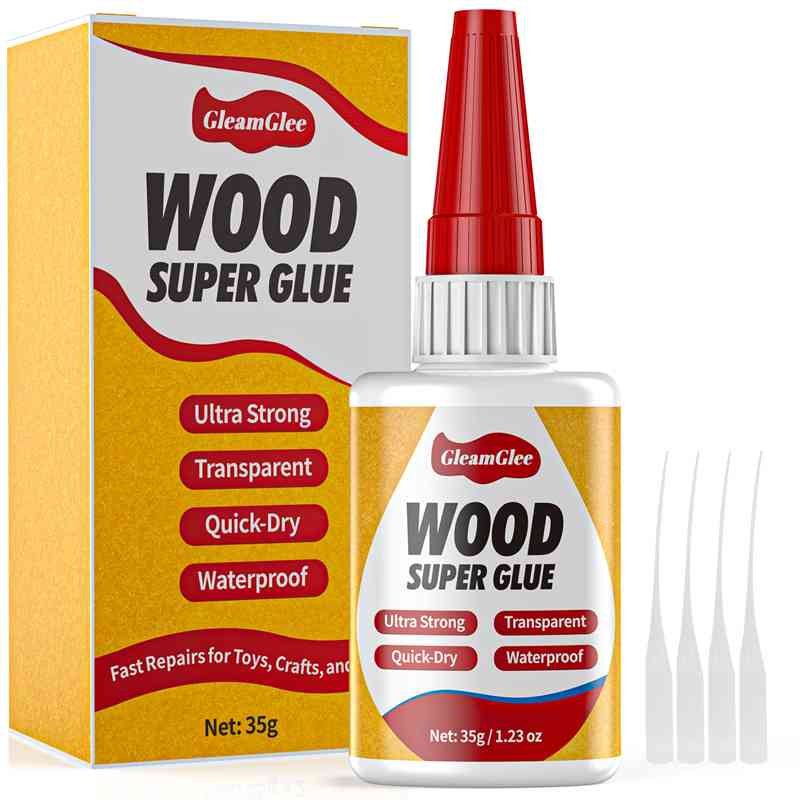
In this guide, we’ll show you what actually works for wood-to-plastic repairs—and why GleamGlee Super Glue for Wood is one of the best choices for small, precise, everyday fixes.
✓ No screws required
✓ Long‑lasting bond
✓ DIY friendly
Why Wood to Plastic Is Harder to Bond Than It Looks
Wood and plastic are very different materials, and that is exactly why so many repairs fail.

Wood is porous, fibrous, and absorbent. Plastic is usually smooth and non-porous, and some plastics are chemically difficult to bond. That means the adhesive has to bridge two very different surfaces while still creating a strong hold. On top of that, not all plastics behave the same way. Some hard plastics bond relatively well, while low-surface-energy plastics like polyethylene (PE) and polypropylene (PP) are much harder for ordinary adhesives to grip. Loctite specifically identifies PE, PP, and PTFE as difficult-to-bond plastics that often need a dedicated plastic bonding system.
Another common mistake is using traditional wood glue. Standard wood glue is mainly designed for wood and wood composites, not for mixed-material bonding to plastic. Gorilla’s wood glue guidance positions it for wood, hardwoods, and natural wood composites rather than plastic repair.
That is why a repair that feels fine on day one can loosen, peel, or snap later. If you want the bond to last, you need the right adhesive type and the right prep.
What Type of Glue Works Best for Wood to Plastic?
There is no one-size-fits-all answer, but the main adhesive categories are easy to understand once you match them to the job.

For small repairs, close-fitting parts, and precise application, CA glue—often called super glue—is usually the easiest and fastest choice. Gorilla says its super glue gel is designed for a wide range of similar and dissimilar materials including most plastics, wood, and porous surfaces, though it is not ideal for certain difficult plastics like PE or PP.
For stronger repairs, heavier stress, or uneven surfaces, epoxy is often the better option. It is slower and messier than instant adhesive, but it usually offers better gap-filling and long-term hold.
For larger surfaces, installation-style projects, and broader mixed-material bonding, polyurethane or hybrid all-purpose adhesives often make more sense. Gorilla Original Glue is positioned as a versatile polyurethane adhesive, while Loctite Extreme Glue is marketed as an all-purpose option for materials including wood and plastic.
For hard-to-bond plastics, especially PE and PP, a plastic-specific bonding system may be the smartest route. That is exactly why Loctite sells a dedicated plastics bonding system rather than treating all plastics as equal.
A Quick Comparison of the Main Adhesive Types
| Adhesive Type | Best For | Main Strength | Best Feature | Main Limitation |
|---|---|---|---|---|
| CA Glue / Super Glue | Small repairs, precise bonding, close-fitting parts | Fast instant bond | Clean, quick, easy to apply | Not ideal for large gaps or heavy structural joints |
| Epoxy | Stronger repairs, heavier stress, uneven surfaces | High strength and durability | Better gap filling and long-term hold | Slower, often requires mixing |
| Polyurethane / Hybrid Adhesive | Larger surfaces, mixed-material bonding, installation-style projects | Durable broad-surface hold | Good versatility across materials | Less ideal for tiny precision work |
| Plastic-Specific Bonding System | Hard-to-bond plastics like PE or PP | Specialized plastic adhesion | Better on tricky plastics that ordinary glue struggles with | More specialized use case |
| Traditional Wood Glue | Wood-to-wood joints | Strong on wood fibers | Excellent for woodworking | Usually not the right answer for wood to plastic |
The Plastic Type Matters More Than Most People Think
When people search for the best glue for wood to plastic, they often assume all plastics behave the same way. They do not.

Many common hard plastics used in home goods, decorative parts, trim, and furniture components are easier to bond than PE and PP. Those low-surface-energy plastics are notoriously harder for many ordinary adhesives to grip. Loctite specifically recommends a dedicated plastics bonding system for difficult-to-bond plastics such as PE, PP, and PTFE.
That means your first question should be:
What kind of plastic am I actually bonding?
If the repair involves a hard plastic part and a close-fitting surface, CA glue is often a very practical solution. If it involves a difficult plastic, a larger panel, or a more demanding repair, you may need a different adhesive category.
Best Glue for Wood to Plastic by Project Type
If you are fixing a small household repair, such as a plastic fitting attached to wood, a loose decorative piece, or a compact broken part, CA glue is often the easiest and cleanest option.
If you are repairing furniture details, such as wood pieces with plastic caps, trim, fittings, or decorative parts, a precise instant adhesive is often more convenient than a thick construction adhesive.
If you are working on DIY crafts and hobby projects, a clear, fast-drying adhesive usually gives a neater result and is easier to control.
If you are bonding a larger plastic sheet or panel to wood, especially when the surface area is broad or the parts are not perfectly flush, polyurethane or hybrid all-purpose adhesive often makes more sense. Gorilla Original Glue and Loctite Extreme Glue both fit into that more versatile, broader-coverage category.
If the repair involves a tricky plastic like PE or PP, a regular wood glue or ordinary general-purpose glue may disappoint. In those cases, a plastic-oriented bonding system is often the better answer.
How to Glue Wood to Plastic So It Actually Holds
A strong wood-to-plastic bond is not just about choosing the right glue. It also depends on proper prep, correct application, and giving the adhesive enough time to cure.
1. Identify the plastic first
Before you start, try to figure out what type of plastic you are bonding. Some hard plastics are much easier to glue than others, while plastics like PP and PE are often harder to bond with ordinary adhesives. This step helps you avoid using the wrong glue from the start.
2. Clean both surfaces thoroughly
Dust, grease, oil, old adhesive, and residue can all weaken the bond. Wipe down both the wood and plastic surfaces before applying glue. A clean surface gives the adhesive a much better chance to grip properly.
3. Lightly sand where needed
If the plastic surface is very smooth or glossy, light sanding can help improve adhesion. The wood side should also be clean and free from loose fibers. You do not need aggressive sanding—just enough to create a better bonding surface.
4. Test the fit before gluing
Before applying adhesive, place the parts together and make sure they line up correctly. This is especially important for small repairs, because fast-setting glues leave very little time for adjustment once applied.
5. Apply a small, controlled amount of glue
More glue does not always create a stronger bond. For most small wood-to-plastic repairs, a thin, controlled layer works better than overapplying. Too much adhesive can create squeeze-out, slow the bond, and make the repair look messy.
6. Press and hold the parts in place
Once the glue is applied, press the pieces together firmly and hold them steady. Some repairs only need light hand pressure, while others may benefit from clamping depending on the adhesive type and project size.
7. Let the bond cure fully
Even if the repair feels secure quickly, that does not always mean it has reached full strength. Give the adhesive enough time to cure before putting the joint under stress. This is one of the most common reasons repairs fail too early.
8. Match the glue to the project
For small, close-fitting, precise repairs, a CA glue is often the easiest and cleanest choice. For larger surfaces, tricky plastics, or heavier-duty repairs, a different adhesive type may give better long-term results. Choosing the right glue for the job is just as important as the application itself.
Popular Adhesive Options People Buy for Wood to Plastic
When people look for the best glue for wood to plastic, they usually compare a few different adhesive styles depending on the size of the repair, the type of plastic, and how neat they want the final result to look.
1. Gorilla Super Glue Gel
A very common go-to for small household repairs. It’s popular because it sets fast, is easy to control, and works well for many everyday wood-to-plastic fixes involving hard plastics and close-fitting parts.
Typical price: around $5–$9
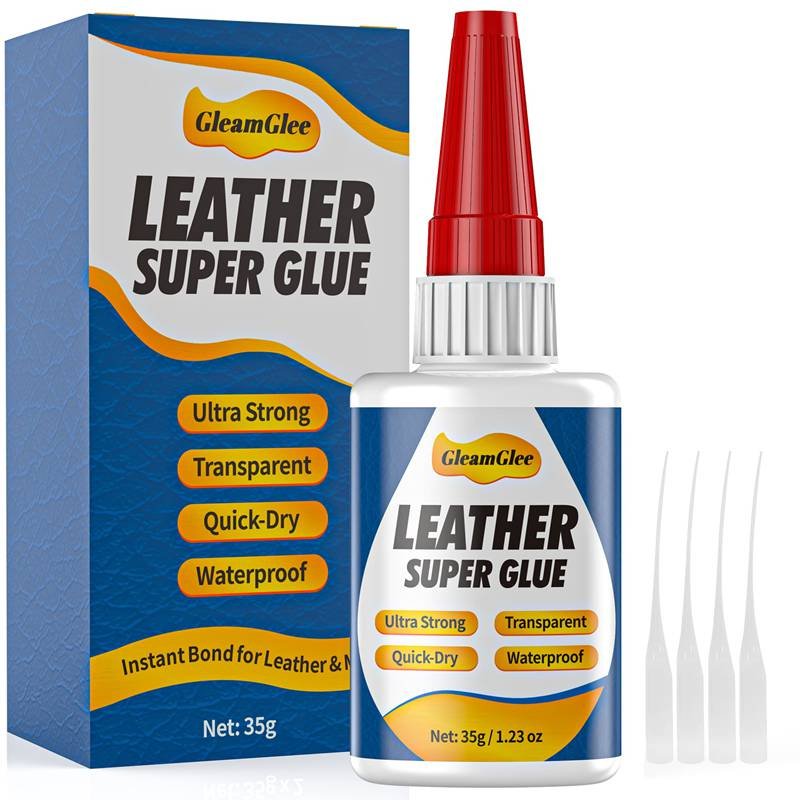
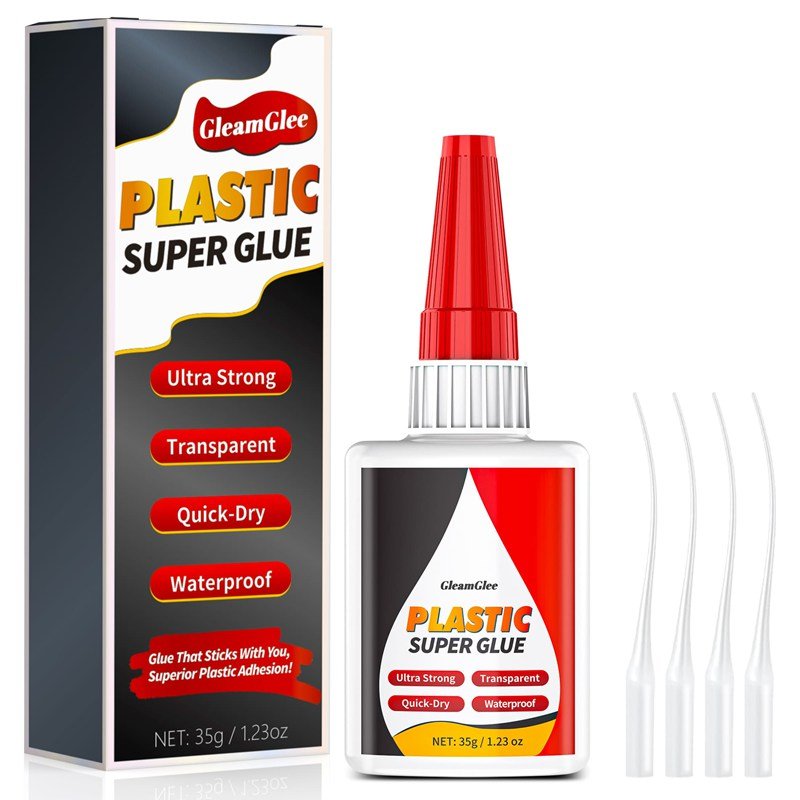
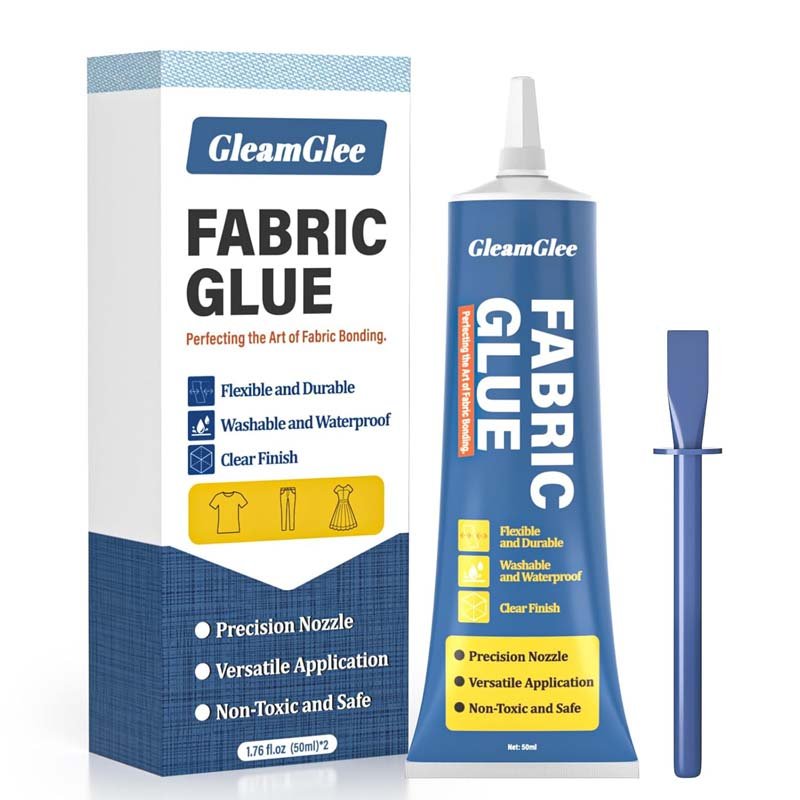
2. GleamGlee Super Glue for Wood
If you want something that feels a little more purpose-built for neat, precise repair work, GleamGlee Super Glue for Wood is one of the stronger picks in this category. It’s especially well suited for small wood-to-plastic repairs, furniture details, trim pieces, craft projects, and mixed-material household fixes.
Typical price: about $13.99
3. Loctite Super Glue Gel / Professional
Another popular option people often consider when they want a trusted hardware-store style instant adhesive. It is usually chosen for smaller close-fitting repairs.
Typical price: around $5–$8
4. Gorilla Original Glue
For shoppers dealing with a broader repair or a project that feels more like a build than a quick fix. It’s better suited to larger-area mixed-material bonding.
Typical price: around $6–$8
5. Loctite Plastics Bonding System
This is the kind of product people look at when the real problem is the plastic side. Especially useful for difficult plastics.
Typical price: around $7–$10
Which one makes the most sense?
For most everyday shoppers, the choice usually comes down to this:
- Need a fast, small, precise repair? A CA glue is usually the best fit.
- Need a cleaner-looking, more detail-friendly option? GleamGlee Super Glue for Wood is one of the best choices in that lane.
- Need to bond a larger surface? A heavier adhesive may make more sense.
- Dealing with a difficult plastic? A plastic-specific product is often worth considering.
For the kind of wood-to-plastic repair most people actually mean—small repairs, trim, furniture details, crafts, and neat household fixes—GleamGlee Super Glue for Wood fits very naturally as a top recommendation.
Our Top Pick for Small Wood-to-Plastic Repairs
If your repair is small, precise, and you want a cleaner, faster solution, GleamGlee Super Glue for Wood is our top pick.

Public product information positions it as a clear, waterproof, fast-drying adhesive for wood, metal, plastic, and more, which makes it especially appealing for compact mixed-material repairs where speed and precision matter most. The current public listing also shows a price around $13.99.
It is especially well suited for:
- small wood-to-plastic repairs
- furniture detail fixes
- decorative trim repairs
- DIY projects and hobby work
- household repairs where precise application matters
What makes this type of adhesive so practical is the combination of speed and control. You do not need to mix two parts. You do not need a thick bead of glue. You do not need to wait through a long setup just to handle a simple repair.
If the plastic is a typical hard plastic and the parts fit closely, this is exactly the kind of product many shoppers want when they search for a practical wood-to-plastic repair solution.
Why Many Wood-to-Plastic Repairs Fail
Most failed repairs come down to a few common mistakes.
- The first is using the wrong adhesive type. Traditional wood glue is one of the most common mistakes because it sounds logical, but it is mainly designed for wood-to-wood use, not wood to plastic.
- The second is ignoring the plastic type. Many people do not realize that PE and PP are much harder to bond than other plastics.
- The third is poor surface prep. Adhesives do not bond well to oily, dusty, glossy, or contaminated surfaces.
- The fourth is using too much glue. More glue does not automatically create a stronger repair. In many small repairs, it just creates squeeze-out, mess, and a less controlled bond.
- The fifth is stressing the repair too early. A bond that feels attached is not always fully cured.

When Super Glue Is Not the Best Choice
A trustworthy guide should say this clearly: super glue is not the right answer for every wood-to-plastic project.
You may want a different adhesive if:
- the plastic is PE or PP
- the bonded area is large
- the surfaces are uneven or gap-filled
- the joint will take heavy load or repeated shock
- the repair is more like an installation than a small fix
Loctite specifically notes that some difficult-to-bond plastics need a dedicated plastics bonding system, and Gorilla notes that its super glue is not a great answer for certain plastics such as polyethylene and polypropylene.
That does not make CA glue a bad option. It simply means it works best in its strongest zone: small, precise, close-fitting repairs.
Quick Decision Guide
If your project sounds like this, here is the easiest way to choose:

| Your Project | Best Choice |
|---|---|
| Small wood-to-plastic repair | CA Glue |
| Decorative trim or furniture detail | CA Glue |
| Difficult plastic like PE / PP | Plastic-Specific Bonding System |
| Larger plastic panel bonded to wood | Polyurethane / Hybrid Adhesive |
| Gap-filling mixed-material repair | Epoxy |
| Fastest everyday repair option | CA Glue |
| Wood-to-wood joinery | Traditional Wood Glue |
For most shoppers, the real question is not “What is the strongest glue possible?” It is “What is the right glue for my repair?” That is the question that actually leads to better outcomes.
FAQ
Q1: Can wood glue bond wood to plastic?
Usually not reliably. Traditional wood glue is mainly made for wood-to-wood bonding, not mixed-material bonding to plastic.
Q2: What is the best glue for wood to plastic?
It depends on the plastic and the repair. For small repairs on many hard plastics, CA glue is often a great option. For harder-to-bond plastics or larger repairs, epoxy, polyurethane, or a plastic-specific bonding system may work better.
Q3: Will super glue work on all plastics?
No. Some plastics, especially PE and PP, are much harder to bond with ordinary super glue.
Q4: Is epoxy stronger than super glue for wood to plastic?
For larger, heavier-duty, or gap-filled repairs, epoxy is often the stronger and more durable choice.
Q5: Is GleamGlee a good choice for wood-to-plastic repairs?
Yes, especially for small, precise, non-structural repairs where clear finish, quick bonding, and easy handling matter most.


The best glue for wood to plastic depends on the project—but for the kind of repairs most people actually mean when they search this topic, the answer is often simpler than it seems.
If you are fixing a small wood-to-plastic joint, furniture detail, decorative piece, trim repair, or DIY project, a precision CA glue is often the smartest and easiest solution.
That is why GleamGlee Super Glue for Wood is our top recommendation for small wood-to-plastic repairs. It offers the kind of speed, precision, and convenience that makes everyday mixed-material repairs feel easy instead of frustrating.
If your repair involves a difficult plastic, a large bonding area, or structural stress, choose a more specialized category. But if what you need is a fast, practical, clean repair for small wood-to-plastic bonding, GleamGlee is a strong place to start.