Skip to content

Transparent Museum Gel for Invisible Bonding: A Curatorial Guide
Your trusted adhesives glue & cleaner manufacturer

A beautifully arranged collection can lose much of its impact when the method used to secure it becomes part of the display. White putty beneath a crystal ornament, visible tape under a glass figurine, or bulky hardware around a small collectible may solve one problem while creating another. Transparent museum gel addresses a more specific need: keeping objects more stable on smooth horizontal surfaces without permanently attaching them or drawing attention away from their appearance. It is particularly useful for glass, crystal, resin figures, ceramics, miniatures, trophies, decorative objects, retail displays, and carefully arranged home collections where both stability and visual cleanliness matter.
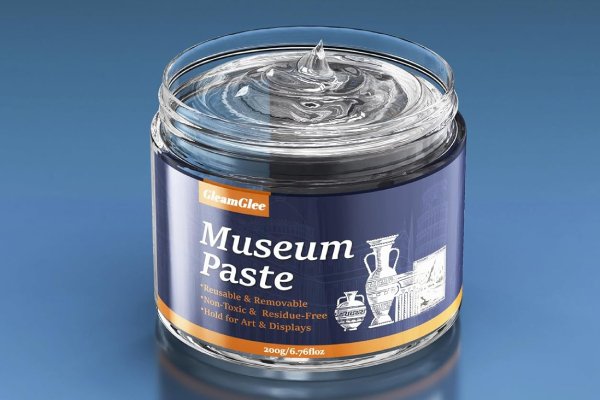
Transparent museum gel is a clear, flexible, removable stabilization material placed between the base of an object and a smooth horizontal display surface. It helps reduce sliding, rotation, tipping, and accidental movement without curing into a permanent structural joint. Because the gel remains transparent and repositionable, it is especially useful for glass shelves, crystal décor, figurines, collectibles, miniatures, and other displays where visible mounting materials would be distracting.
The most useful way to think about museum gel is not as a stronger form of glue, but as a quieter form of display control. A collector may notice the benefit after a cabinet door closes without moving a crystal ornament. A retailer may appreciate that a row of decorative samples stays aligned after customers touch the counter. A miniature hobbyist may finally stop repositioning tiny furniture after every adjustment to a dollhouse scene. In each case, the best result is often the one nobody notices because the object remains the center of attention.
What Is Transparent Museum Gel?
Transparent museum gel is a soft, clear stabilization material used beneath objects that already stand on their own but need additional resistance to everyday movement. It does not replace structural adhesives, screws, brackets, or repair products. Its role is to create a discreet, removable contact layer between an object base and a compatible horizontal surface so the display remains cleaner, more stable, and easier to rearrange.
How Does Museum Gel Create an Invisible Bond?
An “invisible bond” in museum gel applications is different from the permanent bond created by a structural clear adhesive. A small amount of transparent gel is placed between the underside of an object and the display surface. When pressure is applied, the gel spreads gradually through the available contact area and conforms to small variations in the two surfaces. This increases resistance to sideways movement while allowing the material to remain flexible and removable.
The visual benefit comes from controlling both transparency and quantity. Clear gel can become difficult to notice underneath glass, crystal, polished resin, glazed ceramic, or other smooth materials when it remains inside the object’s footprint. If too much material is used, however, it can squeeze beyond the edge and become visible even though it is transparent. A careful installation therefore aims for sufficient contact rather than maximum volume.
For small pieces, a pea-sized amount often provides a practical starting point. Wider bases can sometimes be stabilized more evenly with several smaller portions positioned around the underside instead of one large central mound. This method distributes contact while keeping the gel thinner and less noticeable. The exact amount should always be adjusted according to the object’s base area, weight distribution, center of gravity, and display conditions rather than treated as a universal formula.
Is Museum Gel the Same as Permanent Glue?
Museum gel and permanent glue solve two different problems. A permanent adhesive is intended to join separated materials, rebuild a broken connection, or create a structural assembly. Museum gel is intended for an intact object that can already stand independently but may slide, rotate, or tip when it experiences light vibration or accidental contact. This distinction matters because the expected performance and removal method are completely different.
A broken ceramic handle, cracked figurine, detached metal component, or separated glass decoration should be repaired with an adhesive suited to those materials and the expected load. Museum gel should not be inserted into a broken joint as a substitute. Once the repair has been completed and properly cured, however, museum gel can still be useful beneath the restored object to reduce the chance of another fall.
For collectors, photographers, retailers, galleries, and hobbyists who frequently rearrange objects, removability is one of the most valuable characteristics. Permanent glue makes every layout change difficult and may damage a shelf or object during removal. Museum gel offers a middle ground between leaving an object completely unsecured and permanently bonding it to furniture or a display platform.
| Feature | Transparent Museum Gel | Permanent Adhesive |
|---|---|---|
| Main purpose | Stabilize intact display objects | Join or repair separated materials |
| Bond behavior | Flexible and removable | Usually rigid or semi-rigid |
| Typical appearance | Clear and discreet | Depends on adhesive chemistry |
| Repositioning | Generally practical | Usually limited after curing |
| Removal | Designed for controlled removal | May require cutting, scraping, or solvents |
| Common use | Figurines, crystal, décor, miniatures | Repairs, assembly, structural bonding |
| Best orientation | Primarily horizontal display surfaces | Depends on product specification |
Why Does Transparency Matter for Displays?
Transparency becomes especially important when both the object and the supporting surface are visible. A crystal ornament on a glass shelf exposes almost every part of the installation from multiple angles. White putty, foam pads, colored adhesive, or opaque tape can immediately draw the eye toward the mounting method rather than the object. In premium displays, even a small visible attachment point may make an otherwise carefully designed presentation look improvised.
This is why transparent gel is particularly relevant for glass cabinets, crystal collections, art glass, modern retail showcases, trophy displays, transparent acrylic stands, photography sets, and minimalist interiors. The goal is not simply to hide adhesive. It is to preserve the visual relationship between the object, its shelf, its lighting, and the surrounding negative space.
Lighting should also be considered during installation. Clear gel may be almost invisible under soft ambient lighting but become easier to see under directional LED lights, strong side lighting, or photography flash. After placement, the display should be checked from the front, side, normal standing height, and slightly below a transparent shelf. A small reduction in gel quantity or a change in contact-point position can often make the installation significantly cleaner.

Which Surfaces Work Best?
Museum gel is most predictable on clean, smooth, sealed, nonporous, and level horizontal surfaces. Glass, crystal, glazed ceramic, polished marble, smooth metal, resin, hard plastic, and many properly sealed furniture surfaces are common applications. Porous, unfinished, heavily textured, delicate, historically important, or unknown finishes should be treated more cautiously because adhesion, residue, and staining behavior may be less predictable.
Does Museum Gel Work on Glass and Crystal?
Glass and crystal are among the most suitable applications because they are usually smooth, relatively nonporous, and visually sensitive to opaque mounting materials. Common examples include glass sculptures, crystal ornaments, candle holders, transparent trophies, decorative bottles, art glass, vases, small perfume displays, and figurines resting on glass shelves. In these situations, transparent gel can improve stability while remaining much less noticeable than traditional putty.
Cleanliness has a direct effect on both appearance and contact. Fingerprints contain skin oils, glass cleaners may leave a thin surfactant film, and fine dust can accumulate under display objects even in enclosed cabinets. These contaminants reduce direct contact between the gel and surface. Before installation, both the object base and the shelf should be cleaned using a method appropriate for the material and allowed to dry completely.
Base geometry should also be evaluated. A flat-bottomed ornament provides a much larger effective contact area than a sculpture resting on several narrow points. If the object has decorative feet, deep recesses, or an uneven underside, simply adding more gel may create excessive squeeze-out without producing a proportionate improvement in stability. In these cases, the user should consider whether gel, putty, a custom stand, or another support method better matches the geometry.
Can Museum Gel Hold Ceramic, Metal, Plastic, and Marble?
Many ceramic, metal, resin, plastic, and marble objects can be stabilized successfully, but surface finish is often more important than the broad material category. Glazed porcelain behaves differently from unglazed terracotta. Polished marble differs from rough natural stone. A smooth acrylic stand offers more predictable contact than a heavily textured plastic base. Painted metal can be suitable, but a loose or deteriorated coating may create a weak link between the object and the gel.
Four practical questions help determine suitability. First, is the surface smooth enough for consistent contact? Second, is it sealed or nonporous enough to reduce the risk of absorption? Third, does the object have a sufficiently broad and stable base? Fourth, is the finish itself sound, without peeling paint, unstable lacquer, loose labels, wax buildup, or powdery degradation?
Users should also distinguish material compatibility from load suitability. A heavy marble object may sit on a compatible polished surface but still be inappropriate if its failure could cause injury. Museum gel improves resistance to ordinary movement; it should not be treated as an engineered safety restraint for hazardous loads.
| Surface | General Suitability | Practical Check |
|---|---|---|
| Glass | High | Remove fingerprints and cleaner film |
| Crystal | High | Keep gel inside the visible footprint |
| Glazed ceramic | High | Check glaze for cracks or loose coatings |
| Polished marble | High | Confirm the surface is sealed |
| Smooth metal | High | Check paint or coating stability |
| Hard plastic / resin | Moderate to High | Test unknown plasticizers or coatings |
| Sealed wood | Moderate | Test finish in a hidden area |
| Unfinished wood | Caution | Porosity may increase staining risk |
| Fabric | Caution | Fibers can absorb oils and trap gel |
| Unglazed ceramic | Caution | Surface is porous and absorbent |
| Rough stone | Caution | Uneven texture reduces effective contact |
Are Porous Surfaces Suitable?
Porous surfaces deserve much greater care because soft mounting materials can transfer oils or other components into materials that absorb them. Unfinished wood, fabric, paper-based surfaces, unglazed ceramics, porous stone, some old paints, and certain historical finishes can behave differently from modern glass or glazed ceramic. A surface may appear unchanged immediately after application while developing a darker or oily mark after longer contact.
For ordinary modern furniture with a sealed coating, a discreet test can often provide useful information. A very small amount can be placed in an inconspicuous location, left for an appropriate observation period, removed, and checked under both normal and angled lighting. This simple step is especially useful when the finish contains wax, lacquer, decorative paint, or an unknown coating.
For antiques, archaeological objects, valuable historic glass, painted wood, culturally important artifacts, or irreplaceable pieces, experimentation should be more conservative. The financial or cultural consequences of staining may be far greater than the benefit of additional stability. A qualified conservator may recommend barriers, purpose-built mounts, mechanical supports, or alternative stabilization systems depending on the material.
The simplest professional rule is that confidence should decrease as surface uncertainty increases. Smooth modern glass is easy to understand. A century-old painted or waxed surface is not. The more valuable and less replaceable the object, the more important controlled testing becomes.
How Do You Apply Museum Gel?
Museum gel should be applied to clean, dry surfaces using a small quantity placed beneath the base of an object. For many small pieces, a pea-sized amount is a sensible starting point. Press the object firmly onto a level horizontal surface, keep the gel within the footprint, and allow approximately 30 minutes for EPN museum gel to develop a stronger hold before judging final stability.
How Much Gel Should You Use?
The most common application error is using more material than necessary. A thick mass may appear reassuring, but once the object is pressed down, excess gel can spread beyond the base, collect dust, and become more visible. A small controlled quantity usually creates a cleaner result, particularly under transparent objects or glass shelving where every edge of the mounting material can be seen.
For a small figurine, ornament, or miniature, begin with approximately a pea-sized amount rather than covering the entire base. A larger base can often use several small portions positioned at stable contact points. Three or four balanced pieces may perform better visually than a single oversized lump because the gel spreads across multiple areas while remaining hidden.
The ideal amount depends on more than object weight. Base area, center of gravity, object height, number of feet, surface flatness, and expected vibration all influence performance. A low, wide decorative bowl may need less stabilization than a lighter but tall figurine with a narrow footprint.
The best application process is therefore progressive. Start with a small amount, allow it to settle, check the object gently, and increase only if required. This approach produces a more discreet installation and avoids unnecessary cleanup.
How Should You Prepare the Surface?
Preparation is one of the easiest ways to improve consistency without using additional gel. Begin by removing loose dust from both the display surface and the object base. On glass, polished metal, or glazed ceramic, fingerprints and oily residues should also be removed because they can reduce direct surface contact. Cleaning products should not leave a slippery film that remains between the gel and the substrate.
Both surfaces should be completely dry before installation. Moisture, especially when trapped beneath a transparent object, may interfere with contact and create an unattractive appearance. If the shelf has recently been cleaned, allow enough time for any remaining water or cleaning solution to evaporate rather than pressing the gel onto a damp surface.
The underside of the object also deserves inspection. Loose paper labels, weak felt pads, damaged paint, dust, protruding manufacturing seams, or unstable decorative feet can create problems. If the gel is attached to a loose label rather than the actual object, the overall installation is only as secure as the label adhesive.
| Application Step | Practical Target | Main Reason |
|---|---|---|
| Dust removal | No visible loose particles | Improves direct gel contact |
| Degreasing | No oily fingerprints | Reduces slipping |
| Drying | Completely dry surfaces | Improves consistency |
| Starting amount | About pea-sized for small objects | Limits squeeze-out |
| Contact points | Usually 1–4 small points as needed | Distributes stabilization |
| Orientation | Flat horizontal surface | Matches intended use |
| EPN settling period | About 30 minutes | Allows grip to strengthen |
| Final inspection | Check from multiple angles | Confirms clean appearance |
How Long Does Museum Gel Take to Hold?
Museum gel begins resisting movement soon after an object is pressed into position, but the contact can become stronger as the material settles beneath the base. For EPN museum gel, allowing approximately 30 minutes before evaluating the installation provides a more realistic indication of performance than immediately pushing or twisting the object after placement.
Across the broader clear museum gel category, settling periods of roughly 30 to 60 minutes are commonly associated with full contact development, depending on product formulation, application quantity, object geometry, and surface conditions. The gel gradually spreads under pressure and conforms to the interface, which explains why an object may feel easier to move immediately after placement than it does later.
Users should avoid repeatedly “testing” the object during the first few minutes. Constant movement interrupts settling and may spread the gel unevenly. Once the waiting period has passed, stability can be checked using light, controlled pressure rather than forceful pushing.
Displays located near frequently closed doors, high-traffic retail areas, pets, children, or vibration sources should be inspected again after the first day. This allows the user to confirm that the object did not shift while the gel settled and that no excess material has migrated beyond the intended footprint.
How Do You Keep the Bond Invisible?
An invisible-looking installation depends more on placement discipline than on the gel simply being clear. Transparent gel that extends beyond the base edge can still catch light and become visible. The cleanest approach is to place small portions toward the center or visually hidden areas of the base and press the object only enough to create contact without forcing excessive material outward.
Transparent objects require more attention than opaque objects because the viewer may see the gel through the material itself. Under a crystal ornament or clear glass sculpture, several thin contact points are generally less noticeable than one thick central mass. The base should be viewed through the actual shelf and object after installation rather than judged only from above.
Display lighting also influences visibility. Directional LED strips, bright side lighting, and photography lights can emphasize the edge of transparent gel. After placement, inspect the object from the front, side, normal standing height, and slightly below the shelf if it is transparent.
If the gel remains obvious, the most effective correction is usually to reduce the quantity and improve positioning. Trying to hide an oversized amount rarely creates a professional result.

Is Museum Gel Removable and Reusable?
Museum gel is designed to provide temporary, reversible stabilization rather than permanent attachment. On suitable smooth surfaces, an object can normally be released using a gentle twisting motion near its base. Clean gel may be reused for another placement, although repeated handling, dust, lint, skin oils, and surface contamination can gradually reduce both its clarity and useful tack.
How Do You Remove Museum Gel?
Removal should be gradual rather than forceful. Pulling a delicate object vertically with sudden force can place unnecessary stress on glass, ceramic, resin, or fragile decorative components. A safer technique is to hold the object low near the base, introduce a gentle twisting or rocking motion, and allow the contact to release before lifting the object away.
Once the object has been removed, any remaining clean gel can often be rolled together and lifted from a smooth surface. Scraping with metal tools should be avoided on polished shelves, painted finishes, glass, or valuable furniture because the removal tool may create more damage than the gel itself.
Long-term displays also benefit from periodic removal and inspection. Dust accumulates, furniture finishes age, room temperatures change, and display objects may gradually shift. Removing an object occasionally provides a chance to inspect the base, clean the shelf, examine the gel, and decide whether the original contact points remain appropriate.
A removable product is most useful when the user also treats the display as maintainable. Collectibles, retail samples, miniature scenes, and seasonal décor often change over time, so reversible stabilization supports this natural cycle rather than locking the arrangement permanently in place.
Does Museum Gel Leave Residue?
On compatible smooth, nonporous surfaces, clean removal is one of the main reasons users choose museum gel instead of permanent glue or aggressive adhesive tape. Glass, glazed ceramic, polished metal, crystal, and similar sealed surfaces generally provide the most predictable conditions because they do not readily absorb components from the gel.
Residue risk should nevertheless be discussed realistically rather than as an absolute promise. Surface chemistry, coating age, contact time, heat, contamination, porosity, and previous treatments can all influence what happens after removal. A modern glass shelf and a hand-painted antique cabinet should never be assumed to behave the same way.
Unfinished wood, porous stone, fabric, unglazed pottery, delicate lacquers, old paint layers, and valuable historical finishes require additional caution. If a surface can absorb oils or contains a fragile coating, even a removable gel may leave a change that cannot simply be wiped away.
For EPN museum gel, clean removal is an intended characteristic on suitable smooth surfaces. Where the finish is unknown, the most responsible approach is to test a very small, hidden area before using the product under a visible or valuable object.
Can You Reuse Museum Gel?
Museum gel can often be reused when it remains clean, transparent, flexible, and free from embedded contamination. This makes it useful for display arrangements that change regularly, such as seasonal home décor, collectible rotation, product photography, retail merchandising, trade-show samples, and miniature scenes where objects are repositioned frequently.
Reusability should not be interpreted as unlimited service life. Every time the gel is handled, it can collect dust, lint, hair, skin oils, packaging fibers, and microscopic particles from the shelf or object base. Once these contaminants become embedded, the gel may look cloudy and produce less predictable contact.
Clear material provides an advantage because contamination is easy to see. If a reused portion looks visibly dirty or contains fibers, replacing that small piece is usually more sensible than pressing it beneath a polished crystal or glass object.
Unused gel should be stored inside its original container with the lid closed. Leaving portions exposed on a table or workbench allows airborne particles to accumulate quickly. Good storage helps preserve both appearance and usability while reducing unnecessary product waste.
What Can Museum Gel Secure?
Museum gel is best suited to intact objects that already stand independently but may slide, rotate, vibrate, or tip after minor contact. Common applications include action figures, resin figurines, crystal ornaments, glass décor, vases, trophies, miniatures, antiques, models, craft displays, retail samples, office decorations, photography props, and decorative objects placed on smooth horizontal surfaces.
Which Collectibles Benefit Most?
Collectibles benefit most when their problem is everyday movement rather than fundamental instability. Action figures, anime statues, resin figurines, vinyl collectibles, game memorabilia, trophies, decorative models, small sculptures, and limited-edition display pieces can all shift over time because shelves are smooth and cabinets experience vibration from doors, footsteps, nearby furniture, cleaning, or accidental bumps.
The shape of the base often matters more than the retail price of the collectible. A broad, flat base gives the gel more useful contact area. A very tall figure standing on two narrow feet may remain vulnerable even when the gel itself adheres well. This is because tipping depends on the relationship between the center of gravity and the footprint, not simply the amount of adhesive contact.
Collectors should distinguish between sliding, rotation, and tipping. Sliding occurs when an object moves sideways across the surface. Rotation occurs when the object gradually changes orientation. Tipping occurs when the center of gravity moves beyond the supporting base. Museum gel is especially useful for reducing sliding and rotation and can help reduce light-contact tipping, but it cannot redesign an inherently unstable object.
For unusually tall, fragile, or expensive figures, a purpose-built stand, mechanical support, or display enclosure may be more appropriate as the primary safeguard, with museum gel serving as an additional stabilizing layer.
How Can Museum Gel Protect Glass Décor?
Glass décor combines two difficult characteristics: it is often smooth enough to slide easily and fragile enough that a single fall may cause irreversible damage. Decorative vases, crystal ornaments, candle holders, art glass, glass sculptures, perfume bottles, transparent trophies, and collectible glassware can all shift when a shelf is bumped, a cabinet is opened, or nearby furniture vibrates.
Transparent gel addresses this movement without adding an obvious white or colored mounting material beneath the object. This is especially valuable in glass cabinets where the shelf itself is transparent and the mounting method may be visible from below. A well-controlled application can improve stability while preserving the clean appearance that makes glass and crystal attractive in the first place.
Users should still consider the consequences of failure. A lightweight decorative ornament inside a low cabinet presents a different level of risk from a heavy glass sculpture placed above a walkway. In the latter situation, museum gel should be considered supplementary stabilization rather than the only safety measure.
The best applications are therefore those where the object already has a stable base and needs extra resistance to ordinary bumps, pets, cabinet vibration, light handling, or gradual movement across a smooth shelf.
How Does Museum Gel Help Miniature Displays?
Miniature environments often contain dozens of small objects arranged very close together, and even slight movement can disturb the scene. Dollhouse furniture may slide when the house is moved. Model railway buildings can shift while track is cleaned. Miniature trees, figures, scenery pieces, tabletop models, and handmade craft components may rotate whenever nearby elements are adjusted.
Museum gel is useful in these situations because a tiny amount can stabilize a piece without permanently gluing it into place. This preserves flexibility for hobbyists who regularly redesign scenes, change seasonal arrangements, photograph models, or replace individual components.
The quantity used for miniature work should be particularly small. A large gel portion under a tiny chair or model building can become more visible than the object itself and may spread into surrounding scenery. Small controlled contact points are normally preferable.
Photography props provide a related use case. A small product, decorative accessory, or miniature prop may need to stay at a specific angle across many shots. Removable gel can help maintain that position while still allowing the photographer to reset the scene without cleaning cured adhesive from the table or object.
Is Museum Gel Useful for Retail and Galleries?
Retail displays experience more disturbance than many home collections. Customers touch counters, merchandise is rearranged, cleaning teams work around decorative samples, cabinets are opened throughout the day, and nearby foot traffic introduces light vibration. Clear museum gel can help keep small products, decorative bottles, awards, showcase objects, samples, and display accessories aligned without making the presentation look mechanically restrained.
Gallery and showroom environments benefit for similar reasons. Display objects may need to remain stable while still being removable for rotation, photography, inventory changes, or exhibition updates. Temporary events and trade shows also create situations where drilling, screws, or permanent adhesive are unsuitable because the furniture is rented or the display must be dismantled after several days.
For commercial programs, consistency across jars becomes as important as the performance of a single sample. Retailers, distributors, and private-label brands may need repeatable viscosity, transparency, packaging quality, labeling, and supply continuity. EPN supports customized museum gel projects with packaging, label, carton, and presentation options, allowing the consumer experience to remain simple while the underlying production program is adapted for different markets.
| Application | Common Movement Risk | Role of Museum Gel | Main Limitation |
|---|---|---|---|
| Figurines | Sliding and tipping | Adds base resistance | Cannot correct unstable geometry |
| Crystal décor | Sliding | Clear stabilization | Requires smooth surface |
| Glass vases | Bumps and vibration | Reduces movement | Not a structural safety restraint |
| Miniatures | Rotation and shifting | Repositionable hold | Very small quantities work best |
| Retail samples | Repeated disturbance | Maintains alignment | Requires periodic inspection |
| Photography props | Position drift | Temporary positioning | Keep gel clean between setups |
| Trophies | Shelf sliding | Improves stability | Horizontal surfaces only |
When Should You Not Use Museum Gel?
Museum gel should not be used as a universal mounting product. It is not intended for hanging objects on walls, repairing broken pieces, supporting overhead loads, stabilizing dangerously heavy items by itself, or automatically treating every porous or historic surface. Its safest role is additional stabilization for intact objects placed on clean, level, compatible horizontal surfaces.
Can Museum Gel Be Used on Walls?
Museum gel should not be used as the primary mounting method for objects on vertical walls. On a horizontal surface, gravity presses the object toward the shelf and helps maintain contact between the gel and base. On a wall, gravity continuously pulls the object downward, creating a different load direction and a much less suitable operating condition.
This difference is easy to underestimate because the product feels sticky when touched. A material that stabilizes a figurine on a shelf is not automatically capable of suspending the same object vertically. Wall-mounted frames, décor, signs, tools, or collectibles should use hardware or mounting products specifically designed for vertical loads and rated appropriately for the object.
Depending on the application, safer alternatives may include screws, hooks, rails, anchors, brackets, or purpose-designed mounting strips. The choice should reflect the object weight, wall material, consequences of failure, and manufacturer specifications.
Museum gel performs best when it stays within its intended role: increasing resistance beneath objects that already rest safely on a horizontal support.
Is Museum Gel Suitable for Heavy Objects?
Weight alone does not determine whether museum gel is suitable. A heavy object with a low center of gravity and broad flat base may already be relatively stable. A lighter object with a tall narrow shape may tip much more easily because its center of gravity can move beyond the base after only slight contact.
Before using gel, consider the object’s total weight, footprint, height, center of gravity, surface smoothness, expected vibration, and what would happen if it fell. The consequences of failure are especially important. A decorative piece falling onto carpet may be inconvenient, while a heavy glass sculpture falling from a high shelf could cause injury.
Museum gel should not be presented as a certified structural restraint for hazardous loads. If an object is large, exceptionally valuable, top-heavy, positioned over people, or likely to experience significant movement, mechanical support or a professionally designed mounting system is more appropriate.
Adding a large amount of gel does not transform the material into an engineered anchor. As risk increases, the mounting method should become more conservative rather than simply using more product.
Can Museum Gel Repair Broken Objects?
Museum gel is not a repair adhesive. It remains flexible and removable, while repairs normally require an adhesive that creates a durable joint between separated materials. Broken ceramic handles, cracked decorative glass, detached figurine parts, loose metal components, damaged plastic housings, and furniture joints all require products selected specifically for the materials and mechanical demands involved.
The correct repair adhesive depends on several factors, including material type, joint area, gap size, expected flexibility, moisture exposure, temperature, and load. A glass repair may need optical clarity. A shoe repair may require flexibility. A metal joint may demand a completely different chemistry. Museum gel is not designed to replace those material-specific solutions.
Once a collectible has been repaired correctly and the adhesive has fully cured, museum gel may become useful again as a preventive measure beneath the object. These two jobs should remain separate: the repair adhesive restores the damaged object, while museum gel helps reduce the possibility of accidental movement during later display.
Keeping this distinction clear prevents unrealistic expectations and helps users choose products according to the actual problem rather than simply according to how sticky the material feels.
Are Valuable Antiques Always Safe to Use with Gel?
No mounting material should be assumed automatically safe for every antique simply because it is marketed for displays. Antique surfaces may contain old varnishes, unstable paint, wax, natural oils, corrosion layers, previous restoration materials, porous substrates, or coatings whose composition is unknown. These conditions can make contact behavior very different from that of modern glass or glazed ceramic.
For ordinary modern décor, a discreet test on a hidden area may be reasonable. For historically important objects, archaeological material, old painted wood, fragile lacquer, porous stone, valuable ceramics, or unusual historic glass, professional conservation advice is more appropriate. The safest solution may involve a barrier layer, custom mount, mechanical cradle, inert support, or another method designed specifically for the object.
The word “removable” describes intended behavior on suitable surfaces; it does not guarantee that every antique coating will remain completely unchanged after long contact. Surface condition matters just as much as the gel itself.
A good display decision protects the object from falling while also protecting its finish from unnecessary treatment. When those two goals conflict, preservation of the object should come first.
Which Museum Mounting Option Is Best?
The best museum-style mounting material depends on transparency, base shape, surface type, desired reversibility, and display conditions. Transparent museum gel is especially well suited to smooth glass, crystal, glazed ceramic, and polished horizontal surfaces where visible mounting material would be distracting. Putty often handles irregular opaque bases more easily, while museum wax can suit selected longer-term decorative arrangements.
Museum Gel vs. Museum Putty
Museum gel and museum putty both reduce movement, but their visual and physical characteristics make them better suited to different displays. Museum putty is typically opaque or semi-opaque and can be molded easily around uneven feet or irregular bases. This makes it useful beneath objects where the mounting material remains hidden and where shapeability is more important than transparency.
Transparent gel has a clear advantage under crystal, glass ornaments, acrylic stands, and objects displayed on glass shelves. In these settings, opaque putty may be visible through both the object and the shelf, while the gel blends into the installation more naturally.
Base geometry can reverse the decision. A clear ornament with a broad flat base is an excellent gel candidate. An opaque ceramic figurine resting on several irregular feet may provide better contact with putty because the material can be shaped around the underside more easily.
The best choice is therefore not based on which product sounds stronger. It depends on how the object stands, how much of the mounting material viewers can see, how frequently the object will move, and whether the surface is compatible with the chosen material.
Museum Gel vs. Museum Wax
Museum wax usually has a firmer texture than clear gel and can be useful when a more fixed-feeling placement is desirable beneath an opaque object. Gel is often preferable when transparency, subtle appearance, and easy repositioning are central priorities. Both materials can stabilize decorative objects, but neither should be assumed suitable for every surface or conservation situation.
The expected duration of the display may influence selection. A collector who changes arrangements every few months may value reusable clear gel. A decorator installing opaque ornaments for a longer seasonal period may find wax more convenient. Temperature, surface finish, object weight, and ease of future removal should also be considered.
Glass-on-glass and crystal-on-glass displays make gel particularly attractive because the mounting method remains much less noticeable. Wax can still perform well beneath opaque bases where viewers cannot see the contact point.
Both products deserve caution on unfinished wood, porous stone, fragile paint, old varnishes, and historical surfaces. Visual convenience should never outweigh the potential risk to an irreplaceable finish.
Which Option Is Best for Invisible Displays?
When visual discretion is the priority, transparent museum gel is usually the strongest match for smooth horizontal displays involving glass, crystal, clear acrylic, glazed ceramic, resin, or polished surfaces. Its greatest advantage is not simply that it is clear, but that a small controlled amount can remain hidden between transparent surfaces where putty or opaque mounting materials would immediately be noticeable.
The selection should still account for surface geometry. A smooth broad base favors gel, while irregular feet may make putty easier to position. The expected length of installation, frequency of rearrangement, value of the object, and sensitivity of the finish should also influence the final decision.
| Decision Factor | Museum Gel | Museum Putty | Museum Wax |
|---|---|---|---|
| Transparency | Excellent | Low | Moderate |
| Glass-on-glass | Excellent | Fair | Good |
| Crystal displays | Excellent | Fair | Good |
| Irregular bases | Moderate | Excellent | Good |
| Repositioning | Excellent when clean | Good | Moderate to Good |
| Horizontal displays | Excellent | Excellent | Excellent |
| Porous surfaces | Caution | Caution | Caution |
| Visual discretion | Very high | Low to Moderate | Moderate |
| Best general fit | Clear smooth displays | Hidden irregular bases | Selected longer-term décor |
A professional display method should meet four conditions at the same time: sufficient stability, acceptable surface compatibility, low visual impact, and practical removal. For many glass cabinets, crystal collections, premium retail displays, transparent collectibles, and minimalist interiors, clear museum gel provides an effective balance across all four.

Conclusion
Transparent museum gel works best when it is treated as a specialized display stabilizer rather than a universal adhesive. Its purpose is simple but valuable: reduce the everyday sliding, rotation, vibration, and tipping that can threaten figurines, crystal, glass décor, collectibles, models, miniatures, trophies, and decorative objects while keeping the method of stabilization visually discreet and removable.
The strongest applications are found on clean, smooth, sealed, level horizontal surfaces where a small amount of clear gel can remain inside the footprint of the object. Careful surface preparation, controlled quantity, approximately 30 minutes of settling time for EPN museum gel, and periodic inspection can all improve the quality of the installation. Porous materials, old coatings, valuable antiques, unstable objects, vertical mounting, and hazardous heavy loads require a more conservative approach.
For everyday users, the appeal is practical: no drilling, no obvious white putty, no permanent bond, and no need to rebuild the entire display when objects are rearranged. For retailers, distributors, galleries, hobby brands, and private-label programs, the same product concept can also support different packaging formats, branded labels, market-specific instructions, and customized presentation requirements.
The best invisible bond is ultimately the one that does not become part of the visual story. The crystal still looks like crystal, the figurine remains the focal point, the shelf stays clean, and the viewer sees the collection rather than the material keeping it in place.

Frequently Asked Questions
Is museum gel really invisible under glass?
Transparent museum gel can become very difficult to notice under glass or crystal when a small amount is used and the material remains fully inside the footprint of the object. It is not literally invisible under every lighting condition or viewing angle. Strong side lighting, excessive quantity, dust, or gel that spreads beyond the base can make it easier to see, so careful placement is essential for the cleanest result.
How long does museum gel take to become secure?
EPN museum gel develops a stronger hold after approximately 30 minutes on a suitable clean and smooth horizontal surface. Products in the wider clear museum gel category may use settling periods around 30 to 60 minutes depending on formulation and application conditions. Users should avoid repeatedly pushing or repositioning the object immediately after installation because the gel needs time to spread and establish more consistent contact beneath the base.
Can museum gel be used on wood furniture?
Museum gel may be suitable for some sealed, smooth modern wood finishes, but unfinished, porous, waxed, fragile, antique, or unknown wood coatings require greater caution. A small test in a hidden area is advisable before wider use because soft mounting materials can interact differently with finishes. For valuable antique furniture or historically important surfaces, professional conservation guidance is safer than assuming compatibility from the word “wood” alone.
Is museum gel safe for crystal figurines?
Crystal figurines are among the most common applications for transparent museum gel because crystal is generally smooth and the clear material can remain visually discreet beneath the base. The figurine should already stand independently and have sufficient contact area. Museum gel helps reduce ordinary sliding and tipping but should not be considered the sole safety restraint for unusually heavy, tall, unstable, or irreplaceable crystal pieces.
Can museum gel be reused after removal?
Clean museum gel can often be reused after it has been gently removed from a compatible smooth surface. Reusability decreases when the material collects dust, lint, skin oils, hair, or other debris. If a reused portion looks cloudy or contains visible contamination, replacing that portion is usually preferable, particularly when it will be placed beneath polished glass, crystal, or another surface where cleanliness and appearance are important.
What is the difference between museum gel and museum putty?
Museum gel is transparent and particularly useful for smooth glass, crystal, acrylic, glazed ceramic, and other displays where the mounting material might otherwise be visible. Museum putty is usually opaque or semi-opaque but is easier to shape around irregular feet or uneven bases. Gel generally offers better visual discretion, while putty can offer easier mechanical placement when the mounting material is hidden beneath an opaque object.
Can museum gel stop collectibles from falling during an earthquake?
Museum gel can reduce sliding, rotation, and tipping caused by light vibration and ordinary accidental movement, but it should not be treated as a guaranteed earthquake restraint for every collectible or every level of seismic motion. Object weight, height, base shape, shelf design, vibration intensity, and failure consequences all matter. Valuable, heavy, tall, or hazardous displays may require mechanical restraints, enclosed cabinets, purpose-built mounts, or additional seismic protection.
Share:
Table of Contents
Here, creating your adhesives glue & removal cleaner collection is no longer a barrier—it’s a collaborative journey where GleamGlee helps brands and businesses transform their vision into durable, certified, and market-ready solutions.
Partner with GleamGlee
Join hundreds of global partners who trust GleamGlee for adhesives and cleaners that combine innovation, compliance, and speed. Our vertically integrated system—from R&D to warehouse—guarantees consistent performance and reliable delivery.
Whether you’re sourcing FBA-ready stock or developing your own formula, our team provides unmatched technical support and responsive service.