Skip to content
Shoe Glue for Rubber Soles: Best Repair Guide
Your trusted adhesives glue & cleaner manufacturer

The best shoe glue for rubber soles is a flexible, waterproof adhesive designed specifically for footwear repair. Unlike ordinary household glues, it forms an elastic bond that can move with the shoe as it bends during walking or running. A good shoe repair adhesive should bond rubber to materials such as leather, fabric, foam, or synthetic uppers while maintaining strong adhesion even under repeated flexing, pressure, and temperature changes.
For reliable results, the adhesive should have several key characteristics: high bonding strength, long-lasting flexibility, waterproof resistance, and a clear finish after curing. Flexibility is especially important because the front of a shoe bends thousands of times during normal walking. If the adhesive becomes brittle, the bond line can crack and the sole may separate again. Waterproof performance also ensures the repair remains stable when exposed to rain, sweat, or outdoor conditions.
In practical terms, the best shoe glue for rubber soles is one that creates a durable yet flexible seal between the sole and the upper while remaining easy to apply and nearly invisible after drying. High-quality shoe repair adhesives with precision applicators allow users to repair sneakers, boots, work shoes, and dress shoes at home, extending the life of the footwear and avoiding the cost of replacement.
What Is Shoe Glue for Rubber Soles?
Shoe glue for rubber soles is a specialized adhesive designed to reattach rubber outsoles, repair separated edges, and bond rubber to materials such as leather, fabric, EVA foam, vinyl, and synthetic uppers. Unlike ordinary household glue, shoe repair adhesives remain flexible after curing, which allows the bond to move with the shoe during walking, running, or bending. This flexibility is essential because the front of a shoe can bend 3,000–6,000 times per day during normal walking. A suitable shoe glue must therefore combine strong adhesion, waterproof resistance, and elasticity so the repair does not crack or peel under daily stress.
In practical use, shoe glue for rubber soles is commonly used to fix problems like peeling sneaker soles, loose heels, cracked toe caps, and detached insoles. Many modern repair adhesives are formulated to dry clear and resist moisture, allowing shoes to maintain both durability and appearance after repair. When applied correctly and allowed to cure for about 12–24 hours, a good shoe glue repair can often extend the life of everyday footwear by several months or even longer depending on wear conditions.
Why Is Shoe Glue for Rubber Soles Different?
Rubber soles are difficult to bond because the material is constantly under stress from bending, impact, and friction. Ordinary glues often fail because they become rigid after drying. When a shoe bends at the toe area, the hardened glue layer cannot stretch, which eventually causes the bond to crack or separate.
Shoe adhesives are formulated differently. They use elastic polymer systems that maintain flexibility while still providing strong adhesion to rubber and other shoe materials.
Key differences include:
| Property | Ordinary Glue | Shoe Glue for Rubber Soles |
|---|---|---|
| Flexibility after curing | Low | High |
| Water resistance | Limited | Strong |
| Resistance to bending | Weak | Durable |
| Suitability for footwear | Poor | Designed for shoes |
Because of these properties, shoe glue can withstand thousands of walking cycles without losing adhesion.
What Can Shoe Glue for Rubber Soles Fix?
Most shoe damage occurs in areas where the sole experiences high stress. When these areas begin to separate, adhesive repair can often restore the shoe before the damage spreads further.
Typical repairs include:
- rubber outsole separating from sneaker uppers
- loose or detached heels on dress shoes
- lifted toe caps on athletic shoes
- cracked midsoles on running shoes
- insoles that slide or curl inside the shoe
The success rate of adhesive repairs depends largely on how early the repair is performed.
| Repair Situation | Repair Success Rate |
|---|---|
| Small sole edge separation | Very high |
| Toe area lifting | High |
| Loose heel block | Moderate to high |
| Midsole cracks | Moderate |
Repairing the shoe early usually leads to better results because the surfaces remain clean and structurally intact.
Is Shoe Glue for Rubber Soles Easy to Use?
Modern shoe repair adhesives are designed for everyday users rather than professional cobblers. Most repairs can be completed at home with a simple process: clean the surfaces, apply a thin layer of glue, press the parts together, and allow the adhesive to cure overnight.
Typical repair steps include:
- Clean and dry the damaged area
- Lightly roughen smooth rubber surfaces with sandpaper
- Apply adhesive evenly along the separation
- Press the sole and upper together firmly
- Secure with rubber bands or clamps
- Allow 12–24 hours for full curing
When these steps are followed carefully, one repair kit can often fix 10–20 pairs of shoes, making shoe glue a practical and cost-effective solution for maintaining everyday footwear.
Which Shoe Glue for Rubber Soles Works Best?
The shoe glue that works best for rubber soles is usually a flexible, waterproof adhesive formulated specifically for footwear repair. These adhesives are designed to bond rubber to materials like leather, canvas, vinyl, and foam while still allowing the sole to bend during walking. High-quality shoe repair glues typically create a durable elastic bond that resists vibration, impact, moisture, and temperature changes, which are all common conditions shoes experience during daily use.
For most sole repairs, adhesives based on urethane rubber, flexible polymer, or contact cement formulations tend to perform better than rigid glues because they maintain elasticity after curing. Cobblers and shoe repair professionals often use flexible contact cements or similar industrial adhesives when reattaching soles because they create strong bonds that tolerate repeated flexing.
What Makes Shoe Glue for Rubber Soles Strong?
A strong shoe glue is not simply the one that dries the hardest. In footwear repair, strength comes from a combination of adhesion, flexibility, and resistance to environmental stress. Shoes experience constant bending and impact, so the adhesive must maintain its grip even while the materials move.
Several performance factors determine whether a shoe glue works well on rubber soles:
- strong adhesion to rubber and mixed shoe materials
- flexibility after curing to prevent cracking
- resistance to water, sweat, and temperature changes
- ability to absorb vibration and impact during walking
For example, some specialized shoe repair adhesives can tolerate extreme temperature changes and repeated movement without losing bond strength, making them suitable for athletic or outdoor footwear.
The following comparison shows how different glue types perform in sole repairs:
| Glue Type | Bond Strength | Flexibility | Best Use |
|---|---|---|---|
| Super glue (cyanoacrylate) | Moderate | Low | Quick small repairs |
| Rubber cement | Low | Moderate | Light materials |
| Contact cement | High | High | Professional sole repair |
| Flexible shoe adhesive | High | High | Sneakers, boots, daily shoes |
A good repair adhesive should therefore balance strength and flexibility, allowing the sole to stay attached while the shoe continues bending naturally.
Is Flexible Shoe Glue for Rubber Soles Better?
Yes, flexible shoe glue is usually better for rubber soles because shoes constantly bend at the forefoot and midsole areas. When a rigid adhesive is used, the hardened glue layer cannot stretch with the shoe. Over time, stress concentrates along the bond line, causing cracks or separation.
Flexible adhesives avoid this problem by forming an elastic bond layer that moves with the shoe instead of resisting movement. Many well-known shoe repair products use synthetic rubber or polymer formulas that stay slightly flexible even after curing.
This flexibility provides several practical advantages:
- better durability in the toe flex zone
- improved comfort when walking
- reduced chance of bond cracking
- stronger long-term repair performance
Flexible adhesives are especially important for footwear that experiences high movement, such as:
- running shoes
- basketball shoes
- hiking boots
- work boots
In these shoes, the sole can bend thousands of times per day. A flexible adhesive helps the repair survive these repeated movements.
Which Shoe Glue for Rubber Soles Lasts Longer?
The durability of a shoe repair depends on three key factors: adhesive quality, surface preparation, and curing time. Even the best glue may fail if the surfaces are dirty or if the shoes are worn before the adhesive fully cures.
In general, flexible footwear adhesives last longer because they are designed to handle both stress and environmental exposure.
Below is a general durability comparison:
| Repair Method | Typical Lifespan |
|---|---|
| Super glue quick fix | 1–4 weeks |
| Basic household glue | 2–8 weeks |
| Flexible shoe repair adhesive | 6–18 months |
| Professional cobbler repair | 1–3 years |
For most consumers, using a flexible shoe repair adhesive with proper preparation can restore 80–90% of the original bonding strength of the shoe sole.
This is why specialized shoe glues designed for rubber soles remain one of the most practical solutions for extending the life of sneakers, boots, and everyday footwear.
Top 10 Shoe Glue in the World for Rubber Sole Repair
When repairing rubber soles, choosing the right adhesive can significantly affect durability, flexibility, and the overall appearance of the repair. The best shoe glues are designed to bond rubber, leather, fabric, and synthetic materials while remaining flexible after curing. Below are ten well-known shoe repair adhesives used by consumers, cobblers, and DIY repair enthusiasts around the world. Each offers different advantages depending on the type of footwear and repair situation.
1. Shoe Goo Repair Adhesive
Shoe Goo is one of the most widely recognized shoe repair adhesives in the world. It is known for creating a thick, durable rubber-like bond that works well for repairing worn soles, reinforcing toe areas, and sealing small cracks. Many skateboarders and athletes use it to protect shoes from abrasion because it forms a protective coating after curing. Its strong waterproof performance also makes it suitable for outdoor footwear and heavy-use repairs.
2. GleamGlee Shoe Glue
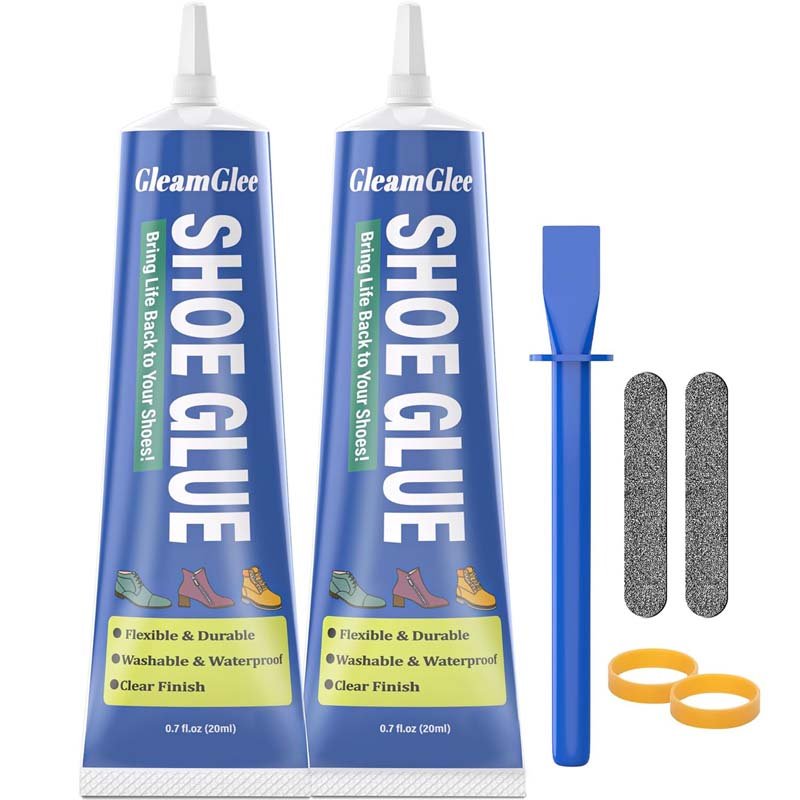
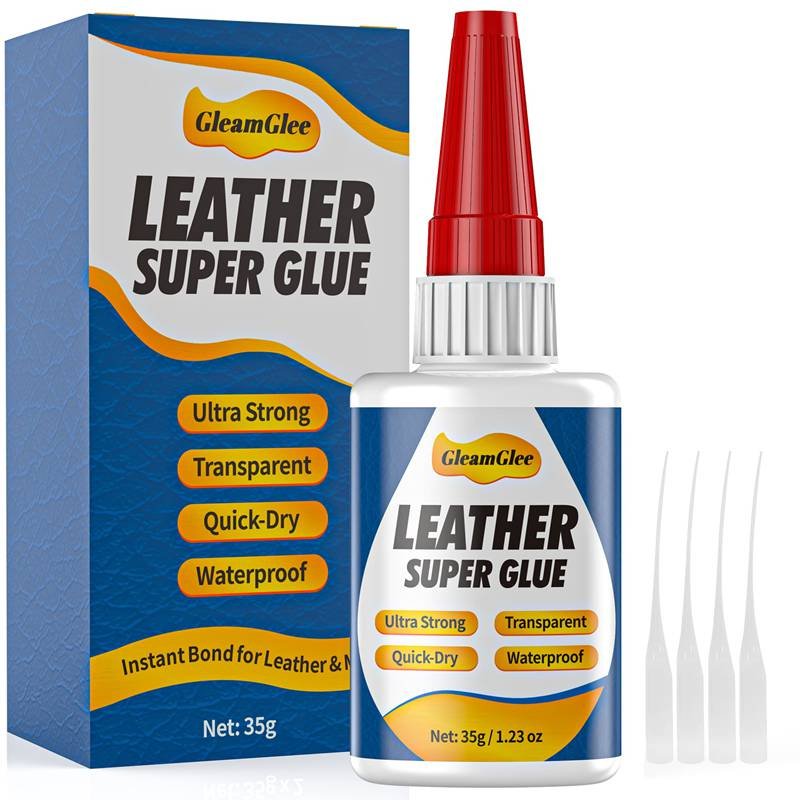
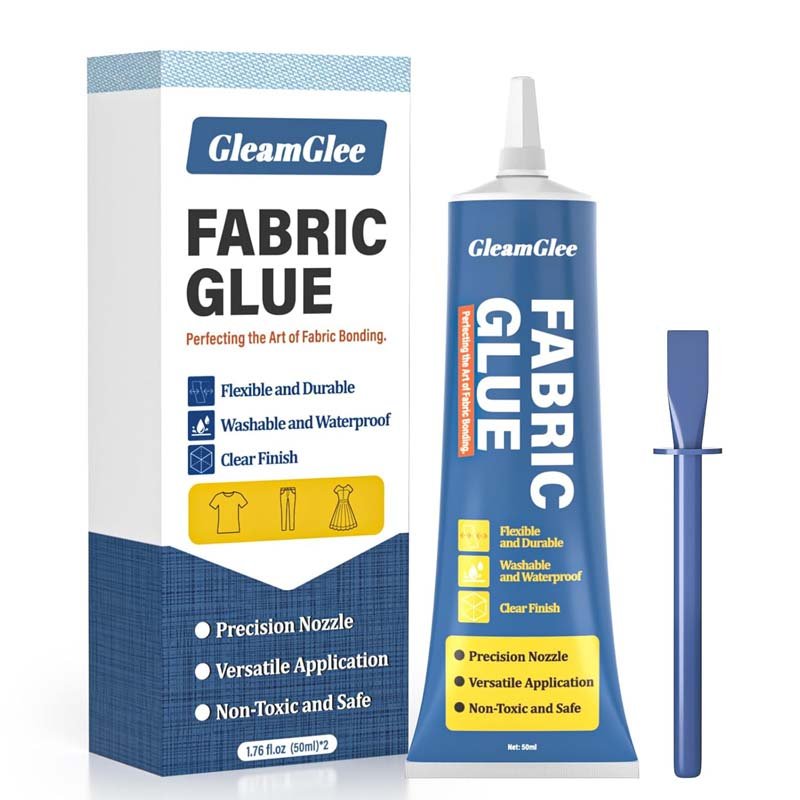
GleamGlee shoe glue is designed specifically for repairing rubber soles, leather shoes, sneakers, and boots while maintaining flexibility after curing. The adhesive forms a strong elastic bond that resists cracking even when the shoe bends repeatedly during walking or running. One advantage of GleamGlee is its complete repair kit design, which typically includes two tubes of adhesive, sandpaper, an applicator, and rubber bands for holding the repair in place during curing. A single kit can repair more than twenty pairs of shoes, making it a cost-effective solution for both households and small repair shops.
3. Boot-Fix Shoe Glue
Boot-Fix is a fast-setting adhesive commonly used for quick repairs on work boots and casual shoes. It spreads easily along sole edges and forms a flexible bond that holds well on rubber and leather surfaces. Because it dries relatively quickly, many users prefer it for emergency repairs when shoes need to be worn soon after application.
4. Gorilla Glue Shoe Repair Adhesive
Gorilla’s shoe repair adhesive is known for its toughness and versatility. It bonds rubber, leather, canvas, and synthetic materials while remaining flexible after curing. The glue is water-resistant and performs well under temperature changes, which makes it suitable for hiking boots, outdoor footwear, and sports shoes.
5. Barge All-Purpose Cement
Barge cement is widely used by professional cobblers because of its strong contact adhesive properties. When applied correctly to both surfaces and allowed to tack before bonding, it forms an extremely durable bond. It is often used in professional shoe manufacturing and repair workshops for attaching soles and midsoles.
6. E6000 Craft Adhesive
E6000 is a multi-purpose adhesive known for its flexibility and strong bonding capability. While it is not exclusively designed for footwear, many DIY repair enthusiasts use it for shoe repairs because it bonds rubber, leather, and fabric effectively. It dries clear and remains flexible, which helps prevent cracking during movement.
7. Loctite Shoe Glue
Loctite’s shoe repair adhesive is designed specifically for footwear and provides a strong, flexible bond that resists water and impact. It is often used for repairing rubber soles, heels, and small cracks in shoes. The adhesive dries clear and works well on both athletic and dress shoes.
8. Freesole Shoe Repair Adhesive
Freesole is popular among hikers and outdoor enthusiasts because it creates a thick, abrasion-resistant coating after curing. It is commonly used to rebuild worn heel areas, repair climbing shoes, and reinforce high-wear zones on hiking boots.
9. Angelus Clear Shoe Cement
Angelus adhesive is frequently used in sneaker restoration and customization. It dries clear and forms a flexible bond that works well for attaching rubber soles or securing decorative elements. Sneaker collectors often prefer this adhesive for repairs that require a clean finish.
10. Tuff Toe Boot Protection & Repair Adhesive
Tuff Toe is designed primarily for reinforcing the toe area of work boots. It creates a protective coating that prevents further wear and can also repair damaged rubber toe caps. The adhesive is commonly used in industrial environments where footwear experiences heavy abrasion.
Comparison of the Top Shoe Glue for Rubber Sole Repair
| Brand | Typical Capacity | Main Feature | Best Use | Waterproof | Approx. Repairs |
|---|---|---|---|---|---|
| Shoe Goo | 3.7 oz (110 ml) | Thick rubber coating | Skate shoes, heavy wear | Yes | 10–15 pairs |
| GleamGlee | 2 × 20 ml kit | Flexible repair kit with tools | Sneakers, boots, everyday shoes | Yes | 20+ pairs |
| Boot-Fix | 20 g | Fast-setting formula | Quick repairs | Yes | 8–10 pairs |
| Gorilla Glue | 59 ml | Tough flexible bond | Outdoor footwear | Yes | 10–15 pairs |
| Barge Cement | 2 oz (59 ml) | Professional contact adhesive | Cobbler repairs | Yes | 15+ pairs |
| E6000 | 59 ml | Multi-purpose flexible glue | DIY shoe repairs | Water resistant | 10 pairs |
| Loctite Shoe Glue | 20 g | Flexible shoe repair formula | Casual and athletic shoes | Yes | 8–12 pairs |
| Freesole | 28 g | Abrasion-resistant coating | Hiking and climbing shoes | Yes | 8–10 pairs |
| Angelus Cement | 118 ml | Clear flexible adhesive | Sneaker restoration | Water resistant | 12–15 pairs |
| Tuff Toe | 85 g | Protective toe coating | Work boots | Yes | 10 pairs |
These adhesives are widely used for repairing rubber soles and extending the life of footwear. The best choice often depends on the type of shoe, the size of the damage, and how frequently the shoes are worn. Flexible and waterproof adhesives generally provide the most reliable results for everyday shoe repairs.
How Do You Use Shoe Glue for Rubber Soles?
Using shoe glue for rubber soles is a straightforward repair process when the surfaces are prepared correctly and the adhesive is applied in controlled amounts. In most cases, the repair involves cleaning the damaged area, lightly roughening the rubber surface, applying a thin layer of glue, pressing the sole and upper together, and allowing enough curing time before wearing the shoes. When these steps are followed carefully, many sole separations can be repaired successfully at home without professional tools.
Most repair failures are not caused by weak glue but by poor preparation or insufficient curing time. Rubber soles often contain dust, road particles, oils from walking surfaces, or residue from previous adhesives. If these contaminants are not removed, the glue bonds to the dirt instead of the rubber itself. Proper preparation, even with simple tools such as sandpaper and alcohol wipes, can significantly improve the durability of the repair.
How Do You Prep Shoe Glue for Rubber Soles?
Surface preparation determines whether the adhesive can form a strong bond with the rubber and upper materials. Smooth rubber surfaces can be difficult for glue to grip, so preparing the area helps increase adhesion.
A practical preparation process includes:
- cleaning away dust and dirt using a dry brush
- wiping the area with alcohol or mild cleaner to remove oil
- allowing the surface to dry completely
- lightly sanding smooth rubber edges with fine sandpaper
- removing sanding dust before applying glue
Light sanding creates microscopic grooves that improve mechanical bonding. Even a small amount of surface roughening can increase adhesion strength.
The effect of preparation can be seen in the following comparison:
| Surface Condition | Bond Strength |
|---|---|
| Dirty surface | Very weak |
| Clean but smooth surface | Moderate |
| Clean and lightly sanded | Strong |
| Clean, sanded, properly cured | Maximum durability |
Professional cobblers almost always roughen the rubber surface before applying adhesive because it allows the glue to grip more effectively.
How Do You Apply Shoe Glue for Rubber Soles?
Applying the adhesive evenly is essential for a reliable repair. Too much glue can create a thick layer that weakens the bond, while too little glue may leave gaps between the sole and upper.
The most reliable application process usually follows these steps:
- Apply a thin layer of glue to both bonding surfaces
- Spread the adhesive evenly along the repair area
- Allow a short tack time if recommended by the adhesive instructions
- Press the sole and upper together firmly
- Align edges carefully before applying pressure
Using a precision applicator or metal nozzle helps control the amount of adhesive applied. This is especially helpful when repairing narrow sole edges on sneakers or dress shoes.
Pressure should be maintained while the glue begins to set. Common methods include:
- rubber bands wrapped around the shoe
- small clamps
- heavy objects placed on the repair area
Maintaining consistent pressure prevents air gaps from forming inside the bond.
How Long Does Shoe Glue for Rubber Soles Take?
Most shoe repair adhesives begin to set within several minutes but require longer to reach full strength. Initial bonding usually occurs within 10–20 minutes, while full curing typically takes 12–24 hours depending on the adhesive type and environmental conditions.
The curing process allows the adhesive polymers to fully develop their bonding structure. Wearing the shoes too early can weaken the repair because the adhesive may still be soft inside the bond line.
Typical curing timeline:
| Time After Application | Adhesive Condition |
|---|---|
| 10 minutes | Initial grip |
| 30 minutes | Surfaces begin holding together |
| 2 hours | Moderate bonding strength |
| 12 hours | Strong bond |
| 24 hours | Full curing |
Temperature and humidity also influence curing time. Warm, dry environments usually help adhesives cure faster, while cold or humid conditions can slow the process.
For best results, it is recommended to allow the repaired shoes to remain unused for at least one full day. This waiting period helps ensure the adhesive develops maximum strength and flexibility before the shoe returns to normal use.
Is Shoe Glue for Rubber Soles Waterproof?
Yes, most high-quality shoe glues designed for rubber soles are waterproof after they fully cure. These adhesives create a sealed bonding layer between the rubber sole and the shoe upper, preventing water from entering the repair line. This waterproof barrier is important because shoes are frequently exposed to rain, wet sidewalks, sweat, and cleaning water. When the adhesive remains stable in wet conditions, the repaired sole can continue functioning without the bond weakening or separating.
Water resistance also helps extend the lifespan of the repair. Moisture is one of the most common reasons shoe repairs fail. When water penetrates the bond line, it can soften ordinary glue and reduce adhesion strength. Flexible shoe adhesives formulated for footwear typically resist water and maintain elasticity at the same time, allowing the repaired sole to bend naturally while remaining sealed against moisture.
Can Shoe Glue for Rubber Soles Handle Rain?
Shoe glue formulated for rubber soles is generally capable of handling light to moderate rain exposure once it has fully cured. After curing, the adhesive forms a flexible seal that prevents water from entering the gap between the sole and the upper. This is important because even small amounts of water entering the repair line can weaken the bond over time.
In everyday situations, waterproof shoe glue helps protect repairs when shoes are exposed to:
- rainy weather during daily commuting
- wet sidewalks or puddles
- damp grass or outdoor trails
- occasional shoe washing
The difference between waterproof and non-waterproof adhesives becomes clear when shoes repeatedly get wet. Ordinary household glues may soften or lose grip when exposed to moisture, while shoe repair adhesives maintain bonding strength.
The following comparison illustrates the difference:
| Adhesive Type | Behavior in Wet Conditions |
|---|---|
| Craft or household glue | Weakens with moisture |
| Super glue | May become brittle |
| Rubber cement | Moderate resistance |
| Flexible shoe adhesive | Maintains waterproof seal |
For outdoor footwear such as hiking boots, running shoes, or work boots, waterproof bonding is especially important because these shoes regularly encounter wet environments.
Does Shoe Glue for Rubber Soles Crack?
A well-formulated shoe glue should not crack when the shoe bends. Flexibility is one of the most important characteristics of a footwear adhesive because shoes constantly flex during walking or running. The toe area of a shoe can bend thousands of times per day, and rigid glue cannot tolerate this repeated movement.
Flexible shoe adhesives solve this problem by forming an elastic bonding layer. Instead of becoming hard like traditional glue, the adhesive remains slightly flexible after curing. This allows the bond to stretch and compress along with the shoe structure.
Benefits of flexible shoe glue include:
- reduced risk of cracking at the toe flex zone
- better durability for athletic footwear
- improved resistance to repeated movement
- longer repair lifespan
Rigid adhesives often fail because they concentrate stress along the bond line. Flexible adhesives distribute that stress more evenly, allowing the repair to survive normal shoe movement.
This is particularly important for footwear used in activities such as running, hiking, or sports, where the shoe experiences constant bending and impact.
How Long Does Shoe Glue for Rubber Soles Last?
The durability of a waterproof shoe glue repair depends on several factors, including adhesive quality, surface preparation, curing time, and how frequently the shoes are worn. When the repair is done correctly and the adhesive is allowed to cure fully, many repairs can last several months or longer.
Typical durability ranges can be estimated as follows:
| Shoe Type | Average Repair Duration |
|---|---|
| Casual sneakers | 6–12 months |
| Hiking boots | 6–18 months |
| Work boots | 4–12 months |
| Fashion shoes | 6–12 months |
| Children’s shoes | 3–9 months |
These estimates assume normal daily use and proper application of the adhesive. Repairs may last longer when the shoes are worn occasionally or in low-stress conditions.
Allowing the adhesive to cure for a full 24 hours before wearing the shoes greatly improves the durability of the bond. Proper preparation and curing help the adhesive develop maximum strength and waterproof performance.

Why Choose GleamGlee Shoe Glue for Rubber Soles?
GleamGlee shoe glue for rubber soles is designed to solve the most common footwear repair problems with a balance of strong adhesion, flexibility, and waterproof performance. Unlike ordinary glues that become brittle after drying, the adhesive forms a durable elastic bond that allows the sole to move naturally with the shoe. This is especially important because the forefoot of a shoe can bend thousands of times during normal walking, and a rigid glue layer may crack under repeated stress. By maintaining flexibility after curing, the adhesive helps repaired shoes continue performing during everyday use, including walking, commuting, and outdoor activities.
Another reason many customers choose GleamGlee shoe glue is its convenience and cost efficiency. A single repair kit typically includes two 20 ml tubes of adhesive along with tools such as an applicator, sandpaper, and rubber bands, allowing users to complete multiple repairs without purchasing extra materials. In practical terms, one kit can repair more than 20 pairs of shoes, making it far more economical than replacing footwear. For consumers who want to extend the life of sneakers, boots, or work shoes, this type of repair solution provides both reliability and long-term value.
What Makes GleamGlee Shoe Glue for Rubber Soles Strong?
The strength of GleamGlee shoe glue comes from a formulation designed specifically for footwear materials. Rubber soles often need to bond with different materials such as leather uppers, fabric mesh, EVA midsoles, or synthetic components. A suitable adhesive must therefore adhere well to multiple surfaces while still maintaining elasticity.
Important performance characteristics include:
- strong adhesion to rubber and synthetic materials
- flexibility that prevents cracking during bending
- resistance to water and temperature changes
- durability under repeated impact and pressure
These properties allow the adhesive to maintain bonding strength even when the shoe experiences constant movement.
A comparison of key properties shows why specialized shoe adhesives perform better than ordinary glue:
| Feature | Ordinary Household Glue | GleamGlee Shoe Glue |
|---|---|---|
| Flexibility after curing | Low | High |
| Bonding strength on rubber | Moderate | Strong |
| Waterproof resistance | Limited | Reliable |
| Durability during walking | Short-term | Long-lasting |
Because of this combination of flexibility and strength, the adhesive is suitable for repairing everyday footwear such as sneakers, hiking boots, and work shoes.
Is GleamGlee Shoe Glue for Rubber Soles Clear?
Yes, GleamGlee shoe glue dries clear after curing, which is important for maintaining the appearance of repaired footwear. Many consumers worry that adhesive repairs will leave visible marks or white residue along the sole edge. Transparent curing helps avoid this problem and allows the repair to blend naturally with the original shoe design.
Clear-drying adhesives are especially useful for repairing:
- white sneakers
- leather dress shoes
- fashion footwear
- suede or nubuck shoes
In these cases, appearance matters almost as much as functionality.
The visual difference between adhesive types can be summarized below:
| Adhesive Type | Appearance After Drying |
|---|---|
| Basic glue | Often cloudy or visible |
| Super glue | May leave white residue |
| Clear shoe adhesive | Nearly invisible |
Because of this clear finish, repaired shoes often maintain a clean and professional appearance even after the repair.
Who Needs GleamGlee Shoe Glue for Rubber Soles?
GleamGlee shoe glue is useful for a wide range of users who want to maintain or repair footwear. Everyday consumers frequently use it to fix small problems before they become larger damage.
Common users include:
- sneaker enthusiasts repairing athletic shoes
- outdoor hikers maintaining boots
- workers repairing heavy-duty work shoes
- parents fixing children’s school shoes
- DIY hobbyists who prefer repairing rather than replacing products
However, the product is also suitable for business customers. Retailers, e-commerce sellers, and footwear care brands often look for reliable adhesive products that can be sold under their own brand.
Because GleamGlee operates integrated manufacturing facilities and packaging production, businesses can also request:
- private label shoe glue products
- customized packaging and branding
- multilingual instructions for global markets
- tailored adhesive formulations
This flexibility allows retailers and distributors to develop their own repair product lines while relying on a proven manufacturing partner.
When Is Shoe Glue for Rubber Soles Not Enough?
Shoe glue for rubber soles works well for many common repairs, but it is not suitable for every type of shoe damage. Adhesive repair is most effective when the materials themselves are still structurally sound and the problem is mainly separation between the sole and the upper. If the rubber sole is intact and the shoe frame is stable, glue can often restore the bond and extend the life of the footwear. However, when the damage involves severe material breakdown or large missing sections, adhesive alone cannot rebuild the structure of the shoe.
In practice, most successful repairs happen when the problem is addressed early. Small gaps along the sole edge, loose heels, or partial toe separation can usually be repaired quickly with shoe glue. But when the sole has completely detached, the rubber has become brittle with age, or the midsole foam is crumbling, the repair may require more advanced methods such as professional resoling. Understanding these limits helps customers decide whether a glue repair will provide a reliable result or whether a more extensive repair is needed.
Which Damage Can Shoe Glue for Rubber Soles Repair?
Shoe glue is most effective for repairing separation or lifting where the materials are still intact. In these cases, the adhesive can recreate the bond between the sole and the shoe upper.
Common repairable problems include:
- rubber outsole separating from the shoe upper
- toe edges lifting on sneakers or casual shoes
- loose heel blocks on dress shoes
- detached insoles or inner footbeds
- small cracks along the sole edge
These repairs usually succeed because the shoe structure remains stable and the adhesive simply restores the original bond.
The likelihood of success often depends on the size of the damage:
| Damage Type | Repair Difficulty | Expected Result |
|---|---|---|
| Small sole edge opening | Easy | Very reliable |
| Toe separation | Moderate | Reliable |
| Loose heel | Moderate | Good |
| Insole detachment | Easy | Very reliable |
Repairing the problem early is important. A small opening can often be fixed quickly, while waiting too long may allow dirt, moisture, and further stress to enlarge the damage.
When Should You Skip Shoe Glue for Rubber Soles?
Some types of damage cannot be fixed effectively with glue because the material itself has lost its strength. When the sole material has degraded or the shoe frame is severely damaged, adhesive cannot restore the original structure.
Situations where glue may not be the best option include:
- rubber soles that have become brittle or crumbly with age
- midsoles that have broken down and lost cushioning
- large sections of missing rubber
- severe tearing of the upper material
- shoes with multiple structural failures
One common example is midsole foam degradation in older running shoes. Over time, EVA or PU foam can break down and lose its structural integrity. In this case, glue may temporarily hold the parts together but cannot rebuild the cushioning layer.
Below is a simple guideline for evaluating repair feasibility:
| Condition of Shoe | Glue Repair Suitability |
|---|---|
| Minor separation | Suitable |
| Partial detachment | Usually suitable |
| Severe material breakdown | Not suitable |
| Missing structural parts | Not suitable |
Understanding these limits helps customers avoid wasting time attempting repairs that cannot provide lasting results.
Can Shoe Glue for Rubber Soles Save Expensive Shoes?
In many situations, yes. Shoe glue can be especially valuable for repairing premium footwear, where replacement costs are high but the damage is relatively minor. When the sole begins separating while the rest of the shoe remains in good condition, adhesive repair can extend the life of the footwear significantly.
This is common with shoes such as:
- premium sneakers
- leather dress shoes
- hiking boots
- work boots
These shoes often cost significantly more than everyday footwear.
Typical replacement costs can range as follows:
| Footwear Type | Average Replacement Cost |
|---|---|
| Premium sneakers | $120–$300 |
| Hiking boots | $150–$350 |
| Work boots | $120–$250 |
| Designer shoes | $200–$500 |
In comparison, repairing the sole with a specialized shoe glue costs only a small fraction of the replacement price.
For many consumers, repairing expensive shoes is both economical and environmentally responsible. By fixing small issues early, users can continue wearing their footwear comfortably while avoiding unnecessary waste and replacement costs.
Conclusion
Shoe glue for rubber soles offers a practical solution for one of the most common footwear problems—sole separation. When the right adhesive is used and the repair is done correctly, many shoes can regain strong bonding and continue performing normally. Flexible, waterproof shoe adhesives are especially effective because they allow the sole to move naturally during walking while maintaining a durable seal against moisture and daily wear.
For everyday users, repairing shoes early can significantly extend the lifespan of sneakers, boots, and work shoes. A simple repair that takes less than an hour of preparation and curing time can often prevent the need to replace footwear that still has years of usable life. Considering that many quality shoes cost between $120 and $300, using a reliable shoe repair adhesive can provide substantial savings while reducing unnecessary waste.
For retailers, distributors, and brand owners, shoe repair adhesives also represent a growing product category as more consumers choose to maintain and repair their belongings instead of replacing them. With advanced research, manufacturing capability, and global logistics support, GleamGlee provides high-quality shoe glue solutions and flexible customization services for partners looking to develop their own repair product lines. Whether for personal use or business cooperation, choosing a dependable adhesive manufacturer helps ensure consistent quality, reliable supply, and long-term customer satisfaction.
Share:
Table of Contents
Here, creating your adhesives glue & removal cleaner collection is no longer a barrier—it’s a collaborative journey where GleamGlee helps brands and businesses transform their vision into durable, certified, and market-ready solutions.
Partner with GleamGlee
Join hundreds of global partners who trust GleamGlee for adhesives and cleaners that combine innovation, compliance, and speed. Our vertically integrated system—from R&D to warehouse—guarantees consistent performance and reliable delivery.
Whether you’re sourcing FBA-ready stock or developing your own formula, our team provides unmatched technical support and responsive service.