Skip to content
Shoe Cleaner for Polo Sneakers : Smart Care Guide
Your trusted adhesives glue & cleaner manufacturer

Polo sneakers look simple, clean, and easy to wear, but that clean look also makes dirt stand out quickly. A pair of white or light-colored Polo sneakers can look sharp with jeans in the morning, then show gray dust on the toe box, black marks on the rubber sidewall, and small stains near the stitching by evening. The real problem is that sneaker dirt rarely stays on one surface. It moves into fabric texture, settles along seams, sticks to rubber edges, and mixes with sweat, street oil, grass, rain marks, and daily dust.
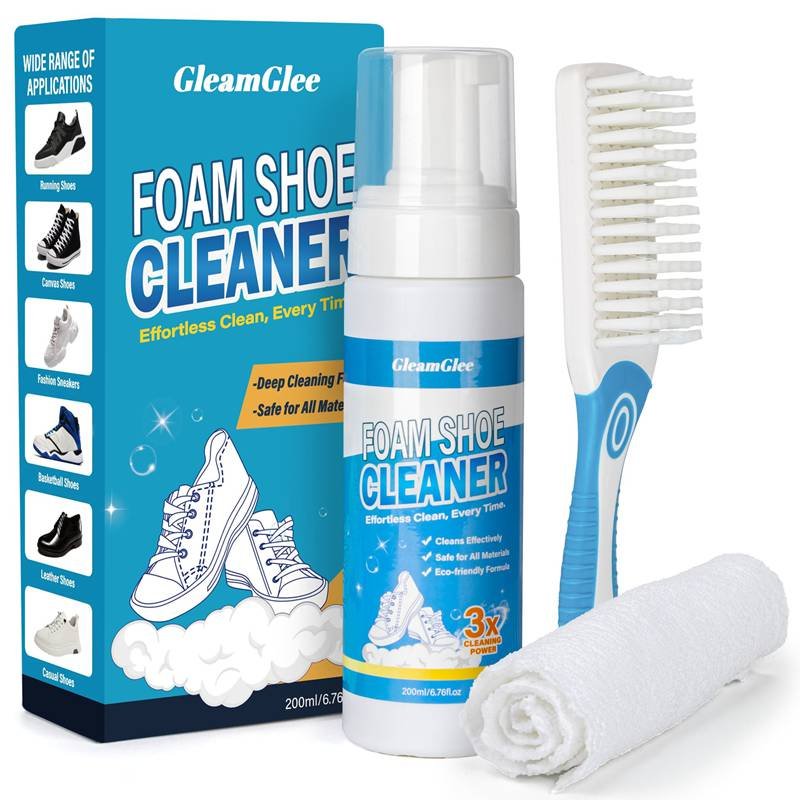
The best shoe cleaner for Polo sneakers is a gentle foam cleaner that removes daily dirt, oil marks, yellowing, and rubber scuffs without soaking the shoes. It should work across leather, canvas, PU, rubber, plastic, suede, and mixed sneaker materials. A complete kit with foam cleaner, brush, and microfiber towel gives better control, faster cleaning, and safer results at home.
Many people wait until their Polo sneakers look badly worn before cleaning them. That usually makes the job harder. Once dirt sits for 7-14 days, it can become more visible around the sole edge, lace holes, and toe creases. Once oil or mud dries into canvas, one quick wipe is often not enough. Regular shoe cleaning is not about making sneakers look brand new every time. It is about keeping them wearable, bright, and outfit-ready for longer, especially for people who use one pair for school, commuting, travel, casual work, weekend walks, or family errands.
What Shoe Cleaner for Polo Sneakers Helps?
Shoe cleaner for Polo sneakers helps remove daily dust, gray rubber marks, mud, oil spots, sweat dullness, and early yellowing before they settle deeply into the shoe. It is most useful on white uppers, rubber midsoles, stitching lines, toe creases, tongue areas, and heel collars where dirt shows first.
A good foam cleaner is better than plain water for most Polo sneakers because it gives more control. It can clean leather, canvas, PU, rubber, plastic trim, and light suede details without soaking the shoe. This matters because many Polo sneakers use mixed materials, and each material reacts differently to water, scrubbing, and drying.
For best results, use shoe cleaner when the dirt is still fresh. Light dust can usually be improved in 3-5 minutes. Rubber scuffs may need 1-2 cleaning rounds. Canvas stains, oil spots, and yellow marks need more patience, but regular cleaning can keep Polo sneakers looking brighter and more wearable for longer.
What dirt shows first?
The first visible dirt on Polo sneakers usually appears on the toe box, rubber sidewall, outsole edge, lace area, heel collar, and stitched seams. These areas collect dirt faster because they bend, rub, touch the ground, or sit close to high-friction zones during walking.
On white Polo sneakers, even a thin gray layer can make the shoe look older. The toe box catches dust from sidewalks, car floors, stairs, and dry pavement. The rubber sidewall collects black marks from pedals, curbs, bike tires, playground floors, and public transport. The stitching lines hold dirt because dust sits inside small grooves where a flat towel cannot reach.
A shoe cleaner helps because foam can sit on those dirty areas long enough to loosen grime. The brush then moves the foam into seams, rubber texture, and fabric grain. The microfiber towel removes the loosened residue instead of spreading it around. This is why a full kit usually gives a cleaner finish than wiping with only a wet cloth.
| First Dirty Area | Common Cause | What Shoe Cleaner Helps Do |
|---|---|---|
| Toe box | Dust, mud, walking creases | Lift surface dirt before it darkens |
| Rubber sidewall | Scuffs, road grime, black marks | Break down gray buildup and edge marks |
| Stitching | Dust trapped in seams | Clean narrow grooves more evenly |
| Lace area | Hand oil, dust, sweat | Refresh the front opening area |
| Heel collar | Skin oil, sock lint | Reduce dullness and odor-causing residue |
| Tongue | Sweat, fabric dust | Remove gray film and restore a cleaner look |
Which parts stain most?
The parts that stain most on Polo sneakers are the white upper panels, rubber midsoles, canvas sections, tongue, heel collar, laces, and stitching. These areas do not stain in the same way, so they should not be cleaned with the same pressure.
White leather or PU panels usually show surface dust, light scratches, and small oil marks. These areas need light foam and gentle brushing. Rubber midsoles show gray buildup and black scuffs, so they can take slightly firmer brushing. Canvas sections absorb dirt more easily, especially around the toe and side panels. These may need a little more foam contact time, but not heavy soaking.
The tongue and heel collar are often ignored, yet they collect sweat, sock fibers, and skin oil. After repeated wear, they can look gray or feel slightly sticky. Cleaning these areas helps the shoe look and feel fresher, especially for Polo sneakers worn several times a week.
A practical cleaning focus should be:
- Clean rubber midsoles once a week if the sneakers are worn often.
- Clean white uppers after visible dust or gray marks appear.
- Clean canvas stains as soon as possible before they spread.
- Clean tongue and collar every 2-3 weeks for daily sneakers.
- Remove and clean laces separately when they start looking gray.
- Use a softer touch on leather, suede, and printed logo areas.
| Sneaker Part | Dirt Level After Daily Wear | Cleaning Priority |
|---|---|---|
| Rubber midsole | High | Clean most often |
| Toe box | High | Clean after visible marks |
| Stitching | Medium to high | Clean before dirt settles |
| Tongue | Medium | Clean during full refresh |
| Heel collar | Medium | Clean for freshness |
| Laces | Medium | Clean or replace if gray |
| Outsole bottom | High | Clean only when needed |
Why clean them early?
Cleaning Polo sneakers early helps stop easy dirt from becoming difficult stains. Fresh dust, fresh mud, and light scuffs are usually much easier to remove than dirt that has stayed on the shoe for one or two weeks. Once dirt mixes with sweat, rain, oil, or heat, it can grip fabric and rubber more tightly.
Early cleaning also protects the shoe from unnecessary rough scrubbing. When stains are old, people often press harder, use too much water, or try strong household cleaners. That can leave canvas patches, dull leather, rough rubber, or uneven color. A gentle foam cleaner used earlier usually needs less pressure and less product.
For white Polo sneakers, the biggest benefit is visual life. The shoe may still be structurally fine after months of wear, but if the midsole is gray and the toe box is yellowish, it looks old. Regular cleaning keeps the shoe presentable for school, work, travel, casual outfits, and social plans.
A useful timing guide:
| Situation | Best Cleaning Time | Why It Matters |
|---|---|---|
| Light dust | Within 3-7 days | Prevents gray buildup |
| Mud splash | Same day or next day | Stops mud from drying into seams |
| Oil spot | As soon as noticed | Reduces spreading into fabric |
| Rain marks | After shoes dry slightly | Prevents water rings and dullness |
| Rubber scuffs | Weekly | Keeps white sole edge cleaner |
| Sweat dullness | Every 2-3 weeks | Keeps tongue and collar fresher |
What results can you expect?
A shoe cleaner for Polo sneakers can give strong visible improvement on daily dust, rubber scuffs, fresh mud, light oil marks, and general gray buildup. On white rubber and smooth upper panels, the result is often noticeable after one cleaning round. Canvas and older yellow marks may need repeated gentle cleaning.
It is important to set realistic expectations. Surface dirt can often be removed well. Deep oxidation, old glue-line yellowing, worn rubber, fabric dye transfer, and permanent scratches may improve but may not fully disappear. This does not mean the cleaner failed. It means the mark is no longer only surface dirt.
The best use of shoe cleaner is regular maintenance. A foam cleaner can help Polo sneakers stay cleaner between wears, delay visible yellowing, and make the shoes easier to refresh before outings. For heavily neglected shoes, it can still improve appearance, but the process may take more than one round.
| Stain Type | Expected Result | Cleaning Notes |
|---|---|---|
| Daily dust | Strong improvement | Usually easy with foam and towel |
| Rubber scuffs | Good improvement | May need firmer brushing |
| Fresh mud | Good improvement | Brush dry mud first |
| Light oil | Moderate to good | Clean quickly before spreading |
| Sweat dullness | Moderate improvement | Focus on tongue and collar |
| Early yellowing | Moderate improvement | Best handled with regular care |
| Old oxidation | Limited improvement | Material aging may remain |
| Scratches | Limited improvement | Cleaner removes dirt, not damage |
Is Shoe Cleaner for Polo Sneakers Safe?
Shoe cleaner for Polo sneakers is safe when the formula is gentle, low-moisture, and suitable for mixed sneaker materials. Polo sneakers may include leather, canvas, PU, rubber, suede-like panels, plastic trims, fabric lining, and stitched seams. A no-water foam cleaner gives better control than soaking the whole shoe.
The safest cleaning method is not only about the cleaner itself. Brush pressure, contact time, towel wiping, and drying method all affect the final result. Smooth leather needs light pressure. Canvas needs careful foam contact. Rubber can take firmer brushing. Suede and printed details need the most caution.
For Polo sneakers, safety means three things: the shoe should not be soaked, the surface should not be scratched, and the color should not turn uneven. Testing a hidden spot first, using small amounts of foam, and drying away from heat can reduce most cleaning risks.
Is it safe for leather?
Shoe cleaner for Polo sneakers can be safe for leather when it cleans with controlled moisture and light brush pressure. Smooth leather and PU-coated leather should not be soaked like fabric. Too much water can leave cloudy patches, drying rings, stiffness, or uneven shine. A foam cleaner is easier to control because it stays on the surface instead of running into seams.
For leather Polo sneakers, the best process is:
- Remove dry dust first.
- Apply a small amount of foam.
- Brush lightly in circular motions.
- Avoid hard pressure on creases and logo areas.
- Wipe quickly with a microfiber towel.
- Air dry at room temperature.
Leather uppers usually show improvement fast because dirt sits closer to the surface. Light gray dust, toe marks, and minor surface stains can often be cleaned in 3-5 minutes per pair. Oil marks or old creases may need a second round, but heavy scrubbing should be avoided. If the leather starts looking dull while wet, stop and let it dry before deciding whether more cleaning is needed.
| Leather Area | Cleaning Pressure | Risk to Avoid |
|---|---|---|
| Toe box | Light | Scratching creases |
| Side panel | Light | Dull finish |
| Logo area | Very light | Print damage |
| Stitching edge | Light to medium | Over-wetting seams |
| Heel counter | Light | Uneven shine |
Is it safe for canvas?
Shoe cleaner for Polo sneakers can be safe for canvas when used in small amounts and wiped properly. Canvas is more absorbent than leather, so it can hold water, dirt, and cleaner inside the fibers. The main risk is not the foam itself, but over-wetting and over-scrubbing.
Canvas Polo sneakers often collect dust, mud, food stains, grass marks, and gray toe dirt. A foam cleaner helps loosen dirt from the fabric surface without fully soaking the shoe. For best results, clean stains early. Fresh dirt usually responds better than stains that have dried for several weeks.
Canvas cleaning should be slower and more even than rubber cleaning:
- Brush off dry dirt before using foam.
- Apply a thin layer over the stained area.
- Let it sit for 30-60 seconds on visible stains.
- Brush gently across the stain and nearby area.
- Wipe with a microfiber towel.
- Repeat lightly if needed.
Do not scrub only one small spot for too long. That can create a lighter patch, especially on colored canvas. It is better to blend the cleaning area outward so the fabric dries evenly. White canvas may need more than one cleaning round, but repeated gentle cleaning is safer than one harsh wash.
Is it safe for rubber?
Shoe cleaner for Polo sneakers is usually very safe and useful for rubber midsoles, outsole edges, toe guards, and textured sole areas. Rubber collects black scuffs, gray street dust, mud, and early yellowing faster than most upper materials. It can handle more brush pressure than leather or canvas, but sharp tools and abrasive pads should still be avoided.
Rubber is where many users see the fastest result. A dirty midsole can make the entire sneaker look old, while a clean rubber edge makes the shoe look much fresher. Foam cleaner works well because it softens dirt, and the brush can reach small grooves and sidewall texture.
A practical rubber cleaning method:
- Apply foam along the midsole edge.
- Brush in short strokes for 20-30 seconds.
- Use circular motions on black scuffs.
- Wipe with microfiber.
- Repeat on stubborn marks.
- Dry before storing.
Surface yellowing may improve with regular cleaning, especially if it comes from dirt, sweat, or residue. Deep oxidation or old rubber aging may not fully disappear. Regular care is more effective than waiting until the rubber has already turned heavily yellow.
Is it safe for suede and trims?
Shoe cleaner for Polo sneakers should be used very carefully on suede, nubuck-style panels, printed logos, metallic details, and plastic trims. These parts can be more sensitive than leather or rubber. Suede-like material may flatten if brushed too hard or made too wet. Printed details can fade if rubbed aggressively.
For sensitive areas, use less product and less pressure:
| Sensitive Area | Safer Method | What to Avoid |
|---|---|---|
| Suede-like panels | Very light foam, soft brushing | Heavy water and hard scrubbing |
| Printed logos | Foam on towel, gentle wipe | Direct aggressive brushing |
| Metallic trims | Light wipe only | Abrasive pads |
| Plastic logo parts | Soft towel wipe | Sharp tools |
| Colored panels | Hidden test first | Strong cleaners without testing |
If the Polo sneakers have suede or delicate decorative panels, test first and clean only the dirty area. Do not spread foam across the whole panel unless necessary. After cleaning, let the material dry fully and gently brush suede texture back into place if needed.
A safe cleaner does not mean every material should be cleaned with the same force. The formula can be gentle, but the hand method still matters. Light contact, short cleaning time, and careful wiping give better results on delicate sneaker details.

How to Use Shoe Cleaner for Polo Sneakers?
To use shoe cleaner for Polo sneakers, remove loose dust first, apply foam in small amounts, brush each material with the right pressure, then wipe with a microfiber towel and air dry. This method keeps cleaning controlled and helps avoid over-wetting leather, canvas, suede-style panels, and stitched seams.
A good cleaning job usually takes 8-15 minutes for a lightly dirty pair and 20-30 minutes for muddy or heavily worn sneakers. Rubber midsoles can often be refreshed quickly, while canvas, tongue fabric, heel collars, and old stains need more patience. The goal is not harsh scrubbing. The goal is to loosen dirt, lift it away, and let the shoe dry evenly.
Before cleaning, check the sneaker material. Leather and PU need light pressure. Canvas needs even brushing. Rubber can take firmer brushing. Suede-like areas and printed logos need the gentlest touch. Using one pressure level across the whole sneaker is one of the easiest ways to create uneven results.
Step 1: Brush off dust
Start by removing loose dirt before applying shoe cleaner. Dry dust, sand, small stones, and dried mud can scratch smooth panels or spread into fabric if foam is applied too early. This first step usually takes 1-3 minutes per pair but makes the whole cleaning process easier.
Take out the laces if they are gray, muddy, or blocking the tongue. Tap the soles gently to remove grit from the outsole. Use a dry brush around the toe box, midsole edge, stitching, heel, and lace holes. If there is thick mud, let it dry until it becomes easier to break away, then brush it off outside or over a trash bin.
Pay close attention to these areas:
| Area | Why Brush First? | Suggested Time |
|---|---|---|
| Toe box | Holds dust in creases | 20-30 seconds |
| Rubber midsole | Collects road grime | 30-60 seconds |
| Stitching lines | Traps fine dirt | 20-40 seconds |
| Lace holes | Holds dust and hand oil | 20 seconds |
| Outsole edge | Carries mud and grit | 30-60 seconds |
Do not skip this step on white Polo sneakers. Even a small amount of dry grit can make light leather or PU look scratched when rubbed with a wet towel. Dry brushing also helps identify the real stains that need foam cleaning.
Step 2: Apply foam
Apply shoe cleaner foam after dry dirt has been removed. Use a small amount first, then add more only where needed. Polo sneakers should not be covered in heavy product unless they are extremely dirty. Controlled foam gives better cleaning and shorter drying time.
For light dust, place foam directly on the brush. For visible stains, apply foam to the stained area and let it sit briefly before brushing. Canvas stains and rubber scuffs may need 30-60 seconds of contact. Leather and PU usually need less time because the dirt sits closer to the surface.
A practical foam amount guide:
| Cleaning Area | Foam Amount | Contact Time |
|---|---|---|
| Small toe mark | Pea-sized amount | 10-20 seconds |
| Rubber sidewall | Thin line | 20-30 seconds |
| Canvas stain | Light even layer | 30-60 seconds |
| Tongue fabric | Small amount on brush | 10-20 seconds |
| Heel collar | Small amount on towel or brush | 10-20 seconds |
| Full light refresh | 2-4 small pumps per shoe | Brush immediately by zone |
Avoid soaking the shoe. Too much foam can leave fabric wetter than needed and may push residue into seams. It is better to clean in sections: upper first, then tongue, then rubber midsole, then final details. Section cleaning gives more control and prevents dirty foam from drying on the sneaker.
Step 3: Scrub gently
Brush Polo sneakers according to the material, not according to how dirty they look. Leather, PU, suede-like panels, canvas, rubber, and stitching all respond differently to pressure. A clean result comes from repeated light passes, not aggressive scrubbing.
Use light circular motions on leather and PU panels. On canvas, brush evenly across the stained area and blend slightly outward so the fabric does not dry with a bright spot in the middle. On rubber midsoles, use firmer short strokes and circular brushing for black scuffs. On suede-like panels, use very light pressure and avoid making the surface too wet.
Recommended brushing pressure:
| Material | Pressure Level | Brush Style | Main Risk |
|---|---|---|---|
| Smooth leather | Light | Small circles | Dull finish |
| PU | Light | Gentle wiping strokes | Surface marks |
| Canvas | Light to medium | Even circular brushing | Patchy cleaning |
| Rubber | Medium | Short firm strokes | Roughened surface |
| Stitching | Light to medium | Small circles | Over-wetting seams |
| Suede-like trim | Very light | Soft, short strokes | Flattened texture |
If a stain does not lift after 30-60 seconds of brushing, wipe the area and check it. Add a second small amount of foam if needed. Do not keep scrubbing one spot for several minutes. That can damage the finish before the stain is removed.
Step 4: Wipe and air dry
After brushing, wipe the sneaker with a clean microfiber towel. This step removes loosened dirt, foam residue, and moisture. Fold the towel often so a clean side touches the shoe. If the towel becomes gray, continuing to rub with the same side can move dirt back onto the sneaker.
Wipe leather and PU panels in smooth strokes. Press lightly into stitching lines to lift residue. For rubber midsoles, use a firmer wipe to remove dark grime. For canvas, blot and wipe gently rather than dragging hard across the fabric. If laces were removed, clean them separately and let them dry fully before reinstalling.
Drying should be natural and patient:
| Cleaning Level | Safe Drying Time |
|---|---|
| Rubber-only cleaning | 20-40 minutes |
| Light leather cleaning | 1-2 hours |
| Canvas area cleaning | 3-6 hours |
| Tongue or heel collar cleaning | 4-8 hours |
| Full pair cleaning | Overnight |
Keep Polo sneakers away from dryers, heaters, strong sun, and hair dryers. High heat can stiffen fabric, dry leather, affect glue lines, and change the shoe shape. Loosen the tongue and place the shoes in a ventilated room. If the upper needs shape support, place clean white paper inside. Do not use newspaper on white sneakers because ink may transfer.
What Shoe Cleaner for Polo Sneakers Tips Help?
Shoe cleaner for Polo sneakers works better when the method is simple, careful, and matched to the material. The best tips are to test first, use less water, clean soles separately, and dry the shoes away from heat. These steps reduce common problems such as water rings, dull leather, stained canvas, rough rubber, and uneven color.
For daily Polo sneakers, cleaning should not feel like a full repair job. Small marks are easier to handle than old stains. A 3-minute sole wipe once a week can keep white rubber looking cleaner. A 10-minute foam clean after rain, mud, travel, or school wear can stop dirt from settling into seams and fabric texture.
The safest habit is to clean in small zones: upper first, tongue and collar next, rubber sole last. This keeps dirty sole residue away from lighter upper panels and gives more control over brush pressure. Leather needs a light touch. Canvas needs even cleaning. Rubber can take firmer brushing. Suede-style areas and logo details need extra care.
Test a hidden spot
Test a hidden spot before using shoe cleaner across the full Polo sneaker, especially on colored panels, suede-style details, printed logos, coated leather, metallic trims, or older shoes. A small test shows whether the material keeps its color, finish, and texture after foam cleaning.
Good test areas include the inner heel side, lower inside panel, back lower seam, or inner tongue edge. Apply a small amount of foam, brush lightly, wipe with a microfiber towel, then wait until the area dries. Do not judge the result while the material is still damp because leather, canvas, and suede-style materials may look darker before drying.
Check these details after the test:
- Did the color stay even?
- Did the surface remain smooth?
- Did the towel show color transfer?
- Did the cleaner leave a ring?
- Did the material feel stiff after drying?
- Did printed or coated details stay intact?
For white leather or white PU Polo sneakers, testing is still useful, but the risk is usually lower than with colored or delicate surfaces. For suede-style areas, test very carefully and use minimal foam. Suede can flatten or darken if cleaned with too much moisture. A hidden test takes only a few minutes, but it can prevent a visible mistake on the front of the shoe.
| Material or Detail | Test First? | Main Thing to Check |
|---|---|---|
| White leather | Yes | Finish stays even |
| Colored canvas | Yes | Color does not fade |
| Suede-style panel | Always | Texture does not flatten |
| Printed logo | Always | Print does not rub off |
| Metallic trim | Always | Surface does not dull |
| Rubber midsole | Usually not needed | Avoid rough scratches |
Use less water
Use less water when cleaning Polo sneakers because excess moisture can cause water rings, long drying time, odor, fabric spreading, and uneven leather finish. Many Polo sneakers are lifestyle shoes, not washable sports shoes, so soaking them is unnecessary for most daily dirt.
A no-water foam cleaner is useful because it keeps cleaning controlled. It can sit on the dirty area, loosen grime, and be wiped away without flooding the shoe. This is helpful for leather, PU, canvas, tongue fabric, heel collars, and stitched seams. Less water also means the shoes can dry faster and keep their shape better.
Practical low-water habits:
- Apply foam only where dirt appears.
- Do not pour water directly onto the upper.
- Use a microfiber towel to remove residue.
- Clean in sections instead of wetting the whole shoe.
- Keep the inside of the sneaker as dry as possible.
- Use a damp towel only for final light wiping.
- Let each shoe air dry before storing or wearing.
Too much water can make canvas stains spread outward. It can also carry dirt into stitching and fabric lining. On leather, it may leave cloudy patches or uneven shine. On rubber, water is less risky, but dirty water can run onto the upper if the shoe is soaked heavily.
| Cleaning Method | Water Level | Best For | Risk Level |
|---|---|---|---|
| Dry brush only | None | Loose dust | Very low |
| Foam + towel | Low | Most daily stains | Low |
| Damp towel wipe | Low to medium | Final touch-up | Low |
| Soap and water wash | Medium to high | Heavy washable shoes | Medium |
| Full soaking | High | Rare cases only | High |
Clean soles separately
Clean soles separately because rubber midsoles and outsoles carry the dirtiest residue. If the same brush or towel side is used across the upper after cleaning the sole, gray grime can transfer onto white leather, canvas, or stitching. This is one of the most common reasons sneakers look smeared after cleaning.
The best order is upper first, rubber sole second, final touch-up last. Start with the cleaner areas of the shoe, then move to the dirtiest areas. For white Polo sneakers, this keeps the upper from picking up black midsole residue.
A safer cleaning order:
- Dry brush the whole sneaker.
- Clean leather, PU, or canvas upper with light pressure.
- Wipe the upper with a clean towel side.
- Clean tongue and heel collar.
- Apply foam to the rubber midsole.
- Brush rubber with medium pressure.
- Wipe rubber with a different towel side.
- Check the shoe under natural light after drying.
Rubber can take stronger brushing than the upper, so it should be treated as a separate zone. Use short strokes along the sidewall and circular brushing on black marks. For textured rubber, move the brush into grooves instead of only wiping the surface.
| Sneaker Zone | Cleaning Pressure | Tool Use |
|---|---|---|
| Leather upper | Light | Soft brushing + microfiber |
| Canvas upper | Light to medium | Even brushing + blotting |
| Tongue | Light | Small foam amount |
| Heel collar | Light | Foam on towel or brush |
| Rubber midsole | Medium | Firmer brush strokes |
| Outsole edge | Medium | Brush, then wipe separately |
Dry away from heat
Dry Polo sneakers away from heat after cleaning. Strong heat can stiffen fabric, dry leather, affect glue lines, warp shoe shape, and make white materials yellow faster. Air drying is slower, but it is safer for mixed-material sneakers.
Place the shoes in a ventilated room at normal room temperature. Loosen the tongue, remove the laces if they are wet, and keep the shoes open for airflow. If the upper needs shape support, place clean white paper inside. Do not use printed newspaper on white shoes because ink can transfer.
Safe drying guide:
| Cleaning Level | Suggested Drying Time |
|---|---|
| Midsole-only cleaning | 20-40 minutes |
| Light leather cleaning | 1-2 hours |
| Canvas spot cleaning | 3-6 hours |
| Tongue or collar cleaning | 4-8 hours |
| Full sneaker cleaning | Overnight |
Avoid these drying mistakes:
- Do not put Polo sneakers in a clothes dryer.
- Do not place them beside a heater.
- Do not use a hair dryer on high heat.
- Do not leave wet shoes in direct sun.
- Do not store them in a closed box before fully dry.
- Do not wear them while the tongue or collar is still damp.
Wearing damp sneakers can cause odor and make dust stick faster. Storing damp sneakers can also make the inside smell stale. Clean sneakers should feel fully dry before they go back into a closet, shoe box, travel bag, or rotation shelf.
Which Polo Sneaker Stains Need Cleaner?
Polo sneaker stains that need cleaner include daily dust, yellow marks, oil spots, mud stains, grass marks, rubber scuffs, sweat dullness, and dark dirt around seams. A dry towel may remove loose dust, but foam cleaner is needed when dirt sticks to fabric, rubber texture, stitching, or leather creases.
Light stains should be cleaned early because they are easier to remove before they mix with sweat, rainwater, body oil, and road grime. For white Polo sneakers, the rubber midsole and toe area often need cleaner first. For canvas Polo sneakers, dirt can sink into the fabric faster and may need more careful brushing.
A good shoe cleaner should not only make the shoe look cleaner after one wipe. It should help lift different stain types without heavy soaking. Foam cleaner, a brush, and a microfiber towel work together to handle surface dirt, rubber marks, and fabric stains more safely than plain water alone.
Daily dust
Daily dust is the most common stain on Polo sneakers. It usually appears as a gray film on the toe box, side panels, rubber midsoles, heel area, and lace edges. This kind of dirt comes from sidewalks, school floors, parking lots, office carpets, car mats, dry grass, and indoor storage dust.
At first, daily dust may look harmless. The sneaker may not look “dirty,” only less bright. After several wears, that light gray layer becomes more obvious, especially on white leather, canvas, and rubber. If dust stays on the sneaker through rain or sweat, it can turn into a darker film that is harder to wipe away.
Foam cleaner helps because it lifts the dust instead of only moving it around. The brush reaches small grooves around stitching and rubber texture. The microfiber towel removes loosened residue and gives the shoe a cleaner finish.
Useful cleaning timing:
| Wear Pattern | Dust Level | Cleaning Need |
|---|---|---|
| 1-2 light wears | Light dust | Dry brush or quick wipe |
| 3-5 daily wears | Visible gray film | Foam clean recommended |
| Daily commuting | Dust + sole grime | Weekly foam clean |
| School or playground wear | Dust + scuffs | Clean 1-2 times weekly |
| Travel wear | Heavy city dust | Clean after trip |
Daily dust is easiest to manage with short, regular cleaning. A 5-minute foam clean every week can keep Polo sneakers brighter than one long deep clean after a month of buildup.
Yellow marks
Yellow marks need cleaner when they appear on white uppers, rubber midsoles, toe creases, fabric tongue areas, or around stitching. Yellowing can come from dirt buildup, sweat, oxidation, old cleaning residue, sunlight, moisture, or material aging.
Not all yellow marks are the same. Some are surface stains and can improve with foam cleaning. Others are deeper material changes and may only improve slightly. This is why regular cleaning is more effective than waiting until the sneaker is already heavily yellow.
Common yellowing areas:
| Yellow Area | Possible Cause | Cleaner Result |
|---|---|---|
| Rubber midsole | Dirt, oxidation, road grime | Moderate to good |
| Toe box | Dust, sweat, friction | Good if cleaned early |
| Stitching lines | Trapped dirt and residue | Moderate |
| Tongue fabric | Sweat and skin oil | Moderate |
| Glue-line edge | Aging or material reaction | Limited |
| Canvas upper | Dirt + moisture | Moderate to good if fresh |
For yellow marks, use foam in light rounds. Apply, brush gently, wipe, and let the area dry before judging the result. Wet white materials often look darker or warmer, so checking too early can be misleading. Avoid strong bleach unless the sneaker care label allows it. Bleach can weaken fabric, discolor stitching, or make rubber age faster.
Oil spots
Oil spots on Polo sneakers need cleaner quickly because oil can spread into fabric and leave darker marks. Oil can come from food spills, parking lots, bicycle chains, garage floors, kitchen areas, body oil, cosmetics, sunscreen, and city pavement.
Oil behaves differently from dust. Dust sits on top first. Oil grips the material and can move outward if rubbed too hard. On canvas, it may create a dark ring. On leather or PU, it may look shiny, dull, or slightly darker than the surrounding area.
A safer cleaning method for oil spots:
- Blot fresh oil gently with a clean dry towel.
- Do not rub hard at first.
- Apply a small amount of foam cleaner.
- Let it sit for 20-40 seconds.
- Brush lightly around the stain.
- Wipe with microfiber.
- Repeat after drying if needed.
For canvas Polo sneakers, clean slightly beyond the oil spot edge so the area dries more evenly. For leather Polo sneakers, use less foam and wipe sooner. Old oil spots may need repeated cleaning and may not fully disappear if the oil has gone deep into the material. Fast treatment gives the best chance of a cleaner result.
| Oil Spot Age | Cleaning Difficulty | Expected Result |
|---|---|---|
| Fresh, under 1 hour | Low to medium | Good improvement |
| Same day | Medium | Moderate to good |
| 2-3 days old | Medium to hard | May need repeat cleaning |
| 1 week or older | Hard | Partial improvement likely |
| Deep fabric oil | Hard | May leave faint shadow |
Mud and grass stains
Mud and grass stains need cleaner because they carry more than simple dirt. Mud may contain clay, road grime, minerals, and organic residue. Grass stains can contain green pigment and moisture that cling to canvas, stitching, and rubber edges.
For mud, do not scrub immediately while it is wet and thick. Wet mud spreads easily and can push deeper into fabric. Let heavy mud dry slightly, brush off the loose pieces, then apply foam cleaner to the remaining marks. This keeps the stain area smaller and makes cleaning easier.
For grass stains, clean as soon as possible. Grass marks often appear on toe areas, side panels, and midsoles after parks, school fields, outdoor events, or garden work. Canvas and fabric areas hold grass stains more strongly than leather or PU.
Mud and grass cleaning guide:
| Stain Type | First Step | Cleaning Pressure | Notes |
|---|---|---|---|
| Fresh mud | Let thicken or dry slightly | Medium on rubber, light on upper | Do not smear wet mud |
| Dry mud | Brush off loose dirt | Light to medium | Remove grit before foam |
| Grass on rubber | Foam + medium brushing | Medium | Usually improves well |
| Grass on canvas | Foam + gentle brushing | Light to medium | Clean early |
| Mud in stitching | Small circular brushing | Light | Wipe often |
After cleaning mud or grass stains, let the sneakers dry fully before storing. If moisture remains inside the tongue, lining, or collar, the shoe can develop odor. For white Polo sneakers, inspect the rubber edge after drying because mud residue often hides in sidewall texture.

Do Polo Sneakers Stay White Longer?
Polo sneakers stay white longer when dirt is removed before it settles into rubber, stitching, fabric, and toe creases. White sneakers do not stay bright by accident. They need light, regular cleaning, careful drying, and dry storage. A foam shoe cleaner helps reduce gray buildup, yellow marks, and dullness without soaking the shoe.
The most important habit is cleaning after dirty wear, not after the shoe already looks old. Rain, mud, sweat, grass, oil, and road dust can make white Polo sneakers look yellow or gray faster. A short cleaning routine after heavy wear protects the bright look and reduces the need for hard scrubbing later.
Good storage also matters. Even clean white sneakers can yellow faster if they stay damp, hot, dusty, or exposed to strong sunlight. For Polo sneakers worn often, a weekly rubber sole wipe and a full light refresh every 2-3 weeks can make a clear difference.
Clean after heavy wear
White Polo sneakers should be cleaned after heavy wear because dirt becomes harder to remove the longer it sits. Heavy wear includes rainy days, parks, school, playgrounds, long city walks, travel days, festivals, outdoor events, gym floors, and muddy sidewalks. These situations expose sneakers to moisture, dust, oil, and friction at the same time.
A light cleaning after dirty wear usually takes 5-10 minutes. Waiting several weeks can turn the same job into a 30-minute deep clean with less predictable results. Fresh mud can be brushed off after drying slightly. Fresh dust can be lifted with foam and a towel. Fresh oil has a better chance of improvement before it spreads into fabric.
A practical cleaning schedule:
| Wear Situation | Best Cleaning Time | Main Reason |
|---|---|---|
| Light indoor wear | Every 2-3 weeks | Removes surface dust |
| Daily commuting | Once a week | Controls gray rubber buildup |
| Rainy-day wear | Same day or next day | Prevents water marks and mud rings |
| School/playground wear | 1-2 times weekly | Removes grass, mud, and scuffs |
| Travel wear | After the trip | Clears city dust and airport grime |
| Oil or food spill | As soon as noticed | Reduces deep staining |
For white Polo sneakers, the rubber midsole should be checked most often. A clean upper with a gray sole still looks worn. Cleaning the sole edge weekly can keep the whole sneaker looking fresher with very little effort.
Store in dry places
White Polo sneakers stay cleaner-looking when stored in a dry, cool, ventilated place. Damp storage can cause odor, fabric dullness, and yellowing around the tongue, collar, and stitched areas. Heat and sunlight can also make white rubber and fabric age faster.
Sneakers should be fully dry before going into a closet, shoe box, travel bag, or storage shelf. If the tongue, collar, or canvas panels still feel damp, leave the shoes open for more airflow. Storing damp shoes in a closed space can trap moisture and make the inside smell stale.
Better storage habits include:
- Keep sneakers away from direct sunlight.
- Avoid heaters, hot windowsills, and car trunks.
- Do not store damp sneakers in plastic bags.
- Use breathable boxes or open shelving.
- Loosen the laces and tongue after cleaning.
- Place clean white paper inside to hold shape if needed.
- Keep dirty shoes away from clean white shoes.
- Brush display sneakers occasionally to remove dust.
For seasonal storage, clean the sneakers first, dry them fully, then store them with airflow. Dirt left on white rubber or canvas can become more visible over time. A clean pair stored properly is easier to refresh when worn again.
Wipe soles weekly
A weekly sole wipe is one of the easiest ways to keep Polo sneakers white longer. Rubber midsoles collect gray marks, black scuffs, road dust, and yellowish buildup faster than most upper materials. Because the midsole is highly visible, cleaning it often gives the quickest improvement.
A sole wipe does not need a full cleaning session. Apply a small amount of foam to the rubber edge, brush for 20-30 seconds per section, then wipe with a microfiber towel. Work around the shoe in short sections instead of rushing across the whole sidewall. This helps remove dirt more evenly.
Weekly sole care works well for:
| User Situation | Why Sole Wipe Helps |
|---|---|
| Daily commuting | Removes pavement and car mat grime |
| School shoes | Controls playground scuffs |
| Travel sneakers | Clears airport and sidewalk dirt |
| Office casual wear | Keeps shoes neat with simple outfits |
| White sneaker rotation | Keeps pairs ready to wear |
| Family shoes | Extends the clean look between washes |
The upper does not always need weekly foam cleaning, especially if it is leather or delicate material. The sole can usually handle more frequent care. Cleaning the rubber edge often while treating the upper gently is a smart balance.
Prevent yellowing early
Yellowing is easier to slow down than remove after it becomes deep. White Polo sneakers may yellow because of sweat, dust, oxidation, sunlight, moisture, old cleaning residue, or material aging. Regular cleaning helps remove the surface causes before they become more visible.
Early yellowing often appears around rubber midsoles, toe creases, stitching, tongue fabric, and heel collars. These areas collect sweat, dirt, and moisture. If they are cleaned only after months of wear, the yellow tone may be harder to reduce.
Useful yellowing prevention habits:
- Clean sweat-prone areas every 2-3 weeks.
- Wipe rubber midsoles weekly.
- Dry sneakers fully before storage.
- Avoid long direct sunlight exposure.
- Do not use harsh bleach on mixed materials.
- Remove cleaning residue with a microfiber towel.
- Rotate shoes so each pair can air out.
- Treat stains before they sit for days.
A foam shoe cleaner with ingredients designed to help prevent yellowing, fading, and oxidation is most useful as part of routine care. It can improve surface discoloration and keep sneakers looking fresher, but deep age-related yellowing may not fully disappear. Regular maintenance gives the best long-term result.
Why Choose GleamGlee Shoe Cleaner?
GleamGlee Shoe Cleaner is made for quick, controlled sneaker cleaning at home. It helps clean Polo sneakers without soaking them in water, which is important for leather, canvas, PU, rubber, suede-style panels, stitching, and fabric lining. The foam format is easy to place on dirty areas and easy to wipe away after brushing.
The cleaner is useful for common Polo sneaker problems: gray dust on white uppers, black marks on rubber midsoles, dirt in seams, oil spots, mud stains, sweat dullness, and early yellowing. The kit includes foam cleaner, a multi-purpose brush, and a microfiber towel, so the cleaning process is more complete than using only soap and a random cloth.
GleamGlee also has strong manufacturing support behind the product. The company works with shoe cleaners, suede cleaners, adhesives, repair glues, mold removers, and home-care products. With in-house formula development, packaging, label printing, and quality control, GleamGlee can support both daily-use branded products and custom shoe cleaner projects for sellers, distributors, and private-label brands.
No-water foam formula
GleamGlee Shoe Cleaner uses a no-water foam formula designed for fast, controlled cleaning. This is helpful for Polo sneakers because many pairs use mixed materials. A sneaker may have smooth leather on the side, canvas on the tongue, rubber on the midsole, PU trim around the heel, and stitching around the toe. Soaking the whole shoe can create more problems than it solves.
The foam method gives better control in real cleaning situations:
- It can be applied only to the dirty area.
- It reduces the chance of soaking the shoe lining.
- It helps clean seams and rubber edges without flooding them.
- It dries faster than full water washing.
- It is easier to use before school, work, travel, or going out.
- It works well for small stains and regular weekly cleaning.
For light daily dirt, a small amount of foam and 3-5 minutes of cleaning can noticeably refresh the shoe. For rubber sidewalls or toe marks, one or two cleaning rounds may be enough. For canvas stains or old yellowing, repeated gentle cleaning is safer than strong scrubbing.
| Cleaning Need | How Foam Helps | Practical Benefit |
|---|---|---|
| White upper dust | Loosens gray surface film | Brighter sneaker look |
| Rubber scuffs | Softens grime before brushing | Cleaner midsole edge |
| Canvas dirt | Contacts fabric without full soaking | Lower risk of water rings |
| Stitching dirt | Stays near seam lines | Easier detail cleaning |
| Tongue dullness | Uses controlled moisture | Less wet interior |
| Quick refresh | No full rinse needed | Faster home cleaning |
A no-water formula does not mean the shoe becomes instantly dry. Canvas, tongue fabric, and heel collars still need drying time. But compared with washing shoes under running water, foam cleaning greatly reduces moisture exposure and makes routine sneaker care easier to repeat.
Safe multi-material care
GleamGlee Shoe Cleaner is suitable for many common sneaker materials, including leather, canvas, PU, rubber, suede, plastic, and more. This matters for Polo sneakers because different parts of the same shoe may need different cleaning pressure and moisture levels.
Smooth leather and PU need light brushing to avoid dulling the surface. Canvas needs even brushing so the cleaned area does not look patchy. Rubber can take firmer strokes to remove black scuffs and gray buildup. Suede-style panels need a very light touch. A multi-material cleaner gives more flexibility, but the method still needs to match the material.
Material care guide:
| Sneaker Material | Common Polo Sneaker Area | Cleaning Method |
|---|---|---|
| Leather | Upper panels, side panels | Small foam amount, light brush |
| Canvas | Tongue, toe, fabric sections | Even brushing, avoid soaking |
| PU | Synthetic trim, coated panels | Gentle wipe and soft brushing |
| Rubber | Midsole, outsole edge | Medium brush pressure |
| Suede-style detail | Accent panels | Very light foam and soft touch |
| Plastic trim | Logos, heel pieces | Foam on towel, gentle wipe |
The formula is made with a coconut oil derivative, which supports a gentler cleaning feel while still helping remove dirt, oil, and stubborn marks. It is also designed to help protect shoe appearance by reducing visible dullness, yellowing, fading, and oxidation during regular care.
For households, this multi-material use is practical. One kit can clean Polo sneakers, school sneakers, casual trainers, running shoes, slip-ons, canvas shoes, and rubber soles. For sneaker owners with several pairs, it reduces the need to guess which cleaner belongs to which shoe.
Brush and towel included
GleamGlee Shoe Cleaner includes a foam cleaner, a multi-purpose brush, and a microfiber towel. This matters because the cleaner itself is only one part of the result. A good cleaning result needs three actions: loosen dirt, lift dirt from texture, and remove dirty residue from the surface.
The brush helps reach areas that a towel cannot clean well, such as:
- Rubber sidewall grooves
- Toe box creases
- Stitching lines
- Lace holes
- Canvas texture
- Heel edges
- Outsole side edges
The microfiber towel is just as important. After brushing, the dirt has to go somewhere. If it is not wiped away properly, it can dry back onto the shoe or leave a gray film. Microfiber picks up loosened dirt more gently than rough cloth or paper towels. It also reduces lint on white or dark sneaker surfaces.
| Kit Item | Main Use | Why It Matters |
|---|---|---|
| Foam cleaner | Loosens dirt, oil, stains | Reduces need for soaking |
| Multi-purpose brush | Works into seams and rubber texture | Better than wiping alone |
| Microfiber towel | Removes residue and moisture | Helps prevent smears |
| Complete kit | Keeps tools together | Easier for routine use |
For a pair of lightly dirty Polo sneakers, the kit can usually handle the full cleaning process in about 8-15 minutes. For heavier dirt, mud, or canvas stains, 20-30 minutes may be more realistic. The value of the kit is not only speed. It gives a cleaner and more controlled process, especially for people who do not want to use strong household cleaners or random brushes that may be too rough.
Factory-tested quality
GleamGlee is an adhesives, repair solutions, and cleaner manufacturer based in Dongguan, Guangdong, China. The company develops and produces products such as shoe cleaner, suede cleaner, shoe glue, fabric glue, leather glue, plastic glue, book glue, construction adhesive, mold remover, and repair kits. This wide product range is useful because shoe cleaner development depends on surface compatibility, formula stability, packaging safety, and real-use performance.
GleamGlee’s production and supply capabilities include:
| Company Capability | What It Supports |
|---|---|
| 25+ chemists and engineers | Formula research and performance testing |
| Application labs | Material compatibility and cleaning trials |
| Daily chemical processing factory | Large-scale cleaner production |
| Packaging material factory | Bottles, tubes, jars, leak-resistant packaging |
| Label printing factory | Waterproof, chemical-resistant, multilingual labels |
| Raw material factory | Better control over formula ingredients |
| ISO 9001 system | Quality management |
| ISO 14001 system | Environmental management |
| Overseas warehouse support | Faster regional supply in key markets |
For branded products, this helps keep formula, packaging, and instructions more consistent. For custom customers, it means GleamGlee can support more than simple filling. The company can help with formula positioning, packaging selection, label design, multilingual instructions, compliance labeling, sample development, and bulk production.
GleamGlee also supports private-label and bulk shoe cleaner projects for Amazon sellers, Shopify brands, distributors, retail chains, and cleaning product companies. Custom logo and packaging are available, with low MOQ options around 200 units for certain projects. Design drafts can be prepared quickly, sampling often takes about 7-14 days, and mass production is commonly around 20 days depending on order details. This makes GleamGlee suitable for both ready-to-sell shoe cleaner kits and customized sneaker-care product lines.
Conclusion
Polo sneakers can stay cleaner, brighter, and more presentable for much longer when dirt, scuffs, and stains are removed before they become permanent problems. Regular cleaning is not only about appearance. It helps protect materials, reduce yellowing, preserve stitching, and extend the overall lifespan of the shoes. Whether the sneakers are made from leather, canvas, PU, or mixed materials, using the right cleaning method can prevent unnecessary wear caused by aggressive washing or excessive moisture.
A quality foam shoe cleaner offers a practical solution for everyday sneaker care. It can remove common stains such as dust, mud, oil marks, grass stains, and rubber scuffs while helping maintain the original look of white Polo sneakers. Combined with proper storage, routine sole cleaning, and quick stain treatment, a consistent care routine can keep sneakers looking fresher throughout the year. Small maintenance efforts often produce better long-term results than occasional deep cleaning.
GleamGlee Shoe Cleaner is designed to make sneaker care simple, effective, and safe across multiple materials. Backed by experienced formulation development, advanced manufacturing capabilities, and global supply support, GleamGlee serves both individual sneaker enthusiasts and businesses seeking reliable shoe care solutions. Whether you want to purchase ready-to-sell products, develop a private-label sneaker care line, or request a customized shoe cleaner formula, the GleamGlee team is ready to help with professional solutions tailored to your needs.
Share:
Table of Contents
Here, creating your adhesives glue & removal cleaner collection is no longer a barrier—it’s a collaborative journey where GleamGlee helps brands and businesses transform their vision into durable, certified, and market-ready solutions.
Partner with GleamGlee
Join hundreds of global partners who trust GleamGlee for adhesives and cleaners that combine innovation, compliance, and speed. Our vertically integrated system—from R&D to warehouse—guarantees consistent performance and reliable delivery.
Whether you’re sourcing FBA-ready stock or developing your own formula, our team provides unmatched technical support and responsive service.