Skip to content
How to Glue Glass
Gluing glass sounds simple at first. But once you actually try to repair a broken glass item, reattach a decorative piece, or bond glass to another material, you quickly realize that glass is far less forgiving than many other surfaces.
The reason is simple: glass is smooth, hard, and non-porous. That means not every adhesive can grip it well, and even when a bond seems fine at first, it may fail later if the wrong glue is used or the repair is done poorly.
If you want to glue glass successfully, the real key is not just finding a “strong” adhesive. It is choosing the right type of glue for the job, preparing the surfaces properly, and allowing enough time for the bond to fully cure.
In this guide, we’ll show you exactly how to glue glass step by step, which adhesive types work best for different situations, what mistakes to avoid, and which product we recommend for smaller visible repairs.
Why gluing glass can be frustrating
A lot of people assume any fast or powerful glue should work on glass. But in real life, the most common problems show up almost immediately.

The glue may not grip the glass well enough. The repair may turn cloudy or messy. Too much adhesive may squeeze out and ruin the appearance. The broken parts may shift before the bond sets. Or the item may seem repaired at first, only to come loose after cleaning, handling, or regular everyday use.
That is why learning how to glue glass properly matters just as much as choosing the product itself. With glass, neatness, clarity, and control are often just as important as strength.
For many household users, the goal is not simply to make the item stick again. The goal is to achieve a repair that looks clean, feels stable, and does not turn into a messy project.
Why glass is harder to bond than many other materials
Glass behaves differently from wood, fabric, paper, or porous surfaces. Many adhesives perform better when they can sink slightly into a material or grip texture. Glass does not offer much of that. Its surface is smooth and closed, so adhesive compatibility matters much more.

The type of project also makes a big difference.
There is a difference between bonding glass to glass and bonding glass to metal. There is a difference between attaching glass to wood and repairing a decorative glass object. There is also a big difference between a small visible repair and a larger, more demanding bond.
That is why the right way to think about glass bonding is not just, “What is the strongest glue?” The better question is, “What exactly am I bonding, how visible is the repair, and how much stress will it take?”
Once you think about the problem that way, choosing the right adhesive becomes much easier.
What kind of glue should you use for glass?
The best glue for glass depends on the project, but most successful glass repairs fall into one of three categories.
Specialized glass glue
For small repairs, decorative glass items, close-fitting breaks, and visible household fixes, a specialized glass glue is often the best place to start.
This type of adhesive is usually preferred when you want a cleaner-looking finish, better control during application, and a simpler repair process. It is especially useful for smaller visible jobs where bulky adhesive would look messy.
If your project is a small glass repair and the parts fit together closely, this is often the most natural option.
Clear epoxy
Clear epoxy is usually the better choice when you need more gap filling, more working time, or a stronger-bodied adhesive.
It often makes more sense for uneven breaks, mixed-material repairs, or situations where the surfaces do not fit perfectly flush. It is also a common option for bonding glass to materials such as wood or metal when the joint is more demanding.
Epoxy is usually less elegant for tiny precision work, but stronger as a more forgiving repair system.
Structural or flexible clear adhesive
For larger assemblies, broader contact areas, or certain mixed-material applications, a structural or flexible clear adhesive may make more sense.
This type of adhesive is not usually the first choice for small visible household repairs, but it can be useful when flexibility, larger surface bonding, or broader durability matters more than fine precision.
As a simple rule, if your project is small, neat, and visible, start with a specialized glass glue. If the repair has gaps, uneven surfaces, or more demanding mixed materials, clear epoxy is often the better option.
Which glue type fits your project?

| Project Type | Best Glue Type | Why |
|---|---|---|
| Small glass repair | Specialized glass glue | Cleaner, neater, easier to control |
| Glass to glass, tight fit | Specialized glass glue or clear epoxy | Good surface contact |
| Glass to metal | Glass glue or clear epoxy | Depends on joint size and stress |
| Glass to wood | Clear epoxy | Better for mixed materials and slight gaps |
| Uneven break | Clear epoxy | Handles imperfect fit better |
| Decorative visible repair | Specialized glass glue | Cleaner finish matters most |
| Larger assembly | Structural or suitable clear adhesive | Better for broader contact areas |
how to glue glass the right way
If you want a cleaner and stronger result, follow this process carefully.
Step 1
Clean the surfaces thoroughly
Before you do anything else, clean both surfaces completely. Remove dust, grease, fingerprints, polish, and any residue that could interfere with the bond.
Even a small amount of invisible oil can make a difference on glass, so do not skip this step. The surfaces must also be fully dry before adhesive is applied.
Step 2
Test-fit the parts first
Before opening the glue, place the pieces together dry to make sure they align properly.
This helps you understand how the repair will sit and whether the parts fit closely enough for the adhesive you plan to use. If the pieces do not match up well and there are visible gaps, a thin precision glue may not be enough.
Step 3
Apply a small amount of adhesive
With glass, more glue usually does not mean a better result. In fact, using too much adhesive is one of the main reasons repairs end up looking messy.
Apply a thin, controlled amount only where it is needed. The goal is to create proper contact, not a thick visible line.
Step 4
Join the parts carefully
Bring the surfaces together gently and accurately. Press them into position without sliding them around too much.
This is especially important for visible repairs, where movement during bonding can create a crooked seam, uneven alignment, or a messy-looking finish.
Step 5
Hold the repair steady
Once the parts are aligned, keep them stable while the adhesive begins to set.
Do not move the pieces around, adjust them repeatedly, or put stress on the joint too early. Early movement is one of the fastest ways to weaken a glass repair.
Step 6
Let the adhesive fully cure
One of the most common mistakes people make is confusing initial set with full cure.
Even if the repair feels bonded quickly, that does not mean it is ready for washing, handling, or daily use. Always allow the adhesive to fully cure before using the item normally.
Step 7
Inspect before normal use
Once the adhesive has fully cured, inspect the bond carefully.
If the repair is decorative, check the appearance and stability. If the repair involves any support, alignment, or mixed materials, make sure the bond feels secure before the item is placed back into regular use.
How to glue glass to different materials
Not every glass project is the same, and the best adhesive choice often depends on what the glass is bonding to.
How to glue glass to glass
For close-fitting glass-to-glass repairs, a specialized glass glue is usually the easiest and cleanest solution.
This is often the best approach for broken glass décor, small glass pieces, crystal, decorative items, and visible household repairs where appearance matters.
How to glue glass to metal
Glass-to-metal bonding requires a little more care because the materials behave differently.
For smaller light-duty repairs, a specialized glass adhesive may work well. For more demanding joints or areas that need better filling and durability, clear epoxy is often the better starting point.
How to glue glass to wood
Glass-to-wood projects often benefit from epoxy because the surfaces are very different and the fit may not be perfectly flush.
If there is any unevenness or the project needs more body in the adhesive, epoxy is usually the safer and more forgiving choice.
As a quick rule of thumb:
- For glass to glass, start with specialized glass glue
- For glass to metal, choose glass glue or epoxy depending on the joint
- For glass to wood, epoxy is often the better option
Common mistakes that make glass repairs fail
Many failed glass repairs come down to a few simple errors.
Using too much glue
Too much adhesive usually creates squeeze-out, haze, and a more visible repair line. A controlled application almost always looks better and works better.
Skipping the cleaning step
Glass may look clean even when it is not. Oils, residue, and polish can weaken the bond significantly.
Choosing glue based on “strength” alone
The strongest-sounding product is not always the best fit for a clean, visible glass repair. The right chemistry and the right application matter more than aggressive marketing claims.
Using the wrong glue for the repair type
A thin precision glass glue may be perfect for a neat, close-fitting break, but not suitable for a gap-filled or uneven repair.
Moving the parts too soon
If the bonded pieces shift during early set, the repair may weaken or dry out of alignment.
Using the item before full cure
Even if the adhesive grabs quickly, the repair can still fail if it is stressed too soon. Full cure matters.
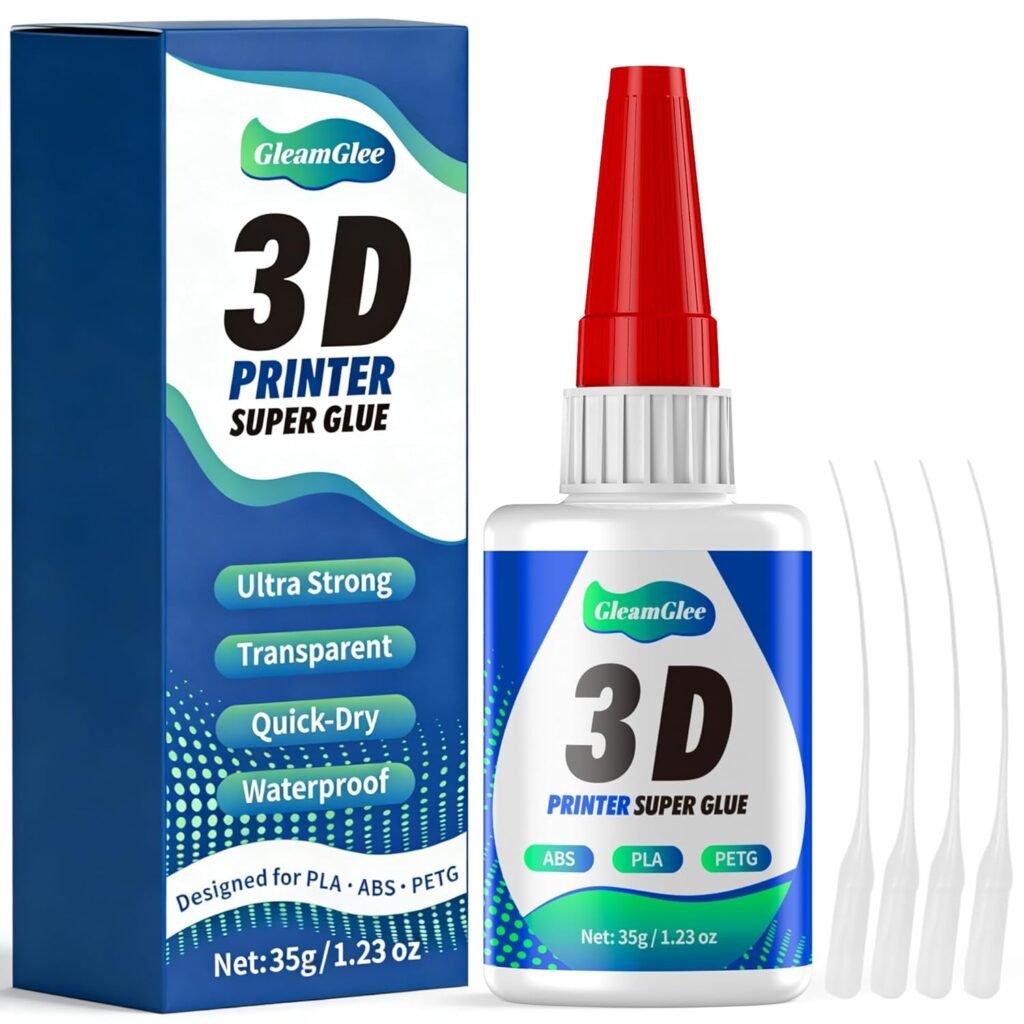
Our recommended pick for small visible glass repairs: GleamGlee Glass Glue
If your goal is to glue glass neatly for a small, visible, close-fitting repair, GleamGlee Glass Glue is the product we would start with first.

This product comes in a 1.23 oz (35g) size, which makes it a practical option for home users. It gives you enough adhesive for multiple small projects without feeling oversized for ordinary DIY repairs. That makes it a strong fit for people who want one reliable glass adhesive on hand for touch-ups, decorative repairs, mirror edge fixes, and other everyday household uses.
What makes it a particularly good match for this page is that it suits the kind of repair most people actually mean when they search for how to glue glass. They are usually not rebuilding a large structural object. More often, they are fixing a small broken glass item, reattaching a visible detail, or repairing a close-fitting section where appearance matters. That is where a dedicated precision-style glass glue makes the most sense.
GleamGlee Glass Glue is especially appealing for smaller visible repairs because it is designed around clean handling, clear-drying performance, and easier application. The product format is also more approachable than a bulkier two-part system when the job is small and neat rather than gap-filled and structural.
Why it stands out
A practical size for household repairs
The 35g / 1.23 oz capacity is large enough to handle multiple projects while still feeling easy to store, easy to control, and appropriate for normal home use.
Better suited to visible glass areas
For glass repairs, appearance matters. A clean-looking finish is often just as important as the bond itself. This is why a glass-specific adhesive is usually more appealing than a heavier, bulkier repair system when the repair is small and noticeable.
Easier for detail work
For trim, decorative pieces, and close-fitting glass repairs, a precision-style product is often more user-friendly than larger adhesive systems that are better suited to gaps or more structural jobs.
Best for
GleamGlee Glass Glue is especially well suited for:
- small visible glass repairs
- decorative glass pieces
- mirror edge touch-ups
- crystal and household glass items
- close-fitting glass-to-glass applications
- consumers who want a neat, controlled repair process
Best not used for
Like most precision-style glass glues, it makes the most sense when the repair area is relatively small and the surfaces fit well together.
If the break is uneven, has visible gaps, or involves a more demanding structural joint, a clear epoxy or more structural adhesive may still be the better option.

If your project is a small, visible, close-fitting glass repair, GleamGlee Glass Glue is the option we would start with first. Its 1.23 oz (35g) size is practical for home use, and it fits the most common real-world need behind this search: a repair that needs to look clean, feel controlled, and work well in everyday household settings.
Glass glue buying checklist
If your goal is to glue glass neatly for a small, visible, close-fitting repair, GleamGlee Glass Glue is the product we would start with first.

| Feature | Why It Matters | What to Look For |
|---|---|---|
| Clear drying | Keeps repair less visible | Clear or crystal-clear finish |
| Precision control | Helps prevent overflow | Fine tip or precision nozzle |
| Suitable for glass | Better bond on non-porous surfaces | Specifically suitable for glass |
| Mixed-material support | Helps with metal or wood | Product category fits your surfaces |
| Gap filling | Important for uneven breaks | Epoxy if pieces do not fit tightly |
| Fast initial set | Easier handling | Quick set or handling time |
| Full cure durability | Better long-term performance | Clear cure instructions |
| Household usability | Better for normal DIY repairs | Easy application and storage |
If your project is small and visible, choose clarity and control first. If your project is uneven or mixed-material, choose compatibility and gap filling first.
FAQ
Q1: What is the best glue for glass?
For small, close-fitting, visible repairs, a specialized glass glue is often the best choice. For uneven breaks or mixed-material projects, clear epoxy may be better.
Q2: Can you glue glass back together?
Yes, many glass items can be repaired successfully if the pieces fit well, the surfaces are clean, and the correct adhesive is used.
Q3: What glue dries clear on glass?
Specialized glass glues and clear epoxies are the most common clear-drying options, depending on the repair.
Q4: Can I use super glue on glass?
Sometimes, yes. But a glass-specific adhesive is often the cleaner and more reliable choice for visible repairs.
Q5: Is epoxy better than glass glue?
It depends on the job. Epoxy is usually better for gaps, uneven surfaces, or mixed materials. Glass glue is usually better for smaller, neater, visible repairs.
Q6: How long should glued glass cure?
That depends on the adhesive, but you should always wait for full cure, not just the initial set, before using the item normally.


Quick decision guide
If you are still unsure which adhesive path makes the most sense, use this simple guide:
| Your Situation | Best Starting Choice |
|---|---|
| Small broken glass item | Specialized glass glue |
| Visible decorative glass repair | Specialized glass glue |
| Glass to glass, tight fit | Specialized glass glue |
| Glass to metal, light repair | Glass glue or clear epoxy |
| Glass to wood | Clear epoxy |
| Uneven break or slight gap | Clear epoxy |
| Small household DIY glass fix | Specialized glass glue |
If your project is small, neat, and appearance-sensitive, a precision-style glass glue is usually the smartest place to start.
If your project is uneven, mixed-material, or more demanding, epoxy is often the better choice.
Learning how to glue glass successfully comes down to three things: choosing the correct adhesive type, preparing the surfaces properly, and allowing enough time for full cure.
For most small, visible household glass repairs, a specialized glass glue will give you the cleanest and easiest result. For more difficult mixed-material or gap-filling projects, epoxy is often the better option.
If you want a practical, consumer-friendly option for smaller visible repairs, start with GleamGlee Glass Glue here:
If you are not sure which type of adhesive is best for your specific glass project, contact us and we’ll help you narrow it down based on your materials, joint size, and repair goal.