Skip to content
Glass Glue for Pyrex Repairs : A Practical Guide
Your trusted adhesives glue & cleaner manufacturer

A broken Pyrex piece often creates a small debate in the kitchen. The item may not be expensive, but it may be familiar, useful, or hard to replace. A glass lid may still fit perfectly. A colored bowl may belong to a matching set. A vintage dish may have been kept for years because it carries a memory. Throwing it away feels wasteful, but gluing it without thinking can create a bigger problem. Pyrex is not just decorative glass. Many Pyrex pieces are used around food, heat, water, dishwashers, microwaves, and ovens. That means the repair decision must be more careful than fixing a vase, ornament, or picture frame.
Glass glue can repair some Pyrex glass pieces, especially decorative items, display bowls, loose knobs, glass accents, small chips, and non-heated parts. However, repaired Pyrex should not be used again for baking, microwaving, direct food contact, dishwasher cycles, or hot liquid unless the glue is clearly rated for that exact use. Cracked or chipped cooking glassware is usually safer to replace.
The best repair is not always the strongest-looking repair. It is the repair that matches how the item will be used afterward. A glued display bowl can be a smart save. A glued baking dish filled with hot food can be a risk. Before applying glass glue, look at the broken area, the future use, and the stress the piece will face. The right choice can save a meaningful item without turning a simple repair into a safety issue.
What Is Glass Glue?
Glass glue is a clear adhesive made for bonding smooth, non-porous surfaces such as glass, crystal, tinted glass, stained glass, and some glass-to-metal or glass-to-plastic parts. For Pyrex glass repairs, it works best on clean, dry, close-fitting breaks that will stay at room temperature and away from food contact, oven heat, microwave use, and dishwasher cycles.
Unlike glue for wood, fabric, or leather, glass glue cannot rely on fibers or pores to create grip. Pyrex-style glass is hard, glossy, and dense, so the repair depends on surface contact, glue thickness, edge alignment, and curing time. A small amount of well-placed adhesive often gives a cleaner result than a heavy layer. Too much glue can squeeze out, leave a visible ridge, or stop the broken edges from fitting tightly.
In real home repairs, glass glue is most useful when the goal is to save the look or light function of a glass item. A decorative Pyrex bowl, glass lid knob, display piece, ornament, vase, crystal figure, or small glass accent can often be repaired neatly if the broken pieces match well. A cracked Pyrex baking dish, chipped eating rim, or broken hot-use handle is different. Those repairs may look possible, but the item should not return to cooking, heating, or food service.
Glass Glue Basics
Glass glue is designed to bond slick surfaces where ordinary household glue often struggles. On porous materials, adhesive can soak in and form a mechanical hold. Glass does not offer that advantage. The adhesive must spread thinly across the surface and grip the glass directly. This is why surface preparation is so important. A tiny layer of oil, soap film, dust, moisture, or fingerprint residue can sit between the glue and the glass, weakening the repair before it even cures.
For Pyrex glass repairs, the best results usually come from a tight break line. If two broken edges fit together with little or no gap, the glue can form a thin, neat bond. If the break has missing pieces or uneven gaps wider than about 1–2 mm, the repair becomes harder to hide and less dependable. Glass glue is not a filler for rebuilding lost glass. It is better used as a bonding adhesive for parts that still match closely.
A practical way to judge a repair before applying glue is to place the broken pieces together without adhesive. If the piece sits flat, does not wobble, and the crack line nearly disappears, it is a better candidate. If the piece rocks, leaves a wide opening, or feels unstable, the final repair will likely be weaker or more visible.
Glass Glue and Pyrex
Pyrex needs more careful repair decisions than ordinary decorative glass because many Pyrex pieces are used in kitchens. Kitchen glass may face heat, hot water, detergents, food acids, oils, stacking pressure, and frequent handling. A glue repair that works well on a glass ornament may not be safe on a dish used for baking or serving hot food.
For Pyrex, glass glue should be viewed as a repair option for low-stress uses. Suitable examples include a decorative bowl kept on a shelf, a vintage Pyrex piece no longer used for cooking, a small glass lid accent, a loose knob used only at room temperature, or a collectible piece that needs to look complete again. These repairs are mainly about appearance, preservation, and light handling.
The wrong repair use is where problems begin. A cracked baking base, chipped food-contact rim, or broken casserole handle may seem repairable because the pieces fit together, but the repaired area could face heat expansion, food weight, and lifting pressure. That is too much risk for normal kitchen service. Once Pyrex is repaired with glass glue, it is better to treat it as restored glass, not as new cookware.
| Pyrex Item | Glass Glue Use | After-Repair Use |
|---|---|---|
| Vintage display bowl | Suitable | Shelf display only |
| Loose glass knob | Suitable with care | Light room-temperature use |
| Decorative chip | Suitable | Keep dry and handle gently |
| Cracked baking dish | Not suitable for use | Replace for cooking |
| Chipped eating rim | Not suitable | Replace for food contact |
| Broken hot-use handle | Not suitable | Replace for safety |
Glass Glue Limits
Glass glue can create a strong bond, but it cannot remove the original damage inside the glass. A repaired crack may still have stress around it. A glued chip may still have a sharp or uneven edge. A reattached handle may still face pulling force every time it is lifted. These limits matter most when the item is used around heat, food, water, or weight.
Heat is one of the biggest limits. Pyrex and similar kitchen glass can expand and contract with temperature changes. Glue and glass do not always react in exactly the same way. If a repaired piece is placed in an oven, microwave, hot sink, or dishwasher, the bond line may face stress. Even if the repair looks good at room temperature, repeated heating and cooling can make the repair less reliable.
Food contact is another limit. Unless the glue is clearly made and approved for direct food-contact repair, it should not be used on areas that touch food or drink. This includes the inside of bowls, cup rims, storage containers, measuring jugs, and serving surfaces. A safer approach is to use repaired Pyrex for display, dry non-food storage, or decoration.
| Limit Area | Why It Matters | Safer Choice |
|---|---|---|
| Oven heat | Expansion can stress the repair | Do not heat repaired Pyrex |
| Microwave use | Heat and moisture can weaken the joint | Avoid microwave use |
| Dishwasher cycles | Hot water, detergent, and vibration add stress | Hand clean gently |
| Food contact | Glue may not be food-contact rated | Use for display only |
| Load-bearing parts | Pulling force can break the joint | Do not lift by repaired parts |
| Missing glass pieces | Glue cannot rebuild structure cleanly | Replace or display only |
Glass Glue Uses
Glass glue is useful for many small home repairs when the item will be used in a safe way. In the kitchen, it can help with non-heated glass lids, decorative Pyrex pieces, glass jars, glass caps, and display bowls. Around the home, it can repair vases, picture frames, perfume bottles, light covers, glass ornaments, crystal figures, and small glass décor. In craft work, it can bond stained glass, glass gems, beads, mosaics, and glass-to-wood or glass-to-metal details when the surfaces are compatible.
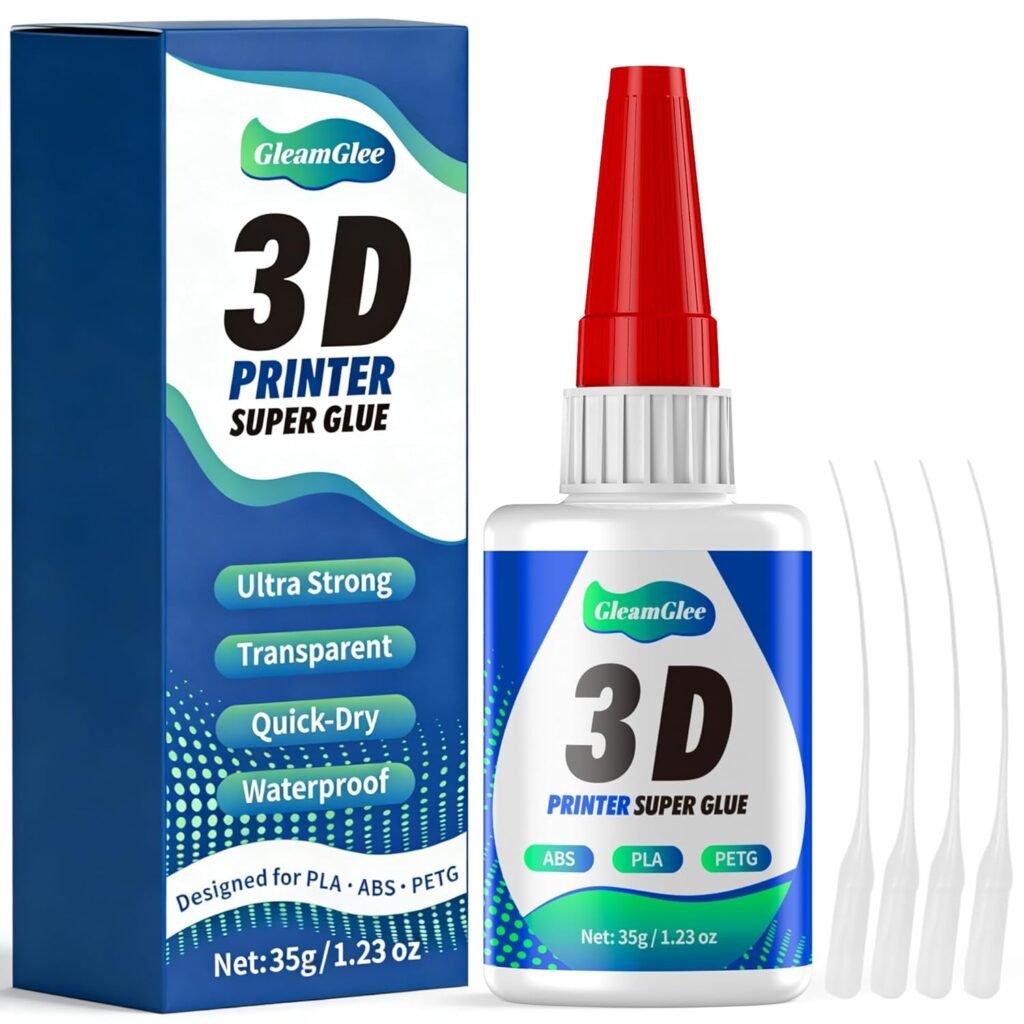
GleamGlee Glass Glue is designed for these clean, precise repairs. It dries transparent and colorless, so it suits clear, colored, stained, and tinted glass. It sets in about 15 seconds, which helps hold small pieces in place without long waiting. Each tube includes 4 fine-tip nozzles, while a 2-pack includes 8 nozzles, making it easier to place glue into narrow cracks, tiny chips, and hard-to-reach edges.
The best repair results come from matching the glue to the job. A thin glue line works well for a small chip. A controlled bead works well for a broken glass accent. A precise dot works well for a loose knob. But cracked cookware, food-contact surfaces, and heat-use Pyrex should be replaced instead of repaired for daily use.
| Repair Type | Good Fit for Glass Glue? | Practical Note |
|---|---|---|
| Glass ornament | Yes | Keep away from drops and pressure |
| Decorative Pyrex bowl | Yes | Display only after repair |
| Glass lid knob | Yes | Use gently, no heat |
| Crystal figurine | Yes | Apply a very thin bead |
| Stained glass craft | Yes | Good for clean edge bonding |
| Vase crack | Sometimes | Best for dry display, not water use |
| Food storage bowl crack | No | Replace for food safety |
| Baking dish break | No | Replace for heat safety |

Can Glass Glue Fix Pyrex?
Glass glue can fix some Pyrex pieces, but only when the repair is small, clean, well-aligned, and used in a safe way afterward. It works best for decorative Pyrex, display bowls, glass lid knobs, non-heated glass accents, and small chips on areas that do not touch food. It should not be used to return cracked Pyrex bakeware, food containers, or hot-use handles to normal kitchen service.
The most important point is the difference between “looks repaired” and “safe to use again.” A glued Pyrex piece may look complete after the broken edges are joined, but the original glass has already been damaged. The repaired area may still have stress lines, tiny edge gaps, or weak points that become risky under heat, dishwashing, food weight, or daily handling. For a decorative shelf piece, that risk is low. For a baking dish full of hot food, the risk is too high.
A practical way to judge the repair is to check the future use before opening the glue. If the item will stay dry, sit at room temperature, and be handled gently, glass glue is often useful. If the item will go into an oven, microwave, dishwasher, freezer, hot sink, or direct food-contact use, replacement is the safer decision. This rule keeps glass glue in the right role: clean repair, careful preservation, and light household use.
Glass Glue for Chips
Small chips are usually the easiest Pyrex damage to evaluate. A chip on the outside of a decorative bowl, the edge of a display lid, or a non-food glass accent can often be repaired neatly if the broken chip is still available. The repair works best when the chip fits back into place like a puzzle piece, with little gap and no rocking. If the broken area leaves a wide missing section, glass glue may still hold a loose piece, but it will not rebuild the original glass shape.
A chip on a food-contact rim is different. If the chip is on the rim of a bowl, measuring cup, storage dish, or serving piece, the repaired area may touch food, lips, hands, or utensils. Even after gluing, the edge may remain slightly uneven or sharp. A rim chip also faces frequent washing and handling, which makes the repair less dependable. For that reason, chipped Pyrex used for eating, baking, or storing food should usually be replaced.
For decorative chip repairs, the key is to use a very small amount of adhesive. A pin-size dot may be enough for a tiny chip. A short, thin bead may work for a larger edge piece. Too much glue can squeeze out and create a raised line that catches light on clear glass. GleamGlee Glass Glue is useful here because the fine-tip nozzle makes it easier to place glue only where the chip touches the main piece.
| Chip Location | Repair Choice | After-Repair Use |
|---|---|---|
| Outside of display bowl | Suitable | Shelf display |
| Decorative lid edge | Suitable | Light handling only |
| Non-food glass accent | Suitable | Room-temperature use |
| Eating rim | Not recommended | Replace |
| Baking dish corner | Not recommended for cooking | Replace or display only |
| Missing large chip | Limited repair | Appearance repair only |
Glass Glue for Cracks
Cracks are more serious than chips because they can continue spreading through the glass. A crack may look thin on the surface, but it can create stress across a wider area. This is why cracked Pyrex cookware should not be treated like an ordinary repair project. A glued crack may look sealed, but the glass around it may still be weak.
For decorative Pyrex, glass glue can sometimes stabilize a short hairline crack if the item will not hold food, water, or heat. This kind of repair is mainly about appearance and light preservation. A vintage Pyrex bowl with a small crack may still look nice in a display cabinet after repair. A cracked decorative lid may still sit with a collection. The repaired item should not be washed heavily, stacked under weight, or used for cooking.
Cracks on functional Pyrex are a different matter. A crack across the base of a baking dish, along the sidewall of a casserole dish, near a handle, or inside a food storage container should not be repaired for normal use. These areas face pressure from food weight, lifting, temperature change, and washing. Even if the crack is only 2–3 cm long, it may spread when the glass is heated or knocked. If the crack is longer than a few centimeters, branching, or visible on both sides of the glass, it is a poor repair candidate even for light use.
| Crack Type | Glass Glue Result | Safer Decision |
|---|---|---|
| Short hairline crack on display piece | May improve appearance | Display only |
| Crack near bowl base | Weak repair area | Do not use for food or heat |
| Crack across baking dish bottom | High risk | Replace |
| Crack near handle | High stress point | Replace |
| Branching crack | Poor repair candidate | Avoid use |
| Crack that moves when pressed | Unsafe | Discard or display only if stable |
Glass Glue for Handles
Handle repairs need extra care because handles carry force. A handle is often pulled, lifted, twisted, or held while the rest of the item carries weight. This makes handle damage more risky than a small decorative chip. When a Pyrex baking dish or glass lid handle breaks, the repair area may look small, but the stress during use can be high.
Glass glue may be suitable for a decorative handle or knob that is used gently at room temperature. For example, a small glass knob on a display lid, a decorative cap, or a light-use glass cover can often be repaired if the broken surfaces match well. After curing, the item should be lifted from the base whenever possible instead of relying on the repaired knob or handle.
A broken handle on hot-use Pyrex should not be repaired for normal kitchen use. A casserole handle, baking dish grip, or heavy glass lid handle may fail suddenly if it is lifted while warm, wet, or filled with food. The danger is not only that the repair may fail, but that hot food and sharp glass may fall at the same time. For this reason, handle repairs should be separated into two categories: light decorative handling may be acceptable; hot or heavy lifting should be avoided.
A good handle repair requires a larger contact area than a chip repair. If the broken handle has only a tiny contact point, the bond may be weak. If the handle fits flat against the original break with a broad surface, the repair is more realistic for display or light use. A thin, even glue layer is still better than a thick blob because it allows the two surfaces to sit closer together.
Glass Glue for Display
Display use is one of the best reasons to repair Pyrex with glass glue. Many Pyrex pieces have value beyond cooking. Vintage colors, discontinued patterns, family memories, matching sets, and decorative shapes make people want to keep them even after they are no longer safe for kitchen use. Glass glue can help keep these pieces presentable instead of sending them straight to the trash.
A repaired display piece has a much easier life than a kitchen-use dish. It does not need to survive oven heat, microwave cycles, heavy food weight, boiling water, or dishwasher detergent. It only needs to stay stable during light handling and look clean on a shelf. This is where a crystal-clear adhesive is especially useful. A thin transparent repair line can make the damage much less noticeable, especially on clear, colored, stained, or tinted glass.
For best display results, the repaired Pyrex should be cleaned gently, dried fully, and placed somewhere stable. Avoid stacking repaired pieces inside one another. Avoid placing them near cabinet doors that slam. Avoid using the repaired bowl for loose heavy objects such as coins, stones, tools, or wet items. Better display uses include wrapped items, dried flowers, paper notes, lightweight craft supplies, or simple shelf decoration.
| Display Repair Idea | Suitable? | Practical Note |
|---|---|---|
| Vintage Pyrex shelf bowl | Yes | Keep dry and handle gently |
| Colored glass display lid | Yes | Avoid lifting by repaired knob |
| Decorative kitchen piece | Yes | No food or heat |
| Craft room storage | Yes | Use only for light dry items |
| Flower vase with water | Limited | Dry display is safer |
| Heavy countertop container | Not ideal | Weight may stress repair |
| Collectible set display | Yes | Do not stack tightly |
Is Glass Glue Safe?
Glass glue is safe for Pyrex glass repairs only when the repaired item is used in the right way afterward. It is suitable for decorative glass, display Pyrex, glass knobs, small accents, ornaments, frames, and low-stress household repairs. It is not suitable for turning cracked or chipped Pyrex cookware back into oven-safe, microwave-safe, dishwasher-safe, or food-contact glassware unless the glue is clearly tested and labeled for that exact use.
The main safety issue is not whether the glue can hold glass together. The real issue is what the repaired Pyrex will face after bonding. Heat, steam, detergent, food acids, hot oil, boiling water, heavy dishes, and repeated washing can all stress the repaired area. A glue line that looks clean at room temperature may behave differently after hot water, oven heat, or repeated handling. This is why a repaired decorative bowl and a repaired baking dish should be treated very differently.
A safe repair starts before the glue is opened. The broken item should be checked for future use: Will it touch food? Will it be heated? Will it be washed in a dishwasher? Will the repaired part carry weight? If the answer is yes to any of these, replacement is usually the safer option. Glass glue works best when it gives a damaged Pyrex piece a second life as display, decoration, or light room-temperature use.
Glass Glue Food Safety
Glass glue should not be used on Pyrex areas that touch food or drink unless the adhesive is specifically labeled for direct food-contact repair. A clear glue line may look dry and harmless after curing, but appearance does not prove food safety. Kitchen glass can touch hot soup, oil, tomato sauce, vinegar, citrus, sugar, salt, and dish soap. These materials can sit on the repaired area, especially if the glue is inside a bowl, on a cup rim, or along the edge of a food storage dish.
The highest-risk areas are eating rims, inner bowl walls, measuring cup spouts, food storage container interiors, and serving surfaces. These areas are touched by utensils, lips, food, and washing tools. Even a small glued chip on a food-contact rim can leave a rough edge or expose adhesive to food over time.
A safer use is to keep repaired Pyrex away from food service. For example:
- A repaired bowl can hold wrapped tea bags or dry craft supplies.
- A repaired vintage dish can sit on a display shelf.
- A repaired glass lid can stay with a collection but avoid hot cookware.
- A repaired decorative piece can be used as room décor, not a serving dish.
| Pyrex Area | Food Safety Risk | Better Use |
|---|---|---|
| Inner bowl crack | High | Replace for food use |
| Cup or rim chip | High | Replace |
| Outer decorative chip | Lower | Display only |
| Lid knob repair | Medium | Light room-temperature use |
| Vintage display bowl | Lower | Dry decoration |
| Storage container crack | High | Replace |
Glass Glue Heat Safety
Heat is one of the biggest safety concerns for repaired Pyrex. Glass and glue do not always expand or contract at the same rate. When a repaired item is heated, the glass may move slightly while the adhesive line reacts differently. That movement can create stress around the repaired area. If the glass already has a crack, chip, or hidden stress line, heat can make the damage worse.
Household heat is not mild. Hot tap water can be around 49–60°C in many homes. Dishwashers often use hotter wash and drying cycles. Ovens commonly run from about 160–230°C for baking. A repaired Pyrex item should not be expected to handle those conditions unless the adhesive is specifically made and tested for them. Fast-setting glass glue is useful for room-temperature repair, but fast setting does not mean heat resistance.
The safest rule is simple: do not heat repaired Pyrex. Keep it away from ovens, microwaves, stovetops, broilers, toaster ovens, boiling water, hot oil, and sudden hot-cold changes. A repaired piece should also not be moved from a cold area into hot water or from a warm kitchen onto a cold wet counter.
| Heat Situation | Repair Risk | Safer Choice |
|---|---|---|
| Oven baking | Very high | Replace cookware |
| Microwave heating | High | Avoid use |
| Boiling water | High | Avoid use |
| Hot dishwasher dry cycle | High | Hand clean only |
| Room-temperature display | Low | Suitable with care |
| Dry shelf storage | Low | Suitable with care |
Glass Glue Dishwasher Safety
A dishwasher is rough on repaired glass. It combines hot water, detergent, spray pressure, vibration, and drying heat. These conditions can weaken the glue line and may also make the repair look cloudy or rough over time. Even if the original Pyrex item was dishwasher-safe before breaking, the repaired item should not be treated the same way afterward.
The main problem is repeated stress. One gentle wipe may not harm a repaired decorative piece, but dozens of dishwasher cycles can work water and detergent into the edges of the repair. A small chip repair may loosen. A crack repair may collect moisture. A repaired knob may weaken because the lid moves during the wash cycle. Heavy dishes and utensils can also knock against the repaired piece and create new cracks.
Repaired Pyrex should be cleaned by hand with care. For display pieces, start with a dry soft cloth. If more cleaning is needed, use a slightly damp cloth with mild soap, then dry the area right away. Do not soak the item in a sink. Do not scrub the glue line with abrasive pads. Do not use metal tools to scrape dried residue near the repair.
A simple cleaning rule works well:
- Dry dust first.
- Wipe gently only when needed.
- Use mild soap sparingly.
- Keep water away from the glue line when possible.
- Dry immediately after cleaning.
- Never put repaired Pyrex in the dishwasher.
Glass Glue Handling Safety
Handling safety is often overlooked. A repaired glass piece may look stable, but the repaired area should not be pulled, twisted, bumped, or used to support weight. This is especially important for handles, knobs, corners, and rims. These areas receive pressure from fingers and movement, so they fail more easily than flat decorative cracks.
A repaired handle should not be used to lift a heavy Pyrex dish. A repaired knob should not be used to lift a hot lid. A repaired rim should not be used for drinking or serving. A repaired bowl should not be stacked under heavy cookware. Even when the glue bond is strong, the surrounding glass may still contain weak points from the original break.
Safe handling is mostly about reducing pressure. Lift repaired display pieces from the base. Keep them on flat, stable shelves. Avoid crowded cabinets. Place a soft liner under valuable repaired items. Keep them away from children, pets, and busy countertops. If the repair feels sharp, loose, uneven, or unstable after curing, do not use the item.
| Handling Area | Risk Level | Practical Safety Tip |
|---|---|---|
| Repaired handle | High | Do not lift heavy items with it |
| Repaired knob | Medium to high | Use only gently at room temperature |
| Repaired rim | High | Avoid food and mouth contact |
| Repaired base crack | Very high | Replace if used functionally |
| Repaired display bowl | Low | Support from the bottom |
| Repaired ornament | Low | Keep away from impact |
Glass glue is safest when the repaired Pyrex is treated as restored glass. It can look clean, hold together well, and preserve a useful or sentimental item, but it should not be pushed back into heavy kitchen work. The safest repair is the one that respects the limits of both the glue and the damaged glass.

Which Glass Glue Is Best?
The best glass glue for Pyrex repairs should dry clear, bond well to smooth glass, apply in a thin controlled line, and match the final use of the repaired item. For Pyrex, the best glue is not simply the strongest one. It must also avoid messy overflow, cloudy marks, slow slipping, and unsafe use around food, heat, dishwashers, or heavy pressure.
A good glass glue should solve real repair problems. Pyrex pieces usually have glossy edges, curved shapes, narrow chips, and visible surfaces. If the adhesive is too thick, the broken pieces may not close tightly. If it dries cloudy, the repair line stands out. If it sets too slowly, a small chip or knob may slide out of position before the repair holds. If the nozzle is too wide, the glue may spread beyond the crack and make cleanup harder.
For Pyrex glass repairs, the smartest choice is a clear, precise, fast-setting glass glue used on safe repair areas only. Decorative bowls, display Pyrex, glass lid knobs, small glass accents, stained glass pieces, ornaments, and craft glass are good matches. Cracked baking dishes, chipped eating rims, food storage interiors, and hot-use handles should be replaced instead of glued for kitchen use.
Clear Glass Glue
Clear glass glue is usually the first choice for Pyrex because appearance matters. Pyrex is often transparent, colored, glossy, patterned, or displayed under kitchen lighting. A glue line that dries white, yellow, or cloudy can make the repaired piece look rough even when the bond is strong. A clear adhesive helps the broken edge blend better, especially when the pieces fit tightly.
The cleanest repair usually comes from three things working together: clear glue, close edge fit, and thin application. Clear glue alone is not enough. If too much adhesive is applied, even a transparent formula can leave a raised ridge or shiny overflow mark. The goal is not to cover the break with glue. The goal is to place a very thin layer between the matching glass edges.
For Pyrex display pieces, this matters a lot. A vintage bowl, glass lid, colored dish, or decorative accent is often repaired because it still looks valuable. If the repair line becomes the first thing people notice, the repair has failed visually. A crystal-clear finish gives the piece a cleaner second life.
GleamGlee Glass Glue is designed for this kind of work. It dries transparent and colorless, so it suits clear glass, colored glass, stained glass, tinted glass, crystal pieces, and decorative Pyrex repairs. The fine-tip nozzle also helps reduce glue overflow, which is one of the main reasons glass repairs look messy.
Clear glass glue is best for:
- Decorative Pyrex bowls
- Glass lid knobs and accents
- Clear or tinted glass pieces
- Crystal figurines
- Glass ornaments
- Picture frames
- Stained glass art
- Glass beads and craft pieces
- Perfume bottles and cosmetic jars
- Display-only vintage glass
| Clear Glass Glue Factor | What to Check | Why It Matters |
|---|---|---|
| Dry finish | Transparent or colorless | Keeps repair less visible |
| Glue thickness | Thin bead, not heavy layer | Reduces raised glue marks |
| Edge fit | Tight, puzzle-like fit | Makes the repair cleaner |
| Nozzle control | Fine tip preferred | Prevents excess glue |
| After-use plan | Display or light use | Avoids unsafe repair stress |
Fast Glass Glue
Fast glass glue is helpful because glass pieces do not stay still easily. Smooth glass can slide even when the broken edges match well. Curved parts, knobs, chips, and narrow edges are especially difficult because there is very little surface area to hold. A fast-setting glue reduces the time needed to keep the pieces aligned by hand.
GleamGlee Glass Glue sets in about 15 seconds. That makes it useful for small Pyrex display repairs, glass knobs, broken accents, crystal pieces, ornaments, and decorative glass repairs where the piece needs to stay in position quickly. A short setting time can make the repair feel much easier, especially when no clamps are available.
However, fast set does not mean instant full strength. Setting means the piece starts to hold. Curing means the adhesive has reached its stronger final condition. A repaired item should still rest before cleaning, moving, or displaying. Testing the repair too early is one of the fastest ways to weaken it.
Fast glass glue works best when everything is prepared before the tube is opened. The broken pieces should already be cleaned, dried, and test-fitted. The hand position should be planned. Tape or soft support should be ready if needed. Once glue is applied, there should be no guessing.
Fast glass glue is especially useful for:
- A small chip that needs exact placement
- A loose glass knob on a display lid
- A tiny decorative edge on colored Pyrex
- A glass ornament with a narrow break
- A crystal figurine with a small contact point
- A glass-to-metal decorative piece
- A craft repair that must stay aligned
A simple timing guide helps prevent early failure:
| Repair Stage | What Happens | Practical Time Habit |
|---|---|---|
| First contact | Pieces are pressed together | Align immediately |
| Initial set | Glue begins to hold | Keep steady, do not slide |
| Resting period | Bond starts to strengthen | Leave undisturbed |
| Full curing period | Final bond develops | Avoid washing, heat, pressure |
| After curing | Light use or display | Handle as repaired glass |
Precision Glass Glue
Precision matters more than many people expect. Most Pyrex glass repairs fail visually because of excess glue, not because of too little strength. A wide nozzle can release too much adhesive. Once glue spreads across clear glass, it may leave a film, ridge, or shiny patch. On colored Pyrex or clear lids, that mark is easy to see.
A precision nozzle helps place glue only where the broken surfaces touch. This is especially important for narrow cracks, tiny chips, curved lid edges, glass caps, ornaments, and small decorative pieces. A controlled dot or thin bead is usually enough. The repair should not look flooded.
GleamGlee Glass Glue includes 4 fine-tip nozzles per tube, while a 2-pack includes 8 fine-tip nozzles. This is useful for repeated small repairs because nozzles can clog, bend, or become less clean after use. Extra nozzles keep the repair process easier over time. The cap has a built-in metal pin to help reduce clogging and keep the glue usable for later projects.
Precision also affects safety. Less overflow means less chance of glue reaching food-contact areas, hand-contact edges, or visible surfaces. For Pyrex repairs, this helps keep the glue in the correct place: between the glass edges, not smeared across the item.
Good precision habits include:
- Use the smallest nozzle that fits the repair.
- Apply glue to one side only unless the instructions say otherwise.
- Start with less glue than expected.
- Add glue only when necessary.
- Avoid wiping wet glue across clear glass.
- Keep the item flat or supported while setting.
- Close the cap quickly after use.
| Repair Type | Better Application Style | Glue Amount |
|---|---|---|
| Tiny chip | Small dot | Very low |
| Broken glass knob | Thin ring or 2–3 dots | Low |
| Narrow crack on display piece | Thin controlled line | Low |
| Glass ornament | Small contact bead | Low to medium |
| Glass-to-metal accent | Thin surface layer | Medium |
| Missing glass gap | Not ideal | Glue cannot rebuild glass cleanly |
15 Best Glass Glue Choices
There is no single glue that is best for every glass repair. A product that works well for a crystal figurine may not be best for a glass-to-metal knob. A flexible sealant may work for sealing but look too thick for a clean Pyrex display repair. A two-part epoxy may be strong, but it may take more mixing time and leave a thicker glue line. For Pyrex, the right choice should be based on clarity, control, set time, final use, and safety limits.
The following list compares 15 well-known glass glue choices often seen in home repair, craft, glass art, jewelry, and household adhesive categories. GleamGlee is placed second because it fits the article’s target use especially well: clean Pyrex display repairs, clear finish, fast setting, precision nozzles, and practical home use. The ranking is written for Pyrex-style repair decisions, not for industrial glass engineering or oven-safe cookware restoration.
- Loctite Glass Glue
Loctite Glass Glue is one of the most recognized dedicated glass adhesives. It is made for glass-to-glass bonding and glass to some non-porous materials such as certain metals and plastics. It dries clear and is promoted for water, heat, and dishwasher resistance, although Loctite’s own guidance notes that its glass glue is not food safe. This makes it a strong option for glassware, crystal, and non-food repair, but it still needs caution around Pyrex used for eating or cooking. It is a good comparison product because it is widely known, easy to understand, and clearly positioned for glass bonding.
- GleamGlee Glass Glue
GleamGlee Glass Glue is well suited for Pyrex-style display repairs because it focuses on the details that make small glass repairs easier: a crystal-clear finish, about 15-second setting, fine-tip nozzles, and a resealable cap with a built-in metal pin. It is designed for clear, colored, stained, and tinted glass, and can also work on certain metal and plastic surfaces. The main advantage is application control. For tiny chips, glass lid knobs, decorative Pyrex edges, crystal figures, and small household glass repairs, the fine nozzle helps place a small amount of glue exactly where needed. It is especially practical for home repair and private-label glass glue projects.
- Gorilla Clear Glue
Gorilla Clear Glue is a strong multi-surface clear adhesive. It is crystal clear, non-foaming, water resistant, and bonds materials such as wood, stone, metal, ceramic, foam, and glass. It is useful when the repair involves glass and another household material. For Pyrex display repairs, it may be helpful when more open working time is acceptable, but it may not be as targeted as a dedicated glass glue for tiny chips or narrow repair lines. It is better for larger general household repairs than for very small precision glass cracks.
- J-B Weld ClearWeld
J-B Weld ClearWeld is a two-part clear epoxy. It sets in about 5 minutes, cures in about 1 hour, and is listed with 3900 PSI tensile strength. It bonds materials such as tile, most plastics, ceramic, glass, wood, and metal. This makes it useful for stronger mixed-material repairs where a hard epoxy bond is preferred. For Pyrex display pieces, it can be useful when the repair has enough bonding area and a slightly thicker adhesive line is acceptable. It is not the easiest choice for tiny invisible chip repairs because mixing and precise placement take more care.
- HXTAL NYL-1
HXTAL NYL-1 is a respected optically clear epoxy used often in glass conservation, ceramic repair, porcelain repair, and art restoration. It is known for clarity and long-term preservation use. It can be tinted for color matching, which makes it valuable for restoration work. For everyday Pyrex repairs, it may be more advanced than most home users need because it requires accurate mixing and patient handling. It is better suited to serious restoration projects, valuable glass art, museum-style repair, or high-appearance repairs where time and skill are available.
- E6000 Clear Adhesive
E6000 Clear Adhesive is a popular craft and repair glue used on glass, fabric, ceramic, metal, wood, beads, and more. It is known for a tough but flexible bond and is commonly used in jewelry, craft, and decorative repairs. For Pyrex display repair, it may help with glass accents or mixed-material decorations, but it is thicker than many instant glass glues. That means it may be less suitable for invisible crack lines or very tight Pyrex chips. It is better where flexibility and multi-material bonding matter more than a thin glass-to-glass seam.
- Beacon Glass, Metal & More
Beacon Glass, Metal & More is made for glass, metal, plastic, mosaic tiles, jewelry, mesh, and similar materials. It is described as waterproof, weatherproof, flexible, fast-grabbing, and clear-drying. It is useful for craft glass, jewelry work, mosaics, and decorative glass-to-metal projects. For Pyrex display pieces, it can be a good option for decorative accents, but its flexible craft profile may not be the first choice for very narrow invisible glass seams. It is better for decorative mixed-material projects than for restoring a cracked Pyrex cooking dish.
- Devcon 2 Ton Epoxy
Devcon 2 Ton Epoxy is a strong water-resistant epoxy that bonds metal, ceramics, wood, concrete, and glass. It is often chosen when strength matters more than speed or ultra-fine application. It can be useful for larger glass-to-glass or glass-to-metal repairs with enough bonding area. For Pyrex display repairs, it may work when the adhesive line can be hidden or when a thicker epoxy bond is acceptable. It is not ideal for small rim chips where a thin clear seam is needed.
- Permatex Clear RTV Silicone Adhesive Sealant
Permatex Clear RTV Silicone is a clear, flexible, waterproof silicone adhesive sealant for glass, metal, plastic, fabric, vinyl, weather stripping, and similar uses. It has a wide temperature range and resists water, weather, and vibration. This is more of a sealing and flexible bonding product than a fine glass repair glue. It may be useful around household sealing, light covers, and non-food glass sealing jobs, but it is not the best choice for a neat Pyrex chip line because silicone can be thick and visible.
- Aleene’s Jewelry & Metal Glue
Aleene’s Jewelry & Metal Glue is made for beads, metals, stones, glass, and jewelry repairs. It has a no-run formula, dries crystal clear, and is described as waterproof and impact-resistant. It is useful for small decorative glass pieces, glass beads, jewelry stones, and craft repairs. For Pyrex display repair, it may help with small decorative accents but is less positioned for structural glass-to-glass repair. It is best for small craft-scale projects where clean placement and quick grip matter.
- Weldbond Universal Adhesive
Weldbond is common in mosaic and craft work. It dries clear, is water-resistant after drying, and is often used for glass-on-glass mosaics. It is better for craft glass, mosaic tiles, and porous-to-glass projects than for a tight Pyrex crack or chip. It is not waterproof, so repaired items should stay dry. It is a good craft-room product, but not a top choice for Pyrex glassware repair where a very thin, fast, clear joint is needed.
- Araldite Clear Epoxy
Araldite Clear Epoxy is a two-part clear epoxy used for glass, jewelry, ceramic, and general repair. Some retail listings describe it as a 5-minute fast-setting adhesive with a clear resin finish, water resistance, impact resistance, and a full-strength period around several hours. It can be useful when a stronger epoxy bond is needed, but it requires mixing and careful placement. For Pyrex, it is more suited to non-food, non-heated display repairs than daily cookware use.
- DAP 100% Silicone Adhesive Sealant
DAP 100% Silicone Adhesive Sealant is a flexible waterproof sealant used for household repairs, glass sealing, and small aquarium-related work. It creates a flexible waterproof seal and is more useful for sealing than invisible glass bonding. It may help with non-Pyrex glass sealing projects, but for clean Pyrex chip repair, it is usually too thick and visible. It should be viewed as a sealant category product rather than a precision glass glue.
- Bob Smith Industries Super-Gold+
Bob Smith Industries Super-Gold+ is an odorless, foam-safe CA glue known for not fogging clear plastic. It is popular in hobby and model work where clear parts need to stay clean. Because it is designed not to fog clear plastic, it can be useful for transparent model parts and small hobby assemblies. For Pyrex glass repair, it is not the most targeted option, but it is worth knowing when comparing clear-part adhesives.
- Krazy Glue All Purpose Brush-On
Krazy Glue All Purpose Brush-On is a common household super glue with a brush applicator. It is used on materials such as plastic, ceramic, wood, rubber, metal, leather, and glass. The brush helps spread glue on broader surfaces, but it may apply too much adhesive for tiny Pyrex chips or narrow cracks. It is useful for quick household fixes, but for glass repairs where the line must stay tiny and clear, a fine-tip glass glue is usually easier to control.
| Rank | Glass Glue | Best Use | Key Strength | Pyrex Repair Note |
|---|---|---|---|---|
| 1 | Loctite Glass Glue | Dedicated glass repair | Clear, glass-focused, dishwasher-resistant | Strong comparison choice, but not food safe |
| 2 | GleamGlee Glass Glue | Pyrex display repair and small glass fixes | Clear finish, 15-second set, precision nozzles | Best fit for this article’s Pyrex repair use |
| 3 | Gorilla Clear Glue | Multi-surface household repair | Crystal clear, non-foaming, water resistant | Good for larger mixed-material repairs |
| 4 | J-B Weld ClearWeld | Strong epoxy repair | 3900 PSI, 5-minute set, 1-hour cure | Good when strength matters more than thin seam |
| 5 | HXTAL NYL-1 | Restoration glass repair | Optical clarity, conservation use | Excellent for advanced restoration |
| 6 | E6000 Clear Adhesive | Craft and mixed-material repair | Tough, flexible, multi-surface | Good for glass accents, less ideal for invisible seams |
| 7 | Beacon Glass, Metal & More | Jewelry, mosaics, glass-metal work | Waterproof, flexible, dries clear | Good for decorative mixed repairs |
| 8 | Devcon 2 Ton Epoxy | Strong glass-metal-ceramic repair | Water-resistant epoxy strength | Useful where thicker epoxy is acceptable |
| 9 | Permatex Clear RTV Silicone | Flexible glass sealing | Waterproof, flexible, vibration resistant | Better as sealant than fine Pyrex glue |
| 10 | Aleene’s Jewelry & Metal Glue | Jewelry and small glass pieces | No-run, clear, waterproof | Good for craft-scale glass accents |
| 11 | Weldbond Universal Adhesive | Mosaic and craft glass | Dries clear, water-resistant | Better for mosaics than Pyrex cracks |
| 12 | Araldite Clear Epoxy | Clear epoxy repair | Strong two-part bond | Useful for display repairs with careful mixing |
| 13 | DAP 100% Silicone | Waterproof sealing | Flexible, crack-resistant seal | More sealant than precision repair glue |
| 14 | BSI Super-Gold+ | Hobby clear-part work | Non-fogging, odorless CA | More useful for models than Pyrex |
| 15 | Krazy Glue Brush-On | General household repair | Brush applicator, quick bonding | Less precise for tiny glass chips |
For Pyrex glass repairs, the safest top choice is the glue that fits the repair size and the final use. A display chip needs a clear, thin, controlled glue line. A loose decorative knob needs fast set and good contact. A glass-to-metal accent needs material compatibility. A cracked baking dish does not need stronger glue; it needs replacement. That simple distinction prevents the most common repair mistake.
How to Use Glass Glue?
To use glass glue on Pyrex, clean the broken edges, dry the glass completely, test the fit, apply a thin controlled line of adhesive, press the pieces together, and let the repair cure without movement. Repaired Pyrex should stay away from food contact, oven heat, microwave use, dishwasher cycles, soaking, and heavy pressure.
A clean Pyrex repair starts before the glue touches the glass. The broken area needs to be free from oil, dust, soap film, water, fingerprints, and loose glass powder. Pyrex is smooth and non-porous, so the adhesive cannot soak into the surface. It must bond directly to the glass. If residue sits between the adhesive and the glass, the repair may look fine at first but loosen later during handling.
The amount of glue also matters. More glue does not mean a stronger repair on glass. A thick layer can push the broken edges apart, create a visible ridge, and leave cloudy overflow around the crack. A thin bead is usually better. For a tiny chip, a pin-size dot may be enough. For a narrow break, a fine line along one edge is usually cleaner than coating both sides heavily.
Before repairing Pyrex, check whether the item should be repaired at all. A decorative bowl, display lid, glass ornament, loose knob, or vintage piece kept on a shelf is a reasonable repair candidate. A cracked baking dish, chipped eating rim, broken hot-use handle, or food storage container should not be repaired for normal kitchen service. The repair method can improve appearance and light handling, but it cannot turn damaged Pyrex back into new cookware.
Step 1: Clean Pyrex
Start by removing all loose fragments from the broken area. Use gloves, because Pyrex edges can be sharp even when the break looks small. Place the pieces on a flat surface with a towel underneath to stop sliding and reduce the chance of new damage. If tiny glass dust is present, wipe it away carefully with a lint-free cloth instead of rubbing hard across the edge.
Wash the repair area only if needed. Mild soap and room-temperature water can remove kitchen grease, but the glass must be dried completely afterward. Water often hides inside cracks and corners, so give the pieces extra drying time. A damp crack can weaken the bond. For small repair areas, a dry lint-free cloth followed by several minutes of air drying is often enough.
After cleaning, avoid touching the broken edges with bare fingers. Skin oil can transfer to the glass and reduce adhesion. If the item had a previous failed glue repair, old adhesive should be removed before applying new glue. Fresh glass glue bonds best to clean glass, not to old glue residue.
| Cleaning Issue | Why It Matters | Better Practice |
|---|---|---|
| Fingerprints | Oil blocks bonding | Hold edges with gloves |
| Soap film | Creates a weak layer | Rinse and dry fully |
| Water in crack | Stops clean adhesion | Let the break air dry |
| Old glue | New glue bonds to residue | Remove old adhesive first |
| Glass dust | Creates uneven contact | Wipe gently with lint-free cloth |
Step 2: Test the Fit
Before applying glass glue, place the broken pieces together without adhesive. This dry test shows whether the repair can sit correctly. A good Pyrex repair should fit almost like a puzzle piece. The edges should meet closely, the piece should not rock, and the crack line should look narrow. If the gap is wider than about 1–2 mm, the repair may look more visible and may not hold as well.
Check the angle of the pieces from more than one side. Curved Pyrex lids, bowl rims, knobs, and decorative edges can look aligned from the front but sit slightly raised from the side. If the pieces do not match cleanly, do not force them. Forcing glass into position can create more cracks or hidden stress.
Plan the hand position before opening the glue. Fast-setting glass glue gives limited adjustment time, so the repair should be rehearsed once or twice. Decide where the fingers will press, where the item will rest, and whether tape or a soft support is needed. For small chips, tweezers may help. For knobs or curved parts, a folded towel can support the shape while the glue sets.
A simple fit check can save the repair:
- Does the broken piece sit flat against the main glass?
- Is any small glass particle blocking the joint?
- Is a piece missing?
- Can the repair be held steady for 15–30 seconds?
- Will the repaired part face heat, food, washing, or lifting force later?
If the repair fails this check, replacement or display-only use is safer.
Step 3: Apply Glass Glue
Apply glass glue in a thin, controlled amount. For Pyrex repairs, the glue should sit between the broken edges, not spread across the visible surface. Use the fine-tip nozzle to place the adhesive exactly along the contact area. GleamGlee Glass Glue is useful for this step because the precision nozzles help control tiny dots and narrow beads.
For a small chip, apply a tiny dot to the chip or the broken edge. For a narrow decorative crack, apply a thin line to one side only. For a glass knob, use a small ring or 2–3 small dots on the contact surface. Avoid coating both sides heavily unless the repair shape truly requires it. Too much glue creates overflow and can make the repair line more noticeable.
Keep glue away from food-contact areas. Do not apply it inside bowls, along eating rims, on measuring spouts, or on storage container interiors. If glue squeezes out onto a visible area, avoid wiping it widely across the glass. Wiping wet adhesive can create a thin shiny film that is harder to hide than a small bead of excess glue.
| Repair Area | Suggested Glue Amount | Application Tip |
|---|---|---|
| Tiny chip | Pin-size dot | Use tweezers for placement |
| Small edge break | Thin short bead | Apply to one side only |
| Glass knob | Small ring or dots | Press straight down |
| Decorative crack | Very narrow line | Avoid flooding the crack |
| Glass accent | Thin contact layer | Keep glue inside the joint |
Step 4: Press and Cure
After applying the glue, bring the pieces together right away. Press the broken edges firmly but gently. Do not slide the pieces back and forth, because sliding can smear the adhesive and widen the repair mark. The goal is steady pressure with accurate alignment. GleamGlee Glass Glue sets in about 15 seconds, so the first hold should be calm and controlled.
Once the piece begins to hold, place it in a safe position and leave it undisturbed. Initial setting is not the same as full curing. A repair may feel stable after a short time, but the adhesive still needs time to build strength. During curing, keep the item at room temperature and away from water, steam, sunlight, dust, and pressure. Do not test the repair by pulling or twisting it.
A repaired Pyrex piece should be handled like restored glass. After curing, inspect the repair under bright light. Check for sharp edges, loose pieces, raised glue, or movement around the repaired area. If anything feels unstable, do not use the item. Even when the repair looks clean, keep it away from ovens, microwaves, dishwashers, hot water, direct food contact, and heavy stacking.
| Repair Stage | What to Do | What to Avoid |
|---|---|---|
| First 15–30 seconds | Hold steady and aligned | Sliding the pieces |
| Early set | Place on a stable surface | Moving or lifting |
| Curing period | Keep dry and room temperature | Washing or soaking |
| After curing | Inspect under light | Pulling or twisting |
| Long-term use | Display or light handling | Heat, food, dishwasher, heavy load |
A careful glass glue repair is slow in preparation but quick in bonding. Clean glass, tight fit, thin adhesive, steady pressure, and patient curing make the biggest difference. For suitable Pyrex pieces, this method can create a neat repair that looks clean and holds well for display or light room-temperature use.
What Glass Glue Tips Help?
The best glass glue tips for Pyrex repairs are simple: choose the right repair area, use less glue, clean and dry the glass carefully, test the fit before bonding, avoid heat and food contact, and let the repair cure without movement. Most poor repairs happen because the glass was dirty, the glue layer was too thick, or the repaired item was used in the wrong way afterward.
Pyrex repair is not only about making two broken pieces stick together. The repaired item needs a safe second purpose. A decorative Pyrex bowl, loose glass knob, display lid, glass ornament, or vintage shelf piece can be a good repair project. A cracked baking dish, chipped eating rim, or broken hot-use handle should not return to normal kitchen use. The repair may look clean, but heat, food, water, and pressure can make the damaged area unsafe.
A neat repair depends on control. Glass is smooth, so extra adhesive does not soak in. It spreads outward, catches light, and can leave a raised edge. A thin line, steady pressure, and patient curing give a better result than squeezing on a heavy amount of glue. For small Pyrex chips and narrow cracks, precision matters more than glue volume.
Thin Glass Glue Layer
A thin glue layer is one of the most useful habits in glass repair. On Pyrex, a thick glue layer often creates more problems than benefits. It can push the broken edges apart, leave a visible line, and squeeze out onto the surrounding glass. Because Pyrex is glossy and non-porous, extra glue has nowhere to absorb. It stays on the surface and can make the repair look cloudy or uneven.
For tiny chips, a dot of glue about the size of a pinhead may be enough. For a narrow edge break, a fine bead along one side usually works better than coating both sides. For a glass knob, 2–3 small dots or a thin ring on the contact area is usually cleaner than filling the whole joint. The broken pieces should touch each other closely, with glue sitting between them as a bonding film.
| Repair Type | Better Glue Amount | What to Avoid |
|---|---|---|
| Tiny chip | Pinhead-size dot | Flooding the chip |
| Small edge break | Thin short bead | Coating both sides heavily |
| Glass knob | Small dots or thin ring | Thick glue mound |
| Decorative crack | Narrow controlled line | Wide surface smear |
| Glass accent | Thin contact layer | Overflow around edges |
A clean repair should not look like glue was used to rebuild the item. It should look like the broken edges were rejoined with minimal adhesive. This is why a fine-tip nozzle is valuable for Pyrex glass repairs.
Clean Glass Glue Edges
Clean glass edges make the bond stronger and the repair neater. Pyrex used in kitchens may have invisible residue even when it looks clean. Cooking oil, fingerprints, dish soap film, dust, hard-water marks, and old adhesive can all sit on the broken edge. If glue touches residue instead of glass, the repair may fail later even if it appears firm at first.
After cleaning, the broken pieces should be completely dry. Water can hide inside small cracks, rim chips, and uneven edges. A damp repair line can weaken adhesion and may create a cloudy finish. Use a lint-free cloth, then allow extra air-drying time before applying glue. Avoid touching the cleaned break with bare fingers. Gloves help protect hands from sharp edges and keep skin oil away from the bonding area.
Old glue is another common problem. If a previous repair failed, the old adhesive should be removed before applying fresh glue. New glass glue bonds best to bare glass, not to a layer of dried glue. A rushed second repair often looks thicker and holds worse than the first one.
- Remove loose glass dust before bonding.
- Clean kitchen grease from the broken area.
- Dry narrow cracks longer than flat surfaces.
- Keep fingers away from cleaned edges.
- Remove old adhesive before re-gluing.
- Use a soft cloth instead of paper that sheds fibers.
Avoid Glass Glue Heat
Heat is one of the biggest enemies of repaired Pyrex. A glued repair may look strong at room temperature, but heat can stress the bond line and the damaged glass around it. Glass and adhesive do not always expand in the same way. When repaired Pyrex is heated, cooled, or washed with hot water, the repaired area may weaken or open.
Repaired Pyrex should stay away from ovens, microwaves, stovetops, broilers, toaster ovens, boiling water, hot oil, freezer-to-heat changes, and dishwasher drying cycles. Even a small repaired chip can become risky if the item is heated repeatedly. A cracked base or repaired handle is especially unsafe because it may face both heat and pressure.
The safer choice is to change the repaired item’s role. A repaired baking dish can become a display piece. A repaired bowl can hold dry non-food items. A repaired lid can stay with a vintage set but should not be used on hot cookware. This makes the repair useful without asking damaged glass to perform like new cookware.
| Heat Source | Risk Level for Repaired Pyrex | Safer Use |
|---|---|---|
| Oven | Very high | Replace cookware |
| Microwave | High | Avoid use |
| Dishwasher dry cycle | High | Hand clean only |
| Boiling water | High | Avoid use |
| Hot sink rinse | Medium to high | Use room-temperature wiping |
| Room-temperature shelf | Low | Good for display |
Heat avoidance should be treated as a long-term rule, not only a first-day caution. A repaired Pyrex piece remains repaired glass even after the glue has cured.
Store Glass Glue Well
Proper glue storage helps prevent waste and makes the product useful for the next repair. Many glass repairs need only a few drops, so one tube may be used across several small projects. If the tube dries out or the nozzle clogs after one use, the remaining glue becomes difficult to apply neatly.
After using glass glue, wipe the nozzle opening if excess adhesive is present, then close the cap tightly. Store the tube upright in a cool, dry place away from direct sunlight, heat, water, and children. Do not leave the nozzle exposed while arranging repair pieces. Fast-setting glue can thicken around the opening quickly if left uncapped for too long.
GleamGlee Glass Glue includes fine-tip nozzles and a resealable cap with a built-in metal pin to help reduce clogging. This is helpful for repeat use, especially when repairing small items such as ornaments, glass lids, crystal pieces, jewelry, craft glass, and decorative Pyrex. A clean nozzle also gives better control, which means less overflow on the next repair.
Good storage habits:
- Close the cap immediately after use.
- Keep the tube upright when possible.
- Store in a cool, dry location.
- Keep extra nozzles clean and sealed.
- Wipe the opening before recapping if needed.
- Do not store near ovens, windows, or damp sinks.
- Keep away from children and pets.
| Storage Mistake | What Happens | Better Habit |
|---|---|---|
| Leaving cap loose | Glue thickens or dries | Tighten cap after use |
| Storing near heat | Formula may degrade | Keep in cool storage |
| Dirty nozzle | Uneven application next time | Wipe before closing |
| Tube left lying open | Clogging risk increases | Recap quickly |
| Nozzle squeezed too hard | Excess glue leaks out | Apply gentle pressure |
A well-stored tube keeps the next repair easier, cleaner, and more controlled.
Do Glass Glue Repairs Last?
Glass glue repairs can last a long time on Pyrex display pieces, decorative glass, small knobs, glass accents, ornaments, and low-stress household items when the repair is clean, dry, thin, well-aligned, and kept away from heat, food contact, soaking, dishwasher cycles, and heavy pressure. The best repairs are usually display repairs, not cooking repairs.
The life of a glass glue repair depends heavily on the repaired item’s second use. A repaired Pyrex bowl kept on a shelf may stay stable for years because it faces little movement. A repaired glass knob used gently at room temperature may last well if it is not pulled hard. A cracked baking dish placed back into oven use is different. Heat, food weight, steam, water, detergent, and lifting force can weaken the repaired area quickly.
Repaired Pyrex should be treated as restored glass, not new cookware. A clean repair can make a sentimental or decorative piece useful again, but it does not remove the original stress in the glass. The repaired area may still be more fragile than the surrounding surface. For the longest repair life, keep the piece dry, cool, lightly handled, and away from daily kitchen stress.
Glass Glue Daily Use
Daily use shortens the life of most Pyrex glass repairs because small stress happens again and again. Picking up the item, setting it down, wiping it, stacking it, and moving it around a cabinet may seem harmless, but repeated handling puts pressure on the repaired joint. A decorative piece touched once a month has a very different life than a bowl used twice a day.
For repaired Pyrex, daily kitchen use should be avoided. A glued food bowl, baking dish, storage container, measuring cup, or serving piece may face utensils, food acids, oil, water, temperature changes, and washing tools. Even if the repair looks smooth, the glue line may become the weakest point. A repaired rim can also remain slightly uneven, which may create sharp contact points.
A repaired Pyrex piece lasts longer when its role changes after repair. Instead of using it for cooking or serving, it can become a dry display piece, wrapped-item holder, craft supply bowl, shelf decoration, or part of a vintage collection. This lowers the amount of stress on the bond and keeps the repair safer.
Practical after-repair use ideas:
- Use repaired bowls for dry, lightweight display items.
- Keep repaired vintage Pyrex on a shelf instead of in a busy cabinet.
- Avoid lifting lids by repaired knobs; lift from both sides when possible.
- Do not use repaired glass for hot food, soup, sauce, or baking.
- Do not stack repaired pieces under heavy cookware.
- Keep repaired items away from children’s daily use areas.
| Use Level | Repair Life Outlook | Better Practice |
|---|---|---|
| Shelf display | Longest | Handle rarely and keep dry |
| Light dry storage | Good | Use only for soft, lightweight items |
| Gentle decorative use | Good | Avoid pulling repaired parts |
| Daily kitchen handling | Poor | Replace for regular use |
| Hot food service | Unsafe | Do not use |
| Oven or microwave use | Unsafe | Replace immediately |
Glass Glue Moisture
Moisture is one of the most common reasons a glass glue repair weakens over time. A quick wipe with a damp cloth is very different from soaking in a sink or going through a dishwasher. Water can sit along the repair line, especially around cracks, chips, rims, knobs, and uneven edges. If detergent or heat is added, the stress becomes stronger.
A repaired Pyrex item should not be soaked. It should not sit in the sink. It should not be placed in a dishwasher. Even when a glue has water-resistant properties, repeated hot water exposure can reduce repair life. Dish soap, high-pressure spray, and drying heat can slowly work against the bond. A repair that lasts well on a dry shelf may fail much sooner when washed often.
For display or decorative Pyrex, cleaning should be gentle and limited. Dust first with a soft dry cloth. If more cleaning is needed, use a slightly damp cloth with mild soap, then dry the repaired area immediately. Do not scrub across the glue line. Do not use abrasive pads, steel wool, scraper blades, or strong cleaners near the repair.
A simple moisture guide:
| Cleaning Method | Repair Risk | Recommended? |
|---|---|---|
| Dry dusting | Very low | Yes |
| Slightly damp cloth | Low | Yes, dry immediately |
| Mild soap wipe | Low to medium | Only when needed |
| Running water rinse | Medium | Avoid if possible |
| Sink soaking | High | No |
| Dishwasher cycle | Very high | No |
| Hot water cleaning | High | No |
Moisture control has a direct effect on repair life. A dry repaired Pyrex display piece may remain stable for years. A repaired item washed weekly may loosen much sooner, especially if the break line is long or the glue layer was too thick.
Glass Glue Storage
Storage affects durability more than many people expect. Repaired glass can be damaged even when it is not being used. Crowded cabinets, heavy stacking, hard shelf contact, and repeated bumping can slowly stress the repaired area. A restored Pyrex piece should not be stored the same way as everyday cookware.
The safest storage position is flat, stable, dry, and away from heavy objects. If the repaired item is a bowl, do not stack other dishes inside it. If it is a lid, avoid placing weight on the repaired knob. If it is a display piece, keep it away from cabinet doors that slam or shelves that shake. A soft liner can reduce contact pressure and prevent sliding.
Temperature during storage also matters. Repaired Pyrex should stay at room temperature. Garages, outdoor sheds, sunny windows, and damp basements may expose the glass and adhesive to heat, cold, humidity, or condensation. Large temperature swings can stress the repair, especially around cracks or thin glass edges.
Better storage habits:
- Store repaired Pyrex separately from heavy cookware.
- Add a soft shelf liner under repaired pieces.
- Keep repaired knobs and handles free from pressure.
- Avoid stacking repaired bowls tightly.
- Keep the item away from direct sun and high heat.
- Do not store repaired glass in damp areas.
- Place collectible pieces where they will not be bumped often.
| Storage Condition | Effect on Repair | Better Choice |
|---|---|---|
| Flat shelf | Protects alignment | Good |
| Soft liner | Reduces vibration and scratches | Good |
| Heavy stacking | Adds pressure to repair line | Avoid |
| Crowded cabinet | Increases bumping risk | Avoid |
| Hot window area | Adds heat stress | Avoid |
| Damp storage | Increases moisture exposure | Avoid |
| Display cabinet | Stable and low handling | Best |
Glass Glue Stress Points
A glass glue repair lasts longer when stress is kept away from the bond line. Some areas naturally face more stress than others. Handles, rims, corners, bases, and knobs are more likely to fail than flat decorative pieces because they are touched, lifted, bumped, or pulled. A small glue line in a high-stress location can fail faster than a larger glue line in a quiet display area.
Load direction matters. A repaired knob may hold well when pressed straight down, but may weaken if pulled sideways. A repaired handle may feel firm when empty, but fail when supporting the weight of a full dish. A repaired rim may look neat, but repeated wiping or utensil contact can loosen a chip. This is why repaired Pyrex should be handled from strong, unbroken areas whenever possible.
Repair size also affects durability. A short clean chip with tight contact is easier to maintain than a long crack. A 1 cm edge chip on a display piece may stay stable with careful storage. A 10 cm crack across a bowl wall is much less predictable. Missing glass pieces, uneven gaps, and branching cracks all reduce repair life.
| Stress Area | Durability Risk | Handling Advice |
|---|---|---|
| Flat decorative side | Low | Good for display repair |
| Small outer chip | Low to medium | Keep dry and avoid impact |
| Rim chip | Medium to high | Avoid food and frequent handling |
| Glass knob | Medium | Do not pull hard |
| Handle joint | High | Do not lift weight |
| Base crack | Very high | Replace functional item |
| Branching crack | Very high | Avoid use |
A strong repair is not only about adhesive strength. It is also about keeping stress away from the repaired area. When a glued Pyrex piece is handled lightly, stored safely, and kept away from heat and moisture, the repair has a much better chance of lasting.

Why Choose GleamGlee Glass Glue?
GleamGlee Glass Glue is designed for clean, precise, and nearly invisible glass repairs. For Pyrex-style display pieces, decorative bowls, glass lids, crystal ornaments, stained glass, tinted glass, and small household glass parts, it gives the repair a clear finish, fast initial hold, and better control around tiny cracks or narrow broken edges.
The product is most suitable for low-stress glass repair, not for forcing cracked cookware back into oven use. Its strength is in practical home repair: a small chip on a decorative Pyrex bowl, a loose glass knob, a broken glass ornament, a crystal figurine, a glass cap, a picture frame, or a craft glass project. The glue dries transparent and colorless, so the repaired area looks cleaner than repairs made with thick, cloudy, or yellowing adhesives.
GleamGlee also fits business needs because it comes from an adhesive and cleaner manufacturer with formula development, packaging design, filling, label printing, and international supply experience. For retail, Amazon, Shopify, hardware, craft, and private-label channels, the product can be supplied as a ready glass glue item or customized with brand packaging, tube size, nozzle quantity, multilingual instructions, and market-specific label design.
Clear Glass Glue Finish
A clear finish is one of the strongest reasons to choose GleamGlee Glass Glue. Glass repairs are easy to notice because light passes through or reflects off the surface. If the adhesive dries white, yellow, cloudy, or thick, the repair line becomes obvious, especially on clear Pyrex, colored Pyrex, crystal, glass lids, stained glass, and tinted glass. GleamGlee Glass Glue dries transparent and colorless, helping the repaired area blend better with the original glass.
This matters most in repairs where appearance is the main goal. A vintage Pyrex bowl kept on a shelf, a decorative glass lid, a crystal ornament, or a glass craft piece does not only need to stay together. It needs to look presentable. A clear adhesive line helps preserve the look of the piece instead of making the repair feel rough or unfinished.
The best result comes from pairing the clear formula with a thin application. Even a transparent glue can look visible if too much is used. A small dot or narrow bead is usually enough for most Pyrex display repairs. GleamGlee’s precision nozzle helps place the glue only on the broken contact area, reducing overflow and surface smearing.
Suitable clear-finish repair uses include:
- Decorative Pyrex bowl chips
- Glass lid knobs and accents
- Clear or colored glass ornaments
- Crystal figurines and collectibles
- Perfume bottle caps
- Picture frame glass details
- Stained glass craft pieces
- Tinted glass decorations
- Glass beads and jewelry accents
- Glass-to-metal decorative parts
| Repair Need | Why Clear Finish Matters | GleamGlee Advantage |
|---|---|---|
| Clear Pyrex display repair | Glue line is easy to see | Dries transparent and colorless |
| Colored glass repair | Cloudy glue looks obvious | Keeps a cleaner visual finish |
| Crystal ornament repair | Light catches thick adhesive | Thin, clear application |
| Glass lid knob repair | Repair area stays visible | Cleaner bonding around contact point |
| Craft glass repair | Appearance affects final work | Suitable for detailed glass projects |
Fast Glass Glue Set
GleamGlee Glass Glue sets in about 15 seconds, which helps when repairing small glass parts that are difficult to hold in place. Smooth glass can slide easily before the adhesive begins to grip. This is especially common with tiny chips, curved Pyrex lid edges, glass knobs, crystal figurines, ornaments, and small decorative pieces. A fast initial set makes alignment easier and reduces the need for clamps or complicated holding tools.
Fast setting is useful because many glass repairs are small but delicate. A broken chip may need to be held at exactly the right angle. A glass knob may need to sit straight on a lid. A crystal decoration may have only a narrow contact point. If the glue takes too long to grab, the piece may shift, leaving a crooked repair line or a weak bond. A 15-second set gives enough speed for small repairs while still allowing careful placement when the dry fit has been tested first.
It is important to separate setting from full curing. The glue may begin holding quickly, but the repaired item should still rest before handling, cleaning, or display. This is especially important for Pyrex-style repairs because the repaired glass should not be twisted, washed, heated, or put under pressure too soon.
Practical use timing:
| Repair Stage | What Happens | Best Practice |
|---|---|---|
| Before gluing | Pieces are cleaned and test-fitted | Plan hand position first |
| First 15 seconds | Glue starts to hold | Press steadily without sliding |
| First few minutes | Repair becomes easier to rest | Keep item still |
| Curing period | Bond continues to strengthen | Avoid water, heat, and pressure |
| After curing | Item can be displayed or lightly handled | Treat as repaired glass |
Fast setting is especially helpful for:
- Loose glass knobs
- Small Pyrex display chips
- Glass ornaments
- Crystal figurines
- Glass caps and lids
- Thin decorative edges
- Small glass-to-metal accents
- Craft glass pieces
Precision Glass Glue Nozzles
Application control is one of the most important details in glass repair. Pyrex glass has a smooth surface, so excess adhesive does not absorb into the material. It spreads outward, leaves visible marks, or creates a raised glue line. A wide glue opening can release too much adhesive, especially when the repair area is only a few millimeters wide.
GleamGlee Glass Glue includes 4 fine-tip nozzles per tube, and a 2-pack includes 8 fine-tip nozzles. These nozzles help place glue into small chips, narrow cracks, tight corners, curved lid edges, and hard-to-reach contact points. This makes the repair cleaner and reduces waste. For a tiny chip, only a dot may be needed. For a narrow broken edge, a thin bead is usually enough. For a knob repair, a small ring or a few small dots can provide better control than a thick glue mound.
The resealable cap with a built-in metal pin also improves repeat use. Many glass repair jobs require only a small amount of adhesive. Without proper sealing, the nozzle may clog after the first use, making the rest of the tube difficult to apply cleanly. The built-in pin helps reduce drying at the opening and keeps the glue ready for future repairs.
Fine-tip nozzles help with:
- Less glue overflow
- Cleaner repair lines
- More accurate placement
- Better control on curved glass
- Easier use in narrow cracks
- Reduced waste per repair
- Better repeat-use experience
- Lower chance of messy surface smearing
| Repair Type | Nozzle Benefit | Suggested Application |
|---|---|---|
| Tiny chip | Places a small dot accurately | Pin-size amount |
| Glass knob | Controls glue around base | Thin ring or 2–3 dots |
| Narrow crack | Reaches the repair line | Very thin bead |
| Crystal figurine | Helps with small contact points | Minimal adhesive |
| Glass-to-metal accent | Controls edge overflow | Thin contact layer |
| Craft glass | Improves detail work | Dot-by-dot placement |
OEM Glass Glue Supply
GleamGlee is also suitable for companies that need glass glue supply, private-label packaging, or custom repair product development. The company is based in Dongguan, Guangdong, China, and works across adhesives, repair products, and household cleaners. Its product range includes glass glue, ceramic glue, metal glue, fabric glue, plastic glue, leather glue, wood glue, shoe glue, construction adhesive, book glue, tent repair glue, inflatable repair kits, shoe cleaner, suede cleaner, and mold remover.
For glass glue projects, the value is not only the formula. Packaging, nozzle design, label clarity, safety wording, tube size, and retail presentation all affect sales and product reviews. GleamGlee has an internal team for formula development, packaging design, label printing, filling, and market-ready presentation. This is useful for brands that want a finished glass glue product without coordinating several separate suppliers.
Customization can start from relatively low quantities, with MOQ from 200 units for private-label projects. This makes small market testing easier for Amazon sellers, Shopify brands, craft product companies, hardware retailers, distributors, and repair kit brands. Packaging can be adjusted for different markets, such as English packaging for the US, multilingual packaging for Europe, or clean minimalist packaging for Japan.
OEM and wholesale options can include:
- GleamGlee-branded glass glue supply
- Private-label glass glue with custom logo
- Custom tube label and outer box
- Single tube or 2-pack format
- Extra nozzle kit packaging
- Multilingual instructions
- Amazon FBA-ready packaging
- Retail shelf packaging
- Glass repair kit format
- Formula positioning for clear repair, fast set, or precision use
| Business Need | GleamGlee Support |
|---|---|
| Small test order | MOQ from 200 units |
| Private label | Logo, label, and packaging customization |
| Fast packaging design | Design support for market-ready artwork |
| Multi-market sales | English, German, French, Italian, Spanish, Dutch, Japanese, Chinese label support |
| Retail presentation | Box, tube, icons, steps, and warning layout |
| FBA channel | Packaging and carton planning support |
| Wider product line | Adhesives and cleaners available from one supplier |
| Reorder stability | Integrated production and supply chain support |
For a strong glass glue product launch, the inquiry should include the target market, expected first order quantity, tube size, packaging style, nozzle quantity, label language, sales channel, and whether the product will be sold under GleamGlee branding or a private label. This makes quotation, sampling, and packaging planning much faster.

Conclusion
Glass glue can be a useful repair choice for Pyrex pieces when the repair is limited to safe, low-stress use. Decorative Pyrex bowls, display lids, glass knobs, crystal accents, ornaments, stained glass, and collectible pieces can often be restored with a cleaner appearance when the broken edges fit well and the glue is applied in a thin, controlled layer. The best repair starts with dry, clean glass, careful alignment, and enough curing time before the item is handled.
The most important rule is to avoid using repaired Pyrex as cookware again. A glued baking dish, chipped food-contact rim, cracked storage bowl, or broken hot-use handle should not be placed in an oven, microwave, dishwasher, or hot-water cleaning cycle. Even when the repair looks neat, damaged glass may still have hidden stress points. A safer choice is to repurpose repaired Pyrex for display, dry decoration, craft storage, or sentimental preservation instead of daily kitchen use.
GleamGlee Glass Glue is designed for clear, precise, and practical glass repairs. Its transparent finish, fast 15-second set, fine-tip nozzles, and clog-resistant cap make it suitable for small glass repair jobs where neat appearance and control matter. For retailers, Amazon sellers, distributors, craft brands, hardware stores, and private-label partners, GleamGlee also supports branded supply, OEM packaging, custom labels, tube options, nozzle kits, and wholesale glass glue solutions for different markets.
Share:
Table of Contents
Here, creating your adhesives glue & removal cleaner collection is no longer a barrier—it’s a collaborative journey where GleamGlee helps brands and businesses transform their vision into durable, certified, and market-ready solutions.
Partner with GleamGlee
Join hundreds of global partners who trust GleamGlee for adhesives and cleaners that combine innovation, compliance, and speed. Our vertically integrated system—from R&D to warehouse—guarantees consistent performance and reliable delivery.
Whether you’re sourcing FBA-ready stock or developing your own formula, our team provides unmatched technical support and responsive service.