Skip to content

DIY Cleaning Techniques for Shoe Laces: A Practical Guide for Cleaner, Brighter Laces
Your trusted adhesives glue & cleaner manufacturer

A freshly cleaned pair of sneakers can still look surprisingly tired when the laces remain gray, yellowed, or marked with dirt around the eyelets. Shoelaces sit in one of the most exposed areas of a shoe, where they repeatedly absorb hand oils, road dust, moisture, mud, and friction from metal or plastic eyelets. Because of that, good lace cleaning is less about using the strongest possible cleaner and more about choosing a method that fits the lace material, color, condition, and type of stain.
For most washable cotton, polyester, or nylon shoelaces, the most reliable DIY cleaning process is simple: remove the laces, brush away loose dirt, soak them briefly in mild detergent, gently treat stubborn areas, rinse thoroughly, and air-dry. White laces may need additional whitening, while colored, leather, waxed, or decorative laces generally require more conservative treatment to protect color, coating, flexibility, and overall durability.
Anyone who has cleaned a favorite pair of white sneakers has probably seen the difference that laces make. The upper can look bright, the midsole can be spotless, and the rubber can be free of scuffs, yet old gray laces immediately make the entire shoe appear worn again. Treating the laces as a separate shoe-care component is a small extra step, but it often creates one of the most visible improvements in the finished result.
What Should You Know Before Cleaning Shoe Laces?
Before cleaning shoe laces, identify the material, color, stain type, and overall condition. Cotton, polyester, and nylon laces generally tolerate mild water-based washing, while leather, waxed, printed, reflective, or decorative laces usually need gentler treatment. Removing the laces first also improves cleaning access and prevents detergents or whitening agents from accidentally contacting sensitive shoe uppers, trims, or coatings.
What Material Are Your Shoe Laces?
Material should be the first thing you identify because two laces that look similar can react very differently to soaking, detergent, brushing, and heat. Standard athletic laces are commonly made from cotton, polyester, nylon, or blended synthetic fibers. These materials usually tolerate hand washing well, and many can also be machine washed when placed securely inside a fine-mesh laundry bag and cleaned on a gentle cycle.
Cotton tends to absorb more water and may hold dirt deeper inside its weave, which is why a short detergent soak often works well. Polyester and nylon absorb less moisture and generally dry faster, but they can still hold oily contamination from hands, sidewalks, sports activities, and daily commuting. In those cases, a mild surfactant-based cleaner often works better than simply using hotter water or scrubbing the fiber more aggressively.
Leather, waxed, printed, elastic, reflective, and decorative laces require a different level of care. Leather can become stiff, distorted, or discolored if submerged for too long, while waxed laces may lose some of their protective surface finish after repeated detergent exposure. Printed graphics, reflective yarns, metallic threads, and decorative coatings can also fade, peel, or become dull if cleaned with overly strong chemicals.
When the exact material is uncertain, begin with a small compatibility test. Dampen a white microfiber cloth with a mild cleaning solution and gently rub a short section near one end of the lace. If color transfers to the cloth, the finish changes, or the fiber softens noticeably, stop and use a lower-moisture method. A quick test can prevent a small cleaning task from turning into an unnecessary replacement.
| Lace Type | Water Exposure | Practical Cleaning Method | Main Risk |
|---|---|---|---|
| Cotton | Moderate to high | Mild soak and gentle brushing | Fraying from aggressive scrubbing |
| Polyester | Moderate to high | Hand wash or gentle machine wash | Heat deformation |
| Nylon | Moderate to high | Mild detergent and short soak | Surface abrasion |
| Waxed lace | Low to moderate | Damp-cloth cleaning | Loss of wax finish |
| Leather lace | Low | Wipe with minimal moisture | Hardening or finish damage |
| Printed/decorative lace | Low to moderate | Spot test before washing | Fading, peeling, or color transfer |
Are White and Colored Laces Cleaned Differently?
White and colored laces should not automatically be treated in the same way because their cleaning priorities are different. With white laces, the goal is often to restore brightness after grayness, mud, or yellowing. With black, red, blue, patterned, or limited-edition laces, preserving the original shade can be more important than removing every faint mark from the fabric.
For ordinary colored fabric laces, cool or lukewarm water and a mild detergent are usually the safest starting point. Strong whitening agents should not be used automatically because they can strip dye unevenly and create pale patches that are more noticeable than the original stain. Once a dyed fiber has been chemically lightened, normal washing cannot restore the missing color.
White laces provide more flexibility, but even a white-looking lace may contain colored stitching, reflective fibers, printed branding, plastic aglets, or surface coatings. These details can react differently from the primary woven fiber. Before using an oxidizing or whitening treatment, inspect the entire lace rather than assuming that its overall white appearance makes every component chemically resistant.
Black laces can reveal cleaning mistakes in another way. Detergent residue may dry as pale marks, while aggressive brushing can roughen the fiber enough to make the surface look gray. Thorough rinsing and lower mechanical pressure are therefore just as important on dark laces as whitening control is on white ones.
What Type of Stain Are You Removing?
Different stains need different treatment because dirt, mud, grease, grass, food splashes, eyelet marks, and yellowing do not behave the same way inside textile fibers. Dry mud is often easiest to remove before water is added, while oily contamination usually responds better to surfactants that help separate grease from the fiber. Identifying the stain first prevents unnecessary chemical strength and repeated scrubbing.
Mud should usually be allowed to dry enough that loose particles can be brushed away. This prevents clean water from quickly becoming muddy and reduces the amount of abrasive grit being rubbed through the weave during washing. A soft toothbrush or small fabric brush is usually sufficient to remove the majority of loose soil before the actual soaking stage begins.
Greasy marks from hands, food, workshops, urban surfaces, or sports environments normally require detergent or a small amount of diluted dish soap. Grass and strongly colored stains may need targeted pretreatment rather than a longer general soak. Dark eyelet marks often come from a combination of dust, friction, shoe dye, and residue around the hardware, so those areas frequently need local treatment.
Yellowing deserves particular care because it can result from embedded dirt, detergent residue, aging, oxidation, or previous chemical exposure. A normal wash should always come before stronger whitening. If much of the yellow tone disappears after detergent cleaning and drying, dirt was probably a major contributor. If the discoloration remains uniform, the issue may involve material aging rather than ordinary surface contamination.
Do You Need to Remove the Laces First?
Removing laces is usually the better choice because it gives direct access to every section of the fabric and prevents cleaning products from spreading onto parts of the shoe that require different care. Laces cleaned while still threaded through the shoe often remain dirty behind the eyelets, while the surrounding tongue, leather, suede, knit, or painted surfaces may be unnecessarily exposed to moisture or detergent.
Taking the laces out also exposes the eyelet area and tongue, which are often among the dirtiest parts of a sneaker. These surfaces can transfer dust and dark residue straight back onto freshly washed laces. Cleaning the contact areas before relacing therefore helps the result last longer and reduces the frustrating situation in which clean laces become visibly marked again after only one or two wears.
A useful way to approach regular sneaker care is to treat the shoe as several different surfaces rather than one single cleaning object. The removable laces may tolerate a mild detergent soak, while the upper may respond better to a controlled foaming cleaner and microfiber towel. Rubber midsoles may tolerate more brushing, while suede or delicate leather may require much less moisture and mechanical action.
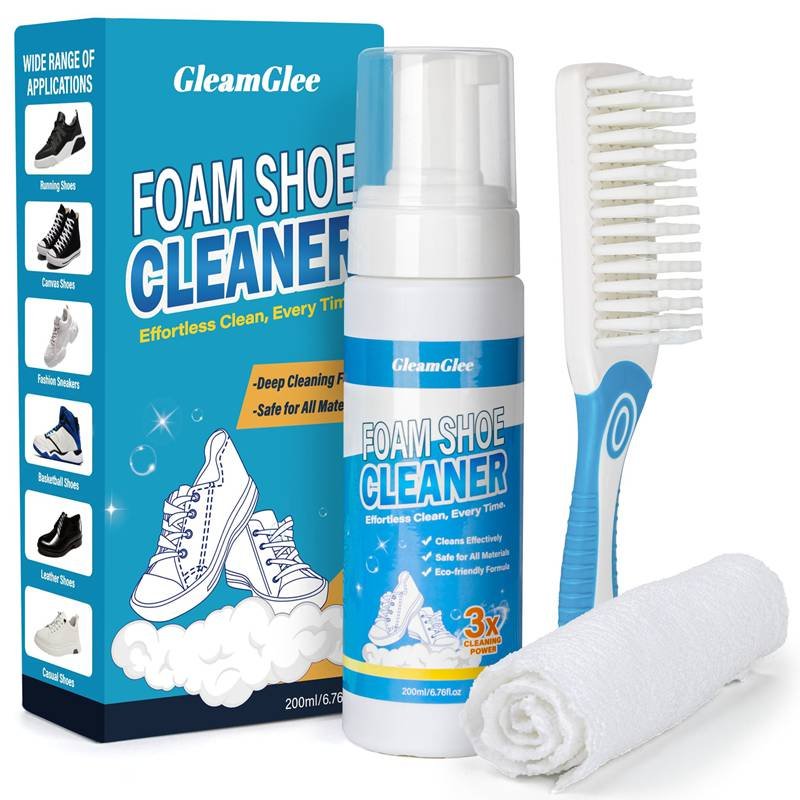
For households that clean sneakers regularly, separating the process can also make shoe-care products easier to use correctly. A complete shoe-cleaning kit containing a compatible foam cleaner, multi-purpose brush, and microfiber towel can handle many common upper and sole surfaces, while removable textile laces can be cleaned separately. The method stays simple, but each material receives treatment that better matches its actual construction.

How Do You Clean Shoe Laces by Hand?
To clean shoe laces by hand, remove them from the shoes, brush away dry debris, soak washable fabric laces in mild detergent for roughly 10–20 minutes, gently work stained areas with a soft brush, rinse until no residue remains, and air-dry completely. Hand washing offers excellent control and is especially useful for colored, older, delicate, or locally stained laces.
How Do You Prepare Laces for Washing?
Good preparation reduces both washing time and fiber damage. Start by removing the laces completely and laying them on a clean towel or work surface. If they are covered with wet mud, allow the soil to dry enough that it can be brushed off rather than immediately turning the wash water into a thick suspension of dirt and abrasive particles.
Use a soft toothbrush, shoe-detailing brush, or dry microfiber cloth to remove loose grit. Pay particular attention to the first several lace sections near the toe box because they are usually exposed to the greatest amount of road splash, eyelet residue, and surface friction. Removing loose contamination before soaking allows the detergent to work on embedded dirt rather than simply carrying large particles around the bowl.
Inspect the aglets and fiber condition before applying water. If a plastic tip is cracked, peeling, or partly detached, aggressive brushing can make the damage worse. Similarly, heavily frayed textile fibers should be cleaned with reduced agitation because wet fibers often stretch or deform more easily than dry ones.
Visible stains can be pretreated with a small amount of diluted detergent rather than saturating the entire lace with concentrated cleaner. This targeted approach is more efficient and helps prevent residue buildup. In practice, most cleaning failures occur because either too much cleaner is used or too much physical pressure is applied, not because the product was too mild.
How Do You Soak Shoe Laces?
For ordinary cotton, polyester, or nylon laces, a short soak helps water and surfactants penetrate the weave and loosen dirt below the visible surface. Fill a bowl with enough lukewarm water to submerge the laces and add only a modest amount of mild laundry detergent. Heavy foam is unnecessary and can make the rinsing stage much longer than it needs to be.
A starting soak of approximately 10–20 minutes is suitable for many everyday fabric laces. Light dust may need less time, while heavily soiled white laces may benefit from pretreatment before soaking. Leaving the laces submerged for several hours does not guarantee a better result and can increase exposure to dye loss, coating changes, or unnecessary fiber swelling.
Move the laces gently through the solution several times so fresh cleaning liquid reaches all surfaces. Areas that have been compressed inside eyelets should be unfolded rather than left tightly bent. This allows the detergent solution to contact places where dirt commonly accumulates and reduces the amount of brushing needed later.
| Soil Level | Starting Method | Typical Contact Time |
|---|---|---|
| Light dust | Brief detergent wash | 5–10 minutes |
| Everyday grime | Mild detergent soak | 10–20 minutes |
| Dried mud | Dry brush, then soak | 10–20 minutes |
| Oily spots | Pretreat, then soak | 10–15 minutes |
| Heavy white-lace staining | Pretreat, wash, reassess | 15–20 minutes |
These times should be treated as practical ranges rather than rigid rules. Material age, dye stability, fiber construction, and stain severity matter more than an exact number of minutes, and delicate or specialty laces may require a much shorter and more controlled exposure.
How Do You Scrub Stubborn Stains?
After soaking, inspect the lace before reaching for a brush. Many marks will already have loosened enough that only light mechanical action is needed. Place the stained section flat against your palm or a clean towel and use a soft toothbrush in short, controlled strokes instead of rapidly scrubbing the entire lace from end to end.
Excessive brushing can lift fibers and create a fuzzy surface, particularly on cotton laces. If a stain remains after several gentle passes, apply a small amount of diluted cleaner to that specific area and allow it to work for a short period before brushing again. Giving chemistry time to work is often more effective than increasing mechanical force.
The darkest sections are frequently located around the lower eyelets, where dirt, moisture, and friction accumulate. The middle portion of the lace may need almost no brushing. Treating only the dirty sections reduces wear and keeps the cleaner areas of the lace smooth.
For greasy marks, a small amount of diluted dish soap may help lift oily contamination. For ordinary road dirt, mild laundry detergent is usually sufficient. If a mark comes from permanent color transfer from the shoe itself, repeated scrubbing may not remove it completely. In that situation, accepting a faint remaining mark is often better than damaging the fiber while chasing a perfect result.
How Do You Rinse Laces Properly?
Rinsing should continue until no visible foam remains and the lace no longer feels slippery between the fingers. Detergent left inside the weave can dry as pale residue, stiffen the fiber, attract new dirt, or make colored laces appear dull. Thorough rinsing therefore affects both appearance and how the lace feels when it is tied again.
Use cool or lukewarm running water and gently squeeze the lace rather than tightly twisting or wringing it. Wet textile fibers can stretch more easily, particularly on older cotton laces. Once most detergent has been removed, press the lace between sections of a clean microfiber towel to absorb excess water without placing unnecessary tension on the weave.
Air drying is generally the safest option. Lay the laces flat or hang them loosely in a ventilated indoor area away from radiators, high-heat hair dryers, and hot tumble dryers. High temperature can affect synthetic fibers and may soften or deform plastic aglets even when the textile itself appears to tolerate the heat.
If a lace feels unusually stiff after drying, residual detergent may still be present inside the fibers. A second rinse using only clean water can improve flexibility. Laces should also be completely dry before they are threaded back through the eyelets, because damp fibers can pick up dirt quickly and may dry unevenly while held under tension.
Which DIY Cleaning Methods Work Best?
The most dependable DIY method is usually mild detergent for routine cleaning, while diluted dish soap is useful for oily marks and stronger treatments should be reserved for stains that normal washing cannot remove. Baking soda, vinegar, peroxide, and bleach can have specific uses, but none is universally better. Start with the mildest effective method and increase treatment strength only when the material can tolerate it.
Is Dish Soap Good for Shoe Laces?
Dish soap can work well on shoe laces when the contamination contains oils or grease. Surfactants in dishwashing liquid are designed to help separate oily substances from surfaces, which makes the method useful for finger oils, food splashes, workshop grime, or urban residue that may not respond as quickly to plain water.
Use only a small amount diluted in water rather than coating the entire lace with concentrated soap. Heavy concentrations can become difficult to rinse and may leave the fibers feeling stiff or slightly tacky after drying. For ordinary dust and soil, laundry detergent is generally the more appropriate first choice because it is formulated specifically for textile cleaning.
When the problem is a local oily mark, apply diluted dish soap only to that section, massage gently, allow a short contact period, and then wash the lace normally. This targeted approach reduces residue and unnecessary exposure for the rest of the fabric.
The lace should ideally be removed before using dish soap so the solution does not spread onto suede, unfinished leather, or sensitive decorative surfaces. The goal is to use the cleaning strength where it is needed while keeping the rest of the shoe protected and easier to rinse.
Does Baking Soda Clean Shoe Laces?
Baking soda can help with light surface grime, odor, and general dinginess, especially on plain white fabric laces. When mixed with a small amount of water, it forms a mildly abrasive paste that can assist mechanical cleaning, but that same abrasiveness is the reason it should not be aggressively scrubbed into delicate, printed, waxed, or heavily worn fibers.
A small amount of paste can be applied to a stained section and worked gently with a soft toothbrush. After a brief treatment, rinse thoroughly and inspect the lace before repeating. Baking soda is best treated as an occasional supplementary tool rather than the foundation of every lace-cleaning routine.
It is also important to recognize what baking soda cannot do. It does not replace surfactants for oily contamination, and it cannot reliably reverse material aging or permanent oxidation. A yellow lace that has changed chemically over several years may not return to bright white simply because more baking soda is applied.
On dark laces, residue can become trapped inside textured fibers and dry as pale marks. For colored or decorative laces, a mild detergent wash is usually a more predictable first step. The most effective cleaner is the one matched to the type of contamination rather than the ingredient with the strongest online reputation.
Does Vinegar Help Clean Shoe Laces?
Diluted white vinegar can be helpful for certain residues and odors, but it is not a universal stain remover. Because vinegar is acidic, it behaves differently from laundry detergent and should be used selectively. A diluted solution may help when mineral deposits or detergent buildup contribute to a dull appearance, but it is less effective against oily grime than a proper surfactant.
If vinegar is used, keep the concentration modest and test a small section first, particularly on colored, coated, waxed, printed, or decorative laces. A short treatment is generally preferable to leaving the lace submerged for a long period. Afterward, rinse thoroughly so no acidic residue remains inside the weave.
Mixing vinegar and baking soda is popular because the reaction produces dramatic fizzing. However, much of that reaction is simple acid-base neutralization. The visible bubbles may create some agitation, but the mixture is not automatically more effective on textile soil than detergent chosen for the actual stain.
A better approach is to match the cleaner to the problem. Use detergent for general fabric dirt, dish soap for oily residues, baking soda for light abrasive assistance, and diluted vinegar for specific buildup where it is suitable. Cleaning becomes more predictable when the choice is based on material and contamination instead of visual spectacle.
Is Bleach Safe for Shoe Laces?
Bleach can be useful on some plain white, bleach-compatible fabric laces, but it should be treated as a controlled whitening method rather than routine cleaning. Chlorine bleach can weaken fibers, damage colored stitching, alter decorative details, and affect plastic components if it is too concentrated or left in contact for too long.
Always wash white laces normally before considering bleach because many laces appear gray simply from embedded dirt. If detergent restores most of the brightness, there is little reason to introduce a stronger oxidizing chemical. When bleach is genuinely required, follow the product dilution instructions and use the shortest practical contact time.
Hydrogen peroxide or oxygen-based products may offer another option for compatible white fabrics, but they should still be tested. “Bleach-free” does not mean chemically inactive, and oxidizing products can still affect dyes, finishes, or older fibers.
| Method | Best Use | Relative Strength | Main Caution |
|---|---|---|---|
| Mild detergent | General dirt | Low | Rinse fully |
| Dish soap | Oily marks | Low | Dilute before use |
| Baking soda | Light dinginess and odor | Low to moderate | Mild abrasion |
| Diluted vinegar | Certain residues | Moderate | Test dye stability |
| Peroxide/oxygen treatment | Compatible white laces | Moderate | Can affect color |
| Chlorine bleach | Suitable plain white fabric | High | Fiber and dye damage |
A good cleaning result should improve the appearance of the lace without shortening its useful life. Brightness alone is not a successful outcome if the fiber becomes brittle, fuzzy, or noticeably weaker afterward.

How Do You Clean White Shoe Laces?
Clean white shoe laces by removing loose dirt first, washing them with mild detergent, gently treating dark areas, rinsing thoroughly, and allowing them to air-dry. If visible grayness or yellowing remains after normal cleaning, a compatible whitening treatment may be considered. Strong bleach should not be the first step because repeated chemical exposure can weaken fibers and damage aglets.
How Do You Make White Laces Bright Again?
Restoring brightness starts with removing contamination rather than immediately trying to whiten the material. Dry soil trapped between textile fibers can make a lace look several shades darker, so brush away as much loose dirt as possible before soaking. This step is especially useful for school sneakers, running shoes, and white lifestyle shoes that regularly collect road dust and playground soil.
Soak ordinary washable white laces in lukewarm water with mild laundry detergent for approximately 10–20 minutes, then gently work darker sections with a soft toothbrush. The lower sections around the toe box and first few eyelets often need the most attention because those areas receive the greatest amount of splash, friction, and dirt transfer.
After rinsing, let the laces dry before deciding whether they need stronger whitening. Wet fabric can appear darker or more translucent than it will once dry, so judging brightness immediately after washing can lead to unnecessary chemical treatment.
For white sneakers, the visual result is usually best when the rest of the shoe is cleaned at the same time. A controlled foam cleaner can be used on compatible uppers, midsoles, rubber, canvas, PU, leather, or other suitable materials, while the laces are treated separately. Once both parts are clean and dry, the shoe looks more consistently refreshed.
How Do You Remove Yellowing?
Yellowing needs a more careful diagnosis because the color shift can have several causes. Dirt, detergent residue, skin oils, environmental grime, aging, oxidation, or previous chemical exposure can all create a yellow or cream appearance. Washing should therefore come before whitening so you can determine how much discoloration is actually removable contamination.
After a normal detergent wash, allow the lace to dry completely and inspect the remaining color. If most of the yellow tone disappears, embedded soil was probably responsible. If the lace remains uniformly yellow, oxidation or age-related changes may be involved, and stronger whitening may produce only partial improvement.
Uneven yellow patches deserve additional caution because they can come from shoe dye, adhesive residue, metal eyelets, or localized chemical exposure. Treating the entire lace with bleach may lighten the clean areas without correcting the original problem, leaving the lace even more uneven.
For compatible white fabric, a controlled oxygen-based or peroxide treatment can be considered before chlorine bleach. If stronger treatment is used, stop if the fibers become rough, thin, fuzzy, or brittle. A slightly cream-colored lace that remains structurally sound is generally preferable to a brighter lace that has been weakened by repeated chemical exposure.
How Do You Clean White Laces Without Bleach?
Bleach-free cleaning is enough for many ordinary white sneaker laces. Mild detergent can remove general soil, diluted dish soap can address oily spots, and baking soda may assist with light surface dinginess. Oxygen-based or peroxide treatments can also be considered for compatible fabrics when detergent alone does not restore the desired appearance.
Start with the gentlest option and rinse between treatments rather than stacking several cleaners together. Using multiple household chemicals at once makes the outcome harder to predict and can increase residue or fiber exposure without producing a proportionally better result.
Bleach-free treatment is particularly useful when laces contain colored stitching, logos, decorative aglets, reflective yarn, unknown synthetic fibers, or other components that may not tolerate chlorine. It is also appropriate for older laces that already show fraying or surface wear.
The word “natural” should not be confused with “risk-free.” Vinegar is acidic, baking soda is abrasive, and peroxide is an oxidizing agent. Any of these can alter certain fibers or finishes. Material compatibility, concentration, contact time, and rinsing remain more important than whether a cleaner comes from a kitchen cupboard or a shoe-care kit.
What If White Laces Stay Stained?
Not every stain can or should be removed completely. If two controlled cleaning attempts create only a small improvement, the remaining discoloration may be deeply embedded or permanent. Increasing chemical strength repeatedly can damage the lace faster than it improves its appearance, especially when the fibers are already older or thinner around the eyelets.
Inspect the lace for fraying, stretched areas, cracked aglets, rough texture, and flattened weave before trying another treatment. These signs indicate that structural condition is becoming more important than color restoration. An aggressive whitening cycle may make the lace brighter for a short time but increase the chance of breakage during normal tying.
For everyday sneakers, replacement is often the most practical solution when inexpensive laces are permanently stained. A fresh pair can dramatically improve the appearance of an otherwise clean shoe without exposing old fibers to repeated bleach or peroxide.
Collectors may make a different decision because original laces can contribute to authenticity. In that case, gentle cleaning and careful storage may be preferable, while replacement laces are used for daily wear. Good shoe care is not always about making every component look new; sometimes preserving the original material is the better outcome.
Can You Wash Shoe Laces in a Washing Machine?
Most ordinary fabric shoe laces can be machine washed when they are removed from the shoes, placed inside a securely closed mesh laundry bag, cleaned with suitable detergent on a gentle cycle, and air-dried afterward. Cotton, polyester, and nylon laces usually tolerate this approach, while leather, waxed, printed, decorative, or fragile laces are generally safer with hand cleaning.
How Do You Prepare Laces for Machine Washing?
Machine washing is convenient, but preparation still matters. Remove the laces completely and brush away dry mud, grit, and loose debris before placing them in the washer. This prevents large soil particles from circulating through the load and reduces the need for repeated cycles when simple dry brushing could have removed much of the dirt in advance.
Pretreat visibly stained sections with a small amount of liquid laundry detergent. There is little reason to expose the entire lace to another full wash cycle when only a short section near one eyelet needs additional cleaning. Targeted pretreatment makes the wash more efficient and reduces mechanical wear on already clean areas.
Place both laces inside a fine-mesh laundry bag and close it securely. Long laces can wrap around other garments or moving components, while small aglets can become caught in gaps or openings. A proper laundry bag keeps the pair together and provides an additional layer of protection.
White laces should not be washed with new dark garments that may release dye, and colored laces should not automatically be combined with whitening products. Before starting the machine, confirm that the material is actually washable and that the aglets are secure enough to tolerate gentle mechanical movement.
Do You Need a Mesh Laundry Bag?
A mesh laundry bag is strongly recommended because shoelaces are long, narrow objects that can easily become tangled with clothing or washer components. The bag also keeps both laces together and prevents the aglets from moving freely around the drum, where they may catch on other items or become damaged.
Choose a bag with relatively fine mesh so the lace tips cannot protrude through the openings. A zippered closure is preferable because it is less likely to open during the cycle. If the zipper includes a small protective tab, tuck it into place so it does not catch on fabric.
A securely tied pillowcase can serve as a temporary alternative, but it is generally less convenient because water and detergent may not circulate as freely. People who clean athletic footwear regularly will usually find a small reusable mesh laundry bag useful for laces and other small washable shoe-care items.
Avoid packing too many heavily soiled laces into one bag. Space allows water to circulate and reduces tangling inside the bag itself. This is particularly important for long athletic, hiking, or boot laces, which can twist together more easily than shorter casual sneaker laces.
Which Wash Cycle Should You Use?
A gentle or delicate cycle with cool or cold water is a conservative starting point for most machine-washable fabric laces. High temperatures are rarely necessary for cosmetic shoelace cleaning and may increase the chance of dye movement, shrinkage, synthetic-fiber distortion, or damage to plastic lace tips.
Use a normal amount of mild liquid laundry detergent appropriate for the load size. Adding excessive detergent does not guarantee stronger cleaning and can make the laces harder to rinse. Residue left inside a woven lace may become visible after drying, particularly on dark colors.
White laces that are confirmed compatible with whitening products can sometimes receive an additional treatment, but this should be based on the material rather than simply the color. Colored laces should generally remain separate from chlorine bleach and other aggressive whitening chemistry.
After the cycle finishes, inspect the laces before drying. If a local stain remains, treat only that area rather than immediately running another full machine cycle. Spot treatment saves water and reduces unnecessary abrasion on the clean sections of the lace.
Can Shoe Laces Go in the Dryer?
Air drying is generally safer than tumble drying because the lace is made from more than the visible textile fiber. Plastic or coated aglets at the ends can soften, deform, crack, or separate after repeated exposure to high heat, even when the main cotton or synthetic body of the lace appears unaffected.
After washing, remove the laces from the mesh bag, straighten any twists, and press them gently between clean sections of a microfiber towel. Avoid tightly wringing them because wet fibers are easier to stretch. Lay the laces flat or hang them loosely in a ventilated indoor area.
Direct contact with radiators, heating vents, or high-temperature hair dryers should also be avoided. Laces are thin and normally dry much faster than full shoes, so high heat offers relatively little benefit compared with the additional risk of distortion.
Do not thread the laces back into the shoes until they are completely dry. Damp fibers can collect residue from eyelets and tongues and may dry into an uneven shape while held under tension. If the dried lace feels stiff, rinse it once more in clean water because residual detergent is often the cause.
How Do You Keep Shoe Laces Cleaner Longer?
Keep shoe laces cleaner by removing fresh dirt before it becomes embedded, cleaning eyelets and tongues at the same time, allowing wet footwear to dry completely, and washing laces when visible soil begins to build up. A regular whole-shoe care routine matters because freshly cleaned laces quickly become dirty again when they are threaded through dusty eyelets or pressed against a stained tongue.
How Often Should You Clean Shoe Laces?
There is no useful universal cleaning interval because wear conditions differ enormously. A pair of black casual sneakers used mainly indoors may need lace cleaning only occasionally, while white school shoes worn on playgrounds can show visible contamination in only a few days. Trail shoes may need attention after one muddy session, while collectible sneakers may go months without needing more than light dust removal.
Appearance is therefore a better trigger than the calendar. When laces become noticeably darker than the surrounding upper, show oily marks from repeated tying, or develop obvious buildup around the lower eyelets, cleaning is usually worthwhile. Fresh contamination generally requires less scrubbing and fewer chemicals than stains that have been repeatedly compressed into the fiber.
| Use Pattern | Practical Lace Check |
|---|---|
| Light casual use | Every few weeks |
| Daily commuting | Weekly visual inspection |
| School or playground shoes | After visibly dirty wear |
| Running and training shoes | After wet or muddy sessions |
| Trail and outdoor shoes | After heavy mud or grit |
| Collectible sneakers | Clean only when necessary |
Cleaning too frequently can also cause unnecessary wear, especially when aggressive brushing or strong chemistry is used every time. The goal is not to maintain a rigid schedule but to intervene early enough that ordinary mild cleaning still works.
How Do You Prevent New Stains?
One of the simplest ways to keep laces clean is to maintain the surfaces they touch. Eyelets, tongues, and the upper edge of the toe box often transfer dirt directly back onto freshly washed laces. If these areas remain dusty or oily, the lace can develop dark marks again within a short period.
Wipe eyelets before relacing, particularly when they show dark metal residue or accumulated dust. Clean the tongue with a method appropriate for its material, and allow everything to dry before reassembly. Muddy or wet shoes should also be dried in a ventilated area rather than immediately stored in a closed cabinet or bag.
For white sneakers, quick maintenance after obvious spills or muddy wear can reduce the need for future deep cleaning. A microfiber towel and compatible foaming shoe cleaner can often handle fresh surface contamination on suitable uppers and rubber areas before the dirt has time to become deeply embedded.
Keeping a small shoe-care kit at home is especially useful for families, runners, sneaker collectors, commuters, and people who regularly rotate several pairs. A foam cleaner, suitable brush, and microfiber towel make quick maintenance easier. The more convenient the routine is, the more likely fresh dirt will be removed before it becomes a difficult stain.
Should You Clean Laces and Shoes Separately?
Separate cleaning is usually more controlled because laces and shoe uppers are often made from completely different materials. A cotton lace may tolerate a detergent soak, while the suede, leather, knit, coated synthetic material, or painted midsole beneath it may need a lower-moisture method.
Removing the laces also gives better access to the tongue and eyelet area, making it easier to remove hidden grime. A practical whole-shoe routine can treat the laces with detergent, use a compatible foaming cleaner on the upper, apply controlled brushing to rubber midsoles, and finish detail areas with a microfiber cloth.
For frequent home shoe care, a quick-drying foam format can be convenient because it does not require immersing the entire shoe in water. Products designed for compatible materials such as leather, PU, rubber, canvas, plastic, mesh, and selected suede surfaces can help users clean multiple parts of common sneakers in a more controlled way.
Compatibility still matters even when a cleaner is designed for several shoe materials. Delicate leather, deeply dyed textiles, suede, printed surfaces, and collectible sneakers should be spot-tested before full treatment. A well-equipped kit can simplify the process, but careful technique and material awareness remain more important than the amount of cleaning product used.
When Should You Replace Old Laces?
Replace laces when structural wear becomes more significant than dirt. Fraying, thinning near eyelets, cracked or missing aglets, permanent stretching, weak fibers, or repeated knot failure are stronger reasons for replacement than minor discoloration that remains after cleaning.
The sections passing through the lower eyelets deserve close inspection because they experience repeated friction every time the shoe is tightened. If the weave is noticeably flattened or individual fibers are breaking, another aggressive cleaning cycle can accelerate failure even if it temporarily improves appearance.
Permanent staining is another practical reason to replace everyday laces. If two careful cleaning attempts produce very little improvement, stronger chemicals may not be worth the additional risk. Replacing inexpensive laces can immediately refresh a clean pair of sneakers without subjecting older fibers to repeated peroxide or bleach treatments.
Collectors may choose differently because original laces can contribute to authenticity and resale interest. In that case, the original pair may be cleaned conservatively, stored dry, and replaced with another set for everyday wear. The practical principle is straightforward: remove dirt when the material is still sound, preserve original components when they matter, and replace laces when wear begins to affect strength or appearance.

Conclusion
Clean shoelaces are a small detail, but they can change the appearance of an entire pair of sneakers. The most reliable cleaning routine begins by identifying the lace material, color, stain, and condition before choosing detergent, dish soap, baking soda, whitening treatment, hand washing, or machine washing. For most ordinary cotton and synthetic laces, a mild detergent wash, gentle agitation, careful rinsing, and air drying will solve the majority of everyday cleaning problems.
Stronger treatment should be reserved for situations where ordinary cleaning is not enough. White washable laces may tolerate additional whitening, while colored, waxed, leather, printed, reflective, or collectible laces generally benefit from more conservative care. Good maintenance also means recognizing when another round of cleaning is no longer worthwhile because the fiber is frayed, stretched, permanently stained, or structurally weakened.
The best results come from treating laces as one part of a complete shoe-care routine. Clean eyelets, tongues, uppers, midsoles, and outsoles reduce the chance that freshly washed laces become dirty again. Whether the shoes are everyday white sneakers, school shoes, running trainers, travel footwear, limited-edition pairs, or resale sneakers, regular light maintenance usually requires less time, less chemistry, and less aggressive scrubbing than waiting until the entire shoe needs restoration.

Frequently Asked Questions
Can I wash shoelaces without removing them from the shoes?
You can wipe light surface dirt from laces while they remain in the shoes, but removing them is usually more effective for a full clean. Taking them out exposes the sections hidden behind eyelets and keeps detergent away from shoe materials that may require different care. Removal also makes it possible to clean the tongue and eyelet area before the freshly washed laces are threaded back into place.
How long should I soak dirty shoelaces?
For ordinary cotton, polyester, or nylon laces with everyday dirt, approximately 10–20 minutes in lukewarm water with mild detergent is a practical starting range. Lightly soiled laces may need less time, while stubborn areas should usually be pretreated rather than left soaking for hours. Longer soaking is not automatically more effective and can increase the risk of dye loss, coating changes, or unnecessary wear on older fibers.
Can baking soda make white shoelaces white again?
Baking soda can help remove surface grime and reduce dinginess, but it cannot reliably reverse every form of yellowing. If discoloration comes mainly from dirt, a mild detergent wash combined with gentle baking-soda treatment may improve brightness. Yellowing caused by aging, oxidation, dye transfer, or previous chemical damage may remain. Baking soda should also be used gently because repeated abrasive scrubbing can roughen the surface of textile fibers.
Can I use bleach on white shoelaces?
Bleach can be used on some plain white, bleach-compatible fabric laces, but it should not be the first cleaning step. Wash the laces with mild detergent first and evaluate the result after drying. If stronger whitening is still needed, use bleach only according to proper dilution instructions and avoid long soaking periods. Laces with colored stitching, decorative details, reflective fibers, or uncertain materials should be treated more cautiously.
Is it better to hand wash or machine wash shoelaces?
Hand washing provides greater control and is generally the better choice for delicate, colored, older, decorative, or locally stained laces. Machine washing is convenient for ordinary washable cotton, polyester, and nylon laces when they are secured inside a fine-mesh laundry bag and washed on a gentle cycle. Neither method is universally better; the appropriate choice depends on fiber construction, stain severity, dye stability, and overall lace condition.
How do I stop clean shoelaces from getting dirty again?
Clean the eyelets, tongue, and nearby upper before reinstalling the laces because these surfaces can transfer dirt directly back onto freshly washed fabric. Treat fresh mud or spills early, allow wet shoes to dry completely, and perform light maintenance instead of waiting for heavy buildup. For frequently worn sneakers, regularly wiping compatible shoe surfaces with a suitable cleaner and microfiber towel can reduce the amount of grime that eventually reaches the laces.
When should I replace shoelaces instead of cleaning them?
Replacement is usually sensible when laces show significant fraying, thinning around eyelets, cracked aglets, permanent stretching, weak fibers, or stains that remain after several careful cleaning attempts. Continuing to scrub or bleach structurally worn laces may improve appearance temporarily while making them more likely to break. For collectible footwear, original laces may still be worth preserving and storing even when a replacement pair is used for everyday wear.
Share:
Table of Contents
Here, creating your adhesives glue & removal cleaner collection is no longer a barrier—it’s a collaborative journey where GleamGlee helps brands and businesses transform their vision into durable, certified, and market-ready solutions.
Partner with GleamGlee
Join hundreds of global partners who trust GleamGlee for adhesives and cleaners that combine innovation, compliance, and speed. Our vertically integrated system—from R&D to warehouse—guarantees consistent performance and reliable delivery.
Whether you’re sourcing FBA-ready stock or developing your own formula, our team provides unmatched technical support and responsive service.