Skip to content
Best Glue for Porcelain
Strong, clean repairs for porcelain figurines & décor—without bulky glue lines or white haze.
Whether it’s a delicate figurine arm, a flower petal, a lid knob, or a chipped decorative piece, the right porcelain glue lets you restore it with a tight seam and a clear finish—so the repair blends in instead of standing out.
What matters most for porcelain décor repairs:
- Bonds to smooth, glazed porcelain
- Dries clear (low-visibility seams)
- Precision control for tiny parts
- Durable hold for display and light handling
Find the Right Porcelain Glue →Next, here’s why porcelain is uniquely unforgiving compared to other materials.
Why Porcelain Is Even Harder Than “Regular” Ceramic
Porcelain is typically denser, smoother, and less porous, which makes it harder for many glues to “grip” in a lasting way. That’s why repairs can fail even when the pieces look perfectly aligned.
Porcelain also tends to:
- chip at the edge if you force alignment
- show every mistake (excess glue, haze, uneven seams)
- be used in items that are high-value or sentimental (collectibles, décor, heirlooms)
Common Porcelain Repairs People Need

Porcelain usually breaks at the worst time—right when you’re cleaning, moving, or handling a favorite piece. The good news: most repairs fall into a few predictable scenarios.
Most common porcelain fixes:
- Porcelain figurines: arms, tails, petals, small decorative parts
- Ornaments & décor pieces: clean snaps, small breaks, trim separation
- Hairline cracks: cracks that spread if ignored
- Lid knobs / small handles: delicate parts where messy glue ruins the look
- Vases & decorative bowls: repairs where you want a neat seam (and sometimes water resistance)
Why Ordinary Glue Fails on Porcelain
Many glues fail on porcelain for simple reasons:
Porcelain is smooth and non-absorbent
A lot of household glues bond best when they can soak into a surface. Glazed porcelain doesn’t absorb much—so the glue may sit on top and release later.
The seam looks worse than the break
General glues often dry with:
- cloudy seams
- visible ridges
- excess squeeze-out that’s hard to clean cleanly
“More glue” can make the bond weaker
Porcelain repairs usually need tight contact. Thick glue layers prevent a flush fit, shift alignment, and leave a visible line.
Fast isn’t always controllable
Some adhesives bond so quickly that if your alignment isn’t perfect, you’re stuck with a crooked, messy seam.
The Best Types of Glue for Porcelain
Here are the main glue categories that actually make sense for porcelain:

Precision Super Glue (CA) – Best for tiny parts & clean seams
Great for figurines and décor when:
- the break is clean
- the pieces fit tightly
- you need a fast grab with minimal glue
Best for: small decorative parts, fine alignment, low-stress display pieces.
Clear Two-Part Epoxy – Best for heavier pieces or slight gaps
Epoxy can be ideal when:
- the break isn’t perfectly flush
- you need more gap-filling
- the part has a bit more weight or stress
Example: Gorilla 2-Part Epoxy is described as clear, gap-filling, water resistant with a 5-minute set.
Porcelain/Ceramic-Specific Adhesive – Best “balanced” choice for décor
If you want a strong bond and a clean finish without messy mixing, porcelain/ceramic-focused adhesives are designed around:
- bonding smooth ceramic/porcelain
- drying clear
- precision application for cracks and tiny seams
That’s the category we recommend for most figurines and décor—because it’s built around invisible repairs.
What Makes the Best Glue for Porcelain
Use this as your “shop smart” checklist:
- Bonds to smooth, glazed porcelain (non-porous bonding)
- Dries clear (no white haze, minimal seam visibility)
- Works in thin layers (better fit + stronger seam)
- Precision applicator (needle tip/nozzles for tiny parts)
- Controlled set (fast, but not chaotic)
- Non-yellowing over time (important for collectibles)
If a glue checks most of these, it’s usually a strong choice for figurines and décor.
Now—glue choice is only half the result. Technique is the other half.
How to Glue Porcelain
1. Dry-fit first
align the parts without glue
2. Clean & dry
remove dust/oils; let fully dry
3. Apply a tiny amount
a thin line is better than a thick layer
4. Press and hold
keep alignment steady
5. Let it cure
avoid handling until fully set; longer cure = stronger result
Mistakes That Make Porcelain Repairs Fail or Look Bad
- Skipping dry-fit → misalignment you can’t “fix later”
- Using too much glue → cloudy seam + squeeze-out
- Touching/moving too soon → weak bond
- Trying to “fill gaps” with thin super glue → messy, visible line
- Not using a precision tip on tiny parts → glue ends up everywhere
If you avoid these, porcelain repairs become surprisingly predictable.

Popular Glues People Use for Porcelain
Porcelain repairs usually come down to two priorities: a clean seam (no haze) and enough strength for the part you’re fixing. Here are popular options shoppers commonly consider—each shines in a slightly different scenario.
Loctite Super Glue Ultra Gel Control (0.14 fl oz)
A go-to for precise, small porcelain fixes (tiny breaks, clean snaps) where you want control and minimal mess.
Typical price: ~$3.35 (single).
Krazy Glue All Purpose (0.07 oz)
Works for very small porcelain pieces if the break fits tightly and you can align perfectly.
Typical price: ~$2.59.
J-B Weld ClearWeld Syringe (25 ml)
A clear epoxy option that’s often chosen when you want more strength and a clearer finish than basic glues.
Typical price: ~$6.54.
Gorilla 2-Part Epoxy (25 mL, clear)
Useful when the break isn’t perfectly flush or you need a little gap-filling while still keeping a clear finish.
Typical price: ~$7.59.
Devcon 5 Minute Epoxy Gel (25 ml)
A thick epoxy gel that won’t drip, helpful for awkward angles (upright figurine parts, vertical seams).
Typical price: ~$7.49.
Elmer’s China + Glass Cement (1 oz)
Often used for china/porcelain-style household repairs; positioned for clear drying and dishwasher-safe after full cure (per listing).
Typical price: ~$8.72.
E6000 Permanent Bond Adhesive (0.18 oz)
Popular in crafts for a clear bond on ceramics; often used when you want flexibility and a neat finish for decorative items.
Typical price: ~$4.49.
Aleene’s Jewelry & Metal Glue (0.7 fl oz)
A precision-style glue that dries crystal clear; listed to work on ceramics and often used for delicate craft repairs where appearance matters.
Typical price: ~$7.99.
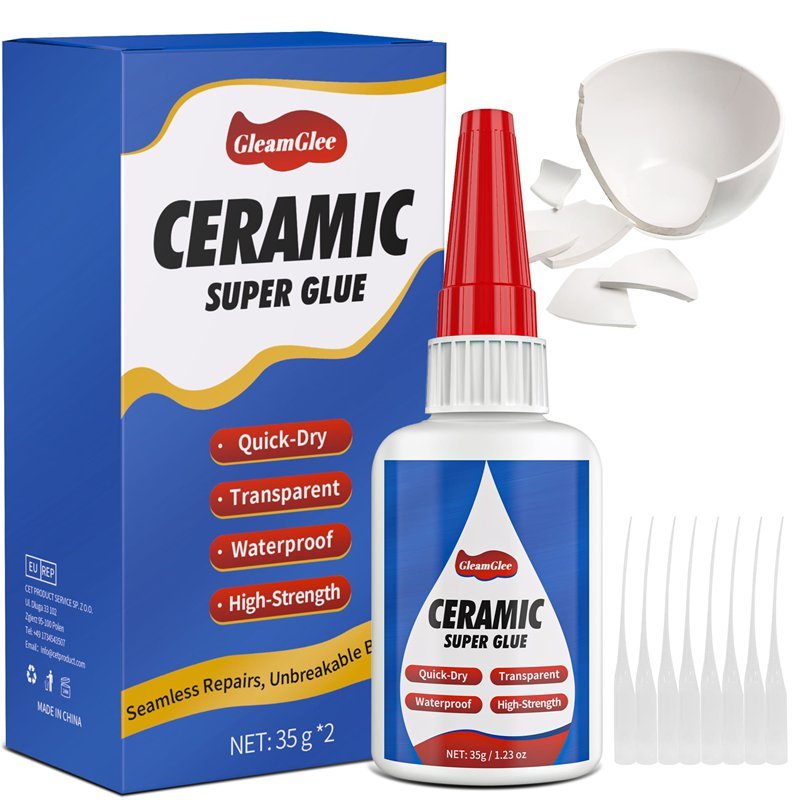
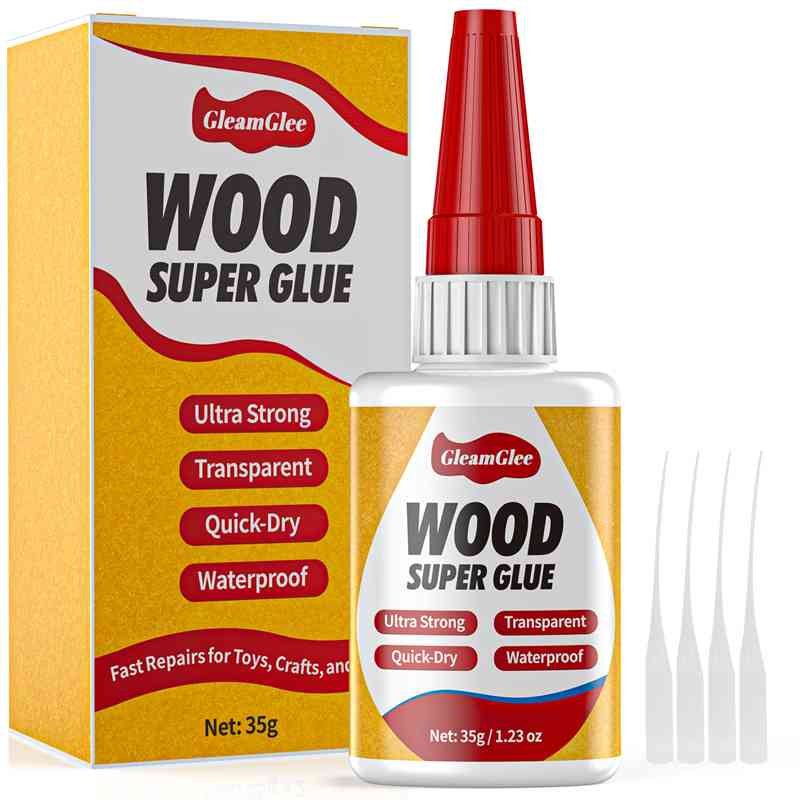
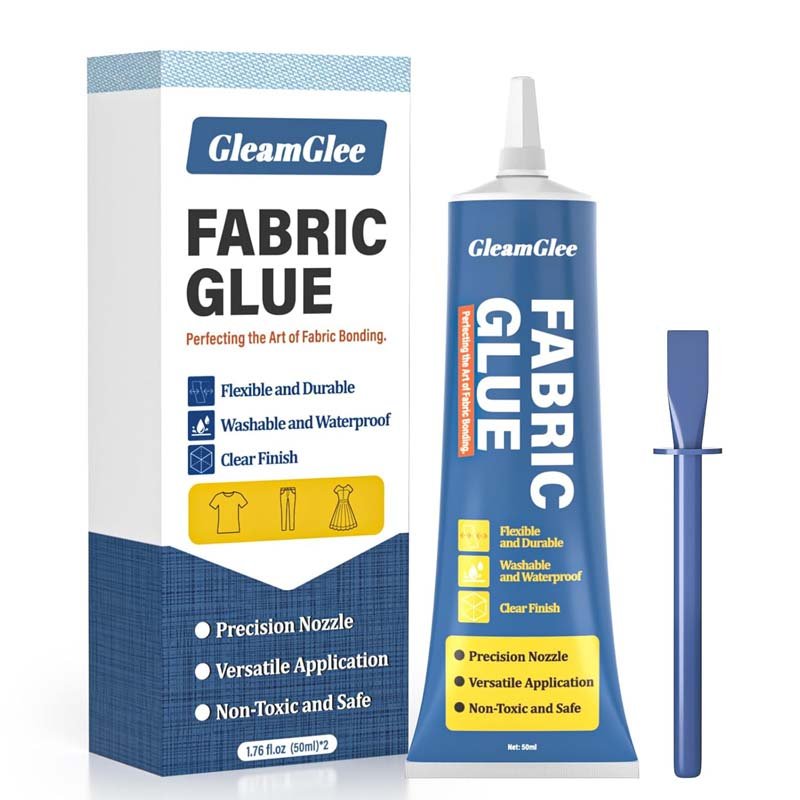
⭐ GleamGlee Ceramic/Porcelain Glue
If your priority is “invisible-looking” porcelain repairs, this is the option we recommend because it’s built around clean seams + precision application for small parts and hairline cracks—exactly what figurines and décor need.
Loctite Gel Control Super Glue (0.14 oz)
Another popular Loctite gel format for controlled, no-run application on small porcelain repairs.
Typical price: ~$5.89.
Quick take
- Most porcelain figurines/decor → GleamGlee
- Tiny clean snaps, you need control → Loctite Ultra Gel / gel-style CA
- Slight gaps or heavier pieces → clear epoxy
- Vertical awkward repairs → epoxy gel
GleamGlee Ceramic/Porcelain Glue

GleamGlee positions this glue for ceramic/porcelain repairs with a focus on crystal-clear, seamless results for pieces like figurines and decorative items, plus fast bonding. (gleamglee.com)
Why it’s a top fit for figurines & décor:
- Dries crystal clear for “seamless” repairs (less visible glue line). (gleamglee.com)
- Fast bond (about 5–10 seconds)—helpful for tiny parts that won’t stay aligned. (gleamglee.com)
- Precision control: includes multiple precision nozzles/tips for micro-application on hairline cracks and small breaks. (gleamglee.com)
- Built for porcelain/ceramic surfaces: described as bonding porcelain, ceramics, and more. (gleamglee.com)
Quick Decision Guide
Most porcelain figurines/decor repairs
- Tiny parts (petals, fingers, ornaments): precision porcelain/ceramic glue or CA
- Clean snap with perfect fit: precision glue (thin layer)
- Slight gaps / uneven break: clear epoxy can help fill and stabilize
- You need the cleanest seam possible: choose a glue specifically positioned to dry crystal clear
FAQ
Q1: Will it dry clear or leave a cloudy seam?
Clear-drying formulas and ultra-thin application are the best combo for invisible repairs. GleamGlee emphasizes a crystal-clear finish.
Q2: Is epoxy always better than super glue?
Not always. Epoxy is great for gaps and heavier stress, but for figurines and décor, precision + clean seams often matter more than gap-filling.
Q3: How do I keep the repair from looking “glued”?
Use a precision tip, apply a tiny amount, and do a dry-fit first. Most visible repairs come from excess glue.
Q4: How long should I wait before handling?
Fast-set doesn’t mean fully cured. Let the repair rest and cure as directed—especially for delicate parts.
Q5: What if the break has missing bits?
If material is missing, consider a filler/repair compound approach, then finish with careful bonding for appearance.

Porcelain Can Be Repaired Beautifully

A broken porcelain piece doesn’t have to become clutter—or a reminder of damage. With the right glue and a clean technique, many figurines and décor items can be restored with a seam that’s strong, neat, and barely noticeable.
If your priority is invisible-looking repairs on porcelain, this is the product we recommend as the most balanced, décor-friendly choice: