 Skip to content
Ceramic Adhesive Tips for DIY Repairs
A cleaner, stronger way to fix broken ceramic, porcelain, pottery, tiles, mugs, vases, and keepsakes at home.
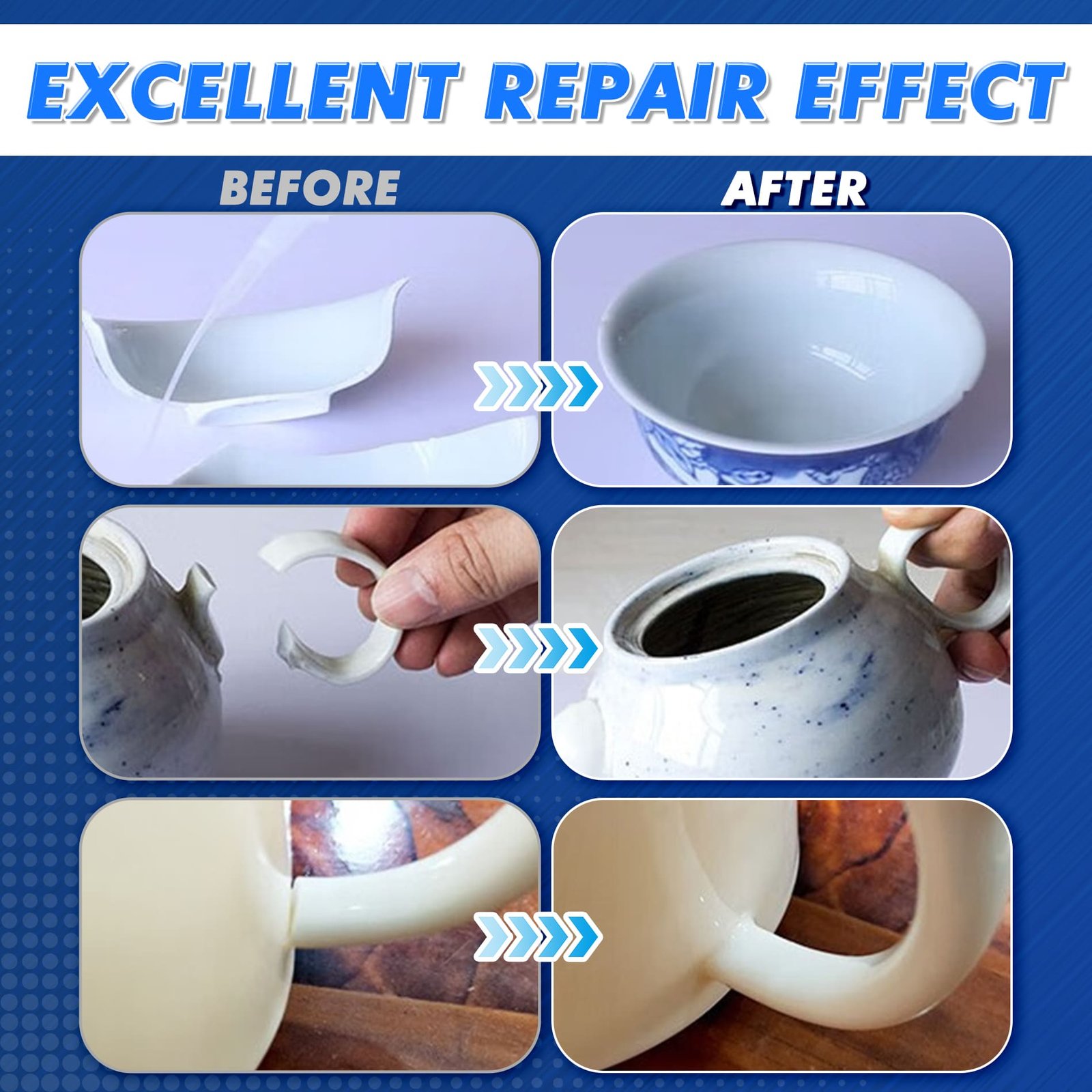
Broken ceramic does not always need to end up in the trash. With the right adhesive, a chipped vase, cracked figurine, loose mug handle, broken ornament, or damaged pottery piece can often be repaired with a clean, lasting bond.
The secret is not just choosing the “strongest” glue. Ceramic repair works best when the adhesive matches the break: tight cracks need precision, heavier pottery needs strength, visible repairs need a clear finish, and every repair needs proper surface prep and full cure time.
- Clear-drying finish for neater visible repairs
- Precision application for cracks, edges, and small broken parts
- Strong bond for ceramic, porcelain, pottery, glass, tile, and more
- Fast initial bonding with full cure strength after proper drying time
- Ideal for home repairs, crafts, décor, ornaments, and small household fixes

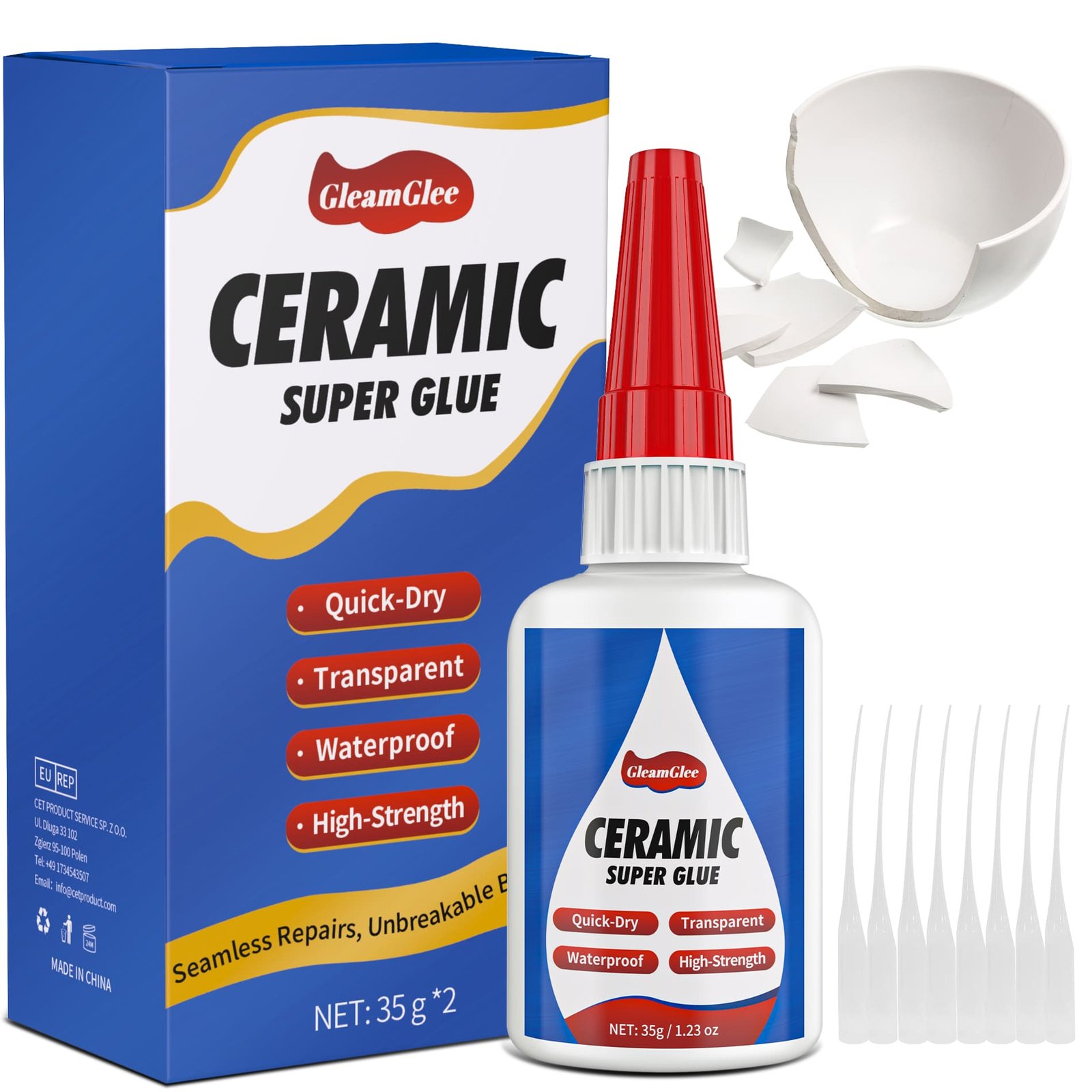
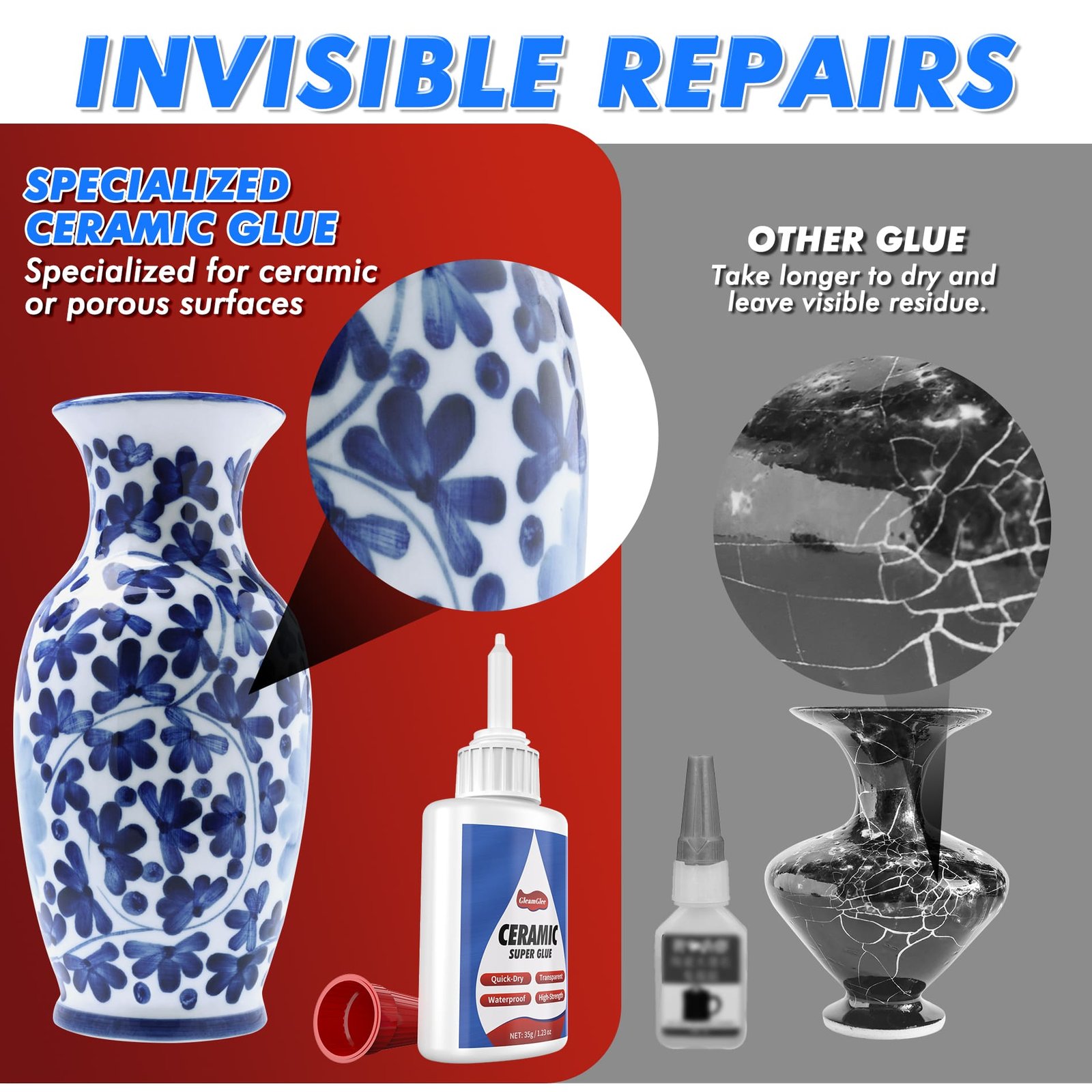
GleamGlee Ceramic Glue is designed for everyday ceramic DIY repairs where control, clarity, and strength matter. It dries clear, bonds fast, and helps restore ceramic pieces without bulky mixing, cloudy seams, or messy application.
What Is the Best Adhesive for Ceramic DIY Repairs?
For small ceramic repairs, the best glue is the one that matches the break, not just the one with the strongest label.
For most small ceramic DIY repairs, a clear ceramic adhesive or gel-style super glue works well when the broken edges fit tightly together. These repairs usually include mug handles, small figurine cracks, decorative ceramics, ornaments, and clean porcelain breaks.
For heavier pottery, missing chips, uneven gaps, or repairs that need structural support, a two-part epoxy is often a better choice because it can fill space and build a thicker bond. But epoxy usually takes more time, mixing, and cleanup.
For everyday home repairs where the goal is a clean, quick, controlled fix, GleamGlee Ceramic Glue offers a practical middle ground: fast application, clear drying, precision control, and strong bonding for common ceramic, porcelain, pottery, tile, glass, wood, metal, plastic, and concrete surfaces.
| Repair Situation | Recommended Adhesive | Why It Works |
|---|---|---|
| Clean broken ceramic mug handle | Clear ceramic glue | Precise, fast, less visible |
| Porcelain figurine crack | Precision ceramic adhesive | Easy to control on small parts |
| Decorative vase edge | Clear-drying adhesive | Appearance matters |
| Ceramic tile corner chip | Epoxy or repair filler | Better for gaps and missing material |
| Heavy pottery base | Two-part epoxy | More structural support |
| Ceramic-to-glass craft repair | Multi-surface ceramic glue | Bonds smooth non-porous surfaces |
Start with the Break, Not the Glue
A ceramic repair fails when the adhesive does not match the damage.
Many people search for the strongest ceramic glue, but strength alone does not solve every repair. A clean crack, a missing chip, a curved handle, and a heavy pottery base all behave differently once glue is applied.
Before choosing any adhesive, check three things:
Do the broken edges fit tightly together?
If yes, a clear ceramic glue can create a neat bond with very little adhesive.
Is there a gap or missing material?
If yes, epoxy or filler may be needed because thin adhesives cannot rebuild missing ceramic.
Will the repair be visible or stressed during use?
Decorative pieces need a clear finish. Handles, bases, and outdoor ceramics need stronger curing and careful pressure.
GleamGlee Ceramic Glue is especially useful for clean breaks, small cracks, tight-fitting edges, ornaments, ceramic décor, porcelain repairs, and craft projects where a controlled application matters more than a thick glue line.
Clean Breaks
Best for clear ceramic adhesive. The pieces fit together well and need a thin, precise bond.
Hairline Cracks
Need careful, low-volume application. Too much glue can leave visible marks.
Chips and Missing Pieces
May need epoxy, porcelain filler, or touch-up repair instead of only liquid adhesive.
Heavy Ceramic Repairs
Need more curing time, steady pressure, and sometimes a stronger structural adhesive.
Ceramic Glue vs Super Glue vs Epoxy: Which One Should You Use?
Each adhesive has a place. The right choice depends on speed, gap size, strength, and how clean the repair needs to look.
Ceramic repairs often go wrong because people use one adhesive for every situation. Super glue is fast but not ideal for wide gaps. Epoxy is strong but can be bulky, cloudy, or harder to apply neatly. A ceramic adhesive works best when the repair needs clean placement, fast bonding, and a clear finish on small to medium DIY repairs.
GleamGlee Ceramic Glue is designed for everyday repair needs where users want less mess and better control. It is especially helpful for ceramic pieces that need a thin glue line, precise placement, and a transparent finish.
| Adhesive Type | Best For | Strength | Appearance | Ease of Use | Watch Out For |
|---|---|---|---|---|---|
| Ceramic Adhesive | Mugs, vases, figurines, pottery, décor | Strong for small repairs | Clear and neat | Easy | Not for large missing gaps |
| Super Glue | Tiny cracks, fast fixes, small edges | Fast initial hold | Can be clear | Very easy | Can leave white residue if overused |
| Two-Part Epoxy | Heavy pottery, tiles, gaps | Very strong | Can be thicker | Medium | Needs mixing and longer cure |
| Porcelain Filler | Chips, white surfaces, small cosmetic damage | Cosmetic support | Can blend with white porcelain | Medium | Not ideal for joining broken parts |
| Silicone Adhesive | Flexible or water-exposed non-rigid areas | Flexible | Less invisible | Medium | Not best for hard ceramic seams |
Best Uses for Ceramic Adhesive in DIY Home Repairs
From cracked décor to broken pottery, ceramic adhesive is made for the repairs people actually face at home.
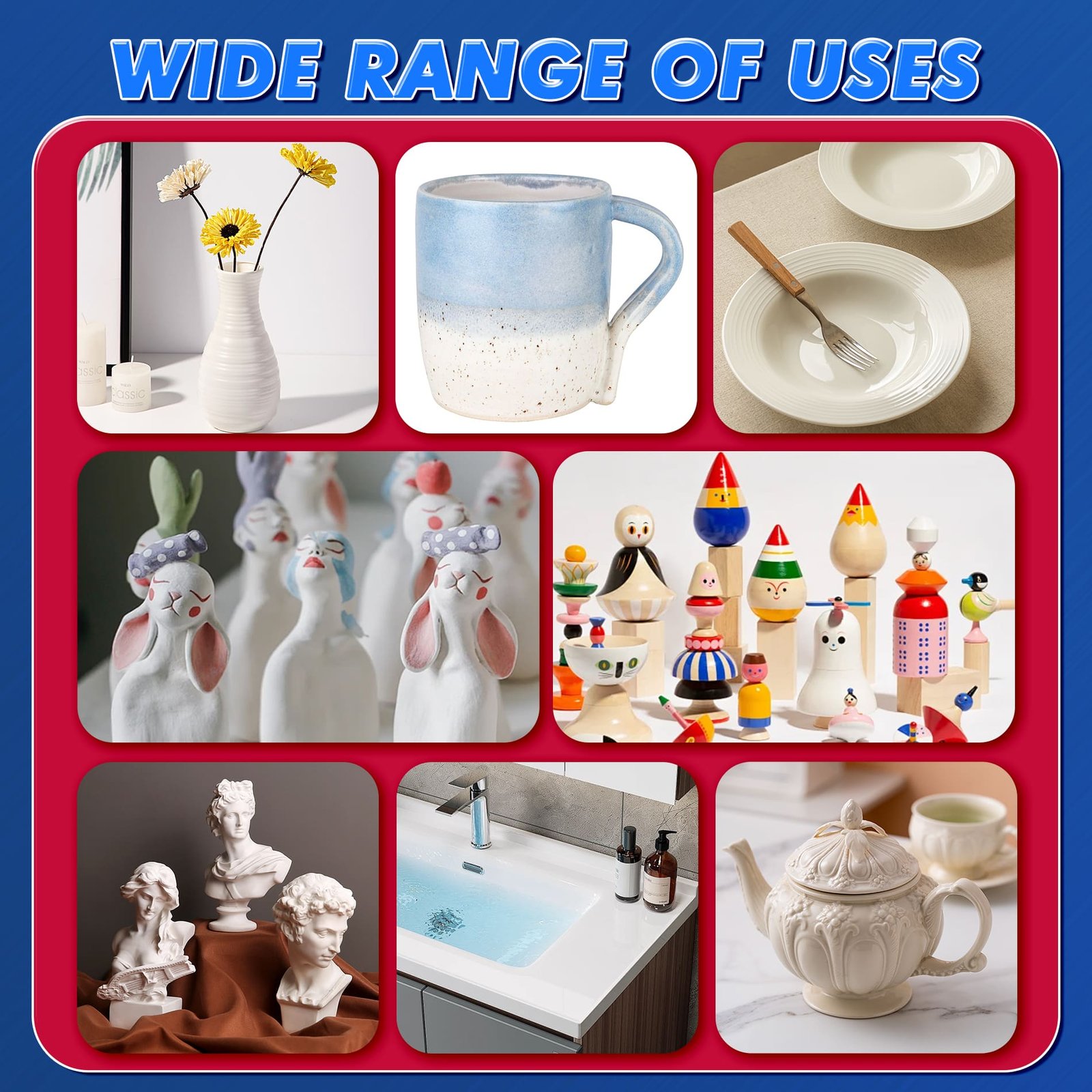
Ceramic glue is not only for one broken cup. A good formula can help repair many household items made from ceramic, porcelain, pottery, glass, tile, and similar hard surfaces. The key is to use it where the broken pieces still fit together and where a clean, controlled bond is more important than thick gap filling.

1. Broken Ceramic Mugs
Works best when the handle or broken piece fits tightly back into place. For drinking surfaces or hot-liquid use, always check product instructions and avoid assuming food-contact safety.

2. Porcelain Figurines
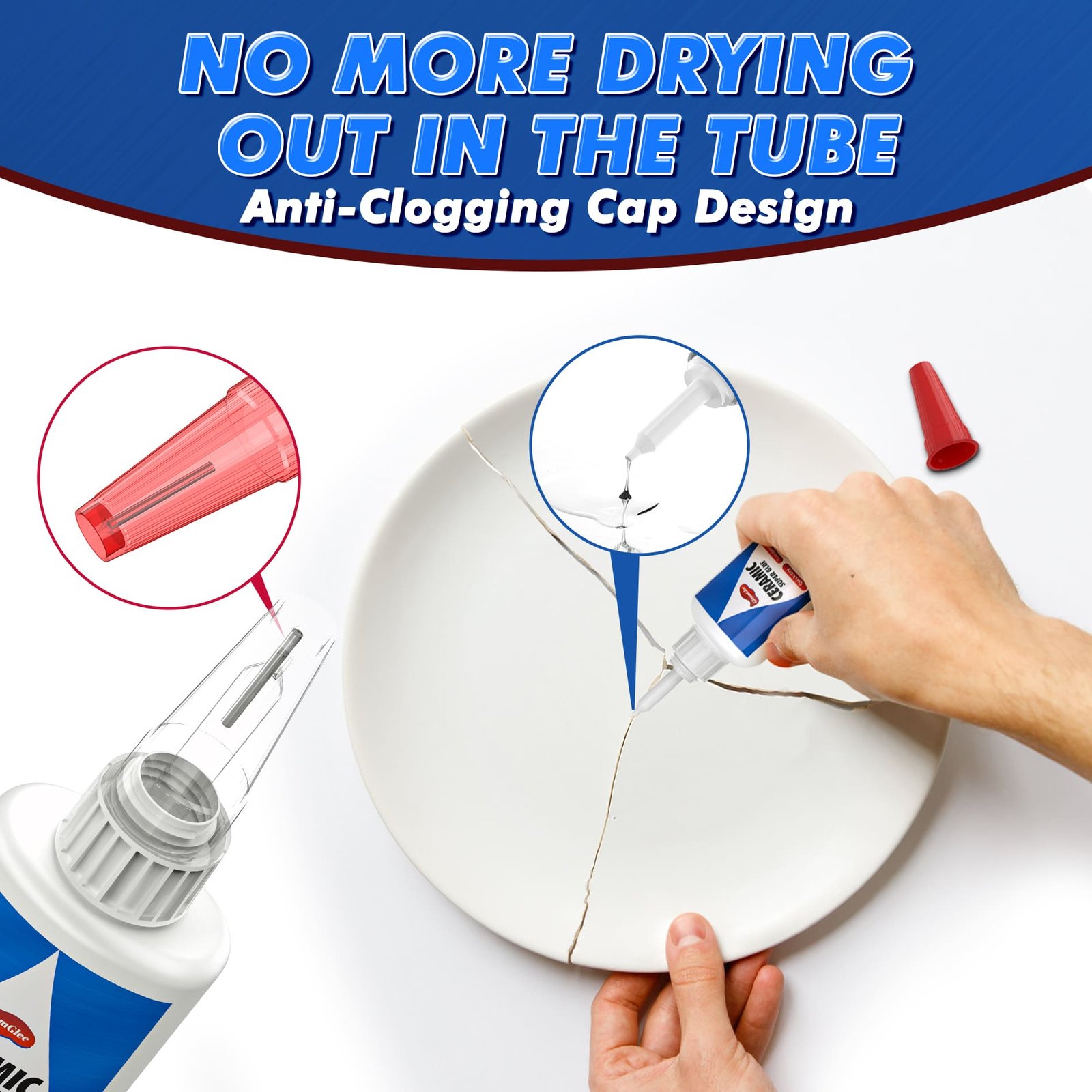
Small figurines often have tiny contact points. A precision nozzle helps place adhesive exactly where needed without flooding details.

3. Decorative Vases
A clear-drying adhesive helps reduce visible glue lines on glossy, colorful, or patterned ceramic surfaces.

4. Pottery and Handmade Crafts
Useful for craft repairs, small pottery fixes, ornaments, school projects, and handmade décor.

5. Ceramic Tiles
Good for small chips or loose pieces. Larger tile damage, load-bearing areas, or missing material may need filler or professional repair.

6. Ceramic-to-Other-Material Repairs
GleamGlee Ceramic Glue can be used across ceramic, porcelain, plastic, wood, metal, glass, and concrete, making it helpful for mixed-material home repairs.
How to Use Ceramic Adhesive for DIY Repairs
The cleanest repairs come from preparation, alignment, thin application, and full cure time.
Ceramic adhesive works best when the surface is clean, dry, and properly aligned before bonding. Rushing the process is one of the main reasons ceramic repairs look messy or fail too early.

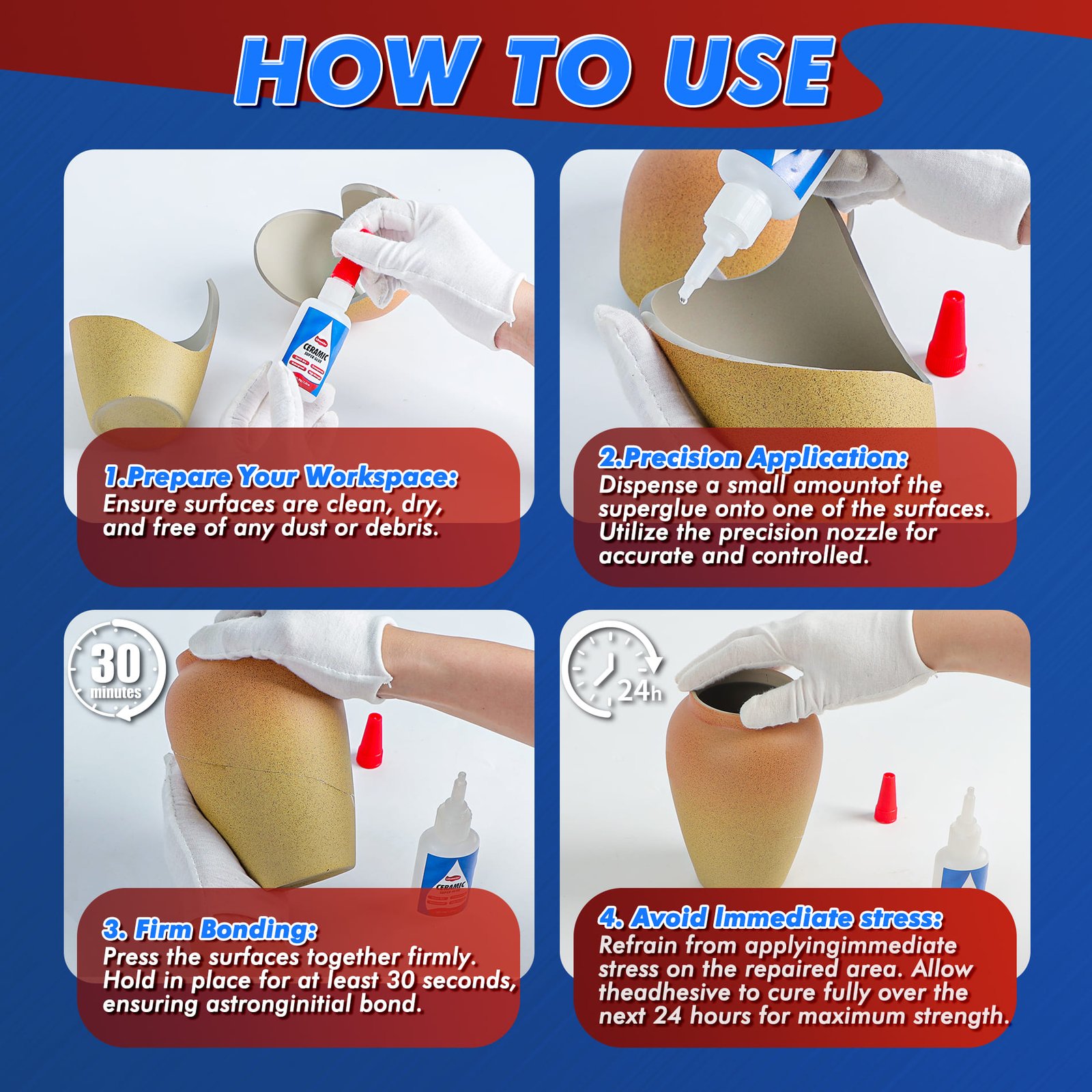
Step 1: Clean and Dry the Surface
Remove dust, oil, moisture, and loose ceramic powder. Adhesive bonds better to dry, clean surfaces.

Step 2: Apply a Thin Line of Glue
Use a small amount. Too much adhesive can squeeze out, leave marks, and weaken alignment.

Step 3: Press the Pieces Together
Align carefully, then press firmly. Avoid sliding the pieces back and forth after contact.

Step 4: Let the Repair Cure Fully
Refrain from applying immediate stress on the repaired area. Allow the adhesive to cure fully over the next 24 hours for maximum strength.
Common Ceramic Repair Mistakes That Make Glue Fail
Most failed repairs are caused by poor prep, too much glue, wrong adhesive choice, or rushing the cure.
When ceramic glue fails, the problem is not always the adhesive. Many repairs break again because the surface was dusty, the pieces were shifted after contact, too much glue was applied, or the item was used before full cure.
Using Too Much Adhesive
A thick glue line does not always mean a stronger repair. Excess glue can squeeze out and make the seam more visible.
Skipping the Dry Fit
Once adhesive touches the surface, there is less time to adjust. Test the fit first.
Bonding Wet or Dirty Ceramic
Water, oil, dust, and ceramic powder can block proper adhesion.
Using Thin Glue for Large Gaps
If ceramic pieces do not touch closely, a filler or epoxy may be better.
Washing Too Soon
Even fast-bonding glue needs full cure time before water exposure or stress.
Stressing the Repair Too Early
Handles, bases, and hanging décor need extra time before normal use.
Why Clear-Drying Adhesive Makes Ceramic Repairs Look Better
Ceramic repairs are often visible. The finish matters almost as much as the hold.
Ceramic items are usually glossy, decorative, colorful, or sentimental. A strong repair still feels disappointing if the seam turns cloudy, yellow, bulky, or rough.
A clear-drying adhesive helps keep repairs cleaner on visible surfaces like vases, figurines, ornaments, mugs, porcelain décor, ceramic lamps, and glazed pottery. It is especially useful when the repair line sits on the front face of the item, not hidden underneath.
GleamGlee Ceramic Glue is built around the type of repairs people notice most: small cracks, tight edges, glossy surfaces, and decorative items where a messy seam would stand out. The clear finish and precision nozzle help reduce waste, improve placement, and keep the repaired area cleaner.

Real DIY Ceramic Repair Scenarios
Common repairs from kitchens, craft rooms, shelves, bathrooms, and everyday home life.
Ceramic damage usually happens in small moments: a mug slips in the sink, a vase tips over, a figurine falls from a shelf, or a tile corner cracks during cleaning. A good ceramic adhesive should make those repairs feel manageable, not intimidating.

The Porcelain Figurine
Problem: A small arm, wing, flower, or base broke off.
Repair Need: Low mess, controlled application, clear finish.
Why GleamGlee Helps: Fast bonding and clear drying help hold tiny details while keeping the repair less visible.

The Decorative Vase
Problem: A broken edge or cracked decorative piece.
Repair Need: Appearance matters because the seam is visible.
Why GleamGlee Helps: Clear adhesive helps avoid a thick, cloudy repair line.

The Craft Room Pottery Fix
Problem: Handmade pottery, ceramic craft pieces, or school art projects need repair.
Repair Need: Easy use, no mixing, controlled application.
Why GleamGlee Helps: A liquid ceramic adhesive is easier for quick craft repairs than a two-part epoxy setup.

The Ceramic Tile Corner
Problem: A small tile chip or loose ceramic fragment.
Repair Need: Strong hold and clean placement.
Why GleamGlee Helps: Works well for small, tight-fitting tile fragments. For large missing chips, pair with a suitable filler or repair compound.

The Favorite Mug Handle
Problem: A clean break where the handle separated from the mug.
Repair Need: Tight alignment, precise glue placement, full cure time.
Why GleamGlee Helps: The precision nozzle helps apply a thin glue line around the handle contact points without flooding the surface.
Use Note: For mugs used with hot drinks or direct food contact, follow label guidance and consider decorative use if food-contact safety is not clearly stated.
When Ceramic DIY Repair Makes Sense — and When to Be Careful
A reliable repair also means knowing when not to overpromise.
DIY ceramic repair is smart for many household items, especially decorative pieces, crafts, small clean breaks, and non-structural repairs. But not every ceramic item should go back to normal use after gluing.
A repaired item may look good, but heat, weight, food contact, water exposure, and repeated stress can change the risk. Honest guidance builds trust and helps people choose the right repair method.
DIY Repair Works Well For
- Decorative ceramics
- Porcelain figurines
- Ornaments and keepsakes
- Ceramic vases
- Pottery crafts
- Small clean breaks
- Non-structural tile chips
- Ceramic décor and display pieces
Be Careful With
- Valuable antiques
- Food-contact areas
- Mugs used for hot liquids
- Microwave or oven-use items
- Dishwasher-heavy use
- Large missing pieces
- Heavy load-bearing ceramic
- Outdoor repairs under constant weather exposure
Why GleamGlee Makes Sense for Everyday Ceramic Repairs
A ceramic repair glue should be strong enough to hold, clear enough to look clean, and simple enough to use at home.
GleamGlee Ceramic Glue is made for the repair moments that happen in real homes: a broken mug handle, a cracked figurine, a loose ceramic ornament, a damaged vase, a pottery craft, or a small tile chip.
Instead of forcing every repair into a heavy epoxy process, GleamGlee gives users a faster, cleaner, more controlled option for tight-fitting ceramic and porcelain repairs. The formula dries clear, bonds quickly, and works across a wide range of household materials, making it useful beyond one broken item.
Backed by GleamGlee’s broader adhesive and household repair product system, the product fits into a repair-first brand philosophy: help people fix what they already own, reduce waste, and get cleaner results with less frustration.
Clear Finish
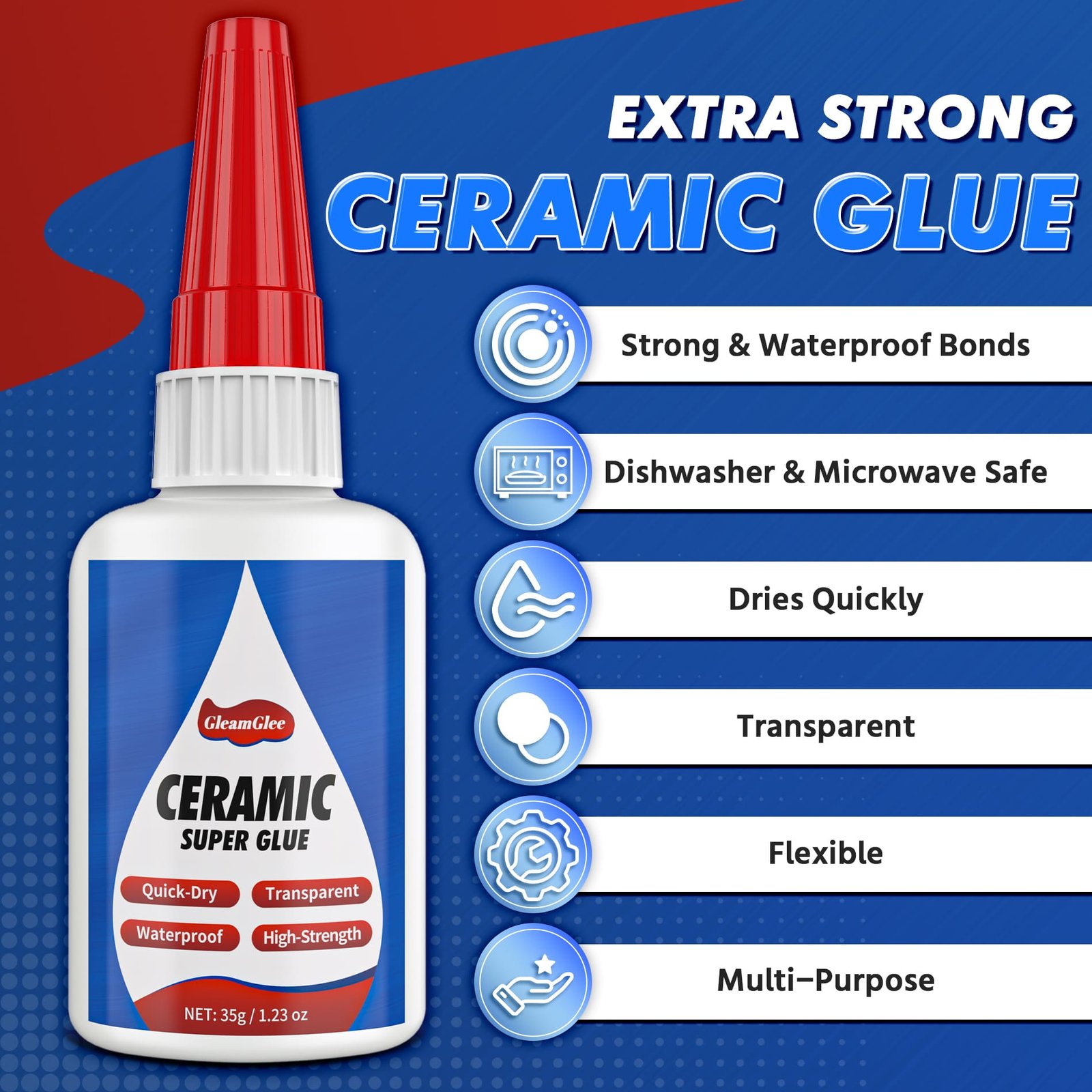
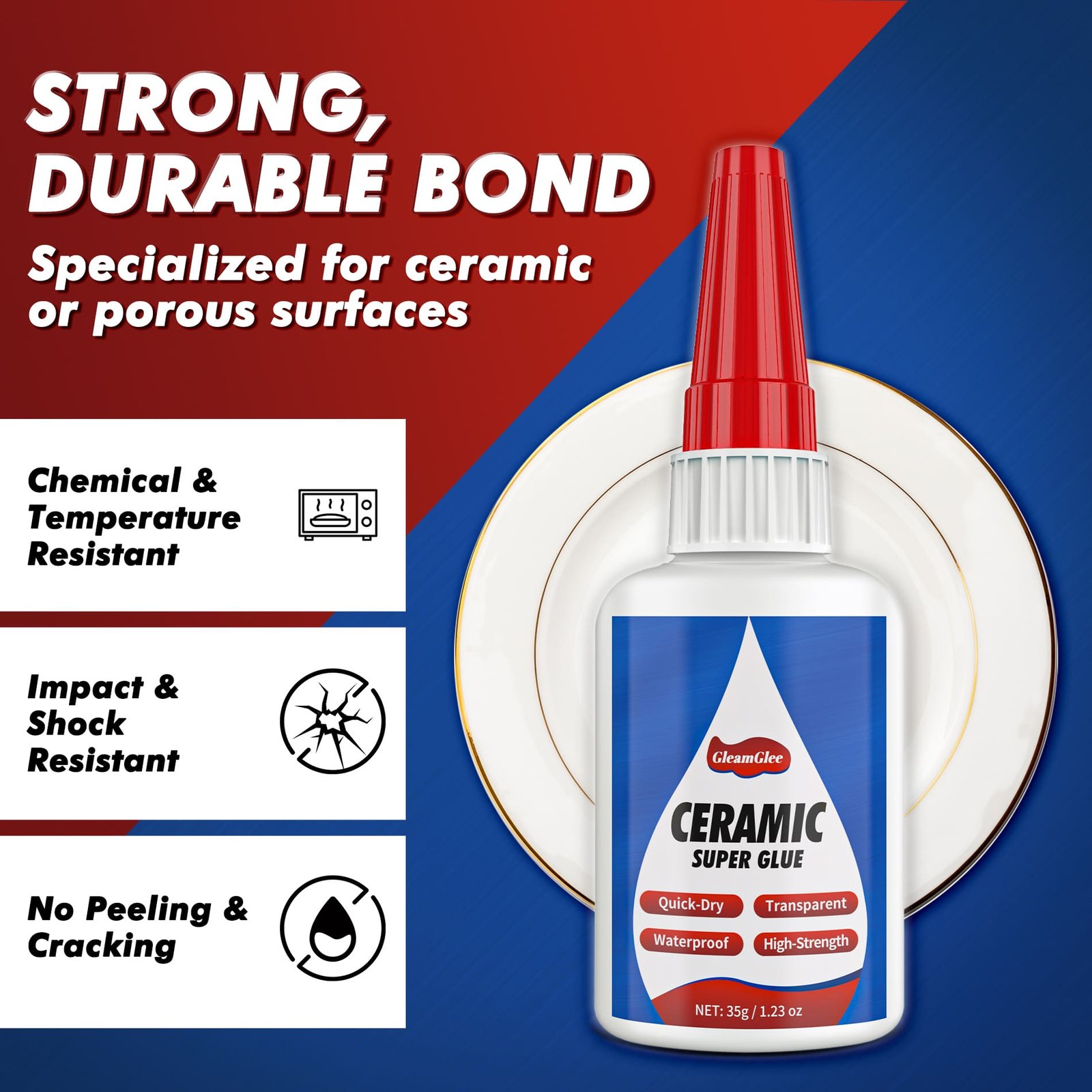
Helps reduce visible repair marks on ceramic, porcelain, pottery, glass, and decorative surfaces.
Precision Nozzles
Helpful for cracks, small broken parts, figurines, ornaments, and narrow ceramic edges.
Fast Bonding
Designed for quick positioning on common household repairs.
Full-Cure Strength
Allowing proper cure time helps the repair reach better durability.
Multi-Surface Use
Useful for ceramic, porcelain, plastic, wood, metal, glass, concrete, and more.
Home-Friendly Format
No mixing, no measuring, no bulky epoxy setup for small repairs.
Ceramic Repair Decision Map
Use this simple guide before choosing glue, epoxy, filler, or professional repair.
A decision map makes ceramic repair easier. Instead of guessing, follow the damage type and choose the repair method that fits.
Is the ceramic broken into pieces that still fit tightly?
Yes: Use clear ceramic adhesive.
No: Consider epoxy, filler, or professional repair.
Is the repair highly visible?
Yes: Choose clear-drying adhesive and apply a thin line.
No: Strength may matter more than appearance.
Is there a missing chip or gap?
Yes: Use epoxy or repair filler.
No: Ceramic glue may be enough.
Will the item hold hot liquid, food, or heavy weight?
Yes: Check product instructions carefully and consider decorative use.
No: Standard DIY repair may be suitable.
Does the repair need fast, clean placement?
Yes: GleamGlee Ceramic Glue is a strong fit for small, tight, visible repairs.
No: Slower-setting epoxy may be better for larger repairs.
What to Look for in a Good Ceramic Adhesive
Before buying ceramic glue, check more than just strength.
- Clear-drying formula
- Precision nozzle or fine applicator
- Strong bond on ceramic and porcelain
- Good control on small cracks and edges
- Suitable for pottery, tile, glass, and mixed-material repairs
- Reasonable working time for alignment
- Full cure guidance
- Water resistance if the item may be cleaned
- Heat resistance if the item may face warmth
- Clear safety instructions for food-contact concerns
- No bulky mixing process for small household fixes
- Enough product volume for multiple repairs

Fix the Ceramic Pieces You Still Want to Keep
For clean breaks, small cracks, pottery repairs, porcelain décor, ceramic crafts, and everyday household fixes.
A broken ceramic piece often carries more value than its price tag. It may be a favorite mug, a handmade bowl, a shelf decoration, a keepsake, or a small part of the home that still deserves repair.
GleamGlee Ceramic Glue gives everyday repairs a cleaner path forward: clear finish, precise application, quick bonding, and strong full-cure performance when used correctly.
When the broken edges fit, the surface is clean, and the repair is given time to cure, ceramic adhesive can turn a frustrating accident into a simple fix.
Ceramic Adhesive FAQs
Answers to common questions people search before repairing ceramic at home.
1. What is the best adhesive for ceramic DIY repairs?
For small clean breaks, clear ceramic adhesive works well because it can bond tightly fitting ceramic pieces without a thick glue line. For large gaps, heavy pottery, or missing chips, two-part epoxy or filler may be a better choice.
2. Can I use super glue on ceramic?
Yes, super glue can work on ceramic when the broken edges fit tightly together. It is best for small cracks, figurines, ornaments, and clean breaks. It is less suitable for wide gaps or heavy structural repairs.
3. Is epoxy better than ceramic glue?
Epoxy is usually better for heavy repairs, gaps, and missing material. Ceramic glue is usually easier, cleaner, and faster for small household repairs where the pieces fit closely and appearance matters.
4. Does ceramic glue dry clear?
Many ceramic adhesives dry clear, but the final look depends on the formula, surface color, amount used, and application control. A thin glue line usually looks cleaner than a thick one.
5. Can ceramic adhesive be used on porcelain?
Yes, ceramic adhesive is commonly used on porcelain repairs, especially small cracks, clean breaks, decorative pieces, figurines, and porcelain décor.
6. Can I repair a ceramic mug handle?
A ceramic mug handle can often be repaired if the break is clean and the pieces fit tightly. However, if the mug will hold hot liquid or be washed often, check the adhesive instructions carefully. When food-contact safety is unclear, decorative use is safer.
7. Is ceramic glue waterproof?
Some ceramic glues are water-resistant or waterproof after full cure. GleamGlee’s official ceramic glue page highlights waterproof performance after curing, but repaired items should still follow product instructions and cure time before water exposure.
8. Can ceramic glue fix a tile chip?
Ceramic glue can help with small loose tile fragments or tight-fitting chips. If material is missing or the chip leaves a visible hole, a ceramic filler, epoxy, or tile repair compound may be needed.
9. Why did my ceramic repair fail?
Common reasons include dirty surfaces, wet ceramic, too much glue, poor alignment, moving the pieces during bonding, using the wrong adhesive for a gap, or not waiting for full cure before washing or stressing the item.





















