Skip to content

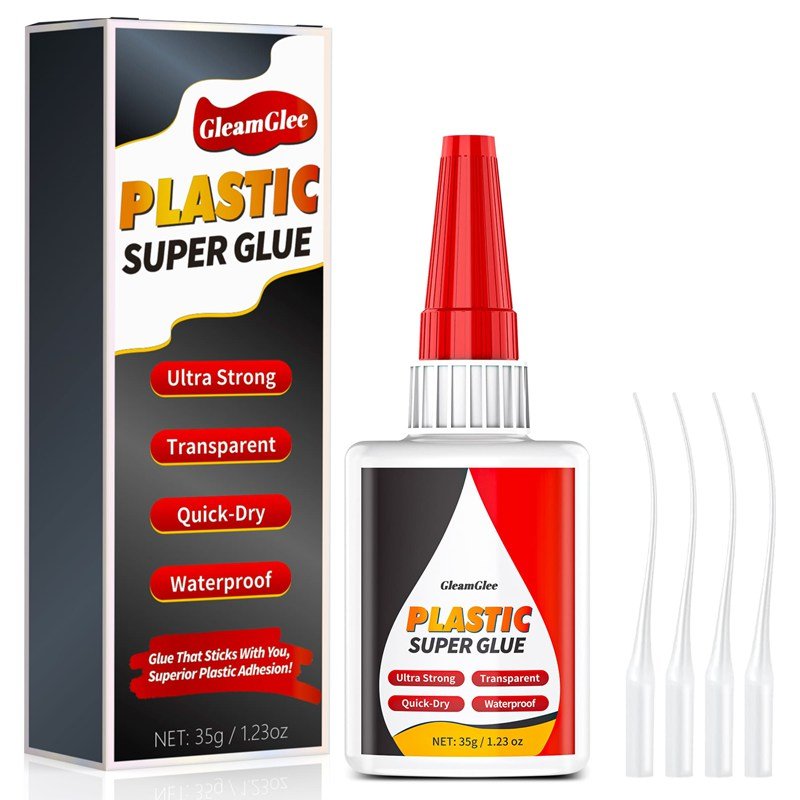
How to Repair PVC Pipes Using PVC Glue: A Practical Guide
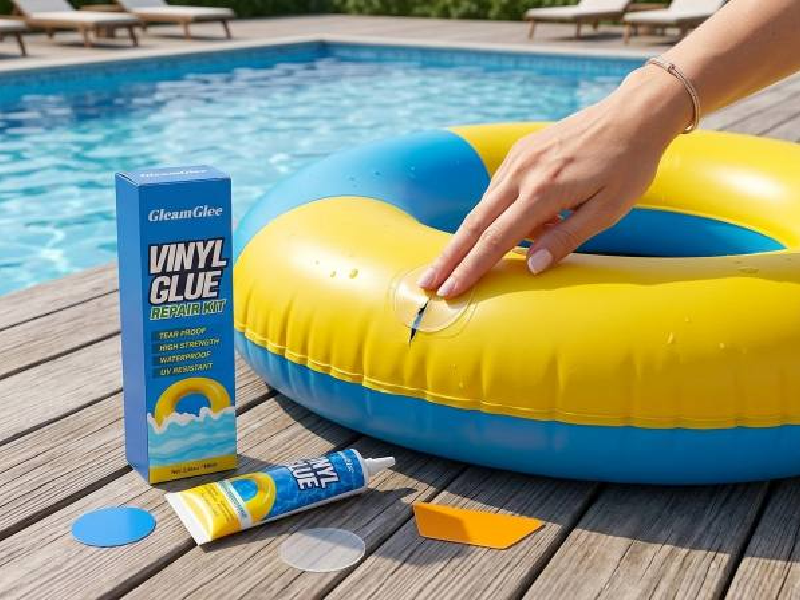
PVC pipe problems usually start small. A little dampness under a sink, a slow drip beside a garden pipe, a wet mark near a pool line, or a tiny crack on a plastic fitting can look easy to ignore. But PVC leaks are different from many surface stains or cosmetic damage. Once water finds a weak point, pressure, vibration, temperature change, and daily use can make the leak worse. What begins as a few drops may become cabinet swelling, floor damage, mold smell, water waste, or a rushed emergency repair.
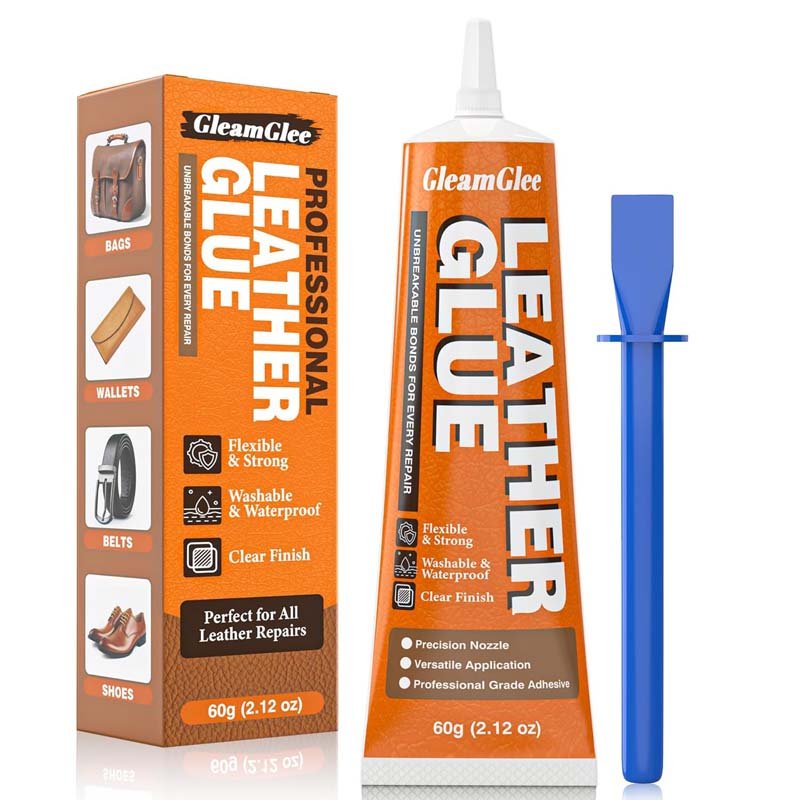
How to Repair PVC Rain Gear Using Glue: An Essential Repair Manual

The good news is that many PVC rain gear problems can be repaired successfully with the right glue, the right patch size, and the right curing time. In most cases, the repair itself is not complicated. What matters is doing the basic steps correctly. Clean the damaged area well. Make sure it is fully dry. Use a glue that is made for PVC or similar flexible waterproof materials. If the tear is more than a tiny pinhole, use a patch that extends past the damaged area on every side. Press it down evenly. Then give it enough time to cure before wearing the gear again.
What Is PVA Glue:A Practical Guide
PVA glue is a water-based adhesive made from polyvinyl acetate, designed primarily for bonding porous materials such as wood, paper, cardboard, and fabric. It works by penetrating surfaces and forming a flexible bond as water evaporates. While easy to use and non-toxic, PVA glue is not fully waterproof or heat-resistant, making it unsuitable for outdoor, high-moisture, or high-temperature applications.