Skip to content

How to Use Metal Glue for Tiny Repairs : A Complete Guide
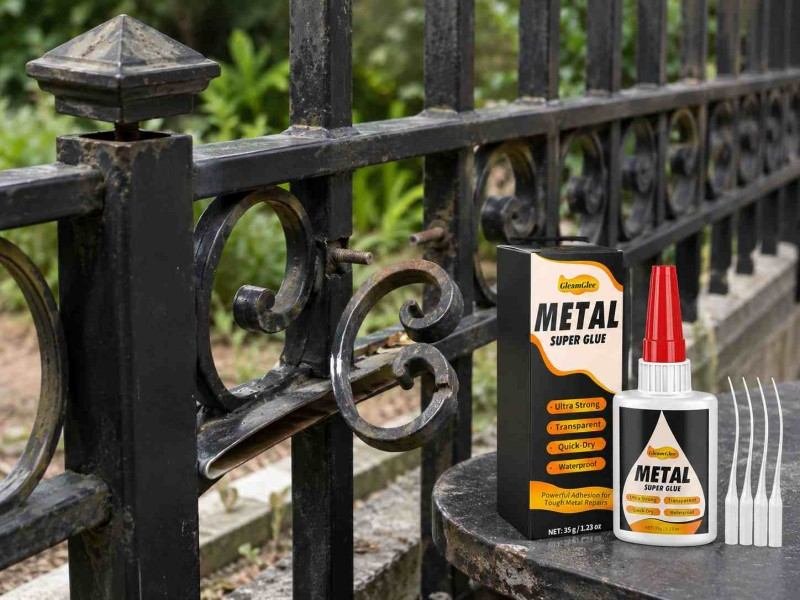
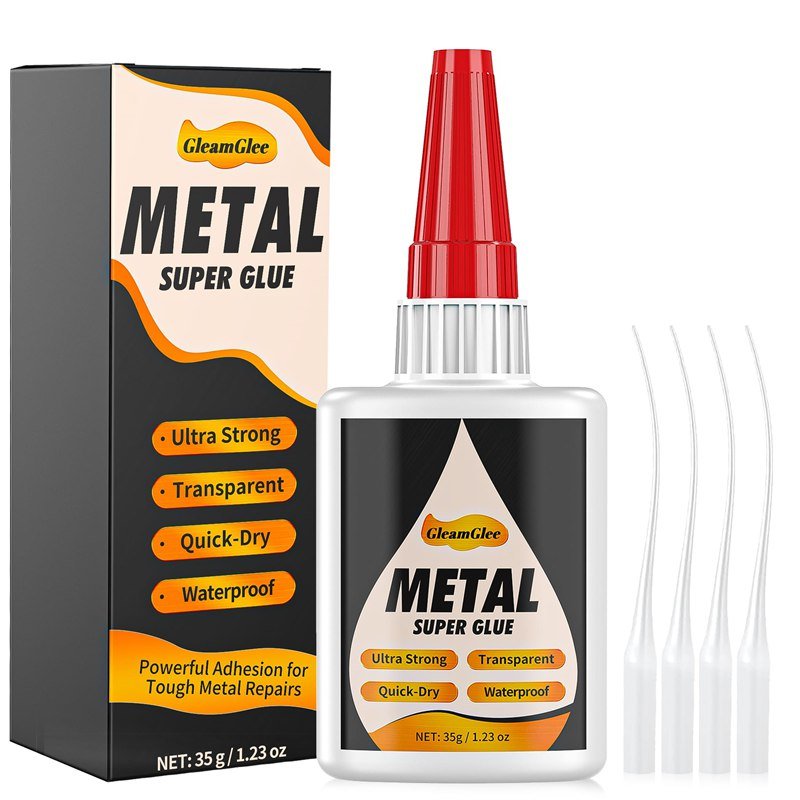
Metal glue is used for tiny repairs by cleaning and drying the metal, lightly roughening smooth surfaces when needed, applying a thin layer of glue, pressing the parts together for 5–10 seconds, wiping excess glue, and allowing enough curing time before use. It works best on small, close-fitting, non-structural metal repairs.
How to Repair Metal Fencing with Adhesive : A Reliable Guide
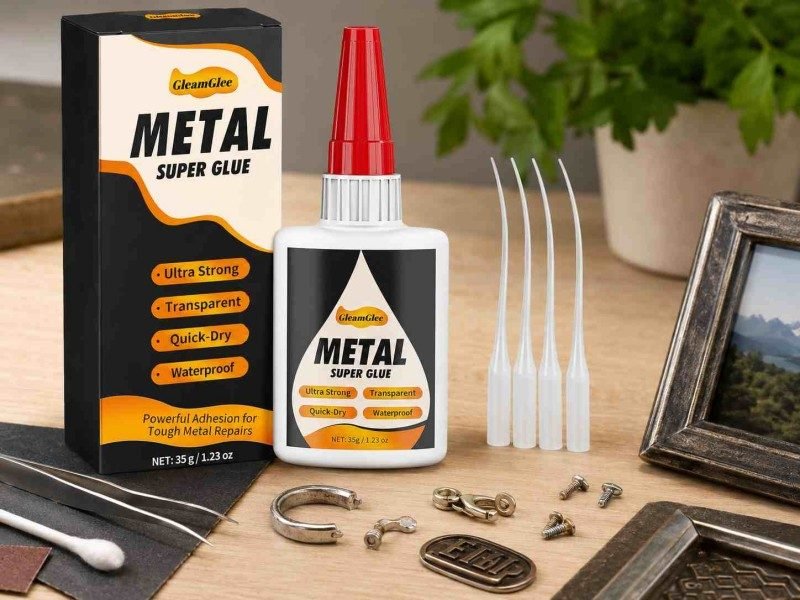
Metal fence adhesive gives homeowners, repair shops, hardware retailers, and private-label brands a cleaner way to solve light-duty metal fence problems. It is not a replacement for professional welding in structural repairs, but it can be a practical no-weld solution for small cracks, loose trim, lightweight brackets, decorative metal parts, and mixed-material fence accessories. When the surface is clean, dry, sanded, and tightly fitted, adhesive can create a neat repair without heat, sparks, drilling, or repainting a large section.
How to Use Metal Glue for Household Repairs: A Step-by-Step Handbook
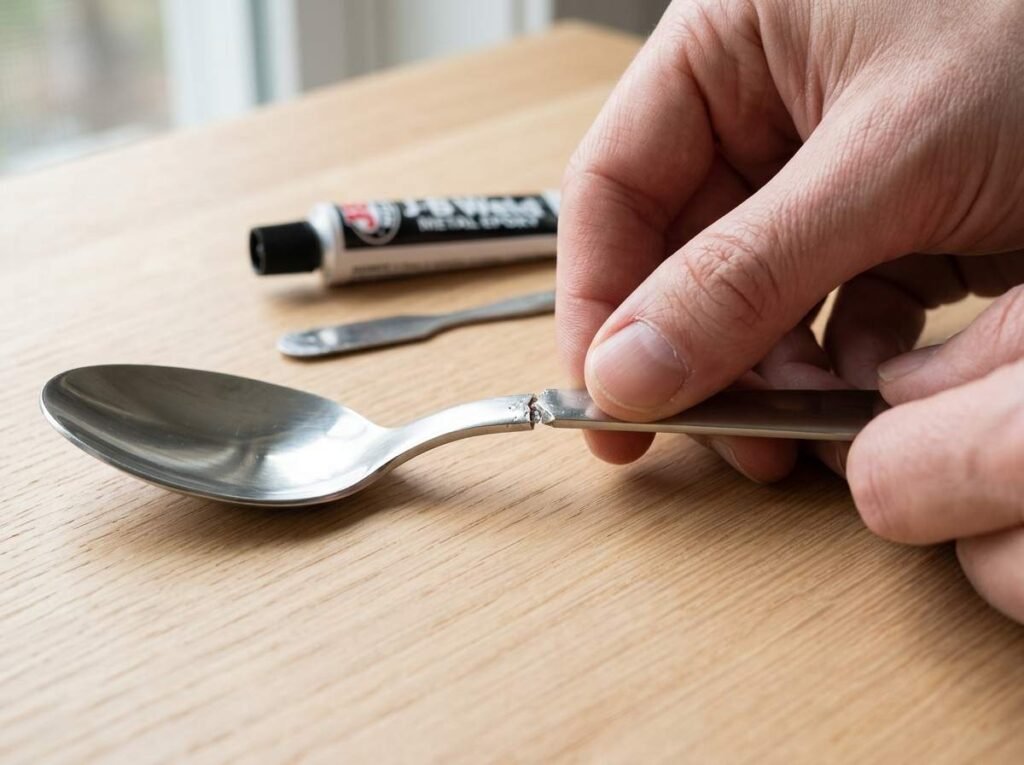
Metal glue is a practical choice for small household repairs where metal parts are loose, cracked, detached, or need bonding with other materials such as plastic, wood, rubber, PVC, ceramic, glass, or concrete. It is especially useful for kitchen handles, cabinet hardware, furniture trims, lamp parts, photo frames, candle holders, tools, jewelry, model parts, and small DIY repairs. The best results usually come from repairs with clean surfaces, close contact, and light to medium daily use, rather than heavy load, high pressure, or direct-flame conditions.