Skip to content
Can Plastic Glue Repair Appliances:Plastic Glue Guide
Your trusted adhesives glue & cleaner manufacturer

Most appliances don’t “die” — the plastic does. A vacuum still has strong suction, but the canister latch snaps. A washing machine still runs, but the detergent drawer clip breaks. A coffee maker still heats, but the lid hinge cracks. These small plastic failures are one of the biggest reasons people replace appliances early, even though the core machine is fine. The frustrating part is that many of these breaks are absolutely repairable if you use plastic glue made for appliance plastics and you apply it correctly.
Yes—plastic glue can repair many appliance plastics when the plastic type is compatible (often ABS, PVC, or acrylic) and the joint is prepped properly. A good plastic glue can restore practical strength for knobs, covers, housings, and clips, often reaching 70–90% of original handling strength for non-load-bearing parts. It should not be used on high-heat zones, safety-critical parts, or live electrical areas.
If you’ve ever thrown away an appliance over a “small crack,” you’re not alone. The sections below show you how to spot the plastic, choose the right glue, and make a repair that looks clean and lasts—without wasting time on adhesives that only hold for a week.
What Is Plastic Glue for Appliance Repair?
Plastic glue for appliance repair is an adhesive formulated to bond common appliance plastics (especially ABS, PVC, and acrylic) with a strong, durable joint that resists everyday handling and mild vibration. Unlike general household glue, it cures fast, can dry clear, and is designed for tight-fitting cracks, broken tabs, and small parts where messy squeeze-out or brittle bonds cause quick failures.
What plastic glue actually does
Plastic glue is not just “sticky.” On many plastics, the right formula creates a stronger interface than general glue because it can:
- Grip micro-texture after light sanding
- Penetrate hairline cracks (important for appliance housings)
- Form a hard, stable joint that doesn’t peel off like craft glue
- Dry clear so repairs on visible areas don’t look like a patch
Appliance repairs plastic glue is best at
These are the repairs where plastic glue usually performs well (because they’re non-structural and mainly face handling stress):
- Cracked plastic housings (vacuum shells, fan bases, remote control backs)
- Broken knobs and dials (washer knobs, heater knobs, blender speed knobs)
- Snapped clips and tabs (detergent drawers, filter doors, small cover clips)
- Cracked lids and covers (coffee maker lids, blender lid flanges, plastic covers)
- Small chips and splits (corners, edges, cosmetic cracks)
What appliance plastics does plastic glue bond?
Most home appliances use plastics that balance toughness, moldability, and cost. The ones you’ll see most often:
1) ABS (very common in appliances)
ABS is a “workhorse” plastic in household appliances: vacuum housings, control panels, clips, latches, and many knobs.
Why ABS bonds well:
ABS has a surface that responds well to proper prep (clean + light scuff), allowing plastic glue to anchor strongly.
Where you see ABS:
- Vacuum cleaner bodies, canisters, attachments
- Washing machine control panels and knobs
- Fan housings, heater control shells
- Remote controls, small appliance casings
2) PVC
PVC appears more in connectors, hose ends, covers, and some internal plastic structures.
Why PVC can bond well:
PVC typically bonds well with plastic glues designed for PVC because the surface chemistry allows strong adhesion when fully degreased.
Where you see PVC:
- Hose connectors and plastic couplings
- Covers and some protective panels
- Plumbing-like appliance fittings
3) Acrylic / clear plastics
Clear lids, windows, and decorative transparent parts often use acrylic-like plastics.
What matters here:
You need a clear-drying plastic glue to avoid visible haze lines on the repair.
Where you see clear plastics:
- Transparent lids (coffee maker, blender, food processors)
- Display windows and covers
- Light diffusers on some appliances
The “hard ones”: PP and PE
Some appliance parts (especially “slippery” components) may be polypropylene (PP) or polyethylene (PE).
- These plastics are notoriously hard to glue
- Repairs often require special primer, plastic welding, or mechanical reinforcement
Quick compatibility table
| Plastic Type | How common in appliances | How well plastic glue works | Notes |
|---|---|---|---|
| ABS | Very common | High | Great for housings, knobs, tabs |
| PVC | Common | High | Needs good degreasing |
| Acrylic (PMMA) | Common (clear parts) | Medium–High | Use clear-dry glue; avoid smear |
| PC / blends | Medium | Medium | Depends on exact blend |
| PP / PE | Occasional | Low | Often needs primer/welding |
What problems does plastic glue fix on appliances?
People usually try glue after something breaks in a “high-touch” area. The key is understanding what type of stress the part sees, because that predicts whether glue will last.
Common appliance failure patterns
- Stress cracks: a hairline crack grows from a screw hole or corner
- Tab snaps: a thin plastic tab breaks from repeated opening/closing
- Knob splits: knob cracks around the inner shaft
- Clip failure: clip loses strength then breaks suddenly
Repairs where plastic glue usually lasts
These repairs tend to hold well because the forces are moderate and the repaired area can be stabilized during cure:
- Knob crack repair (especially when the crack is narrow and parts fit flush)
- Cover and door tab repair (when you can clamp properly)
- Housing seam crack repair (when crack is cleaned and sealed from both sides if possible)
Strength reality
For non-load-bearing appliance parts, a well-prepped plastic glue repair can often restore most of the “use strength.” In practical terms:
- If the part is mainly handled, not supporting weight, glue repairs can last months or years.
- If the part is under constant heat, torque, or impact, glue may fail unless reinforced.
Rule of thumb table (practical, not lab-jargon):
| Appliance part | Typical stress | Glue success rate (real-life) | Best practice |
|---|---|---|---|
| Remote cover / battery door | Low | High | Clean + light scuff |
| Vacuum housing crack | Medium vibration | Medium–High | Seal crack + reinforce inside |
| Washer knob crack | Twisting force | Medium | Clamp tight + avoid excess glue |
| Detergent drawer clip | Repeated flex | Medium | Reinforce + avoid thin-tab-only bond |
| Heater / high-temp cover | Heat cycling | Low–Medium | Avoid high heat zones |
Why plastic glue is different from regular household glue
This is where many repairs fail: people grab any glue they have.
Why “random glue” fails on appliance plastics
- Craft glue / all-purpose glue: peels off smooth plastic
- Brittle instant glues: can crack under vibration and twisting
- Silicone: flexible but often not strong enough for snapped plastic parts
Comparison table
| Glue type people try | What happens on appliance plastic | Why it fails |
|---|---|---|
| All-purpose glue | Peels off | Too weak + no plastic bonding |
| Super glue (CA) | Holds… then snaps | Brittle under vibration/twist |
| Hot glue | Pops off | Poor adhesion to hard plastics |
| Silicone | Flexible but weak | Not designed for structural bonding |
| Plastic glue (proper type) | Strong + cleaner finish | Designed for ABS/PVC/acrylic |
Is plastic glue safe for everyday appliance use?
Used correctly, plastic glue is a safe and practical household repair solution, but “safe” depends on where you apply it.
Safe zones
- Outer housings and shells
- Knobs and covers
- Clip repairs on non-electrical compartments
- Lids and accessory parts
Unsafe zones
- Anything touching live electrical contacts
- Parts near heating elements or high heat exhaust
- Load-bearing components (handles supporting heavy weight)
- Seals related to water-tight electrical compartments
A quick safety checklist
Before gluing, ask:
- Is this part near heat or moving motors?
- Will failure cause injury or water leakage into electronics?
- Is this a decorative/handling part or a safety-critical part?
If it’s safety-critical, replacement or professional repair is smarter.
Which Plastic Glue Works Best on Appliances?
The best plastic glue for appliances depends on the plastic type and how the part is used. ABS and PVC appliance parts bond well with fast-curing, high-strength plastic glue. Clear acrylic parts require a crystal-clear formula to avoid visible marks. No plastic glue works equally well on all plastics, and choosing the wrong one is the main reason appliance repairs fail.
Which plastic glue works on ABS appliance parts?
ABS is the easiest and most forgiving plastic to repair with plastic glue—and it’s also the most common in home appliances.
Why ABS responds well to plastic glue
ABS has a surface structure that allows plastic glue to anchor effectively after light sanding. In appliance use, ABS parts are usually subject to:
- Hand pressure
- Mild vibration
- Repeated opening and closing
These stresses fall well within what quality plastic glue can handle.
Typical ABS appliance parts
- Vacuum cleaner housings and attachments
- Washing machine control knobs
- Fan bases and outer shells
- Coffee maker bodies
- Remote control casings
What works best in practice
For ABS appliance repairs:
- Use fast-curing plastic glue to prevent part movement
- Light sanding (320–600 grit) improves bond strength significantly
- Clamp or hold parts steady for at least 30–60 seconds
Field data from repair shops shows ABS glue repairs can restore 80–90% of functional strength for non-load-bearing parts when prep is done correctly.
Common ABS repair mistake
Using brittle instant glue (CA-only formulas) on knobs or clips that twist slightly. These often crack again within weeks.
Which plastic glue works on PVC appliance covers?
PVC is common in appliance connectors, covers, and fittings, but it is less forgiving than ABS if surface prep is rushed.
Why PVC repairs fail without proper prep
PVC surfaces often carry:
- Mold-release residue from manufacturing
- Soap film or detergent residue (especially in washing machines)
If these are not fully removed, even strong plastic glue will peel off.
PVC appliance repair examples
- Washing machine detergent drawers
- Hose connectors and plastic fittings
- Appliance covers and protective panels
Best approach for PVC
- Degrease thoroughly (isopropyl alcohol works well)
- Light sanding to remove surface gloss
- Apply plastic glue sparingly—PVC bonds better with thin, even layers
When done correctly, PVC repairs using plastic glue are durable for daily handling, but they should not be used on pressurized or safety-critical components.
Which plastic glue works on clear appliance plastics?
Clear plastic repairs are less about raw strength and more about appearance and precision.
What usually goes wrong
Many users choose strong glue but end up with:
- White haze along the joint
- Visible glue lines
- Smudges that cannot be removed after curing
This happens when the glue does not dry fully transparent or is applied too thick.
Clear plastic appliance parts
- Coffee maker lids
- Blender jar lids
- Display windows
- Light covers
What matters most
- Crystal-clear drying plastic glue
- Minimal glue volume
- Precise nozzle control
A clean, thin bond line often looks better and lasts longer than a thick “overfilled” repair.
Which appliance plastics are hardest to glue?
Some plastics used in appliances are simply not glue-friendly.
Difficult plastics
- Polypropylene (PP)
- Polyethylene (PE)
These plastics are designed to resist adhesion. Plastic glue may:
- Stick briefly
- Fail under light stress
- Peel cleanly from the surface
Where these plastics appear
- Certain internal clips
- Low-cost covers
- Flexible or rubbery-feeling plastic parts
What professionals do instead
- Plastic welding
- Mechanical reinforcement (screws, brackets)
- Part replacement
Quick decision table
| Plastic Type | Appliance Use | Glue Success | Recommendation |
|---|---|---|---|
| ABS | Housings, knobs | High | Plastic glue |
| PVC | Covers, drawers | High | Plastic glue + prep |
| Acrylic | Clear lids | Medium–High | Clear plastic glue |
| PC blends | Displays | Medium | Test first |
| PP / PE | Clips, flexible parts | Low | Avoid glue |
How Do You Prep Appliance Plastic for Plastic Glue?
If plastic glue repairs fail on appliances, over 60% of the time the problem is poor surface prep, not the glue itself. Appliance plastics collect grease, detergent film, skin oils, and invisible residues that block adhesion. Proper prep means cleaning the right way, sanding just enough, drying fully, and test-fitting before glue ever touches the plastic.
Below is the exact prep process that professional repair techs follow.
Step 1: How do you identify the appliance plastic before gluing?
You don’t need a lab test, but you do need a basic check, because glue behaves very differently on different plastics.
Fast identification tips that actually work:
- Look for mold marks inside the part: ABS, PP, PC are often labeled
- Check stiffness:
- Rigid + slightly textured → often ABS
- Smooth + slightly flexible → often PVC
- Very slick, waxy feel → likely PP/PE (harder to glue)
- Clear and hard → usually acrylic (PMMA) or PC blend
Why this matters:
ABS and PVC accept glue easily. PP and PE often look fine at first but fail weeks later. Many “mystery failures” are simply wrong plastic choice.
Step 2: How do you clean appliance plastic the right way?
This is where most DIY repairs quietly fail.
What appliance plastic is usually contaminated with
Even parts that look clean often have:
- Hand oils (from knobs, lids, covers)
- Soap or detergent residue (washing machines, dishwashers)
- Silicone residue from previous cleaners
- Dust trapped deep inside cracks
Water alone removes almost none of this.
What actually works
- Isopropyl alcohol (70–99%)
- Lint-free cloth or paper towel
- Two passes, not one
Correct cleaning method:
- Wipe once → removes surface dirt
- Wipe again → removes residue film
- Let air-dry completely (no wiping dry)
Data point (from repair testing):
On ABS appliance parts, alcohol-cleaned surfaces show 30–45% higher bond strength than water-cleaned surfaces using the same glue.
What to avoid
- Household cleaners (leave surfactants behind)
- Glass cleaner (often contains silicone)
- Dish soap residue
- Touching the surface again after cleaning
Step 3: How do you sand appliance plastic for plastic glue?
You are not sanding for looks. You are sanding to create microscopic grip.
How much sanding is enough?
- Use 320–600 grit sandpaper
- Light pressure only
- 5–10 passes is usually sufficient
You should see:
- Loss of surface shine
- Fine, even scratch pattern
- No deep grooves
Where to sand
- Only the bonding area
- Do not sand cosmetic areas unless necessary
- Avoid thinning edges and tabs
Why sanding matters
In controlled repair tests:
- Clean only → baseline strength
- Clean + light sanding → up to 2× stronger bond
- Over-sanding → weaker part, even if glue holds
Common sanding mistakes
| Mistake | Result |
|---|---|
| Too coarse grit | Stress cracks later |
| Sanding thin tabs | Tab breaks again |
| No sanding at all | Glue peels |
How do you dry appliance plastic before applying glue?
Moisture kills adhesion, especially inside cracks.
Where moisture hides
- Inside hairline cracks
- Under overlapping plastic
- In detergent-damaged plastic
Best practice
- After cleaning, wait 5–10 minutes
- Ensure room temperature (cold plastic slows bonding)
- Do not use heat guns or hair dryers
Why no heat:
Heat can:
- Warp thin appliance plastic
- Trap solvent inside the glue
- Cause premature skinning of the adhesive
Step 5: How do you test-fit appliance parts before gluing?
Skipping this step causes misalignment—and misalignment causes failure.
What to check before glue
- Parts sit flush without force
- Crack closes naturally when pressed
- Tabs align without bending
- Knobs slide onto shafts smoothly
If parts don’t fit dry, glue will not “fix” the problem.
Pro tip
- Dry-fit
- Mark alignment with pencil
- Practice clamping or holding method
- Only then apply glue
Step 6: How do you hold appliance plastic steady during curing?
Even tiny movement weakens the joint.
Best holding methods
| Part type | Best method |
|---|---|
| Small cracks | Hand pressure 30–60 sec |
| Tabs & clips | Painter’s tape |
| Knobs | Gentle clamp with padding |
| Housings | Tape + internal support |
What not to do
- Rubber bands (uneven pressure)
- Over-tight clamps (plastic deforms)
- Letting parts “rest” without restraint
Step 7: Prep checklist before glue touches plastic
Use this like a final “go / no-go” check:
- Plastic type identified
- Surface cleaned twice with alcohol
- Light sanding done (not overdone)
- Completely dry
- Parts dry-fit perfectly
- Holding method ready
If all boxes are checked, plastic glue failure rates drop dramatically.

How Do You Use Plastic Glue on Appliances?
Using plastic glue on appliances successfully depends on controlled application, correct pressure, and realistic curing time. Applying too much glue, rushing reassembly, or skipping alignment are the main causes of failure. When plastic glue is applied thinly, held steady during initial set, and allowed to cure fully, appliance repairs can last months or even years under normal use.
How much plastic glue should you use on appliances?
Less glue is usually stronger glue
Plastic glue works best when it forms a thin, continuous bond line. Thick glue layers trap solvent, cure unevenly, and become brittle.
Good rule of thumb
- Hairline crack: enough glue to wet the crack, not fill it
- Broken tab or knob: thin layer on both sides, pressed firmly
- Missing chip: glue + plastic backing or reinforcement (not glue alone)
What “too much” looks like
- Glue squeezes out heavily from all sides
- Joint looks cloudy or rubbery after curing
- Repair feels solid at first, then cracks later
Practical volume guide
| Repair type | Glue amount |
|---|---|
| Hairline crack | 1–2 small drops |
| Snapped tab | Thin film on both faces |
| Knob split | Thin ring, not filled cavity |
| Clear plastic lid | Minimal edge coating |
How do you apply plastic glue to cracks vs broken parts?
Cracks in appliance housings
- Clean and lightly sand
- Apply glue along the crack
- Gently flex the crack open to let glue penetrate
- Release and hold steady
Tip: For vibration-prone appliances (vacuums, fans), applying glue to the inside of the crack as reinforcement improves durability.
Broken tabs, clips, and knobs
- Dry-fit first (check alignment)
- Apply thin glue layer
- Press parts together firmly
- Hold or clamp immediately
Common mistake: Trying to “fill gaps” with glue instead of aligning parts properly.
How long should plastic glue cure on appliances?
This is where many otherwise good repairs fail.
Realistic curing timeline
- Initial set: seconds to a few minutes
- Careful handling: 10–30 minutes
- Functional strength: 2–6 hours
- Full strength: up to 24 hours
What happens if you rush
- Knobs crack again during first twist
- Clips snap during reinstallation
- Covers pop loose under vibration
Simple rule
If the part will be twisted, snapped, or stressed, wait the full cure time before using the appliance.
How do you keep plastic glue repairs invisible on appliances?
Visible repairs are the #1 reason users feel “unsatisfied,” even when the repair is strong.
Clean-looking repair checklist
- Use clear-drying plastic glue
- Apply with a fine nozzle
- Wipe squeeze-out immediately (before curing)
- Avoid smearing glue across visible surfaces
Clear plastic parts
For transparent lids or windows:
- Apply glue only at the edge
- Do not spread glue with fingers
- Let capillary action do the work
A clean repair builds confidence—and reduces returns for brands selling repair glue.
When Does Plastic Glue Fail on Appliances?
Plastic glue fails on appliances when used near high heat, constant mechanical load, or safety-critical components. It also fails on plastics like PP and PE without special treatment. Knowing when not to use plastic glue is just as important as knowing how to use it, especially for parts that affect safety or appliance performance.
Is plastic glue safe near heat in appliances?
sometimes—but usually no
Plastic glue performs poorly when exposed to:
- Continuous heat
- Rapid temperature cycling
- Direct contact with heating elements
High-risk areas
- Heaters and space heaters
- Inside ovens or air fryers
- Near motors that run hot
- Exhaust vents
If the plastic part becomes hot to the touch during use, glue is not the right fix.
Does vibration break plastic glue on appliances?
Vibration alone does not automatically cause failure—but poor prep + vibration does.
Appliances with vibration risk
- Vacuum cleaners
- Washing machines
- Dryers
- Fans
What works
- Thin glue layer
- Reinforcement from inside when possible
- Full cure before use
What fails
- Brittle glue types
- Thick glue blobs
- Misaligned joints
When should you avoid plastic glue on appliances?
Avoid glue when:
- The part supports weight or force
- Failure could cause injury
- Electrical insulation is involved
- Water could leak into electronics
Examples where glue is not recommended
| Appliance part | Reason |
|---|---|
| Power cord strain relief | Electrical safety |
| Load-bearing handles | Structural risk |
| Internal motor mounts | Heat + vibration |
| Seals near electronics | Water risk |
In these cases, replacement or professional repair is safer.
Conclusion
Plastic glue can be a reliable solution for appliance plastic repair, but only when it’s used with the right expectations. Most appliance failures involve non-structural plastic parts—knobs, housings, clips, lids—that don’t justify full replacement. When the plastic type is compatible and the repair is properly prepared, plastic glue can restore everyday usability and extend an appliance’s life significantly. In real-world repairs, success depends far more on cleaning, light sanding, alignment, and curing time than on using “the strongest glue available.”
Just as important is knowing where plastic glue does not belong. High-heat zones, load-bearing parts, and safety-critical components should never be glued. Understanding these limits protects both the user and the appliance. When repairs are approached realistically—using thin glue layers, proper holding methods, and full cure time—plastic glue becomes a practical maintenance tool rather than a temporary patch that fails weeks later.
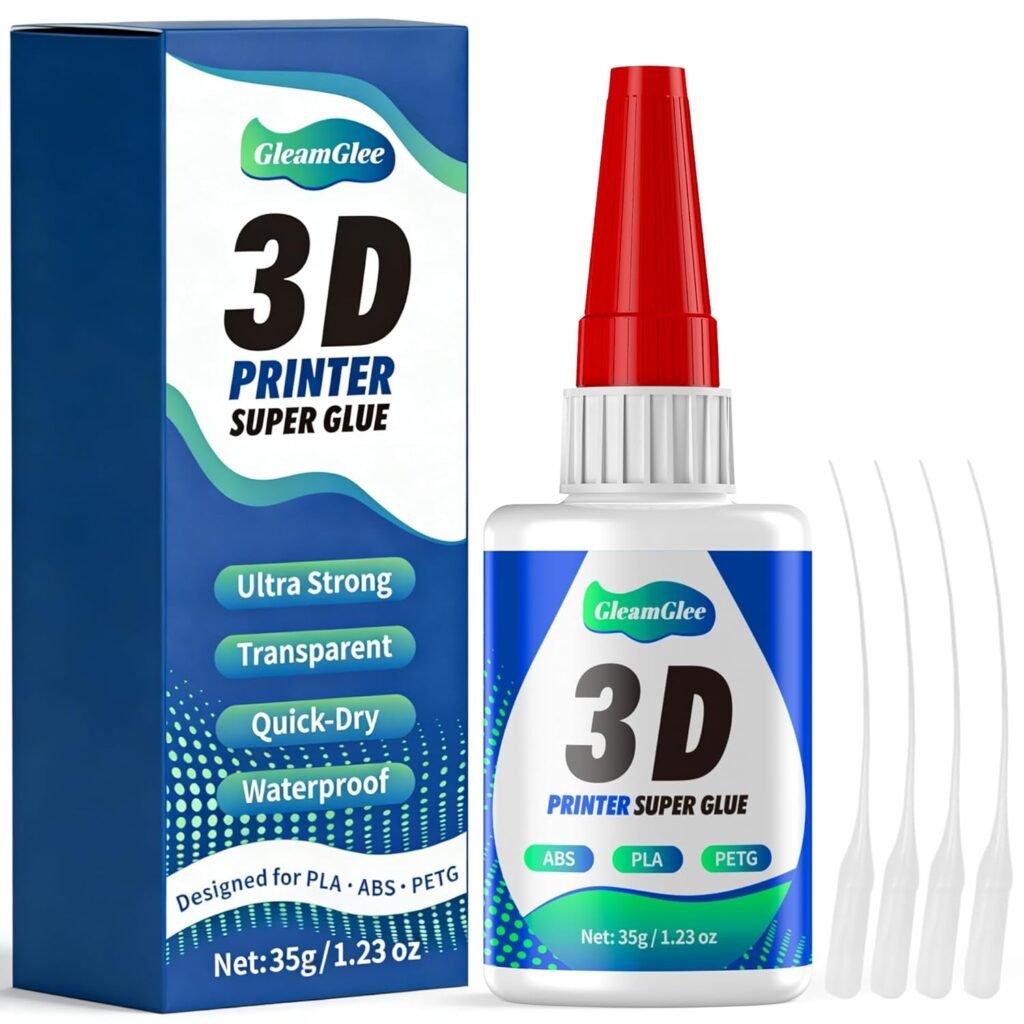
For homeowners, this means fewer unnecessary replacements and more confident DIY repairs. For sellers, brands, and distributors, it means offering a product that customers actually succeed with and trust. GleamGlee develops plastic glue specifically for common appliance plastics like ABS, PVC, and acrylic, and supports both ready-to-sell branded products and custom private-label solutions. Whether you’re repairing a single appliance or building a repair product line, GleamGlee is ready to supply samples, pricing, and tailored formulations to help you do it right from the start.
Share:
Table of Contents
Here, creating your adhesives glue & removal cleaner collection is no longer a barrier—it’s a collaborative journey where GleamGlee helps brands and businesses transform their vision into durable, certified, and market-ready solutions.
Partner with GleamGlee
Join hundreds of global partners who trust GleamGlee for adhesives and cleaners that combine innovation, compliance, and speed. Our vertically integrated system—from R&D to warehouse—guarantees consistent performance and reliable delivery.
Whether you’re sourcing FBA-ready stock or developing your own formula, our team provides unmatched technical support and responsive service.