What Is Alcohol Glue: A Clear Guide
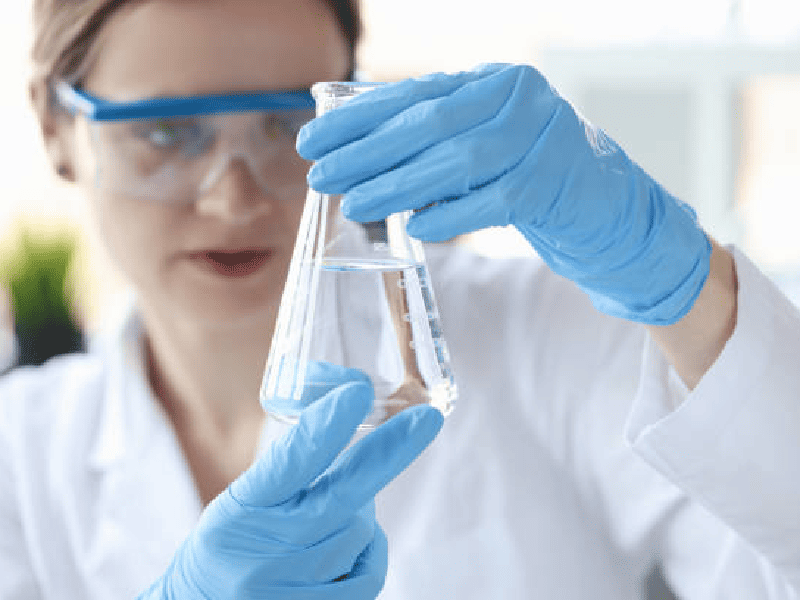
Alcohol glue is a broad term for adhesives that use alcohol (like ethanol or isopropyl alcohol) as a fast-evaporating carrier or solvent. The alcohol helps the glue spread smoothly, flash off quickly, and leave a cleaner bond line—so it’s often chosen for paper, books, crafts, light fabrics, and detail work. It is not the same thing as rubbing alcohol, and it’s not meant for heavy, load-bearing repairs.
What Is Gorilla Glue Made Of:Ingredients, Strength & Limits
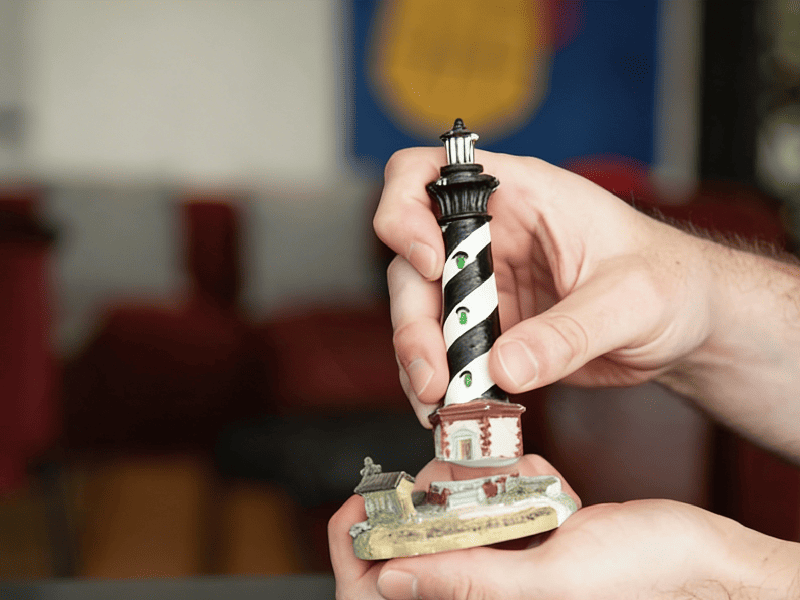
Gorilla Glue is primarily made from a moisture-curing polyurethane prepolymer. Its main reactive ingredient is a polyisocyanate compound that reacts with water in the air or on surfaces. During curing, this reaction causes the glue to expand slightly and harden into a rigid polymer structure. This chemistry allows Gorilla Glue to fill gaps and bond strongly to porous materials such as wood, stone, ceramic, and some metals.
What Glue Is Good for Fabric: Strong, Washable No-Sew Guide
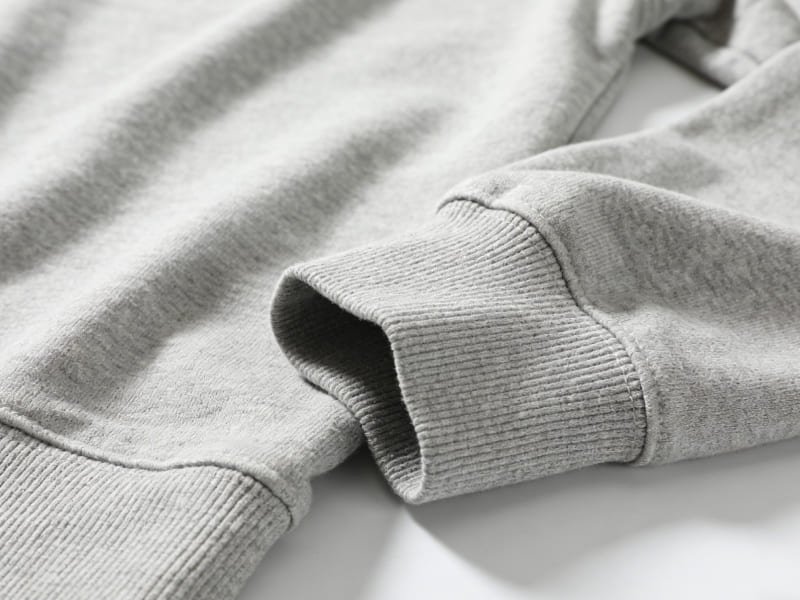
The best glue for fabric is a fabric-specific adhesive designed to stay flexible, clear, and durable after drying. Unlike regular glue or super glue, fabric glue bonds directly to textile fibers while remaining soft and elastic, allowing the fabric to bend, stretch, and move naturally. This makes it suitable for clothing, denim, cotton, curtains, and crafts where stiffness or cracking would ruin both comfort and appearance.
What Is PVA Glue:Uses, Types, Strength & Safety
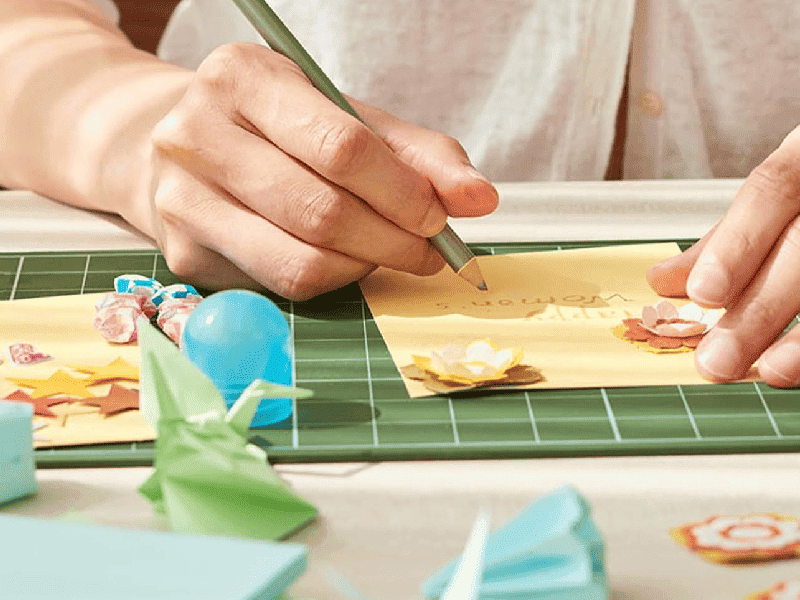
If you’ve ever fixed a loose chair rung, patched a torn paper project, or helped a kid with a school craft, you’ve probably used “PVA” without even realizing it. Polyvinyl acetate glue is one of those quietly powerful materials—simple, affordable, usually low-odor, and forgiving for everyday people. But here’s the twist: the internet treats “PVA […]
Glue Gun Price in Pakistan: Costs, Types & Buying Guide
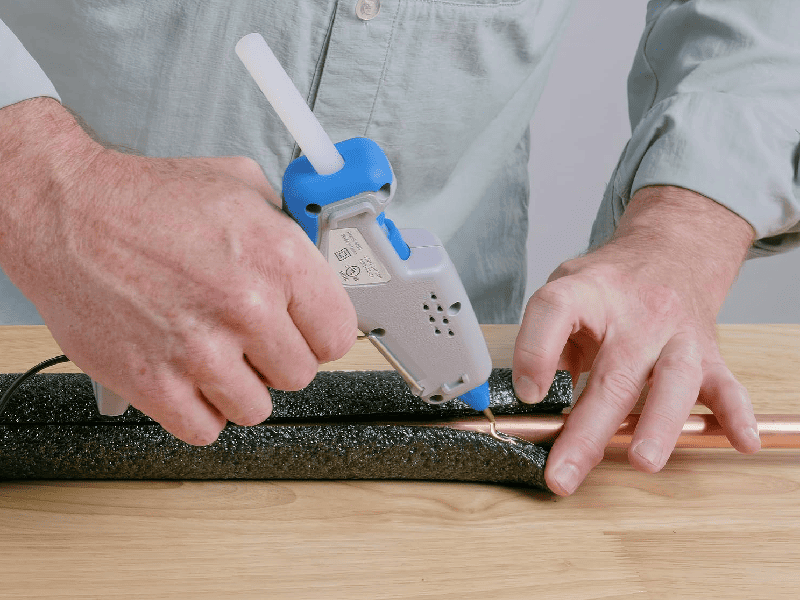
Glue gun prices in Pakistan typically range from low-cost mini models designed for occasional crafts to mid-range 40W tools and higher-output workshop units. Price differences are driven by wattage, glue stick compatibility, build quality, and where you buy (online marketplaces vs specialist stores). For occasional use, budget models work; for frequent or heavy tasks, higher-quality options offer better performance and reliability.
Gorilla Wood Glue vs Titebond: A Practical Comparison for Real Projects
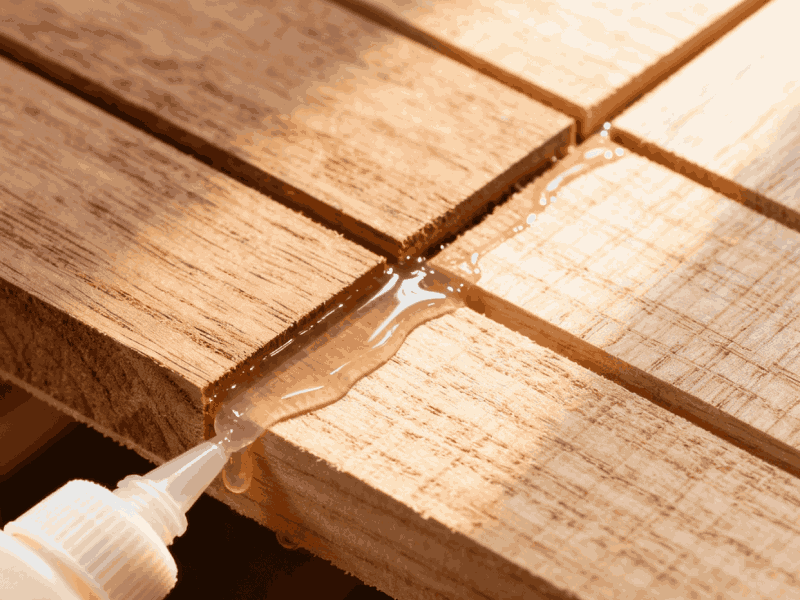
The biggest difference between the two shows up in working time and environmental resistance. Gorilla Wood Glue sets quickly and requires less clamping time, which is convenient for household users but leaves less room for repositioning. Titebond III, on the other hand, provides a longer open assembly time and carries an ANSI Type I waterproof rating, making it better suited for complex glue-ups, exterior furniture, and projects exposed to moisture or temperature changes. In properly fitted joints, both can achieve bonds stronger than the wood itself—the outcome depends more on joint design and technique than raw strength claims.
What Glue Is Best for Porcelain: A Complete Guide for Porcelain Repair
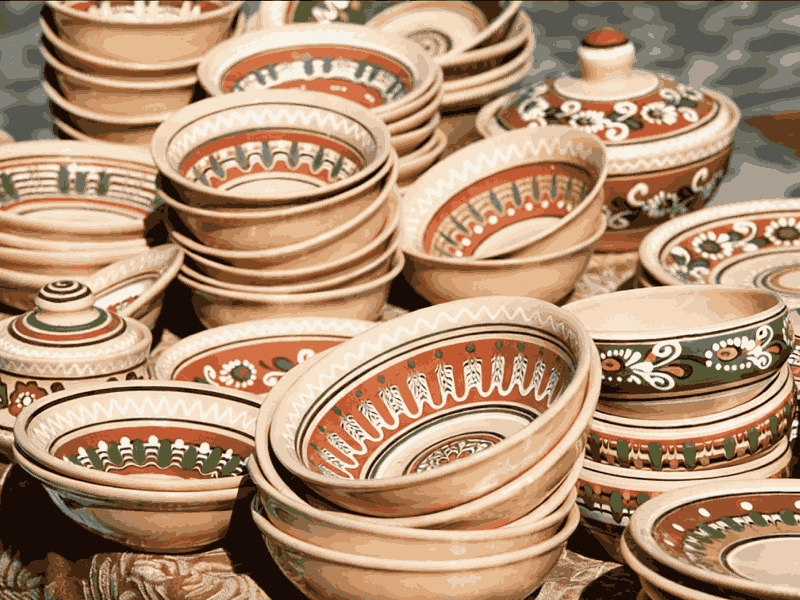
The best glue for porcelain depends on the type of repair. Epoxy glue is typically the strongest and most versatile, while specialized porcelain glues offer precision and invisibility for delicate projects.
For instance, if you’re fixing a decorative porcelain figurine, you’ll need a glue that bonds invisibly without leaving a trace. On the other hand, if you’re repairing a broken mug or teapot, you may want a strong adhesive like epoxy that can endure daily use. In this guide, we’ll walk you through the different types of glues available for porcelain repairs and help you select the best option for your project. Let’s dive into the details of the strongest and most reliable adhesives that will restore your porcelain to its former glory.
Best Shoe Glue Brands: A Complete Guide for Shoe Repair
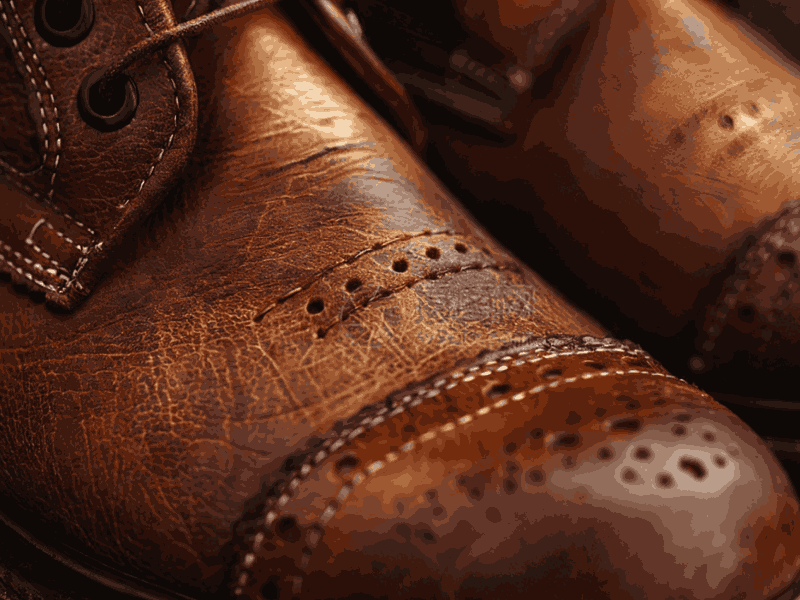
A shoe doesn’t usually fail all at once. More often, it starts quietly: a sole lifting at the toe, a heel that feels slightly loose, an insole that won’t stay flat. Most people blame “cheap shoes,” but the real issue is usually something else—the adhesive that holds everything together. In today’s footwear market, materials are lighter, soles are more flexible, and shoes are expected to survive rain, sweat, heat, and constant bending. Under these conditions, not all glues are created equal, and choosing the wrong shoe glue brand often leads to repairs that fail within days.
What Is Hide Glue:A Complete Guide
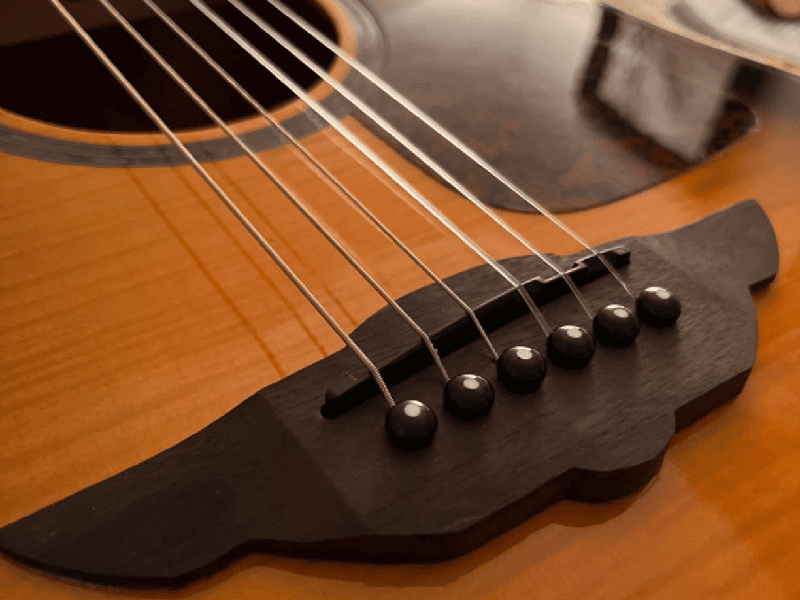
Hide glue is a traditional adhesive made from natural collagen extracted from animal hides, bones, and connective tissue. When heated with water, it becomes a liquid glue that penetrates porous materials such as wood, paper, and leather. As it cools and dries, the collagen molecules tighten and form a strong bond. Unlike modern synthetic adhesives, hide glue bonds through physical cooling rather than chemical curing, which gives it very distinct working characteristics.
What Is Gorilla Glue:Everything You Need to Know
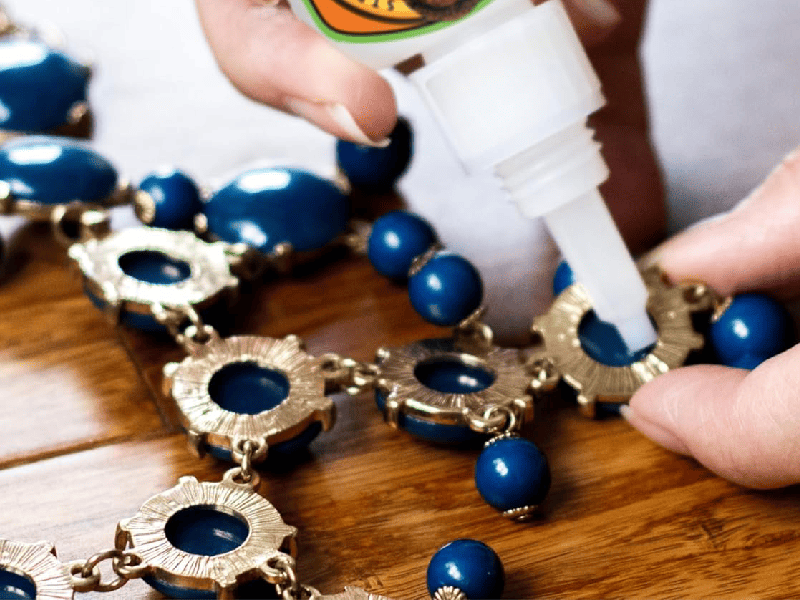
Gorilla Glue is not a single glue, but a well-known consumer adhesive brand that includes several different formulas, each designed for specific materials and repair scenarios. The product most people originally refer to is its moisture-curing polyurethane glue, which reacts with water, expands as it cures, and forms strong mechanical bonds with porous surfaces like wood, stone, ceramic, and masonry. Over time, the brand expanded into super glue (cyanoacrylate), wood glue (PVA), epoxy, construction adhesive, and flexible clear adhesives—each with very different performance characteristics.