Best Glue to Repair Shoe Sole: An Expert Guide
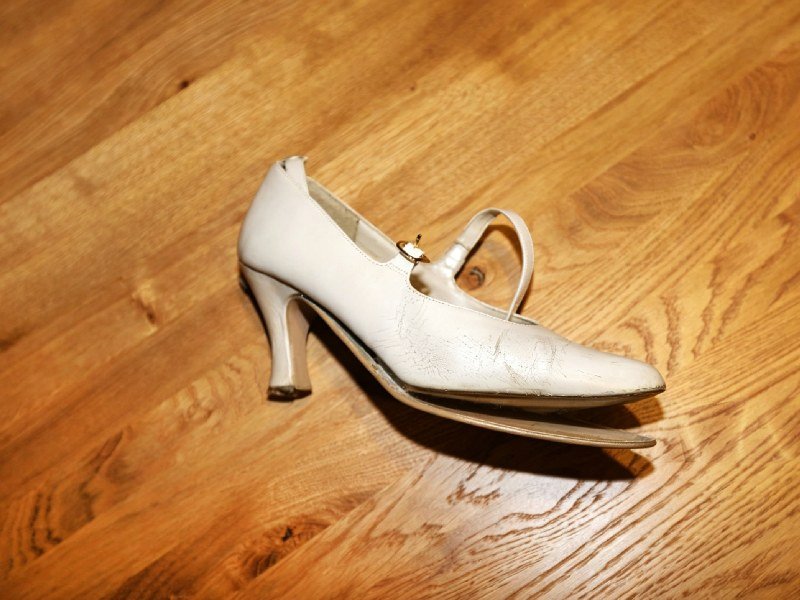
The best glue to repair shoe sole is usually a shoe-specific adhesive that combines strong bonding, flexibility, and water resistance. Shoes are different from static household surfaces. A shoe sole bends, twists, compresses, absorbs impact, and rubs against the ground thousands of times. If the glue dries too hard, the repair may crack. If it is not water-resistant, the bond may weaken after rain, mopping, wet sidewalks, or repeated cleaning. If it leaves a messy visible line, the repair may hold, but the shoe may still look bad enough that the customer does not want to keep wearing it. So the real answer is not “the strongest glue wins.” The better answer is “the right type of strength wins.”
How soon does fabric glue dry: A Specialist Guide
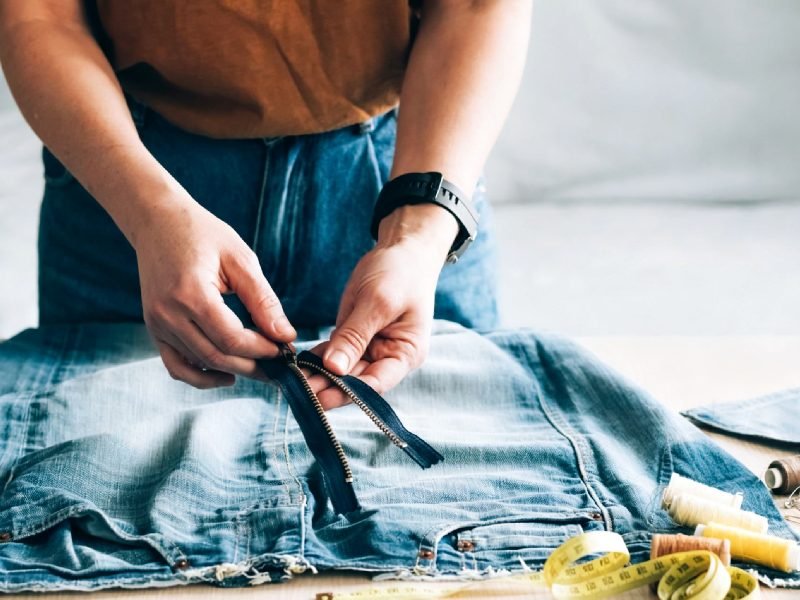
Most fabric glue jobs begin to set in 6–10 minutes, which is enough for light positioning and gentle holding. However, that early set is not the same as full strength. In most everyday fabric repairs, the safest standard is to allow 24 hours for full cure before washing, ironing, stretching, or heavy use. Thin cotton repairs often dry faster, while denim, layered fabric, and thick home textiles usually need more time.
What Type of Glue to Use on Fabric: A Professional Guide
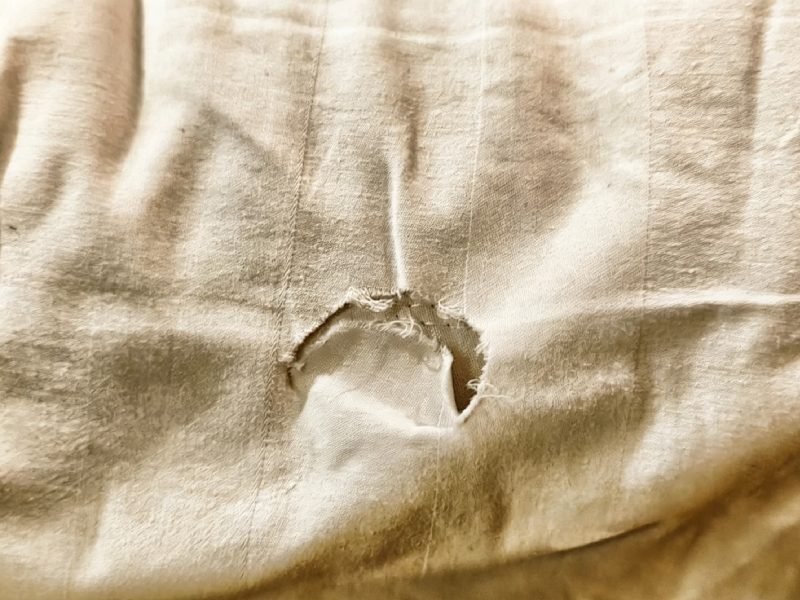
The biggest misunderstanding is simple. Many people think “surface dry” and “ready for use” mean the same thing. On fabric, they usually do not. A bond can feel dry on top in minutes and still be building strength deeper in the fibers. That gap between what customers see and what the repair is actually doing is the reason so many quick fixes look good at first and disappoint later.
What Is the Best Glue for Leather: Strong Repair Guide
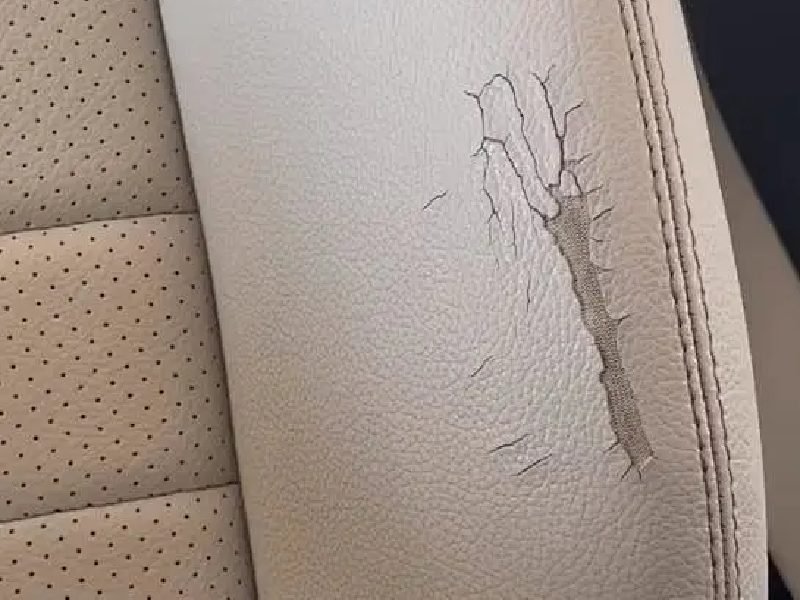
The best glue for leather is a leather-specific adhesive that creates a strong bond while staying flexible after drying. It should dry clear, resist yellowing, allow neat application, and hold well on genuine leather, faux leather, and many repair surfaces used in shoes, bags, furniture, and small leather goods. In most daily repairs, a flexible leather glue is a better choice than ordinary super glue because leather needs movement, not a hard and brittle bond.
How to Glue Ceramic : Strong, Clean Repair Guide
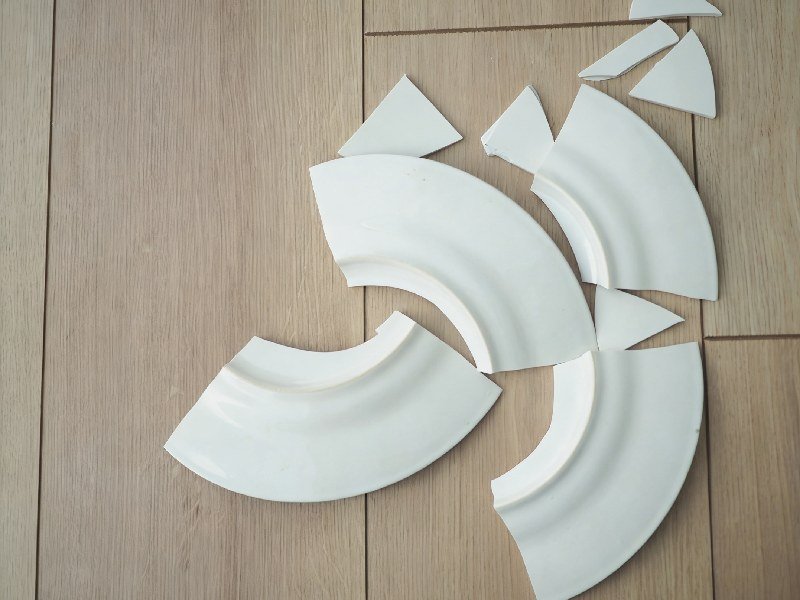
To glue ceramic well, clean and dry the broken edges first, test-fit the pieces, then apply a thin and even layer of the right adhesive. Press the parts together firmly, remove extra glue carefully, and allow full curing before use. For small clean breaks, fast-bond ceramic glue can work very well. For heavier repairs, handle joints, and wider cracks, a stronger gap-filling option is usually the safer choice.
How Does Wood Glue Work : A Clear Guide
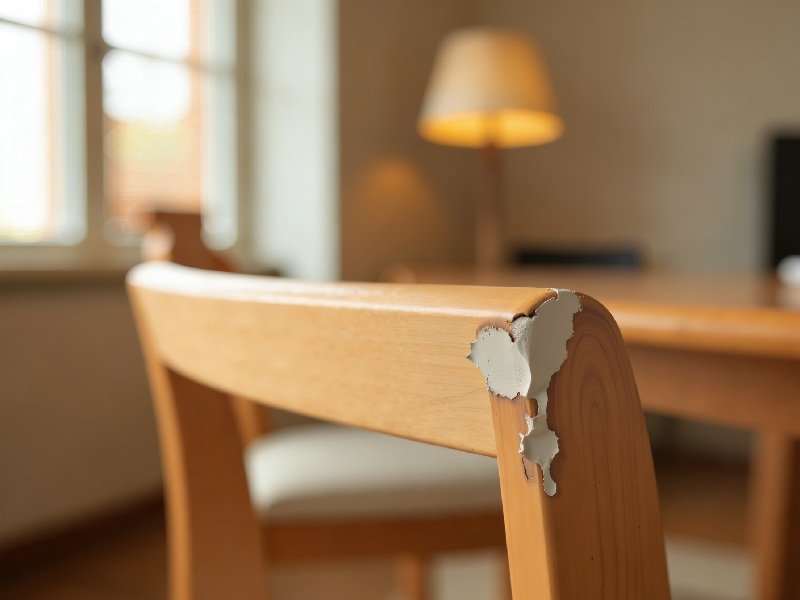
Wood glue works best when it is applied to clean, bare, closely fitted wood surfaces. The adhesive spreads across the surface, moves into the outer fiber structure, and then forms a cured bond as moisture leaves the glue and the adhesive film sets. In many everyday repairs, a well-made glue joint can hold so well that the surrounding wood may fail before the bond line does. That is why wood glue remains one of the most useful products for furniture repair, woodworking, school projects, home improvement, and even outdoor maintenance when the right formula is used.
What Kind of Glue to Use on Glass: Best Clear Repair Guide
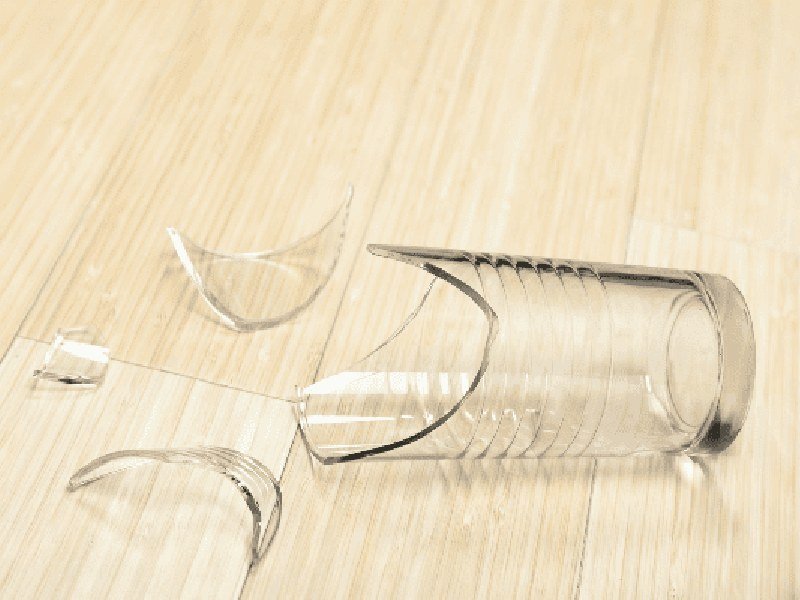
Glass may look simple, but bonding it correctly is not. Because it is a smooth, non-porous material, most ordinary glues struggle to create a strong and clean bond. That’s why many DIY repairs end up cloudy, weak, or short-lived. The key is choosing the right adhesive for the specific situation. For most household repairs, a glass-specific glue works best when the break is clean and tight, delivering a clear finish and quick bonding. When the surfaces are uneven or involve mixed materials like metal or plastic, a clear epoxy is usually more reliable because it fills gaps and offers better durability.
What Will Remove Super Glue : A Practical Guide
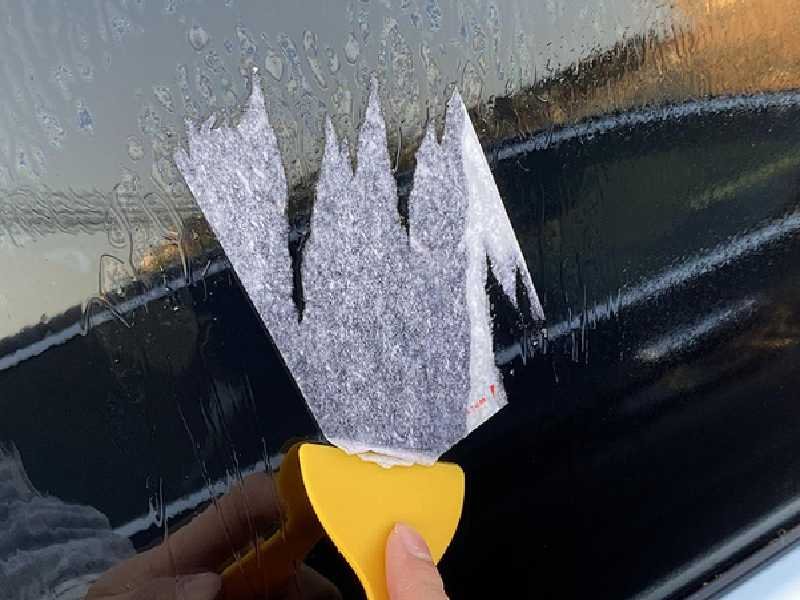
The biggest mistake people make is trying to remove cured glue too quickly. Scraping dry glue or overusing strong solvents often leads to scratches, clouding, or dull patches that look worse than the original glue spot. A better approach is to work in stages: apply a small amount of remover, allow time for the glue to soften, lift gently, and wipe away residue before repeating. This method not only improves results but also reduces the risk of spreading the glue or damaging the surface.
How Does Fabric Glue Work : A Simple Guide
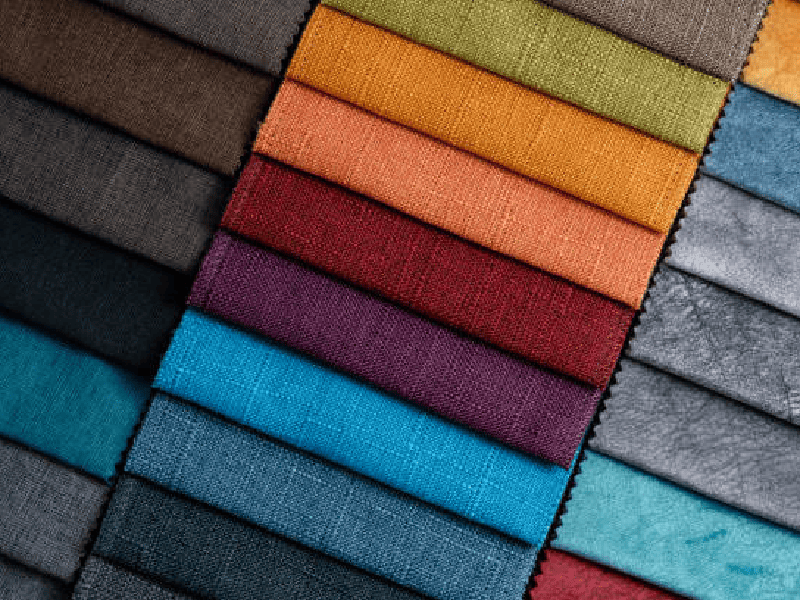
Fabric glue works by soaking into fabric fibers and forming a flexible bonding layer as it dries. This layer locks fibers together without making them stiff, allowing the fabric to bend, stretch, and move naturally. High-quality fabric glue can stay strong after multiple washes and does not leave visible marks when applied correctly.
Does Fabric Glue Work on Felt : A Simple Guide
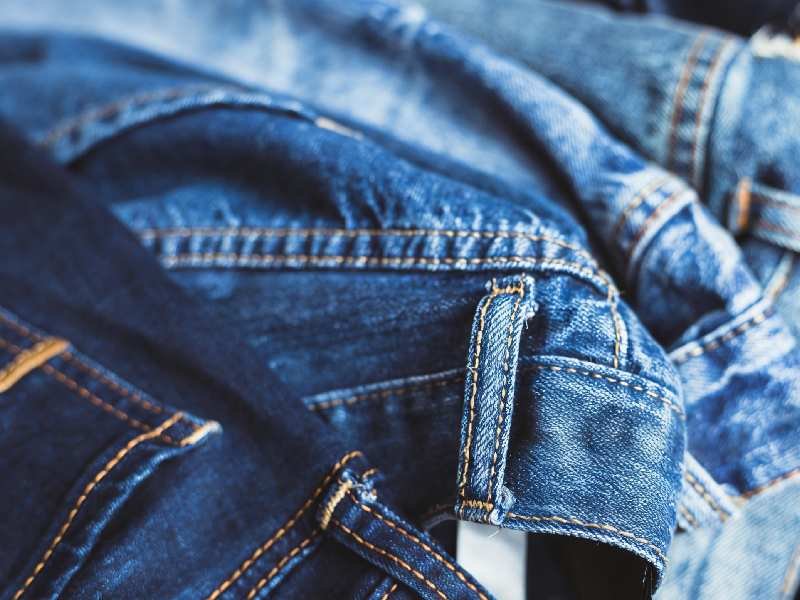
Felt looks like one of the easiest materials to glue, but in real use it often exposes the difference between an average adhesive and a truly practical one. Many people try the first glue they find, press two felt pieces together, and assume the job is done. Then a few hours later they notice a dark stain where the glue soaked through, a hard patch that no longer feels soft, a corner that lifts after handling, or a decorative piece that looks messy from the front. That is why this topic matters so much. Felt is used in children’s school projects, holiday ornaments, costume trims, patch repairs, home decorations, quiet books, craft kits, handmade bags, and small clothing upgrades. In all of those uses, people are not only asking whether the glue can hold. They are asking whether the result will still look good, feel soft, and stay in place after normal use.