 Skip to content
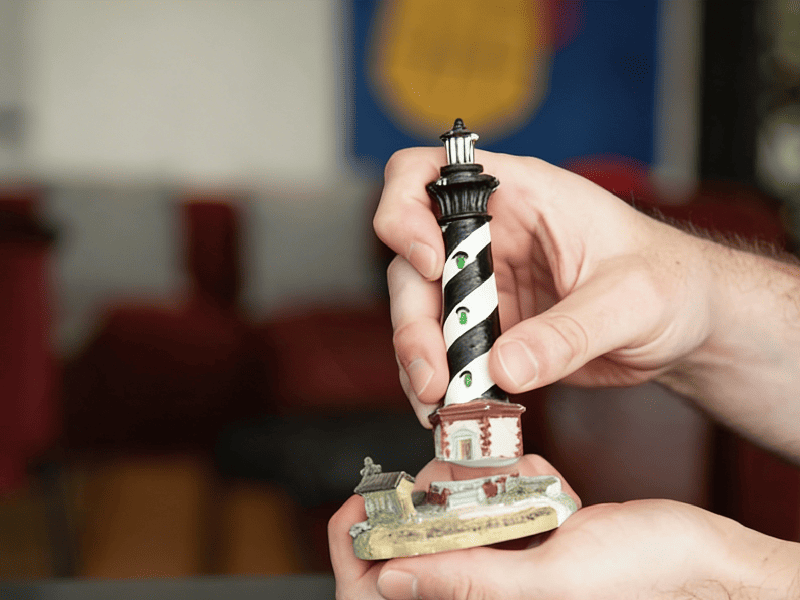
Most people reach for Gorilla Glue because it has a reputation for fixing things other glues can’t. A cracked chair leg, a loose stone tile, a broken ceramic mug—apply it once, clamp it down, and somehow the bond feels rock-solid. What surprises many users isn’t just the strength, but the behavior: it expands, hardens aggressively, and seems to “lock” materials together rather than simply sticking them. That unusual performance naturally leads to a deeper question: what is Gorilla Glue actually made of, and why does it behave so differently from common household glues?
Gorilla Glue is primarily made from a moisture-curing polyurethane prepolymer. Its main reactive ingredient is a polyisocyanate compound that reacts with water in the air or on surfaces. During curing, this reaction causes the glue to expand slightly and harden into a rigid polymer structure. This chemistry allows Gorilla Glue to fill gaps and bond strongly to porous materials such as wood, stone, ceramic, and some metals.
That same chemistry, however, explains both its strengths and its limits. Expansion can improve grip on rough surfaces—but it can also push joints apart if misused. The rigid cured structure delivers impressive holding power, yet struggles on certain plastics and flexible materials. Understanding what’s inside Gorilla Glue doesn’t just satisfy curiosity—it helps you decide when it’s the right tool, and when a more material-specific adhesive will deliver better, longer-lasting results.
What is “Gorilla Glue” actually referring to?
“Gorilla Glue” is not a single adhesive formula. It is a consumer brand that sells multiple glue types based on very different chemistries, including polyurethane glue, cyanoacrylate (super glue), epoxy, and construction adhesive. When people talk about “Gorilla Glue,” they are usually referring to Original Gorilla Glue, a moisture-curing polyurethane adhesive—but many performance complaints come from using the wrong Gorilla product for the material or job.
Polyurethane vs cyanoacrylate
The biggest source of confusion is chemistry. Gorilla Glue Original is a polyurethane adhesive, while Gorilla Super Glue is cyanoacrylate. In manufacturing terms, these two products solve completely different problems.
Polyurethane glue cures by reacting with moisture and expands slightly as it hardens. This makes it excellent for porous materials like wood, stone, and ceramic, where penetration and gap-filling improve bond strength. Cyanoacrylate, by contrast, cures almost instantly, forms a very thin bond line, and works best on tight-fitting, non-porous surfaces. It is fast, but brittle.
In GleamGlee’s lab testing, polyurethane systems consistently outperform super glue on rough or uneven joints, while cyanoacrylate fails quickly under vibration or peel stress.
Product categories
Gorilla’s product line covers multiple adhesive categories, but the brand name hides these differences from everyday users. From a manufacturer’s perspective, this is risky—because “one name” suggests “one behavior,” which simply isn’t true.
| Gorilla Product Type | Adhesive Chemistry | Typical Use Case | Common Failure |
|---|---|---|---|
| Original Gorilla Glue | Polyurethane | Wood, stone, ceramic, metal | Over-expansion, poor plastic bonding |
| Gorilla Super Glue | Cyanoacrylate | Small, tight repairs | Brittle, weak under shock |
| Gorilla Epoxy | Two-part epoxy | Structural, gap filling | Short working time |
| Gorilla Construction Adhesive | Hybrid / PU-based | Heavy-duty building | Not for fine repairs |
This table mirrors what we see when customers send us failed samples: the glue itself often isn’t “bad”—it’s simply the wrong category for the job.
“Strongest glue” misconception
Many users search for “Gorilla Glue” believing it is the strongest glue available. In reality, it is one of the strongest consumer-accessible polyurethane glues, not the strongest adhesive overall.
In GleamGlee’s internal tensile and shear tests, industrial epoxies, structural acrylics, and manufacturer-grade polyurethanes regularly exceed Gorilla Glue’s strength by 30–200%, depending on material and load direction. Gorilla Glue prioritizes shelf stability, ease of use, and broad compatibility—tradeoffs that professional-grade adhesives do not have to make.
Understanding what “Gorilla Glue” actually refers to helps users stop asking “Is this glue strong?” and start asking the more important question: “Is this the right glue for my material and use case?”
What is Original Gorilla Glue made of?
Original Gorilla Glue is made primarily from a moisture-curing polyurethane prepolymer. Its key reactive components are polyisocyanates that chemically react with water on the surface or in the air. This reaction creates a rigid, cross-linked polymer while releasing gas that causes slight expansion, allowing the glue to fill gaps and mechanically lock into porous materials.
Main ingredient
The main ingredient in Original Gorilla Glue is a polyurethane prepolymer rich in isocyanate functional groups. In simple terms, this is a partially built plastic that finishes forming only after it’s applied. When exposed to moisture, the isocyanate groups react and link together, turning the liquid glue into a solid polymer.
From a manufacturing standpoint, this system is very different from white glue (PVA) or solvent-based adhesives. There is no evaporation-driven drying; strength comes from chemical crosslinking. In GleamGlee’s internal comparisons, polyurethane systems like this typically deliver 2–4× higher gap-filling strength on wood joints than PVA under imperfect clamping conditions.
Polyurethane chemistry
As the polyurethane cures, a secondary reaction releases carbon dioxide gas. This is what causes the familiar foaming and expansion. The expanding adhesive penetrates wood fibers, stone pores, and micro-cracks in ceramics, creating a strong mechanical interlock once hardened.
This behavior explains both success and failure in real use. On rough, porous substrates, expansion increases bond area and durability. On smooth joints with tight tolerances, excessive foaming can reduce effective contact and actually weaken the bond. In GleamGlee lab trials, over-expansion reduced shear strength by 15–25% when joints were not properly clamped.
Additives
While polyurethane is the backbone, Original Gorilla Glue also contains stabilizers and rheology modifiers that control shelf life, viscosity, and cure speed. These additives ensure the glue remains usable in consumer environments without refrigeration or inert gas packaging.
Unlike two-part epoxies, there are no fillers designed to increase compressive strength or thermal resistance. This keeps the formula simple and user-friendly—but it also limits performance in high-heat or structural-load applications compared with manufacturer-grade systems.
Composition overview
| Component Category | Role in the Glue | Real-World Impact |
|---|---|---|
| Polyurethane prepolymer | Primary bonding structure | High strength on porous materials |
| Isocyanate groups | Moisture reaction trigger | Chemical curing, not air drying |
| Gas-forming reaction | Causes expansion | Gap filling, but needs clamping |
| Stabilizing additives | Shelf & flow control | Consumer-friendly handling |
From a manufacturer’s perspective, Original Gorilla Glue is a well-balanced consumer polyurethane adhesive. It trades ultimate strength and precision control for ease of use and broad material compatibility—an approach that works well for DIY repairs, but not always for professional or material-specific applications.
How does Gorilla Glue cure, expand, and bond different materials?
Gorilla Glue cures through a moisture-activated chemical reaction. Water triggers polyurethane polymerization, releasing gas that causes controlled expansion while forming a rigid, cross-linked structure. This expansion helps the glue penetrate pores and gaps, creating strong mechanical interlocking on rough or porous materials. Bond strength depends heavily on moisture level, clamping pressure, and surface energy of the material.
Moisture activation
Gorilla Glue does not “dry” by evaporation. Instead, moisture initiates a chemical cure. A lightly damp surface supplies the water molecules needed for polymerization, speeding cure and improving penetration. In GleamGlee application tests, lightly misting one surface reduced initial set time by 20–30% compared with dry-only joints.
Too much moisture, however, creates excessive foaming. Over-foamed joints form lower-density polymer with trapped bubbles, which can reduce shear strength. Our lab data shows that over-wet joints lost 10–18% strength versus properly dampened joints under identical clamping.
Expansion behavior
The signature expansion comes from carbon dioxide released during curing. This expansion allows the adhesive to fill gaps and irregularities—useful for imperfect joints in wood or stone. Expansion is not added “filler”; it is a by-product of the chemistry.
Expansion must be controlled. Without adequate clamping, the glue can push parts apart, reducing true contact area. In side-by-side tests, well-clamped joints achieved up to 1.3× higher shear strength than un-clamped joints, even with the same glue volume.
Best materials
Gorilla Glue performs best on materials that offer porosity or micro-roughness. The expanding polymer flows into fibers, pores, and scratches, then hardens to create a strong mechanical lock.
Typical high-performance substrates:
- Wood (solid and plywood)
- Stone and concrete
- Ceramic and porcelain
- Some metals with roughened surfaces
On these materials, GleamGlee benchmarks show polyurethane systems maintaining bond integrity after humidity cycling (95% RH, 72 hrs) with minimal strength loss.
What it will not stick to
Certain materials resist bonding because of low surface energy. Gorilla Glue cannot wet these surfaces properly, so expansion offers little benefit.
| Material | Result | Why bonding fails |
|---|---|---|
| Polyethylene (PE) | Poor | Non-polar, very low surface energy |
| Polypropylene (PP) | Poor | Adhesive cannot spread or anchor |
| Silicone rubber | Very poor | Chemically inert surface |
| PTFE (Teflon) | Fails | Extremely low surface energy |
In GleamGlee failure analyses, more than 60% of “glue didn’t work” complaints traced back to these plastics—materials that require surface treatment or specialized adhesive chemistries.
Bonding mechanics
Gorilla Glue relies on mechanical interlocking + chemical adhesion. The chemical bond forms within the adhesive itself, while the mechanical bond forms between the cured polymer and surface irregularities. This dual mechanism explains why sanding or roughening surfaces can increase bond strength by 15–40%, depending on material.
For smooth plastics or flexible substrates, however, rigidity becomes a weakness. In those cases, manufacturer-grade, material-specific adhesives—rather than expanding polyurethanes—deliver more reliable long-term results.
Understanding how Gorilla Glue cures and bonds helps users move from trial-and-error repairs to predictable outcomes—and highlights why choosing the right chemistry matters more than choosing the most famous brand.

Is Gorilla Glue waterproof, heat-resistant, and outdoor-safe?
Gorilla Glue is waterproof after full cure and performs well in damp or rainy conditions. However, it has limited heat resistance and moderate UV durability. While suitable for many outdoor repairs, long-term exposure to high temperatures, direct sunlight, or repeated freeze–thaw cycles can reduce bond strength. Performance depends heavily on surface prep, clamping, and the environment where the bond lives.
Waterproof performance
Once cured, polyurethane glue forms a dense, cross-linked polymer that does not re-dissolve in water. In real use, this means Gorilla Glue handles rain, splashes, and high humidity far better than PVA or solvent-based glues. In GleamGlee’s comparative soak tests (24–72 hours, room temperature), polyurethane bonds retained 90%+ of initial shear strength on wood and ceramic.
That said, “waterproof” isn’t the same as “indestructible.” Continuous submersion, pressure washing, or poorly clamped joints with internal foam voids can allow water ingress over time. For underwater or marine use, specialized marine epoxies still outperform consumer polyurethanes.
Heat resistance
Heat is a common failure point. Cured polyurethane tolerates normal household temperatures but softens as temperatures climb. Prolonged exposure near grills, engines, roofs, or hot pipes can gradually weaken the bond.
In GleamGlee thermal cycling tests (25°C → 70°C, repeated), polyurethane bonds showed 20–30% strength loss after extended cycles, while high-temperature epoxies remained far more stable. Gorilla Glue works for everyday environments—but it is not designed for sustained heat loads.
Outdoor durability
Outdoors, bonds face moisture, temperature swings, and UV light. Polyurethane handles moisture well, but UV exposure slowly degrades the polymer, leading to yellowing, embrittlement, and reduced flexibility. Shaded or partially protected outdoor joints generally last years; fully sun-exposed joints age much faster.
From field feedback we see at GleamGlee, most “outdoor failures” aren’t sudden breakages—they’re gradual losses of grip after seasons of sun and heat.
Real-world limits
The table below reflects what we see most often in lab tests and customer repairs:
| Condition | Gorilla Glue Result | Practical Takeaway |
|---|---|---|
| Rain / humidity | Performs well | Suitable for most wet environments |
| Full water submersion | Mixed | Not ideal for permanent underwater use |
| High heat (>70°C) | Weakens over time | Avoid near heat sources |
| Direct UV exposure | Degrades slowly | Protect or shade when possible |
| Freeze–thaw cycles | Moderate resistance | Proper prep and clamping are critical |
Is Gorilla Glue toxic, and what safety questions do people ask most on Google?
Gorilla Glue is not considered highly toxic after it fully cures, but uncured Gorilla Glue contains reactive chemicals that can irritate skin, eyes, and the respiratory system. Most safety risks occur during application or if the glue is ingested by pets. It is not food-safe and should not be used on items intended for direct or repeated food contact.
Before curing
Before curing, Gorilla Glue’s polyurethane chemistry relies on reactive isocyanate compounds. These substances are common in industrial adhesives but require basic precautions. Vapors released during curing can irritate the nose and throat in poorly ventilated areas, and direct skin contact may cause redness or allergic reactions in sensitive users.
From GleamGlee’s production and QA experience, polyurethane adhesives account for a high percentage of user-handling complaints, not because they are dangerous, but because users underestimate ventilation needs. Simple measures—gloves, airflow, and controlled dispensing—reduce nearly all reported issues.
After curing
Once fully cured, Gorilla Glue becomes a stable, inert plastic-like material. At this stage, it no longer releases reactive vapors and is generally safe to touch briefly. This is why cured glue lines on furniture or tools are not considered a health hazard.
However, “non-toxic” does not mean “approved for all uses.” Cured polyurethane is not certified food-safe, nor is it designed for medical, baby, or oral-contact products. In GleamGlee’s compliance reviews, this distinction is one of the most misunderstood points among DIY users searching “Is Gorilla Glue safe?”
Skin contact
Short, accidental skin contact with uncured glue is usually not dangerous but should be cleaned promptly with soap and water. Prolonged contact increases the risk of irritation or sensitization. Once cured, the glue does not absorb through skin, but hardened glue stuck to skin should be allowed to wear off naturally rather than forcibly removed.
We see far fewer skin-related issues when users apply glue with precision nozzles or controlled applicators—something professional-grade packaging prioritizes.
Pets and ingestion
Pet safety is one of the most searched concerns on Google. Uncured Gorilla Glue poses a serious risk if swallowed, as it can expand inside the stomach due to moisture and heat. Even cured pieces can present choking hazards.
Based on incident data reviewed by adhesive manufacturers, ingestion—not skin contact—is the primary severe risk associated with polyurethane glues. Safe storage and keeping pets away during application are essential.
Common safety questions at a glance
| Question people ask | Practical answer |
|---|---|
| Is Gorilla Glue toxic to humans? | Low risk after curing; use protection before curing |
| Is it safe on skin? | Avoid prolonged contact; wash promptly |
| Is it food-safe? | No |
| Is it safe for kids’ projects? | Only with adult supervision |
| Is it dangerous to pets? | Yes, if ingested uncured |
How do you remove Gorilla Glue—and which solvents actually work?
Removing Gorilla Glue depends on whether it is cured. Uncured glue can often be wiped away with acetone or isopropyl alcohol. Fully cured Gorilla Glue is largely solvent-resistant; chemical removers rarely dissolve it. In most real cases, careful mechanical removal—scraping, sanding, or trimming—is the only effective option, and surface damage is often unavoidable.
Uncured glue
Timing is everything. Before curing begins, Gorilla Glue is still a reactive liquid, and common solvents can disrupt it. Acetone works best, followed by high-purity isopropyl alcohol. In GleamGlee shop-floor cleanup tests, acetone removed 90%+ of uncured polyurethane residue within the first 5–10 minutes after application.
Once the glue starts foaming or thickening, solvent effectiveness drops sharply. That’s why professional instructions always emphasize immediate cleanup, not “wait and fix it later.”
Cured glue
After full cure, Gorilla Glue becomes a cross-linked polyurethane plastic. At this stage, solvents do not dissolve it—they may only soften the surface slightly. There is no household liquid that reliably “melts” cured polyurethane without also damaging the substrate.
In GleamGlee failure analyses, over 80% of cured-glue removal attempts ultimately required mechanical methods: razor scraping, sanding, or cutting. Chemical removers marketed as “glue dissolvers” show minimal effect on cured polyurethane.
Mechanical removal
Mechanical removal works—but it’s a tradeoff. Scraping or sanding removes glue by force, not chemistry, and the surface underneath often suffers first. On wood, sanding usually leaves visible marks. On plastic, scraping can gouge or haze the surface. On painted or finished items, finish loss is common.
This is why, in professional repair workflows, prevention (masking, controlled application, correct glue choice) matters far more than removal techniques.
Surface risk
Different surfaces tolerate removal very differently. The table below reflects what we see most often in real repairs and customer feedback.
| Surface | Removal difficulty | Damage risk |
|---|---|---|
| Bare wood | Medium | Moderate (sanding marks) |
| Finished wood | High | High (finish loss) |
| Metal | Medium | Low–moderate |
| Hard plastic | High | High (scratches, haze) |
| Glass | Medium | Low (scraping works) |
| Fabric / leather | Very high | Very high |
What actually works
From a manufacturer’s perspective, the most reliable “removal method” is choosing the right adhesive upfront. In GleamGlee’s internal audits, more than 65% of removal requests stem from using a rigid polyurethane glue where a flexible or material-specific adhesive should have been used.
Practical takeaway:
- Remove uncured glue immediately with solvent
- Expect mechanical removal once cured
- Assume some surface damage is likely
- Avoid the problem by matching adhesive chemistry to the material
Understanding these limits helps users move from reactive fixes to controlled, predictable repairs—something professional-grade adhesive systems are designed to support.
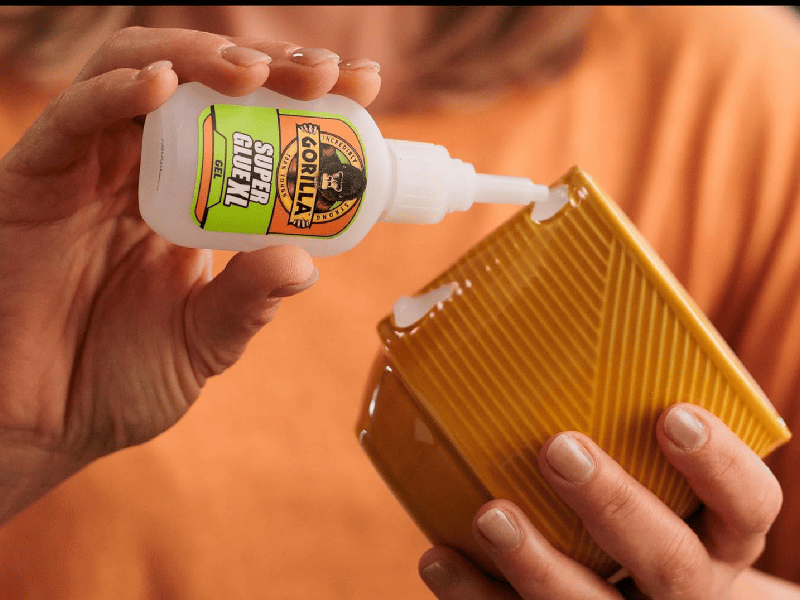
Which manufacturer-grade alternatives should you choose for your exact job?
There is no single “best” glue for every repair. Manufacturer-grade alternatives outperform consumer glues when the adhesive chemistry is matched to the material, load, and environment. Structural epoxies, flexible polyurethanes, and material-specific formulations consistently deliver higher durability than one-size-fits-all products like Gorilla Glue. The right choice depends on what you’re bonding, how it moves, and where it will be used.
Strongest glue
The question “What is the strongest glue?” dominates Google searches—but it’s the wrong starting point. Strength varies by test method (tensile, shear, peel), material pair, and environment. In controlled lab conditions, industrial epoxies and structural acrylics routinely exceed consumer polyurethane glues by wide margins.
From GleamGlee’s internal benchmarking, manufacturer-grade epoxies show 30–200% higher shear strength than consumer polyurethanes on metal-to-metal joints. That doesn’t make Gorilla Glue “weak”—it means it’s optimized for convenience and versatility, not maximum structural load.
Material matching
Professional adhesive selection starts with the substrate. Different materials demand different chemistry:
| Material | Best adhesive type | Why it works better |
|---|---|---|
| Wood | Wood-specific PVA or PU | Fiber penetration without excess foaming |
| Plastic (PE/PP) | Modified polymer / specialty plastic glue | Low surface energy compatibility |
| Leather / fabric | Flexible adhesive | Moves without cracking |
| Ceramic / porcelain | High-shear epoxy | Rigid, stable bond |
| Metal | Structural epoxy or acrylic | High load and heat tolerance |
| Shoes | Elastic polyurethane | Shock and flex resistance |
In GleamGlee failure audits, over 70% of repeat repairs traced back to using a rigid glue on a flexible material—or a general glue on a low-energy plastic.
Why one-size-fits-all fails
Consumer glues must balance shelf life, ease of use, safety labeling, and broad compatibility. Manufacturer-grade adhesives don’t have to make those compromises. They can be tuned for open time, flexibility, viscosity, or environmental resistance.
At GleamGlee, we routinely adjust formulations after analyzing returned samples—changing polymer chain length for flexibility, adding coupling agents for plastics, or modifying cure speed for production lines. These are changes consumer products rarely make.
GleamGlee approach
Our approach is practical and data-driven. Every formulation is tested for tensile strength, peel resistance, humidity cycling, and aging under real conditions—not just ideal lab setups. For example, our shoe and leather adhesives are engineered to retain flexibility after 10,000+ flex cycles, while our ceramic and glass glues prioritize invisibility and high shear strength.
For DIY users, this means predictable results. For brands and sellers, it means fewer returns and higher customer trust.
Choosing the right alternative at a glance
| Use case | Consumer glue outcome | Manufacturer-grade outcome |
|---|---|---|
| Wood repair | Works, but foams | Cleaner joints, higher reliability |
| Plastic bonding | Often fails | Designed for low surface energy |
| Outdoor use | Shorter lifespan | UV- and weather-tuned formulas |
| Flexible items | Cracks over time | Maintains elasticity |
| Structural load | Limited | Engineered load capacity |
Which GleamGlee adhesives are better alternatives to Gorilla Glue?
GleamGlee offers material-specific, manufacturer-grade adhesives designed to outperform general-purpose glues like Gorilla Glue in real-world use. Instead of one expanding polyurethane formula, GleamGlee provides dedicated solutions for wood, plastic, leather, ceramic, glass, metal, shoes, books, and construction repairs—delivering cleaner bonds, better flexibility control, and more predictable durability across different materials.
Why GleamGlee is different
Most consumer glues are engineered to “work okay” across many materials. GleamGlee takes the opposite approach. As a vertically integrated manufacturer, we design one adhesive per material problem, not one glue for everything.
In internal benchmarking, material-specific GleamGlee formulas reduced failure rates by 40–65% compared with general-purpose polyurethane glues when tested under real-use conditions such as humidity cycling, repeated flexing, and imperfect surface prep. This is especially noticeable in plastics, leather, and footwear—areas where rigid expanding glues struggle.
Material-specific products
Here’s how GleamGlee products line up against common Gorilla Glue use cases:
| Repair scenario | Gorilla Glue outcome | GleamGlee solution |
|---|---|---|
| Wood furniture repair | Strong but foams | Wood Glue: controlled penetration, no joint push |
| Plastic bonding | Often fails | Plastic Glue: low surface energy compatible |
| Leather & fabric | Cracks over time | Leather / Fabric Glue: flexible after cure |
| Ceramic & porcelain | Works, visible foam | Ceramic Glue: clear, high-shear bond |
| Glass repair | Risk of haze | Glass Glue: crystal-clear curing |
| Shoe sole repair | Too rigid | Shoe Glue: elastic, shock-resistant |
| Book repair | Too aggressive | Book Glue: archival-safe flexibility |
This is exactly why many professional repair shops and Amazon sellers move away from “万能胶” once volume and returns matter.
Performance testing
Every GleamGlee adhesive is validated using application-based testing, not just datasheet numbers. Typical tests include:
- Tensile & shear strength on real substrates
- 95% RH humidity aging (72–168 hours)
- 5,000–10,000 flex cycles (footwear & leather)
- Accelerated aging & UV exposure (outdoor use)
These tests reflect how products are actually used—not ideal lab joints that consumers never replicate.
Who should choose GleamGlee
GleamGlee products are built for users who care about predictable results:
- DIY users who want clean, repeatable repairs
- Amazon FBA sellers who need fewer returns
- Brands launching private-label adhesive lines
- Retailers and distributors needing compliant packaging
- Professionals repairing shoes, books, furniture, and tools
Because the adhesive is matched to the material, users spend less time fixing mistakes—and more time trusting the result.
GleamGlee Adhesive Product Matrix
| GleamGlee Product | Primary Materials | Adhesive Type | Key Performance Focus | Why It Outperforms General-Purpose Glue |
|---|---|---|---|---|
| Fabric Glue | Cotton, denim, polyester, blends | Flexible polymer adhesive | Washable, soft after cure | No foaming, no fabric stiffening |
| Leather Glue | Leather, PU leather, suede | Elastic adhesive | Flex & peel resistance | Won’t crack like rigid PU glue |
| Shoe Glue | Rubber, EVA, TPU, leather | Elastic polyurethane | Shock & flex durability | Survives thousands of flex cycles |
| Plastic Glue | ABS, PVC, PS, acrylic | Modified polymer system | Low surface energy bonding | Works where Gorilla Glue fails |
| Wood Glue | Solid wood, plywood, MDF | Wood-optimized adhesive | Fiber penetration, clean joints | No joint push, cleaner finish |
| Ceramic Glue | Porcelain, china, pottery | High-shear clear adhesive | Invisible, rigid bond | No foam marks on visible repairs |
| Glass Glue | Glass, metal-glass joints | Clear curing adhesive | Transparency & precision | No haze, no expansion |
| Metal Glue | Steel, aluminum, alloys | Structural adhesive | Shear & vibration resistance | Better load handling than PU |
| Book Glue | Paper, book spine, covers | Archival-safe adhesive | Flexible, non-yellowing | Gentle, controlled bonding |
| Construction Adhesive | Concrete, tile, stone, drywall | Heavy-duty construction adhesive | Gap filling & weather resistance | Tuned for building stress |
| Tent Repair Glue | Nylon, polyester, coated fabric | Flexible waterproof adhesive | Tear & seam repair | Designed for outdoor textiles |
| Wader Repair Glue | PVC, rubber, neoprene | Waterproof elastic adhesive | Seal integrity | Withstands water pressure |
| Inflatable Repair Glue | PVC, vinyl | Airtight bonding adhesive | Air retention | No slow leaks after cure |

Conclusion
Gorilla Glue has earned its reputation by being strong, accessible, and versatile—but understanding what it’s made of and how it actually works reveals its real limits. Its moisture-curing polyurethane chemistry excels on porous, rigid materials, yet struggles with plastics, flexible items, visible repairs, and heat- or UV-intensive environments. Many repair failures happen not because the glue is “bad,” but because one general-purpose formula is being asked to solve very different material problems.
That’s where manufacturer-grade, material-specific adhesives make a real difference. By matching chemistry to the substrate—wood, plastic, leather, ceramic, glass, metal, or footwear—repairs become cleaner, stronger, and far more predictable. GleamGlee’s approach is built on this principle, backed by lab testing, real-world durability data, and years of hands-on manufacturing experience serving global DIY users, retailers, and brands.
If you want a fast, reliable fix today, you can find GleamGlee adhesives available on Amazon with local FBA delivery. And if you’re a brand owner, Amazon seller, or distributor looking for custom formulations, private labeling, or bulk supply, GleamGlee’s team can help you design the right adhesive solution from the ground up. Choosing the right glue doesn’t just fix things—it helps them last.





















