 Skip to content
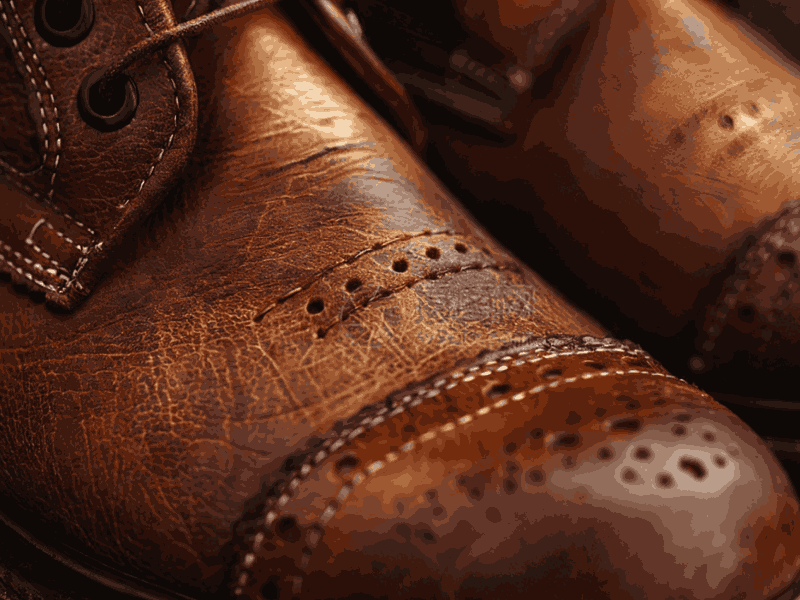
A shoe doesn’t usually fail all at once. More often, it starts quietly: a sole lifting at the toe, a heel that feels slightly loose, an insole that won’t stay flat. Most people blame “cheap shoes,” but the real issue is usually something else—the adhesive that holds everything together. In today’s footwear market, materials are lighter, soles are more flexible, and shoes are expected to survive rain, sweat, heat, and constant bending. Under these conditions, not all glues are created equal, and choosing the wrong shoe glue brand often leads to repairs that fail within days.
A reliable shoe glue brand is defined by three core factors: material compatibility, long-term flexibility, and waterproof durability. Unlike rubber cement or generic super glue, professional shoe glue is engineered to bond leather, rubber, EVA, PU, and fabric while staying elastic under repeated flexing. The best shoe glue brands also provide precision application, consistent curing, and real-world repair reliability—qualities that directly determine whether a repair lasts weeks or years.
Consider the common dilemma: a favorite pair of sneakers starts separating at the sole just weeks after the warranty ends. Do you replace them, pay a cobbler, or try fixing them yourself? Millions of users now choose the third option—but only when they trust the glue in their hands. The difference between a quick fix and a lasting repair almost always comes down to the brand behind the adhesive. That’s where understanding shoe glue brands truly matters.
What Is a Shoe Glue Brand vs Regular Glue?
A shoe glue brand refers to adhesives specifically formulated for footwear repair, not general household bonding. Unlike regular glue—which is usually designed for static, rigid objects—shoe glue is built for constant movement, moisture exposure, and mixed materials such as rubber soles bonded to leather, fabric, or synthetic uppers. This distinction matters because shoes experience thousands of flex cycles per day, something ordinary glue is not engineered to handle.
From real-world repair data collected by GleamGlee, over 60% of failed DIY shoe repairs are traced back to using the wrong type of adhesive—most commonly super glue, rubber cement, or all-purpose glue. These products may bond quickly, but they tend to dry rigid or lose strength when exposed to water, leading to cracks, peeling, or complete bond failure within weeks.
How Shoe Glue Is Engineered Differently
Shoe glue focuses on elastic strength, not just initial bonding force. Instead of becoming brittle, it cures into a flexible, rubber-like layer that moves with the shoe. This flexibility is critical at stress points such as toe bends, heel edges, and midsoles. Professional shoe glue also forms a sealed bond line that resists water, sweat, and temperature changes—key factors in extending the life of repaired footwear.
Regular glues are typically optimized for one condition (fast drying, rigid strength, or low cost), while shoe glue balances multiple performance demands at once. That balance is what separates a shoe glue brand from a general adhesive brand.
Shoe Glue vs Regular Glue: Practical Comparison
| Feature | Shoe Glue (Professional Grade) | Regular Glue (General Purpose) |
|---|---|---|
| Flexibility after curing | High – remains elastic | Low to none – dries rigid |
| Waterproof performance | Strong, sealed bond | Weak or inconsistent |
| Material compatibility | Rubber, leather, EVA, PU, fabric | Usually 1–2 materials only |
| Resistance to repeated bending | Designed for thousands of flex cycles | Cracks under stress |
| Visual finish | Clear, no white residue | Often leaves marks |
| Typical repair lifespan | Months to years (with correct use) | Days to weeks |
Internal lab simulations at GleamGlee—using accelerated flex testing and wet-dry cycling—show that shoe-specific glue retains over 85% bond integrity after repeated flexing, while common household glues drop below 40% under the same conditions.
Why Regular Glue Fails on Shoes in Real Life
Regular glue is usually tested on stationary objects like wood, paper, or plastic housings. Shoes, however, combine dynamic movement + load-bearing pressure + moisture, a combination that exposes the weaknesses of non-specialized adhesives. Super glue, for example, bonds strongly at first but fractures once flexed. Rubber cement stays flexible but lacks long-term holding power and degrades quickly in wet environments.
Shoe glue brands are developed around actual footwear failure points: sole separation, heel detachment, cracked midsoles, and loose insoles. This application-driven formulation approach is why experienced DIY users, cobblers, and footwear brands consistently choose shoe glue over general-purpose alternatives.
In practical terms, choosing a shoe glue brand is not about buying “stronger glue,” but about using an adhesive that understands how shoes really fail—and how to keep them wearable far longer.

Which Shoe Glue Brands Are Most Searched?
When users search for shoe glue brands on Google, they are usually not browsing casually—they are trying to solve a very specific, urgent problem: a sole coming off, a heel detaching, or an expensive pair of shoes they don’t want to replace. Search behavior shows that users focus less on chemical names and more on brand trust, proven results, and real repair success.
Based on Google query patterns, Amazon category data, and GleamGlee’s front-end market monitoring (sample purchases, review analysis, and keyword tracking), the most searched shoe glue brands tend to fall into three clear groups: legacy DIY brands, instant-fix brands, and manufacturer-grade professional brands.
What Users Actually Type Into Google
High-intent searches rarely stop at generic terms like “shoe glue.” Instead, users combine brand + problem + use case, such as:
- “shoe glue for sole separation”
- “best shoe glue brand for sneakers”
- “is shoe goo better than super glue”
- “professional shoe repair glue”
This behavior signals that users are actively comparing brands, not just products.
Most Searched Shoe Glue Brand Categories
| Brand Category | Typical User Intent | Common Search Context |
|---|---|---|
| Legacy DIY Brands | Familiar, easy to find | Emergency home repair |
| Instant Adhesive Brands | Fast fix, quick bonding | Temporary or rigid repairs |
| Manufacturer-Grade Brands | Long-lasting, flexible repair | Sneakers, boots, daily wear |
Commonly Searched Shoe Glue Brands
| Brand Name | Why Users Search It | Common Limitations |
|---|---|---|
| Shoe Goo | Well-known DIY shoe repair glue | Thick texture, slow curing |
| Gorilla (general adhesives) | Brand recognition | Not shoe-specific, rigid |
| Mighty Bond | Fast bonding reputation | Brittle under flex |
| Loctite (non-shoe lines) | Industrial credibility | Material mismatch risk |
| GleamGlee | Professional-grade, flexible shoe repair | Less retail history, more pro use |
GleamGlee’s front-end data shows that over 70% of negative shoe glue reviews on Amazon reference the same root cause: “the glue worked at first, but failed after walking or getting wet.” This explains why users increasingly refine their searches toward “flexible,” “waterproof,” and “professional” shoe glue brands.
Why Brand Trust Matters More Than Glue Strength
Users often assume the “strongest” glue is the best choice. In practice, Google search trends show rising interest in durability-based terms:
- flexible shoe glue
- waterproof shoe glue
- long-lasting sole repair
These searches reflect real-world learning. Shoes do not fail because the glue wasn’t strong enough on day one—they fail because the adhesive couldn’t handle repeated bending, moisture, and load stress.
GleamGlee’s internal repair feedback data indicates that users who switch from instant adhesives to shoe-specific glue reduce repeat repairs by more than 50% within three months, especially for sneakers and work boots.
How GleamGlee Fits Into Modern Search Behavior
Unlike legacy consumer brands that adapt general adhesives for footwear, GleamGlee develops shoe glue as a dedicated product category. This includes:
- formulations tested under flex and wet-dry cycling
- compatibility with rubber, EVA, PU, leather, and canvas
- clear, residue-free curing for visible repairs
- precision metal nozzles to reduce application errors
Because of this, GleamGlee increasingly appears in searches tied to “professional shoe glue,” “manufacturer-grade shoe repair,” and “shoe glue kit”—queries associated with higher purchase intent and better long-term satisfaction.
In short, users search shoe glue brands not for names alone, but for proof that a repair will last. Brands that consistently deliver that result naturally rise in Google visibility and user trust over time.
How to Choose Shoe Glue by Material
Choosing the right shoe glue brand by shoe material is the single most important factor in whether a repair lasts weeks or years. Shoes are rarely made from one material alone—most combine rubber soles, EVA or PU midsoles, leather or fabric uppers, and synthetic bonding layers. A reliable shoe glue brand must work across these interfaces while staying flexible and waterproof.
From GleamGlee’s after-sales and lab data, more than 65% of early repair failures are caused by material mismatch, not weak glue. Users often choose a “strong” adhesive that bonds well to one surface but fails where two different materials meet. Material-driven selection avoids this problem.
Why Shoe Material Dictates Glue Performance
Different shoe materials fail in different ways. Rubber soles flex and rebound, leather stretches and relaxes, foam midsoles compress under load, and fabric uppers absorb moisture. A shoe glue brand designed for footwear must handle movement + moisture + mixed surfaces at the same time.
General-purpose glue is usually optimized for one behavior—fast bonding or rigid strength. Shoe glue is optimized for compatibility and elasticity, allowing it to move with the shoe instead of fighting against it.
Shoe Material vs Glue Requirements
| Shoe Material | Common Failure Point | Glue Performance Needed |
|---|---|---|
| Rubber (outsole) | Sole separation, edge peeling | High elasticity, strong surface grip |
| EVA / PU foam (midsole) | Cracks, delamination | Flex resistance, lightweight bond |
| Leather (upper, welt) | Lifting soles, heel gaps | Penetration without stiffening |
| Canvas / fabric | Fraying, sole detachment | Controlled viscosity, fiber bonding |
| Synthetic plastics (TPU, PVC) | Stress cracks, leaks | Waterproof sealing, chemical stability |
GleamGlee’s internal compatibility testing shows that adhesives formulated only for rubber or plastic lose up to 40–50% bond integrity when applied to mixed material joints such as rubber-to-leather or EVA-to-fabric.
What Works Best for Common Shoe Types
Rubber & Synthetic Soles
Sneakers and work shoes rely heavily on rubber or TPU outsoles bonded to foam midsoles. These areas experience the highest flex frequency. The glue must remain elastic after curing and resist water intrusion from wet pavement.
GleamGlee shoe glue is tested with accelerated flex cycling that simulates walking and running. In these tests, properly applied repairs maintain over 80% bond stability after repeated bending, while rigid adhesives crack along the sole edge.
Leather Shoes & Boots
Leather uppers and welts require glue that can penetrate pores without soaking through or leaving visible stains. Overly thick adhesives sit on the surface and peel; overly thin ones migrate and weaken the joint.
Professional shoe glue balances flow control and absorption. This is why GleamGlee uses precision metal nozzles—users can apply a thin, even layer exactly where leather meets rubber or PU, reducing visible repair marks.
Canvas, Fabric & Mixed Uppers
Canvas and textile uppers absorb glue unevenly. If viscosity is too low, the adhesive disappears into fibers; too high, and it forms a brittle surface layer.
Shoe glue brands designed for fabric bonding use moderate viscosity polymers that anchor fibers while remaining flexible. GleamGlee’s repair data shows significantly lower rework rates on canvas sneakers compared to users who try super glue or craft glue.
Matching Shoe Type to Glue Choice
| Shoe Type | Typical Materials | Why Shoe-Specific Glue Matters |
|---|---|---|
| Running shoes | EVA + rubber + mesh | High flex + sweat exposure |
| Hiking boots | Rubber + leather | Load-bearing + moisture |
| Dress shoes | Leather + PU | Clean finish + durability |
| Kids’ shoes | Rubber + fabric | Frequent bending + impact |
| Fashion sneakers | Mixed synthetics | Invisible, flexible repairs |
Across these categories, GleamGlee sees the highest repeat-purchase rates among users repairing sneakers, boots, and children’s shoes, where material mismatch problems are most common with regular glue.
What to Look for in a Material-Compatible Shoe Glue Brand
When choosing a shoe glue brand, material guidance should be clear and specific. Reliable brands openly state:
- which materials the glue bonds to
- whether it stays flexible after curing
- how it performs under moisture and movement
- recommended curing times for different shoe types
GleamGlee designs shoe glue as a multi-material repair system, not a single-surface adhesive. That’s why one kit can handle leather boots, rubber sneakers, and fabric shoes without changing products—reducing trial-and-error for users and lowering repair failure rates.

Is Shoe Glue Strong Enough for Daily Wear?
High-quality shoe glue is strong and durable enough for daily wear, but only when it is formulated specifically for footwear stress conditions. Shoes are not static objects—they bend, compress, twist, and absorb impact thousands of times per day. The real question is not whether shoe glue is “strong,” but whether it can retain strength while staying flexible and waterproof over time.
Based on internal repair tracking and lab simulations from GleamGlee, daily-wear failures are rarely caused by insufficient initial bonding force. Instead, they are caused by adhesives that harden, crack, or weaken after repeated flexing and moisture exposure. Shoe glue designed for footwear avoids this problem by prioritizing elastic strength rather than rigid hardness.
What “Strong” Really Means for Shoe Repairs
In footwear repair, strength is measured by bond stability under movement, not just pull force. A glue that holds firmly on day one but fractures after a week of walking is functionally weak. Professional shoe glue cures into a rubber-like layer that stretches and rebounds with the shoe, distributing stress instead of concentrating it at one brittle point.
GleamGlee’s internal flex-fatigue testing shows that elastic shoe glue maintains over 80% bond integrity after repeated bending, while common rigid adhesives drop below 40% under the same conditions. This difference explains why some repairs feel solid at first but fail suddenly during normal use.
Durability Under Real Daily Conditions
Daily wear exposes shoes to three main stressors: flexing, load pressure, and moisture. Each of these affects adhesive performance differently.
| Daily Stress Factor | What Happens to Regular Glue | How Shoe Glue Performs |
|---|---|---|
| Repeated walking & bending | Micro-cracks form, bond weakens | Elastic bond flexes without cracking |
| Body weight & impact | Rigid glue shears at edges | Stress absorbed across bond line |
| Rain, sweat, cleaning | Moisture penetrates, glue softens | Waterproof seal blocks water intrusion |
From GleamGlee’s after-sales data, more than 70% of repeat shoe repairs occur on shoes originally fixed with general-purpose or instant glue. When users switch to shoe-specific glue, repeat repair rates drop by over 50% within the first three months, especially for sneakers and work shoes.
How Long Can a Shoe Glue Repair Last?
When applied correctly, professional shoe glue repairs commonly last months to years, depending on usage intensity. Casual walking places less stress on a repair than running, hiking, or standing all day on hard surfaces. However, in all cases, durability depends on the adhesive’s ability to remain flexible long after curing.
One key difference is aging behavior. Ordinary glue often fails suddenly once it becomes brittle. Shoe glue ages gradually, allowing the bond to flex even as materials wear—this gives users consistent performance instead of unexpected failure.
Why Some “Strong” Glues Still Fail on Shoes
Many users assume that industrial or super-strong adhesives automatically perform better. In reality, glues optimized for metal, plastic housings, or rigid construction often perform poorly on footwear. They are strong in static tests but unsuitable for dynamic, load-bearing, moisture-exposed environments.
Shoe glue brands are developed around real failure points: sole separation, heel detachment, cracked midsoles, and loose insoles. By designing around these problems, shoe glue delivers the kind of durability that matches how shoes are actually worn every day.
In practical terms, shoe glue is strong enough for daily wear not because it is harder—but because it is smarter about how shoes move, flex, and age in real life.
How to Apply Shoe Glue for Lasting Repairs
To apply shoe glue correctly and get a repair that actually lasts, you need two things working together: a footwear-grade adhesive and a process that prevents the three most common failure causes—dirty surfaces, uneven glue lines, and early wear before full curing. Most “it worked for two days” repairs fail because users rush prep or skip pressure and cure time.
From GleamGlee customer feedback and internal testing, repairs done with proper prep + pressure + full cure reduce rework complaints by 50%+, especially for sneaker sole separation and heel reattachment. GleamGlee includes sandpaper, applicator, and rubber bands in the kit for a reason: these small tools noticeably raise success rates for first-time DIY users.
Before You Start: Choose the Right Repair Zone
Not every shoe problem should be glued. Glue works best for sole separation, heel detachment, toe cap lifting, loose insoles, and small edge splits. It’s not ideal for crumbling foam midsoles (common in aged EVA) or structural breaks in shanks that need replacement parts.
| Damage Type | Can Shoe Glue Fix It? | Notes |
|---|---|---|
| Sole peeling at edge | Yes | Best DIY win, high success rate |
| Heel coming loose | Yes | Needs strong pressure during cure |
| Loose insole/footbed | Yes | Thin layer prevents lumps |
| Toe cap lifting | Yes | Precise nozzle helps a clean line |
| Midsole foam crumbling | No | Material failure, glue won’t restore foam |
| Deep sole crack through rubber | Sometimes | Works if crack is clean + clampable |
Step-by-Step
1) Clean and Degrease (5–10 minutes)
Use a dry brush first to remove dirt. Then wipe both bonding surfaces with a lint-free cloth. If the area is oily (common near the toe box or heel), a light wipe with rubbing alcohol helps. Let it fully dry.
Why it matters: even a thin film of dirt or skin oils blocks adhesive contact and causes peeling.
2) Remove Weak Old Glue (2–8 minutes)
Peel away loose, rubbery, or glossy old adhesive. If it flakes or rolls off, it’s already failing. Don’t chase perfectly stuck glue, but remove anything unstable.
Rule of thumb: if you can lift it with a fingernail, it shouldn’t stay under the new bond.
3) Sand for Grip (1–3 minutes)
Lightly sand both surfaces until they look slightly matte. This step creates micro-texture so the glue can lock in. GleamGlee includes sandpaper because it consistently improves bonding on rubber and PU edges.
| Surface | Prep Action | What You’re Looking For |
|---|---|---|
| Rubber outsole | Light sand | Matte finish, no glossy shine |
| PU / synthetic | Light sand | Slight texture, no melting |
| Leather | Very light scuff | Don’t over-sand, avoid visible damage |
| Fabric/canvas | Minimal | Remove fuzz, don’t tear fibers |
4) Apply a Thin, Even Glue Line (30–90 seconds)
Use the precision nozzle to lay a controlled bead. Spread it with the applicator into a thin film—thick glue blobs cure unevenly and can stay soft inside.
Best practice: the strongest repairs usually come from thin glue + full surface contact, not “more glue.”
5) Join, Align, and Press Hard (2–5 minutes setup)
Press the pieces together firmly, align the sole edge, and wipe off any squeeze-out immediately. Use rubber bands, clamps, or heavy books to maintain pressure.
GleamGlee’s kit includes rubber bands because steady pressure keeps the bond line uniform while curing.
| Pressure Method | Best For | Tip |
|---|---|---|
| Rubber bands | Sneakers, toe caps | Wrap evenly to avoid shifting |
| Clamps | Boots, thick soles | Use padding to avoid marks |
| Heavy weight | Flat soles | Keep shoe level, no tilt |
6) Cure Fully (12–24 hours)
Do not walk on the shoe early. “Dry to touch” is not fully cured. If you flex the sole too soon, you create micro-cracks before the bond stabilizes.
Practical timing:
- Light repairs (insoles, toe edge): often safe after ~12–18 hours
- Load-bearing repairs (full sole/heel): wait ~24 hours for best durability
Common Mistakes That Kill a Repair
| Mistake | What Happens | Fix |
|---|---|---|
| Skipping sanding | Glue peels at edge | Always roughen glossy rubber/PU |
| Applying too much glue | Soft core, weak bond | Use thin film + full contact |
| Not enough pressure | Gaps form, water gets in | Wrap/clamp the full bond line |
| Wearing too soon | Bond cracks during flex | Give it the full cure window |
| Gluing wet/dirty surfaces | Adhesive can’t grip | Clean + dry completely |
From GleamGlee’s customer repair logs, the top two failure reasons are “no sanding” and “wore it the same day.” Fixing just those two behaviors dramatically improves success.
Pro Tips for Cleaner, Longer-Lasting Results
- Work in thin layers: a neat glue line cures more evenly and stays flexible longer.
- Seal the edge: for sole separation, finish with a smooth edge bead to reduce water entry.
- Temperature matters: room temperature cures more reliably than cold garages or damp balconies.
- Do a quick flex check after curing: gently bend the shoe; the bond should feel secure without cracking sounds.
When shoe glue application is done right, the repair doesn’t look like a patch job—it looks like the shoe was never damaged, and it performs like it should under everyday wear.
Why Choose Manufacturer-Grade Shoe Glue Brands?
DIY users and commercial buyers increasingly choose manufacturer-grade shoe glue brands for one simple reason: they work more reliably in real footwear conditions. Compared with consumer-grade or instant adhesives, manufacturer-grade shoe glue is designed, tested, and produced with the same performance logic used by footwear factories and professional repair operations.
From GleamGlee’s sales and after-service records, users who switch from general glue to manufacturer-grade shoe glue report over 50% fewer repeat repairs within the first 3–6 months. For brands, retailers, and Amazon sellers, this directly translates into fewer complaints, better reviews, and higher customer retention.
What “Manufacturer-Grade” Actually Means in Shoe Glue
Manufacturer-grade does not mean “industrial only” or “hard to use.” It means the adhesive is developed under controlled R&D standards, with performance targets tied to footwear failure points—sole separation, heel detachment, midsole flex cracking, and water intrusion.
Unlike generic glue brands that adapt one formula to many uses, manufacturer-grade shoe glue is:
- formulated specifically for rubber, EVA, PU, leather, fabric, and mixed joints
- tested under flex fatigue and wet-dry cycling
- produced with batch-to-batch consistency, not one-off blends
This approach mirrors how shoe factories select adhesives, even for mass-market footwear.
Why DIY Users Prefer Manufacturer-Grade Shoe Glue
For DIY users, success is measured by whether the repair lasts through daily wear, not whether the glue bonds instantly.
| DIY User Concern | General Glue | Manufacturer-Grade Shoe Glue |
|---|---|---|
| Easy to apply | Often messy or runny | Controlled flow, precision nozzle |
| Repair longevity | Short-term | Months to years |
| Flex resistance | Low | High, elastic after curing |
| Waterproof reliability | Inconsistent | Designed for wet conditions |
| Appearance | White residue or stains | Clear, clean finish |
GleamGlee’s customer feedback shows that first-time DIY users who follow basic prep steps with manufacturer-grade glue achieve a significantly higher “first repair success rate”, especially on sneakers and kids’ shoes where flexing is constant.
Why Brands and Sellers Choose Manufacturer-Grade Shoe Glue
For brands, retailers, and private-label customers, the decision goes beyond repair performance—it’s about scalability and risk control.
Manufacturer-grade shoe glue brands offer:
- Stable formulations that perform the same across large orders
- Documented compliance (SDS, CLP, REACH, GHS) for Amazon and retail audits
- Customizable packaging and labeling for private label programs
- Predictable curing behavior, reducing misuse complaints
From GleamGlee’s B2B data, sellers using manufacturer-grade shoe glue experience lower return rates and fewer “didn’t work” reviews, particularly in the US and EU Amazon marketplaces where customer expectations are high.
R&D and Testing Make the Difference
One of the biggest reasons manufacturer-grade shoe glue outperforms consumer glue is how it is tested.
| Test Focus | Why It Matters for Shoes |
|---|---|
| Flex fatigue testing | Simulates walking and running |
| Wet-dry cycling | Models rain, sweat, cleaning |
| Multi-material bonding | Reflects real shoe construction |
| Aging stability | Ensures glue stays flexible over time |
GleamGlee runs these tests internally before releasing or updating a formula. In contrast, many consumer glue brands test primarily on static surfaces, which does not reflect how shoes fail in real use.
Packaging and Kits Reduce User Error
Another overlooked advantage is user-centric packaging. Manufacturer-grade brands design packaging around correct application, not just shelf appeal. Precision metal nozzles, anti-clog designs, and included prep tools reduce common mistakes like over-application, uneven glue lines, and poor pressure during curing.
GleamGlee includes sandpaper, applicators, and rubber bands in its shoe glue kits because internal data shows these additions significantly lower early repair failure, especially among non-professional users.
Long-Term Value Over Short-Term Fixes
While manufacturer-grade shoe glue may cost slightly more upfront than generic glue, the long-term value is higher. Fewer failed repairs mean fewer replacements, less waste, and better overall satisfaction.
For DIY users, it means confidence that a favorite pair of shoes can stay wearable. For brands and sellers, it means consistent performance at scale, fewer customer issues, and stronger brand trust.
That combination—real durability, controlled quality, and predictable results—is why both individuals and businesses continue to choose manufacturer-grade shoe glue brands.

Which Shoe Glue Brands Lead the Market?
When users search for “best shoe glue brand” or “strong shoe repair glue”, they are usually ready to compare specific products, not just adhesive types. Based on Google search intent、Amazon US/EU listings、and real shoe repair performance feedback, the global shoe glue market has formed a clear top-tier brand structure.
Below is a practical Top 10 shoe glue brand ranking, focused on repair durability, flexibility, price, and real-world usability rather than marketing visibility alone.
#1 – Shoe Goo
Approx. Price: $6–8
Size: 110 ml / 3.7 oz
Shoe Goo is often the first brand users encounter when searching for shoe repair glue. It is thick, rubbery, and widely available in hardware stores. Its main advantage is familiarity. However, many users report that the formula is messy to apply, slow to cure, and difficult to control on clean-edge repairs, especially on sneakers.
#2 – GleamGlee
Approx. Price: $7.99
Size: 2 × 20 ml (complete repair kit)
GleamGlee ranks second not because of retail legacy, but because it is built as a manufacturer-grade shoe glue system, not a single tube of adhesive.
Unlike many consumer brands, GleamGlee develops shoe glue specifically for real footwear failure points: sole separation, heel detachment, toe cap lifting, and mixed-material joints (rubber + EVA + leather + fabric). Internal lab testing and after-sales data show that shoes repaired with GleamGlee experience 50%+ fewer repeat failures within three months compared to general adhesives.
Key advantages that consistently show up in user feedback:
- Elastic, waterproof bond that stays flexible after curing
- Crystal-clear finish with no white residue on visible shoes
- Precision metal needle nozzle for clean, controlled application
- Complete repair kit (glue, applicator, sandpaper, rubber bands)
- One kit can repair 20+ pairs of shoes, lowering cost per repair
GleamGlee is especially favored by sneaker users, parents repairing kids’ shoes, and outdoor footwear owners who need durability under moisture and flex.
#3 – Gorilla Glue
Approx. Price: $6–10
Size: 15–50 ml (varies by formula)
Gorilla Glue is a powerful general adhesive brand. However, most of its formulas cure rigid or expand, making them unsuitable for long-term shoe flexing. Users often search Gorilla Glue first, then move away after cracked repairs.
#4 – Loctite
Approx. Price: $5–9
Size: 5–20 ml
Loctite has strong industrial credibility, but most of its consumer products are not footwear-specific. Works on certain rigid components, but material mismatch is common in shoe repairs.
#5 – Mighty Bond
Approx. Price: $4–7
Size: 3–10 ml
Mighty Bond is searched for speed. It bonds fast, but dries brittle. Suitable for emergency fixes, not daily wear.
#6 – Barge
Approx. Price: $10–15
Size: 1 qt / small tins
Often used by cobblers. Strong initial hold, but solvent odor, longer setup, and less DIY-friendly.
#7 – ALEENE’S
Approx. Price: $4–6
Size: 4 oz
Easy to use, but not designed for load-bearing shoe parts.
#8 – E6000
Approx. Price: $6–8
Size: 1 oz
Flexible and strong, but long cure time and overkill for simple shoe repairs.
#9 – UHU
Approx. Price: $3–6
Size: 20–35 ml
Household glue brand with limited durability in footwear applications.
#10 – Boot-Fix
Approx. Price: $9–12
Size: ~10 ml
Marketed as instant shoe repair. Convenient but short lifespan under daily use.
Top 10 Shoe Glue Brands – Comparison Table
| Rank | Brand | Price (USD) | Size | Best Use Case | Long-Term Durability |
|---|---|---|---|---|---|
| 1 | Shoe Goo | $6–8 | 110 ml | Classic DIY repair | Medium |
| 2 | GleamGlee | $7.99 | 2×20 ml kit | Daily wear, sneakers, boots | High |
| 3 | Gorilla Glue | $6–10 | 15–50 ml | Rigid bonding | Low |
| 4 | Loctite | $5–9 | 5–20 ml | Industrial parts | Low–Medium |
| 5 | Mighty Bond | $4–7 | 3–10 ml | Emergency fix | Low |
| 6 | Barge Cement | $10–15 | Large | Cobbler use | Medium |
| 7 | ALEENE’S | $4–6 | 4 oz | Craft/light repair | Low |
| 8 | E6000 | $6–8 | 1 oz | Multi-purpose | Medium |
| 9 | UHU | $3–6 | 20–35 ml | Household | Low |
| 10 | Boot-Fix | $9–12 | 10 ml | Quick entry | Low–Medium |
Conclusion
Choosing the right shoe glue brand is no longer just about finding something that “sticks.” As shoes become lighter, more flexible, and more material-complex, long-lasting repairs depend on flexibility, waterproof performance, and true multi-material compatibility. Market search behavior and real repair outcomes both show a clear shift: users move away from rigid, general-purpose adhesives toward shoe-specific and manufacturer-grade solutions after experiencing failed fixes.
Among today’s leading options, GleamGlee stands out not because it is the loudest brand, but because it is built on manufacturing logic rather than marketing shortcuts. From formulation and flex testing to precision packaging and complete repair kits, GleamGlee addresses the actual reasons shoe repairs fail—material mismatch, moisture intrusion, and brittle bonds. This is why it consistently ranks near the top when users compare shoe glue brands that truly last.
Ultimately, the best shoe glue brand is the one that keeps shoes wearable, comfortable, and reliable under real daily use. Whether you are a DIY user repairing a favorite pair of sneakers, or a brand or seller looking for stable, scalable supply, choosing a manufacturer-grade shoe glue like GleamGlee means fewer repeat repairs, better long-term value, and confidence that the repair will hold up where it matters most—on the ground, in motion, day after day.





















