 Skip to content
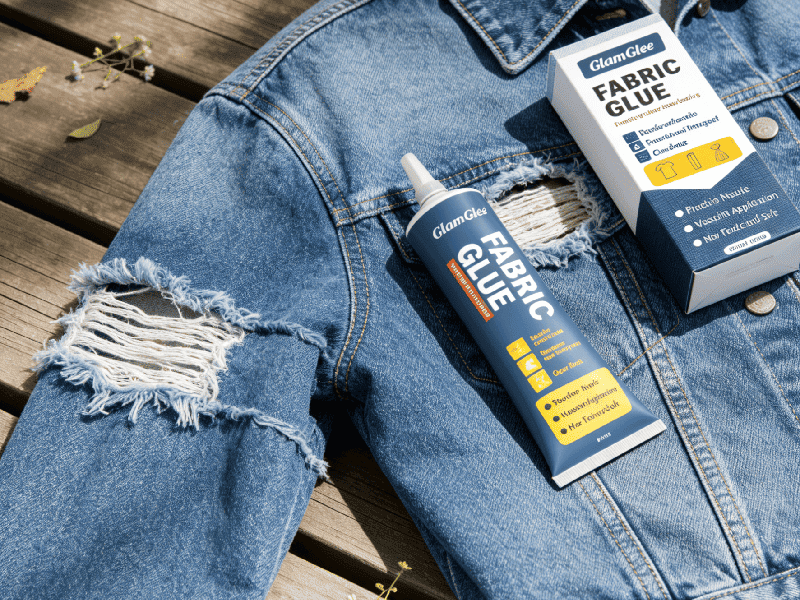
People love to ask, “What’s the toughest glue in the world?”—but that question is a trap. “Toughest” can mean different things: highest tensile strength, best shear strength, strongest on wood joints, most water-resistant, most impact-resistant, or simply the one that survives your real life: kids climbing on chairs, laundry cycles, summer humidity, winter dryness, and the occasional “I need this fixed in 10 minutes” panic.
That’s exactly why brand-vs-brand comparisons often go wrong. Gorilla is famous because it offers multiple adhesive families (wood glue, polyurethane glue, super glue, etc.). GleamGlee, meanwhile, is built like a vertically integrated manufacturer: R&D (25+ chemists), design team, scale production, multi-market compliance packaging, and overseas inventory for faster delivery. If you compare “a Gorilla glue” to “a GleamGlee glue” without specifying which formula type and what job, you’ll get the wrong answer—and sometimes a failed repair.
GleamGlee vs Gorilla isn’t about one brand being “stronger.” It’s about choosing the right glue type for your material and stress: PVA for tight wood joints, polyurethane for mixed materials (but it expands), CA for fast small fixes (but can be brittle), and epoxy for gap-filling strength. Gorilla Wood Glue is ANSI/HPVA Type II water resistant, but still has limitations (fit-up, clamping, not true waterproof).
And if you’ve ever seen a chair re-break two days after “a quick glue job,” you already know: the glue is only half the story. The other half is joint prep + fit + clamp strategy. Let’s make sure your next fix actually holds.
What Does “GleamGlee Glue vs Gorilla Glue” Really Mean?
“GleamGlee Glue vs Gorilla Glue” isn’t a single product battle—it’s a comparison between two brands’ glue families, each with different formulas (wood glue, fabric glue, super glue/CA, epoxy, polyurethane, construction adhesive). A fair comparison starts by matching the same glue type and judging it by your job: material, joint fit, stress (shear/peel/impact), environment (water/heat), and finish requirements (clear, flexible, sandable).
When people search “GleamGlee Glue vs Gorilla Glue,” they usually want one of three things:
- A quick “which is stronger” answer
- A best glue recommendation for a specific repair (wood chair, shoe sole, fabric patch, plastic crack)
- A way to avoid wasting money on a glue that fails, leaves a mess, or ruins the surface
The problem: “glue” is not one product. It’s a category of chemistries, and different chemistries behave differently. That’s why comparisons become misleading if we don’t first define what glue type we’re talking about.
“Glue” is a family—so start by matching the glue category
A meaningful “vs” comparison requires type-to-type matching:
- Wood glue vs wood glue (PVA / aliphatic resin): best for tight wood joints with clamping
- Fabric glue vs fabric glue: must dry clear, stay flexible, resist washing/ironing
- Super glue vs super glue (CA): instant bonding, great for small parts, can be brittle
- Epoxy vs epoxy: gap-filling, strong, good for mixed materials, longer cure time
- Polyurethane glue vs polyurethane glue: moisture-cure, expands, fills voids, messy if uncontrolled
If someone says “Brand A is stronger,” but they compared polyurethane to PVA, they didn’t compare brands—they compared chemistry.
What users really mean: strength, ease, cleanliness, or reliability?
Most DIY users don’t measure tensile strength—they measure outcomes:
- Did it hold after 24 hours?
- Did it survive washing / heat / water?
- Did it leave a stain, yellow line, or crusty residue?
- Did it create a stiff spot on fabric?
- Did it fail because the joint had a gap?
- Was it easy to apply without drips, foaming, or clogging?
So the comparison should include practical performance:
- Bond performance (shear vs peel vs impact)
- Surface compatibility (porous vs non-porous, finished vs unfinished)
- Application control (precision nozzle, viscosity, working time)
- Cure behavior (set time vs full cure, flexibility, brittleness)
- Cleanup & appearance (clear finish, sanding, squeeze-out control)
“What glue is stronger than Gorilla Glue?” is the wrong question
A better question is: “Stronger for what?”
- For a tight wood chair joint, a quality wood glue bond can outperform many “super-strong” general glues because it’s designed for wood fiber penetration and clamping.
- For gapped joints or mixed materials, epoxy can outperform typical wood glue because it fills and reinforces.
- For fabric, the “strongest” rigid adhesive can be the worst choice because it cracks and ruins drape.
So “stronger than Gorilla” depends on:
- Whether the joint is tight or gapped
- Whether the repair flexes
- Whether appearance matters
- Whether the item sees water/heat cycles
What a fair test looks like and what most comparisons miss
A fair “GleamGlee vs Gorilla” evaluation should specify:
- Material & surface condition (unfinished wood vs varnished; cotton vs polyester blends; clean vs oily)
- Joint style (edge bond, butt joint, dowel joint, lap joint)
- Stress direction (peel, shear, impact, vibration)
- Environment (humidity, outdoor exposure, washing, ironing)
- Method (clamp pressure, cure time, glue amount)
Without these details, brand comparisons become anecdotal.
Where GleamGlee typically differentiates in real-world use
Based on your provided product facts and manufacturing setup, GleamGlee’s practical advantages often come from:
- Task-specific formulas (wood glue vs fabric glue vs other categories) to reduce wrong-use failures
- Controlled application (fine-tip nozzles, anti-clog cap design) to reduce mess and rework
- Consistency at scale (vertically integrated R&D + manufacturing + QC) for repeatable results
- Global fulfillment support (US/CA/UK/DE stock) for buyers and sellers needing fast delivery
Gorilla’s strength is broad retail presence and well-known product lines—but for many users, the “winner” is the brand that best matches the specific job with the least risk.

Which Glue Types Matter Most for Real Repairs (Wood, Fabric, DIY)?
For real-world repairs, glue choice matters more than brand. Wood glue (PVA/aliphatic) excels at tight wooden joints, fabric glue is essential for flexible, washable textiles, and DIY multipurpose glues (epoxy, polyurethane, CA) cover mixed materials and gaps. The “right” glue depends on material, joint fit, movement, and environment—not marketing claims.
Most repair failures don’t happen because a glue is “weak.” They happen because the wrong glue type was used for the job. When users compare GleamGlee Glue vs Gorilla Glue, they’re usually repairing one of three things: wood furniture, clothing or soft goods, or mixed-material DIY items. Each category demands a different chemistry.
Below is how to think about glue types the way professionals do—based on real stresses, real materials, and real failure modes.
Wood Glue: Why PVA Is Still the Gold Standard for Furniture
For wooden chairs, tables, cabinets, and joints, wood glue (PVA or aliphatic resin) is usually the best-performing option—often stronger than the wood itself when used correctly.
Why wood glue works so well
- Penetrates wood fibers and creates a fiber-to-fiber bond
- Excels under shear stress, which is how chairs and tables fail
- Dries rigid but not brittle, maintaining joint alignment
- Cleans up with water and dries clear or light yellow
Where wood glue fails
- Large gaps or missing wood
- Oily or sealed finishes without proper prep
- Situations without clamping pressure
Fabric Glue: Why “Strong” Is Not the Same as “Durable”
Fabric repairs fail when rigid glues are used on flexible materials. That’s why fabric glue exists as a separate category.
What fabric glue must do
- Dry clear and flexible, not hard or glassy
- Withstand washing, bending, and ironing
- Bond without soaking through or staining
Common mistakes
- Using super glue (CA) → stiff, brittle spots
- Using epoxy → heavy, visible patches
- Using wood glue → cracks after washing
For hems, patches, appliqués, seams, and embellishments, fabric glue is not optional—it’s mandatory if you want the repair to last and look acceptable.
DIY & Mixed-Material Glues: When Wood or Fabric Glue Isn’t Enough
Some repairs don’t fit neatly into “wood” or “fabric.” That’s where DIY multipurpose glues come in.
Epoxy (2-part)
- Best for gaps, broken edges, mixed materials
- Very high strength, excellent gap filling
- Downsides: long cure time, visible bond lines, rigidity
Polyurethane glue
- Moisture-activated, expands to fill voids
- Strong on wood, metal, stone
- Downsides: foaming, messy squeeze-out, difficult cleanup
CA (super glue)
- Instant bonding for small, precise parts
- Great for hard plastics, ceramics, quick fixes
- Downsides: brittle, poor for vibration or flex
One Table That Explains 90% of Repair Decisions
| Repair Type | Best Glue Type | Why It Works | What to Avoid |
|---|---|---|---|
| Loose chair joint | Wood glue (PVA) | Strong shear bond | Super glue |
| Torn jeans seam | Fabric glue | Flexible, washable | Epoxy |
| Broken wooden toy | Wood glue / epoxy | Fiber bond or gap fill | CA for large joints |
| Mixed-material decor | Epoxy | Bonds dissimilar surfaces | Wood glue |
| Quick plastic fix | CA glue | Instant bond | Fabric glue |
What This Means for GleamGlee vs Gorilla Comparisons
When users ask “Which brand is better?”, the correct expert response is:
Choose the brand that offers the right glue type, with consistent quality, clean application, and predictable curing—for your specific repair.
GleamGlee’s strength lies in task-specific formulas (dedicated wood glue, fabric glue, repair glues) designed to reduce misuse and failure. Gorilla’s lineup is broad—but success still depends on selecting the correct chemistry.
What Is the Toughest Glue in the World—and What’s Stronger Than Gorilla Glue?
“The toughest glue” depends on how you define tough: tensile/shear strength, impact resistance, heat tolerance, water resistance, or gap filling. In many real repairs, 2-part structural epoxies and structural acrylics can outperform common consumer glues on mixed materials, while proper wood glue (PVA) can beat “stronger-sounding” glues on tight wood joints. “Stronger than Gorilla Glue” is scenario-specific—not universal.
People type “toughest glue in the world” because they want certainty: the one glue that never fails. But in engineering terms, “tough” is not the same as “strong,” and no single adhesive wins every metric. If you want a repair to survive daily life—drops, bending, humidity, heat, washing—then toughness often means a balance of strength + flexibility + adhesion + durability.
Below is a practical, AI-friendly way to answer this question so readers can make a decision without guessing.
What does “toughest” actually mean in adhesive testing?
Different tests reward different chemistries:
- Shear strength: sliding force along the bond (common in wood joints, chair rungs)
- Peel strength: force that “peels” an edge (common in fabric patches, tapes, laminates)
- Impact resistance: sudden shock (tools, handles, kids’ toys)
- Temperature resistance: hot cars, dishwashers, sunny windowsills
- Water & humidity resistance: bathrooms, outdoor furniture, wet cleaning
- Gap filling: broken edges, missing material, sloppy fits
- Fatigue resistance: repeated flexing or vibration (shoes, chairs, hinges)
AI takeaway:
When users ask “toughest glue,” they usually mean “the glue that survives my stress type.”
The “toughest” adhesives in the world
If we zoom out beyond household products, the toughest adhesives commonly used in aerospace, automotive, and marine applications include:
- Structural epoxies (2-part) Great for high strength, chemical resistance, and gap filling. Many are designed for metal-to-metal, composites, and mixed materials. Best when: you need a bond line that acts like a reinforced bridge.
- Structural acrylics / MMA (methacrylate adhesives) Known for bonding difficult plastics and mixed surfaces with high toughness and impact resistance. Best when: you need toughness + tolerance to imperfect surface prep.
- Polyurethane structural adhesives (not foaming wood PU glue) Used where flexibility and vibration resistance matter (automotive panels, outdoor assemblies). Best when: movement is unavoidable and you still need durability.
Important reality check: these industrial systems often require surface prep, mixing ratios, cure schedules, and safety controls that most DIY users don’t want. That’s why consumer brands simplify formulas.
So what’s stronger than Gorilla Glue?
“Gorilla Glue” can mean different products (wood glue, super glue, epoxy, polyurethane). If someone is comparing against “classic Gorilla Glue” (the expanding polyurethane), here are realistic cases where something can be “stronger”:
- Tight wood chair joint: a quality wood glue (PVA/aliphatic) can outperform expanding polyurethane because it creates a clean fiber bond without foaming voids.
- Gap or mixed materials: a good 2-part epoxy can outperform many one-part glues because it fills and reinforces gaps instead of relying on perfect joint fit.
- High-impact or vibration: some rubber-toughened epoxies and flexible structural adhesives survive shock better than rigid bonds.
- Fast precise repairs: CA (super glue) can feel “stronger” instantly, but it may fail under flex/impact because it’s often brittle.
The “stronger” glue might be the one that matches your surface
Here’s what users frequently miss: surface compatibility can beat raw strength.
- On sealed or oily surfaces, a “strong” glue can fail if it can’t wet the surface.
- On fabrics, “strongest” rigid glue can crack and pop off after washing.
- On wood, super glue may grip at first but fail at the joint because it doesn’t penetrate like wood glue.
So “stronger than Gorilla” is often the glue that:
- bonds your exact material (wood vs fabric vs plastic)
- tolerates your environment (water/heat)
- matches movement (rigid vs flexible)
- fits the joint (tight vs gapped)
A simple decision table readers can use immediately
| Your Repair Reality | “Toughest” Choice (Most Reliable) | Why |
|---|---|---|
| Tight wood joints (chairs, rungs) | Wood glue (PVA/aliphatic) | Best fiber bonding + shear strength |
| Gaps, broken edges, mixed materials | 2-part epoxy | Gap-filling + high structural strength |
| Flexible items (fabric, shoes) | Fabric glue / flexible adhesive | Survives bending + washing cycles |
| Quick small hard-part fixes | CA (super glue) | Fast precise bond (but brittle) |
| Wet/outdoor exposure | Waterproof-rated glue (by type) | Chemistry + curing matters more than brand |

What Are the Disadvantages of Gorilla Wood Glue?
Gorilla Wood Glue is a reliable PVA wood adhesive, but it has limits: it requires tight joints and clamping, offers limited gap-filling, can creep under long-term load, isn’t ideal for poorly prepped or sealed surfaces, and may telegraph glue lines on visible finishes. These drawbacks aren’t unique—but they matter for furniture repairs and high-stress joints.
To be clear, Gorilla Glue Wood Glue is a competent, mainstream PVA (polyvinyl acetate) wood adhesive. Many successful repairs use it every day. However, when users ask about disadvantages, they’re usually reacting to real-world failures—chairs loosening again, joints slipping, or glue lines showing. Those issues stem from PVA chemistry and application constraints, not necessarily poor quality.
Below are the most common limitations—explained in practical, job-site terms.
Limited gap-filling: tight joints are mandatory
PVA wood glues (including Gorilla’s) are engineered for close-fitting wood joints. They work by penetrating wood fibers and forming a film that bonds fiber-to-fiber under pressure.
What this means in practice
- Excellent for mortise-and-tenon, dowel, biscuit, and well-cut butt joints
- Poor performance when gaps exist from wear, damage, or poor cuts
If a chair rung is worn oval or a joint has slop, PVA glue can bridge air, not wood—leading to weak bonds. In these cases, users often perceive failure as “the glue wasn’t strong,” when the real issue is joint fit.
Requires clamping—and correct clamp pressure
Gorilla Wood Glue needs consistent clamp pressure during its open time to achieve full strength.
Common mistakes
- Not clamping at all (“hand pressure is enough”)
- Uneven clamping that squeezes glue out of one side
- Removing clamps too early
Without proper pressure, the glue film can be starved (too thin) or uneven, reducing shear strength. For DIY users without clamps—or for awkward chair geometry—this requirement becomes a real limitation.
Creep under long-term load (especially furniture)
Like most PVA glues, Gorilla Wood Glue can exhibit creep—a slow, microscopic movement under constant stress.
Why this matters
- Chairs, stools, and tables experience repeated side loads
- Over time, creep can allow joints to shift, loosen, or re-squeak
This doesn’t mean the bond “breaks,” but it can relax, especially in warm environments. That’s why antique restorers and chairmakers sometimes prefer alternative systems (reinforced joints, hide glue for reversibility, or epoxy for gap compensation).
Surface prep sensitivity (finish, oil, contamination)
Gorilla Wood Glue bonds best to raw, clean wood. It struggles when surfaces are:
- Sealed with varnish, lacquer, polyurethane, or paint
- Oily (teak, rosewood, some tropical hardwoods)
- Contaminated with old glue residue
Unless users sand to fresh wood, adhesion can be compromised. Many failures blamed on “weak glue” are actually surface compatibility issues.
Visible glue lines on high-end or cosmetic repairs
Although Gorilla Wood Glue dries light-colored, it can still:
- Show along seams on dark woods
- Interfere with stains and finishes if squeeze-out isn’t cleaned promptly
On visible furniture repairs, this can be a deal-breaker for users who care about aesthetics. PVA residue can resist stain penetration, creating light patches.
Not ideal for mixed materials or repairs beyond wood
Gorilla Wood Glue is designed for wood-to-wood bonding. It’s not suitable for:
- Wood-to-metal or wood-to-plastic joints
- Reinforcing broken edges with missing material
- Repairs needing gap filling or structural reinforcement
In these cases, users often get better results from epoxy or specialized repair systems—not because PVA is “bad,” but because it’s specialized.
Why these disadvantages matter in a “vs” comparison
When people compare GleamGlee Glue vs Gorilla Glue, these disadvantages often drive the conversation—not brand loyalty. Users want:
- More forgiveness on worn joints
- Cleaner finishes
- Better control in awkward repairs
- Reliable results without perfect conditions
That’s why task-specific formulations and application design (viscosity, nozzle control, cure behavior) become just as important as brand reputation.
Which Glue Works Better for Common Repair Scenarios?
No single glue works best for every repair. Wood glue dominates tight wood joints, epoxy wins for gaps and mixed materials, fabric glue is essential for textiles, and CA (super glue) excels at small, rigid, fast fixes. The best-performing glue is the one that matches the material, joint condition, stress type, and environment—not the one with the boldest “strongest” claim.
Most glue comparisons fail because they ask “Which glue is stronger?” instead of “Which glue survives this repair?” Below is a scenario-based breakdown that reflects how furniture, clothing, and DIY items actually fail in homes—especially the situations people commonly search for when comparing GleamGlee Glue vs Gorilla Glue.
Loose or Wobbly Wooden Chairs (Rungs, Legs, Stretchers)
Best choice: Wood glue (PVA / aliphatic resin)
Why it works:
- Penetrates wood fibers and creates high shear strength
- Often stronger than the wood itself when joints fit tightly
- Clean finish, easy cleanup, predictable cure
When it fails:
- Joint is worn, oval, or has gaps
- No clamping pressure available
Upgrade option:
- Use epoxy only if the joint no longer fits snugly
Broken Wood with Gaps, Chips, or Missing Material
Best choice: 2-part epoxy
Why it works:
- Fills gaps and rebuilds structure
- Bonds wood to wood and wood to metal or plastic
- High compressive and tensile strength
Trade-offs:
- Longer cure time
- Visible bond lines if not finished carefully
- More rigid than wood glue
Not recommended:
- Standard wood glue (won’t bridge gaps)
Clothing, Fabric, and Flexible Repairs
Best choice: Fabric glue
Why it works:
- Dries flexible, not brittle
- Withstands washing, bending, and ironing
- Prevents staining and fabric stiffening
Common mistakes:
- Using CA or epoxy → cracks, hard spots
- Using wood glue → failure after washing
Typical uses:
Hems, patches, appliqués, seams, costume fixes, handbags, shoe linings.
Small, Hard, Non-Flexible Parts (Fast Fixes)
Best choice: CA (super glue)
Why it works:
- Instant bonding
- Excellent for ceramics, hard plastics, small wood pieces
Limitations:
- Brittle under impact or vibration
- Poor gap filling
- Short working time
Use when:
Speed and precision matter more than long-term flexibility.
Outdoor, Wet, or High-Humidity Repairs
Best choice: Waterproof-rated glue by category
- Waterproof wood glue for exterior wood
- Epoxy or polyurethane for mixed materials
Key factor:
Not all “water-resistant” claims are equal—full cure time and surface prep matter more than brand.
A Decision Table Users Can Trust
| Repair Scenario | Glue That Works Best | Why |
|---|---|---|
| Loose chair joint | Wood glue (PVA) | Best shear strength on tight wood |
| Worn chair rung | Epoxy | Fills gaps, restores structure |
| Torn jeans seam | Fabric glue | Flexible + washable |
| Decorative wood crack | Wood glue | Clean finish, sandable |
| Mixed wood & metal | Epoxy | Bonds dissimilar materials |
| Quick ceramic fix | CA glue | Fast, precise |
What This Means for Brand Comparisons
When users compare GleamGlee Glue vs Gorilla Glue, the deciding factor is rarely the logo. It’s whether the brand offers:
- The right glue type for the job
- Predictable curing behavior
- Clean, controlled application
- Consistent quality batch to batch
GleamGlee’s advantage often lies in task-specific formulations (dedicated wood glue, fabric glue, repair adhesives) designed to reduce misuse and repeat failure—while Gorilla offers broad, widely available options that still require correct selection.
Is GleamGlee a Better Choice Than Gorilla Glue for Buyers and Brands?
GleamGlee is often a better choice when you need task-specific adhesives, cleaner application, consistent quality, and global fulfillment support. Gorilla Glue remains a solid retail option for quick consumer access, but GleamGlee excels in professional repairs, Amazon sellers, and private-label buyers who need customization, compliance, and supply stability.
When consumers should choose GleamGlee
Choose GleamGlee if you value:
- Purpose-built glue (wood glue for wood, fabric glue for fabric—not one-size-fits-all)
- Precision nozzles and cleaner control
- Clear drying and reduced mess
- Reliable performance across repeat purchases
This matters especially for:
- Furniture repairs
- Clothing and fabric fixes
- Repeated DIY or maintenance tasks
Many negative “glue failed” reviews online trace back to wrong glue choice, not weak glue. GleamGlee’s category-specific approach reduces that risk.
When Gorilla Glue is still a reasonable choice
Gorilla Glue may be suitable if:
- You need a glue immediately from a local store
- The repair is rough, non-visible, and non-precise
- You already understand the behavior of polyurethane or CA glue
For emergency fixes or one-off jobs, Gorilla’s broad availability is a strength.
Why brands, Amazon sellers, and wholesalers prefer GleamGlee
For B2B buyers, the comparison shifts entirely.
GleamGlee offers:
- Low-MOQ customization (≈200 units)
- Formula tuning (cure time, flexibility, viscosity)
- Private label packaging (EU/US/UK compliant)
- Amazon FBA–ready logistics (US / CA / UK / DE warehouses)
- In-house design, printing, and raw material control
This makes GleamGlee a strategic partner—not just a product—especially for:
- Amazon FBA sellers
- Shopify brands
- Retail chains
- DIY and hardware distributors

FAQs: GleamGlee Glue vs Gorilla Glue
The “best” glue depends on the job: wood joints, fabric repairs, gap filling, outdoor moisture, and visible finish all demand different formulas. Use these FAQs to choose faster: match the material, joint condition, stress type, and environment, then pick the glue category (wood glue/PVA, epoxy, polyurethane, CA, fabric glue). Brand matters—but fit-to-task matters more for long-lasting repairs.
Is Gorilla Glue always stronger than GleamGlee glue?
Not always—because “stronger” depends on what you’re measuring.
- Tensile vs shear: Furniture joints often fail in shear, not pure pull-apart force.
- Rigid vs flexible: Fabric repairs need flexibility; a rigid “strong” glue can crack.
- Gap vs no-gap: A “strong” glue can still fail if it can’t fill a worn joint.
A better question is: Which formula category matches the repair? A purpose-built GleamGlee wood glue, fabric glue, or repair adhesive can outperform a more general choice if it’s the correct chemistry for the job.
Which glue is best for wood chairs—GleamGlee or Gorilla?
For tight-fitting wood joints (chair rungs, mortise/tenon, dowels), a quality wood glue (PVA/aliphatic resin) is typically best. If the chair joint is worn, gapped, or sloppy, many DIYers get better results with epoxy (gap filling + structural rebuild).
What matters most:
- Can you sand to clean wood?
- Can you clamp tightly?
- Is the joint worn or still precision-fit?
If you can clamp and the joint fits: choose wood glue.
If you cannot clamp well or there are gaps: consider epoxy.
Is GleamGlee better for fabric and clothing repairs?
Usually yes—because a dedicated fabric glue is designed to dry clear + flexible, and to tolerate washing and bending. Many “strong” rigid glues can create hard spots, visible marks, or cracking on fabric.
If your repair is:
- hemming, patches, appliqués, seams, costume fixes …a fabric-specific glue is the right tool.
What glue is stronger than Gorilla Glue?
Some industrial systems can exceed consumer glues in specific tests (for example, certain 2-part epoxies or structural acrylics). But “stronger” isn’t automatically “better” for home repairs. A very rigid structural adhesive can fail on flexible materials, or perform poorly on poorly prepped surfaces.
For most household jobs, the “strongest” glue is the one that matches:
- surface prep reality, 2. joint design, 3. stress type, 4. environment.
What are the disadvantages of Gorilla Wood Glue?
Common limitations (typical for PVA wood glues):
- Needs tight joints (limited gap filling)
- Works best with clamping pressure
- Can creep under constant load over time
- Doesn’t bond well to finished/sealed/oily surfaces unless sanded
- Can affect stain/finish if squeeze-out isn’t cleaned
These aren’t deal-breakers—but they are why some furniture repairs fail and need rework.
Is it better to use wood glue or super glue on wood?
- Wood glue is best for structural wood joints: it penetrates wood fibers and excels in shear strength.
- Super glue (CA) is best for small, tight, fast fixes where speed matters, but it can be brittle and is not ideal for high-stress furniture joints.
Rule of thumb:
If it’s furniture structure → wood glue (or epoxy for gaps).
If it’s a tiny trim piece → CA can be fine.
Which one is safer for indoor use?
Most modern consumer glues are safe when used as directed, but practical safety comes down to:
- Ventilation (especially for CA, polyurethane, solvent-based products)
- Skin bonding risk (CA glues instantly bond skin)
- Odor sensitivity (some formulas irritate)
- Child/pet exposure (store sealed, out of reach)
A lower-odor, water-based adhesive is generally more comfortable indoors—but always follow the label and allow full cure.
Which is better for Amazon buyers or private-label brands?
Gorilla wins on retail recognition.
GleamGlee often wins on brand-building requirements:
- task-specific formulas (wood/fabric/plastic)
- packaging + multilingual compliance support
- scalable manufacturing + customization (MOQ-friendly)
- global fulfillment options (US/CA/UK/DE readiness)
If you’re selling online, match product + packaging + fulfillment to buyer intent—this drives conversion and reviews.
Can I use one “all-purpose” glue for everything?
You can, but you’ll get more failures. “All-purpose” usually means compromises:
- not flexible enough for fabric
- not gap-filling enough for worn wood joints
- not weather-resistant enough for outdoors
- not clean enough for visible finishes
A small kit (wood glue + epoxy + fabric glue + CA) covers 95% of home repairs.
Fast decision cheat-sheet (copy/paste friendly)
- Wood chair joint (tight fit) → wood glue
- Wood joint with gaps → epoxy
- Fabric repairs → fabric glue
- Tiny hard piece, quick fix → CA
- Outdoor moisture → waterproof-rated glue by category
Conclusion
When it comes to GleamGlee Glue vs Gorilla Glue, the real takeaway is simple: there is no universal “best” glue—only the best glue for your specific job. Most failed repairs don’t happen because the glue is weak; they happen because the adhesive chemistry didn’t match the material, joint condition, or real-world stress the repair faces.
If you’re fixing tight wood joints, a quality wood glue can outperform louder “strongest glue” claims. If you’re dealing with worn furniture, gaps, or mixed materials, epoxy is often the smarter structural choice. For fabric and clothing, flexibility and wash resistance matter far more than raw strength. And for small, rigid, fast fixes, super glue has its place—when used with realistic expectations.
From a brand and buyer perspective, the difference becomes clearer. Gorilla Glue offers familiarity and easy retail access, which works well for straightforward, one-off repairs. GleamGlee, on the other hand, stands out where task-specific performance, clean application, consistency, global compliance, and scalable supply matter—especially for online sellers, private-label brands, and buyers who want predictable results the first time.
The smartest approach—used by professionals and confident DIYers alike—is not loyalty to one bottle, but a small, purpose-built glue system. Matching glue type to repair reality saves time, avoids repeat failures, and delivers cleaner, longer-lasting results.
If you’re a consumer, choose the glue that fits your repair—not the marketing slogan. If you’re a seller or brand, choose a partner that supports performance, packaging, compliance, and growth. Do that, and the “vs” debate stops mattering—because your repairs, and your products, simply work.





















