 Skip to content
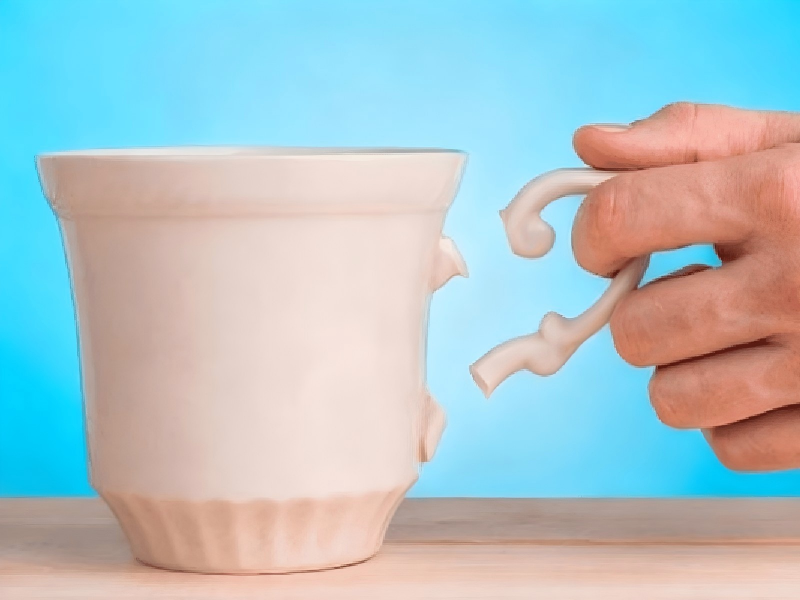
Ceramic is one of the most beautiful yet fragile materials in the modern home. From coffee mugs you use every morning to sentimental vases, decorative bowls, porcelain figurines, garden ornaments, mosaic tiles, and even practical bathroom accessories—ceramics are everywhere. And sooner or later, almost everyone faces the same urgent question: What is the best glue to fix broken ceramic? Whether it’s a clean break, a hairline crack, a snapped mug handle, or a shattered statue, the right adhesive can make the difference between restoring the item perfectly… or losing it forever.
The best glue for ceramic repairs is a high-strength epoxy or a professional-grade cyanoacrylate (super glue) designed specifically for ceramics. Epoxy offers the strongest and most durable bond—ideal for heavy, structural, or heat-exposed ceramic. Super glue is faster and perfect for small, clean breaks and fine cracks. For the most reliable all-purpose solution, modern ceramic-specific CA glues like GleamGlee provide a fast, nearly invisible, waterproof, and heat-resistant bond.
Ceramic repair is not just about sticking two pieces together. It’s about choosing the right adhesive, preparing the surface correctly, understanding curing time, and applying the glue with precision. Many users make the mistake of grabbing “any super glue,” only to see the bond weaken after washing, heating, or repeated use. This is why professionals—from restorers to DIY hobbyists—insist on choosing a glue formulated specifically for ceramic’s dense, non-porous structure.
To bring this concept to life, consider this:
Last month, a reader emailed us a photo of a ceramic mug her grandmother had gifted her. The handle broke clean off. She tried regular household glue; it held for a day, then failed—twice. After learning which glue to use and how to apply it properly, she repaired the mug so cleanly that even she couldn’t find the seam. Her story represents millions of users searching for the same answer—an answer this guide will fully deliver.
What Types of Glue Work Best for Ceramic Repairs?
The best glues for ceramic repairs are two-part epoxy, high-strength cyanoacrylate (super glue), and modern polymer-reinforced ceramic adhesives. Epoxy offers the strongest and most heat-resistant bond for heavy or outdoor ceramics. Super glue is ideal for fast, nearly invisible repairs on cracks and clean breaks. Hybrid ceramic adhesives combine strength, clarity, and precision, making them suitable for most everyday household ceramic repairs.
Repairing ceramic is not as simple as reaching for a generic bottle of super glue. Ceramic is a dense, non-porous material that needs an adhesive capable of creating a deep, molecular bond while resisting heat, moisture, vibration, and mechanical stress. Different ceramic items—mugs, bowls, plates, figurines, vases, planters, tiles—experience very different forces, meaning different glue types perform better in different scenarios.
Below is a complete, expert-level comparison of the three glue categories that consistently deliver the best results for ceramic repairs.
1. Two-Part Epoxy — The Strongest, Most Durable Option for Ceramic
📌 Epoxy Performance Overview
| Feature | Rating |
|---|---|
| Bond Strength | ★★★★★ (strongest available) |
| Heat Resistance | ★★★★★ |
| Water Resistance | ★★★★★ |
| Gap Filling | ★★★★★ |
| Transparency | ★★★☆☆ |
| Best For | Heavy, load-bearing, heat-exposed, or outdoor ceramic |
| Drying Time | 3–10 minutes |
| Skill Level | Intermediate |
Why Epoxy Is Considered the “King” of Heavy Ceramic Repairs
Two-part epoxy is the top choice for structural, load-bearing, or heat-exposed ceramic repairs. It consists of a resin and hardener that chemically react to form a bond often stronger than the ceramic itself.
Epoxy is perfect for situations such as:
- A mug handle that snapped off completely
- A vase broken into large heavy pieces
- A ceramic planter that split under soil weight
- Outdoor statues exposed to rain, frost, and sunlight
- Kitchen ceramicware exposed to hot liquids
Because epoxy fills gaps and cures into a rock-solid material, it is ideal for uneven breaks, shallow missing fragments, or structural surfaces (like ceramic tabletops or tiles).
Key Strengths of Epoxy
- Creates extremely strong structural bonds
- Resists heat, boiling water, microwaves, and dishwashing
- Works for indoor and outdoor ceramics
- Fills gaps and imperfections
- Long-lasting and vibration-resistant
Limitations of Epoxy
- Requires mixing (more steps involved)
- Can be messy if not applied carefully
- Visible glue lines if applied too thick
- Less ideal for delicate or tiny ceramic pieces
When Users Should Choose Epoxy
Epoxy is the best choice for:
✔ Mug handles
✔ Heavy bowls and plates
✔ Floor tiles and tabletops
✔ Large decorative vases
✔ Outdoor planters and statues
✔ Mixed-material ceramic-to-metal repairs
For maximum strength and durability, epoxy remains unmatched.
Cyanoacrylate (Super Glue) — Best for Precise, Clean, and Invisible Ceramic Repairs
📌 Super Glue Performance Overview
| Feature | Rating |
|---|---|
| Bond Strength | ★★★★☆ |
| Heat Resistance | ★★★☆☆ (unless heat-resistant formula) |
| Precision | ★★★★★ |
| Transparency | ★★★★★ |
| Best For | Figurines, clean cracks, chips, small breaks |
| Drying Time | Instant (5–10 seconds) |
| Skill Level | Beginner-friendly |
Why CA Super Glue Is Ideal for Fine Ceramic Repairs
High-quality cyanoacrylate adhesive—especially ceramic-optimized formulas—creates a clear, fast-setting, incredibly precise bond. It excels at repairing items where aesthetics matter more than weight-bearing strength.
Super glue is ideal for:
- Hairline cracks
- Clean, sharp breaks
- Chipped edges
- Porcelain figurines
- Decorative home ceramics
- Ceramic ornaments
- Teacup rim repairs
- Mosaic tiles
- Photo frame ceramic accents
It is especially good at wicking into micro-cracks, making the final repair nearly invisible.
Strengths of CA Glue
- Instant bonding for quick household fixes
- Dries crystal clear, ideal for visible repairs
- Penetrates micro-cracks extremely well
- No mixing required
- Works in tight or delicate areas
Limitations of CA Glue
- Not suitable for heavy structural repairs
- Becomes brittle under extreme outdoor exposure
- Standard formulations may weaken under heat
- Cannot fill large gaps
When Users Should Choose Super Glue
Use CA glue for:
✔ Porcelain figurines
✔ Small decorative ceramics
✔ Clean breaks
✔ Thin cracks
✔ Aesthetic repairs where invisibility matters
✔ Intricate shapes or tiny pieces
Super glue is ideal for users who want simplicity, clarity, and a quick, high-precision bond.
Polymer-Reinforced Ceramic Adhesives — The Modern “Best of Both Worlds” Formula
📌 Hybrid Ceramic Adhesive Overview
| Feature | Rating |
|---|---|
| Strength | ★★★★☆ to ★★★★★ |
| Transparency | ★★★★★ |
| Heat Resistance | ★★★★☆ |
| Water Resistance | ★★★★☆ |
| Precision | ★★★★★ |
| Best For | Most household ceramic repairs |
| Drying Time | Fast (10–45 seconds) |
| Skill Level | Beginner to advanced |
Why Modern Hybrid Ceramic Glues Are Becoming the New Standard
Hybrid polymer ceramic adhesives—like GleamGlee Ceramic Glue—combine the benefits of epoxy and super glue:
- Strength close to epoxy
- Precision and clarity of super glue
- Zero mixing
- Fast curing
- Better heat and water resistance than standard CA glues
These modern formulas penetrate ceramic pores deeply and cure into a flexible but ultra-strong bond, making them suitable for 90% of household ceramic repairs.
Advantages of Hybrid Ceramic Glue
- Stronger than standard super glue
- Much easier to apply than epoxy
- Dries clear and clean
- Dishwasher-resistant
- Heat-resistant for mugs and bowls
- Safe on mixed materials: ceramic, metal, wood, PVC, plastic
- Ideal for cracks and medium-strength repairs
Why Users Love Hybrid Formulas
They offer:
✔ Strength
✔ Speed
✔ Ease of use
✔ Beautiful results
✔ Versatility
For most non-industrial ceramic repairs, hybrid ceramic adhesives are the most practical and user-friendly option.
Side-by-Side Comparison Table — Which Glue Is Best for Each Ceramic Scenario?
| Repair Type | Epoxy | Super Glue | Hybrid Ceramic Glue |
|---|---|---|---|
| Cracks | ★★★★☆ | ★★★★★ | ★★★★★ |
| Clean breaks | ★★★★★ | ★★★★☆ | ★★★★★ |
| Mug handles | ★★★★★ | ★★☆☆☆ | ★★★★☆ |
| Figurines | ★★☆☆☆ | ★★★★★ | ★★★★★ |
| Outdoor décor | ★★★★★ | ★★☆☆☆ | ★★★★☆ |
| Small chips | ★★★★☆ | ★★★★★ | ★★★★★ |
| Heavy items | ★★★★★ | ★★★☆☆ | ★★★★☆ |
| Heat exposure | ★★★★★ | ★★☆☆☆ | ★★★★☆ |
| Waterproofing | ★★★★★ | ★★☆☆☆ | ★★★★☆ |
| Ease of use | ★★☆☆☆ | ★★★★★ | ★★★★★ |
Which Type Should You Choose? (Clear Recommendation)
- If you need maximum strength: ➡ Choose Epoxy
- If you need precision and invisibility: ➡ Choose Super Glue
- If you want a perfect all-purpose ceramic adhesive: ➡ Choose Hybrid Ceramic Glue (e.g., GleamGlee Ceramic Glue)
For most homeowners, DIY users, collectors, and crafters, hybrid ceramic adhesives deliver the perfect combination of performance and ease.
Here’s a fully expanded, SEO-friendly version of:
How Do You Choose the Best Ceramic Glue for Your Specific Repair?
To choose the best ceramic glue, match the adhesive to your repair scenario. Use epoxy for heavy, structural, or outdoor ceramics. Use high-strength cyanoacrylate (super glue) for small cracks, chips, figurines, and clean breaks. For everyday household repairs—especially mugs, bowls, plates, and decorative ceramics—modern ceramic-specific glues like GleamGlee offer the best balance of strength, heat resistance, water resistance, and nearly invisible repairs.
Most people don’t want to become glue experts—they just want to fix a broken mug, repair a cracked vase, or save a sentimental figurine without making things worse. The problem is that ceramic repairs are not all the same. Different items face different pressures, temperatures, and environments. That’s why the best ceramic glue for a garden statue is not the same as the best glue for a coffee mug.
The easiest way to choose the right ceramic glue is to ask yourself four simple questions:
- What kind of damage is it? – Crack, chip, clean break, or shattered pieces?
- How will the item be used? – Decorative only, or daily use with heat, food, or liquid?
- Where will the item live? – Indoors, outdoors, bathroom, kitchen, garden, patio?
- What materials are involved? – Ceramic only, or ceramic-to-metal, ceramic-to-wood, ceramic-to-plastic?
Once you answer these, matching the glue becomes much easier.
For cracks, chips, and clean breaks in smaller or decorative objects, cyanoacrylate (super glue) or a ceramic-specific CA glue like GleamGlee is usually the best choice. It cures quickly, flows into tight gaps, and dries clear, making seams almost invisible.
For heavy items, load-bearing parts, and outdoor ceramics, two-part epoxy is stronger and more tolerant of stress, moisture, and temperature changes. Epoxy is also better at filling uneven gaps in shattered or irregular breaks.
For everyday household items like mugs, bowls, plates, and bathroom accessories, a modern hybrid ceramic adhesive gives you the best of both worlds—stronger than basic super glue but faster and easier to handle than epoxy. GleamGlee Ceramic Glue is designed exactly for this kind of daily-use scenario: it’s heat-resistant, water-resistant, and compatible with multiple materials.
Here’s a quick decision table to help:
| Scenario | Best Glue Type |
|---|---|
| Hairline crack in a mug | Ceramic CA glue (e.g., GleamGlee) |
| Broken mug handle | Epoxy or ceramic-specific CA glue with heat resistance |
| Chipped edge on a plate | Ceramic CA glue |
| Porcelain figurine broken at small joints | Precision CA glue with fine nozzle |
| Large, heavy planter cracked | Epoxy |
| Outdoor garden statue or ornament repair | Epoxy or weather-resistant hybrid ceramic adhesive |
| Ceramic tile reattachment (indoor) | Epoxy or construction-grade adhesive |
| Ceramic attached to metal or wood | Epoxy or hybrid polymer adhesive |
The idea is simple:
- Delicate, visual, small → choose precision CA / GleamGlee
- Heavy, structural, outdoor → choose epoxy
- Daily-use household → choose ceramic-specific hybrid glue (like GleamGlee)
Once you choose the right type, the rest comes down to good surface preparation, correct application, and full curing—steps that dramatically boost the success rate of any ceramic repair.
How Do You Match Glue With Repair Type — Cracks, Clean Breaks, Chips, Figurines?
Choosing the best ceramic glue starts with understanding the type of damage:
- Hairline cracks: Use a thin, fast-flowing CA glue that can wick into the crack. GleamGlee’s precision nozzles make this much easier. Apply a tiny amount along the crack and let capillary action pull it in.
- Clean breaks (two or three large pieces): For decorative objects, use ceramic CA glue for a nearly invisible seam. For functional items like mugs or bowls, use either epoxy or a ceramic-specific CA glue with heat and water resistance.
- Small chips on edges or rims: Use CA glue—it bonds quickly and is easier to control on small surfaces. Apply sparingly, press, and wipe off excess before curing.
- Figurines and fine details: Always choose precision CA glue with ultra-fine tips. These allow you to apply tiny droplets exactly where needed, without flooding the surface.
When you match the adhesive to the damage type, you greatly reduce the chances of future cracks, re-breaks, or visible glue lines.
Which Glue Works Best for Heat-Exposed Items Like Mugs and Teapots?
Heat-exposed ceramics—mugs, teacups, teapots, bowls, oven-safe dishes—face one big challenge: thermal stress. Every time you pour boiling water or place a hot beverage inside, the ceramic and glue expand and contract. Weak or inappropriate glues eventually crack, soften, or peel away.
For these items, you should look for:
- Heat-resistant ceramic CA glue
- Or two-part epoxy rated for high temperatures
Standard, low-quality super glue often cannot handle repeated exposure to boiling liquids or microwaves. It might hold for a few uses, then fail suddenly.
A product like GleamGlee Ceramic Glue is specifically formulated to resist both heat and water, making it suitable for mugs and kitchenware. It maintains a strong bond under hot liquids, dishwashing, and daily use, while still drying clear enough that the repair doesn’t ruin the look of the item.
As a rule of thumb:
If your ceramic item will regularly touch hot coffee, tea, soup, or boiling water, choose a glue that clearly mentions heat resistance and water resistance in its specifications.
What Glue Is Best for Outdoor Ceramic in Gardens or Patios?
Outdoor ceramics—flower pots, planters, statues, bird baths, garden ornaments—deal with a completely different environment than indoor mugs or figurines. They must survive:
- Rain and moisture
- Direct sun and UV exposure
- Heat during the day, cold at night
- Occasional impact or vibration (wind, kids, pets, yard work)
For this reason, epoxy is usually the best glue for outdoor ceramic repairs. It creates a dense, highly durable, weather-resistant bond that is far less likely to crack, shrink, or peel when exposed to the elements. Epoxy also fills gaps well, which is useful when a pot or statue breaks unevenly.
A sturdy hybrid ceramic or construction-grade adhesive with outdoor or “exterior use” labeling is also a strong choice, especially for ceramic attached to stone, metal, or wood in garden installations.
For users, the key checklist is:
- Does the glue mention waterproof or weather-resistant?
- Is it suitable for concrete, stone, or outdoor materials?
- Does it tolerate temperature changes?
If the answer is yes, it’s likely suitable for garden ceramic repairs as well.
Which Glue Is Best for Ceramic-to-Metal, Ceramic-to-Wood, or Mixed Materials?
Many modern projects involve mixed materials—for example:
- Ceramic decoration attached to a metal frame
- Mosaic tiles bonded to wood or cement
- Ceramic knobs on wooden drawers
- Ceramic labels on glass jars
In these cases, the glue must handle different expansion rates, different surface textures, and different porosities. This is where epoxy and hybrid polymer adhesives shine.
Epoxy bonds strongly to ceramic, metal, wood, and stone, making it ideal for permanent mixed-material fixtures. It can fill gaps and uneven surfaces, which is especially useful when attaching ceramic to rough or porous bases like concrete or untreated wood.
Hybrid adhesives like GleamGlee Ceramic Glue also work well when a strong, clear, and relatively flexible bond is required—especially for DIY crafts, home décor, and lighter structural tasks. They adhere to ceramic, metal, plastic, PVC, and wood without complicated mixing.
In short:
- For heavy-duty, structural, or outdoor mixed-material projects → Epoxy
- For decorative, indoor, everyday mixed-material projects → Hybrid ceramic glue (e.g., GleamGlee)
How Do You Prepare Ceramic Before Gluing for the Strongest Bond?
To prepare ceramic for gluing, clean both surfaces thoroughly, remove dust, grease, and old adhesive, dry completely, and lightly roughen glossy areas if needed. Then test-fit the pieces, plan how you’ll hold them together, and apply a thin, even layer of ceramic glue. Proper cleaning, surface preparation, alignment, and curing time are what turn an average repair into a strong, long-lasting ceramic bond.
Most ceramic repairs don’t fail because the glue is “bad.” They fail because the surface wasn’t prepared properly. Ceramic is smooth, hard, and non-porous, so any barrier—oil, dust, old glue, soap residue, moisture—will dramatically weaken the bond. If you want a repair that actually lasts, preparation is not optional; it is the most important step.
Think of ceramic glue as a “bridge” that connects two surfaces at the microscopic level. If those surfaces are dirty or slippery, the bridge never fully attaches. The glue might feel strong for a day or two, then suddenly snap the first time you pour hot coffee or bump the item in the sink.
Good preparation has four main stages:
- Cleaning and degreasing the ceramic surfaces
- Removing old adhesive, loose fragments, and dust
- Optional: lightly roughening glossy areas for better grip
- Test-fitting, aligning, and planning how to hold the pieces while the glue cures
If you follow these steps carefully, even a simple household adhesive like GleamGlee Ceramic Glue can perform close to professional restoration level.
Here is a high-level checklist before you open the glue:
| Step | What to Do | Why It Matters |
|---|---|---|
| 1 | Rinse off dirt and debris | Avoids bonding to dust instead of ceramic |
| 2 | Wash with mild soap, then dry | Removes oils and food residue |
| 3 | Wipe with isopropyl alcohol | Degreases and prepares the surface |
| 4 | Remove old glue mechanically | Prevents weak glue-on-glue bonding |
| 5 | Optional: lightly sand glossy areas | Increases surface area for stronger grip |
| 6 | Test-fit pieces without glue | Ensures quick, accurate alignment |
| 7 | Plan clamping or support | Keeps pieces stable during curing |
Skipping any of these steps increases the risk of the repair failing under basic real-world use (heat, washing, light impact).
In the next sections, we’ll walk through each stage in detail, focusing on what real users actually do at home when fixing mugs, plates, figurines, tiles, and decorative ceramics.
What Cleaning Steps Do You Need Before Applying Ceramic Glue?
Cleaning is the single most important part of ceramic preparation. Even the best glue can’t bond properly if it’s trying to stick to grease, coffee residue, or fingerprints instead of bare ceramic.
Use this simple three-step cleaning process:
- Rinse and wash
- Rinse the broken edges under warm water.
- Wash gently with mild dish soap to remove grease, food, and skin oils.
- Avoid very hot water that might cause the crack to spread.
- Dry completely
- Pat dry with a clean, lint-free cloth.
- Let the pieces air dry for at least 10–20 minutes.
- Trapped moisture can create steam when heated and weaken the bond.
- Degrease with alcohol
- Wipe the bonding areas with isopropyl alcohol (rubbing alcohol) on a cotton pad or cloth.
- This removes any last traces of oil from your hands or cleaning products.
Do not use oily cleaners, furniture polish, or anything that leaves a film behind. You want the ceramic surface as clean, dry, and “bare” as possible. GleamGlee Ceramic Glue, like other high-performance ceramic adhesives, works best on fully degreased surfaces.
If you skip cleaning and just glue the pieces “as is,” you almost guarantee that the bond will fail early—often in the first hot wash or the first time the item is bumped.
Do You Need to Sand or Score Ceramic Surfaces Before Gluing?
Sanding or “roughening” ceramic is not always required—but in some cases, it can significantly improve the strength of the bond.
Here’s how to decide:
- If the ceramic surface is very glossy or glazed, lightly roughening the bonding area can create more surface area and microscopic “tooth” for the glue to grip.
- If you are using epoxy or doing a load-bearing repair (like a large planter or a heavy mug handle), light sanding is especially helpful.
- If you are repairing a delicate figurine or a visible, decorative area where aesthetics are critical, you may choose not to sand to avoid visible scuff marks.
If you decide to sand, follow these tips:
- Use fine-grit sandpaper (around 400–800 grit).
- Lightly scuff only the areas that will be glued. You don’t need to remove the glaze completely; you just want to reduce the mirror-like shine.
- Wipe away all sanding dust with a dry cloth and then a quick wipe of isopropyl alcohol.
For high-quality ceramic glues like GleamGlee, sanding is often optional for small, non-structural repairs (cracks, chips, figurines), because the adhesive is formulated to grip well even on smooth ceramic. For structural or outdoor repairs—especially when using epoxy—sanding is a smart step that helps ensure the strongest possible bond.
In short:
- Fine, cosmetic repairs → sanding optional
- Heavy-duty or outdoor repairs → sanding strongly recommended
How Do You Align and Clamp Ceramic Pieces Correctly?
Perfect alignment and stable clamping are critical for a strong, invisible ceramic repair. Many people clean and glue correctly, then ruin the bond by misalignment or movement while curing.
Follow this step-by-step method:
- Test-fit before gluing
- Assemble the broken pieces without glue and see how they fit.
- Identify the correct orientation, especially if there are multiple shards.
- Practice picking them up and putting them together so you know the motion.
- Plan how to hold or support the pieces
- For mugs and bowls: you can often hold them in your hands for the first 10–30 seconds, then use rubber bands, tape, or a small box to support them while curing.
- For figurines: use painter’s tape, modeling clay, or soft padding to hold the figure in place.
- For flat surfaces like tiles: lay them on a flat, stable surface and use a weight, clamp, or tape to hold them.
- Apply a thin layer of glue and press firmly
- Use a precision nozzle (like those provided with GleamGlee Ceramic Glue) to apply a thin, even bead.
- Press the pieces together and hold firmly for the recommended time (usually 10–30 seconds for CA glue, several minutes for epoxy).
- Wipe away any wet excess with a cotton swab or cloth.
- Stabilize while curing
- Leave the item undisturbed for at least 1 hour.
- For full strength, avoid using or washing it for 12–24 hours.
Good alignment does two things:
- It keeps the stress distribution even across the joint, so the repair doesn’t break under normal use.
- It minimizes visible lines and gaps, so the repair looks cleaner and more professional.
How Do You Glue Broken Ceramic Together Step by Step?
To glue broken ceramic together, first gather all pieces and clean the broken edges. Let them dry, then test-fit without glue. Apply a thin, even layer of ceramic adhesive, press the pieces together, and hold them in place for several seconds. Remove any excess glue and support the item while it cures for 12–24 hours. Correct cleaning, alignment, glue amount, and curing time are the keys to a strong, long-lasting ceramic repair.
Gluing broken ceramic together is not just about squeezing glue onto the pieces and hoping for the best. Strong, durable, and nearly invisible repairs follow a clear, repeatable process. If you’ve ever had a repair fail after just a few days—especially on mugs, bowls, or decorative items—it usually means one of the key steps was skipped or rushed.
To make this easy and practical, think of ceramic repair as an 8-step workflow:
- Collect and inspect all pieces
- Clean and dry the broken edges
- Test-fit the pieces without glue
- Choose the right glue for this repair
- Apply a thin, controlled layer of adhesive
- Press and hold for the initial set
- Wipe away excess glue while still wet
- Support the item and let it cure fully
Here is a summary table you can use as a quick reference:
| Step | Action | Common Mistake to Avoid |
|---|---|---|
| 1 | Gather all pieces | Ignoring tiny shards you might need |
| 2 | Clean and dry | Gluing over dust, food, or grease |
| 3 | Test-fit | Trying to “figure it out” with wet glue |
| 4 | Select glue | Using generic glue not meant for ceramic |
| 5 | Apply glue thinly | Flooding the joint with too much glue |
| 6 | Press & hold | Misalignment, not enough pressure |
| 7 | Remove excess | Letting squeeze-out harden visibly |
| 8 | Cure | Using or washing the item too soon |
Let’s walk through each stage in real-life terms, using a broken ceramic mug or figurine as an example.
Step 1: Gather all the pieces
Lay a towel or soft cloth on a table to prevent extra chipping. Carefully collect all visible pieces. Don’t ignore small fragments—sometimes even a tiny chip is the difference between an obvious repair and a almost perfect one.
Step 2: Clean and dry the broken edges
Rinse off any dust or loose particles. Wash the broken areas with mild dish soap and warm water, then dry completely. For the best bond, wipe the edges with isopropyl alcohol to remove grease or fingerprints. This step is crucial for any high-performance adhesive, including GleamGlee Ceramic Glue.
Step 3: Test-fit the pieces without glue
Before you even open the glue, put the pieces together like a puzzle. This tells you:
- Which edge goes where
- The exact angle you need to hold
- Whether any tiny shards are missing
Practice aligning and holding the pieces, because once the glue is on, you’ll have very little time to adjust.
Step 4: Choose the right glue for this job
For most indoor household repairs (mugs, bowls, plates, decorative pieces), a ceramic-specific cyanoacrylate like GleamGlee is ideal. For heavy or outdoor items, consider epoxy. The better the match between glue type and use case, the better your results.
Step 5: Apply a thin, even layer of glue
Use a precision tip if possible. You want a thin film, not a big blob. Too much glue creates gaps, weakens the joint, and causes messy squeeze-out. Run a small bead along one edge of the break, or place tiny dots if the piece is small.
Step 6: Press and hold for the initial set
Bring the pieces together firmly and confidently, following the movement you practiced earlier. Press for 10–30 seconds if you’re using CA glue; longer for epoxy. You should feel the pieces “lock in” as they settle into their original shape.
Step 7: Wipe away any excess glue immediately
If glue squeezes out along the seam, wipe it gently with a cotton swab or lint-free cloth while it’s still wet. Dried excess is harder to remove and will be more visible on glossy ceramic.
Step 8: Support and cure
Once the joint has initially set, place the item in a safe, stable position. Use supports like boxes, towels, tape, or rubber bands to keep it from moving. Even fast-setting glues need hours to reach full strength. Avoid using or washing the item for at least 12–24 hours, especially if it will hold hot liquids.
Follow these eight steps, and a high-quality adhesive such as GleamGlee Ceramic Glue can deliver a repair that looks clean and holds up under real everyday use.
How to Glue Two Pieces of Ceramic Together?
Gluing two pieces of ceramic together is the simplest and most common scenario—think of a mug handle that has broken off in one clean piece, or a bowl split into two halves.
Here’s a focused method:
- Clean both edges with soap and water, dry, then wipe with alcohol.
- Test-fit the two pieces so you know exactly how they align.
- Apply a thin bead of ceramic glue (like GleamGlee) along one broken edge.
- Bring the pieces together and press firmly for 10–30 seconds.
- Quickly wipe away squeeze-out before it cures.
- Place the item in a stable position and let it cure for 12–24 hours.
Do not twist or shift the pieces once they’re pressed together, or you risk creating a weak, uneven joint. A thin glue layer and firm, steady pressure are the secrets to a strong, clean bond.
What Is the Best Repair for Broken Ceramics?
The “best” repair depends on how the ceramic is broken and how you plan to use it:
- Clean breaks and cracks: A ceramic-specific CA glue is usually the best option. It’s quick, clear, and strong enough for mugs, bowls, and decorative items.
- Complex breaks with multiple pieces: Use CA glue for precise joints, or epoxy if there are gaps where material is missing. Epoxy fills and reinforces uneven surfaces better.
- Heavy or outdoor ceramics: Epoxy is superior for planters, garden ornaments, or large vases that must handle weight and weather.
For most home users, the best all-round solution is a high-performance ceramic adhesive like GleamGlee that combines strength, clarity, and ease of use. For very valuable or antique ceramics, professional restoration may be worth considering, but for everyday items, a well-executed DIY repair is often more than enough.
How Much Glue Should You Apply for an Invisible Repair?
When gluing ceramic, less is usually more. You only need a thin, continuous film of glue to create a strong joint. If you apply too much, three problems appear:
- The pieces can’t fully close, creating a micro-gap that weakens the bond.
- Excess glue squeezes out and forms visible, shiny lines.
- The glue may cure unevenly or brittle at the edges.
For best results:
- Use a precision tip and run a narrow bead along just one side.
- Aim for coverage, not thickness—the entire edge should be wet, but not dripping.
- If you’re unsure, start with less glue. You can always add more on a second attempt for non-critical repairs; you can’t easily remove cured excess.
GleamGlee Ceramic Glue is formulated to bond effectively with very thin layers, which not only gives you a stronger joint but also a cleaner, less noticeable repair.
How Long Should Ceramic Glue Cure Before Use or Washing?
Even “instant” ceramic glues aren’t truly instant when it comes to full strength. There are three timeframes to keep in mind:
- Initial set: 5–30 seconds. The glue grabs and holds the pieces together, but the bond is still fragile.
- Handling strength: 30–60 minutes. You can gently move the item, but should still avoid stress, bending, or heat.
- Full cure: 12–24 hours. The adhesive reaches maximum hardness and chemical strength.
For mugs, bowls, plates, or anything used with hot liquids, always wait at least 24 hours before filling, washing, or microwaving. This is especially important for high-strength ceramic adhesives like GleamGlee, which are designed to fully cross-link during the curing period for maximum durability.
If you rush this step, the bond may weaken permanently, even if it doesn’t break immediately.
Do You Need Additional Reinforcement for Large or Heavily Used Ceramic Items?
For small decorative items, a single well-applied glue joint is usually enough. But for large, heavy, or heavily used ceramics, extra reinforcement is a smart idea.
You should consider reinforcement when:
- The item is large and heavy (big planters, large bowls, big vases)
- The repair is in a high-stress area (mug handle, load-bearing base)
- The item will face outdoor weather, frequent heat, or frequent washing
Reinforcement methods include:
- Using epoxy instead of, or in addition to, CA glue for a thicker, more structural bond
- Applying glue on both sides of the break where possible
- Using tape, clamps, or bands to keep the joint tightly compressed while curing
- For DIY crafts, sometimes adding a discreet metal pin, wire, or support in non-visible areas
For most everyday items, a high-performance adhesive like GleamGlee Ceramic Glue, combined with good surface preparation and full curing, provides enough strength on its own. But if you are repairing a large outdoor pot or a very heavy piece, thinking about reinforcement will give you more peace of mind and a longer-lasting repair.
What Mistakes Cause Ceramic Glue to Fail — and How Do You Avoid Them?
Ceramic glue usually fails because of poor surface preparation, using the wrong adhesive type, applying too much glue, misalignment, or not allowing enough curing time. Heat, moisture, and daily stress can then break a weak bond. To avoid failure, clean and dry the ceramic thoroughly, choose a ceramic-specific glue, use a thin, even layer, align pieces carefully, and let the repair cure for 12–24 hours before using or washing.
Most people blame the glue when a ceramic repair fails. In reality, the adhesive is usually not the main problem. High-quality ceramic glues like GleamGlee are engineered to handle cracks, breaks, heat, and moisture—but only if they are used correctly. When a bond fails, it’s almost always because one or more critical steps were skipped or rushed.
From real-world user behavior, five major mistakes show up again and again:
- Not cleaning and preparing the ceramic properly
- Choosing the wrong type of glue for the job
- Applying too much glue (or not enough)
- Misaligning the pieces or letting them move during curing
- Using the item too soon, before the glue has fully cured
On top of that, heat, moisture, and dishwashing act like stress tests. If the bond was weak from the beginning, it will fail the first time the mug goes into boiling water or the repaired bowl goes into the dishwasher.
Here’s a simple problem vs cause vs solution view to help users quickly diagnose issues:
| Problem You See | Likely Cause | How to Fix It Next Time |
|---|---|---|
| Glue doesn’t stick at all | Dirty, greasy, or wet surfaces | Clean with soap + alcohol, dry fully |
| Bond snaps easily | Wrong glue type or too thick a layer | Use ceramic-specific glue, apply thin film |
| Visible shiny glue lines | Too much glue and misalignment | Use less glue, press firmly, wipe squeeze-out |
| Repair breaks after hot liquids | Glue not heat-resistant or under-cured | Choose heat-resistant glue, wait 24 hours |
| Repair fails after dishwashing | Glue not waterproof or fully cured | Use water-resistant glue, avoid early washing |
Why Does Ceramic Glue Not Stick or Fall Apart After Drying?
When ceramic glue doesn’t stick at all—or seems to stick but then falls apart after a short time—the root cause is almost always poor surface preparation or incompatible materials.
Common reasons include:
- Grease, food residue, or fingerprints on the broken edges
- Moisture trapped in the crack or along the bonding line
- Dust or old glue left behind from a previous repair
- Using generic craft glue that is not formulated for ceramic
Ceramic is a non-porous, glass-like material. That means the glue doesn’t “soak in” the way it would with wood or fabric. If there’s any barrier—oil, dust, soap film—the adhesive can’t make proper contact, and the bond will be weak or fail completely.
To fix this, always:
- Wash the broken edges with mild dish soap and warm water.
- Rinse thoroughly and dry completely.
- Wipe the bonding areas with isopropyl alcohol to degrease.
- Make sure there is no old adhesive left on the surface.
Once the ceramic is fully clean and dry, a high-quality adhesive like GleamGlee Ceramic Glue can create a strong, reliable bond. Without this preparation, even the best glue will behave like a cheap one.
Are You Using Too Much Glue or the Wrong Formula?
Another very common reason ceramic repairs fail is using the wrong glue type—or using far too much of it.
Using the wrong formula
Not all glues are equal. Many users grab whatever is on hand: wood glue, school glue, generic “multi-purpose” glue, or regular cheap super glue. These are rarely designed for ceramic’s dense surface or for high heat and water exposure.
For best results:
- Use epoxy for heavy, structural, or outdoor ceramics.
- Use ceramic-specific cyanoacrylate (like GleamGlee) for cracks, chips, and everyday household repairs.
- Avoid PVA / craft glues—they are meant for porous materials and typically fail quickly on ceramic.
Using too much glue
It’s natural to think “more glue = stronger bond,” but with ceramic, that’s the opposite of what you want. A thick blob of glue:
- Prevents the broken edges from closing tightly
- Creates a weak, thick glue layer instead of a thin, strong film
- Causes messy squeeze-out, which can cure into shiny, brittle ridges
- Can trap air and moisture
A high-performance formula like GleamGlee is designed to work with a very thin layer. You only need enough glue to wet the surfaces. If the joint is fully covered and the pieces press together without gaps, you’ve used enough.
Rule of thumb:
If glue is pouring out of the joint, you used too much.

Why Do Repairs Break Again After Heat, Moisture, or Dishwashing?
A ceramic repair that looks strong at room temperature may still fail the first time it’s exposed to boiling water, microwaves, or dishwashers. That doesn’t necessarily mean the glue is bad—it often means it wasn’t designed for that environment, or it was not fully cured.
Here are the main stress factors:
- Heat: Hot coffee, tea, soup, microwaves, and oven warmth cause both ceramic and glue to expand and contract. If the adhesive isn’t heat-resistant, micro-cracks form in the bond.
- Moisture: Dishwashing, soaking, and constant rinsing can weaken glue that isn’t fully waterproof or has not completed curing.
- Detergents and mechanical action: Dishwashers use high-pressure water and harsh detergents, plus vibration. Weak bonds or under-cured glue can’t handle this.
To prevent these failures:
- Choose a glue that explicitly mentions heat resistance and water resistance, especially for mugs, bowls, and plates. GleamGlee Ceramic Glue is engineered for these conditions.
- Always allow at least 12–24 hours of curing before exposing the item to heat or water. Even if the joint feels “set” after a few minutes, the internal chemistry is still hardening.
- Avoid putting freshly repaired ceramics in the dishwasher for the first couple of uses. Hand-wash gently and avoid soaking the repaired area.
If you repaired an item with basic, non-ceramic super glue and it failed in the dishwasher, the solution isn’t just “more glue”—it’s choosing the right kind of glue and respecting curing time.
Is Super Glue Good for Ceramic — Or Should You Avoid It?
Super glue works well for many ceramic repairs, especially clean breaks, small chips, and decorative items. It bonds quickly, dries clear, and is ideal for precision work. However, it may not be strong enough for heavy pieces, outdoor items, or ceramics exposed to heat, boiling water, or dishwashing. For mugs, bowls, planters, or load-bearing repairs, a ceramic-specific adhesive or epoxy is a safer choice.
Super glue—technically called cyanoacrylate (CA)—is one of the most commonly used adhesives for household repairs. But when it comes to ceramic, especially items like mugs, bowls, figurines, plates, tiles, or garden pots, many users wonder:
“Is super glue strong enough?”
“Is it safe for heat?”
“Will it survive dishwashing?”
The short answer:
✔ Super glue is excellent for certain ceramic repairs
✘ But not suitable for others
If you want a clean, strong, long-lasting result, you must know when super glue is the right choice and when it’s not. The wrong choice leads to weak bonds, visible lines, or repairs that fail the moment heat or water touches them.
This section breaks down everything users need to know—including the best use cases, limitations, safety concerns, and how modern ceramic-specific CA glues (like GleamGlee) overcome many traditional super glue weaknesses.
When Is Super Glue a Good Option for Ceramic Repairs?
Super glue is ideal for ceramic when precision, speed, and appearance matter more than heavy structural strength. It works best for:
✔ Clean breaks
Two ceramic pieces that fit together perfectly (e.g., a split bowl, broken lid, cracked figurine base) bond exceptionally well with CA glue.
✔ Small chips or cosmetic repairs
Super glue fills micro-gaps and dries clear, making chips on mug rims or plate edges easy to repair without visible seams.
✔ Porcelain figurines and delicate decorative items
The thin, low-viscosity formula flows into fine cracks and tiny joints.
✔ Indoor items that won’t face heavy stress
Collectibles, decorative vases, home décor, photo frame accents, and ceramic ornaments.
✔ DIY and craft applications
Mosaics, school projects, mixed-material art pieces, and ceramic accessories.
Why?
Because cyanoacrylate cures extremely quickly—often in 5–20 seconds—and forms a rigid, clear bond ideal for finer ceramic work.
For precision tasks or aesthetic repairs, super glue is often the best adhesive available.
When Is Super Glue NOT Recommended for Ceramic?
There are many cases where super glue, especially basic household formulas, will fail on ceramic. You should avoid standard super glue for:
✘ Heat-exposed items
Regular super glue softens or weakens under high temperature:
- Mugs containing boiling water
- Teapots
- Bowls used for hot soup
- Microwave or dishwasher-safe items
When heated, CA glue can become brittle or lose adhesion.
✘ Outdoor or moisture-exposed ceramic
Moisture, rain, frost, and sun exposure can break down regular CA bonds. Outdoor statues, planters, garden ornaments, and patio ceramics need epoxy or hybrid polymer adhesives instead.
✘ Load-bearing or structural repairs
If the ceramic piece must support weight or pressure, CA glue is risky:
- Mug handles
- Large vases
- Heavy bowls or pots
- Ceramic tiles on floors
Standard super glue forms a rigid bond that can crack under stress.
✘ Shattered or irregular breaks
Super glue does not fill large gaps. If pieces don’t fit smoothly, epoxy is required.
If your ceramic project falls into any of these categories, super glue alone is not enough.
What Are the Limitations of Traditional Super Glue on Ceramic?
Traditional super glue has three predictable weaknesses:
- Heat Sensitivity
Most super glues start to weaken around 70–90°C (158–194°F).
Boiling water = 100°C.
Dishwashers reach 60–75°C with detergent.
This causes bonds to expand, contract, and eventually crack.
- Poor Water Resistance
Cyanoacrylate is not naturally waterproof.
It absorbs moisture over time, especially under hot water, steam, or dishwasher cycles.
- Brittleness
Super glue dries rigid, like glass. Ceramic, however, expands and contracts slightly with temperature changes. When the ceramic moves, a brittle glue joint can snap.
That’s why a mug repaired with basic super glue might look fine on the shelf—but break during the first wash.
Summary Table
| Limitation | Why It Matters |
|---|---|
| Heat-sensitive | Fails in mugs, bowls, teapots |
| Not fully waterproof | Fails in dishwashers or soaking |
| Brittle curing | Fails under stress or impact |
These limitations explain why many people believe super glue “doesn’t work on ceramic.”
It can—but only if used for the right type of repair.
Are Ceramic-Specific Super Glues Better Than Standard Super Glue?
Yes. Ceramic-specific CA adhesives (like GleamGlee Ceramic Glue) solve most of the weaknesses found in basic super glue.
How ceramic-optimized CA glues improve performance:
| Feature | Regular Super Glue | Ceramic-Specific CA (e.g., GleamGlee) |
|---|---|---|
| Heat resistance | Low | Medium–High (safe for mugs, cups) |
| Water resistance | Low | High (dishwashing-resistant) |
| Precision | Good | Excellent (with fine nozzles) |
| Strength | Medium | High-strength formula |
| Material compatibility | Limited | Multi-surface: ceramic, metal, wood, plastic |
Ceramic-specific CA glues are engineered to withstand:
- Daily heat from coffee or tea
- Moisture and washing
- Vibration and light impact
- Smooth, non-porous ceramic surfaces
They also include precision nozzles, allowing users to repair tiny cracks or detailed figurines without mess.
For household repairs, these upgraded formulas outperform both standard super glue and many epoxies when fine precision matters.
Should You Choose Super Glue or Epoxy for Ceramic?
The decision depends entirely on the repair scenario. Here’s the simplest rule:
✔ Choose Super Glue / Ceramic-Specific CA Glue for:
- Clean breaks
- Cracks and chips
- Figurines
- Decorative items
- Lightweight items
- Indoor household ceramics
- Quick, nearly invisible repairs
✔ Choose Epoxy for:
- Mug handles
- Heavy vases and bowls
- Outdoor ceramics
- Ceramic that attaches to metal, stone, or wood
- Shattered pieces
- Structural or weight-bearing repairs
- Projects needing gap filling
Comparison Table
| Factor | Super Glue (CA) | Two-Part Epoxy |
|---|---|---|
| Speed | Instant | Slower |
| Precision | Excellent | Good |
| Transparency | Clear | Slightly cloudy |
| Strength | Medium–High | Very High |
| Gap Filling | Poor | Excellent |
| Heat Resistance | Medium | High |
| Water Resistance | Medium | High |
The Best Middle-Ground Option
For most everyday users, the ideal choice is a hybrid ceramic adhesive—stronger than basic super glue, faster and easier than epoxy. GleamGlee Ceramic Glue falls into this category.
Final Verdict — Should You Use Super Glue on Ceramic?
Yes, you should use super glue on ceramic—if you choose the right formula and apply it in the right situation.
Use it confidently for:
- Figurines
- Cracks
- Chips
- Decorative items
- Indoor objects
- Clean breaks
- Precision repairs
Avoid it for:
- Heat-exposed items
- Outdoor items
- Heavy or load-bearing joints
- Irregular or shattered breaks
If you want a stronger, more reliable version of super glue designed specifically for ceramic, a product like GleamGlee Ceramic Glue gives you:
- High strength
- Heat resistance
- Water resistance
- Precision nozzles
- Multi-material bonding
- Nearly invisible repair lines
For 80–90% of everyday repairs, this is the best all-around solution.
Why Is GleamGlee Ceramic Glue One of the Best Options in Future?
GleamGlee Ceramic Glue stands out because it combines high bond strength, heat and water resistance, crystal-clear finish, multi-surface compatibility, and precision nozzles. Whether repairing mugs, plates, figurines, tiles, or mixed-material crafts, it delivers reliable, durable, nearly invisible results — making it one of the most versatile and effective ceramic glues available in 2025.
In an increasingly crowded adhesive market, GleamGlee Ceramic Glue distinguishes itself through carefully engineered performance, thoughtful packaging design, and a deep understanding of real-world user needs. Let’s examine how it addresses every major pain point of ceramic repair and craft work—often in ways that generic glues fail to do.
🔹 1. Balanced Performance: Strength, Heat & Water Resistance
One of the core advantages of GleamGlee is its formula that balances high bonding strength, heat resistance, and long-term durability. Many standard super glues become brittle or lose adhesion when exposed to hot water, microwaves, or dishwashers — but GleamGlee’s polymer-enhanced ceramic formula maintains structural integrity even after repeated use, washing, or exposure to boiling liquids. This makes it safe for mugs, teapots, bowls, plates — items that are used daily and exposed to heat cycles.
On heavy-use or kitchen items, performance isn’t optional — it’s essential. GleamGlee’s advanced formula performs reliably under:
- Boiling water and hot drinks (coffee, tea, soups)
- Dishwashing or repeated washing cycles
- Microwave heating or thermal shock
- Daily wear, impacts, vibrations, and frequent handling
This ensures your repairs are not a temporary fix — they are built for real life.
🔹 2. Precision Application and Clean Finish
A major usability pain point with many glues is mess, clogging, or poor control — especially when repairing small chips, cracks, figurines, or detailed pottery. GleamGlee tackles this with a user-friendly design:
- The product comes with multiple fine-tip nozzles, allowing precise, controlled application even in tight cracks or thin seams.
- The adhesive flows thinly and evenly, forming a very thin bonding layer — precisely what ceramic repair requires.
- As a result, the cured bond is visually minimal or nearly invisible, making it ideal for visible ceramics, delicate figurines, or decorative homeware.
For users, that means no messy blobs, no visible glue lines, and fine control over every repair.
🔹 3. Multi-Material & Multi-Scene Compatibility
Modern homes often contain items made of mixed materials — ceramic bonded to metal, plastic, wood, or concrete. Traditional ceramic glues often fail in these hybrid scenarios because they are optimized only for ceramic-to-ceramic bonds. GleamGlee, by contrast, is engineered for versatility:
- It bonds to ceramic, porcelain, pottery, but also works cleanly with metal, wood, glass, plastic, PVC, stone, concrete, etc.
- This makes it ideal for DIY crafts, home repairs, restoration projects, mixed-material décor, mosaic work, and ceramic-to-metal parts repairs.
- Whether you’re fixing a ceramic tile on a wooden frame, reattaching a ceramic knob to a metal drawer, or crafting a custom mixed-material art piece — GleamGlee handles it all.
This broad compatibility makes GleamGlee an excellent choice not just for traditional ceramic repair, but for creative DIYers, craftsmen, and home renovators.
🔹 4. User-Focused Design: Packaging, Nozzles, and Ease of Use
As a manufacturer with deep experience in adhesives and packaging, GleamGlee understands that performance doesn’t begin and end with glue chemistry — it also involves how easy the glue is to use. Their design philosophy emphasizes convenience and reliability:
- Anti-clog, resealable cap to keep glue fresh between uses
- Multiple precision nozzles per pack so you’re never stuck with a dull or clogged tip
- Clear instructions and packaging suitable for consumers and DIYers — no mixing, no special tools needed
- Multi-language labeling and compliance for international markets (EU, US, UK, etc.) — important for sellers or distributors
For everyday users and DIYers, that means you don’t need special tools or expertise. Even someone repairing their first mug or figurine can use GleamGlee confidently.
🔹 5. Long-Term Durability, Stability, and Customer Trust
A glue that fails after a week or two is worthless. GleamGlee’s formula is designed to last, and the company’s commitment to quality, consistency, and compliance backs that up:
- The polymer chemistry ensures stable, non-yellowing bonds that don’t degrade over months of use.
- The water- and heat-resistance helps items survive daily washing, microwaving, and routine use.
- For sellers, brands, or distributors: the glue’s compatibility with multiple materials and global packaging standards (CLP, REACH, GHS, etc.) makes it ideal for retail or B2B customers.
- For end-users: reliability and repeat performance mean one-time repairs, not recurring fixes.
These strengths make GleamGlee suitable not just for one-off DIY jobs, but for ongoing household maintenance, craft work, or even small business product offerings.

What Makes GleamGlee Ceramic Glue Stronger and More Versatile Than Generic Adhesives?
Generic craft glues or off-the-shelf super glues often lack sufficient bond strength, heat or water resistance, or precision control — leading to weak repairs or visible seams. GleamGlee is engineered specifically to address these limitations:
- Its polymer-reinforced ceramic formula creates a bond comparable to two-part epoxy in many everyday scenarios, yet keeps the flexibility and clarity of CA glue.
- It works on a wide range of materials — ceramic, porcelain, metal, wood, plastic, PVC, concrete — enabling diverse repairs and DIY projects.
- It is pH neutral, non-yellowing, BPA-free, and safe once cured — making it suitable for kitchenware, mugs, plates, and other food-contact items (with proper curing).
- With multiple replaceable fine nozzles, it allows precise application even on cracks thinner than 0.5 mm.
The result: a glue that’s both strong and gentle, precise and reliable, versatile and user-friendly — far superior to generic adhesives designed for crafts or light-duty tasks.
How Do Precision Nozzles Help With Fine Cracks, Small Pieces, and Detailed Repairs?
Many ceramic repair failures start with sloppy application. Big blobs, messy squeeze-outs, uneven coating — all make the final repair look bad and weaken the bond. GleamGlee’s design includes fine-tip, replaceable nozzles for controlled, clean application.
For example:
- On a hairline crack in a mug, a fine nozzle allows you to run a thin, consistent bead that seeps into microscopic fissures rather than building a thick glue layer.
- When reattaching broken porcelain figurine limbs, the nozzles let you place adhesive only where needed — avoiding overflow that could damage surface details.
- For tile edge repairs, mosaic work, or mixed-material crafts, precision tips help target only bonding surfaces and avoid messy cleanup.
This precision reduces waste, improves visual quality, and makes repair results look professional—even for first-time users.
Is GleamGlee Ceramic Glue Heat-Resistant, Waterproof, and Long-Lasting Enough for Everyday Use?
Yes — one of the biggest improvements over standard super glues is that GleamGlee is built to survive real everyday conditions: boiling water, microwave cycles, dishwashing, humidity, and temperature changes.
- The adhesive remains stable and strong after multiple cycles of hot water and washing.
- It resists steam, humidity, and damp conditions, which often degrade basic CA glues.
- The cured bond remains clear, non-yellowing, and doesn’t become brittle over time.
- User experiences on mugs, plates, teapots, and kitchenware show consistent durability — no re-cracks or failures even after weeks or months of use.
For everyday household items, that reliability is essential. It means your repaired mug can safely hold your morning coffee. Your repaired planter can survive rain and frost.
Who Benefits Most from Using GleamGlee — Homeowners, DIYers, Professionals, or Businesses?
GleamGlee isn’t just another glue — it’s designed to meet the needs of a diverse audience:
- Homeowners & DIYers: Quick, clean ceramic repairs without special tools. Great for mugs, plates, decorative items, and home décor.
- Craft Enthusiasts & Makers: Works for mixed-material art, mosaic crafts, upcycling, ceramic-to-plastic/metal projects. Precision and versatility make it ideal for creative uses.
- Small Businesses & Sellers: Thanks to strong adhesion, multi-material compatibility, and compliance with global packaging standards, GleamGlee is perfect for private-label products, small-batch production, or resale on marketplaces.
- Repair Shops & Restorers: Reliable performance for everyday ceramic restoration — from figurines to broken pottery to household ceramics.
Because of its balanced performance, safety, and versatility, GleamGlee is arguably the most user-friendly yet professional-grade ceramic adhesive available in 2025.
Quick Comparison — GleamGlee vs Generic Super Glue vs Epoxy (Table)
| Feature / Scenario | Generic Super Glue | Two-Part Epoxy | GleamGlee Ceramic Glue |
|---|---|---|---|
| Precision for small cracks / chips | Medium | Low–Medium | High |
| Heat resistance (hot liquids, mugs) | Low | High | High |
| Water / dishwasher resistance | Low–Medium | High | High |
| Multi-material bonding (metal, wood, plastic) | Limited | Good | Excellent |
| Ease of use (no mixing, simple nozzle) | High | Medium (mixing needed) | High |
| Invisible finish / clear seam | Medium | Medium (often visible) | High (almost invisible) |
| Gap-filling for uneven breaks | Poor | Excellent | Moderate–Good |
| Ideal for everyday household repair | Sometimes | Yes (heavy items) | Yes (versatile) |
FAQs — Do You Have the Right Glue and Method for Ceramic Repair?
To get reliable ceramic repairs, you need the right glue and method for your specific item. Use heat- and water-resistant ceramic glue for mugs and bowls, stronger epoxies for heavy or outdoor pieces, and precision nozzles for fine cracks and figurines. Clean and dry the ceramic, apply a thin glue layer, align carefully, and let the repair cure for 12–24 hours before heat or washing. Correct glue choice plus proper technique is what makes repairs last.
Is Ceramic Glue Dishwasher-Safe and Heat-Resistant?
Not all ceramic glues are dishwasher-safe or heat-resistant. This is one of the biggest reasons “successful” repairs suddenly fail days or weeks later.
Most generic super glues are designed for low-stress, room-temperature applications. They often soften, crack, or lose adhesion when exposed to:
- Hot water
- Steam
- High-temperature dishwashing cycles
- Fast temperature changes (hot to cold)
For kitchen ceramics (mugs, bowls, plates, teapots), you should always look for a glue that explicitly mentions:
- Heat resistance
- Water resistance
- Dishwasher suitability or “household use”
- Compatibility with ceramic / porcelain
A high-performance ceramic-specific adhesive like GleamGlee Ceramic Glue is engineered to handle boiling liquids and repeat washing, so repairs stay solid even after everyday use.
As a simple rule:
- If the glue packaging never mentions heat or water resistance → assume it’s not dishwasher-safe.
- If you plan to put the item in hot water, a sink, or dishwasher, use ceramic-specific CA or epoxy and allow 24 hours of cure time before exposing it to heat or moisture.
What Glue Is Best for Ceramic Mugs and Coffee Cups?
Ceramic mugs and coffee cups are special because they combine three stress factors:
- Heat from hot drinks
- Moisture from washing
- Daily mechanical stress from handling and impact
For this reason, cheap all-purpose glues are almost never a good choice. The best options are:
- Two-part epoxy designed for high temperature and water exposure
- Ceramic-specific cyanoacrylate (CA), like GleamGlee Ceramic Glue, that’s formulated to handle heat and frequent washing
Here’s a quick comparison:
| Glue Type | Mug Use Suitability |
|---|---|
| School / craft glue | ❌ Not suitable |
| Standard PVA wood glue | ❌ Not suitable |
| Cheap generic super glue | ⚠️ Short-term only |
| Two-part epoxy | ✅ Good for handles & heavy stress |
| Ceramic-specific CA (GleamGlee) | ✅ Excellent for cracks, chips, clean breaks |
For mug handles, epoxy or a high-strength ceramic CA is recommended. For rim chips or hairline cracks, a precision ceramic CA with fine nozzles works best and looks cleaner.
Always let the repaired mug fully cure for 24 hours before using it for hot drinks, and hand-wash first before trying the dishwasher.
Can You Fix Cracked Ceramic Without Leaving Visible Lines?
Yes, you can often fix cracked ceramic with almost invisible repair lines, especially if:
- The crack is hairline and relatively clean
- No large chunks of material are missing
- You use a thin, clear, ceramic-specific adhesive
To get the best cosmetic result:
- Use a thin, flowing ceramic CA glue (like GleamGlee) rather than a thick epoxy.
- Clean the crack thoroughly with mild soap and water, then wipe with alcohol.
- Apply glue using a fine-tip nozzle, letting it wick into the crack instead of sitting on top.
- Gently press the sides of the crack together (if possible) and wipe away any surface excess before curing.
Avoid over-sanding or scraping the repaired area unless absolutely necessary, as that can damage glaze or remove color.
For decorative items and figurines, users frequently report that after careful gluing and curing, they can’t find the repair line unless they look very closely or under strong light. The key is thin glue, precision application, and good surface prep.
What Is the Best Glue for Ceramic Figurines or Porcelain Collectibles?
Ceramic figurines and porcelain collectibles require maximum precision and aesthetics, often more than maximum structural strength. You may be reattaching:
- Tiny hands, arms, or legs on figurines
- Decorative wings, tails, or delicate shapes
- Small ornamental features on statues or centerpieces
For these repairs, the best choice is almost always a high-quality, thin-viscosity cyanoacrylate (super glue) made for ceramic, with:
- Crystal-clear drying
- Very fine application tips
- The ability to wick into tight gaps
GleamGlee Ceramic Glue is well-suited for this because it:
- Comes with multiple precision nozzles for tiny contact areas
- Cures fast enough to hold pieces in place, but not so fast that you can’t adjust for a second
- Dries clear, so the repaired joint is minimally visible
Epoxy can also be used for figurines, but it’s usually more visible and harder to control on very small parts. Epoxy is a better choice only when:
- Pieces are large and heavy
- There are gaps or missing material
- The figurine will experience more structural stress than usual
For most collectible repairs, a precision ceramic CA is the optimal solution.
How Long Does Ceramic Glue Last After Opening and How Should You Store It?
Ceramic glue doesn’t last forever once opened, especially CA (super glue) types. Exposure to air, moisture, and temperature swings can gradually thicken or cure the glue inside the bottle.
Typical usable lifetime after opening:
- Standard CA / super glue: 3–6 months
- High-quality, well-sealed CA (like GleamGlee): 6–12 months
- Epoxy (2-part, unmixed): often 1–2 years if kept sealed and cool
To maximize shelf life:
- Reseal immediately after each use.
- Store the bottle upright in a cool, dry place, away from direct sunlight.
- Avoid storing in very humid environments (like a steamy bathroom).
- Wipe the nozzle clean before closing to prevent crusting and clogging.
Some users even keep CA glue in a sealed bag or container to further reduce moisture exposure.
If you notice that your glue:
- Has thickened significantly
- Forms strings instead of a thin film
- Cures very slowly or not at all
…it’s time to replace it. For frequent DIYers and repair-minded users, keeping a fresh bottle of GleamGlee Ceramic Glue on hand ensures consistent, predictable performance.
Is Ceramic Glue Safe for Items That Touch Food or Hot Drinks?
This is one of the most common and important questions. The short answer:
- Uncured glue is not food-safe.
- Fully cured, high-quality ceramic glues can be used on the outside of food-contact items, as long as they don’t directly contact food or drink surfaces and are labeled non-toxic once cured.
Key points for users:
- Curing time matters. Always allow the adhesive to fully cure (usually 24 hours) before using the item. During curing, small amounts of monomer and solvent can still be active.
- Location of the repair matters. Ideally, the glue should not be on a surface that will be in direct contact with food or drink.
- Repairing a mug handle is generally fine if the glue is kept away from the inside liquid area.
- Repairing a bowl rim is more sensitive; try to keep glue on the outer edge, not the inner food-contact surface.
- Choose high-quality, non-toxic formulas. Products like GleamGlee Ceramic Glue are formulated to be safe once fully cured, free from heavy metals and aggressive solvents.
- When in doubt, use for non-food contact or decorative purposes only. For antiques, heirlooms, or items that you worry about, it’s perfectly reasonable to convert them into decorative pieces only after repair.
For maximum safety and peace of mind, reserve repaired ceramics for light, low-risk use or decorative roles, and keep daily heavy food-contact items in good original condition.
Conclusion — Your Next Step with GleamGlee
Ceramic repair doesn’t have to be complicated. Whether you’re fixing a cracked mug, restoring a porcelain figurine, or repairing outdoor garden decorations, the secret lies in choosing the right glue—and using it correctly. GleamGlee Ceramic Glue offers the perfect balance of strength, speed, heat resistance, precision, and versatility, making it the ideal all-purpose solution for modern homes.
If you’re a consumer looking for an easy, reliable ceramic repair solution, you can purchase GleamGlee Ceramic Glue directly from Amazon US / UK / CA / DE with fast local delivery.
If you’re a business—a retailer, distributor, brand owner, or looking to customize your own adhesive line—GleamGlee offers OEM/ODM formulation, packaging customization, private labeling, and wholesale pricing with low MOQs and full design support.
Ready to repair smarter, stronger, and faster?
👉 Contact GleamGlee for bulk orders, private label customization, or OEM partnerships.
👉 Or purchase instantly via Amazon FBA and experience the difference.





















