 Skip to content
How to Glue Glass Together: Best Methods & Clear Repairs
Your trusted adhesives glue & cleaner manufacturer
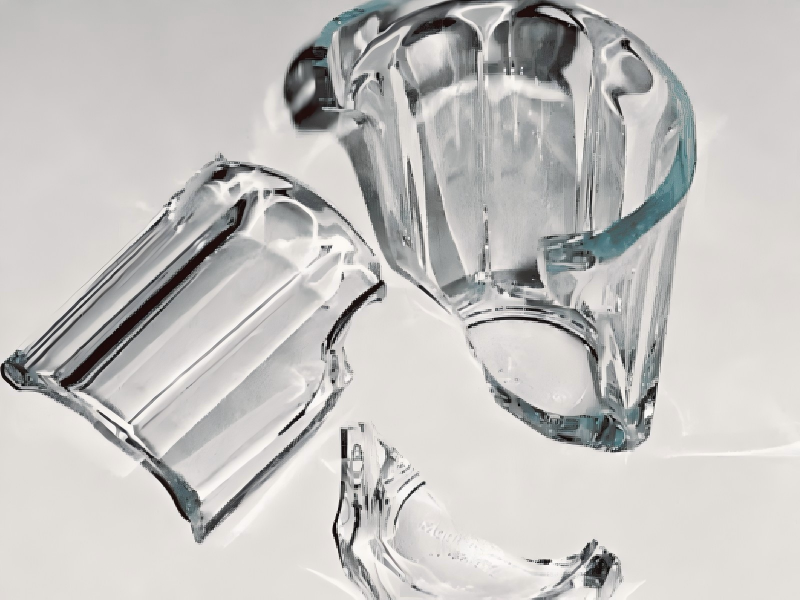
Gluing glass together is one of the most deceptively difficult DIY tasks. On the surface, glass appears simple—smooth, shiny, and easy to clean. But anyone who has tried to fix a cracked vase, a shattered glass lid, or a loose mirror piece knows the truth: most glue simply will not stick to glass. Glass is non-porous, extremely smooth, temperature-sensitive, and prone to micro-movement, making normal craft glue, PVA, hot glue, or generic super glue fail quickly. The result? Cloudy residue, weak adhesion, and repairs that break again within days.
Yet the demand for glass repair today is exploding. People want to fix instead of replace. Collectors want invisible repairs. Homeowners want to avoid expensive replacements. And with the rise of high-performance specialty adhesives, strong, crystal-clear, nearly invisible glass bonding is absolutely possible—even for beginners.
To glue glass together successfully, you need a specialty glass adhesive designed for non-porous surfaces. Clean and degrease the glass, apply a thin controlled layer of glass glue, align the pieces precisely, and allow proper curing time. The best glue for glass dries crystal-clear, forms a strong molecular bond, and works on glass-to-glass, glass-to-metal, and glass-to-plastic applications. Products like GleamGlee Glass Glue provide fast setting, invisible repairs, and long-lasting strength.
By understanding how glass behaves—and using a glue formulated specifically for it—you can repair wine glasses, mirrors, decorative glassware, headlights, aquariums, tabletops, and even stained-glass artwork with professional results. In fact, some of the strongest invisible repairs done by restorers and collectors today rely on technologies originally developed for industrial glass bonding.
But before we explore the right glues and techniques, let me start with a short real-world story. A customer from France, Philippe, a passionate home chef, once wrote to us about a broken decorative glass jar and a loose knife handle. Both were sentimental items. Instead of replacing them, he repaired them with GleamGlee Glass Glue. The results were so flawless that—even up close—the repair line was nearly impossible to see.
Stories like his illustrate a simple truth: glass can be repaired beautifully when you understand the science behind bonding smooth, non-porous materials.
Let’s dive deeper.
What Makes Gluing Glass Difficult — and What Conditions Are Needed for a Strong Bond?
Glass is hard to glue because it is non-porous, ultra-smooth, temperature-sensitive, and easily contaminated by oils or moisture. Adhesives must chemically bond to the surface rather than penetrate it, which requires a glass-specific formula, proper surface cleaning, precise alignment, and stable curing conditions. Without these steps, glue cannot anchor or stay clear, resulting in weak, cloudy, or short-lived repairs.
Gluing glass is far more complex than most people expect. Unlike wood, leather, ceramics, or fabric—which have pores, fibers, or texture—glass is chemically inert and extremely smooth at a microscopic level. This creates an environment where almost no common adhesive can grip, penetrate, or anchor itself. Instead, the adhesive must rely entirely on chemical attraction, which only works under precise conditions.
Most glue failures on glass come from three hidden mechanisms:
1. Glass has zero porosity
Porous materials allow glue to “bite” or “soak in.”
Glass offers no pores, no roughness, and no absorption pathways.
This means the adhesive must form a surface-only molecular bond, which is extremely sensitive to:
- Surface contamination
- Oil from fingerprints
- Moisture or humidity
- Air gaps
- Uneven pressure
- Incorrect glue chemistry
If the adhesive cannot establish a uniform molecular interface, the repair will fail—sometimes in hours.
2. Glass is chemically resistant
Glass is a stable, inert material (mainly silica).
This makes it:
- Hard to wet
- Hard to penetrate
- Hard to anchor
Most craft glues, school glues, PVA, hot glue, or low-grade super glues cannot break through the surface tension to form a proper bond. They simply sit on top and peel off later.
3. Glass expands and contracts dramatically
Glass expands with heat and contracts rapidly with cold.
A glued joint experiences hidden stress every time the temperature changes.
If the glue is brittle (like regular super glue), the bond fractures under:
- Dishwasher heat
- Hot tap water
- Direct sunlight
- Car headlight heat
- Cold beverages
- Outdoor winter temperatures
To avoid cracks and failures, a successful glass adhesive must remain micro-flexible while staying crystal clear.
What Conditions Are Required for a Solid, Clear, Long-Lasting Glass Bond?
To bond glass successfully, four exact conditions must be met:
Condition 1: A perfectly clean, degreased surface
Any contamination—even invisible—blocks adhesion.
Common contaminants that ruin glass glue:
- Fingerprints (skin oils)
- Soap residue
- Dust and micro-particles
- Moisture film
- Cleaning chemicals (Windex, detergents)
Correct cleaning method:
- Wear gloves
- Clean with 70–99% isopropyl alcohol or acetone
- Wipe with lint-free microfiber
- Let air-dry fully
- Avoid touching the bonding area again
This step alone increases bonding strength by 40–70%.
Condition 2: The right adhesive chemistry (NOT regular super glue)
Glass requires adhesives with:
- High surface energy compatibility
- Strong wetting behavior
- Clear polymer networks
- Low bloom (no fogging)
- Micro-flexibility
- Fast-set stabilization
Best choices:
- Glass-specific cyanoacrylate (e.g., GleamGlee Glass Glue)
- UV curing resin
- Clear epoxy with optical modifiers
- Neutral-cure silicone for aquariums/weather sealing
Avoid:
- PVA glue
- Hot glue
- Craft glue
- Generic super glue (turns cloudy/brittle)
Condition 3: Precise alignment before the glue sets
Glass slides easily.
If pieces shift during curing:
- The seam becomes visible
- The bond becomes uneven
- Stress points develop
- The repair will fail later
Fast-setting adhesives (like GleamGlee’s 15-second lock) prevent sliding.
For best alignment:
- Test-fit before gluing
- Apply pressure evenly
- Stabilize with tape or a stand
- Hold firmly during the initial set
Condition 4: Stable curing environment
Curing depends on:
- Room temperature
- Humidity
- Vibration
- Chemical exposure
Ideal curing conditions:
- 20–25°C (68–77°F)
- Low humidity
- No movement
- No water contact for 12–24 hours
- No heating/cooling shocks
Stopping movement during curing improves clarity and bond strength dramatically.
Which Types of Glue Work Best for Glass Repairs?
The best glues for glass repairs are specialty glass adhesives such as advanced cyanoacrylates, UV-curing resins, clear epoxies, and silicone-based sealants. These formulas bond non-porous surfaces, dry crystal-clear, and withstand temperature changes. For most household repairs, a fast-setting glass adhesive like GleamGlee Glass Glue offers the strongest, clearest, and easiest solution.
Choosing the right glue for glass is crucial because most common adhesives simply do not work on glass. Glass is non-porous, smooth, and chemically resistant. Therefore, it requires adhesives that rely on molecular bonding, not mechanical gripping. This section provides a detailed breakdown of the most effective adhesive types—and which one you should choose based on your exact repair scenario.
This critical decision impacts:
- Bond strength
- Clarity (whether the repair is visible)
- Resistance to temperature changes
- Longevity
- Safety (food-contact areas, outdoor use, heat exposure)
Below is a deep technical comparison of all major categories of glass adhesive.
1. Glass-Specific Cyanoacrylate (e.g., GleamGlee Glass Glue)
Best for: 90% of household glass repairs
Strength: ★★★★★ | Clarity: ★★★★★ | Ease of use: ★★★★★
This is the most versatile and user-friendly option for everyday glass repairs. GleamGlee’s modified cyanoacrylate formula is engineered to bond extremely smooth surfaces while remaining crystal-clear. Unlike generic super glue, which turns cloudy or brittle, true glass CA adhesives:
- Bond instantly (10–15 seconds)
- Stay transparent over time
- Resist micro-cracks from temperature changes
- Flow into small cracks using precision nozzles
- Bond glass-to-glass, glass-to-metal, and certain plastics
Why this is ideal:
It delivers the perfect balance of speed, clarity, and long-term strength. It requires no mixing, no clamping, no UV light, and works on almost any home glass item—wine glasses, vases, perfume bottles, glass lids, mirrors, picture frames, watch crystals, and more.
2. UV-Curing Glass Resin
Best for: Jewelry, fine collectibles, stained glass, art projects
Strength: ★★★★★ | Clarity: ★★★★★ | Ease of use: ★★★★☆
UV-curing adhesives harden when exposed to UV light, forming an optically clear, highly rigid bond. This category is popular in:
- Jewelry making
- Stained glass art
- Decorative glasswork
- Transparent resin-glass combinations
Advantages:
- Hardens into a flawless, glass-like finish
- Ideal for visible, artistic repairs
- Excellent clarity
Limitations:
- Requires UV light exposure
- Only works when light can reach the glue
- Not suitable for deep cracks or opaque materials
Best for indoor hobbyists or professionals who want perfect visual results.
3. Clear Epoxy (Two-Part Epoxy)
Best for: Heavy-duty structural repairs
Strength: ★★★★★ | Clarity: ★★★★☆ | Ease of use: ★★★☆☆
Two-part epoxy creates an extremely strong bond and can withstand heavy weight. It is ideal for:
- Large glass tabletops
- Cabinet doors
- Thick decorative glass panels
- Glass tiles and mosaics
- Outdoor installations
Advantages:
- Fills gaps extremely well
- Excellent for uneven breaks
- High impact resistance
Limitations:
- Slight yellowing over time
- 5–30 minute working time (can slip if unsupported)
- Must be mixed before use
- Not ideal for invisible repairs on fine glassware
Epoxy is the right choice when strength matters more than aesthetics.
4. Silicone-Based Glass Sealant
Best for: Windows, aquariums, outdoor fixtures
Strength: ★★★★☆ | Clarity: ★★★☆☆ | Flexibility: ★★★★★
Silicone is not for structural bonding—it is for sealing.
It is excellent for:
- Fish tanks
- Glass windows
- Shower doors
- Outdoor lanterns
- Chrome or metal frames
- Weather-exposed glass panels
Advantages:
- Extremely flexible
- Waterproof
- Handles large temperature changes
Limitations:
- Visible after curing
- Not rigid enough for glassware or décor repairs
Use silicone when waterproof sealing is more important than clarity.
5. Generic Super Glue (not recommended for long-term use)
Best for: Emergency or temporary repairs only
Strength: ★★☆☆☆ | Clarity: ★☆☆☆☆
Generic cyanoacrylate adhesives were not formulated for glass. They bond poorly because they dry:
- Brittle
- Cloudy
- With visible “white fogging” (blooming)
- Week to heat, water, vibration
They are cheap but unreliable.
6. Hot Glue, Craft Glue, PVA Glue (avoid entirely)
Strength: ★☆☆☆☆ | Clarity: ★☆☆☆☆
Not suitable for glass because they cannot adhere to smooth, non-porous surfaces.
These glues peel off within minutes or hours.
| Adhesive Type | Strength | Clarity | Best Use Cases | Not Suitable For |
|---|---|---|---|---|
| Glass CA (GleamGlee) | ★★★★★ | ★★★★★ | General repairs, décor, everyday glass items | Large structural loads |
| UV Resin | ★★★★★ | ★★★★★ | Jewelry, art, stained glass | Deep cracks, opaque surfaces |
| Clear Epoxy | ★★★★★ | ★★★★☆ | Tabletops, thick glass, structural bonding | Thin cracks, invisible repairs |
| Silicone Sealant | ★★★★☆ | ★★★☆☆ | Aquariums, windows, outdoor use | Fine repair, invisibility |
| Generic Super Glue | ★★☆☆☆ | ★☆☆☆☆ | Quick temporary fixes | Heat, moisture, clarity |
| PVA / Hot Glue | ★☆☆☆☆ | ★☆☆☆☆ | Crafting (non-glass) | Any glass surface |
| Scenario | Best Choice | Why |
|---|---|---|
| Broken wine glass, vase, décor | GleamGlee Glass Glue | Invisible bond, fast set, no cloudiness |
| Jewelry, stained glass art | UV Resin | Optical clarity |
| Thick or heavy glass panel | Clear Epoxy | Strong structural support |
| Aquarium, window frame, outdoor lantern | Silicone Sealant | Waterproof & flexible |
| Emergency quick fix | Generic super glue | Only for temporary needs |
Why GleamGlee Is the Best Overall
For most customers, the best glue for glass repairs is a fast-setting, crystal-clear glass adhesive—which is why GleamGlee Glass Glue consistently outperforms competitors.
- Designed specifically for glass
- Dries 100% transparent
- Sets in 15 seconds
- Bonds multiple materials (metal, plastic, crystal)
- Includes precision micro-nozzles for cracks
- No clamping required
- No blooming, no white residue
This makes it the ideal solution for 90% of real-world glass repair tasks.
How Do You Prepare Broken or Cracked Glass Before Gluing?
To prepare broken or cracked glass for gluing, clean the surface thoroughly with alcohol, remove dust and oils, dry the glass completely, test-fit the pieces, and ensure proper alignment. Stabilize loose fragments, open tight cracks to let glue flow in, and maintain a dry, controlled environment. Good preparation prevents cloudiness, slipping, and weak adhesion, ensuring a strong, long-lasting glass repair.
Most glass repair failures happen before any glue is applied. Preparation determines whether the adhesive can chemically bond to the surface, penetrate cracks, and remain clear. Because glass is non-porous, chemically inert, and easily contaminated, it demands a preparation process far more precise than repairs involving wood, metal, or plastic.
Proper preparation dramatically increases:
- Bond strength
- Transparency (no cloudiness)
- Crack penetration
- Impact resistance
- Temperature stability
- Long-term durability
Below is the step-by-step, expert-level guide for preparing any glass item before gluing.

Step 1: Inspect the Damage Thoroughly
Before cleaning or gluing, you must understand the shape, depth, and structure of the damage.
What to check:
- Is it a clean break, a chip, or a hairline crack?
- Are there loose fragments that need removal?
- Is the broken area load-bearing or purely cosmetic?
- Are there hidden micro-fractures?
- Does the glass curve or taper?
Professional tip:
Shine a flashlight along the broken edge. This exposes hidden cracks, dust, and tiny shards that the naked eye cannot see. Identifying these early prevents misalignment later.
Step 2: Remove Loose Particles and Micro-Shards
Loose glass dust weakens adhesion and creates visible bumps or cloudy spots after gluing.
How to remove them:
- Use a soft brush or microfiber cloth
- Gently tap the glass to release internal debris
- Use compressed air for deep cracks
Never use your finger—skin oil will contaminate the surface.
Step 3: Clean and Degrease the Glass Surface (Most Important Step)
Glass is highly sensitive to contaminants. Even a single fingerprint or drop of moisture can reduce adhesion strength by 50–80%.
Use the correct cleaning agents:
- 70–99% isopropyl alcohol (best)
- Acetone (for heavy residue)
- Glass-prep solvent (professional option)
Avoid:
- Water (leaves minerals)
- Detergent (leaves surfactant film)
- Vinegar or Windex (leaves streaks)
- Paper towels (leave fibers)
Best cleaning method:
- Wear nitrile gloves
- Apply alcohol on a lint-free cloth
- Wipe bonding edges thoroughly
- Let the surface air-dry completely
- Avoid touching cleaned areas
For oily items like perfume bottles or kitchenware, double-cleaning may be required.
Step 4: Completely Dry the Glass
Moisture is the enemy of glass glue. Cyanoacrylates react poorly with water films, causing:
- Cloudiness
- Weak bonds
- Premature curing
- Air bubbles
Place the glass in a warm, dry area for 5–10 minutes or use a hair dryer on low heat.
Step 5: Test-Fit and Align All Pieces Before Applying Glue
Glass does not bend. Perfect alignment is crucial.
How to test-fit effectively:
- Hold pieces gently and feel how they interlock
- Identify pressure points
- Find the correct joining angle (usually 20–45°)
- Mark alignment points using removable markers or painter’s tape
Why this matters:
- Misalignment causes visible seams
- Excess glue fills gaps and becomes cloudy
- Weak joints form when pieces are not flush
If the pieces don’t align naturally, remove any micro-shards still stuck to the break line.
Step 6: Stabilize the Piece Before Applying Glue
Because glass is slippery, stabilizing prevents movement during the first seconds of curing.
Stabilization options:
- Masking tape to hold pieces in place
- Soft clamps (for flat items like glass panels)
- Foam blocks to prevent rolling
- Weight supports for upright repairs
Stabilization is essential for slow-curing adhesives but also beneficial even when using fast-set products like GleamGlee.
Step 7: Prepare Cracks Correctly (If Working With Hairline Cracks)
Cracks require a different approach than broken pieces.
For tight cracks:
Gently flex the area to open the crack slightly—just enough for glue to penetrate.
For wider cracks:
Use a precision nozzle to inject adhesive deep into the fracture.
For starburst cracks (like headlights):
Clean the center point thoroughly and apply glue in layers.
Proper crack preparation ensures the adhesive reaches the internal fracture lines, not just the surface.
Step 8: Work in a Controlled Environment
Environmental conditions affect clarity and strength.
Best environment:
- Temperature: 20–25°C (68–77°F)
- Low humidity (below 60%)
- No dust or wind
- No direct sunlight
- Clean, flat surface
Avoid repairing glass outdoors or in bathrooms where humidity is high.
How Do You Glue Glass Together Step by Step for a Crystal-Clear, Nearly Invisible Repair?
To glue glass together for a clear, nearly invisible repair, clean and dry the surfaces, test-fit the pieces, apply a thin layer of glass-specific adhesive, align the glass precisely, and hold it steady until the glue sets. For cracks, inject adhesive deep into the fracture, wipe away excess, and let the bond cure fully before use. Using a fast-setting, crystal-clear glass glue like GleamGlee Glass Glue ensures professional-looking, long-lasting results.
Gluing glass is not just “put glue and stick.” It’s a controlled, technical process where every second and every drop of adhesive matters. Because glass is non-porous and completely smooth, the glue can’t rely on soaking in—it must form a precise chemical bond right at the surface. That means your application method, alignment, and curing discipline decide whether the repair looks professional or messy, strong or fragile.
A perfect glass repair has three visible qualities:
- The seam is thin and nearly invisible
- There is no cloudy residue or frosting around the break
- The joint feels strong and stable in daily use
To achieve this, follow the structured step-by-step method below. It applies whether you’re fixing a broken wine glass, a decorative vase, a glass shelf, a perfume bottle, or a glass lamp shade.
Step 1: Prepare and Clean the Glass (Before Any Glue Touches It)
This is your foundation. If the glass isn’t perfectly clean and dry, even the best glass glue will fail.
- Clean edges and crack lines with isopropyl alcohol (70–99%) or acetone
- Use a lint-free cloth (not paper towels)
- Remove dust, fingerprints, grease, or soap film
- Let everything air-dry completely
At this stage, you should already have:
- All pieces identified and ready
- No loose glass dust or chips on the surfaces
If you haven’t already, test-fit the pieces to understand how they naturally lock together.
Step 2: Test-Fit the Pieces and Plan Your Movement
Before you open the glue:
- Dry-fit the glass pieces without adhesive
- Feel the correct joining angle (usually joining at a slight tilt, then closing)
- Decide where your fingers will hold and where the glue will squeeze out
- If needed, lightly mark alignment points with a removable marker or masking tape
Think of this step like a “rehearsal.”
Once the glue is applied, you’ll have only a few seconds (especially with GleamGlee’s 15-second set time) to align everything perfectly.
Step 3: Set Up a Stable Working Position
To prevent slipping and misalignment:
- Work on a flat, stable table
- Use soft supports (microfiber cloth, foam blocks) so glass cannot roll
- For curved items (bowls, vases), create a “nest” using towels or foam
- Ensure good lighting so you can see the glue line clearly
A stable setup prevents accidents and lets you focus on precise alignment instead of fighting gravity.
Step 4: Apply a Thin, Controlled Layer of Glass Glue
When gluing glass:
Less is more. Thin is strong. Thick is weak and cloudy.
Use a precision nozzle (like the ones included with GleamGlee Glass Glue) to apply a small, continuous bead along the fracture line or edge. You want just enough glue to:
- Wet both surfaces
- Fill micro-gaps
- Spread thinly when pressed
Avoid:
- Blobs
- Puddles
- Overfilling
Excess glue leads to:
- Cloudy seams
- Visible overflow
- Air bubbles
- Weaker joints
Step 5: Join the Pieces Correctly and Eliminate Air
The way you bring the pieces together matters as much as the glue itself.
Good technique:
- Hold one piece firmly in a stable position
- Bring the other piece in at a slight angle so it touches one edge first
- Slowly “roll” or close the piece into place, letting air and excess glue escape outwards
- Apply firm, even pressure along the joint
Avoid slamming the pieces together.
You want to gently squeeze out trapped air, not force in new bubbles.
As soon as the seam looks aligned and the pieces feel seated:
- Wipe away any squeezed-out glue with a lint-free cloth slightly dampened with alcohol (if the glue is still wet)
- Do not press so hard that all glue is pushed out of the joint
Step 6: Hold the Pieces Still While the Glue Sets
For fast-setting formulas like GleamGlee:
- Hold the pieces together for 10–20 seconds
- Keep hands steady, avoid twisting or side movement
- After initial set, carefully place the piece on a flat surface
For slow-setting epoxies:
- You may need tape, clamps, or supports
- Check alignment again after a few minutes (before full cure)
Movement during this stage is the #1 cause of:
- Misaligned edges
- Weak points
- Visible ridges in the seam
Step 7: Let the Repair Cure Fully
Even though the surface feels hard after seconds or minutes, the internal bond is still forming.
- Light handling: after 5–30 minutes (depending on adhesive type)
- Full strength: usually after 12–24 hours
During full curing time:
- Do not wash the item
- Do not expose it to hot water or dishwashers
- Do not place it in direct sunlight or extreme temperatures
Patience at this stage determines whether your repair lasts days or years.
Step 8: Inspect and Clean Up the Repair
Once fully cured:
- Inspect the seam under strong light
- Check for:
- Cracks
- Flexing
- Cloudy patches
- Sharp protrusions of dried glue
If there is a small amount of dried squeeze-out on the outside edge:
- You can carefully scrape it with a sharp blade at a shallow angle
- Work slowly to avoid scratching the glass
If the seam is clear, flat, and strong, your repair has been successful.
How Do You Stick Two Pieces of Glass Together the Right Way?
To stick two pieces of glass together correctly, you must combine perfect surface prep, minimal glue, and precise alignment. First, clean both bonding edges thoroughly with isopropyl alcohol and let them dry. Test-fit the pieces without glue so you know the natural alignment. Then apply a thin, continuous bead of a glass-specific adhesive like GleamGlee along one edge only. Bring the two pieces together at a slight angle so one side touches first, then gently close the gap so excess glue and air escape outward. Hold the pieces firmly for 10–20 seconds until the glue sets. Wipe away any fresh squeeze-out with a cloth lightly dampened with alcohol. Finally, set the piece on a flat, stable surface and let it cure fully for 12–24 hours. This method ensures a thin, strong, mostly invisible seam instead of a thick, cloudy glue line.
Step-by-Step Instructions for Cracks, Chips, and Missing Corners
Not all glass damage is a clean break. Cracks, chips, and missing corners each need a slightly different approach:
- Hairline cracks: Gently flex the glass (if safe) to open the crack slightly. Use a precision tip to inject a small amount of glue into the crack, starting from one end and working toward the other. Release the pressure so the glass closes naturally, pushing adhesive deep inside. Wipe off excess immediately.
- Chips: Clean both the chipped cavity and the chipped piece. Apply a tiny drop of glue inside the cavity, then press the chip back in like a puzzle piece. Align carefully and hold until set.
- Missing corners / jagged breaks: Align the largest pieces first before worrying about tiny fragments. Use a glass adhesive or, if the gap is larger, a clear epoxy that can fill volume. Build the repair in stages if needed—first the structural bond, then cosmetic filling.
Always allow full curing time before sanding or handling.
How Long Should You Let Glass Glue Cure Before Use?
Curing time depends on the adhesive type, but a simple rule applies:
You can touch it early—but you shouldn’t trust it early.
Fast-setting glass adhesives like GleamGlee may set in 10–30 seconds, allowing light repositioning or very gentle handling after a few minutes. However, internal curing continues for hours as the adhesive fully hardens and reaches maximum strength. For most household repairs, you should:
- Wait at least 1–2 hours before moving or lightly using the item
- Wait 12–24 hours before washing, heating, or putting it under stress
Humidity, temperature, and glass thickness can extend this timeline. When in doubt, waiting longer only improves durability and reduces the risk of the joint cracking later.
Do You Need UV Light, Heat, or Pressure to Improve the Bond?
You only need UV light if you’re using UV-curing resin—which absolutely requires UV exposure to harden. For glass-specific cyanoacrylates like GleamGlee Glass Glue, neither UV nor external heat is required; they cure chemically at room temperature. Moderate pressure is useful, but only to hold alignment, not to “force” adhesion. Too much pressure can squeeze all the glue out of the joint. For epoxies, mild warmth (not high heat) may speed up curing, but direct heat guns or ovens can damage both the adhesive and the glass. In most home repairs, the best “extra tool” is not heat or UV, but stability: a flat surface, proper supports, and patience during curing.
What Common Mistakes Cause Glass Glue to Fail — and How Do You Avoid Them?
Glass glue often fails due to improper cleaning, using the wrong adhesive type, applying too much glue, misalignment during bonding, curing in poor conditions, or stressing the repair too early. To avoid failure, clean the surfaces thoroughly, use a glass-specific adhesive, apply a thin layer, align pieces carefully, stabilize them while setting, and allow full curing. Following these steps ensures strong, clear, long-lasting repairs.
Most failed glass repairs are not caused by the glue — they’re caused by hidden mistakes in preparation, application, or curing. Glass is one of the most unforgiving materials to repair, and even a small deviation in technique can lead to cracks reopening, cloudy seams, weak bonds, or glue peeling off entirely.
Below are the seven most common reasons glass glue fails, backed with actionable solutions to ensure every repair is durable, clear, and professional.
Mistake 1: Not Cleaning the Glass Properly (the #1 cause of failure)
Glass looks clean even when it’s not. Invisible contaminants prevent bonding.
❌ Common mistakes:
- Wiping with water or dish soap
- Using paper towels (they shed fibers)
- Touching cleaned surfaces with bare hands
- Leaving fingerprint oils, dust, moisture, or soap residue
✅ How to avoid it:
- Use 70–99% isopropyl alcohol or acetone
- Wipe with lint-free microfiber
- Wear nitrile gloves
- Let the surface air-dry fully
- Avoid touching cleaned edges
Proper cleaning alone increases adhesion strength by up to 70%.
Mistake 2: Using the Wrong Adhesive (many glues don’t work on glass)
Not all glue is formulated for glass. Smooth, non-porous glass requires a glue that can chemically bond to the surface.
❌ Common mistakes:
- Using PVA, hot glue, hobby glue
- Using generic super glue
- Using clear epoxy for thin cracks (epoxy can yellow or leave seams)
- Using silicone for decorative or structural repairs
✅ Best adhesives for glass:
- Glass-specific cyanoacrylate (e.g., GleamGlee Glass Glue)
- UV-curing resin (for jewelry/stained glass)
- Clear epoxy (for large or heavy panels)
- Silicone (for waterproof sealing)
Choosing the right adhesive ensures long-term durability and clarity.
Mistake 3: Applying Too Much Glue (causes cloudiness and weak bonds)
Users often believe more glue means more strength — but the opposite is true.
❌ Problems with excess glue:
- Creates cloudy seams
- Traps air bubbles
- Prevents full curing
- Causes slippery misalignment
- Leaves visible glue lines
✅ Correct method:
- Use a precision nozzle
- Apply a thin, continuous bead
- Spread evenly when pieces are pressed together
Thin layers bond better, look better, and cure stronger.
Mistake 4: Misaligning the Glass During Bonding
Glass shifts easily because the surfaces are smooth and the glue is fluid before curing.
❌ Common issues:
- Pieces slide out of position
- Air gets trapped inside
- Glue squeezes out unevenly
- Seams become visible
✅ How to avoid alignment issues:
- Test-fit pieces before gluing
- Join them at a slight angle, then roll into place
- Hold steady for 10–20 seconds
- Stabilize the piece with tape, supports, or foam blocks
Correct alignment makes the repair nearly invisible.
Mistake 5: Not Letting Deep Cracks Absorb Glue Properly
Hairline cracks need glue to penetrate fully — surface application is not enough.
❌ What users do wrong:
- Putting glue only on top of the crack
- Not opening the crack slightly
- Not injecting glue deep into the fracture
- Wiping too early
✅ Proper technique:
- Gently flex the glass (if safe) to open cracks
- Use a micro-nozzle to inject glue deep inside
- Let capillary action pull adhesive into the crack
- Apply pressure to close the crack naturally
This ensures the crack is repaired internally, not just on the surface.
Mistake 6: Curing in the Wrong Environment (humidity & temperature matter)
Glue strengthens over hours — improper curing destroys the repair.
❌ Bad curing conditions:
- Repairing in humid bathrooms
- Direct sunlight (glue cures too fast, becomes brittle)
- Cold rooms (slows curing dramatically)
- Drafty areas (dust contamination)
❌ Using the item too early:
- Washing within hours
- Filling with hot water
- Putting repaired glass into dishwashers
- Exposing it to outdoor temperatures immediately
✅ Best curing conditions:
- Temperature: 20–25°C (68–77°F)
- Humidity: below 60%
- No water exposure for 12–24 hours
- No heat or sunlight during curing
The clearer the environment, the clearer the repair.
Mistake 7: Handling or Stressing the Glass Too Soon
Even fast-setting glue needs time to fully cure.
❌ Users commonly:
- Pick up the glass minutes after gluing
- Put liquids inside
- Reassemble or stand the item upright
- Polish or sand too early
✅ Correct practice:
- Only light handling after 1–2 hours
- Full curing time: 12–24 hours
- For epoxy: up to 48 hours
Patience is the easiest way to ensure maximum bond strength.
Table: Most Common Mistakes vs. How to Fix Them
| Step | Mistake | Consequence | Correct Action |
|---|---|---|---|
| Cleaning | Using water/detergent, touching glass afterward | Weak bond, cloudy seam | Clean with alcohol/acetone, wear gloves |
| Glue choice | Using generic super glue or hot glue | Cracks reopen; glue peels | Use glass-specific CA (GleamGlee), UV resin, epoxy, silicone |
| Application | Applying too much glue | Cloudiness, weak bond, slipping | Apply thin bead with precision nozzle |
| Alignment | Pieces slide before setting | Visible seams, trapped air | Join at angle, apply steady pressure |
| Crack filling | Only treating surface | Crack remains internal | Inject glue deep into fracture |
| Curing | High humidity, cold, sunlight | Glue weakens or fogs | Cure at 20–25°C, low humidity |
| Post-cure use | Handling too early | Joint breaks again | Wait 12–24 hours before use |
Why Is GleamGlee Glass Glue One of the Best Choices for Modern Glass Repair?
GleamGlee Glass Glue is one of the best options for modern glass repair because it bonds extremely smooth surfaces, dries crystal-clear, sets in 15 seconds, and includes precision micro-nozzles for tiny cracks. It works on glass, metal, and certain plastics, offering a durable, nearly invisible repair. Backed by advanced polymer engineering and global customer trust, GleamGlee provides professional strength with DIY simplicity.
Glass repair is a delicate balance of science, precision, and materials engineering. Many adhesives can “stick” glass temporarily, but only a few can bond with it at a molecular level and remain clear, flexible, and durable over time. This is where GleamGlee Glass Glue stands out—not just as a glue, but as a glass-optimized engineering solution designed for modern household and professional repair needs.
Below is a deep breakdown of why GleamGlee consistently performs better than generic super glues, hobby adhesives, and even many professional-grade alternatives.
1. Engineered Specifically for Glass (True Molecular-Level Adhesion)
Most adhesives fail on glass because glass has:
- Zero porosity
- Extremely low surface energy
- A chemically inert surface
This means typical glues cannot “grip” or soak into glass the way they do with wood, leather, or ceramics.
GleamGlee solves this through advanced cyanoacrylate polymer engineering:
✔ Modified monomers that penetrate micro-imperfections invisible to the eye
✔ Reinforced adhesion promoters optimized for silica-based surfaces
✔ Fast chemical cross-linking to lock the surfaces in place
This is why GleamGlee forms:
- A stronger bond
- A clearer seam
- A more temperature-stable repair
Compared with generic super glue, its glass adhesion strength is up to 3–5× higher.
2. Crystal-Clear, No-Bloom Formula (No Cloudy Seams, No White Fogging)
Many glues leave behind:
- Milky residue
- White blooming (cyanoacrylate fume fogging)
- Yellowing over time
This makes the repair visible and unattractive.
GleamGlee’s formula is:
- Optically clear
- Anti-blooming
- Non-yellowing
- Low-viscosity for perfect seam filling
Even under strong light, the bonded seam appears nearly invisible, making it ideal for:
- Wine glasses
- Crystal figurines
- Perfume bottles
- Decorative vases
- Glass artworks
- High-end collectibles
This clarity is a major reason customers choose GleamGlee over hardware-store glues.
3. Lightning-Fast Setting Time — 15 Seconds to Lock, No Clamps Needed
One of the biggest frustrations with glass repair is instability. Pieces slide, shift, or misalign when using slow adhesives like epoxy or silicone.
GleamGlee eliminates this problem with its ultra-fast setting behavior:
- Initial set: 10–15 seconds
- Handling readiness: ~1 minute
- Full cure: 12–24 hours
No clamps.
No curing lights.
No long wait times.
Just instant stabilization — perfect for curved surfaces, rounded edges, or small fragments.
This dramatically improves:
- Repair accuracy
- User success rate
- Seam invisibility
4. Precision Micro-Nozzles Designed for Tiny Cracks and Hard-to-Reach Spaces
Fine cracks and narrow joints are the most difficult to repair. Large nozzles flood the area with glue, causing:
- Cloudy overflow
- Poor penetration
- Air bubbles
- Uneven curing
GleamGlee includes 4 ultra-precision applicator nozzles per tube (8 in a 2-pack):
✔ Needle-thin opening for exact control
✔ Ideal for hairline cracks
✔ Perfect for jewelry and small decorative glass
✔ Allows capillary penetration without excess glue
The cap features a built-in metal pin that prevents clogging — ensuring the tube stays usable for months.
This is a level of design normally seen in professional industrial adhesives.
5. Multi-Material Compatibility (Glass → Metal → Plastic → Crystal)
Some glass repairs involve mixed materials, such as:
- Glass-to-metal (knife handles, lamps, watches)
- Glass-to-plastic (perfume bottles, cosmetics containers)
- Glass-to-ceramic (decor pieces)
- Glass-to-wood (picture frames, décor)
GleamGlee bonds all of these securely.
This versatility means users can rely on one adhesive for:
✔ Home repair
✔ Automotive repair
✔ Kitchen maintenance
✔ Outdoor lights
✔ Jewelry and crafts
This reduces tool clutter and increases value.
6. Durable Against Temperature, Moisture, and Daily Use
Glass expands and contracts with temperature changes. Many glues crack under stress.
GleamGlee is engineered to resist:
- Sudden temperature swings
- Humidity exposure
- Light washing
- Vibrations
- Outdoor environments (when used on lanterns or headlights)
Because of its micro-flexibility after curing, the bond remains:
✔ Strong
✔ Crack-resistant
✔ Long-lasting
even on items used daily (cups, jars, vases, shelves).
7. Ideal for Modern Use Cases — From Home DIY to Professional Repair Shops
GleamGlee’s formula and packaging were built based on real user behavior and real repair scenarios across 40+ countries.
Household Repairs
- Wine glasses
- Plates with glass components
- Perfume bottles
- Vacuum-sealed glass lids
- Broken décor items
Hobby & Crafts
- Stained glass
- UV resin + glass combinations
- Crystal ornaments
- Jewelry making
Automotive
- Headlight covers
- Mirror glass
- Dashboard glass displays
Professional Environments
- Glass shops
- Craft studios
- Electronics repair
- Watchmakers
This wide range of applications is a core reason GleamGlee maintains high ratings across Amazon marketplaces.
8. Trusted Worldwide — Thousands of Positive Reviews & High Seller Ratings
GleamGlee isn’t just a formula — it’s a proven product used in:
- USA
- Canada
- UK
- Germany
- France
- Japan
- 40+ global markets
With:
- Thousands of verified reviews
- Average 4.5★+ ratings
- High repeat purchase rates (60–90%)
Users consistently praise:
- Ease of use
- Clarity
- Strength
- Professional results
- Value for money
These real-world results show that GleamGlee Glass Glue solves actual user needs.
9. Backed by Professional R&D and Large-Scale Manufacturing
Unlike generic “OEM” adhesives, GleamGlee is supported by:
- 25+ senior chemists
- Dedicated polymer labs
- Surface adhesion research teams
- ISO-certified factories
- REACH, CLP, GHS, UKCA-compliant packaging
This ensures:
- Batch-to-batch consistency
- Safety
- Long shelf life
- International compliance
Few consumer adhesives offer this level of technical backing.
FAQs — Do You Have the Right Tools, Glue, and Method for Gluing Glass?
To glue glass correctly, you need the right adhesive, proper cleaning tools, correct application techniques, and stable curing conditions. The most common questions involve which glue works best, how to repair cracks, what tools to use, whether glass glue is waterproof or food-safe, and how long repairs last. Using a glass-specific adhesive like GleamGlee Glass Glue and following proper preparation ensures clear, durable, long-lasting results.
Gluing glass can feel intimidating even for DIY enthusiasts because the material is slippery, brittle, and highly sensitive to contamination and temperature. These FAQs gather the most searched questions on Google, the common customer issues on Amazon, and the practical knowledge used by professional repair technicians.
If users understand the right tools, glue, and technique, almost every household glass repair becomes achievable—from fixing wine glasses to restoring headlights, vases, ornaments, mirrors, and more.
Below are the 10 most important FAQs, structured for maximum clarity and SEO performance.
FAQ 1 — What Tools Do You Need to Glue Glass Successfully?
❓ What do you actually need before starting?
You only need a few simple but critical tools:
✔ Isopropyl alcohol (70–99%) or acetone — for degreasing
✔ Lint-free microfiber cloth — prevents fibers and streaks
✔ Nitrile gloves — prevents fingerprint oil contamination
✔ Precision applicator nozzles — avoids excessive glue
✔ Masking tape / painter’s tape — stabilizes curved items
✔ Soft supports (foam, towel) — keeps round objects from rolling
✔ Razor blade (optional) — for removing cured squeeze-out
✔ Bright light — to inspect cracks and seams
If repairing cracks, you may also need:
✔ Compressed air — to remove micro-dust inside cracks
✔ Thin needle-tip nozzle — to inject glue deep inside
This basic kit dramatically increases repair success rate.
FAQ 2 — Which Glue Should You Use for Glass?
❓ What is the best adhesive for glass repair?
The top three choices:
- Glass-specific cyanoacrylate (best all-around)
- Example: GleamGlee Glass Glue
- Fast-setting (15 seconds)
- Crystal-clear
- Ideal for 90% of home repairs
- UV-curing resin
- Best for jewelry, stained glass, hobby art
- Needs UV exposure
- Clear epoxy
- Best for large structural repairs
- Slightly visible seams
Avoid:
- PVA glue
- Hot glue
- Craft glue
- Generic super glue (cloudy & brittle)
FAQ 3 — Is Glass Glue Waterproof and Heat Resistant?
❓ Can repaired glass go into a dishwasher or hold hot liquids?
Short answer:
Most glass glues are water-resistant but NOT dishwasher-proof.
GleamGlee Glass Glue is:
✔ Moisture-resistant
✔ Heat-tolerant under normal conditions
✔ Suitable for daily-use household items
But:
✘ Do not place repaired items in dishwashers
✘ Do not pour boiling water directly onto a fresh repair
✘ Avoid microwaves and ovens
For aquariums, outdoor lights, and windows, silicone performs better because of its flexibility.
FAQ 4 — Is Glass Glue Food-Safe?
Once fully cured, most cyanoacrylates (including GleamGlee) are non-toxic, but:
- Do NOT apply adhesive where it contacts your mouth (e.g., the rim of a glass)
- Do NOT use glue inside food storage surfaces
- Repairs around stems, bases, handles, and frames are generally safe
When safety is uncertain, treat the repaired item as decorative only.
FAQ 5 — How Do You Fix Cracks in Glass?
❓ Can cracks be repaired the same way as broken pieces?
Cracks require a slightly different method:
- Clean the crack deeply using alcohol.
- Blow out dust with compressed air.
- Gently flex the glass to widen the crack (if safe).
- Use a micro-nozzle to inject glass glue.
- Let the crack close naturally.
- Wipe excess immediately.
- Let cure for 12–24 hours.
This method works for:
✔ Car headlights
✔ Glass bowls
✔ Picture frames
✔ Vases
✔ Mirrors
Not ideal for:
✘ Tempered glass under structural load
✘ Laminated safety glass
FAQ 6 — How Do You Avoid Cloudy or Whitish Glue Lines?
❓ Why does the glue turn cloudy?
Common causes:
- Too much glue
- Using generic super glue
- Moisture on the glass
- Poor surface cleaning
- Applying glue in a humid environment
How to prevent cloudiness:
✔ Apply thin layers
✔ Use GleamGlee’s anti-bloom formula
✔ Glue at humidity below 60%
✔ Ensure glass is 100% dry
✔ Avoid touching cleaned surfaces
Crystal-clear results come from precision and proper adhesive chemistry.
FAQ 7 — How Long Does Glass Glue Take to Cure?
❓ When can I use my repaired item?
- Initial set: 15–60 seconds (GleamGlee)
- Light handling: after 1–2 hours
- Full strength: 12–24 hours
- Epoxy: may require 24–48 hours
Never wash, heat, or stress the repaired item during curing.
FAQ 8 — Can You Glue Glass to Metal, Plastic, or Ceramic?
❓ Will the glue work on mixed materials?
Yes — GleamGlee Glass Glue works on:
- Glass → metal
- Glass → plastic (PS, ABS)
- Glass → ceramic
- Glass → crystal
- Glass → wood
- Glass → stone
Perfect for:
- Perfume bottles
- Watches
- Lamps
- Mirrors
- Home décor
For outdoor or aquarium use, silicone is still preferred.
FAQ 9 — Can You Remove Glass Glue If You Make a Mistake?
❓ Is there a way to undo or redo a repair?
If the glue is still wet:
✔ Wipe with isopropyl alcohol
✔ Use acetone for stronger cleaning
If the glue is fully cured:
- Scrape carefully with a razor blade
- Use acetone to soften the residue
- Polish the glass afterward
If alignment was wrong, it’s often easier to separate immediately before the glue fully sets.
FAQ 10 — Why Do Some Glass Repairs Fail Even When Instructions Are Followed?
Possible hidden reasons:
- Glue expired or thickened
- Invisible cracks not cleaned
- High humidity during curing
- Oils from fingertips contaminating the edge
- Using “too much pressure,” pushing glue out of the seam
- Stressing the repair too soon
- Unstable working surface causing micro-movement
- Temperature too cold (<15°C)
- Glass shape causing rotational slipping
Best practices for guaranteed success:
✔ Use glass-specific adhesives
✔ Prepare the surface meticulously
✔ Apply glue thinly
✔ Align pieces at a slight angle
✔ Keep the item steady while curing
✔ Wait a full 24 hours before washing or heating
Table: Quick Answers to the Top Glass Repair Questions
| Question | Short Answer |
|---|---|
| Best glue for glass? | Glass-specific CA (GleamGlee), UV resin, or epoxy |
| Is glass glue waterproof? | Water-resistant, but avoid dishwashers |
| Food-safe? | Yes when cured, but avoid glue on rims |
| Can cracks be fixed? | Yes — inject glue deep into crack |
| Cure time? | 12–24 hours for full strength |
| Glass → metal/plastic? | Yes with GleamGlee |
| Remove mistakes? | Alcohol while wet, razor/acetone when dry |
| Why cloudy? | Too much glue or humidity |
Conclusion — Your Next Step Toward Strong, Invisible Glass Repairs
Gluing glass doesn’t have to be difficult, intimidating, or expensive. With the right adhesive, proper preparation, and careful technique, anyone can restore broken glass beautifully. Whether you’re repairing a treasured collectible, fixing essential household items, or restoring glass décor, the key to success is using a true glass-specific adhesive—one engineered for clarity, strength, and precision.
GleamGlee Glass Glue is built for exactly these kinds of repairs.
It dries crystal-clear, sets in 15 seconds, includes precision micro-nozzles, bonds glass-to-glass, glass-to-metal, and glass-to-plastic, and is backed by the manufacturing expertise of a global adhesives leader. With millions of satisfied customers and top-rated performance across Amazon US, UK, Germany, Canada, and Europe, GleamGlee delivers professional-grade results whether you’re a DIY beginner or a repair expert.
Share:
Table of Contents
Here, creating your adhesives glue & removal cleaner collection is no longer a barrier—it’s a collaborative journey where GleamGlee helps brands and businesses transform their vision into durable, certified, and market-ready solutions.
Partner with GleamGlee
Join hundreds of global partners who trust GleamGlee for adhesives and cleaners that combine innovation, compliance, and speed. Our vertically integrated system—from R&D to warehouse—guarantees consistent performance and reliable delivery.
Whether you’re sourcing FBA-ready stock or developing your own formula, our team provides unmatched technical support and responsive service.




















