Skip to content
Leather Glue vs Super Glue - Which Works Best for Leather?
Choose the right adhesive for leather, vinyl, shoes, bags, sofas, jackets and car seats before repair begins.
- Super glue can help with tiny, hidden, low-movement fixes, but it is not always ideal for leather surfaces which bend, flex or stay visible.
- Leather glue is usually a better match for peeling edges, small tears, loose trims and everyday leather or vinyl repairs.
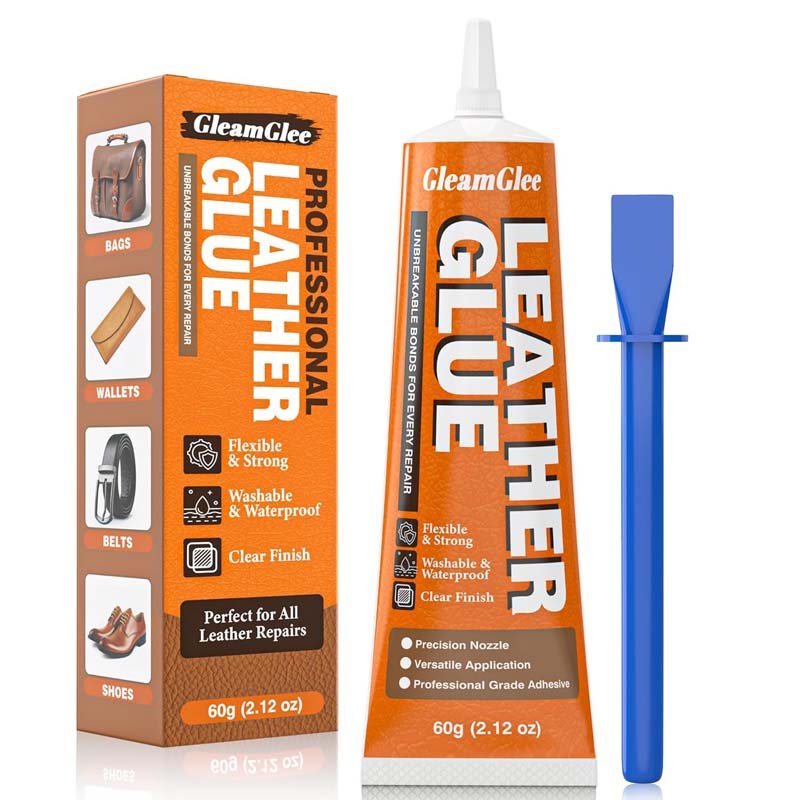
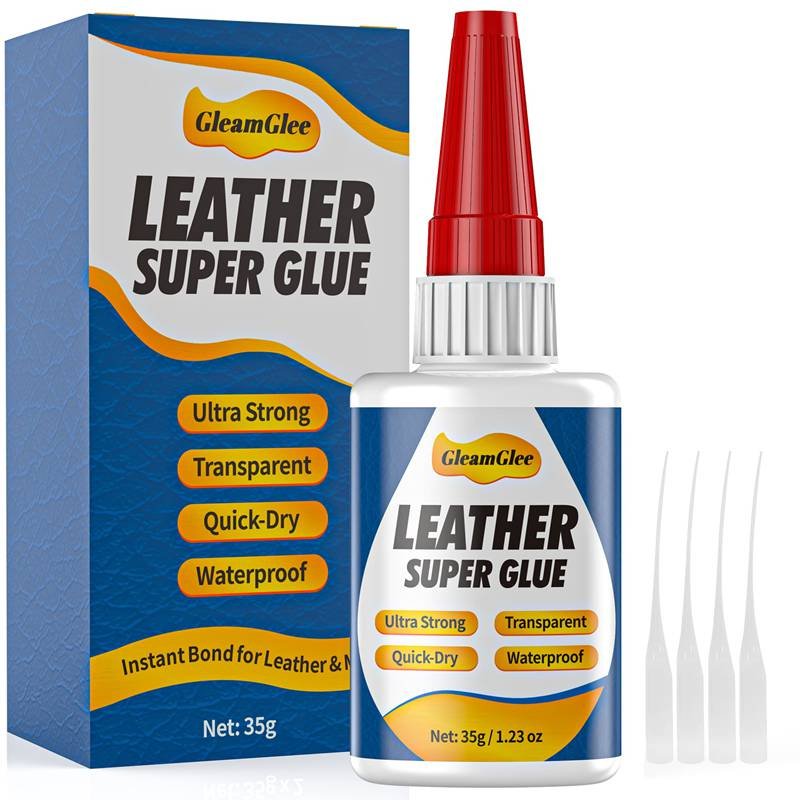
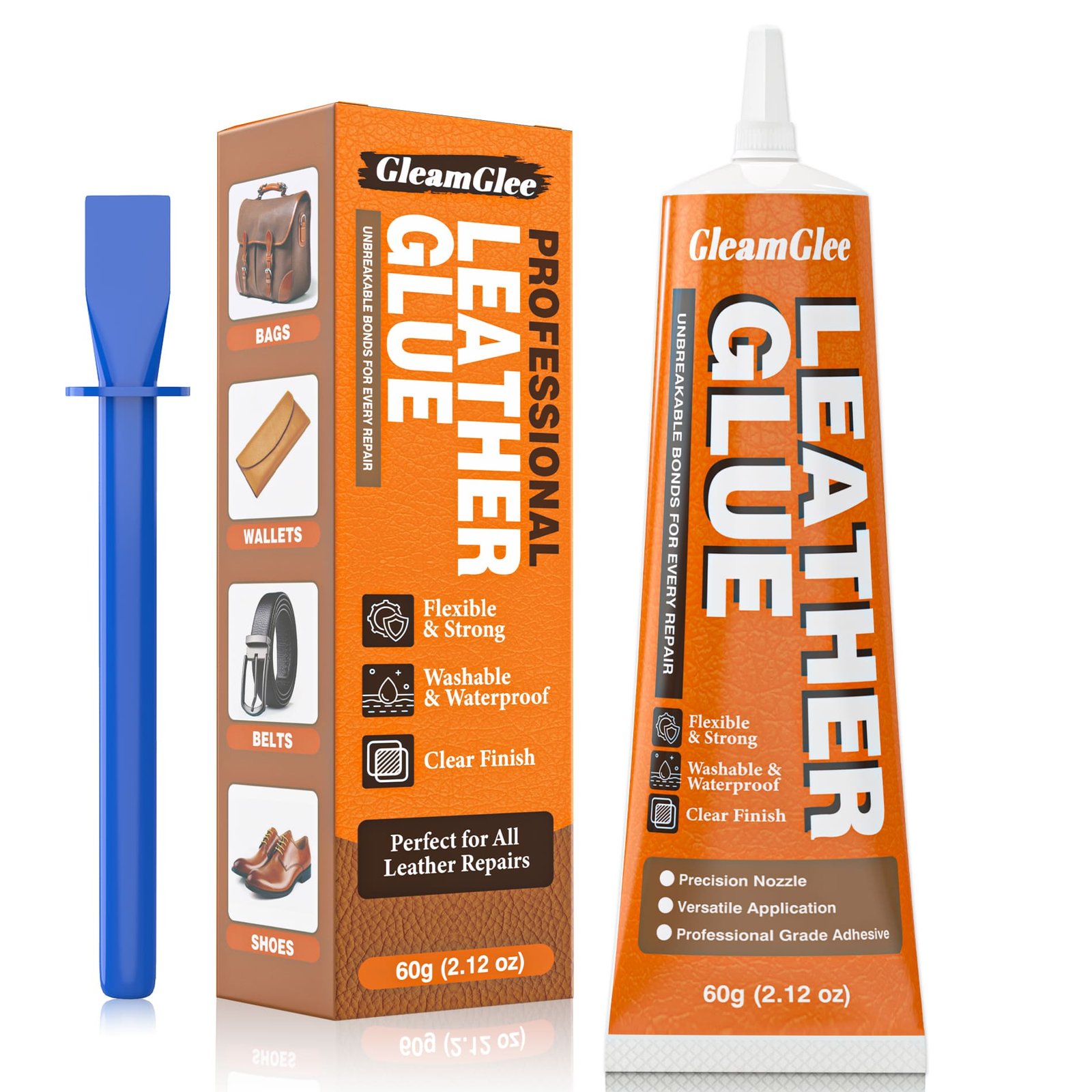
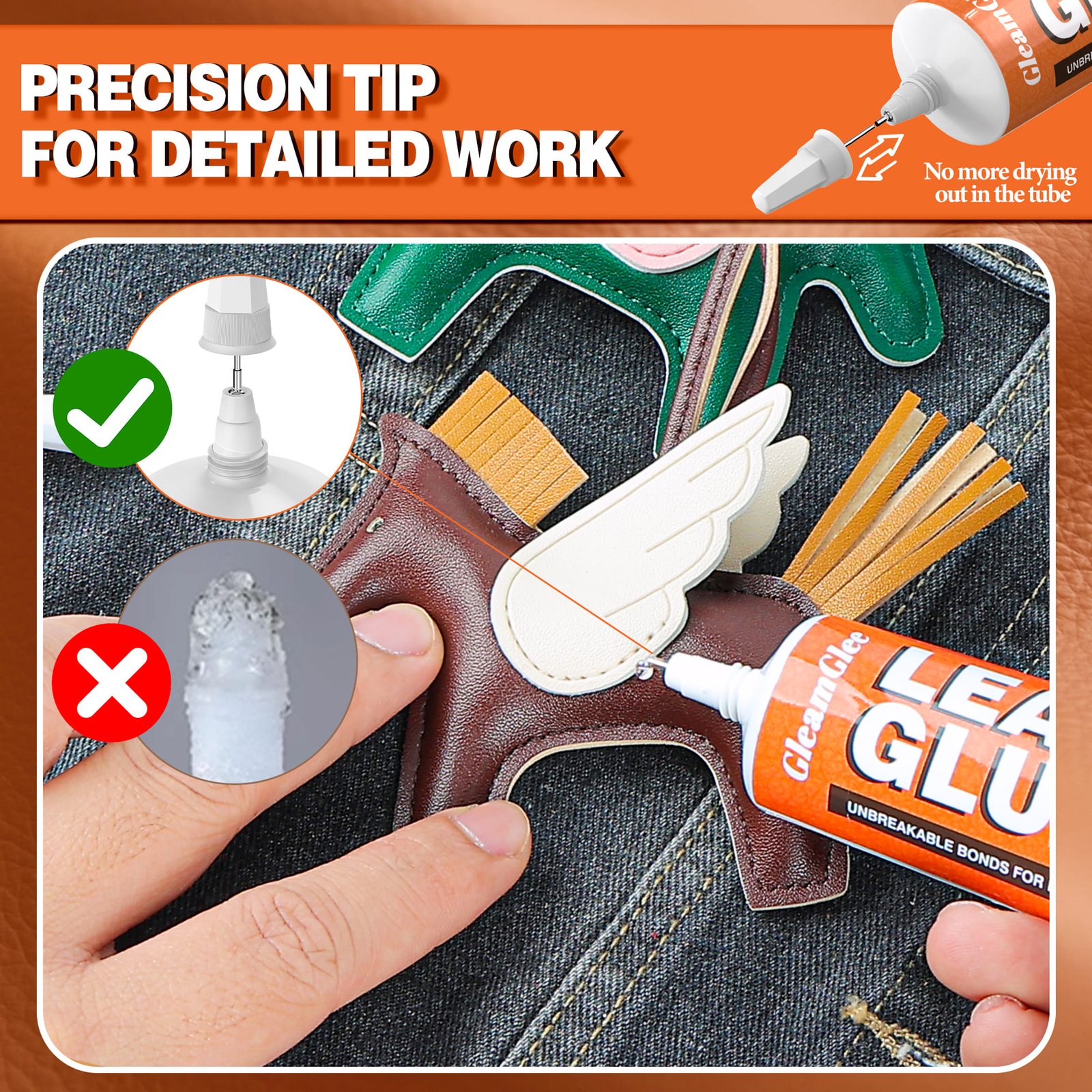
- GleamGlee Leather Glue is a 60ml clear repair adhesive designed with a flexible, waterproof, fast-drying bond and fine-tip control for cracks, seams and tight corners.

Check If Your Repair Fits
Use the signs below to decide whether a leather-focused adhesive makes more sense than a fast, hard-setting household glue.

Peeling Shoes
Leather shoe uppers, boot collars and sneaker trim pieces flex with every step. A glue line drying too hard can feel unnatural and may open again near bending points. Leather glue is a better fit when the repair needs a clear finish, light flexibility and careful placement along a narrow edge.

Bag Corners
Handbag corners, purse straps, wallet edges and small leather accessories are easy to over-glue. A visible blob of adhesive can make a repair look worse than the original split. A fine-tip leather glue allows thin placement under the lifted edge, then light pressure can bring the corner back into position.

Sofa Edges
Leather and faux leather sofas often fail at seams, corners, piping and loose upholstery trims. A small lifted panel may need flexible bonding because the area faces pressure when people sit. Super glue may be too rigid for many seat and armrest edges, especially where the surface is visible.

Car Interiors
Car seat trims, steering wheel cover edges, armrest panels and vinyl interior pieces face heat, friction, body weight and cleaning residue. A flexible, waterproof-after-curing leather glue is usually a better match for minor edge lifting and small trim repairs than a rigid quick-bond glue.

Jacket Repairs
Leather jackets fold at cuffs, collars, hems and patch edges. A hard glue spot can feel bulky on apparel and may stand out on a visible surface. Leather glue works better for many small no-sew fixes where the goal is a cleaner bond with less stiffness after drying.

Already Have Super Glue
Having super glue at home is convenient, but convenience alone should not decide the repair method. If the damaged area bends, carries weight, stays visible or touches moisture during daily use, a leather and vinyl adhesive is usually worth choosing before the first drop is applied.
Leather Glue vs Super Glue Verdict
A clear choice starts with the repair area. Match the adhesive to leather movement, visible finish and daily wear instead of choosing only by speed.
| Situation | Choose Leather Glue | Super Glue May Work |
|---|---|---|
| Visible shoe upper, bag corner or sofa edge | Better choice when a clear, controlled finish matters | Riskier if excess glue leaves a hard or shiny mark |
| Bending leather or vinyl area | Better choice because flexible bonding supports daily movement | Limited use on areas with little movement |
| Tiny hidden accessory spot | Works, but may be more adhesive than needed | Acceptable for quick low-flex fixes |
| Car seat trim or armrest edge | Better choice for flexible pressure areas after full cure | Not ideal for areas facing body weight or friction |
| Emergency temporary repair | Good if available and cure time is respected | Can help if appearance and flexibility are less important |
| Final buying logic | Best for everyday leather and vinyl repair needs | Best for small rigid quick fixes |
What Super Glue Does Well
Super glue earns a place in many tool drawers because it sets quickly, handles small repairs and works on many rigid materials. For leather, use has to be more selective.
Fast Grip
Super glue is valued because it can grab quickly on small contact points. A tiny plastic accessory, hidden trim tab or non-flexing corner may not need a soft glue line. Speed helps when a part simply needs to stay in place long enough for a short-term fix.
Small Spots
A gel-style super glue can be easier to control than a thin liquid version. It may work on small hidden spots where the bond line does not need to bend. Problems begin when the same approach is used on shoe uppers, purse straps, sofa seams or car seat moving areas.
Rigid Parts
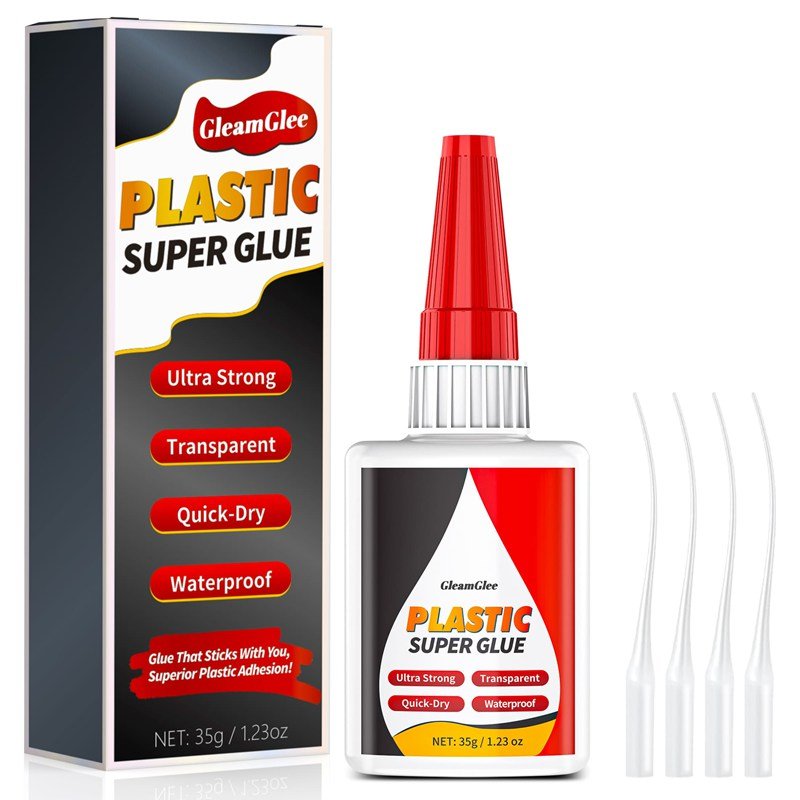
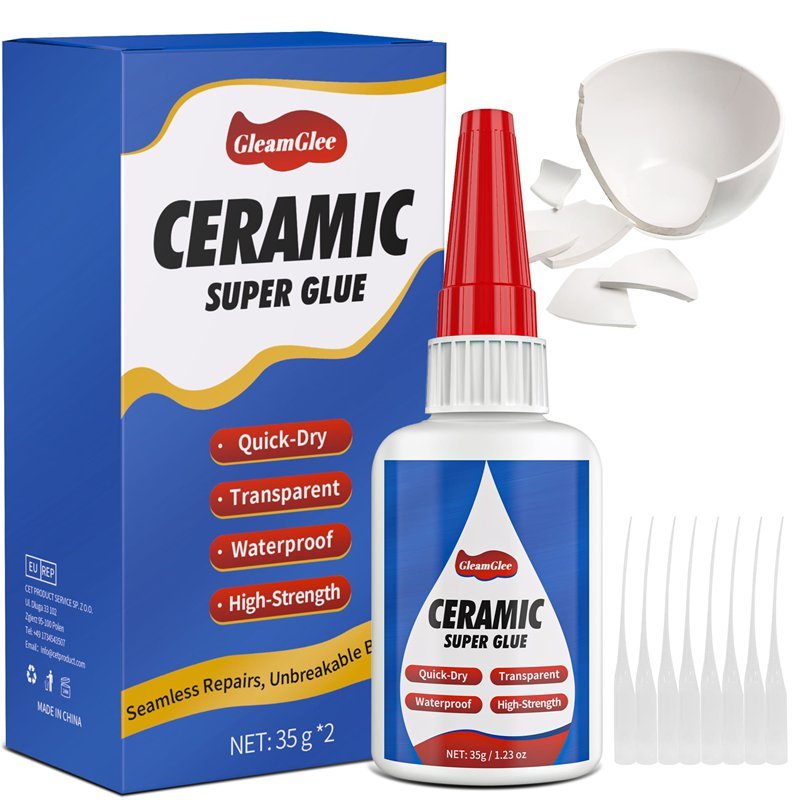
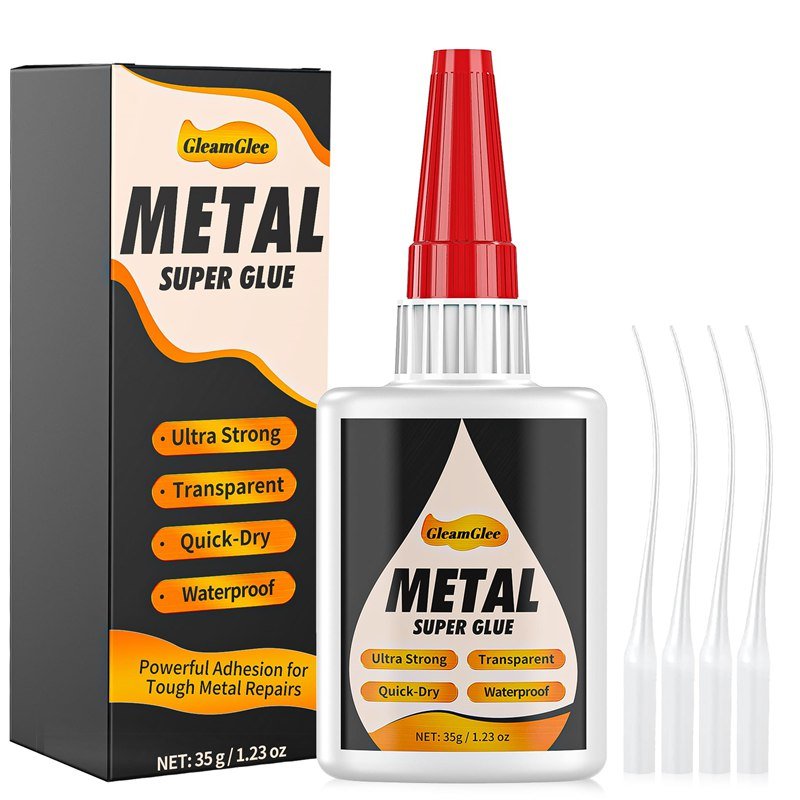
Rigid materials such as hard plastic, ceramic, metal or small hardware often suit super glue better than soft leather surfaces. A leather repair has a different job. It must bond fibers or coated surfaces while still allowing movement, pressure and visible finish needs after drying.
What Leather Glue Is Designed For
Leather glue is made for repairs where softness, movement, surface appearance and controlled application matter as much as initial bond strength.
Flexible Hold
Leather shoes bend, bag straps pull, jackets fold, sofas compress and car seats flex. Leather glue is built for soft material repairs where the dried bond needs to move with the item instead of forming a brittle spot on top of a flexible surface.
Clear Finish
Many leather repairs sit in plain sight. A clear-drying adhesive helps keep the repair cleaner on shoes, handbags, upholstery, jackets and car interiors. The goal is not a guaranteed invisible repair, but a neater finish with less risk of white marks, thick ridges or messy edges.
Material Match
Leather glue is normally aimed at genuine leather, faux leather, vinyl and coated repair surfaces. GleamGlee Leather Glue follows the same logic with a 60ml clear liquid formula for leather and vinyl repairs across shoes, bags, sofas, jackets, car seats and common accessories.
Why Regular Glue Can Fail
Leather repair fails when the adhesive choice ignores flex, pressure, surface oils, coated finishes and narrow application areas.
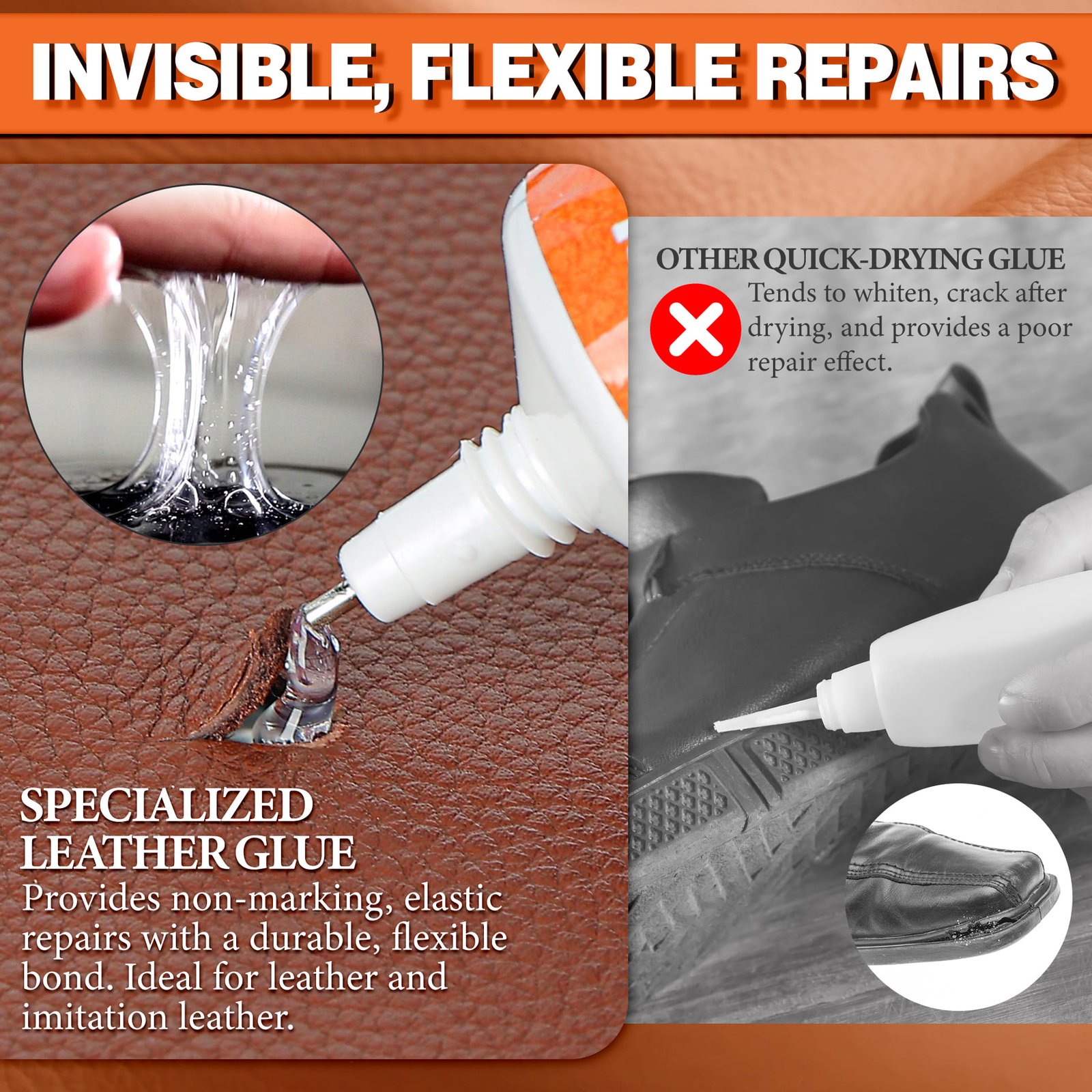
Dries Too Hard
A hard glue line can feel strong on day one but weak in real leather use. Shoes bend at the vamp, wallets fold in pockets, sofa cushions compress and car seats flex under body weight. If the dried bond cannot tolerate motion, the edge may lift again.
Leaves Visible Marks
Over-application is a common reason leather repairs look messy. Thick glue can spread beyond a crack, collect dust or form a shiny ridge. Clear-drying leather glue with a fine-tip nozzle gives better control on visible surfaces such as bag corners, shoe uppers and car seat trims.
Skips Surface Prep
Leather often carries dust, oils, conditioners, wax, sweat or cleaning residue. Faux leather and vinyl may have loose flakes or slick coatings. Any adhesive can struggle when applied over unstable material. Cleaning, drying and removing loose debris should happen before glue touches the repair area.
Lacks Placement Control
Small cracks, seams, corners and peeling edges need glue under the lifted layer, not across the entire surface. A wide opening or uncontrolled dropper can flood the area. A fine-tip applicator helps send a thin line of glue exactly where bonding is needed.
Leather Moves, Glue Must Move
Strength alone does not decide leather repair quality. Movement patterns decide whether the bond can survive normal use.

Walking Movement
Shoes bend thousands of times across normal wear. A shoe upper, boot collar or sneaker leather panel needs a bond able to handle repeated flexing. A rigid quick-bond spot may crack at the edge of the glue line when the surface bends around the foot.
Weight and Pull
Bag straps, handles, belts and wallet folds experience pulling and bending. A suitable adhesive must hold the layers together without making the repair area overly stiff. Thin placement and proper curing matter because too much glue can reduce flexibility instead of improving durability.
Pressure Surfaces
Sofas and car seats are not flat display surfaces. They carry body weight, friction and pressure from repeated sitting. A flexible leather glue is a better match for minor edge lifting, loose trims and small tears, while large structural damage should be handled with patches or professional repair.

Visible Repairs Need Clear Glue
A leather repair can be strong yet still disappointing if the glue mark becomes the first thing people notice.
Cleaner Look
A clear-drying finish helps reduce obvious repair marks on handbags, shoes, sofas, jackets and car seats. For best results, use a small amount and wipe excess before curing begins. Cleaner-looking repair comes from both the formula and the way glue is applied.
Thin Application
Visible leather surfaces respond better to a thin, controlled glue layer than to heavy coating. Start with less adhesive than seems necessary, press the layers together, then add only a tiny amount if the edge still lacks contact. Thick glue can slow drying and create raised edges.
Hidden Test
Different leather finishes absorb adhesive in different ways. Smooth leather, faux leather, vinyl and suede-backed areas can react differently. A small hidden test helps confirm finish, color response and drying behavior before the visible repair area is touched.
Waterproof Bond After Full Cure
Leather and vinyl repairs often face moisture from rain, humidity, sweat, cleaning cloths and daily handling after the adhesive has cured.
Everyday Moisture
Shoes may face damp sidewalks, bags may face humid air, car interiors may face sweat or cleaning residue, and sofas may be wiped down during routine care. A waterproof-after-curing bond adds reassurance for common use, without turning a leather item into waterproof outdoor gear.
Cure Time Matters
Water resistance should be judged after the repair has fully cured, not minutes after application. Keep the bonded area dry and undisturbed during early setting. For shoes, bag straps, seats and sofas, allow more time before bending, pulling, cleaning or exposing the repair to moisture.
Realistic Limits
Waterproof adhesive does not fix rotten leather, powdery faux leather or large material loss by itself. The bond needs stable surfaces to grip. Remove loose flakes, clean oils and press layers together before cure; heavier damage may need patch support or professional work.
Fine-Tip Control for Tight Repairs
Leather damage often starts in narrow places, so placement control can matter as much as adhesive strength.

Cracks and Seams
A narrow crack or seam gap should receive glue inside the opening, not across the surface. GleamGlee fine-tip nozzles help guide clear adhesive into small spaces along shoe uppers, sofa seams, wallet edges, car seat trims and jacket patch borders with less mess.
Peeling Edges
Peeling leather needs careful lift, thin glue placement and firm pressure. A fine-tip applicator can reach below the lifted layer, where bonding needs to happen. The method helps keep the outer surface cleaner and reduces the chance of sticky residue around the repair edge.
Corners and Trims
Bag corners, purse straps, steering wheel cover edges and upholstery trims often have curved or tight contact lines. A controlled nozzle allows short glue lines instead of large blobs. Paired with masking tape, clips or light pressure, the repair can stay cleaner during curing.
GleamGlee Leather Glue at a Glance
Key product facts help repair decisions stay grounded before adhesive touches the leather surface.
| Field | GleamGlee Leather Glue |
|---|---|
| Brand | GleamGlee |
| Product Type | Clear leather repair adhesive |
| Capacity | 60ml / 2.1 fl oz |
| Color | Clear |
| Form | Liquid adhesive in tube packaging |
| Core Features | Extra strong, waterproof, flexible, fast-drying |
| Primary Materials | Leather and vinyl |
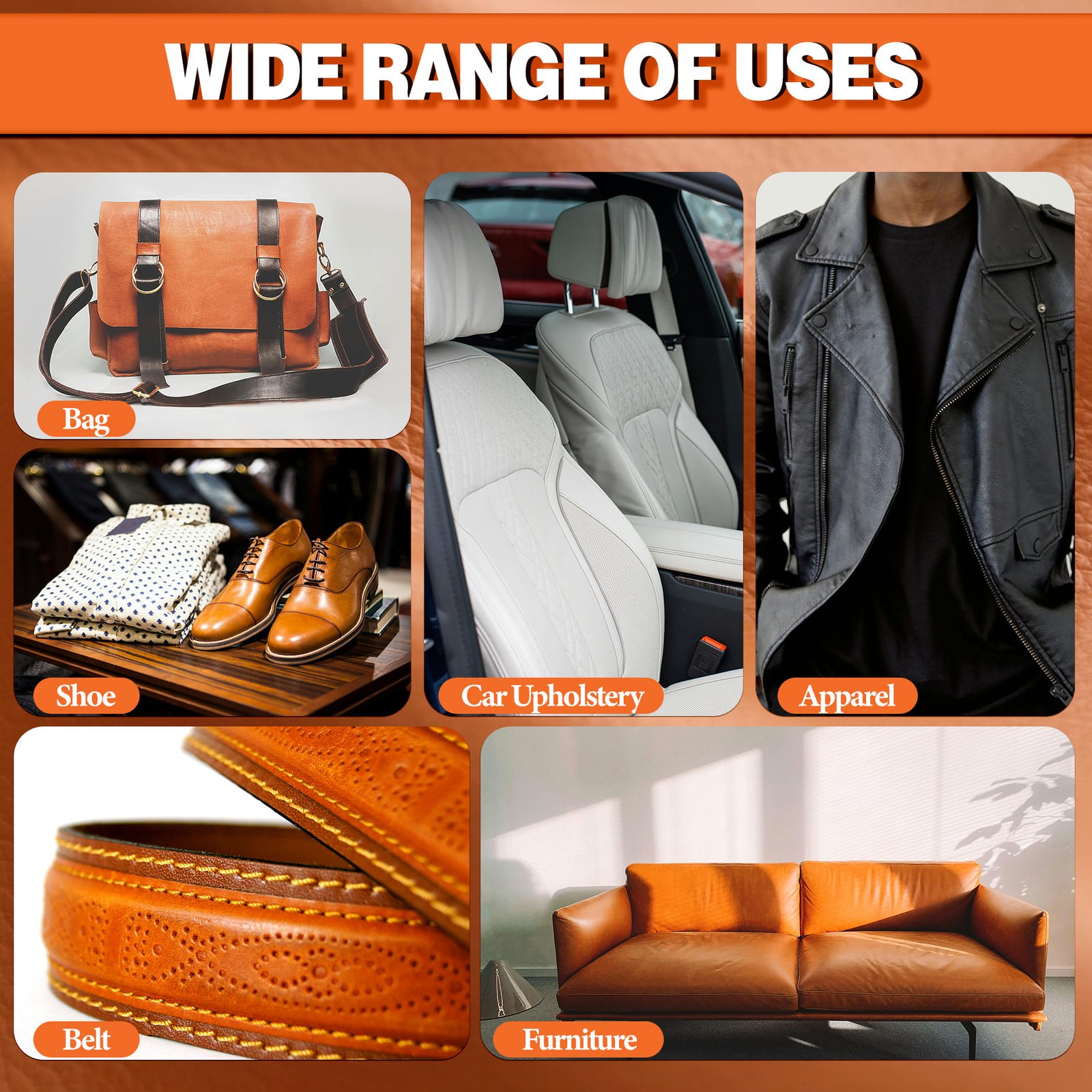
| Common Uses | Shoes, bags, sofas, jackets, car seats, belts, wallets, leather crafts |
| Applicator | Fine-tip nozzles for cracks, seams, edges and tight corners |
| Amazon Listing Data | 4.4 stars, 219 ratings, 300+ bought in past month, Amazon’s Choice, Amazon Fulfillment and Free Returns shown at review time |
| Amazon ASIN | B0FCRTMFGJ |
Where Leather Glue Works Better
The strongest fit appears in repairs involving movement, visibility, narrow edges and leather or vinyl surfaces.
Leather Shoes
Use leather glue on peeling shoe uppers, boot collars, loose leather trims, shoe tongue edges and small cracks in leather panels. Avoid promising a permanent fix for severe sole separation. For high-stress sole repairs, stronger pressure, longer cure time or professional shoe repair may be needed.
Handbags
Use leather glue on everyday handbags, purse straps, handles, wallet edges, bag corners and lifted trims. A clear finish and fine-tip nozzle matter because these areas are visible. For expensive designer leather, test a hidden spot first or ask a professional before working near a main panel.
Sofas
Use leather glue on small tears, peeling corners, loose upholstery trims and minor lifting panels on leather or faux leather furniture. Remove powdery flakes before bonding. Large peeling sheets, deep foam exposure or major material loss often need backing patches, filler, color repair or professional upholstery work.
Car Seats
Use leather glue for small car seat tears, edge lifting, armrest cover separation and interior leather or vinyl trim repairs. Clean oils and protectants before applying glue. Major cracks, airbags, seat structure or large torn panels should not be treated as simple adhesive-only repairs.
Leather Jackets
Use leather glue on small jacket tears, patch borders, cuffs, hems, collars and decorative panels where sewing is not preferred. A flexible bond helps apparel move more naturally. Protective riding gear or high-stress seams should still receive professional repair if safety or structure is involved.
Wallets and Belts
Use leather glue on wallet corners, card slot edges, belt edge lifting and small layer separation. These repairs benefit from thin glue lines and firm pressure. For belts under heavy load or buckle-area tearing, avoid treating adhesive as a full replacement for stitching or replacement.
When Super Glue May Be Enough
A fair comparison should allow limited use cases for super glue instead of treating every leather repair the same.
Tiny Hidden Spots
Super glue may be enough for a very small hidden repair where the surface does not bend, carry weight or need a clean visible finish. Examples include a tiny accessory tab, a stiff backing piece or an unseen decorative spot with minimal movement.
Short-Term Fixes
A fast-bond glue can help in an emergency when appearance and long-term flexibility are not priorities. The repair should still be kept thin and clean. Once the area faces bending, pressure, moisture or daily handling, a leather adhesive becomes a better long-term choice.
Rigid Attachments
Some leather items include rigid plastic or metal details. Super glue may work on the rigid part, but the surrounding leather still needs a flexible approach. Combining a hard glue with a soft moving surface can create a stiff transition point near the repair.
When to Avoid Super Glue
Certain leather repairs deserve a more flexible, controlled adhesive from the beginning.
Bending Areas
Avoid super glue on shoe uppers, boot collars, bag straps, belts, jacket cuffs, sofa cushions and car seat bolsters when the repair area bends or flexes. A rigid glue spot may feel strong when dry yet fail once normal movement returns.
Visible Surfaces
Avoid super glue where a white mark, shiny patch or raised ridge would be noticeable. Handbags, leather shoes, car seats, sofas and jackets often require a neater finish. Clear leather glue applied in a thin layer gives better control over the visible result.
Pressure Areas
Avoid relying on super glue alone where weight, friction or repeated sitting will stress the bond. Sofa seats, car seat edges, armrests and bag handles need careful surface prep, even pressure and enough curing time. A leather adhesive is a better starting point.
Loose Faux Leather
Avoid coating powdery, flaking faux leather with super glue. Glue needs stable material to bond. Clean away loose flakes first, then judge whether the repair is an edge-bonding job, a patch job or a larger restoration needing filler, color repair or replacement.
How to Choose Leather Glue
A strong purchase decision comes from matching glue features to the exact repair surface.
Check Material
Confirm whether the repair involves genuine leather, faux leather, vinyl or a mixed material such as leather-to-fabric trim. Smooth coated surfaces need cleaning and pressure. Suede and delicate finishes need extra care, hidden testing and less glue to reduce visible texture change.
Check Movement
Ask how much the area bends during normal use. Shoe uppers, bag straps, belts, jacket cuffs, sofas and car seats all need more flexibility than a hard decorative item. Flexible adhesive becomes more important as bending, pulling and pressure increase.
Check Visibility
If the repair sits on a visible surface, choose a clear-drying glue and apply a thin layer. A fine-tip nozzle helps reduce overflow near cracks, seams and corners. Clean repair appearance comes from careful placement, not from adding more adhesive.
Check Moisture
If the item may face rain, humidity, sweat or cleaning cloths, look for waterproof performance after full cure. Keep the item dry during cure. Moisture resistance should support daily use, not encourage soaking or harsh cleaning right after application.
Expert Recommendation for Leather Repair
For small visible leather repairs, choose a glue designed to dry clear, stay flexible and apply precisely. GleamGlee Leather Glue fits everyday leather and vinyl repair needs on shoes, bags, sofas, jackets, car seats, wallets and belts. Apply a thin layer, press firmly, hold the repair in alignment and allow full cure before heavy use. Super glue still has a role for tiny hidden spots, but it should not be the first choice for bending leather, visible surfaces or pressure areas.
How to Use Leather Glue
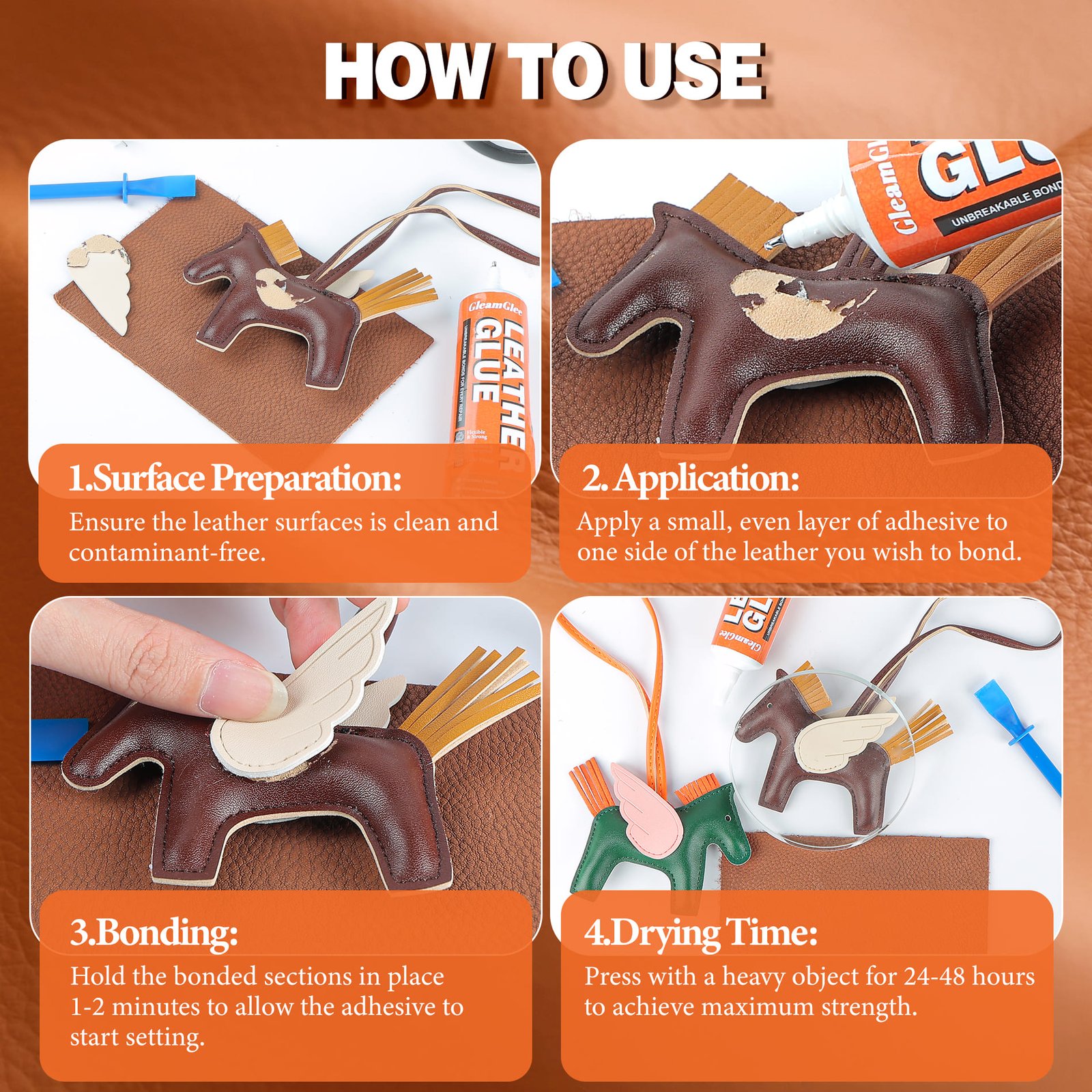
Good technique improves bond quality more than extra glue. Use a simple four-step flow for most small leather and vinyl repairs.

Clean
Remove dust, oil, wax, conditioner, sweat residue and loose flakes before applying glue. Leather and vinyl need a stable surface. Let the area dry fully, especially on car seats, sofas and shoes with possible cleaning residue near seams.

Apply
Use the fine-tip nozzle to place a thin, even layer inside the crack, seam, peeling edge or lifted trim. Start with less glue than expected. Excess adhesive can squeeze out, slow curing and leave a visible ridge on the leather surface.

Press
Bring both surfaces together and align the edge before the glue starts setting. Use fingers, clips, rubber bands, masking tape, a book or a small weight to hold pressure. Even contact helps the adhesive bond across the full repair line.

Cure
Let the repair cure before normal use. Fast-drying helps handling, while full cure helps strength and durability. Shoes, bag straps, sofa seats and car seats should not face bending, pulling, sitting or moisture before adequate curing time has passed.
Use Less Glue, Then Cure
Two repair habits prevent many avoidable failures: thin application and patience during curing.
Thin Layer
More glue does not automatically mean a stronger repair. Thick adhesive can spill onto visible leather, dry unevenly and create a raised line. For cracks, seams and peeling edges, use a thin layer first. Add a tiny amount only if the surfaces do not make contact.
Full Cure
Fast-drying and full cure are not the same. Fast-drying helps the repair begin to set; full cure supports stronger use. Keep pressure on the repaired area and avoid bending, sitting, pulling or moisture until the adhesive has had enough time to cure properly.
Repair at Home or Get Help
Leather glue works best when damage is small enough for controlled bonding and the base material remains stable.
Good Home Repairs
Home repair makes sense for small tears, peeling edges, loose trims, minor layer separation, jacket patches, wallet edges and shoe upper fixes. These jobs normally need cleaning, thin glue, pressure and enough cure time rather than complex tools or large replacement pieces.
Get Professional Help
Professional repair is better for major sole separation, large sofa peeling sheets, structural bag strap breaks, deep car seat damage, safety gear, airbags, severe material loss or powdery faux leather spread across a wide panel. Adhesive alone cannot rebuild missing material or restore protective structure.
Why Shoppers Choose GleamGlee
GleamGlee Leather Glue is a 60ml clear leather repair adhesive designed for strong, flexible, waterproof and fast-drying repairs on leather and vinyl. The formula suits shoes, bags, sofas, jackets, car seats, belts, wallets, leather crafts and common home repair projects. Fine-tip nozzles help place glue into cracks, seams, corners, peeling edges and hard-to-reach areas. At review time, the Amazon listing showed 4.4 stars, 219 ratings, 300+ bought in the past month, Amazon’s Choice, Amazon Fulfillment and Free Returns. Positive feedback highlights easy application, clear drying and everyday leather repair use.
Popular Glues Compared for Leather
Many adhesives appear in leather repair discussions. The best pick depends on whether the repair needs flexibility, clean appearance, waterproof curing or fast rigid bonding.
| Product Type or Brand | Best Fit | Leather Repair Notes |
|---|---|---|
| GleamGlee Leather Glue | Clear flexible leather and vinyl repairs | Strong match for visible, flexible, everyday repairs on shoes, bags, sofas, jackets and car seats |
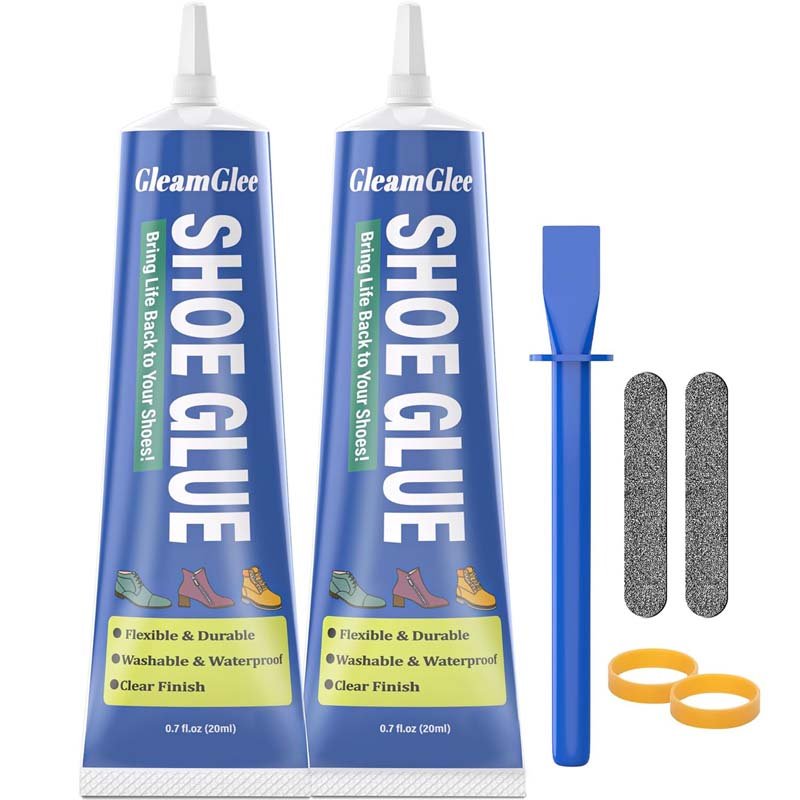
| Loctite Shoe Glue | Shoe and flexible footwear repairs | Useful comparison for shoe-focused repairs; less broad in leather lifestyle positioning |
| Aleene’s Leather & Suede Glue | Crafts, leather and suede projects | Good for craft and accessory repairs; careful visible testing still matters |
| Shoe Goo | Shoe repair and protective buildup | Strong shoe identity; may be heavier than needed for fine visible leather edges |
| E6000 Clear Adhesive | Multi-material DIY projects | Common craft option; not as specifically positioned for leather and vinyl repair guidance |
| Gorilla Clear Grip | Clear contact adhesive jobs | Works across many materials; application method may feel less precise for tiny leather cracks |
| Barge Contact Cement | Professional leathercraft and shoe work | Strong for larger contact bonding; more demanding for casual home repair |
| Loctite Super Glue Gel | Tiny fast rigid fixes | Useful for small hidden spots; not ideal for bending visible leather |
| Gorilla Super Glue Gel | Controlled fast bonding | Gel control helps placement; dried bond may not suit flexible leather repair needs |
| Vinyl & Leather Mender | Vinyl and upholstery tears | Relevant for vinyl/leather repair; compare formula, applicator and cure guidance before use |
Before and After Repair Visuals
A realistic repair image should show bonding, edge alignment and cleaner surface appearance, not a magical color restoration.

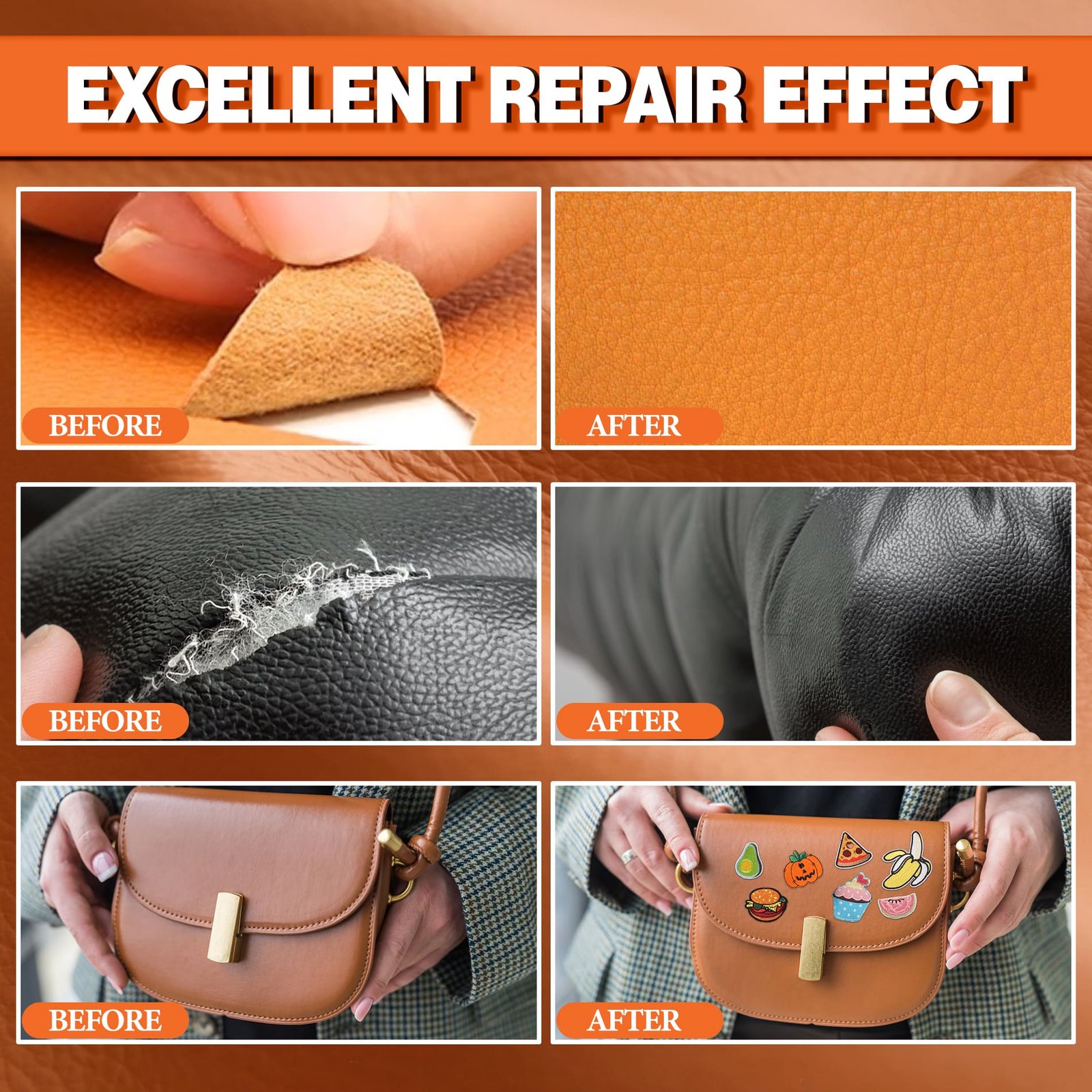
Peeling Edge
Show a leather shoe or handbag edge lifted before repair, then aligned after thin glue placement and pressure. The “after” image should look cleaner and flatter, but not artificially brand new. Credible visuals build more trust than over-polished transformations.
Small Tear
Show a small sofa or car seat tear with a backing support when needed. The repair should demonstrate neat bonding and improved edge control. Avoid making leather glue appear like filler, paint or resurfacing compound; adhesive repairs close or support material rather than recolor entire panels.
Nozzle Detail
Show the fine-tip nozzle applying glue under a lifted edge. Close-up imagery communicates control better than long text. Include a cloth, masking tape or clip nearby so the repair process feels achievable with simple household support tools.
Frequently Asked Questions About Leather Glue vs Super Glue
Short answers below help match the right adhesive to common leather, faux leather and vinyl repair decisions.
1. Can I use super glue on leather?
Yes, but only for small, low-flex, hidden fixes where appearance is not critical. Super glue can set hard, so it is not the best first choice for bending leather, visible shoe uppers, bag corners, sofa edges or car seat trims.
2. Is leather glue better for shoes?
For leather shoe uppers, boot collars, loose trims and small cracks, leather glue is usually better because shoes flex with every step. Severe sole separation may require extra pressure, longer cure time or professional repair.
3 .Does super glue make leather hard?
Super glue can create a harder bond line than leather-focused adhesive. On flexible leather, a hard spot may feel unnatural and may crack at the edge during movement. A flexible leather glue is safer for many daily-use areas.
4. What glue works for peeling leather?
A clear, flexible leather glue works well for many small peeling edges when the surface is stable. Clean away dust, oils and loose flakes first, apply a thin layer under the lifted edge, press flat and allow full cure.
5. What glue is best for car seats?
For minor car seat tears, edge lifting and interior vinyl or leather trims, use a flexible, waterproof-after-curing leather adhesive. Avoid adhesive-only repair for large tears, airbag zones, seat structure or severe material loss.
6. Can leather glue work on faux leather?
Leather glue can work on many faux leather and vinyl repairs when the surface is clean and stable. Powdery or flaking faux leather needs loose material removed first. Large peeling panels may need patches, filler or professional restoration.
7. Does leather glue dry clear?
GleamGlee Leather Glue is clear and designed for cleaner-looking visible repairs. A clear formula still needs careful use: apply a thin layer, avoid over-application and wipe excess before the adhesive begins to cure.
8. Is waterproof leather glue fully waterproof?
Waterproof performance should be judged after full cure. It helps with everyday moisture, humidity, light rain, sweat and cleaning contact. It does not mean a repaired leather item should be soaked or stressed before curing.
9. How long should leather glue cure?
Cure needs vary by repair size, material, glue amount, pressure and environment. Fast-drying helps early handling, while full cure supports stronger use. Shoes, straps, seats and sofas should rest longer before heavy movement or moisture.
10. Is GleamGlee good for bags and sofas?
GleamGlee Leather Glue suits many everyday bag and sofa repairs, including purse corners, wallet edges, small sofa tears, loose trims and peeling upholstery edges. Large damage or unstable faux leather may need patch support or professional help.
Ready to Repair Leather Properly?
For flexible, visible and everyday leather or vinyl repairs, start with a clear leather glue instead of forcing a rigid quick-bond adhesive into the wrong job. GleamGlee Leather Glue gives home repair users a 60ml tube, fine-tip nozzle control, clear drying, flexible bonding, waterproof performance after curing and easy Amazon ordering. Clean the surface, apply a thin layer, press the repair area and allow full cure before heavy use. Small repair done carefully can keep shoes, bags, sofas, jackets and car interiors looking cleaner for longer.