Skip to content
How to Fix Leather Tears Quickly – Step-by-Step Guide
Fix small leather tears, cracks, peeling edges, and open seams with a clear, flexible leather repair adhesive.
Small leather tears can get worse when daily bending, sitting, pulling, or rubbing continues. A clean repair starts with the right method: check the damage, clean the surface, apply a thin glue layer, press the edges together, and allow enough curing time before heavy use.
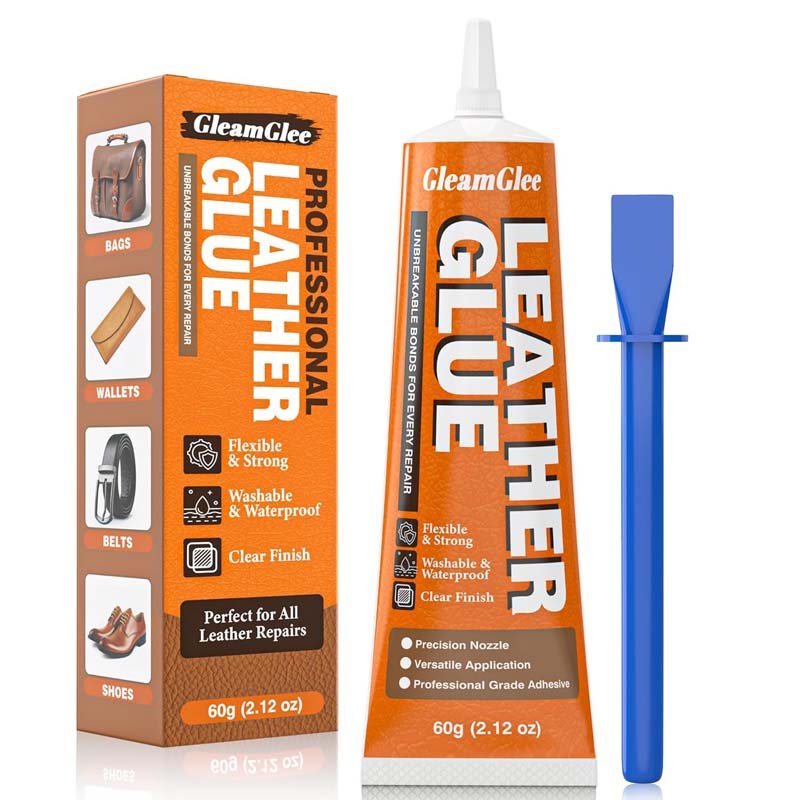
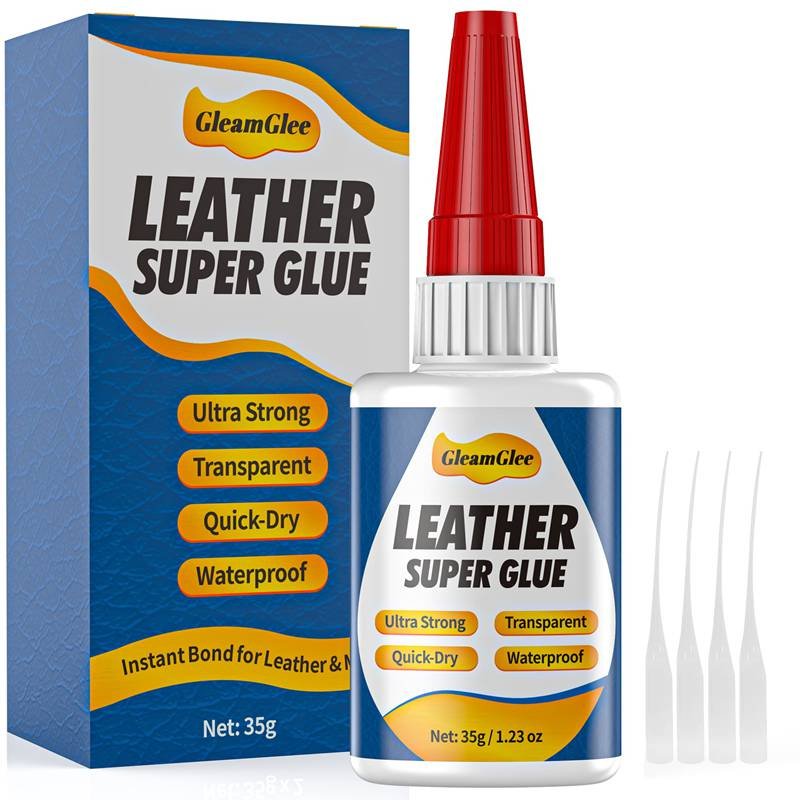
GleamGlee Leather Super Glue is made for small leather repairs on shoes, sofas, car seats, bags, purses, jackets, wallets, furniture, upholstery, and DIY leather projects.
Key repair benefits:
- Clear finish for visible leather areas
- Flexible bond for bending leather
- Waterproof durability for daily use
- Precision tip for seams, cracks, and edges
Amazon Signals for GleamGlee Leather Glue
Amazon’s Choice
4.4-Star Rating
219 Ratings
300+ Bought
Amazon Fulfillment
Free Returns

Can Torn Leather Be Repaired With Glue?
Small torn leather areas can often be repaired with leather glue. Larger rips may need a backing patch before the torn edges are bonded and pressed flat.

Small Tears Often Need Bonding
Small straight tears, peeling edges, loose trims and lifted leather layers can often be repaired with a clear flexible leather glue. Clean the area first, apply a thin glue layer, press the leather edges together and hold the repair in place until the bond sets. GleamGlee Leather Glue is a good fit for visible leather and vinyl areas where a clear finish, controlled nozzle and flexible hold matter.

Larger Rips Need Support
A longer tear usually needs more than edge bonding. A thin backing patch placed behind the damaged leather can add support, especially on sofas, car seats, jackets and bag panels. Glue secures the patch from underneath and helps the torn leather edges sit closer together. If leather is missing, deeply cracked or structurally stressed, leather filler, repair compound or professional repair may be needed after the bonding step.
Is Leather Glue Right for Your Tear?
Use the damage type, location and stress level to decide whether leather glue alone is enough, or whether patch support and extra finishing are needed.
Small Tear
A short, clean tear on leather or vinyl is often a good match for leather glue. Clean away dust, oils and loose fibers before bonding. Use a thin line of glue, press both edges together and keep the surface flat during curing. GleamGlee works well when the goal is a cleaner-looking bond on a visible area.
Peeling Edge
Peeling leather edges on a sofa corner, wallet, shoe upper or bag trim usually need controlled application. Lift the edge gently, add a small amount of glue under the loose layer and press it back into place. A fine-tip nozzle helps keep glue away from surrounding leather grain.
Loose Trim
Loose leather or vinyl trims on car interiors, furniture and accessories can often be bonded back down. Glue should reach the underside of the trim, not sit only on top. Tape, clips or a soft weight may help hold the trim flat while the bond sets.
Bag Corner
Bag corners and purse edges face rubbing, bending and hand contact. For small separations, leather glue can help bond the lifted layer back down. Avoid heavy glue buildup near corners, because visible glue lumps can make a repair look rough.
Car Seat Trim
Minor car seat trim lifting or a small tear can often be repaired at home. Clean away conditioner residue first, because automotive leather and vinyl often carry oils or cleaning products. Larger seat tears or safety-related upholstery damage may need repair support beyond glue.
Jacket Patch
Leather jacket patches, loose decorative panels and small sleeve tears can work well with glue when the area is clean and flat. A backing patch may help if the tear has opened beyond the edge. Give flexible clothing areas extra curing time before wearing.
Tools Needed Before Repairing Torn Leather
A cleaner repair starts with simple tools. Prepare glue, holding aids and surface cleaning items before applying anything to leather or vinyl.
Leather Glue
Use a clear, flexible leather repair glue for bonding torn edges, lifted leather layers and backing patches. GleamGlee Leather Glue comes in a 60ml / 2.1 fl oz tube and is designed for leather and vinyl repairs on shoes, bags, sofas, jackets and car seats. The fine-tip nozzle helps reach narrow tear lines and tight corners.
Clean Cloth
A soft cloth removes dust, loose dirt and surface residue before glue touches the leather. Repairs often fail when glue bonds to dust or conditioner film instead of the material itself. Use a dry or slightly damp cloth, then let the repair area dry fully before applying glue.
Cotton Swabs
Cotton swabs help clean tight cracks, seams and small tear openings. They are also useful for wiping away small glue smears before curing. Use a light touch around visible leather grain, especially on handbags, jackets and car seats where excess glue can stand out.
Masking Tape
Masking tape can protect nearby leather and help hold repaired edges in place. Use low-tack tape and avoid pressing tape onto delicate, peeling or heavily finished leather. Tape is especially useful for flat sofa panels, bag edges and trim repairs.
Small Clips
Small clips can hold leather edges together while glue begins to set. Place a soft cloth between the clip and leather surface to avoid pressure marks. Clips work best on bags, wallets, belts, jacket edges and repair patches with accessible edges.
Soft Weight
A flat book or soft weight helps keep repaired leather panels level while curing. Weight is useful for sofa panels, car seat trim and flat bag panels. Avoid heavy pressure that pushes glue out of the seam or changes the natural shape of leather.
Backing Patch
A backing patch adds support behind larger tears. The patch should sit under the torn leather, not on top of the visible surface. Thin leather, vinyl or flexible fabric can work depending on the item. The patch should extend slightly beyond the tear line.
Toothpick
A toothpick or fine applicator helps spread glue in tight spots. Use it to guide glue under a peeling edge or along a narrow crack. Thin application matters more than heavy coverage, especially on visible leather surfaces.
Small Scissors
Small scissors help trim loose threads, curled material or frayed backing before repair. Only remove pieces that are already loose. Avoid cutting healthy leather around the tear, because over-trimming can make the opening larger and harder to hide.
Match the Tear With the Right Repair
Different leather tears need different repair steps. Use the table below to decide whether glue alone is enough or patch support is needed.
| Damage Type | Common Item | Glue Only? | Patch Needed? | Repair Notes |
|---|---|---|---|---|
| Small straight tear | Sofa, jacket, bag panel | Often yes | Usually no | Clean, apply thin glue, press edges flat, let cure. |
| Peeling edge | Wallet, shoe upper, sofa corner | Yes | Rarely | Lift slightly, apply glue under edge, press flat. |
| Loose trim | Car seat, bag, furniture | Yes | Sometimes | Bond underside of trim, use tape or clips. |
| Medium tear | Sofa, car seat, jacket | Sometimes | Often yes | Insert a backing patch before bonding torn edges. |
| Large rip | Sofa cushion, seat panel | Not alone | Yes | Glue supports bonding, but filler or pro repair may be needed. |
| Hole or missing surface | Upholstery, bag, jacket | No | Yes | Glue alone cannot replace missing leather. Consider patch and filler. |
| Faux leather peeling | Sofa, chair, jacket | Sometimes | Sometimes | Remove loose flakes first; large peeling areas need extra repair steps. |
| Bag strap split | Purse, backpack | Sometimes | Sometimes | If load-bearing, repair carefully or replace strap. |
| Shoe upper crack | Leather shoe, boot | Often yes | Rarely | Flexible glue helps on bending areas; avoid sole-only claims. |
| Car seat tear | Seat side, trim, bolster | Sometimes | Often | Small tears can be bonded; large tears may need professional finishing. |
When Torn Leather Needs a Backing Patch
A backing patch gives larger tears more support from underneath. Glue bonds the patch and helps the torn edges sit flat.
Use a Patch for Open Tears
Small cracks may only need edge bonding, but a tear that opens wider under light pulling should usually get a backing patch. The patch goes behind the leather, not across the front. It spreads stress across a larger area and gives the glue more surface to bond. For sofas, car seats, jackets and bag panels, patch support can help reduce edge lifting after repair.
Place Glue Where Support Is Needed
Apply a thin layer of GleamGlee Leather Glue to the patch surface and underside of the torn leather edge. Slide the patch carefully behind the tear, center it under the opening, then press the leather edges down. Remove extra glue before curing. A fine-tip nozzle helps place glue under the edge instead of flooding the visible leather grain.

Repair Torn Leather in Eight Clear Steps
Follow a clean, slow repair process. Thin glue, steady pressure and full curing matter more than rushing the job.

Step 1 | Clean Surface
Wipe the repair area with a soft cloth to remove dust, skin oils, conditioner residue and loose dirt. Leather glue works best when it bonds to clean material. Let the area dry fully before applying glue. Avoid soaking leather, especially on sofas, jackets and handbags.

Step 2 | Apply Glue
Use the fine tip to apply a thin line of GleamGlee Leather Glue along the underside of the torn edge or patch area. Avoid thick glue beads. Thin application gives cleaner contact, less squeeze-out and a better-looking repair on visible leather.

Step 3 | Press Edges
Bring the torn edges together and press gently but firmly. The repair should sit flat, not stretched. Use masking tape, clips or a soft weight if the area lifts. Keep pressure even so the bond forms across the full tear line.

Step 4 | Let Cure
Leave the repaired area fixed in place until fully cured. Fast-drying helps with handling, but stronger repair results come after proper curing. Give bending areas such as shoes, bag straps, jackets and seats more time before daily use.
Why Thin Glue Gives Cleaner Repairs
Leather repair is not about using more glue. Better repairs come from clean surfaces, thin coverage and steady pressure.
Clean First
Leather often carries dust, skin oil, conditioner, polish or cleaning residue. Glue can fail when it bonds to residue instead of leather or vinyl. Clean the damaged area first, then let it dry. Pay extra attention to car seats, handbags and sofa arms because they receive daily hand contact.
Use Less
A thin glue layer bonds better than a thick lump on most small tears. Too much glue can squeeze out, leave shiny spots and make the repair edge stiff. GleamGlee’s fine-tip nozzle helps place a controlled amount inside cracks, seams and lifted edges.
Press Longer
Pressing helps the glued surfaces stay in full contact while the bond forms. Use tape, clips or light weight when hands are not enough. Avoid bending, sitting on, wearing or pulling the repaired item too early, especially on seats, shoes and straps.
GleamGlee Leather Glue at a Glance
Key product details help users confirm whether the glue fits their torn leather repair before moving to Amazon.
| Specification | Details |
|---|---|
| Brand | GleamGlee |
| Product Name | GleamGlee Leather Glue |
| Capacity | 60ml / 2.1 fl oz |
| Color | Clear |
| Form | Liquid adhesive |
| Package | Tube |
| Main Materials | Leather and vinyl |
| Added Material Use | Faux leather, fabric, rubber and plastic repair situations when suitable |
| Core Features | Extra strong, waterproof, flexible, fast-drying |
| Best Repair Areas | Shoes, bags, sofas, jackets, car seats, wallets, belts, leather trims |
| Applicator | Fine-tip nozzle for cracks, seams, peeling edges and tight corners |
| Amazon Availability | Amazon product listing available for U.S. ordering |
Why GleamGlee Works for Torn Leather
Torn leather needs more than a hard glue line. A clean repair needs clear drying, flexible bonding and controlled application.

Clear Finish
Visible repairs on sofas, bags, shoes, jackets and car seats need a glue line that does not draw attention. GleamGlee Leather Glue dries clear, helping small repairs look cleaner after excess glue is removed. Use thin coverage and wipe overflow before curing for a neater finish.

Flexible Bond
Leather bends, flexes and compresses during daily use. Shoe uppers bend while walking, bag straps move under weight and car seats flex when someone sits down. GleamGlee Leather Glue is positioned as a flexible adhesive, making it suitable for many moving leather and vinyl repair areas.

Waterproof Hold
After proper curing, a waterproof bond helps repairs handle daily moisture, light cleaning and regular handling. Shoes, bags, car interiors and furniture trims often face humidity, sweat or cleaning residue. Let the repair cure fully before exposing it to moisture.

Fast-Drying Formula
Fast-drying repair glue helps reduce waiting during small home repairs. It supports convenient handling, especially for peeling edges, loose trims and small leather tears. Full curing still matters for stronger performance before wearing, sitting, pulling or heavy use.

Fine-Tip Control
Torn leather often needs glue inside a narrow line, under a lifted edge or along a small seam. A fine-tip nozzle helps place glue where the repair needs it. Controlled application reduces mess on visible leather grain and helps first-time users repair with more confidence.

60ml Size
A 60ml / 2.1 fl oz tube gives enough glue for multiple small home repairs, not only one touch-up. Keep it with a repair kit for bag corners, shoe uppers, wallet edges, sofa peeling spots, jacket patches and car seat trims.
Choose the Right Leather Repair Material
Leather glue handles bonding. Patches add support. Fillers smooth missing material. Tape covers quickly but may look temporary.
| Repair Material | Best For | Strength | Visible Finish | Good Match for Torn Leather? |
|---|---|---|---|---|
| Leather Glue | Bonding torn edges, lifted layers, trims and patches | Strong when cured | Clear if applied thinly | Yes, especially small tears and patch-backed repairs |
| Backing Patch | Supporting medium or larger tears from underneath | Adds structure | Hidden under surface | Yes, often needed for open tears |
| Leather Filler | Filling cracks, gaps or missing surface material | Cosmetic support | Needs smoothing and color match | Helpful after bonding when surface is uneven |
| Repair Tape | Quick cover on rips or holes | Varies by tape | Usually visible | Fast option, less natural-looking on premium leather |
| Contact Cement | Heavy-duty leather bonding and crafts | Strong | Can be less forgiving | Good for experienced repair work |
| Repair Compound | Rips, cuts and surface filling | Varies by formula | Often needs finishing | Useful for larger cosmetic repair jobs |
Keep Visible Leather Repairs Cleaner
Sofas, handbags, jackets and car interiors need repair control. Clean edges and thin glue help reduce obvious repair marks.

Clear Line
A clear glue line matters on visible leather. Handbag corners, sofa arms, car seat bolsters and jacket sleeves can catch light easily. GleamGlee Leather Glue dries clear, but clean application still matters. Use a thin layer, keep the edges aligned and wipe away extra glue before it cures.
Tight Placement
Repair glue should go under a lifted edge or inside the tear line, not across surrounding leather. A fine-tip nozzle helps place glue where bonding is needed. For a visible surface, smaller amounts are safer than wide spreading because extra glue can create shine or stiffness.
Flat Pressure
A repaired tear should dry flat. Uneven pressure can create raised corners, gaps or curled edges. Use soft weight, masking tape or clips with padding when needed. For sofa panels and car seat trims, pressure should hold the surface flat without squeezing glue outward.
Clean Edges
Clean edges make a repair look more natural. Trim only loose fibers, remove dust and close the tear without stretching it. If the torn edge has missing material, glue can bond the surface, but filler or finishing may be needed for smoother appearance.
Avoid These Torn Leather Repair Mistakes
Small repair mistakes can make a tear more visible. Slow preparation and controlled glue use help protect the leather surface.
Skipping Cleaning
Dust, oils and conditioner residue can weaken bonding. Clean the damaged area first and let it dry. Car seats, sofa arms and handbag handles need extra care because daily hand contact leaves oils on the surface.
Using Too Much
Heavy glue application can squeeze out, create shiny patches and make leather feel stiff. A thin line is usually enough for small tears and peeling edges. Add glue only where surfaces need to bond.
Missing Patch Support
A tear that opens under light pressure often needs a backing patch. Glue alone may not give enough support for medium rips, seat panels or sofa tears. Patch first, then bond edges.
Moving Too Soon
Fast-drying does not mean ready for heavy use. Bending, sitting, pulling or wearing too soon can weaken the repair. Keep the repair area still until properly cured.
Ignoring Loose Layers
Faux leather and vinyl can peel in layers. Bonding over loose flakes may fail. Remove unstable pieces carefully, then bond solid material. Large peeling zones may need repair steps beyond glue.
Using Hard Glue
Rigid glue can crack when leather flexes. Torn leather on shoes, bags, jackets and seats usually needs a flexible adhesive. GleamGlee Leather Glue is positioned for flexible leather and vinyl repairs.
Torn Leather Repairs by Item
Different leather goods place stress on repaired areas in different ways. Match the method to the item before applying glue.
Sofa Tear
A small sofa tear can often be bonded if the leather edges still meet cleanly. For a longer tear on a seat cushion or armrest, use a backing patch under the opening. Press the surface flat with a soft weight while curing. Cosmetic filling may be needed if material is missing.
Car Seat
Minor car seat tears, side trim lifting and vinyl interior edges can often be repaired with glue and patch support. Clean the area well because car interiors often carry conditioner or cleaning residue. Larger seat damage near heavy-wear bolsters may need professional finishing.
Leather Jacket
Jacket patches, sleeve edges and small tears need flexible bonding because the garment bends during wear. Use thin glue and support the inside of the tear when needed. Let the repair cure before wearing so movement does not pull the seam open.
Handbag Corner
Bag corners rub against hands, tables and clothing. Use a small amount of glue under the lifted edge, press it flat and remove excess before curing. A clear finish helps on visible bag surfaces, while the fine tip helps reach narrow corner gaps.
Shoe Upper
Shoe uppers and boot leather bend during walking. Use flexible leather glue for small cracks, peeling panels and loose leather trims. Avoid claiming a simple upper repair can replace heavy-duty sole repair. Let the glued area cure before wearing again.
Wallet Edge
Wallet edges and card pockets often separate from repeated opening and closing. Use a fine glue line, press the edge together and hold with clips or tape. Keep the wallet open or flat during curing so the repaired edge does not shift.
Know When Home Repair Is Enough
Leather glue is useful for many daily repairs, but severe structural damage may need a trained repair shop.
| Repair Situation | Home Glue Repair | Professional Repair |
|---|---|---|
| Small straight tear | Good fit when edges meet cleanly | Usually not needed |
| Peeling sofa edge | Good fit for minor lifting | Needed for large peeling zones |
| Bag corner separation | Good fit if not load-bearing | Needed if structure is torn |
| Shoe upper crack | Good fit for leather upper repair | Needed for sole or safety damage |
| Car seat trim lifting | Good fit for small trim areas | Needed for large seat panel tears |
| Jacket patch repair | Good fit with proper curing | Needed for high-value restoration |
| Missing leather surface | Glue alone not enough | Filler, patch or pro repair likely |
| Large rip under stress | Glue only is risky | Patch, finishing or professional repair |
| Motorcycle protective leather | Not recommended as simple home glue repair | Professional repair recommended |
| Heavy load strap split | Use caution | Replacement or professional repair recommended |
Cleaner-Looking Repairs Start With Control
Use realistic before-and-after images to show bonding, edge alignment and patch support. Avoid over-edited results that look like new leather replacement.
Show Bonding, Not Magic
Before-and-after visuals should show believable improvement: a peeling edge pressed flat, a small tear closed, a bag corner bonded or a car seat trim secured. Avoid images that make torn leather look completely replaced or recolored. Leather glue bonds material; it does not recolor leather, fill all missing grain or hide every mark. Realistic visuals build more trust and reduce wrong expectations.


Recommended Visual Set
Use three image comparison sliders: sofa tear, handbag corner and car seat trim. Each slider can show the damaged area before repair and a cleaner-looking result after bonding and curing. Keep leather texture, natural shadows and minor surface imperfections visible. Add GleamGlee Leather Glue near the repair area, but keep the repaired material as the main visual.
Ready to Repair the Tear?
After checking the damage and repair method, get a clear flexible leather glue designed for small tears, peeling edges and patch-backed repairs.
For Home Repairs
GleamGlee Leather Glue is made for daily repair needs on leather and vinyl items around the home. Use it for small sofa tears, loose bag trims, wallet edges, jacket patches, shoe uppers and car seat interior details. The 60ml tube is easy to store with a repair kit for future fixes.
For Visible Areas
Visible leather surfaces need a controlled repair. The clear finish helps keep small glue lines cleaner, while the fine-tip nozzle helps place glue inside cracks, seams and lifting edges. Apply thinly, press carefully and wipe away excess glue before curing.
For Amazon Ordering
GleamGlee Leather Glue is available through Amazon for convenient ordering. The Amazon listing shows Amazon’s Choice status, a 4.4-star rating, 219 ratings, 300+ bought in the past month, Amazon Fulfillment and Free Returns. Check the listing before ordering.
Frequently Asked Questions About Torn Leather
Common answers for repairing small leather tears, using patches, choosing glue and knowing when a repair needs more than adhesive.
1. Can torn leather be repaired with glue?
Yes, many small torn leather areas can be repaired with leather glue when the edges still meet cleanly. Larger tears often need a backing patch under the opening before the torn edges are bonded.
2. Do I need a backing patch?
Use a backing patch when the tear opens under light pressure or when the leather needs more support. Small peeling edges may not need a patch, but medium sofa, car seat or jacket tears often benefit from one.
3. Can I use glue on faux leather?
GleamGlee Leather Glue is suitable for many faux leather and vinyl repair situations. Remove loose peeling flakes first. Large peeling areas or missing surface layers may need filler, patching or replacement.
4. Does leather glue dry clear?
GleamGlee Leather Glue is clear. A clear finish helps visible repairs look cleaner, especially on bags, sofas, jackets and car seats. Apply thinly and wipe away excess glue before curing.
5. Is leather glue waterproof?
GleamGlee Leather Glue is positioned as waterproof after curing. Let the repaired area cure fully before exposing it to moisture, cleaning or heavy daily use.
6. How long should leather glue cure?
Follow the product instructions and allow full curing before bending, pulling, sitting on or wearing the repaired item. Fast-drying helps with handling, but full curing supports stronger repair performance.
7. Can I repair a leather sofa tear?
Small sofa tears and peeling edges can often be repaired with glue. Longer tears may need a backing patch, and missing leather or color damage may need filler or professional finishing.
8. Can I repair a car seat tear?
Minor car seat tears and trim lifting may be repaired with glue and patch support. Large seat panel damage, safety-related areas or severe wear may need professional upholstery repair.
9. Is leather glue better than super glue?
Leather usually needs flexibility. Many hard glues can crack when leather bends. A flexible leather adhesive is better suited for shoes, bags, jackets, sofas and car seat trims.
10. When should I choose professional repair?
Choose professional repair for large rips, missing leather, high-value restoration, motorcycle protective leather, load-bearing straps or any damage where strength and appearance are critical.
Related Leather Repair Guides
Guide visitors to more focused repair topics after they learn the torn leather repair basics.
Sofa Repair
Learn how to repair small leather sofa tears, peeling corners and lifted panels with clear flexible leather glue and patch support.
Car Seats
See how to handle minor leather car seat tears, interior trim lifting and vinyl edge repairs without messy glue overflow.
Bag Repair
Fix handbag corners, purse straps, wallet edges and leather trims with controlled glue placement and clean pressure.
Shoe Uppers
Repair peeling leather shoe uppers, boot edges and small cracks with a flexible glue made for bending areas.
Peeling Leather
Understand when peeling leather can be glued back down and when loose flakes need trimming before repair.
Faux Leather
Learn how faux leather and vinyl repair differs from genuine leather, especially with peeling layers and surface wear.
Glue vs Filler
Compare leather glue, filler, patch, tape and repair compounds before choosing the right repair material.
No-Sew Repair
See when glue can replace sewing for small leather patches, trims, edges and decorative repairs.
Send a Leather Repair Question
Not sure whether your torn leather can be repaired with glue, patch support or extra finishing? Send a clear photo of the damaged area and describe the item, material, tear size and where the damage sits. Helpful details include whether the item is genuine leather, faux leather or vinyl; whether the edges still meet; whether the area bends or carries weight; and whether the repair is on a sofa, car seat, bag, jacket, shoe or trim. Repair shops, retailers and brand partners can also request product specifications, packaging options and wholesale supply information for GleamGlee Leather Glue.