 Skip to content
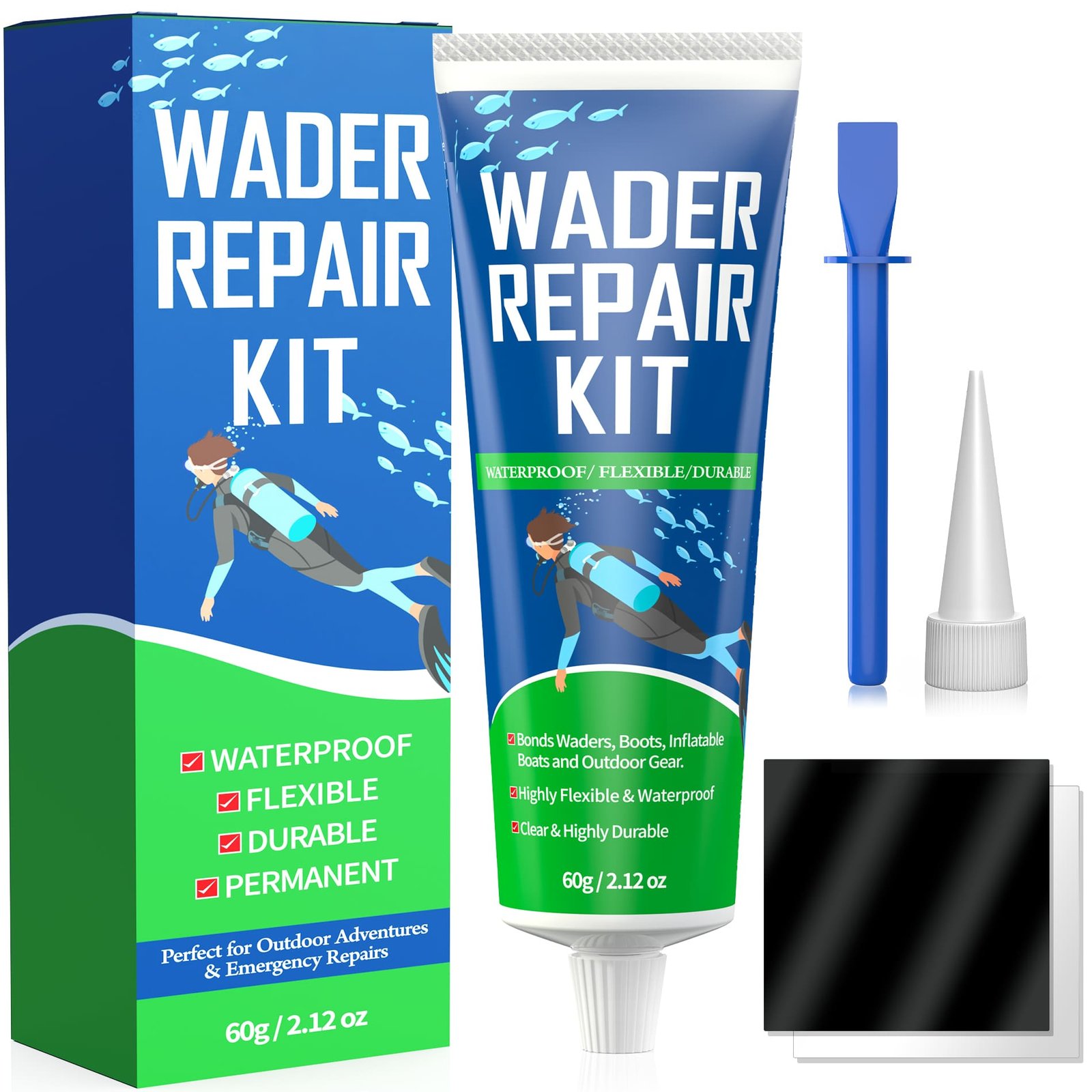
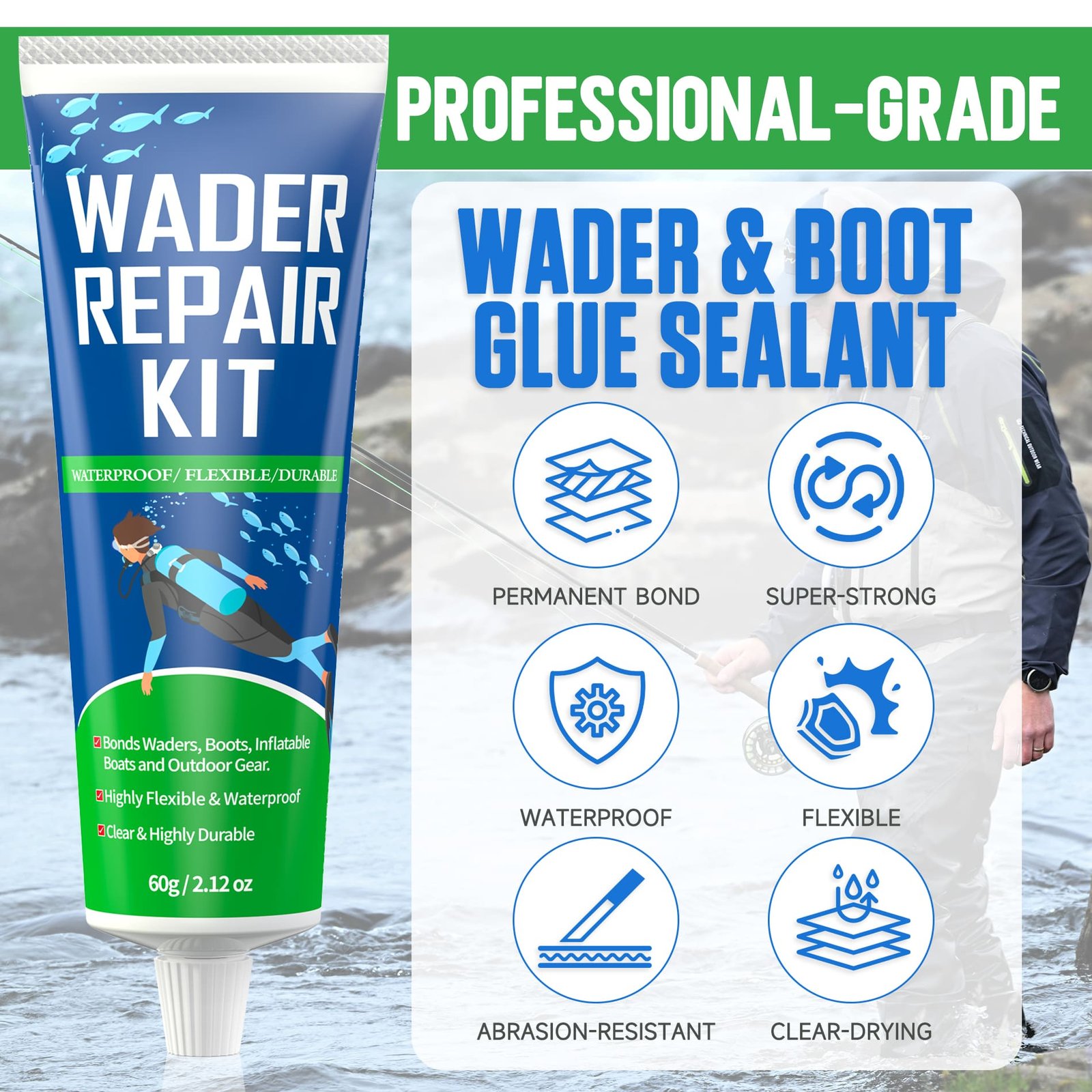
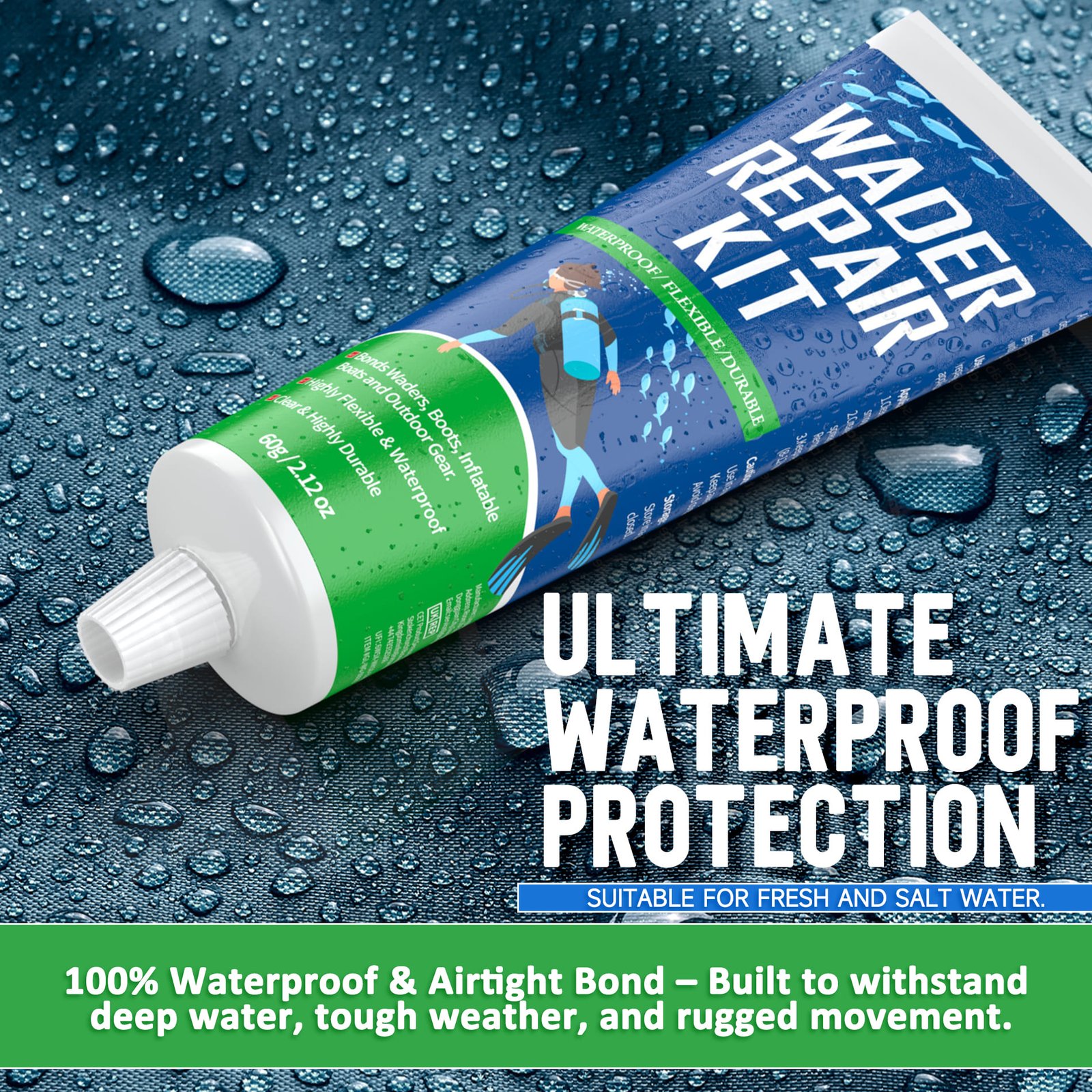
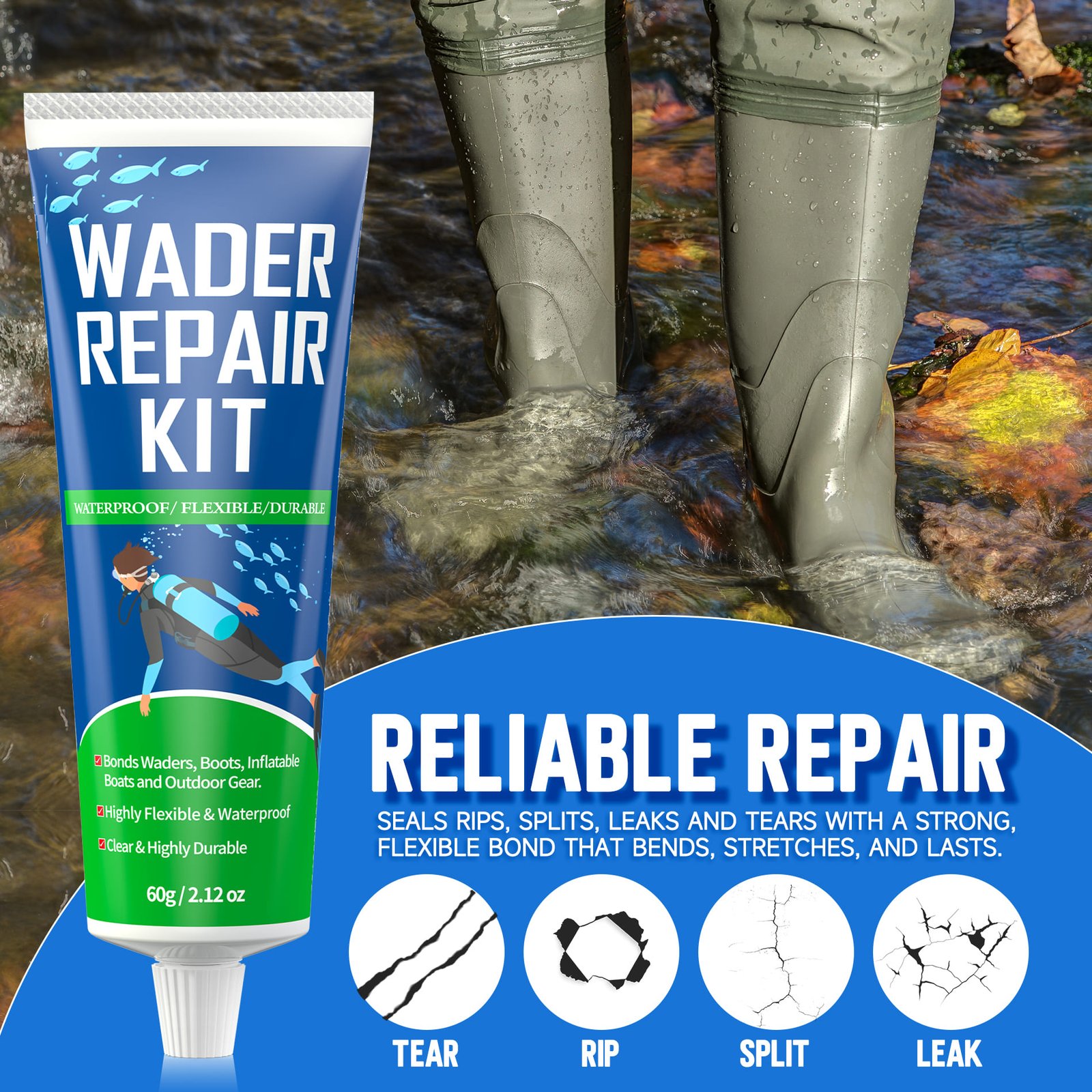
Best Wader Repair Glue for Waterproof & Durable Outdoor Repairs
A small leak can ruin a fishing trip fast. Wet socks, cold feet, soaked base layers, and that slow feeling of water creeping in can turn a good day outdoors into a frustrating one.
It dries clear, helps create a water-resistant repair layer, and stays more flexible than hard household glues after curing. That matters because waders do not sit still. They bend, stretch, fold, scrape, and move through water, mud, rocks, and brush.
- Helps seal small leaks, punctures, and worn spots
- Designed for fishing waders, hunting waders, neoprene gear, rubber boots, PVC gear, and rainwear
- Clear finish for cleaner-looking repairs
- Flexible bond that moves with outdoor gear
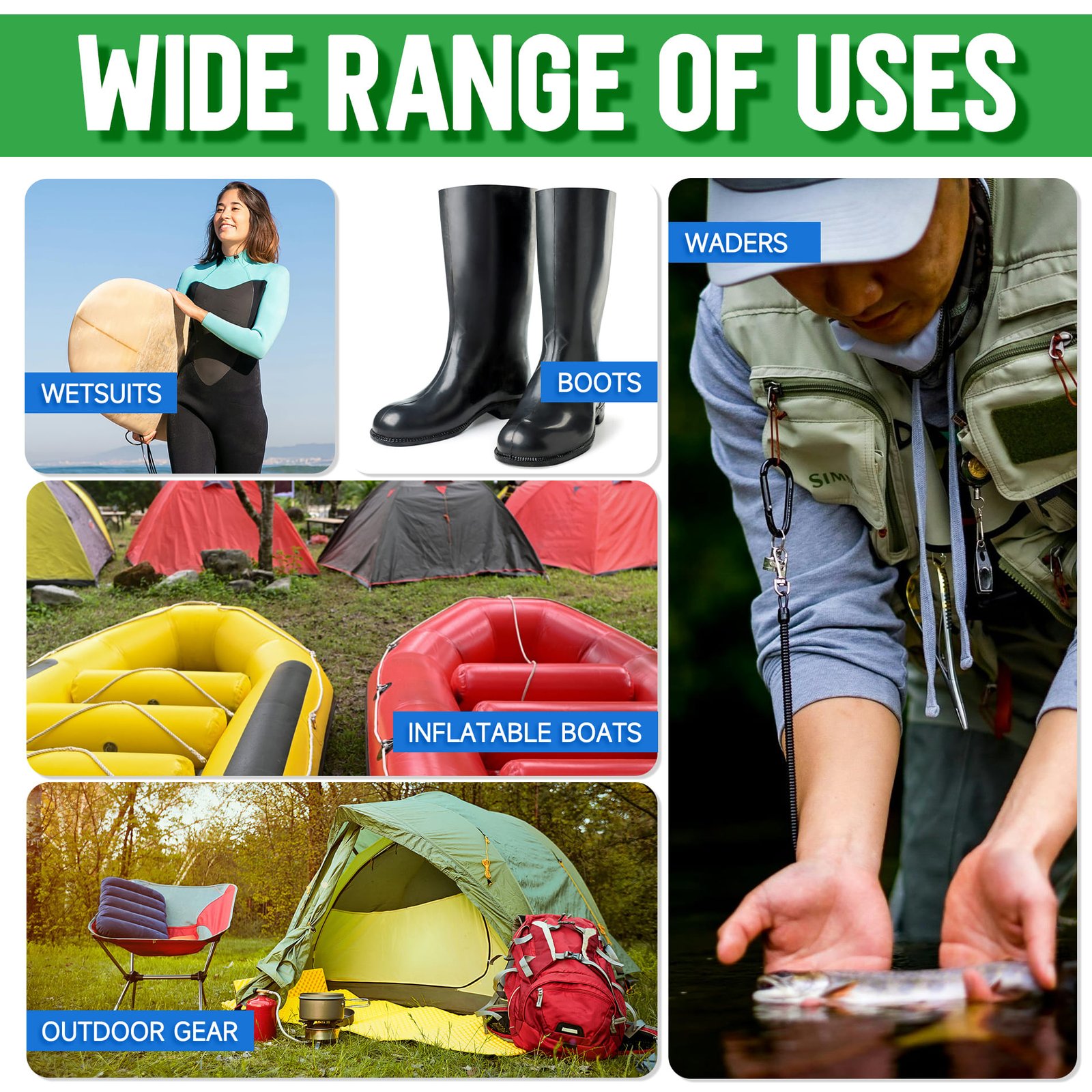
- Useful for neoprene, rubber, PVC, nylon, vinyl, canvas, and coated fabrics
- Great for DIY repair before replacing expensive gear

GleamGlee Wader Repair Glue is made for the kind of waterproof gear repairs outdoor users actually deal with: pinhole leaks, small tears, worn seams, neoprene bootie gaps, rubber boot cracks, PVC gear damage, and coated fabric repairs.
When Waders Leak, the Damage Is Usually Small — But the Problem Feels Big
Most leaking waders do not fail all at once. A tiny hole near the knee, a worn seam, a small crack near the boot, or a hidden puncture from a hook can let in enough water to ruin the day.
Common wader leak problems include:
- Hook punctures from fishing
- Tiny pinholes from gravel, thorns, brush, or rough banks
- Knee and ankle wear from bending and kneeling
- Crotch seam stress from walking, squatting, and climbing
- Neoprene bootie separation on stockingfoot waders
- Small cracks in rubber bootfoot areas
- Lifting seam tape or worn coated fabric
- Abrasion from rocks, mud, shells, and packed gear
That is why wader repair is different from ordinary household bonding. The goal is not only to stick two surfaces together. The repair needs to help keep water out while staying flexible enough to move with the material.
A hard glue can crack. Tape can peel. A messy sealant can lift from coated fabric. A good wader repair glue has to work like a flexible waterproof repair layer.
How to Repair Old Books with Book Binding Adhesive
When outdoor users search for the best wader repair glue, they are usually asking one thing: Will this stop the leak and stay sealed after I walk, kneel, cast, climb, pack my gear, and step back into the water? A reliable wader glue should do four things well:

1. Seal Out Water
The repair should help cover pinholes, worn spots, and small tears with a water-resistant layer after full cure.

2. Stay Flexible
Waders bend at the knees, ankles, seams, and booties. A stiff repair may crack or lift during movement.

3. Bond to Outdoor Materials
Real waders and waterproof gear often use neoprene, rubber, PVC, nylon, vinyl, canvas, and coated fabrics. One repair product should be useful across the materials found in outdoor gear.

4. Handle Outdoor Wear
Fishing and hunting gear faces mud, rocks, brush, wet storage, cold mornings, friction, and repeated packing. A good repair should be made for more than a clean indoor surface.
GleamGlee Wader Repair Glue is designed for consumers who want a practical repair before replacing expensive gear. It is especially useful for small leaks, punctures, worn areas, and flexible waterproof gear repairs.
What to Look for in a Good Wader Repair Glue
Not every strong glue is a good wader glue. Waders need waterproof sealing, controlled application, and flexibility after curing.
Waterproof Repair Layer
The first job is simple: help stop water from getting in. A good wader repair glue should cover the damaged area and create a sealed repair layer after full curing.
This is especially important for:
- Pinhole leaks
- Small punctures
- Seam leaks
- Neoprene gaps
- Rubber boot cracks
- Worn coated fabric
Multi-Material Compatibility
A pair of waders may include several materials in one product:
- Neoprene booties
- Rubber bootfoot areas
- PVC-coated sections
- Nylon fabric
- Vinyl panels
- Canvas-style gear
- Breathable coated fabric
- Reinforced seams
A practical repair glue should be useful across common waterproof gear materials.
Flexible After Curing
Waders move constantly. Knees bend. Ankles fold. Booties stretch. Seams pull. If the glue dries too hard, the repair may crack where the material flexes.
A better repair stays flexible enough to move with the gear.
Durable for Outdoor Use
Outdoor gear is not treated gently. It rubs against rocks, mud, shells, gravel, fishing gear, brush, and boat decks.
The repair should be made for wet, rough, real-world use — not just a quick indoor fix.
Clear, Controlled Application
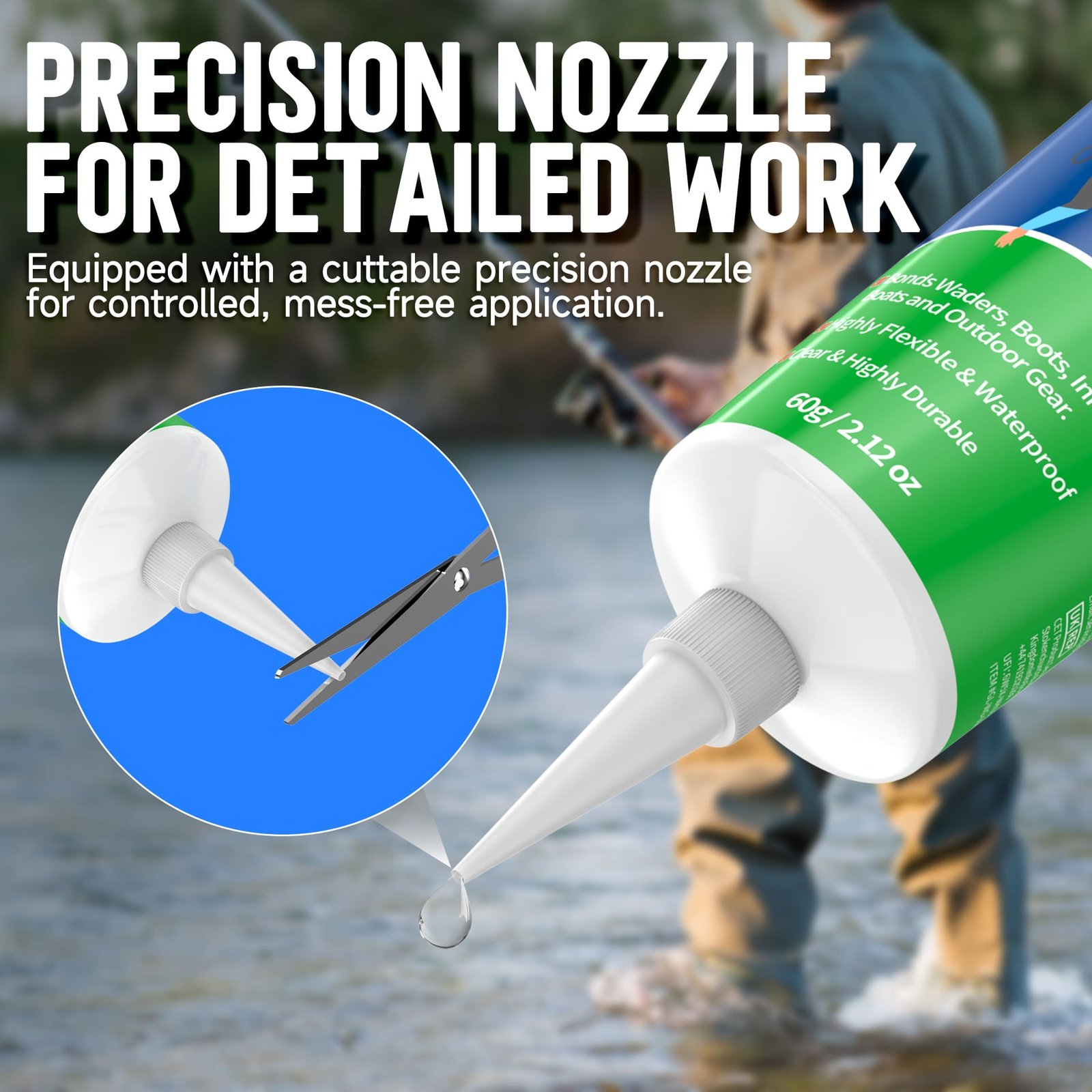
A clear finish helps repairs look cleaner. A precision applicator helps place glue exactly where it is needed, especially around pinholes, seams, and tight bootie areas.
For small wader damage, control matters. A neat repair is usually better than a thick, messy blob.
Best Uses for Wader Repair Glue
Wader repair glue is most valuable when damage is still small enough to fix. These are the repairs where GleamGlee Wader Repair Glue makes the most sense.
Pinhole Leaks
Tiny punctures from hooks, thorns, gravel, or brush can let in enough water to soak socks and base layers. A controlled layer of waterproof repair glue helps cover the damaged point and seal the leak.
Seam Leaks
Small seam leaks often show up slowly, especially around the crotch, ankle, and bootie connection areas. A flexible repair layer can help reinforce minor leaks before they spread.
Knee Wear
Knees take constant bending, kneeling, and abrasion from rocks and riverbanks. A flexible repair glue helps cover worn spots without creating a stiff repair that cracks when the material bends.
Neoprene Bootie Repair
Stockingfoot waders often fail near neoprene booties. Small cracks, edge lifting, or seam gaps can often be improved with careful cleaning, controlled glue application, and full cure time.
Rubber Bootfoot Cracks
Bootfoot waders can develop small cracks or worn waterproof areas. A flexible adhesive helps seal minor damage on rubber or rubber-like surfaces.
PVC Gear Repairs
PVC gear, inflatable items, dry bags, and waterproof bags can develop small tears or punctures. GleamGlee Wader Repair Glue is a useful addition to a home or outdoor repair kit.
Rain Gear and Coated Fabric
Waterproof jackets, coated fabric, canvas, vinyl, and nylon gear can develop small tears or worn areas. A clear repair adhesive gives a cleaner alternative to bulky patches for minor repairs.
Fishing, Hunting, and Camping Kits
Keep a tube in the garage, tackle bag, hunting box, RV, or camping repair kit. Small damage is easier to fix before it becomes a full replacement problem.
Book Glue vs Regular Glue: Why the Difference Matters
Waders bend, stretch, scrape, soak, and dry again. Hard household glue was not made for that kind of abuse.
| Repair Option | Why It Often Fails on Waders | Better Use |
|---|---|---|
| Super Glue | Dries hard and may crack when knees, ankles, or booties flex | Rigid plastics and small hard parts |
| Duct Tape | Quick emergency cover, but edges can peel in water and mud | Temporary field backup |
| Hot Glue | Poor long-term water resistance and weak flexibility | Crafts and light indoor fixes |
| Basic Silicone Sealant | Can be messy and may peel from some coated fabrics | Household sealing |
| General Contact Glue | May bond surfaces but may not create a clean waterproof repair layer | General bonding |
| Wader Repair Glue | Helps create a clear, flexible, water-resistant repair for outdoor gear | Waders, neoprene, rubber, PVC, coated fabrics |
The best glue for waders should act more like a flexible waterproof seal than a hard household adhesive.
That is why flexibility after curing matters just as much as initial bonding strength.
How to Repair Leaking Waders Step by Step
A better repair starts with a clean surface, careful application, and enough cure time before water exposure.

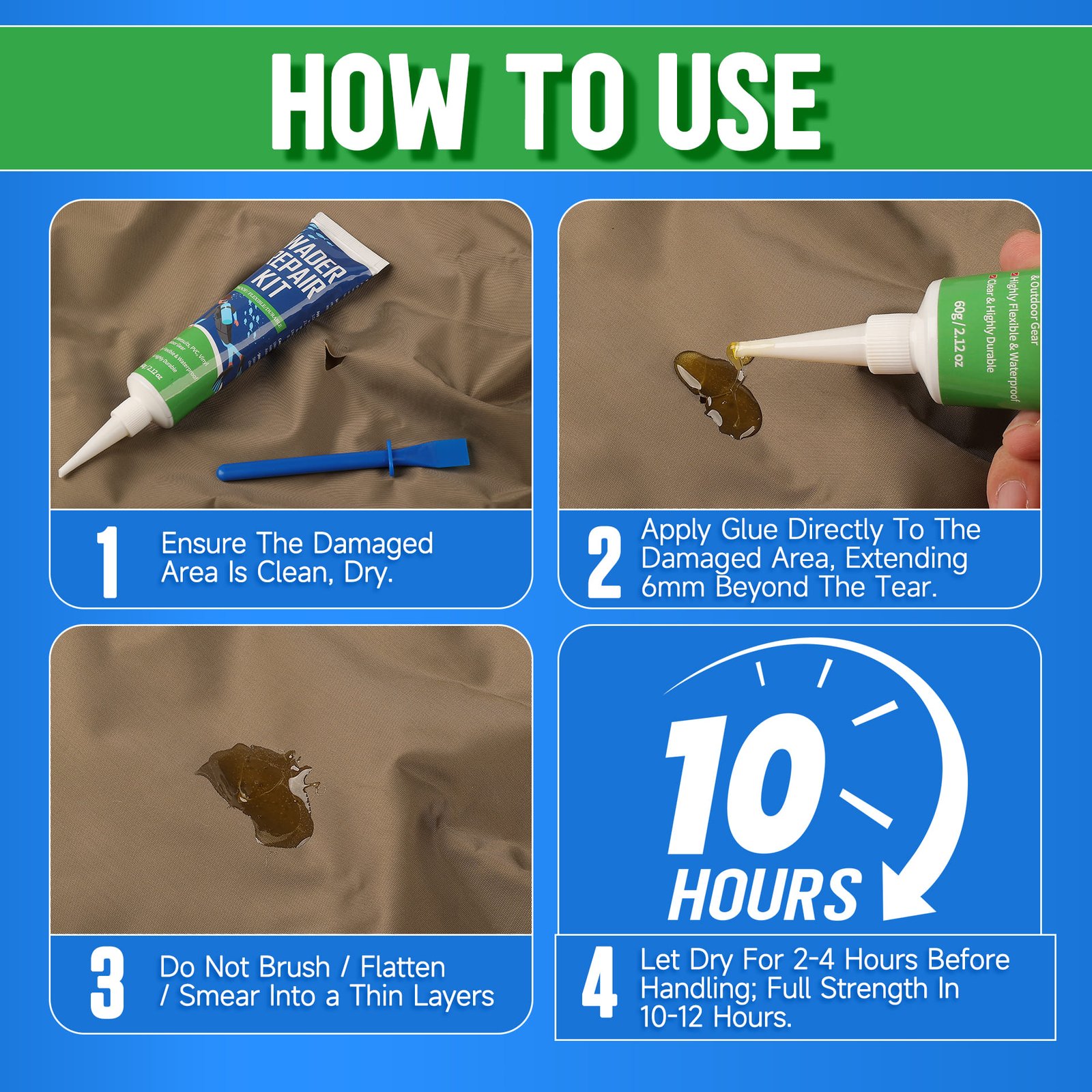
Step 1 — Clean the Repair Area
Remove mud, sand, fish slime, oil, loose coating, and dust. A dirty surface can weaken the repair.
Let the area dry completely before applying glue.

Step 2 — Apply a Thin, Even Layer
Apply GleamGlee Wader Repair Glue directly over the damaged area. Spread slightly beyond the edge of the hole, tear, or worn spot to create better coverage.
For pinholes, a small controlled amount is usually better than over-applying.

Step 3 — Add a Patch for Larger Damage
For larger tears or high-stress areas, pair the glue with a suitable patch.
Rounded patch corners help reduce edge lifting. This is especially helpful on knees, ankles, bootie transitions, and areas that bend often.

Step 4 — Let It Fully Cure
Do not rush the repair. Allow enough time for the glue to fully cure before bending heavily, packing, wearing, or submerging the waders.
Full curing helps improve water resistance and repair durability.
For high-flex areas such as knees, ankles, crotch seams, and neoprene bootie transitions, use a controlled amount of glue.
More glue is not always better. A clean, even repair layer usually performs better than a thick, messy blob.
Works on Common Wader and Outdoor Gear Materials
Waders and outdoor equipment are rarely made from one material. A single pair may include neoprene booties, rubberized sections, coated fabric panels, nylon reinforcement, and taped seams. GleamGlee Wader Repair Glue is made for multi-material outdoor repairs where flexibility and water resistance matter.
Suitable for Common Repair Materials
Neoprene
Rubber
PVC
Nylon
Vinyl
Canvas
Coated outdoor fabrics
Rain gear fabric
Waterproof bags
Inflatable gear
Rubber boots
Wetsuit-style materials
For specialty coated fabrics, high-end breathable waders, or unfamiliar materials, test a small hidden area first.
A spot test is a smart habit. It helps confirm surface compatibility before making a visible repair.
Built Around the Three Things Wader Repairs Need Most
A good wader repair has to do more than look good on a workbench. It has to perform after the gear goes back outside.
1. Seal the Leak
Small holes can create big problems. A proper repair should help stop water from entering through pinholes, small tears, worn seams, and damaged waterproof surfaces.
2. Move With the Gear
Waders fold, bend, stretch, and compress with every step. A flexible repair helps reduce cracking and edge lifting.
3. Handle Outdoor Wear
Fishing and hunting gear meets mud, rocks, brush, cold mornings, wet storage, and repeated packing. A durable repair glue helps extend gear life before replacement becomes necessary.
The real value of wader repair glue is not only in the first application. It is in how the repair performs after repeated movement, wet conditions, and outdoor use.
How GleamGlee Compares to Common Wader Repair Options
Different repair products work for different situations. The right choice depends on damage size, location, cure time, and how much flexibility the repair needs.
| Option | Best For | Limitation |
|---|---|---|
| Urethane-Style Outdoor Repair Adhesive | Proven waterproof gear repair, waders, wetsuits, drysuits | Usually needs longer cure time |
| UV Wader Repair Adhesive | Fast pinhole and field repair | Better for small damage than larger tears |
| Flexible Repair Adhesive | Neoprene, rubber, PVC, coated fabric repairs | Brand availability may vary |
| Seam Sealer | Seam leaks and coated fabric edges | Not always ideal for thicker tears |
| Patch Tape Only | Quick field coverage | Edges can lift without proper sealing |
| GleamGlee Wader Repair Glue | Clear, flexible, water-resistant DIY repair for waders and outdoor gear | Best results require cleaning and full cure time |
GleamGlee is not positioned as a one-second miracle fix. It is built for consumers who want a clean, controlled, flexible repair that can help seal water out when applied correctly.
For tiny emergency pinholes, UV repair products may be convenient. For a practical repair at home, in the garage, or before the next trip, GleamGlee Wader Repair Glue gives anglers, hunters, and outdoor users a strong balance of waterproof repair performance, material versatility, and ease of use.
Real Outdoor Repairs This Glue Is Made For
Small damage can feel like a big problem when water starts getting in. These are the moments where the right repair glue matters.
The Fly Fisher with a Knee Pinhole
After kneeling on river rocks, a tiny pinhole near the knee starts letting in water. A clean layer of waterproof repair glue helps seal the puncture before the next morning trip.
The Duck Hunter in Wet Marsh Grass
Hunting waders face mud, brush, cold water, and long walks. A flexible repair around a worn ankle or bootfoot area can help keep gear usable instead of sending it to the trash.
The Stockingfoot Wader That Starts Leaking at the Bootie
The transition between neoprene bootie and upper wader fabric takes constant stress. A careful repair can help seal small gaps before they spread.
The Expensive Wader with One Small Tear
High-quality waders can cost far more than a tube of repair glue. A small tear does not always mean replacement. A proper repair can help extend gear life.
The Camping Gear Fix Before a Rainy Weekend
Dry bags, rain gear, PVC bags, and coated fabric can fail right before a trip. A repair glue in the gear box can save time, money, and frustration.
Why Choose GleamGlee for Wader and Outdoor Gear Repair
GleamGlee develops adhesive and care products for people who want reliable repair without overcomplicated tools. The brand works across footwear, fabric, leather, glass, plastic, book repair, construction bonding, and outdoor gear repair. That wider repair background helps shape a simple product philosophy:
The glue should match the job, the material, and the way people actually use the item after repair.
For wader repair, that means:
- Wet environments
- Flexible materials
- Outdoor friction
- Small damaged areas
- DIY application
- Clear instructions
- Practical repair value
GleamGlee also supports a broader global supply system, including product development, packaging design, manufacturing coordination, multilingual product materials, and e-commerce distribution across major markets.

That foundation helps keep the brand focused on product consistency, consumer usability, and real repair needs — not just generic “strong glue” claims.
Who Needs Wader Repair Glue?
Anyone who owns waterproof outdoor gear knows one small leak can end the day early.
Fly Fishing Anglers
For pinholes, knee wear, seam leaks, riverbank damage, and stockingfoot wader repairs.
Duck Hunters
For marsh waders, muddy bootfoot areas, rubber cracks, wet brush exposure, and cold-weather gear prep.
Kayakers and Boaters
For dry bags, splash gear, PVC equipment, coated fabric, and inflatable repairs.
Campers and RV Owners
For rain gear, tarps, outdoor bags, rubber gear, and emergency repair kits.
DIY Repair Users
For anyone who would rather fix small damage before replacing expensive gear.
Not Ideal For
- Large structural tears without a patch
- Fully delaminated waders needing professional repair
- Dirty, oily, or wet surfaces that have not been cleaned
- Repairs that are submerged before full cure
- Materials that reject adhesive after spot testing
A good repair starts with realistic expectations. Small leaks, pinholes, worn spots, and minor tears are ideal repair targets. Heavy structural damage may need patch reinforcement or professional service.
From Leaking Gear to Ready-for-Water Repair
Before repair, a tiny puncture can soak socks, base layers, or boots. After careful cleaning, controlled glue application, and full curing, the damaged area can be sealed with a cleaner, more flexible repair layer.
The goal is simple:
- Keep water out
- Keep the material moving
- Keep expensive outdoor gear working longer
- Avoid replacing waders over minor damage
Before Repair
- Hidden pinhole leak
- Worn seam edge
- Small tear near knee
- Neoprene bootie gap
- Rubber boot crack
- Wet socks after a few minutes in water
After a Proper Repair
- Clear repair layer
- Flexible sealed area
- Cleaner finish
- Better water resistance after full cure
- Ready for water testing before the next trip
A small leak should not decide whether the next fishing or hunting trip happens. Repair it early, test it at home, and get back outside with more confidence.
Simple Tips for a Better Wader Repair
Good glue performs better when the repair area is prepared correctly.
Do Not Apply Over Mud or Moisture
Clean and dry the surface first. Dirt, sand, oil, and water can weaken the bond.
Use Thin, Controlled Layers
A thick blob is not always stronger. A smooth, even layer usually creates a cleaner and more reliable repair.
Extend Beyond the Damage
Cover slightly beyond the tear, puncture, or worn spot so the repair layer has enough surface area to hold.
Reinforce Larger Tears
Use a compatible patch for larger holes or high-stress areas.
Respect Cure Time
Full curing matters. Submerging too early can reduce repair strength and water resistance.
Test Before the Trip
A water test at home is easier than discovering a missed leak in cold water.
Store It with Your Outdoor Repair Kit
Keep wader repair glue with your fishing tools, hunting box, camping kit, RV supplies, or garage repair shelf. Small damage is easier to fix when the right product is already on hand.
Repair the Leak Before It Ruins the Next Trip
Waders are made to keep water out. When they start leaking, even a tiny hole can make the whole trip uncomfortable.
GleamGlee Wader Repair Glue gives outdoor users a practical way to seal small leaks, reinforce worn areas, and repair waterproof gear with a clear, flexible bond.
Use it before the next fishing trip, hunting weekend, camping trip, boating day, or rainy-day repair project.
Clean the area. Apply carefully. Let it fully cure. Test before water exposure.
Wader Repair Glue FAQ
1. What is the best glue for repairing leaking waders?
The best glue for leaking waders should create a waterproof repair layer, stay flexible after curing, and bond to common wader materials such as neoprene, rubber, PVC, nylon, vinyl, and coated fabrics. GleamGlee Wader Repair Glue is designed for these types of small waterproof gear repairs.
2. Can wader repair glue fix pinhole leaks?
Yes. Pinhole leaks are one of the most common repair jobs for wader glue. Clean and dry the area first, apply a thin layer over the leak, extend slightly beyond the damaged point, and allow the glue to fully cure before water testing.
3. Can I use super glue on fishing waders?
Super glue is not the best choice for most wader repairs because it usually dries hard. Waders bend at the knees, ankles, seams, and booties, so a brittle repair can crack or lift during movement.
4. Does wader repair glue stay flexible?
A good wader repair glue should stay more flexible than ordinary hard glue after curing. Flexibility matters because waders constantly fold, stretch, compress, and move during fishing, hunting, and walking through water.
5. Can I repair neoprene waders with GleamGlee Wader Repair Glue?
GleamGlee Wader Repair Glue can be used on neoprene and other common outdoor gear materials. For best results, clean the surface, apply carefully, and test a small hidden area first when working on specialty materials.
6. Do I need a patch for wader repair?
Small pinholes and minor leaks may only need glue. Larger tears, high-stress areas, or holes near knees, ankles, and booties usually perform better with a compatible patch plus glue.
7. How long should wader repair glue cure before use?
Cure time depends on the amount applied, material, temperature, humidity, and repair size. For best results, let the repair fully cure before bending heavily, wearing, packing, or submerging the waders.
8. Can I use this glue on breathable waders?
It may be used on many coated or technical outdoor fabrics, but breathable waders can vary by construction. Always test a small hidden area first and avoid covering large breathable zones unnecessarily.
9. Can wader repair glue fix seam leaks?
Small seam leaks can often be sealed with a waterproof flexible adhesive. Large seam failures, delamination, or heavily worn seam tape may need patch reinforcement or professional repair.
10. Is GleamGlee Wader Repair Glue only for waders?
No. It can also be useful for rubber boots, rain gear, neoprene gear, PVC gear, vinyl, canvas, dry bags, inflatables, camping gear, and other small waterproof outdoor repairs.





















