Skip to content

A broken toy or cracked plastic container often feels too small to replace but too annoying to ignore. A snapped action figure part, split storage box corner, loose lid clip, or cracked acrylic organizer can still be repaired if the plastic is rigid, clean, and close-fitting.
Quick-dry plastic glue for toys and containers is a fast-setting adhesive used to repair PVC, ABS, acrylic, toy parts, storage bins, lids, handles, organizers, and clear plastic pieces. It works best when applied in a thin layer, pressed firmly, and left to cure before normal use.
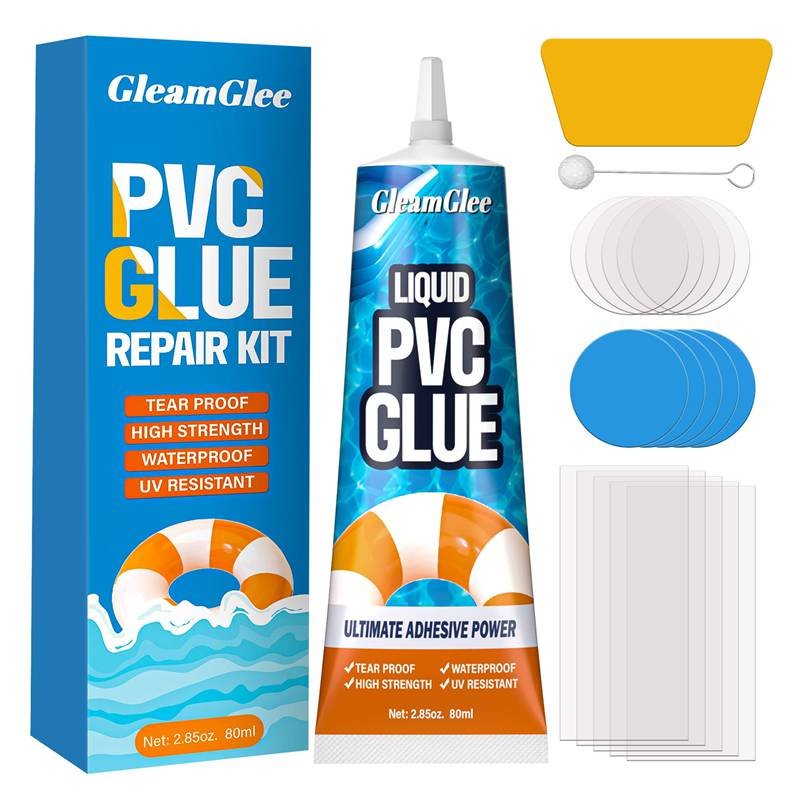
For the cleanest repair, choose a glue that dries clear, bonds quickly, and includes a fine-tip nozzle. GleamGlee Plastic Glue is designed for fast, controlled plastic repair, helping users fix small household items, toys, containers, craft parts, and visible plastic pieces with less mess and a more professional finish.
What Is Quick-Dry Plastic Glue?
Quick-dry plastic glue is a fast-setting adhesive made for repairing rigid plastic parts when the pieces need to grab quickly and stay aligned. It is commonly used on toys, storage boxes, acrylic organizers, plastic lids, household containers, model parts, PVC pieces, ABS parts, and clear plastic accessories.
A good quick-dry plastic glue should do more than stick fast. It should apply neatly, dry clear, reduce visible repair marks, and create enough strength for normal daily handling after full curing. For small toy parts and container cracks, the repair often depends on a thin glue layer, tight contact, steady pressure, and at least several hours of rest before use.
GleamGlee Plastic Glue is designed for fast plastic repair with a seconds-dry formula, 100% transparent finish, strong bonding performance, and precision nozzles. It works well for many common rigid plastics, especially PVC, ABS, acrylic, toy parts, organizers, and containers that need clean, controlled repair.
Quick-Dry Plastic Glue Basics
Quick-dry plastic glue is useful because many plastic repairs are small, narrow, and difficult to hold. A broken toy hand, a cracked container corner, a split acrylic lid, or a loose storage box clip may only have a few millimeters of contact area. If the glue sets too slowly, the part can slide out of place before the bond forms. If the glue is too thick, the repaired area may look messy or fail to close tightly. A fast-setting formula helps the pieces stay together quickly, but the repair still needs time to build stronger durability.
The most important point is the difference between “dry to touch” and “ready for use.” A quick-dry glue may grab in seconds, but the repaired item should not be twisted, pulled, stacked, washed, or loaded right away. For toys, this means the repaired figure, wheel, accessory, or model part should rest before play. For containers, this means the lid, handle, clip, or corner should not be stressed too soon.
| Repair Stage | Time Feel | What It Means | What to Avoid |
|---|---|---|---|
| Initial grab | Seconds | Parts begin to stay together | Moving or realigning repeatedly |
| Early hold | Few minutes | Repair feels stable by hand | Pulling, bending, snapping lids shut |
| Strength build | Several hours | Bond becomes more dependable | Loading bins, twisting toy joints |
| Full cure habit | Around 24 hours | Better for normal daily use | Heavy stress, impact, water exposure too early |
Quick-dry plastic glue works best when the plastic is rigid, dry, clean, and close-fitting. It is not meant to replace missing plastic, rebuild large gaps, or repair parts that bend heavily every day.
Quick-Dry Plastic Glue Uses
Quick-dry plastic glue is used for the kind of plastic damage that happens in ordinary homes: small cracks, snapped tabs, loose corners, broken toy details, and plastic pieces that still fit together but no longer hold. These repairs do not always need new replacement parts. They need accurate glue placement and enough curing time.
For toys, common uses include action figure arms, doll accessories, toy car mirrors, board game pieces, model kits, plastic wheels, small panels, decorative parts, and specialty building block pieces. The glue is most suitable when the repaired part is rigid and not under constant twisting. A toy display piece, model car detail, or board game accessory usually repairs better than a flexible hinge or a high-impact wheel axle.
For containers, common uses include storage box cracks, organizer corners, plastic lid edges, bathroom trays, office boxes, acrylic drawers, small clips, and lightweight handles. The repair is more dependable when the container holds light items such as craft supplies, toys, stationery, makeup, bathroom products, or clothing accessories.
| Item Type | Common Damage | Repair Suitability | Practical Note |
|---|---|---|---|
| Toy figures | Hands, feet, accessories | High | Avoid blocking movable joints |
| Model kits | Wings, panels, small trim | High | Best for display or gentle handling |
| Storage boxes | Corners, side cracks, lid edges | Medium to high | Do not overload after repair |
| Clear organizers | Acrylic corners, trays, dividers | High | Use very little glue |
| Bathroom items | Soap holders, cups, caddies | Medium | Dry fully before repair |
| Heavy containers | Handles, bases, load areas | Low to medium | May need reinforcement or replacement |
A good repair should match the job. Glue can restore many useful plastic items, but it should not be trusted for unsafe repairs such as food-contact surfaces, baby chew toys, medical load-bearing parts, or heavily loaded storage handles unless the adhesive is specifically rated for that purpose.
Quick-Dry Plastic Glue Benefits
The main benefit of quick-dry plastic glue is that it makes small repairs easier to control. Plastic pieces often shift during repair because they are smooth, lightweight, and awkward to hold. A fast-setting adhesive helps lock the parts into position quickly, which is helpful for narrow toy cracks, container clips, acrylic edges, and small household plastic parts.
Another strong benefit is appearance. Many repaired plastic items stay visible after repair. Clear organizers sit on desks and bathroom counters. Toy models are displayed on shelves. Storage bins may be used in closets, laundry rooms, garages, and children’s rooms. If the glue dries cloudy, yellow, or bulky, the item may look damaged even after it holds. A 100% transparent finish helps the repair look cleaner, especially on clear plastic, acrylic parts, toy windows, and visible container edges.
GleamGlee Plastic Glue also includes precision nozzles, which solve a common repair problem: too much glue in the wrong place. Fine-tip application helps reduce overflow, waste, stuck joints, and visible glue marks.
Key benefits include:
- Fast initial grab for small toy and container repairs.
- Clear drying finish for visible plastic surfaces.
- Fine-tip control for cracks, corners, clips, and model details.
- Strong bond for PVC, ABS, acrylic, and many rigid plastic items.
- Less mess compared with wide-mouth glue tubes.
- Better value by repairing useful items instead of replacing them.
| Feature | Daily Repair Value | Best Example |
|---|---|---|
| Seconds-dry formula | Helps parts stay aligned quickly | Toy arm, model trim, lid clip |
| Crystal-clear finish | Keeps repair less noticeable | Acrylic organizer, clear lid |
| Strong bond | Handles normal daily use after curing | Storage box corner, office tray |
| Precision nozzles | Places glue into tiny areas | Small crack, toy accessory |
| Multi-plastic use | Covers many home repair needs | PVC, ABS, acrylic items |
The best quick-dry plastic glue should feel simple to use: clean the item, apply a small amount, press the parts, and let it rest. When used correctly, it can turn many “almost useless” plastic items back into practical everyday pieces.
Which Quick-Dry Plastic Glue Works?
The quick-dry plastic glue that works best is the one that matches the plastic material, repair size, stress level, and appearance needs. For toys and containers, the glue should bond rigid plastics such as PVC, ABS, acrylic, and similar hard plastic parts while drying clear and applying neatly.
A strong plastic glue is not always the thickest glue. Small cracks, toy parts, container clips, and acrylic edges usually need a thin, controlled layer. If too much glue is applied, the parts may not close tightly, and the repair line can become bulky or cloudy.
GleamGlee Plastic Glue is suitable for many common rigid plastic repairs because it combines fast initial bonding, 100% transparent drying, strong daily-use adhesion, and precision nozzles. It is especially practical for toy details, storage box cracks, clear organizers, plastic lids, model parts, and household container repairs.
Quick-Dry Plastic Glue for Toys
Quick-dry plastic glue for toys should be easy to control because most toy repairs are small and detailed. A broken toy may have thin edges, tiny contact points, painted surfaces, small accessories, or moving parts close to the repair area. If the glue spreads too much, it can cover details, freeze a joint, or leave visible marks. A good toy repair glue should grab fast, dry cleanly, and allow the broken piece to stay in the correct position without needing a complicated tool setup.
For toys, the repair result depends heavily on how the toy is used after gluing. A display model, board game piece, toy car mirror, doll accessory, or action figure weapon is usually easier to repair because it does not carry heavy force. A wheel axle, bending joint, snap connector, or ride-on toy pedal faces more stress and may need reinforcement or replacement.
Good toy repair matches include:
- Action figure hands, feet, accessories, and small armor pieces.
- Toy car spoilers, mirrors, bumpers, and decorative panels.
- Board game pawns, dice towers, plastic tokens, and small stands.
- Model cars, planes, trains, robots, and miniature parts.
- Doll shoes, plastic hair accessories, and playset decorations.
Toy repairs need extra care when children are involved. A repaired small part should not be returned to very young children if it may break off again. The bond should be checked after curing, and there should be no sharp edge, loose fragment, or raised glue lump. Quick-dry plastic glue is useful for restoring many toys, but safety and realistic use should always come before saving the item.
| Toy Part | Repair Outlook | Practical Note |
|---|---|---|
| Decorative accessory | High | Usually low stress |
| Model detail | High | Best after full curing |
| Toy car mirror | High | Small contact area needs precision |
| Action figure joint | Medium | Avoid blocking movement |
| Wheel axle | Low to medium | Repeated force may weaken repair |
| Toddler toy part | Use caution | Check choking and breakage risk |
Quick-Dry Plastic Glue for Containers
Quick-dry plastic glue for containers should be chosen based on where the container is damaged and how much weight it carries. A container crack is not just a surface problem. It usually appears where the plastic has already been stressed: a lid edge, corner, hinge, snap lock, handle, or base. These areas keep receiving pressure every time the box is opened, closed, lifted, or stacked.
For light and medium household storage, quick-dry plastic glue can be very useful. It can repair drawer organizers, bathroom trays, office boxes, craft storage cases, makeup organizers, clear acrylic drawers, toy storage containers, and small plastic bins. These repairs often work well because the container holds lighter items and does not face heavy impact.
For container repairs, pay attention to the damage location:
- Lid edge cracks are often repairable if the lid still closes flat.
- Corner cracks need firm pressure to bring the shape back before the glue sets.
- Small clips can be repaired, but they should not be forced immediately after curing.
- Handles are harder because they carry direct weight.
- Long base cracks are risky if the container holds heavy items.
A repaired storage bin should not be treated as stronger than new. If it cracked under heavy weight before, the same load can reopen the repair. After gluing, it is better to use the container for lighter items such as clothes, craft supplies, paper goods, toys, bathroom products, or seasonal decorations.
| Container Area | Repair Suitability | Better Use After Repair |
|---|---|---|
| Lid edge | High | Light opening and closing |
| Side crack | Medium to high | Light storage |
| Corner split | Medium | Avoid stacking heavy boxes |
| Small clip | Medium | Open gently after curing |
| Handle crack | Low to medium | Do not carry heavy loads |
| Base crack | Low | Use only for lightweight items |
A practical container glue should dry clear and apply thinly. This matters because many containers are visible in closets, bathrooms, kitchens, offices, and children’s rooms. GleamGlee Plastic Glue’s clear finish and fine-tip nozzles help keep these repairs cleaner, especially on acrylic organizers and transparent storage lids.
Quick-Dry Plastic Glue for Clear Plastic
Quick-dry plastic glue for clear plastic needs to be cleaner than ordinary repair glue because transparent surfaces show every mistake. Acrylic organizers, clear container lids, toy windows, display stands, plastic picture frames, craft panels, and transparent model parts can look worse if the glue dries cloudy or spreads across the surface. The right glue should dry transparent and be applied in a very thin line.
Clear plastic repair is less forgiving than colored plastic repair. A little extra glue can create a shiny ridge. Sliding the parts after contact can smear the bond line. Dust or fingerprints can become trapped inside the repair. Even if the bond is strong, the item may still look messy if the application is not controlled.
A cleaner clear plastic repair usually needs these habits in the middle of the process:
- Test the fit before adding glue.
- Clean fingerprints from the bonding area.
- Use a fine nozzle instead of squeezing from a wide opening.
- Apply less glue than expected.
- Press once and avoid sliding the pieces.
- Let the item rest away from dust.
GleamGlee Plastic Glue dries 100% transparent, which makes it suitable for visible repairs on clear plastic and acrylic items. It is useful for acrylic drawer corners, clear storage lids, display shelves, toy windows, plastic ornaments, model canopies, and transparent craft pieces. The goal is not to hide deep damage completely. Scratches, stress whitening, missing plastic, or chipped edges may still be visible. The goal is to avoid adding ugly glue marks while restoring the item’s shape and usefulness.
| Clear Plastic Item | Common Issue | Repair Focus |
|---|---|---|
| Acrylic organizer | Cracked corner | Thin glue line and clean pressure |
| Clear storage lid | Split edge | Avoid overflow near visible edge |
| Toy window | Loose or cracked panel | Keep surface free from smears |
| Display stand | Broken support | Allow full cure before loading |
| Plastic frame | Corner separation | Align carefully before pressing |
| Model canopy | Fine crack or loose part | Use minimal glue for visibility |
How to Use Quick-Dry Plastic Glue?
Quick-dry plastic glue works best when the repair is prepared carefully before the glue touches the plastic. Many failed repairs happen because the surface is dirty, the glue is applied too heavily, or the repaired item is used too early. A clean surface, thin glue layer, steady pressure, and enough curing time usually create a much stronger and cleaner result.
For toys and containers, the goal is not only to make the part stick. The repaired item should still look neat, feel stable during normal handling, and avoid visible glue overflow. Small toy parts, clear plastic pieces, storage lids, acrylic organizers, and container clips often need controlled glue placement instead of large amounts of adhesive.
GleamGlee Plastic Glue is designed for detailed plastic repair with a fast-setting formula and precision nozzles. The fine-tip design helps place glue into small cracks, toy joints, container edges, and acrylic seams without flooding the surrounding surface, making the repair easier to control from start to finish.
Clean Before Gluing
A clean surface is one of the biggest differences between a repair that lasts and one that fails after a few days. Plastic often looks clean even when it still has dust, skin oil, soap residue, kitchen grease, moisture, or tiny loose particles from the broken edge. When glue is applied over these layers, the adhesive bonds to the dirt instead of directly bonding to the plastic itself.
This matters even more on toys and containers because they are handled frequently. Toy figures collect hand oils and dust. Storage boxes often carry fine powder, fabric lint, or garage dirt. Bathroom organizers may have soap residue or moisture trapped inside corners. Acrylic organizers attract fingerprints very easily. Cleaning the surface first helps the glue contact the actual plastic instead of surface contamination.
Before opening the glue, prepare the damaged area carefully:
Step 1: Check the Broken Parts
Place the broken pieces together without glue first. Make sure:
- The edges still match closely.
- No small piece is missing.
- The part sits in the correct position.
- The crack can close tightly without forcing it.
If the gap remains large after fitting the pieces together, the repair may be weaker.
Step 2: Remove Dust and Loose Plastic
Use a soft cloth, dry brush, or tissue to remove:
- Plastic crumbs from the broken edge.
- Dust inside the crack.
- Dirt trapped around corners.
- Loose old glue residue.
For toy repairs, even tiny plastic fragments can prevent proper alignment.
Step 3: Clean Oil or Residue
If the surface feels slippery or dirty, clean it gently and let it dry fully before gluing. Pay extra attention to:
| Plastic Item | Common Residue |
|---|---|
| Toy figures | Hand oils and dust |
| Storage bins | Garage dust and tape residue |
| Bathroom organizers | Soap film and moisture |
| Kitchen containers | Grease or food residue |
| Acrylic organizers | Fingerprints and makeup powder |
The surface should feel dry and clean before repair begins.
Step 4: Prepare a Stable Work Area
Place the item on a flat surface with good lighting. Small toy parts and clear plastic pieces are easier to align when the repair area is stable and easy to see. This reduces rushed movement during gluing.
Apply Less Glue
One of the most common plastic repair mistakes is using too much glue. A thick layer does not automatically create a stronger repair. In many cases, excess glue creates overflow, cloudy marks, slow curing, and weak alignment because the broken pieces cannot sit closely together. For toys and containers, a thin controlled layer usually works much better.
Quick-dry plastic glue is designed to bond surfaces, not fill large empty spaces. The best repairs happen when the plastic edges fit tightly and the glue forms a thin connection between them. This is especially important for clear plastic because excess glue becomes highly visible once dry.
GleamGlee Plastic Glue includes precision nozzles to help apply smaller and cleaner amounts. This is useful when repairing:
- Toy accessories and miniature parts.
- Storage box corners.
- Acrylic edges.
- Plastic clips and tabs.
- Small container cracks.
- Decorative model details.
Use the glue carefully instead of rushing:
Step 1: Attach the Precision Nozzle
Choose a clean fine-tip nozzle before starting. This gives better control on narrow cracks and small surfaces.
Step 2: Apply a Thin Line
Apply only enough glue to lightly cover the bonding area. For small toy parts, a tiny drop is often enough. For longer cracks, use a thin line rather than a large bead.
| Repair Type | Better Glue Amount | Common Problem |
|---|---|---|
| Toy accessory | Tiny drop | Overflow onto details |
| Small crack | Thin narrow line | Thick raised glue line |
| Acrylic edge | Very light layer | Cloudy visible marks |
| Storage corner | Thin contact layer | Crack not fully closed |
The broken plastic should still touch tightly after glue is added.
Step 3: Avoid Smearing
Do not spread glue around with fingers or repeatedly drag the nozzle across the surface. This often creates messy marks, especially on clear plastic and glossy toys.
Step 4: Keep Glue Away from Moving Parts
For toys with hinges or joints, avoid letting glue flow into the movement area. Even a small amount can permanently freeze the part.
A cleaner repair usually comes from using less glue with better placement, not more glue with more pressure.
Press and Wait
After the glue is applied, the parts should be aligned quickly and pressed together steadily. Quick-dry glue begins grabbing within seconds, so hesitation during alignment can leave the repair crooked or uneven. This is why dry-fitting the parts before gluing is important. Once glue is applied, there is less time for adjustment.
For toys, the repaired part should follow the toy’s natural shape. A figure arm should align with the shoulder angle. A toy wheel should sit straight. A model piece should match the original body line. For containers, the crack should close fully so the lid, edge, or corner returns to its original shape.
The first few minutes matter more than people expect because movement during this stage weakens the bond.
Step 1: Align the Parts Immediately
As soon as the glue is applied:
- Bring the pieces together carefully.
- Match the edges tightly.
- Avoid sliding the parts around too much.
- Keep pressure even across the repair.
Sliding creates messy glue spread and weakens clear plastic appearance.
Step 2: Hold Steady
Hold the repaired area gently but firmly.
| Repair Item | Suggested Hold Time |
|---|---|
| Tiny toy part | 15–30 seconds |
| Small crack | 30–60 seconds |
| Acrylic edge | Around 60 seconds |
| Container corner | 1–2 minutes |
Do not repeatedly release and squeeze again.
Step 3: Place the Item Aside
Once the part stays together on its own, place the item on a stable surface. Avoid testing the strength immediately.
Common early mistakes include:
- Twisting toy parts too soon.
- Snapping lids shut repeatedly.
- Lifting repaired containers by the handle.
- Pressing on the crack to “check” the repair.
Step 4: Allow Full Cure Time
Even though the glue grabs quickly, stronger durability builds gradually.
Use this simple curing guide:
| Item Type | Light Handling | Better Daily Use Time |
|---|---|---|
| Toy accessory | Few minutes | Several hours |
| Acrylic organizer | Several minutes | 12–24 hours |
| Storage lid | Several minutes | Around 24 hours |
| Container corner | Several minutes | Around 24 hours |
A repair that rests properly usually lasts much longer than one that is tested too early. For toys and containers used every day, patience after gluing often matters just as much as the glue itself.

Is Quick-Dry Plastic Glue Strong?
Quick-dry plastic glue can be strong when it is used on the right plastic, applied in a thin layer, pressed firmly, and given enough curing time. It works especially well on rigid plastic repairs such as toy parts, storage lids, acrylic organizers, PVC pieces, ABS parts, and small household containers.
The strength of the repair depends on more than the glue itself. Plastic type, contact area, surface cleanliness, pressure direction, crack length, and daily use all affect the final result. A small toy accessory or clear organizer corner may hold very well, while a heavily loaded container handle may need reinforcement or replacement.
GleamGlee Plastic Glue is designed for strong daily-use plastic repairs with fast bonding, a crystal-clear finish, and fine-tip control. It is suitable for many common plastic repairs where the goal is a neat, durable bond rather than a bulky patch.
Strong Toy Repairs
Quick-dry plastic glue can create strong toy repairs when the broken part is rigid, close-fitting, and not under constant twisting force. Many toy breaks happen on small details rather than main load points: a toy car mirror, an action figure accessory, a doll shoe, a model plane wing, or a board game piece. These repairs often hold well because the part mainly needs to stay attached during light handling, display, or normal play.
Toy repairs become weaker when the damaged part works like a hinge, axle, snap connector, or pressure point. A fixed decorative part is easier to hold than a wheel shaft that rotates repeatedly. A model car spoiler is easier than a bendable robot knee. A plastic sword accessory is easier than a toy handle that gets pulled hard every day.
Some toy repairs usually have a better success rate:
- Display models, miniature parts, and decorative panels.
- Board game pieces, pawns, stands, and plastic tokens.
- Toy vehicle mirrors, spoilers, bumpers, and small trim.
- Action figure accessories, armor pieces, and display parts.
- Doll accessories, playset decorations, and plastic furniture.
A practical strength check is simple. After curing, gently press near the repaired area without twisting it hard. If the part moves, clicks, or opens at the bond line, it may need more curing time or a stronger repair method. For toys used by young children, also check whether the repaired part could break off again and become a small loose piece.
| Toy Repair Area | Strength Outlook | Use Advice |
|---|---|---|
| Model detail | High | Best for display or gentle handling |
| Board game piece | High | Usually light stress |
| Toy car trim | High | Avoid direct impact |
| Action figure accessory | Medium to high | Let cure fully before play |
| Moving joint | Medium to low | Avoid glue entering the joint |
| Wheel axle | Low to medium | Repeated rotation may weaken repair |
A strong toy repair should feel stable, look clean, and return the toy to realistic use—not rough pulling, bending, or impact beyond what the repaired part can handle.
Strong Container Repairs
Quick-dry plastic glue can be strong on containers when the damage is small, the plastic is rigid, and the repaired area does not carry heavy weight. Storage boxes, acrylic organizers, bathroom trays, office containers, craft bins, and plastic lids are often good repair candidates because many cracks happen along corners, edges, clips, or flat panels.
The difficult part is that containers face repeated force. A lid is opened and snapped shut. A corner is pressed when boxes are stacked. A handle carries weight. A base supports everything inside. Even a strong glue bond can fail if the repaired area keeps receiving the same pressure that caused the first crack.
For better container strength, match the repaired item to a lighter job after repair. A cracked storage bin can still hold scarves, toys, cables, paper, cleaning cloths, or craft supplies. It may not be suitable for tools, books, liquid bottles, or heavy stacked storage.
Mid-repair choices also affect strength:
- Close the crack fully before the glue sets.
- Apply glue along the actual contact edge, not just on top of the crack.
- Press the plastic back into its original shape.
- Let the repair rest flat instead of bending while curing.
- Avoid overloading the container for at least 24 hours.
| Container Damage | Strength Outlook | Better After-Repair Use |
|---|---|---|
| Small lid edge crack | High | Gentle opening and closing |
| Acrylic drawer corner | High | Desk, vanity, bathroom storage |
| Organizer side crack | Medium to high | Light daily storage |
| Storage bin corner | Medium | Avoid heavy stacking |
| Clip or latch | Medium | Open slowly after repair |
| Handle crack | Low to medium | Light loads only |
| Base crack | Low | Avoid heavy or sharp items |
If a container holds important, heavy, sharp, hot, or liquid items, replacement may be safer than repair. Glue can restore many containers, but it should not turn a damaged load-bearing item into a risk.
Clear Bond Lines
A strong repair should also look acceptable, especially when the item is visible. Clear plastic, acrylic organizers, display boxes, toy windows, plastic frames, and transparent lids can show every repair mistake. If the glue dries cloudy or spreads too far, the bond may be strong but the item still looks damaged.
GleamGlee Plastic Glue dries 100% transparent, which helps keep the repair cleaner on visible plastic surfaces. This matters for acrylic drawers, clear organizers, model windows, transparent toy pieces, and storage lids used in open spaces. A clear bond line does not erase deep scratches, missing plastic, or white stress marks, but it helps avoid adding a yellow or cloudy glue stain.
For the cleanest visible bond, use less glue than expected. A thin glue line is usually enough when the plastic edges fit together tightly. Too much adhesive can squeeze out and form a raised ridge along the crack. On transparent plastic, that ridge catches light and becomes more noticeable.
Good clear-bond habits include:
- Test fit before applying glue.
- Wipe fingerprints from the bonding area.
- Use a precision nozzle for narrow cracks.
- Apply glue inside the crack or on the edge.
- Press once and avoid sliding the pieces.
- Keep the item still while curing.
| Clear Plastic Repair | Main Risk | Better Method |
|---|---|---|
| Acrylic organizer corner | Visible overflow | Use a tiny controlled line |
| Clear lid crack | Cloudy edge | Avoid wiping wet glue across surface |
| Toy window | Smears and fingerprints | Clean first, then press once |
| Display stand | Weak support | Cure fully before loading |
| Plastic picture frame | Crooked corner | Dry-fit before gluing |
A clean bond line improves the feeling of the repair. The item does not just work again; it still looks worth keeping.
Daily Use Strength
Daily use strength means the repaired item can handle normal life after curing. For toys, that may mean light play, display, small handling, and occasional movement. For containers, it may mean holding light goods, sitting on a shelf, opening gently, or organizing household items. It does not mean the repaired part becomes stronger than new plastic in every situation.
A realistic repair standard helps avoid disappointment. Quick-dry plastic glue is excellent for many small rigid plastic fixes, but it is not meant to rebuild missing plastic, repair flexible rubber-like parts, or support heavy loads without reinforcement. The best results come when the repair is small, the pieces fit tightly, and the item is used with the repaired area in mind.
A useful daily-use guide:
| Repair Goal | Realistic Result |
|---|---|
| Reattach toy accessory | Often strong for normal handling |
| Fix storage lid crack | Good if opened gently |
| Repair acrylic organizer corner | Strong for light storage |
| Mend plastic clip | Works if not forced repeatedly |
| Repair container handle | Use only with light loads |
| Fix moving toy joint | May fail under twisting |
| Seal long container crack | Better for light use, not heavy loads |
For stronger daily performance, let the repair cure fully and reduce stress on the damaged area. A toy should not be twisted at the repaired joint. A storage bin should not be overfilled. A lid should not be snapped aggressively on the first day. A clear organizer should not be loaded before the bond has settled.
GleamGlee Plastic Glue supports daily plastic repair by combining fast initial grab, clear finish, strong adhesion, and controlled application. When used on suitable rigid plastic, it helps many toys, containers, organizers, model parts, and household items return to useful service with a cleaner, more dependable repair.
Why Choose Quick-Dry Plastic Glue?
Quick-dry plastic glue is a strong choice when a repair needs to be fast, neat, and easy to control. Toys, storage boxes, clear organizers, plastic lids, model parts, and household containers often break in small areas where ordinary glue is too slow, too messy, or too visible.
The best quick-dry plastic glue should solve four real problems at once: it should grab quickly, dry clearly, apply accurately, and hold well after curing. This matters most on small cracks, thin edges, toy accessories, acrylic corners, and container clips where a messy repair can ruin both appearance and function.
GleamGlee Plastic Glue is designed around these repair needs. Its seconds-dry formula, 100% transparent finish, strong bond, and precision nozzles make it practical for PVC, ABS, acrylic, toy parts, containers, model pieces, and many rigid household plastic items.
Fine-Tip Nozzles
Fine-tip nozzles are important because most plastic repairs do not need a large amount of glue. A toy accessory, cracked storage lid, plastic clip, acrylic organizer corner, or model detail usually has a narrow repair area. If the glue opening is too wide, adhesive can spread outside the crack, cover small details, or leave a raised glue line. This is especially frustrating on visible plastic items because once the glue dries in the wrong place, it may be hard to remove cleanly.
GleamGlee Plastic Glue includes 4 precision nozzles per tube, and the 2-pack version includes 8 nozzles. This makes small repair jobs easier to control and helps reduce waste. The nozzle can guide glue into thin cracks, tight corners, and tiny contact points without flooding the surrounding surface.
Fine-tip nozzles are especially useful for:
- Toy hands, feet, wheels, accessories, and small decorative parts.
- Storage box corners, lid clips, and narrow cracks.
- Acrylic organizer edges and clear plastic seams.
- Model cars, planes, trains, miniatures, and craft pieces.
- Remote control covers, plastic buttons, and small household parts.
| Repair Area | Why Fine-Tip Control Helps |
|---|---|
| Toy accessory | Prevents glue from covering details |
| Acrylic corner | Reduces visible overflow |
| Container clip | Keeps glue away from moving parts |
| Model part | Helps place glue on tiny contact points |
| Storage lid crack | Creates a thinner and cleaner repair line |
A smaller glue line often creates a better repair because the parts can close tightly. The repair looks cleaner, dries more evenly, and avoids the bulky “over-glued” look common with wide-mouth adhesive tubes.
Clear Drying Finish
A clear drying finish matters because many plastic repairs stay visible. A cracked acrylic organizer may sit on a desk. A clear lid may be used every day in a closet or bathroom. A toy window, model part, or plastic display stand may be viewed closely. If the glue dries white, yellow, or cloudy, the item may still look broken even if the bond holds.
GleamGlee Plastic Glue dries 100% transparent, which helps create a cleaner appearance on clear plastic, acrylic, colored plastic, and detailed craft surfaces. This is useful for repairs where the look of the item matters almost as much as the strength.
A clear finish works best when the glue is applied thinly. Too much glue can still create a visible raised edge or shiny mark, even if the formula itself dries transparent. For clear plastic repairs, small controlled application is better than filling the whole crack with excess glue.
Good uses for a clear finish include:
- Acrylic drawer corners and makeup organizers.
- Clear storage lids and plastic boxes.
- Toy windows, model canopies, and display parts.
- Plastic picture frames and clear stands.
- Holiday decorations, ornaments, and craft projects.
| Plastic Item | Appearance Concern | Clear Glue Advantage |
|---|---|---|
| Acrylic organizer | Repair line is easy to see | Helps keep the edge cleaner |
| Clear lid | Cloudy glue looks dirty | Better for visible storage |
| Toy window | Smears can ruin detail | Maintains a cleaner finish |
| Model canopy | Small marks stand out | Better for precision work |
| Decorative plastic | Yellow glue looks old | More polished final look |
A clear repair does not make missing plastic disappear. Deep scratches, stress whitening, chips, and gaps may still show. But transparent glue helps avoid adding ugly marks to an already damaged item.
Seconds-Dry Formula
A seconds-dry formula is useful because plastic parts are often awkward to hold. Small toy pieces slip between fingers. Cracked container corners spring open. Thin acrylic edges shift out of place. If the glue takes too long to grab, the repair may need tape, clamps, or repeated adjustment. Quick initial bonding makes the process easier and cleaner.
GleamGlee Plastic Glue cures in seconds for fast, convenient plastic repair. This does not mean the item should be used heavily right away. The fast grab helps the parts stay aligned, while full strength builds with curing time. A repaired toy, lid, clip, or container corner should still rest before normal use.
A realistic timing guide is helpful:
| Repair Time | What Usually Happens | Better Action |
|---|---|---|
| First seconds | Parts begin to grab | Hold steady and avoid sliding |
| First few minutes | Repair may feel stable | Do not test by pulling |
| Several hours | Bond becomes stronger | Light handling only |
| Around 24 hours | Better for daily use | Resume normal use carefully |
The seconds-dry formula is especially helpful for quick household fixes:
- Reattaching a toy accessory before it gets lost.
- Repairing a storage lid crack without complicated clamping.
- Fixing a small acrylic corner neatly.
- Bonding a model piece in the correct position.
- Closing a plastic clip or tab before the crack spreads.
Fast bonding saves time, but careful curing protects the result. The best repair habit is simple: hold it steady, set it aside, and let the glue finish strengthening before putting the item back into use.
GleamGlee Quality
GleamGlee Plastic Glue is built for practical plastic repair rather than one narrow use. It can help repair PVC, ABS, acrylic, toys, containers, organizers, household items, craft parts, model pieces, and many rigid plastic accessories. This makes it useful in homes, hobby rooms, garages, offices, classrooms, and small repair kits.
The product focuses on features that directly affect repair success: fast drying, clear finish, strong bond, and precision application. These are the details that matter when someone is fixing a cracked container lid, a child’s favorite toy, a clear organizer, or a plastic part that still has years of use left.
| GleamGlee Feature | Repair Value | Good Example |
|---|---|---|
| Seconds-dry formula | Helps parts stay aligned quickly | Toy accessory, lid clip |
| 100% transparent finish | Keeps visible repairs cleaner | Acrylic organizer, clear lid |
| Strong plastic bond | Supports daily-use repairs | Storage box, ABS part |
| Precision nozzles | Reduces mess and waste | Small crack, model detail |
| Multi-plastic use | Covers many repair needs | PVC, ABS, acrylic |
GleamGlee also has strong production and product-development support behind the formula. The company works with adhesive R&D, packaging design, precision filling, multilingual instructions, and quality control systems. For plastic glue, that means the product is not only about bonding strength, but also about user experience: easy application, clear instructions, clean packaging, and dependable results.
For everyday repair, the value is easy to understand. One tube can fix many small plastic problems around the home: a broken toy, a cracked box, a loose lid, a model detail, an office organizer, or a clear plastic accessory. Instead of replacing the item immediately, quick-dry plastic glue gives it a practical second use.
Conclusion
Quick-dry plastic glue is one of the most practical repair tools for everyday plastic damage. Small cracks, broken toy parts, loose container clips, acrylic organizer corners, and damaged storage lids often do not need full replacement. With the right glue, careful surface preparation, thin application, and enough curing time, many rigid plastic items can return to normal use with a clean and dependable repair.
For toys and containers, the best repair usually comes from control rather than excess glue. A fast-setting formula helps keep parts aligned, while a clear finish keeps the repaired area looking cleaner on visible plastic surfaces. GleamGlee Plastic Glue combines fast bonding, precision nozzles, crystal-clear drying, and strong adhesion for PVC, ABS, acrylic, and many common household plastics, making it suitable for toys, organizers, model kits, storage boxes, office items, and DIY plastic repairs.
GleamGlee also supports businesses, online sellers, and private-label projects looking for reliable plastic repair products. With adhesive research, packaging development, multilingual labeling, large-scale manufacturing, and overseas warehouse support, GleamGlee can help partners develop branded plastic glue products for global markets. Whether you need ready-to-sell products, custom packaging, or OEM/ODM plastic glue solutions, GleamGlee can provide samples, product information, and long-term cooperation support.