Skip to content
How to Fix Torn Jeans with Fabric Glue – Step-by-Step Guide
A no-sew denim repair method for rips, frayed edges, and patch-backed fixes that need to look cleaner and hold up better.
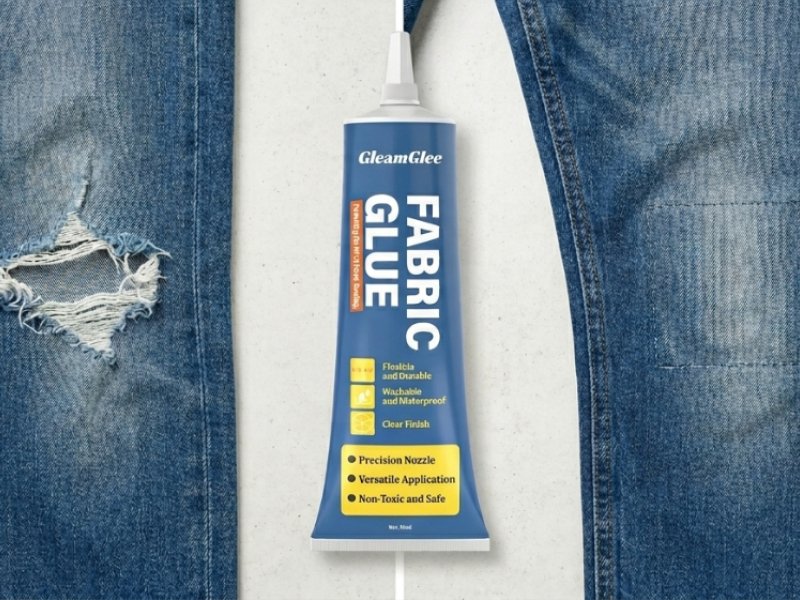
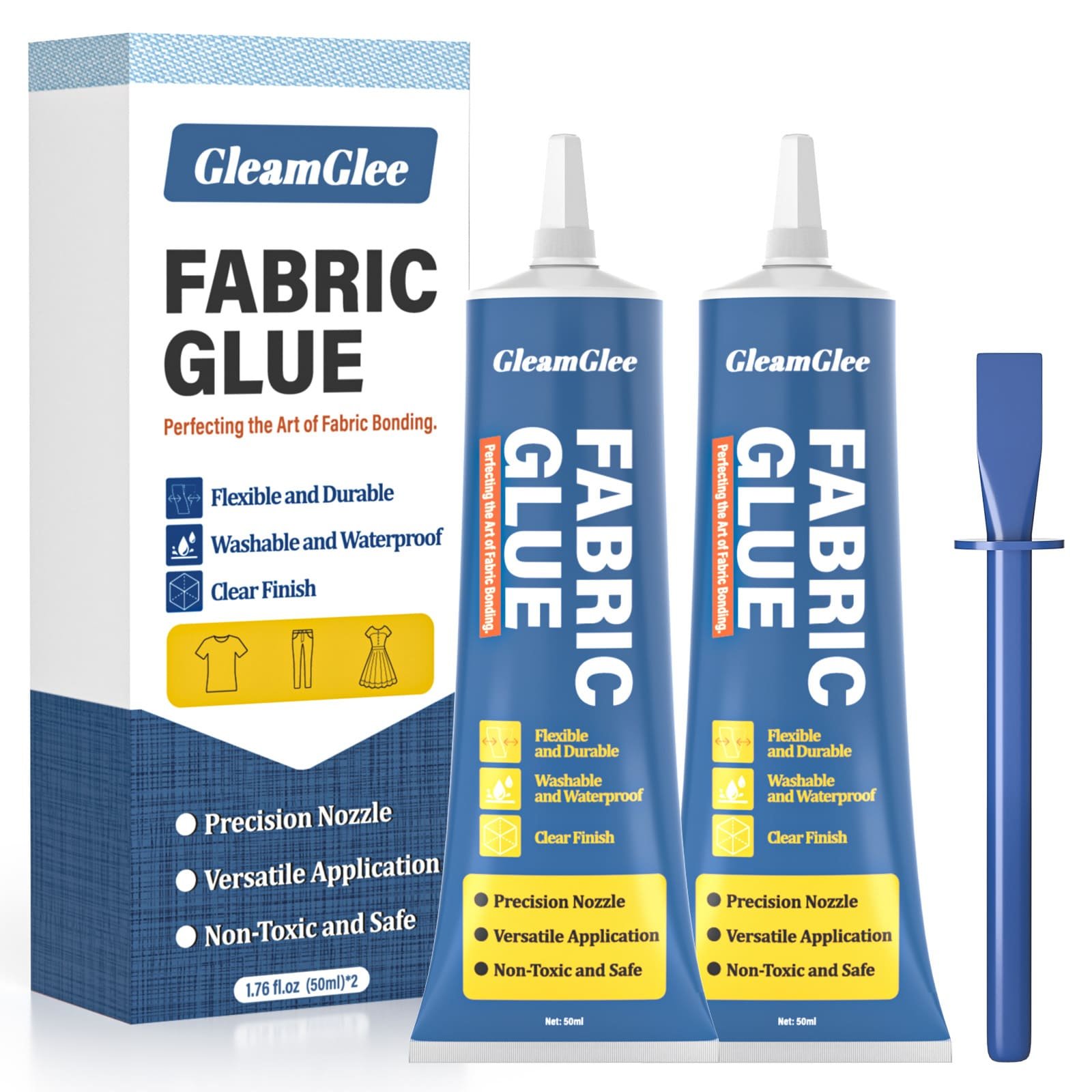
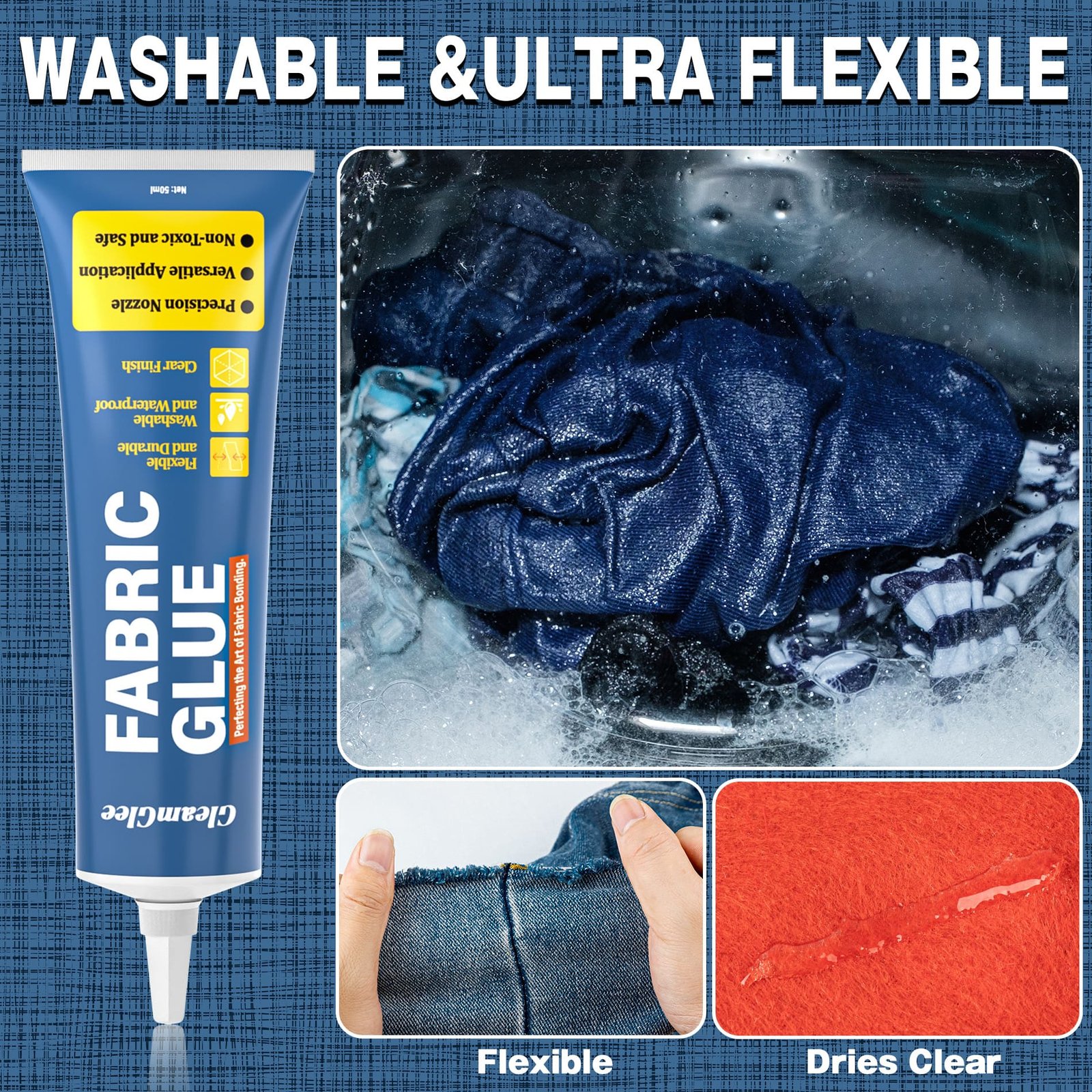
Torn jeans do not always need stitching, and they do not always need replacing. Many denim tears can be repaired at home with fabric glue when the damage is the right type and the method is done properly. The strongest results usually come from a cleaner application, proper prep, and enough cure time before wearing or washing. GleamGlee Fabric Glue is currently sold as a 50ml permanent fabric adhesive for clothing, patches, denim, felt, upholstery, and related fabric repairs, with listing claims that align well with this use case: clear drying, flexible when dry, machine-wash and ironing resistance, waterproof positioning, and a precision needle-nose tip for controlled application.
- No Sewing Machine Needed
- Works for Many Denim Repairs
- Clear-Drying for Cleaner Results
- Better with Patch Support
- Precision Tip for Tight Areas
- 24-Hour Full Set
What Most Searches Like This Are Really About
Not a sewing lesson. Not a craft hobby. A fast, believable repair that feels worth trying.
Most people searching “How to Fix Torn Jeans with Fabric Glue” are not looking for a generic fabric glue article. They are usually trying to solve one immediate problem:
“I still want to wear these jeans. Can I fix this at home without sewing, and will the repair actually hold?”
That search almost always carries a group of hidden follow-up questions:
Can fabric glue really work on denim?
Will the repair survive a wash cycle?
Will the glued area turn stiff or shiny?
Do I need a patch behind the tear?
Is this good for a knee rip, edge split, or inner-thigh wear?
Which kind of fabric glue is better for jeans?
This is exactly why this tank page needs to be stronger than a normal glue category page. It should not just promote a product. It should decode the repair situation, show what works, warn against what fails, and then connect that to the right glue choice.
The no-sew need
A big part of the appeal is avoiding a sewing machine, thread matching, hand stitching, or paying for a repair that feels too expensive for casual jeans.
The “will it hold?”
This is not just about stickiness. It is about wear, flex, friction, and washing. Denim bends all day.
The “will it look bad?”
A messy repair can be worse than the tear itself. Clean application and the right repair method matter just as much as bond strength.
The “is this tear even fixable?”
Small tears and controlled patch repairs are usually very different from blowouts or thin, stressed fabric.


Yes, Torn Jeans Can Be Fixed with Fabric Glue — But the Repair Method Has to Match the Tear
Small tears, frayed edges, seam-area splits, and patch-backed repairs are usually the best fit. Large blowouts need more reinforcement.
Fabric glue can work well on torn jeans when the damage is limited and the repair is done correctly. The best results usually come from small-to-medium denim tears, frayed openings that are starting to spread, split fabric near seams, and repairs that use a backing patch behind the damaged area. A glue-only surface fix can work for some minor cases, but higher-stress denim damage usually lasts longer when the tear is reinforced from behind rather than simply coated on top.
This is where a lot of weak pages go wrong: they make fabric glue sound universal. It is not. The smarter answer is more specific:
The “is this tear even fixable?”
Small tears and controlled patch repairs are usually very different from blowouts or thin, stressed fabric.
The “is this tear even fixable?”
Small tears and controlled patch repairs are usually very different from blowouts or thin, stressed fabric.
Where GleamGlee fits naturally
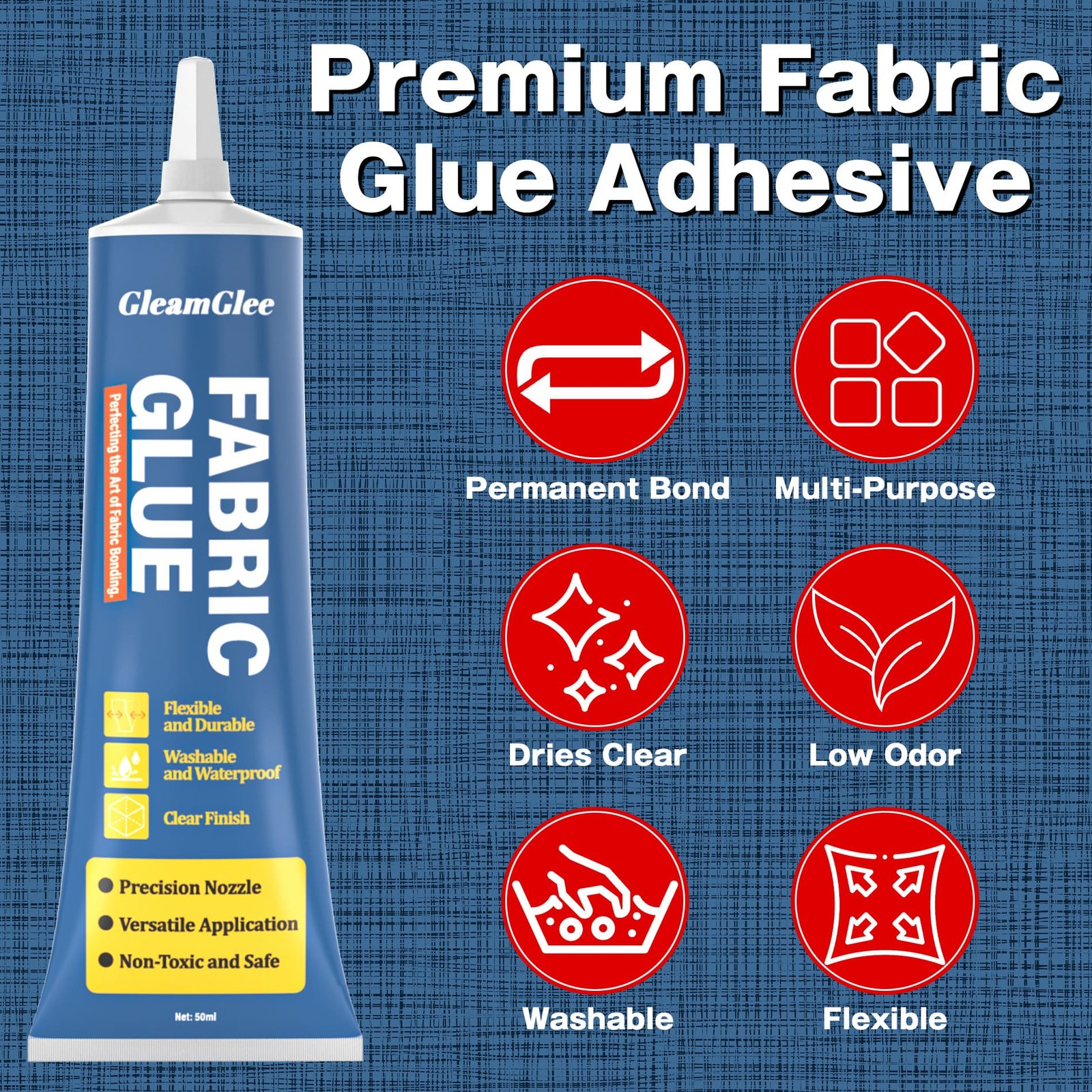
GleamGlee Fabric Glue is already positioned in the market around several qualities that matter for this repair type: it is listed for clothing repairs and jeans, marketed as clear drying, flexible when dry, machine-wash resistant, waterproof, and equipped with a precision needle-nose applicator. Those features make it a more natural fit for denim repair than a generic hard-setting adhesive would be.
| Tear Type | Fabric Glue Fit | Best Repair Approach |
|---|---|---|
| Small clean tear | Strong fit | Thin glue layer + press |
| Frayed edge split | Strong fit | Edge control + reinforce |
| Knee rip | Strong fit with patch | Backing patch repair |
| Decorative torn area | Strong fit | Visible patch design |
| Inner thigh wear | Moderate fit | Reinforced patch needed |
| Large missing fabric area | Limited fit | Patch + stronger reinforcement |
Why Some Jeans Repairs Fail Even When Fabric Glue Was Used
Most failed repairs come from method errors, not from the idea of fabric glue itself.
A failed repair usually does not mean fabric glue never works on jeans. It usually means the repair was done in a way that denim does not tolerate well. That matters for conversion too. Shoppers trust a glue brand more when it explains the limits of the method, not just the benefits.
1
Too much glue
A thick blob often creates the opposite of a clean repair. It can seep, leave shine, slow curing, and make the repaired zone feel harder than the surrounding denim.
2
No backing on a high-stress tear
Knees, upper thighs, pocket corners, and seat areas move constantly. Surface-only glue repairs often fail faster there.
3
Loose fibers and lint left in place
Denim that is fuzzy, dusty, or fraying badly will not bond as cleanly. Prep affects hold.
4
Wearing or washing too early
This is one of the most common mistakes. GleamGlee’s current product summary says to let it dry for 6–10 minutes and that it is fully set within 24 hours. A repair that feels dry to the touch is not necessarily ready for flexing, wearing, or laundering.
5
Using the wrong adhesive type
Jeans need a product sold for fabric repair. A stiff-setting or non-fabric glue can leave the area brittle, uncomfortable, or visibly messy.
What You Need Before Repairing Torn Jeans with Fabric Glue
A better denim repair usually starts with a cleaner setup, not more glue.
A lot of failed jeans repairs happen before the glue is even opened. People rush, apply adhesive directly onto loose fibers, forget to support the inside of the pant leg, or try to fix a moving piece of denim without holding it flat. That usually leads to crooked patch placement, glue seepage, stiff-looking repairs, or weak bonding.
For most torn jeans repairs, the prep does not need to be complicated. It just needs to be controlled.
Fabric glue
Use a fabric adhesive sold for clothing and denim repair, especially one positioned around clear drying, flexibility, and wash resistance. GleamGlee’s current fabric glue listing fits that profile and also uses a needle-nose tip with a cap pin, which helps with tighter repair zones and smaller glue lines.
Denim patch or fabric backing
For small tears, a lightweight patch may be enough. For knee tears, spreading rips, or thin areas, a patch behind the damaged area usually gives a stronger hold than surface glue alone.
Small scissors
Useful for trimming fuzzy threads without cutting away healthy denim.
Tweezers
Helpful when lining up frayed edges or placing a small backing patch neatly behind the tear.
Wax paper, plastic sheet, or thin cardboard insert
Placed inside the pant leg, this stops accidental bonding to the opposite side of the jeans and gives you a flatter work surface.
A clean towel or dry cloth
Use it to remove lint, dust, and loose debris before gluing.
Flat weight or clips
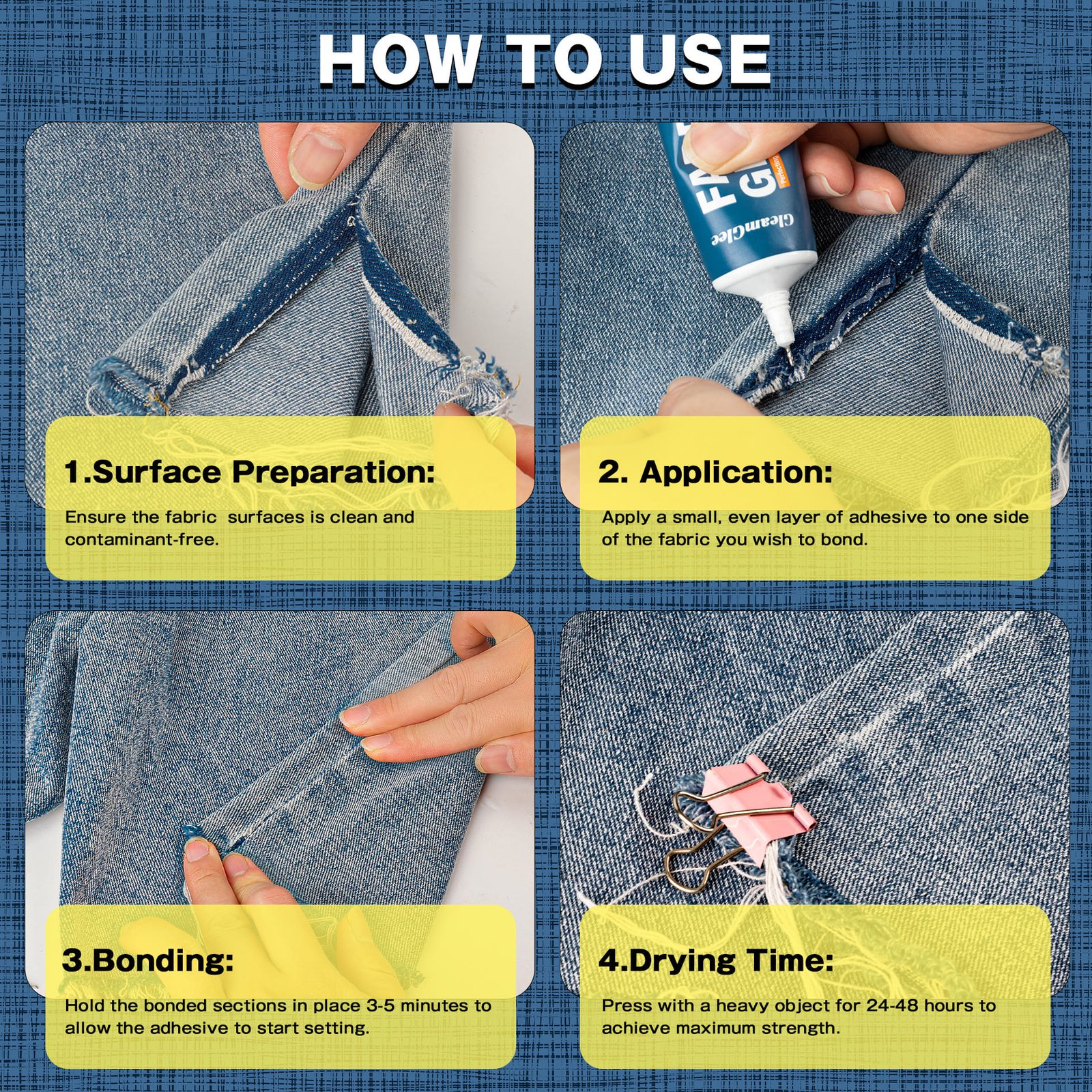
A book, smooth block, or light pressing aid helps keep the repair flat while the bond starts forming. GleamGlee’s own product images describe holding the bonded sections for a few minutes, then pressing with a heavy object for 24–48 hours for maximum strength.
Practical Note
The goal here is not to build a sewing station. It is to create a controlled repair zone so the denim stays flat, the tear lines up properly, and the glue goes where it should.
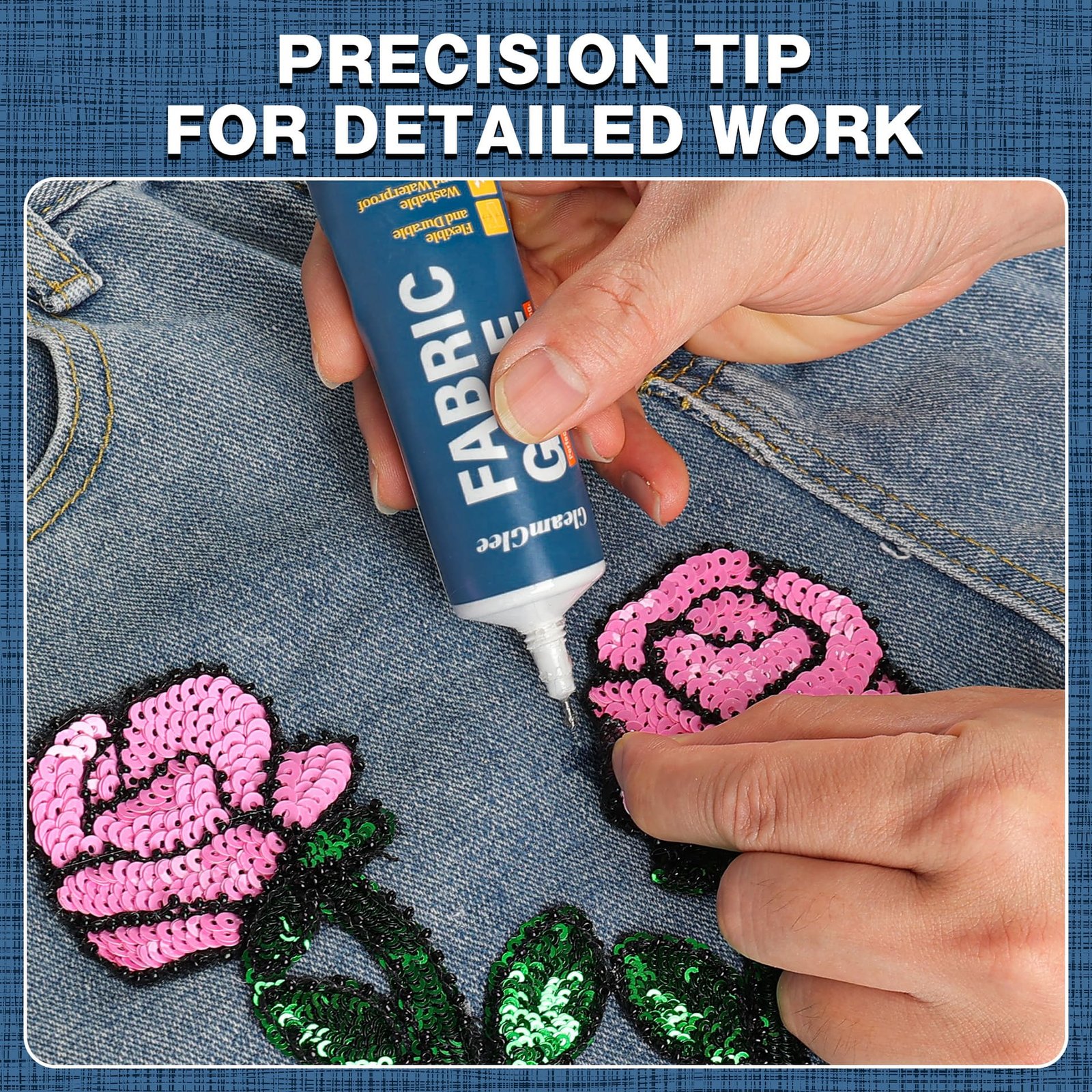
One small detail worth calling out: the needle-nose applicator matters more on jeans than many people expect. Denim repairs often happen in narrow, awkward zones—knee corners, seam edges, pocket areas, or thin ripped lines. A broad applicator can lay down too much glue too fast. GleamGlee’s current tip-and-pin design is naturally better suited to that kind of controlled use.
How to Fix Torn Jeans with Fabric Glue Step by Step
A cleaner no-sew method for denim tears that need support, not guesswork.
This is the core section that should do the heavy lifting for search and conversion. It needs to be simple enough for a first-time home repair user, but detailed enough to feel more trustworthy than the thin tutorials most competitors publish.
The strongest version of this method is usually not “squeeze glue all over the hole.” It is a controlled patch-backed repair or a clean edge repair, depending on the tear.
Below is the best general method for small-to-medium denim tears.
Step 1
Clean the Repair Area
Brush away lint, dust, and loose debris. If the jeans are dirty, let the area dry completely before starting.
What matters here:
Glue bonds better to clean fabric than to dust, body oil, or fuzzy surface particles.
Step 2
Trim Loose Threads, but Do Not Over-Cut
Use small scissors to remove hanging fibers that would interfere with clean bonding. Do not cut away too much denim. The goal is to reduce mess, not enlarge the damaged area.
What matters here:
Over-trimming can make a small rip harder to close neatly.
Step 3
Insert a Barrier Inside the Jeans
Place wax paper, smooth plastic, or thin cardboard inside the pant leg under the tear.
Why this matters:
It prevents the glue from soaking through and sticking the front of the jeans to the back. It also gives you a flatter repair surface.
Step 4
Decide: Edge Repair or Patch-Backed Repair
If the tear is small and the edges meet cleanly, you may be able to bond the edges with a thin, controlled glue line. If the rip is wider, spreading, or in a stress area like the knee, use a backing patch behind the tear. That gives the denim something stable to bond against.
Best rule:
Small tear = possible direct repair. Knee rip / spreading tear = patch-backed repair
Step 5
Cut the Patch Slightly Larger Than the Tear
If using a patch, cut it large enough to extend past the damaged area on all sides. Do not make it oversized and bulky.
What matters here:
Too small and it will not reinforce enough. Too large and the repaired zone may feel heavier than needed.
Step 6
Apply a Thin, Even Layer of Fabric Glue
Apply glue to the patch or the bonding area in a controlled layer. GleamGlee’s current usage copy says to apply an even layer of glue, press to bond, and let it dry for 6–10 minutes, with a 24-hour full set.
Do not do this: Do not flood the area. More glue does not usually mean a stronger denim repair.
Why this matters: A thin, even layer is usually easier to press flat and less likely to seep or leave a stiff edge.
Step 7
Position the Tear and Press Firmly
For edge repairs, line up the torn denim carefully and press the area flat. For patch-backed repairs, place the patch behind the tear and press the outer denim onto it. Smooth the surface gently so the repair lies flat.
GleamGlee’s listing images describe holding bonded sections in place for 3–5 minutes to allow the adhesive to begin setting.
What matters here: This is the step that shapes the final look. A rushed placement usually shows later.
Step 8
Keep the Area Flat While It Starts Setting
Use clips, light pressure, or a flat weight if helpful. Do not bend, fold, or wear the jeans right away.
What matters here:
The first few minutes affect alignment. Movement too early can shift the denim or pull edges apart.
Step 9
Let It Fully Cure Before Wearing or Washing
Even if the area feels dry early, give it the full cure time. GleamGlee’s current product information states full cure time: 24 hours, and the visual instructions shown on the listing say pressing with a heavy object for 24–48 hours helps achieve maximum strength.
Best habit:
Repair today, wear tomorrow.
Why Patch-Backed Repairs Usually Work Better on Torn Jeans
More support, less stress on the tear, and a cleaner result on denim that still bends and moves.
If there is one technique that separates a quick-looking repair from a better long-term repair, it is this: do not ask a torn area to hold itself together if the surrounding denim is already under stress.
Smarter choice for
- knee tears
- rips that keep spreading
- worn or thinning denim
- tears in jeans you still wear often
- repairs that need to survive repeated bending
A patch behind the damaged area gives the torn denim something stable to bond against. Instead of relying on the rip edges alone, the repair spreads the stress across a larger surface.
Why this matters for denim
Jeans are not static fabric. They flex at the knee, pull at the thigh, bunch at the seat, and rub during movement. A simple top-only glue fix may look okay at first, but patch-backed repair is usually what gives the bond a better chance over time.
Best Patch Choices
Matching denim patch
Best when appearance matters and you want the repair to blend in more naturally.
Thin cotton or fabric backing
Good when the patch is mostly hidden and the goal is support rather than decoration.
Decorative patch
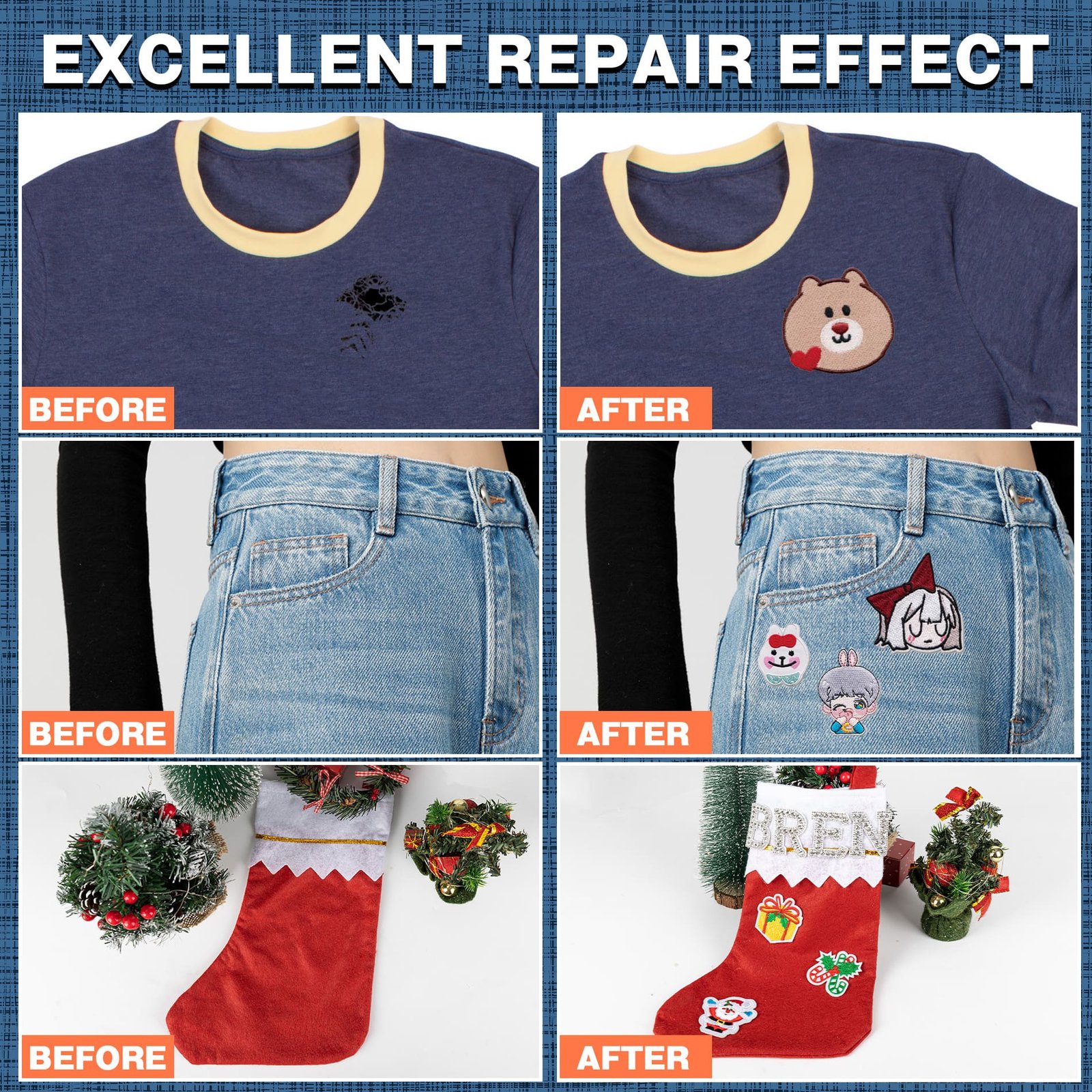
Useful when the tear is visible and you want to turn the fix into a design choice.
How to Apply the Patch-Backed Method
Prepare the tear and clean the area
Cut a patch slightly larger than the tear
Apply a thin, even layer of fabric glue
Place the patch behind the tear
Press the front denim onto the patch
Hold flat, then let cure fully
GleamGlee’s current product positioning helps this method naturally because it is sold as a no-sew fabric adhesive with clear-drying, washable, flexible behavior and a precision applicator suited to smaller repair zones.
When Not to Use Patch-Backed Repair
Skip this method or lower expectations when:
- the denim is too thin to hold at all
- the hole is very large and missing a lot of material
- the jeans are heavily damaged in multiple nearby areas
- the fabric is tearing beyond the visible rip
In those cases, sewing reinforcement or more extensive repair is usually stronger.
How to Get a Cleaner-Looking Jeans Repair
Less mess, less stiffness, better alignment, and a finish that feels more wearable.
A lot of people do not mind a visible repair. What they do mind is a repair that looks sloppy, feels crunchy, or leaves the denim warped. A better-looking result usually comes from small choices, not fancy tools.
1
Use Less Glue Than You Think
The most common visual mistake is over-application. A thin, even layer usually looks cleaner than a thick coat.
Because GleamGlee’s current fabric glue comes in a fine needle-nose applicator, it is easier to place a smaller amount where it is needed instead of flooding the area.
2
Press Flat Early
Do not wait until the adhesive starts grabbing before smoothing the repair. Align and flatten the area while the bond is still workable.
3
Match the Patch to the Jeans
When appearance matters, use backing fabric that is close in color, weight, and feel to the denim.
A badly mismatched patch can make the repair look more obvious even if the bond itself is strong.
4
Keep the Tear Shape Natural
Do not stretch the jeans while repairing them. Let the torn area sit in its natural relaxed shape before pressing.
5
Respect the Cure Time
A repair that is handled too early may wrinkle, shift, or lift at the edges. GleamGlee’s current product copy says 6–10 minutes dry time and 24-hour full set, while the usage images suggest pressing under weight for 24–48 hours to reach maximum strength.
6
Expect Better Results on the Right Tear Type
Clean edge tears, patch-supported rips, and stable denim usually look better than repairs on overstretched, thin, or blown-out areas.

Cleaner repair, better alignment, less visible glue buildup.
For everyday home repairs, one reason GleamGlee fits this topic well is that its feature set is aligned with what denim users actually care about:
- a controlled tip
- a clear-drying formula
- washable and flexible positioning after curing
- a 50ml size that feels practical rather than oversized for household clothing fixes
Cleaner Repair Checklist
Before you call the repair done, check:
- Is the tear lying flat?
- Are the glue edges under control?
- Does the patch stay hidden or intentional?
- Did the denim keep its shape?
- Did you wait long enough before moving it?
What Makes a Fabric Glue Better for Torn Jeans
Denim does not need the strongest-sounding glue. It needs the right kind of hold.
A lot of shoppers make the same mistake here: they focus on the word strong and ignore everything else.
But jeans are not wood, ceramic, or rigid plastic. Denim bends, rubs, folds, stretches a little, and goes through repeated wear. A glue that sounds aggressive but dries hard or applies messily may be the wrong choice for clothing, even if it works well on other materials.
For torn jeans, the better question is:
Does this glue repair fabric in a way that still feels wearable after it dries?
The 5 Features That Matter Most

1. Clear-Drying Finish
Jeans repairs often stay visible, especially around knees, pocket edges, and ripped seams. A glue that dries clear usually looks cleaner than one that leaves white marks, residue, or cloudy edges.
GleamGlee’s current product presentation repeatedly emphasizes clear drying as a core benefit, which is one reason it fits visible fabric repairs better than a generic adhesive.

2. Flexibility After Drying
A repair on denim should not feel like a plastic plate. If the repaired area becomes stiff, the jeans feel less comfortable and the repaired zone can be easier to stress during movement.
GleamGlee’s brand and product-facing copy position the glue as flexible / soft after drying, which is especially relevant for denim, patches, and everyday clothing movement.

3. Washable Hold
Jeans are not decorative-only items. They get worn, washed, folded, and worn again. A glue intended for real clothing repair should be marketed for washable use after full cure.
The current GleamGlee materials describe the product as washable / machine washable and suitable for regular clothing-repair use after curing.

4. Controlled Application
Small tears, narrow ripped lines, seam splits, and patch edges need control. A broad messy nozzle often creates more cleanup than repair value.
The current GleamGlee listing highlights a needle-nose precision tip, which is a real advantage for more controlled fabric application.

5. Good Fit for Patch Work
Many of the best jeans repairs are not glue-only repairs. They are glue + patch repairs. So the ideal product is one that works well for patch placement, edge control, and layered denim/fabric contact.
GleamGlee’s own product and website language repeatedly places it in patch, clothing, and denim repair scenarios rather than only generic craft use.
What Matters Less Than People Think
Some shoppers over-focus on:
- biggest bottle size
- “industrial” wording
- fastest possible set time
- broad “works on everything” claims
For jeans, those are not always the deciding factors. A smaller, more precise, fabric-specific glue can be the better buy when the goal is a cleaner repair on clothing.
Quick Buyer Checklist
Before choosing a fabric glue for jeans, check:
- Does it dry clear?
- Is it sold for fabric or clothing repair?
- Does it stay flexible?
- Is it described as washable after curing?
- Does it have a precision tip or controlled applicator?
- Does it make sense for patches and denim?
Best Fabric Glue Options for Torn Jeans Repair
Best for Everyday Jeans Repairs
GleamGlee Fabric Glue
Best for:
Small-to-medium jeans tears, patch-backed repairs, frayed edge control, quick household denim fixes
Why it stands out:
GleamGlee is positioned around exactly the features that matter for this kind of job: clear drying, no-sew use, washable hold, waterproof positioning, precision needle-nose application, and clothing/denim/patch compatibility. The current Amazon store presence also shows visible buying traction, with the store snippet surfacing 5K+ bought for the fabric glue item. (Amazon)
What makes it a natural fit for this page:
It is not just “fabric glue” in the abstract. It is already being presented to shoppers as a glue for clothing repairs, patches, denim, felt, upholstery, and no-sew fabric use, which fits this torn-jeans intent very closely.
Why many shoppers would prefer it:
The 50ml size feels practical for at-home repairs, the fine tip suits narrower repair zones, and the feature mix is aligned with what most jeans-repair shoppers care about most: neat application and wearable results. This is an inference based on the visible product positioning and use case fit. (Amazon)
Best for Decorative Denim Patch Projects
Visible patch repair style
Best for:
Style-led repairs where the patch is meant to be seen
What matters most:
Clean placement, controlled glue lines, and a clear-drying finish matter more than brute-force hold.
Why this matters on jeans:
A decorative patch can turn a tear into a design detail. In that kind of repair, neatness matters as much as bonding.
Best for Quick Edge Stabilizing
Thin tear / seam-edge repairs
Best for:
Stopping a small rip from spreading before it becomes a bigger repair
What matters most:
Precision tip, careful prep, light glue use, and full cure time
Why this matters on jeans:
A lot of people wait too long. A small split is much easier to manage than a large blowout.
Best for Reinforced Backing Repairs
Patch-backed denim support
Best for:
Knee tears, stress areas, and denim that still has enough surrounding strength to support a patch
What matters most:
Even glue spread, patch placement, pressing, and patience
Why this matters on jeans:
This is usually the better long-term route for denim that bends a lot.
| Product Type | Best For | Main Strength | Main Watch-Out |
|---|---|---|---|
| GleamGlee Fabric Glue | Everyday jeans repair | Clear, washable, precise, patch-friendly | Needs full cure time |
| Decorative patch repair setup | Visible style fixes | Looks intentional | Patch choice matters |
| Edge-control fabric repair | Small spreading rips | Fast prevention | Not for large damage |
| Patch-backed repair method | Stress-zone tears | Better support | Takes more prep |
Why GleamGlee Works So Well for Everyday Denim Repairs
Clean application, practical size, denim-friendly use cases, and the kind of feature mix that makes home clothing repair easier.
It Matches the Repair Type
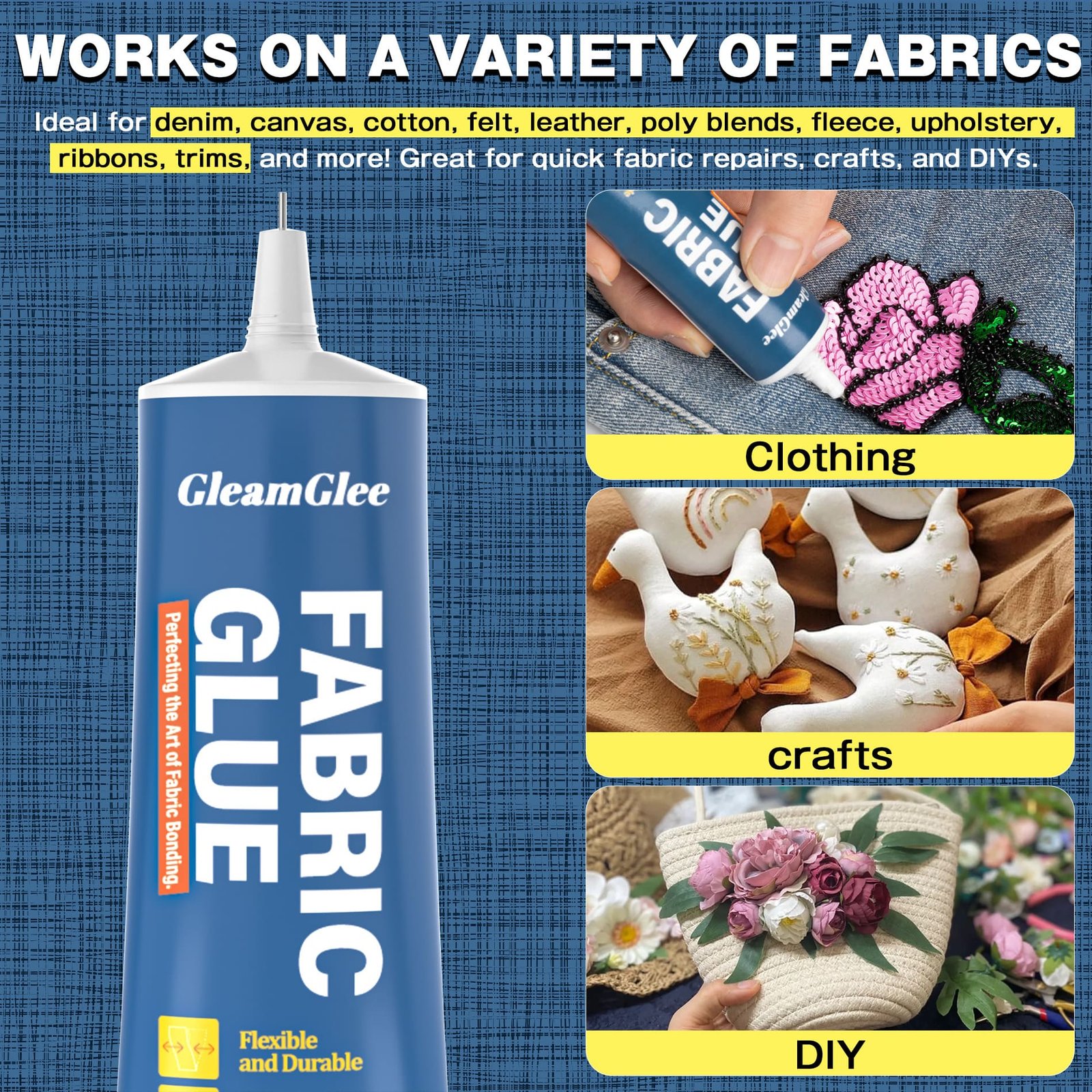
GleamGlee’s fabric glue is currently presented for clothing repairs, denim, patches, fabric, felt, hems, embellishments, and no-sew repair use, which puts it very close to the exact shopper intent behind torn jeans searches.
The Application Style Makes Sense
A torn-jeans repair often needs narrow placement near a seam, rip edge, or patch border. The needle-nose precision tip is a better fit for that than a loose, broad application style.
It Feels Like a Real Household Repair Product
The 50ml size is practical for home users. It does not feel oversized for a simple clothes repair, but it is enough for repeated patching, hemming, fabric fixes, and small denim jobs.
It Already Shows Strong Retail Proof
GleamGlee’s Amazon store surface currently shows the fabric glue with visible buying traction, including a 5K+ bought signal on the store snippet. That does not prove every buyer used it on jeans, but it does show the product is not a zero-history item.

The Finish Is Better Suited to Clothing
GleamGlee’s visible product messaging emphasizes:
dries clear
machine washable
flexible / soft after drying
waterproof positioning
That is exactly the mix a lot of denim shoppers are hoping for when they do not want the repair to look crusty or feel rigid.
Good denim repairs usually come from the right method and the right glue, not just the strongest claim on the label.
Real Repair Scenarios That Matter More Than Generic Glue Claims
What torn-jeans shoppers usually want to know is simple: what kind of repair does this actually help with?
This section works best when it looks practical, not dramatic. The goal is to show common denim repair situations in a way that feels believable.
Good jeans are easy to keep wearing when the repair feels manageable.
1

Small Tear on the Leg
Best for:
Early-stage damage before the rip grows
Best method:
Thin glue line, clean edge alignment, light pressing
What a shopper wants here:
Fast fix, low mess, wearable result
2

Frayed Edge Near a Seam
Best for:
Stopping a split from spreading further
Best method:
Trim loose threads, controlled glue placement, press flat
What a shopper wants here:
Prevention before the damage becomes a larger repair
3

Torn Knee with Backing Patch
Best for:
Denim that bends often and needs more support
Best method:
Patch-backed repair with even glue spread and full cure time
What a shopper wants here:
A repair that looks cleaner than expected and does not fail the first time the jeans bend。 The Bostik guide returned in search also reinforces this broader repair pattern: patch placement plus full drying before wearing or washing. (diy.bostik.com)
4

Decorative Patch Fix
Best for:
Visible repairs where style matters as much as function
Best method:
Patch-backed or top patch placement with clean glue control
What a shopper wants here:
A repair that feels creative instead of obviously patched。 Search results around denim patching consistently show the use of backing/support material and a barrier inside the garment before repair, which fits the method already outlined on this page. (Instructables)
5

“Still Wearable Tomorrow” Repair
Best for:
Casual home users doing practical clothing fixes
Best method:
Repair in the evening, let cure fully, wear the next day
What a shopper wants here:
A simple product and method that do not turn into a weekend project
Ready to Fix the Jeans Instead of Replacing Them?
Use the right method, let it cure properly, and start with a fabric glue that makes sense for denim.
If the tear is still manageable, this is usually the best moment to fix it. Small rips become bigger ones fast, and a clean repair is much easier before the fabric gets thinner, wider, and more stressed.
GleamGlee Fabric Glue is already positioned for the kind of repair this page is built around:
- clothing repair and mending
- no-sew fabric use
- patches, denim, felt, hems, and trim
- clear-drying finish
- washable positioning
- precision application
- 24-hour full cure time
That combination makes it a very natural fit for everyday jeans repairs at home.
Questions People Search Before Buying Fabric Glue for Torn Jeans
1. Can fabric glue really fix torn jeans?
Yes, for many small-to-medium denim tears it can. It works best on stable fabric, frayed splits, and patch-backed repairs. Larger blowouts or very thin denim usually need more reinforcement.
2. Is fabric glue enough without a patch?
Sometimes, for a very small clean tear. For knee rips, spreading tears, or higher-stress areas, a backing patch usually gives a stronger and longer-lasting result.
3. What kind of fabric glue is best for jeans?
A better choice is one sold for fabric repair that dries clear, stays more flexible, and is described as washable after curing. Precision application also helps on denim tears and patch edges.
4. Does GleamGlee Fabric Glue dry clear?
Yes. The current GleamGlee product information lists the glue as dries clear, and the usage copy says it dries clear with a gloss finish that won’t yellow.
5. How long should I wait before wearing repaired jeans?
Longer is better than rushing. The current GleamGlee product information says to let it dry for 6–10 minutes and that it is fully set within 24 hours. The product information section also lists 24 hours as the full cure time.
6. Can repaired jeans be washed afterward?
The current GleamGlee product information lists the fabric glue as washable, and the product page also positions it for machine-washable clothing repair use after proper curing.
7. Will the repaired area feel stiff?
That depends on how much glue is used and what kind of tear is being repaired. Thin, even application and patch-backed support usually feel better than thick surface glue. GleamGlee also positions this glue around soft or flexible dry results on its product page.
8. What size is the GleamGlee fabric glue tube?
The current product information lists the item volume as 50 milliliters.
9. Does the applicator help with small jeans repairs?
Yes. The product description highlights a needle-nose tip for precise applications, which is especially helpful around narrow tears, patch borders, and seam-adjacent repairs.
10. Where can I buy GleamGlee Fabric Glue?
GleamGlee’s own site links directly to Amazon regional listings including the US, Canada, Germany, and the UK, and it also lists after-sales contact details on the product page.