 Skip to content
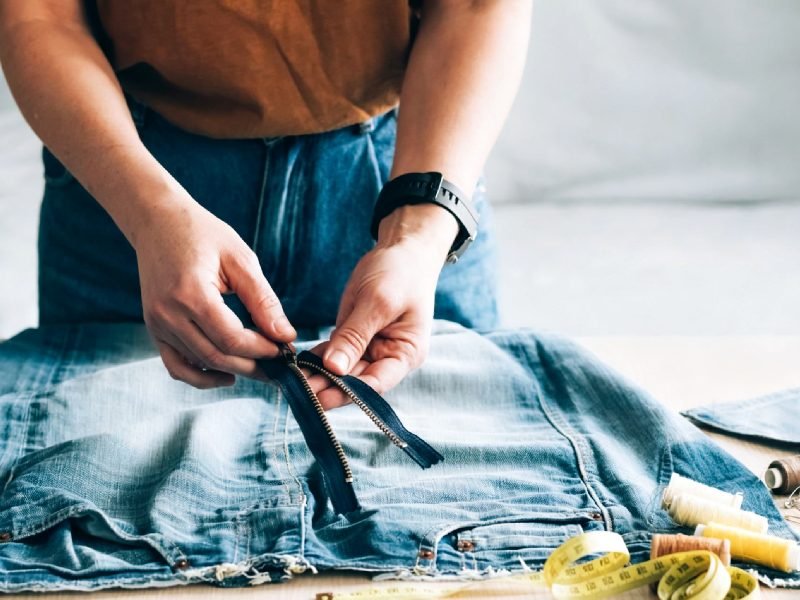
When people ask how long fabric glue takes to dry, they are usually not asking a small technical question. What they really want to know is this: When is my repair safe enough to trust? That is the point that matters in real life. A parent fixing a school costume the night before an event, a shopper repairing a ripped jeans pocket, or a small clothing brand testing no-sew patch placement all care about the same thing. They want the fabric to stay in place, look neat, feel soft, and survive real use. The problem is that many people treat “dry” and “fully ready” as the same stage. They are not. A glue line may feel dry on the surface within minutes, but the bond inside the fibers may still be developing. That difference is often why some repairs look good at first, then lift at the edges, wrinkle after ironing, or fail in the wash. For most fabric glue jobs, a light repair can start setting in about 6–10 minutes, while full cure usually needs around 24 hours. On thicker fabric, layered hems, or high-humidity days, the wait can be longer. If you understand that timing clearly, you make fewer mistakes, get cleaner repairs, and choose the right glue with much more confidence. In the sections below, you will see what “dry” really means, how different fabrics change the timing, and how to get stronger results the first time.
Most fabric glue jobs begin to set in 6–10 minutes, which is enough for light positioning and gentle holding. However, that early set is not the same as full strength. In most everyday fabric repairs, the safest standard is to allow 24 hours for full cure before washing, ironing, stretching, or heavy use. Thin cotton repairs often dry faster, while denim, layered fabric, and thick home textiles usually need more time.
A lot of customers learn this the hard way. The patch looks perfect after ten minutes, so they wear the shirt that afternoon. The hem looks flat after twenty minutes, so they fold the curtain and put it away. The repair seems done, but the bond has not finished settling into the fabric structure. That is why timing matters just as much as glue strength. Good fabric glue can save clothes, simplify DIY work, and replace sewing for many small jobs, but only when the drying time matches the real use.
How Long Does Fabric Glue Take to Dry on Fabric?
For most customers, fabric glue does not move from “wet” to “fully ready” in one simple step. On real fabric, the drying process usually happens in stages. A light repair may begin to hold in about 6–10 minutes, which is enough for the fabric to stop shifting easily. But that early hold is only the beginning. If the customer wants the repair to survive daily wear, folding, ironing, or washing, the more dependable standard is usually 24 hours for full cure. This is the timing that matters most for real use, because clothing and home textiles do not stay still. They bend, rub, stretch, and move throughout the day.
This difference is exactly why some repairs look successful at first but fail later. A hem can look flat after ten minutes, yet begin lifting after a few hours of walking. A patch can feel secure in the hand, then peel slightly at the edge after one wash. In many cases, the product is not the real problem. The real issue is that the customer judged the repair too early. Fabric glue needs enough time to settle into the fibers, form a flexible bond, and dry through the whole repair area rather than only on the surface.
From a customer point of view, the best way to understand fabric glue drying time is to think about three practical moments: when the fabric first stops moving, when the item can be handled carefully, and when the repair is strong enough for normal life. Those three moments are not the same. A good fabric glue should help customers get a quick early hold, but a truly useful fabric glue should also deliver a soft, clear, washable, and durable bond after full curing. That is what separates a convenient quick fix from a repair customers actually trust.
How Long Does Fabric Glue Take to Dry at First Touch?
The first-touch stage is the point when the glued fabric starts to feel set on the surface and no longer slides around easily. For most light repairs, this often happens in about 6–10 minutes when the glue is applied in a thin, even coat. This timing works well for small jobs such as holding down a patch edge, fixing a loose hem corner, attaching ribbon, or setting decorative fabric pieces in place. For customers, this early hold is important because it makes the repair feel easy and fast. It gives immediate feedback that the glue is working, which is one reason fabric glue is so attractive for home use.
Still, this first-touch stage should never be treated as the finish line. At this point, the outer surface may feel drier, but the bond inside the fibers is still developing. If the repair is bent, pulled, folded, or “tested” too early, the inner glue line can weaken before it fully forms. This is especially common with shirt seams, denim repairs, cuffs, collars, and any area that faces movement. A customer may think the repair is already done simply because the top no longer feels wet, but the stronger holding power usually comes much later.
To make this stage easier for customers to judge, it helps to keep expectations simple and practical:
- 6–10 minutes usually means early positioning hold, not full strength
- Thin cotton and small decorative repairs often feel set faster than denim or layered fabric
- The repair should stay flat and untouched during this early period
- Customers should not pull on the bond to test it
- If the project is visible clothing, neat placement during this stage matters because moving it later can affect appearance
For most customers, the smartest rule is this: if it only feels dry on top, treat it as “in place,” not “ready for use.”
How Long Does Fabric Glue Take to Dry Completely?
Complete drying is the stage that matters most for customers who want the repair to last. In practical use, this usually means about 24 hours for full cure. At this point, the bond is much better prepared for the kind of stress clothing and fabric items face in normal life. That includes movement, folding, light stretching, wearing, washing, ironing, and storage. A repair that has fully cured is far more likely to stay neat, stay flexible, and continue holding after repeated use.
This is especially important because most fabric glue jobs are not decorative only. Customers use fabric glue to repair jeans, secure shirt hems, attach patches, reinforce seams, fix linings, and handle quick clothing changes without sewing. These are real-use repairs, not display-only repairs. If a customer wears the item too early, the glue may not have finished settling into the weave of the fabric. That is when common complaints begin: corners lifting, hems separating, stiff spots forming, or the repair losing strength after the first wash.
A clearer way to explain complete drying is to connect it to real-life use, not just time:
| Repair Situation | What Customers Often Try | Better Timing for Best Results |
|---|---|---|
| Shirt hem repair | Wear it the same day | Wait about 24 hours |
| Decorative patch | Touch and check within minutes | Leave flat and cure fully |
| Jeans patch | Bend or try on too early | Full cure before wearing |
| Curtain hem | Hang up after a short wait | Cure flat before hanging |
| Bag lining fix | Use the bag the same day | Wait until bond fully sets |
For customers who want the most dependable result, the safest message is very simple:
- Early hold is helpful for placement
- Full cure is what gives the repair real working strength
- 24 hours is usually the better standard for normal use
- Thicker fabric, larger glue areas, and layered repairs may need even more patience
- Waiting longer is almost always safer than rushing
This is the stage where fabric glue proves whether it is only convenient or genuinely reliable.
How Long Does Fabric Glue Take to Dry Before Use?
Before use, the answer depends on what the customer means by “use.” This is where many mistakes happen, because different customers use the word in different ways. One customer may mean lightly touching the repaired area or moving the fabric across a table. Another may mean wearing the garment for a full day, washing it, ironing it, or letting a child use it at school or during a performance. These are completely different levels of stress, and the glue should not be judged the same way in each case.
For light handling, some repairs may feel stable after the early setting stage. But for actual use in daily life, the repair should usually be treated as unfinished until it reaches full cure. A patch on jeans, for example, might look secure after a short time, but once the customer sits, walks, bends the knee, or launders the item, the repair faces much greater stress. The same is true for hems, curtain edges, decorative trims, cushion covers, and children’s costume pieces. The safest approach is to match the waiting time to the real job the fabric has to do.
A focused customer guide looks like this:
- After 6–10 minutes: the repair may stay in place, but should still be left alone
- After 20–60 minutes: gentle inspection may be possible, but not heavy movement
- After a few hours: some low-stress decorative projects may seem stable, but this is still early
- After about 24 hours: the repair is much better prepared for wearing, folding, washing, and ironing
This distinction becomes much easier for customers when shown in a simple table:
| Stage | Approximate Time | What the Customer Can Do |
|---|---|---|
| Early set | 6–10 min | Stop holding the fabric, keep it flat |
| Careful handling | 20–60 min | Inspect gently, avoid stress |
| Limited movement | 1–3 hrs | Low-stress handling only |
| Normal use | Around 24 hrs | Wear, wash, iron, and fold more safely |
For most household repairs, the practical advice is clear: customers should not judge readiness by touch alone. They should judge it by the kind of use the item will face next. That one change in thinking helps prevent many failed repairs. If the item will be worn, stretched, washed, or handled often, then the repair should be given enough time to cure fully before it goes back into real life.
How Long Does Fabric Glue Take to Dry on Different Materials?
Fabric glue does not dry at exactly the same speed on every material, even when the customer uses the same tube, the same room, and the same method. The biggest reason is that each fabric handles glue differently. Some materials are lighter and more absorbent, so the glue spreads and settles faster. Others are thicker, denser, smoother, or layered, so the glue needs more time to move through the bonding area and form a stable hold. This is why one customer may say a repair felt ready very quickly, while another says the same glue seemed slower on a different project.
For customers, this matters because drying time is not just a technical detail. It affects whether a patch stays flat, whether a hem looks neat, whether the glue shows through, and whether the repair survives normal use. A cotton shirt repair usually behaves very differently from a denim knee patch or a thick curtain hem. In daily life, most complaints about “slow drying” or “weak bonding” actually come from a mismatch between the material and the customer’s expectations. The glue may be working correctly, but the fabric is asking for more time or a more careful application.
The most helpful way to look at this is simple: thin and breathable materials usually dry faster, while thick, dense, layered, or high-stress materials usually need more patience. That does not mean fabric glue is unsuitable for harder materials. It simply means the customer should adjust the waiting time and be more careful with glue amount, pressure, and early movement. Once customers understand that, they usually get much better and much more consistent results.
How Long Does Fabric Glue Take to Dry on Cotton?
Cotton is one of the easiest and most forgiving materials for fabric glue, which is why many customers get their first successful no-sew repair on cotton clothing or simple cotton crafts. On clean cotton, a thin, even layer of glue often begins to set in about 6–10 minutes, and a much more dependable result usually comes after about 24 hours. Cotton tends to absorb glue in a balanced way, especially when the fabric is not too thick, so the repair often feels neat, controllable, and easy to manage.
That said, “cotton” still covers many different real-life materials. A lightweight T-shirt, a cotton shirt cuff, a canvas tote, a table runner, and a curtain hem may all be cotton, but they will not dry the same way. Thinner cotton usually allows a quicker early set. Heavier cotton or folded cotton edges take longer because there is simply more material and more glue contact area involved. Customers who use fabric glue on cotton usually care about three things most: whether the repair stays soft, whether the finish stays clear, and whether the bond survives washing.
For cotton repairs, customers usually get the best result when they focus on these points:
- Light cotton fabrics often feel set faster than heavy cotton fabrics
- Single-layer cotton dries faster than folded hems or layered patch areas
- A thin glue line is usually enough and helps the repair dry more evenly
- Cotton repairs usually look better when left flat and untouched during the full cure period
- For washable clothing, customers should still think in terms of 24 hours before normal use
A simple cotton repair guide can help customers set better expectations:
| Cotton Project | Early Set | Better Full-Use Timing | Main Customer Concern |
|---|---|---|---|
| T-shirt hem | 6–10 min | 24 hrs | Will the edge stay neat? |
| Shirt cuff repair | 6–10 min | 24 hrs | Will it stay flexible? |
| Decorative patch on cotton | 8–12 min | 24 hrs | Will the patch stay flat? |
| Cotton curtain fold | 10–15 min | 24 hrs | Will the fold separate later? |
| Heavy cotton bag trim | 10–15 min | 24 hrs+ | Will it hold under daily use? |
For most customers, cotton is where fabric glue feels the most user-friendly. It is easier to apply neatly, easier to control, and easier to trust when the customer follows the cure time correctly.
How Long Does Fabric Glue Take to Dry on Denim?
Denim usually takes longer than cotton because it is thicker, tighter, and more demanding in real use. A denim repair may begin holding in minutes, but customers should not treat that as full readiness. For most denim jobs, especially patches, knee repairs, hems, pocket edges, and reinforced tears, the smarter standard is still about 24 hours, and sometimes even more patience is helpful if the repair area is layered or heavily glued. The reason is simple: denim does not just sit there. It bends, rubs, stretches slightly under movement, and faces much more stress than light clothing fabric.
This is why denim repairs often create stronger opinions from customers. If the glue works well, customers feel they saved a favorite pair of jeans or avoided replacing workwear. If they rush the process, the repair may fail in a very visible way. Denim is also one of the materials where customers most often apply too much glue. They see thick fabric and assume they need a thick glue line. In many cases, that actually slows drying, increases seep-through risk, and makes the finish look less clean.
For denim, the key is not just waiting longer. It is also using the glue more carefully:
- A thin but complete glue layer usually works better than a thick one
- Patch repairs often dry more slowly because they involve multiple layers
- Jeans knees, thighs, and pocket corners face more movement than flat decorative areas
- Customers should avoid trying on the jeans too early, even if the repair looks fine
- A denim repair should be judged by how it performs after bending and normal wear, not only by how it looks on the table
This is where material-specific timing becomes very important:
| Denim Project | Early Set | Better Full-Use Timing | Main Customer Concern |
|---|---|---|---|
| Small hem edge | 8–12 min | 24 hrs | Will it peel after walking? |
| Patch on knee | 10–15 min | 24 hrs+ | Will it hold when bending? |
| Pocket corner repair | 10–15 min | 24 hrs+ | Will it handle daily pulling? |
| Inner thigh patch | 10–15 min | 24 hrs+ | Will friction weaken it? |
| Decorative denim patch | 8–12 min | 24 hrs | Will the edge stay flat? |
For customers, denim is often the true test of whether a fabric glue feels strong enough for real life. A glue that dries clear, stays flexible, and still holds after repeated movement is far more valuable here than a glue that only feels fast in the first few minutes.
How Long Does Fabric Glue Take to Dry on Thick Fabric?
Thick fabric usually needs the most patience because there is more material for the glue to work through, and the bonded area is often under more pressure in actual use. Upholstery fabric, heavy curtains, cushion covers, canvas-style home textiles, thick felt, and multi-layer decorative pieces all fall into this category. On these materials, the surface can appear dry well before the inner bond is ready. That is exactly why customers sometimes think a repair is complete, then find that the glued area softens, wrinkles, or shifts when the item is moved too soon.
The challenge with thick fabric is not only drying speed. It is also appearance and comfort. A customer repairing a cushion seam or curtain fold does not want a hard ridge, visible seep-through, or a stiff glued area that changes how the material hangs or feels. This is why thick fabrics usually require more control, not more glue. Many disappointing results happen because the customer tries to “make it stronger” by applying a heavy layer, which can slow drying and create a less professional-looking finish.
For thick fabrics, the most practical rules are:
- Use a controlled, even application rather than flooding the area
- Expect a slower path to full readiness than on light clothing fabric
- Keep the item flat and undisturbed longer than you would with cotton
- Avoid folding, hanging, or loading weight onto the repair too early
- Treat the 24-hour cure window as the minimum safe standard, especially on functional home textiles
A simple table makes this easier for customers to understand:
| Thick Fabric Project | Early Set | Better Full-Use Timing | Main Customer Concern |
|---|---|---|---|
| Curtain hem | 10–15 min | 24 hrs+ | Will it separate when hanging? |
| Cushion cover touch-up | 10–20 min | 24 hrs+ | Will it crack or feel hard? |
| Upholstery detail repair | 10–20 min | 24 hrs+ | Will it stay neat under use? |
| Thick felt craft | 8–15 min | 24 hrs | Will the glue soak unevenly? |
| Canvas-style fabric trim | 10–20 min | 24 hrs+ | Will it hold with repeated handling? |
For customers working with thick materials, the main goal should be a stable, flexible, clean-looking bond, not just a fast initial set. If they keep that in mind, they usually avoid the most common mistakes.
How Long Does Fabric Glue Take to Dry on Stretch or Layered Fabric?
Stretch fabric and layered fabric are often more difficult than they first appear, because the issue is not only drying time. The bigger issue is how the bond behaves once the material starts moving. A repair on leggings, sportswear, cuffs, collars, folded hems, or layered costume fabric may seem fine while lying flat, but the moment the fabric stretches or bends, weak spots become much more obvious. That is why these materials often need both careful application and more disciplined curing time.
Layered fabric behaves similarly. A folded hem, a patch on top of another patch, a decorative piece glued onto a seam, or a fabric repair that includes multiple overlapping materials will naturally dry more slowly than a single flat layer. The glue has more contact area, less open air exposure, and more chance of being disturbed before it is ready. Customers often underestimate this because the repair area looks small from the outside.
For these harder projects, customers should keep their approach focused:
- On stretch fabric, the main concern is whether the bond can move without cracking or lifting
- On layered fabric, the main concern is whether the inside has finished curing, not just the surface
- Customers should avoid stretching the fabric to check the bond too early
- Folded hems and layered trims usually need more patience than they appear to need
- For wearable items, it is safer to wait until the repair feels fully settled, not just visually dry
A practical comparison looks like this:
| Fabric Type | Early Set | Better Full-Use Timing | Main Risk |
|---|---|---|---|
| Stretch shirt fabric | 8–12 min | 24 hrs | Bond weakens when flexed too early |
| Sportswear trim | 8–12 min | 24 hrs | Edge lift after movement |
| Layered hem | 10–15 min | 24 hrs+ | Inner glue line still soft |
| Multi-layer patch | 10–15 min | 24 hrs+ | Uneven cure through layers |
| Costume fabric overlap | 8–12 min | 24 hrs | Decorative area shifts or stiffens |
For customers, these materials are a reminder that “small repair” does not always mean “quickly ready.” If the material stretches or the repair includes more than one layer, extra care is usually worth it.
What Customers Should Remember About Different Materials
Customers usually get better results once they stop asking only, “How long does this glue take to dry?” and start asking, “What kind of fabric am I asking it to repair?” That question is much more useful, because it matches the real job the glue has to do.
The most practical material-based rules are:
- Cotton and light fabric usually feel easier and faster
- Denim and thick fabric usually need more patience and cleaner control
- Stretch and layered fabric need extra caution because movement can expose weak curing
- The same glue can work on many materials, but the customer’s timing should change with the project
- When in doubt, waiting longer is usually safer than rushing
For GleamGlee fabric glue, this matters because customers are using it across a wide range of real-life situations: clothing repairs, denim patches, curtain hems, sequins, ribbons, crafts, and home textiles. The product becomes much easier to trust when customers understand that the formula is versatile, but the drying experience will still depend on the material itself. That kind of realistic expectation leads to stronger repairs, fewer failures, and much better satisfaction after purchase.

Why Does How Long Fabric Glue Takes to Dry Change?
Many customers assume fabric glue should dry at the same speed every time because they are using the same product. In real life, that is almost never how it works. Drying time changes because fabric glue is affected by the whole repair situation, not only by the formula inside the tube. The amount of glue, the type of fabric, the thickness of the repair area, the room temperature, the humidity, and even how the fabric was cleaned before gluing can all change the result. This is why one customer may say a repair felt ready very quickly, while another customer using the same glue feels that it stayed soft for much longer.
This difference matters a lot because customers usually judge the product by what they can see and touch in the first hour. If the repair still looks glossy, shifts slightly, or feels soft longer than expected, they may think the glue is weak. In many cases, the real issue is not product failure. The real issue is that the project conditions are slowing the drying process. A jeans patch, a damp curtain hem, and a small cotton trim repair are all very different jobs, even if the glue is the same. When customers understand what changes drying time, they make fewer mistakes and get stronger results.
For most everyday users, the question is not just “why does it change?” The better question is “which changes matter enough to affect my repair?” The answer usually comes down to a few repeat factors: how much glue was used, how humid the room is, what fabric is being repaired, and whether the item is being moved too early. Those are the things that most often decide whether a repair feels quick and clean or slow and frustrating.
Does More Glue Make Fabric Glue Take Longer to Dry?
Yes, in most cases, more glue does make fabric glue take longer to dry, and this is one of the most common customer mistakes. Many people see a bigger tear, thicker fabric, or a patch on denim and think the safest choice is to apply a heavy layer of glue. That feels logical, but it usually creates a slower and less controlled repair. The outer surface may begin to dry, while the inner glue layer stays soft much longer. This can make the repair look ready before it is truly stable, which is why some patches lift, some hems ripple, and some bonded areas feel rubbery for too long.
The reason this happens is simple: glue needs time to settle through the fabric contact area and lose moisture or solvents evenly. When the glue layer is too thick, there is simply more material that needs to dry. Thick application also increases the chance of glue squeezing out at the edges or soaking too deeply into the fabric face. That can leave visible marks, stiffness, and a messier finish, especially on lighter clothing or decorative items.
For customers, the better rule is not “use more for strength.” The better rule is “use enough to cover the bonding area cleanly.” That usually gives a faster and stronger result.
A simple comparison makes this easier to understand:
| Glue Amount | What Customers Often See | Real Result |
|---|---|---|
| Too little | Weak edge hold | Repair may separate |
| Thin, even layer | Controlled set and cleaner look | Best balance of drying speed and bond strength |
| Too much | Glossy surface, slow drying, seep-through | Slower cure and less neat finish |
Customers usually get better results when they keep these points in mind:
- A thin, even coat is usually enough for light and medium repairs
- Thick glue layers often make the repair look wetter longer
- Extra glue does not automatically mean extra strength
- Heavy application is more likely to cause visible residue or stiffness
- Precision nozzles help because they make it easier to control how much glue is used
This is one reason a controlled applicator matters so much in actual customer use. On fabric, neat placement usually does more for the final result than simply adding more adhesive.
Does Humidity Make Fabric Glue Take Longer to Dry?
Yes, humidity can noticeably slow fabric glue drying time, and many customers underestimate how much it matters. In a dry room, glue usually sets more predictably and the repair area stabilizes faster. In a humid room, moisture stays around the fabric and glue line longer, so the drying process slows down. This is especially common in rainy weather, laundry rooms, basements, bathrooms, or homes where the air feels damp even if the customer does not think of the room as “humid.”
Fabric makes this even more important because fabric itself can hold moisture. If the customer repairs an item that has been recently washed, steamed, or stored in a damp area, the material may still contain enough moisture to affect the bond. The repair can then feel slower from the start, even when the glue is applied correctly. Customers often blame the product when the real problem is that the fabric was not fully dry before the repair began.
In practice, humidity often shows up through a few common signs:
- The glue stays shiny or wet-looking longer than expected
- The repair area feels cool or slightly damp after application
- The bond seems to hold on top but stays soft underneath
- The fabric shifts more easily when moved too soon
- Drying feels much slower than it did on previous projects
For customers, the most useful response is not complicated. A few small adjustments usually help a lot:
- Make sure the fabric is fully dry before gluing
- Repair in a room with better air circulation
- Avoid doing the repair in very damp spaces when possible
- Give the bond more time than usual before use
- Be extra careful with washing and ironing timelines in humid weather
A simple customer guide looks like this:
| Room Condition | Early Set Feeling | Better Full-Use Timing |
|---|---|---|
| Dry indoor room | More predictable | About 24 hrs |
| Mild humidity | Slightly slower | 24 hrs+ |
| Damp room / rainy conditions | Noticeably slower | 24 hrs+, sometimes longer for thicker repairs |
For most customers, the key idea is this: if the air feels damp, the repair usually needs more patience.
Does Fabric Type Change How Long Fabric Glue Takes to Dry?
Yes, fabric type is one of the biggest reasons drying time changes, because different materials absorb and hold glue differently. A small repair on a lightweight cotton shirt often feels much faster than a patch on denim, a folded curtain hem, or a thick fabric bag lining. The glue is the same, but the job is different. Thin and breathable fabrics usually allow a cleaner and faster early set. Dense, thick, smooth, or layered fabrics often slow the process and need a longer undisturbed cure time.
This matters because customers often compare one repair to another without realizing they are comparing completely different material demands. A simple ribbon repair may feel set in minutes and stay neat easily. A denim patch can still be building strength long after the surface feels dry. A stretch-fabric repair may look fine on the table, then show weakness once the material moves. The glue is not changing by itself. The fabric is changing how the glue behaves.
For customers, the most practical way to judge fabric effect is to group materials by how demanding they are:
| Fabric Type | Drying Experience | Main Reason |
|---|---|---|
| Lightweight cotton | Faster | Thin, breathable, easier glue spread |
| Standard clothing fabric | Moderate | Medium thickness and normal movement |
| Denim / canvas | Slower | Dense and often used in high-stress areas |
| Thick home textiles | Slower | More material and more glue contact area |
| Stretch or layered fabric | Slower in practical use | Movement stress and deeper bond area |
Customers usually get better results when they remember these material-based rules:
- Thin fabric often gives a quicker early hold
- Dense fabric usually needs more patience
- Layered repairs almost always dry more slowly than flat single-layer repairs
- Stretch fabric may look ready before it is ready to move
- The harder the fabric works in daily life, the more important full cure becomes
This is why fabric type should always be part of the customer’s decision-making. A repair on jeans should not be judged by the same timing as a repair on a cotton shirt.
Does Room Temperature Affect How Long Fabric Glue Takes to Dry?
Yes, room temperature can change drying time in a very practical way, especially in home use. Fabric glue usually behaves more predictably in a stable indoor environment. If the room is cold, drying tends to slow down. If the room is too warm and the customer has used too much glue, the surface may appear to change quickly while the deeper bond still needs more time. Customers do not need to think about exact technical numbers to understand this. They only need to know that a cold repair area usually makes the process feel slower.
This is common in real households. People repair fabric on kitchen tables in winter, on bedroom desks near open windows, in garages, in laundry corners, or in utility rooms that are cooler than the rest of the house. Under those conditions, the glue can remain soft longer than expected. The customer may compare that repair to a previous one done in a warmer room and think the product is inconsistent, when the real difference is simply temperature.
A few common situations make this especially noticeable:
- Repairing fabric in a cold room during winter
- Working near an open window or draft
- Using fabric that was stored in a cold car or garage
- Trying to speed up the repair with uneven direct heat instead of stable room conditions
For most customers, the best approach is simple:
- Work in a normal indoor room if possible
- Let cold fabric return to room temperature before gluing
- Avoid very cold or very damp repair spaces
- Do not assume a repair is ready just because the surface changed quickly
A stable environment usually gives the most reliable drying and the best-looking result.
Do Pressure and Positioning Change Drying Time?
Yes, pressure and positioning can strongly affect how evenly the glue dries, even if they do not technically change the glue formula itself. Good pressure helps the two fabric surfaces make smooth contact, which gives a flatter bond and reduces gaps. Bad pressure can create uneven glue pockets, edge seep-through, wrinkles, or weak spots that take longer to stabilize.
Customers often make one of two mistakes here. They either press too little, leaving the surfaces loosely connected, or they press too hard, forcing glue outward and making the finish messy. The goal is not maximum force. The goal is even contact. This is especially important on patches, hems, trims, and decorative fabric pieces where appearance matters as much as strength.
Positioning matters just as much. A repair left flat usually cures better than one that is folded, hanging, or moved around too soon. Customers often forget this part because once the glue is on, the job feels almost finished. But if a curtain hem is hung too early or a shirt is folded while the bond is still developing, the repair can shift before it gains full strength.
Customers usually get more dependable results when they:
- Press the repair evenly, not aggressively
- Keep the item flat during the early and middle stages
- Avoid hanging, folding, or stacking the repaired fabric too early
- Let the bond remain still long enough to settle properly
A quick practical table can help:
| Handling Method | Likely Result |
|---|---|
| Even pressure + flat drying | Cleaner, stronger, more predictable bond |
| Uneven pressure | Weak spots or edge lift |
| Too much force | Glue squeeze-out and visible marks |
| Folding or hanging too soon | Bond shift before full cure |
For customers, this is one of the easiest things to improve because it does not require a different product, only a better habit.
Why Do Two Customers Get Different Results from the Same Glue?
Two customers can absolutely use the same fabric glue and still have very different outcomes, because they are not really doing the same repair. One may be fixing a small cotton patch in a dry room with a thin glue layer. Another may be repairing a denim knee patch in humid weather with too much glue and early movement. The first customer gets a neat result and says the glue dries fast. The second gets a slower, weaker-feeling bond and says the glue takes too long. Both experiences are real, but the project conditions were very different.
This is why customer success depends on more than the product alone. It depends on how well the glue amount, fabric type, room condition, and handling match the repair job. For most real customers, the drying-time differences usually come back to these few points:
- Too much glue
- More difficult fabric
- Humid or cold room conditions
- Early movement or testing
- Layered or high-stress repair areas
A very simple comparison makes this clear:
| Customer | Project | Conditions | Result |
|---|---|---|---|
| Customer A | Cotton shirt hem | Thin glue, dry room, left flat | Fast and clean result |
| Customer B | Denim patch | Thick glue, early handling | Slower drying and weaker edge hold |
| Customer C | Curtain hem | Even pressure, full cure | Neat finish and better durability |
| Customer D | Stretch-fabric trim | Moved too early | Bond looks fine first, then weakens |
For customers, the main takeaway is practical: if the drying time feels different from project to project, that usually does not mean the product is unreliable. It usually means the repair conditions changed. Once customers understand that, they stop guessing and start getting much more consistent results.
How Can You Reduce How Long Fabric Glue Takes to Dry?
Most customers do not actually need a completely different glue when they feel drying is taking too long. In many cases, they need a better application method. Fabric glue usually dries slowly for a reason: too much glue, damp fabric, poor air flow, thick layered material, or early movement. That means the fastest way to improve drying time is not to rush the product. It is to remove the small mistakes that slow the repair down from the start. For customers, this matters because a repair that dries correctly the first time is far more valuable than a repair that only seems fast for a few minutes and then fails later.
In real use, customers are usually trying to save time. They want to fix a hem before work, patch jeans without sewing, secure a decorative piece before an event, or finish a school project without waiting all day. The good news is that fabric glue can feel much faster when the application is controlled. A thin, even glue line on clean, fully dry fabric in a stable room can make a major difference. On many projects, customers can improve the early set experience by 20–40% in practical feel simply by using less glue, pressing more evenly, and leaving the item flat instead of moving it too soon. The product does not change, but the result feels faster and cleaner.
The other important point is that “faster drying” should never mean “unsafe to use early.” A repair can feel quicker and still need the full cure window for washing, ironing, or heavy wear. The real goal is not just to make the top feel dry. The real goal is to get the bond to form evenly, stay clear, stay flexible, and become strong enough for daily use. When customers understand that difference, they usually get better results with less frustration.
How Can You Apply Fabric Glue the Right Way?
The right application method is the single easiest way to make fabric glue dry faster and look better. Most slow-drying repairs are not caused by weak glue. They are caused by an uneven glue layer. When the customer squeezes out too much adhesive, the surface may begin to dry while the inner layer stays soft. That creates a repair that looks ready but still lacks stability. On the other hand, when the glue is applied in a thin, even coat, the bond line dries more uniformly and the repair usually feels cleaner, flatter, and easier to trust.
Customers often underestimate how much glue is really needed. On light and medium fabric repairs, the best result usually comes from a controlled line that covers the bonding area without flooding it. This is especially important on shirt hems, cotton patches, ribbons, decorative fabric, and visible clothing areas. A smaller, well-placed amount usually dries better than a large amount spread roughly across the surface.
A practical customer guide looks like this:
- Use a thin, even layer, not a thick bead
- Cover the repair area fully, but do not let glue pool at the edges
- Apply slowly so the glue line stays controlled
- On visible fabric, keep the glue line slightly inside the edge for a cleaner finish
- If the project is layered, use enough glue to bond the area, but avoid overloading the center
This comparison helps customers understand the difference more clearly:
| Application Style | What the Customer Often Sees | Likely Result |
|---|---|---|
| Too little glue | Weak grab, dry edges | Poor bond |
| Thin, even layer | Balanced hold, cleaner look | Best mix of speed and strength |
| Too much glue | Glossy surface, seep-through, slow center drying | Slower cure and messier finish |
For customers, the main takeaway is simple: controlled application reduces both drying time and repair risk. This is exactly why a precision nozzle matters so much in actual use. It helps the customer place the glue where it is needed instead of flooding the fabric and waiting longer than necessary.
How Can You Press Fabric Glue for Better Drying?
Pressing the fabric correctly helps the glue dry more evenly because it improves contact between the two surfaces. When the bonded pieces sit flat against each other, the glue spreads more consistently through the repair area instead of staying trapped in thick spots. For customers, this often makes the bond feel quicker, smoother, and more stable during the first stage. Good pressing also reduces one of the biggest problems in fabric repair: uneven edges that look secure at first but later start lifting.
The important point is that better pressing does not mean harder pressing. Too much force can push glue out through the fabric weave or squeeze it to the outer edges, which can slow drying in some areas and leave visible marks. Too little pressure can leave gaps where the bond never fully settles. What customers want is steady, even contact across the whole repair area.
A focused method works best:
- Align the fabric carefully before pressing
- Press from the center outward so the glue spreads evenly
- Keep pressure firm but not aggressive
- Avoid sliding the fabric while pressing
- Once aligned, leave the area alone rather than adjusting it repeatedly
Customers usually see the best improvement from good pressing on these projects:
- Patches on jeans or uniforms
- Folded hems on pants, skirts, or curtains
- Ribbons, trims, and appliqués
- Cushion cover touch-ups
- Decorative pieces on costumes or craft items
A simple comparison is useful here:
| Pressing Method | Customer Experience | Likely Result |
|---|---|---|
| No real pressure | Fabric shifts easily | Slower set and weak spots |
| Even, moderate pressure | Bond settles more uniformly | Better early hold |
| Too much pressure | Glue squeezes out, finish gets messy | Uneven drying and visible residue |
For customers, the rule is easy to remember: press evenly, then stop touching the repair. Repeated checking often slows success more than it helps.
How Can You Avoid Slow Fabric Glue Drying?
The fastest way to avoid slow drying is to remove the common things that delay it. In real use, most fabric glue problems come from the same few habits: using too much glue, working on fabric that is not fully dry, doing the repair in a damp room, moving the item too early, or trying to use the item long before the bond has stabilized. These problems show up on all kinds of projects, from clothing repairs to home textiles and craft work.
Customers often think “slow drying” means the glue itself is poor, but many times the project setup is the real reason. A simple hem on clean cotton in a dry room may feel easy and quick. The same glue on a damp curtain fold or a thick denim patch in humid weather can feel much slower. This is why prevention matters more than rescue. Once the repair has been overloaded or moved too soon, the customer may already have lost the clean result they wanted.
A more reliable process usually comes from controlling a few key points:
- Make sure the fabric is clean and completely dry
- Do the repair in a normal indoor space, not a damp area
- Apply only the amount of glue the repair really needs
- Leave the item flat and undisturbed
- Do not test the bond by pulling or bending it early
A practical chart makes this much clearer:
| Common Mistake | What Happens | Better Fix |
|---|---|---|
| Too much glue | Slow center drying, messy edges | Use a thinner layer |
| Damp fabric | Weak early grab, slower cure | Dry the fabric fully first |
| Humid room | Bond stays soft longer | Move to a drier space or wait longer |
| Early movement | Bond shifts before setting | Keep the item flat |
| Folding too soon | Glue line wrinkles or separates | Let it cure before handling |
For customers, avoiding these mistakes is often more effective than looking for a “super-fast” glue. A product that dries correctly under normal household conditions is usually far more useful than one that sounds fast but produces inconsistent results.
How Should You Prepare Fabric Before Gluing?
Preparation has a direct effect on drying speed because glue works best when it contacts clean, dry fibers instead of moisture, lint, oil, or residue. A surprising number of repair failures start before the glue is even applied. The customer may be working on fabric that was just washed, steamed, or worn. The surface may contain dust, body oils, detergent buildup, or fabric-softener residue. All of those can make the glue spread less evenly and settle more slowly.
For customers, preparation does not need to be complicated. It only needs to be consistent. Even a small amount of hidden moisture can make the repair feel slower and less stable in the first hour. This matters even more on visible fabric because the customer wants not only a strong bond, but also a neat appearance with no staining, rippling, or glue shadow.
A simple preparation routine usually helps a lot:
- Check that the fabric is fully dry, not just “mostly dry”
- Smooth out wrinkles before applying glue
- Remove dust, lint, and loose fibers from the repair area
- If the item was washed recently, give it extra time to fully air dry
- Set the item on a stable, flat surface before starting
This kind of preparation is especially useful for:
- Shirt fronts and visible hems
- Decorative patches
- Curtain folds
- School uniforms
- Costume details
- Home textiles that need a neat finish
A customer who spends two extra minutes preparing the area often saves much more time later by avoiding rework, edge lifting, and messy glue spread.
Can Air Flow Help Fabric Glue Dry Faster?
Yes, gentle air flow can help fabric glue feel more stable sooner, especially in rooms where the air is still. Customers do not need strong wind or aggressive heat. In fact, too much direct heat can create uneven drying, surface skinning, or distortion on delicate materials. What usually helps most is simple, steady air movement in a normal indoor environment.
This matters because many repairs are done in corners of the home where air does not move much at all: laundry rooms, spare bedrooms, basements, or cluttered craft tables. In those settings, the top of the glue may change slowly and the repair may feel softer for longer. Gentle air circulation helps the whole area stay more balanced and can improve the customer’s experience during the early stage.
A focused approach works best:
- Leave the repair in a well-ventilated indoor room
- Avoid sealing the item in a bag, drawer, or stacked pile too early
- Do not place wet-repaired fabric under heavy objects unless needed for flatness
- Use gentle room air movement rather than strong direct heat
A simple guide looks like this:
| Drying Environment | What Customers Often Notice | Better Choice |
|---|---|---|
| Still, damp room | Slower early drying | Move to a drier, ventilated room |
| Normal indoor air | More predictable set | Best everyday choice |
| Strong direct heat | Uneven feel, risk on delicate fabric | Not ideal for most repairs |
For most customers, the goal is not to “force dry” the repair. The goal is to let it dry evenly in a space that does not slow it down.
What Is the Best Way to Make Fabric Glue Feel Faster in Real Life?
For customers, the best way to make fabric glue feel faster is to improve the early part of the repair, not to shorten the full cure too aggressively. A repair feels faster when the glue grabs cleanly, stays where it is applied, does not seep through, and gives the customer confidence that the fabric is already in place. That feeling comes from good control.
A simple, repeatable process is what works best for most households:
- Prepare the fabric so it is clean, dry, and flat
- Apply a thin, even line of glue
- Press the surfaces together carefully
- Leave the item flat in a stable room
- Avoid early handling and let the bond continue curing
This method usually improves the customer experience in several ways:
- The repair looks neater
- The early hold feels more reliable
- There is less mess to clean up
- The fabric stays softer after drying
- The final result is more likely to survive washing and wear
That is why the real measure of “faster” is not whether the repair can be touched five minutes earlier. The real measure is whether the customer gets a bond that sets cleanly, holds its shape, and does not need to be redone. A repair that works the first time is always faster overall than a repair that seemed quick but failed later.
Quick Drying Improvement Guide for Customers
| Step | What It Improves | Customer Benefit |
|---|---|---|
| Thin glue layer | Faster, more even drying | Cleaner repair |
| Dry fabric | Better early hold | Less shifting |
| Even pressing | More stable bond line | Better edge hold |
| Flat positioning | Less movement during set | Neater finish |
| Good room air | More predictable early drying | Less waiting frustration |
| Full cure patience | Stronger final bond | Better wash and wear performance |
For customers using GleamGlee fabric glue, these steps match the product’s biggest strengths: easy application, quick early hold, clear finish, flexible bond, and a full cure that supports real daily use. That combination is what makes the product more than just a quick fix. It makes it a more dependable repair option for clothing, denim, curtains, patches, crafts, and home textiles.

Is Fabric Glue Strong After It Takes Time to Dry?
Yes, fabric glue can be very strong after it has had enough time to dry, but customers need to understand what “strong” really means in daily use. Most people are not testing fabric glue in a lab. They are asking practical questions: Will the patch stay on my jeans? Will the hem hold after walking all day? Will the repair survive the washing machine? Will the glued area stay soft enough to wear comfortably? Those are the questions that matter. For light and medium fabric repairs, a good fabric glue can absolutely give a dependable result after full cure, especially when the bond is allowed to set properly for about 24 hours and the glue is matched to the right kind of job.
The biggest mistake customers make is judging strength too early. A repair may look neat after ten minutes and feel stable after an hour, but that does not mean it has reached its real working strength. Fabric glue becomes more dependable after the full cure period because the adhesive has had enough time to settle into the fibers, dry through the whole bond area, and form a flexible hold that can move with the fabric instead of fighting against it. This is especially important on clothing, because fabric is rarely still. It bends at the knee, stretches at the cuff, folds in the drawer, rubs in the wash, and faces repeated friction during wear.
For customers, “strong enough” should never mean only “hard to pull apart by hand.” A useful fabric repair should also stay clear, stay flexible, and continue looking neat after normal use. A bond that feels very hard at first but cracks, turns stiff, or peels at the edges later is not really strong in the way most customers need. Real strength means the repair keeps doing its job over time. That is why fabric glue should be judged not only by its early grab, but by how it performs after curing, wearing, washing, folding, and moving through normal life.
Is Fabric Glue Washable After It Dries?
For many everyday repairs, fabric glue can be washable after it dries fully, and this is one of the most important reasons customers choose it. Most people are not repairing fabric just to look at it on a table. They want to keep wearing the shirt, washing the jeans, reusing the curtain, or sending the child back to school in the repaired uniform. If a fabric glue cannot handle normal laundry conditions after the full cure period, customers quickly lose confidence in it.
Washability depends on more than the glue formula alone. It also depends on whether the repair was given enough time to cure, whether the glue was applied in a thin and even layer, and whether the bonded area matches the level of stress the item will face later. A decorative patch on stable cotton usually has a much better chance of staying neat through washing than a heavily stressed repair on stretch fabric or the inner thigh of jeans. This does not mean harder repairs cannot succeed. It means customers should judge washable strength by the type of project, not by a one-size-fits-all expectation.
For customers, washable performance is easiest to understand through common use cases:
| Repair Type | Wash Risk | Practical Expectation After Full Cure |
|---|---|---|
| Small cotton hem | Low | Usually performs well |
| Decorative patch on shirt | Low to medium | Usually holds well if applied evenly |
| Jeans patch on knee | Medium to high | Stronger if fully cured and not overloaded with glue |
| Curtain hem | Low | Often very dependable if left flat to cure |
| Stretch-fabric repair | Medium to high | Needs more careful expectations |
A few habits make washable results much better:
- Wait about 24 hours before the first wash
- Avoid washing the item too soon just because the surface feels dry
- Keep the glue layer thin and controlled
- Use extra patience on thick, layered, or high-friction repairs
- Treat the first wash as part of the test of the repair, not as a routine step to rush into
For most customers, the real question is not “can fabric glue be washable?” The better question is “did I give this repair a fair chance to become washable?” When the answer is yes, a good fabric glue usually performs much better than many first-time users expect.
Is Fabric Glue Flexible After It Dries?
A good fabric glue should stay flexible after it dries, because fabric itself is flexible. This point matters a great deal in customer satisfaction, even more than some people realize before they buy. A repair that technically holds but leaves the material stiff, scratchy, or unnatural often feels disappointing in daily use. Customers do not want a shirt that feels like cardboard at the repaired seam. They do not want a jeans patch that creates a hard edge. They do not want a curtain hem that loses its natural drape. So when people ask if fabric glue is strong after drying, they are also quietly asking whether it will still feel like fabric.
Flexibility is one of the most practical signs of product quality. A bond that remains soft enough to move with the material is usually much more useful than a bond that becomes very hard. Hardness can look impressive at first, but in real life it often causes trouble. The repair may crack at the edge, become uncomfortable against skin, show a visible ridge, or lose strength once the fabric starts bending repeatedly. That is why flexible strength is more valuable than stiff strength for most clothing and home-textile applications.
Customers usually notice flexibility through daily experience, not technical language:
- The repaired area bends naturally instead of resisting movement
- The patch edge stays flatter during wear
- The clothing feels more comfortable on the body
- The bond is less likely to crack after folding or ironing
- The repair looks more natural on visible fabric
A simple comparison makes this clear:
| Bond Feel After Cure | What the Customer Experiences | Long-Term Value |
|---|---|---|
| Too stiff | Hard spot, visible line, less comfort | Lower |
| Soft but weak | Comfortable, but may separate | Lower |
| Flexible and secure | Natural feel with dependable hold | Best |
For customers, this is why flexibility should be seen as part of strength, not separate from it. A repair that holds and still feels wearable is what most people are really looking for.
Is Fabric Glue Good for No-Sew Repairs?
Yes, fabric glue is very good for many no-sew repairs, and this is one of the biggest reasons the category keeps growing. Most customers are not looking for a complicated repair process. They want something that solves a real problem quickly: a pant hem coming loose before work, a torn school costume the night before an event, a decorative patch that needs attaching, a bag lining that needs reinforcement, or a simple repair on a child’s clothing without pulling out a needle and thread. For jobs like these, fabric glue can be a very practical and reliable solution after full cure.
The reason no-sew repairs matter so much is that they save both effort and hesitation. A lot of people know how to sew a little, but they still do not want to spend time threading a needle, matching thread color, making even stitches, and cleaning up afterward just for a small repair. Fabric glue removes that barrier. It allows a customer to handle many light and medium jobs with less setup, less skill, and often a cleaner visual result.
Customers tend to get the best no-sew value on repairs like these:
- Hems on pants, skirts, and curtains
- Decorative patches on shirts and jackets
- Ribbons, trims, and appliqués
- Costume and school-project fabric details
- Small seam reinforcements
- Bag lining or accessory touch-ups
A simple no-sew comparison is helpful:
| Repair Method | Time to Start | Skill Needed | Visual Neatness | Best For |
|---|---|---|---|---|
| Sewing by hand | Slower | Medium | Depends on skill | Structural stitched repairs |
| Fabric glue | Faster | Low | Often very clean | Small and medium no-sew jobs |
| Tailor or alteration service | Slowest overall | None for customer | Often excellent | Higher-cost or formal repairs |
For customers, the biggest strength of no-sew fabric glue is not just speed. It is convenience plus a usable result. A repair that looks clean, holds after curing, and lets the customer avoid replacing the item is exactly the kind of everyday value people remember and repurchase.
Is Fabric Glue Strong Enough for Daily Wear?
This is the question many customers care about most, because a repair that only survives one careful day is not enough. In many normal cases, fabric glue is strong enough for daily wear after full cure, but the answer depends on the repair location and the kind of movement that area faces. A patch on the knee of jeans, a cuff that rubs constantly, a school uniform seam, or a tote-bag fabric edge all experience more stress than a decorative patch on the back of a jacket. Customers should think in terms of real wear conditions, not just whether the bond seems hard when pressed by hand.
For light and medium wear areas, fabric glue can perform very well. For high-friction and high-flex areas, the repair must be done more carefully and judged more realistically. This is where application quality matters as much as formula strength. A thin, even glue line, correct pressing, and full cure time can make the difference between a repair that lasts weeks or months and one that starts separating much sooner.
A practical wear guide helps customers think more clearly:
| Daily Wear Situation | Expected Fabric Glue Performance After Full Cure |
|---|---|
| Shirt hem or cuff edge | Usually strong and practical |
| Decorative jacket patch | Usually strong and stable |
| Curtain or table textile edge | Usually very dependable |
| Jeans patch at low-movement area | Good if applied correctly |
| Jeans knee or inner thigh repair | Stronger than many expect, but should be treated as a higher-stress job |
| Stretch activewear repair | More limited, depends heavily on movement and application quality |
Customers usually get better daily-wear results when they:
- Match the repair to the right kind of fabric glue job
- Do not overload the area with glue
- Give the bond the full cure time
- Expect more caution on high-friction zones
- Understand that “daily wear strong” is not the same as “industrial structural strength”
For most household users, that is a fair and useful standard. Fabric glue does not need to replace every stitch in every garment to be a strong product. It only needs to perform well in the many real-life repairs customers actually want to make.
What Does “Strong Enough” Really Mean for Customers?
When customers say they want a strong fabric glue, they usually do not mean they want the hardest possible bond. They mean they want a repair that solves the problem without creating a new one. A strong repair should stay in place, survive normal use, look reasonably neat, and feel comfortable enough that the item can go back into daily life. That is a much more useful standard than simply asking whether the glue can bond fabric together under ideal conditions.
For customers, “strong enough” usually means these things together:
- The repair stays closed or attached
- The item can be worn again with confidence
- The bond does not become stiff or ugly
- The patch or hem does not lift too quickly
- The item survives washing and normal handling
This is why strength should always be judged as a combination of hold, flexibility, appearance, and durability. A bond that only performs well in one of those areas is not the best answer for real clothing repair.
A simple strength checklist helps customers judge more fairly:
| Customer Question | What “Strong Enough” Should Mean |
|---|---|
| Will it hold? | Yes, after full cure, for the right kind of repair |
| Will it stay soft? | It should remain flexible, not brittle |
| Will it survive washing? | It should on suitable repairs if fully cured |
| Will it still look neat later? | A good clear-drying formula should help |
| Can I trust it for daily use? | Yes, for many light and medium no-sew jobs |
For GleamGlee fabric glue, this is exactly where the product has practical value. Customers are not just buying a tube of adhesive. They are buying a more convenient way to save clothing, repair fabric items, avoid waste, and handle common household fixes without sewing. A formula that dries clear, stays flexible, supports washing and ironing after cure, and gives a strong hold across clothing, denim, curtains, patches, ribbons, and DIY projects is much easier for customers to trust and much easier for retailers and brand partners to sell.
Conclusion
If there is one thing customers should remember, it is this: fabric glue works best when drying time is treated as part of the repair, not as a small detail after the repair. A product can only show its real strength when the application is clean, the fabric is prepared properly, and the bond is given enough time to cure. Once customers understand that, fabric glue becomes far more useful than they first expect. It is not only for emergency fixes. It is a practical tool for clothing care, home textile touch-ups, costume work, patch repairs, decorative projects, and no-sew everyday problem solving.
This is exactly why GleamGlee fabric glue has strong value in the market. It answers the real customer concerns that drive buying decisions: fast early hold, full cure in about 24 hours, soft and flexible finish, clear drying appearance, washable and ironable performance, and easy control with a precision nozzle. Those are not abstract advantages. They are the features customers notice when they repair a shirt, hem a curtain, patch jeans, fix a child’s costume, or restore a favorite bag instead of replacing it. In a market where customers want products that save time, reduce waste, and still look professional, those details matter.
For brand owners, distributors, Amazon sellers, and retail buyers, GleamGlee also offers something larger than a single finished product. With strong R&D capacity, in-house design, scalable production, multilingual packaging support, global shipping capability, and low-MOQ OEM and private-label options, GleamGlee is positioned to support both branded retail sales and customized product development. If you want to order GleamGlee branded fabric glue, explore bulk supply, or request a custom formula, custom packaging, or private-label quotation, this is the right time to start the conversation. A product that solves real fabric repair needs clearly and reliably has room to grow in both consumer and wholesale markets, and GleamGlee is ready to support that growth.





















