 Skip to content
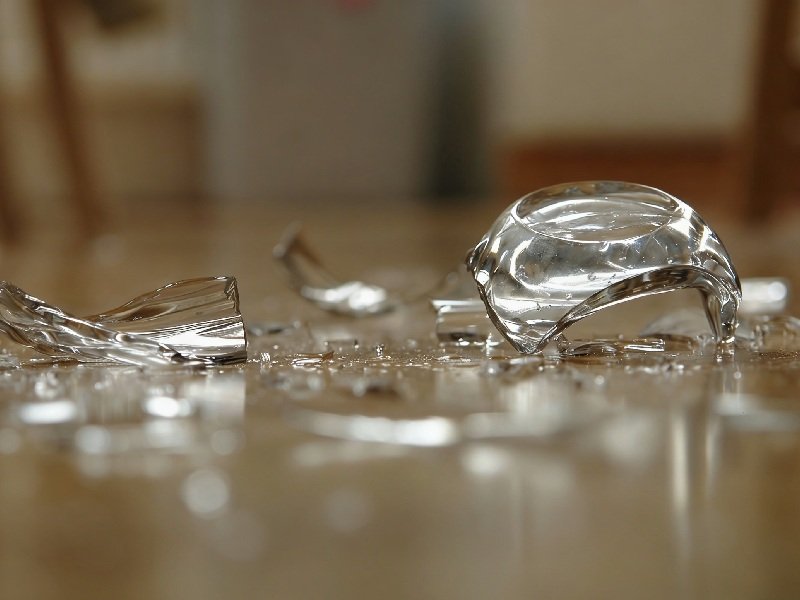
Glass glue is a specialized adhesive designed to bond smooth, non-porous materials—especially glass. Unlike ordinary household glue, it is formulated to create a strong molecular bond on surfaces that are typically difficult for adhesives to grip. High-quality glass glue dries clear, sets quickly, and forms a durable connection that can withstand everyday handling. Because of these properties, it is widely used to repair glassware, mirrors, decorative objects, and many mixed-material items where appearance and strength both matter.
In simple terms, glass glue is an adhesive engineered specifically for glass repairs. It works by spreading into a thin layer across the glass surface and forming a tight bond as it cures. The result is usually a transparent repair line that is far less noticeable than traditional glue. Modern formulas can bond glass to glass and often to materials like metal or certain plastics, making them useful for household fixes, craft projects, and small mechanical repairs.
For many people, glass glue turns what would normally be a replacement problem into a quick repair solution. A cracked vase, a loose wine-glass stem, or a chipped decorative item can often be restored in minutes with the right adhesive and proper application. When the surfaces are clean and aligned carefully, the repair can look almost invisible while remaining strong enough for normal use.
What Is Glass Glue?
Glass glue is a type of adhesive specifically designed to bond glass surfaces and other smooth, non-porous materials. Unlike wood glue or craft glue, which rely on porous surfaces to create grip, glass glue works by forming a thin chemical bond layer across the smooth surface of glass. This allows the adhesive to attach firmly even though glass itself has almost no texture for the glue to “hold onto.”
For everyday users, the most noticeable features of glass glue are its clear drying finish, fast setting speed, and strong adhesion on smooth materials. When applied correctly, the bond line becomes almost invisible. This makes glass glue ideal for repairing items where appearance matters, such as wine glasses, crystal ornaments, decorative vases, mirrors, and glass lids.
Another advantage is the speed of repair. Many modern glass adhesives set within seconds, allowing the user to complete repairs quickly without clamps or complicated tools. However, even fast-setting formulas still require several hours to reach full strength.
In practical terms, glass glue is used in three main situations:
- Repairing broken glass objects
- Bonding glass to other materials like metal or plastic
- Craft and DIY projects that require transparent adhesive
Below is a simplified comparison showing why standard glue often fails on glass.
| Feature | Ordinary Glue | Glass Glue |
|---|---|---|
| Bonding ability on glass | Weak | Strong |
| Drying appearance | Cloudy or visible | Clear and transparent |
| Setting speed | Slow | Fast (seconds to minutes) |
| Suitable materials | Porous materials | Smooth materials like glass |
Because glass is widely used in homes, vehicles, décor, and construction, glass glue has become a common repair solution for both household users and professionals.
What Is Glass Glue Used For?
Glass glue is commonly used to repair everyday household items that contain glass. These repairs are often quick and cost-effective compared to replacing the entire item.
Some of the most frequent household uses include:
- Repairing wine glasses or drinking glasses with broken stems
- Fixing cracked glass vases or decorative bowls
- Reattaching handles to glass lids or containers
- Repairing glass panels in picture frames
- Fixing glass ornaments and collectibles
Glass glue is also popular in DIY and craft projects because it dries clear and works well with delicate materials. Hobbyists often use it for:
- Stained glass projects
- Mosaic artwork
- Jewelry repairs using glass beads or crystals
- Decorative home décor projects
In addition, small automotive repairs sometimes involve glass adhesive. For example:
- Fixing small cracks in headlight lenses
- Reattaching mirror glass to the housing
- Repairing glass components in outdoor lanterns
The wide range of uses makes glass glue one of the most practical adhesives for home repairs.
What Is Glass Glue Made Of?
Most glass glues are based on advanced polymer adhesives that can bond strongly to smooth surfaces. One of the most common types is cyanoacrylate adhesive, which is known for its fast bonding speed and high strength.
These adhesives react with small amounts of moisture in the air and on surfaces. When the glue contacts moisture, a rapid chemical reaction occurs that forms a rigid polymer structure. This structure locks onto the surface and holds the materials together.
Different types of glass adhesives have slightly different properties depending on their formulation.
| Adhesive Type | Strength | Setting Speed | Typical Use |
|---|---|---|---|
| Cyanoacrylate glass glue | High | Very fast (seconds) | Household repairs |
| Epoxy adhesive | Very high | Medium (minutes) | Heavy-duty bonding |
| UV adhesive | High | Instant under UV light | Jewelry and glass art |
| Silicone adhesive | Medium | Slow (hours) | Sealing glass joints |
Many modern glass glues also include design features that improve usability. For example:
- Precision nozzles for applying glue into narrow cracks
- Anti-clog caps to prevent the adhesive from drying inside the tube
- Fast-setting formulas that reduce repair time
These improvements help make glass glue easier to use for both beginners and professionals.
How Does Glass Glue Bond?
Glass surfaces are extremely smooth and non-porous, which makes bonding difficult for ordinary adhesives. Glass glue solves this problem by forming a chemical bond rather than relying only on mechanical grip.
When applied, the adhesive spreads across microscopic irregularities in the glass surface. As the glue cures, polymer chains form and harden, creating a tight connection between the two surfaces.
Several factors influence the final strength of the bond:
Surface cleanliness
Any oil, dust, or detergent residue reduces adhesion.
Glue thickness
A thin layer creates stronger bonds than thick adhesive layers.
Alignment during curing
If the pieces move before the glue sets, the bond can weaken.
Environmental conditions
Most adhesives cure best at moderate temperatures and humidity.
The typical bonding strength of high-quality glass adhesives ranges between 15 MPa and 25 MPa, which is strong enough for many household repairs.
Below is a simplified strength comparison.
| Repair Condition | Expected Bond Strength |
|---|---|
| Clean surface + thin adhesive | 100% |
| Minor surface contamination | 70–80% |
| Thick glue layer | 60–70% |
| Movement during curing | 40–50% |
This is why professional repair technicians always emphasize cleaning the surface and applying a thin layer of adhesive.
When used correctly, glass glue can produce repairs that remain strong and nearly invisible for many years.
What Does Glass Glue Stick To?
Glass glue is designed primarily for bonding glass surfaces, but most modern glass adhesives can also attach to several other smooth materials. This versatility is one reason glass glue is widely used in household repairs, craft work, automotive fixes, and small construction projects. However, the success of the bond depends heavily on the type of material, the surface condition, and whether the materials remain rigid after bonding.
In general, glass glue works best on non-porous and rigid surfaces. These surfaces allow the adhesive to form a thin and stable bond layer. Materials that bend, stretch, or contain oily surfaces tend to weaken the adhesive bond.
For everyday users, the most reliable materials that glass glue bonds well to include:
- Glass
- Metal
- Ceramic
- Stone
- Certain rigid plastics
The table below shows how well glass glue typically performs on common materials.
| Material | Bond Performance | Typical Repair Examples |
|---|---|---|
| Glass | Excellent | Glassware, vases, mirrors |
| Metal | Very good | Handles, frames, fixtures |
| Ceramic | Very good | Decorative items, tiles |
| Stone | Good | Mosaic crafts |
| Acrylic | Good | Display cases, panels |
| PVC | Good | Decorative parts |
| Polyethylene | Weak | Plastic bottles |
| Polypropylene | Weak | Food containers |
Understanding these compatibility differences helps users choose the right repair approach and avoid situations where the adhesive may not hold well.
Does Glass Glue Stick to Glass?
Glass glue is specifically engineered to bond glass to glass. This is its most effective and reliable application. When the broken pieces fit together closely, the adhesive can form a thin transparent layer that holds the surfaces tightly while remaining almost invisible.
Common glass-to-glass repairs include:
- Repairing wine glass stems
- Fixing cracked decorative vases
- Repairing broken crystal ornaments
- Reattaching glass panels in picture frames
- Fixing chipped glass bowls or cups
When done correctly, the repair line often becomes difficult to see because the adhesive dries completely clear.
Several conditions help achieve the strongest glass-to-glass bond:
- Clean surfaces free of grease and dust
- A tight joint with minimal gaps
- A thin adhesive layer
- Stable positioning during curing
Below is a general guideline for expected bond strength in glass-to-glass repairs.
| Condition | Estimated Bond Strength |
|---|---|
| Clean glass + tight fit | 100% |
| Minor surface contamination | 70–80% |
| Slight gap between pieces | 60–70% |
| Movement during curing | 40–50% |
Because of these properties, glass glue is widely used for repairing decorative glass objects where appearance and precision are important.
Does Glass Glue Stick to Metal?
Many glass glues bond effectively to metal surfaces. This makes them useful for repairing objects that combine glass and metal components.
Typical glass-to-metal repairs include:
- Reattaching metal handles to glass lids
- Fixing glass lamp shades in metal frames
- Repairing decorative lantern panels
- Reattaching mirror glass to metal backing plates
- Bonding glass ornaments to metal stands
Metal surfaces often contain oils from manufacturing or handling, which can weaken adhesion. Cleaning the metal surface with alcohol or acetone before applying glue can significantly improve bond strength.
Another factor to consider is thermal expansion. Glass and metal expand at different rates when heated. High-quality glass adhesives are formulated to tolerate small expansion differences without breaking the bond.
Below is a simplified compatibility overview.
| Metal Type | Bond Performance | Notes |
|---|---|---|
| Stainless steel | Very good | Clean surface before bonding |
| Aluminum | Good | Light sanding improves grip |
| Brass | Good | Remove oxidation layer |
| Painted metal | Moderate | Bond strength depends on paint |
Because many household objects combine glass and metal parts, this bonding capability greatly increases the usefulness of glass glue.
Does Glass Glue Stick to Plastic?
Glass glue can bond to certain types of plastic, but the strength of the bond depends on the plastic material. Some plastics have surface properties that allow adhesives to attach easily, while others are chemically resistant and difficult to bond.
Rigid plastics with higher surface energy generally bond well with glass adhesives.
Examples include:
- Acrylic (PMMA)
- Polycarbonate
- PVC
- ABS plastics
These materials are often used in display cases, protective covers, and decorative components.
However, some plastics are known for being difficult to bond.
Examples include:
- Polyethylene (PE)
- Polypropylene (PP)
- Silicone-based plastics
These materials are commonly used in containers, packaging, and flexible products. Their surfaces resist adhesion, which means glass glue may not hold effectively.
Below is a quick compatibility reference.
| Plastic Type | Bond Result | Common Applications |
|---|---|---|
| Acrylic (PMMA) | Strong | Display panels |
| Polycarbonate | Strong | Protective covers |
| PVC | Good | Decorative structures |
| ABS | Moderate | Appliance parts |
| Polyethylene (PE) | Weak | Bottles |
| Polypropylene (PP) | Weak | Food containers |
When bonding glass to plastic, it is always recommended to test the adhesive on a small area first.
Glass glue works best when both surfaces are rigid and stable. If the plastic flexes frequently, the bond may weaken over time.
For this reason, glass glue is widely used in decorative crafts, household repairs, and light structural applications where the materials remain stable after bonding.

How Do You Use Glass Glue?
Using glass glue correctly is the key to achieving a strong and nearly invisible repair. Many people think glass repair simply means applying glue and pressing the pieces together, but in reality the process requires careful preparation and precise application. Small details such as cleaning the surface, controlling the amount of glue, and keeping the pieces stable during curing can make a significant difference in the final bond strength.
In most household repairs, glass glue is used for objects such as wine glasses, vases, mirrors, glass lids, decorative ornaments, or small glass panels. When applied properly, modern glass adhesives can form a strong bond in seconds while remaining clear and unobtrusive.
From repair technicians and experienced DIY users, three factors consistently determine whether a glass repair succeeds:
- Clean surfaces
- Thin adhesive layers
- Stable curing time
The following sections explain the most practical steps for using glass glue effectively.
How Do You Clean Before Glass Glue?
Cleaning the glass surface is the most important step in the repair process. Glass may appear clean, but it often contains invisible contaminants that weaken adhesive bonding. These contaminants typically include skin oils, dust, dishwashing detergent residue, and airborne particles.
Before applying glass glue, the surface should be cleaned carefully to remove these materials.
A practical cleaning process usually includes the following steps:
- Wash the broken pieces with warm water and mild soap.
- Rinse thoroughly to remove detergent residue.
- Dry the pieces completely using a lint-free cloth.
- Wipe the bonding area with isopropyl alcohol to remove oils.
- Avoid touching the cleaned edges with bare hands.
Even a small amount of contamination can reduce adhesion significantly.
Below is a simplified comparison showing how surface cleanliness affects adhesive strength.
| Surface Condition | Estimated Bond Strength |
|---|---|
| Fully cleaned surface | 100% |
| Light skin oil present | 70–80% |
| Dust particles on surface | 60–70% |
| Soap residue present | 40–60% |
For best results, many professionals recommend performing the cleaning step immediately before applying the adhesive. This ensures the glass surface remains free from contamination.
How Do You Apply Glass Glue Neatly?
Applying glass glue carefully helps achieve a clean repair that is both strong and visually discreet. Because glass is transparent, any excess adhesive can be easily seen once the glue dries. Using too much glue is one of the most common mistakes in glass repair.
A controlled application process usually works best.
Recommended steps for applying glass glue:
- First align the pieces together without glue to understand how they fit.
- Apply a very small drop of adhesive to one side of the break.
- Spread lightly if needed to form a thin adhesive layer.
- Press the pieces together immediately after applying the glue.
- Hold the pieces firmly for several seconds until the adhesive sets.
Most glass repairs require only a tiny amount of glue. A thin adhesive layer provides stronger bonding than a thick layer because it cures more evenly.
Many modern glass glue products include precision applicator tips that help control the amount of adhesive applied. These narrow nozzles allow users to place glue directly into small cracks or tight corners without spreading adhesive across the visible glass surface.
Below is a comparison showing how adhesive thickness affects repair quality.
| Adhesive Thickness | Repair Appearance | Bond Strength |
|---|---|---|
| Thin adhesive layer | Nearly invisible | Strong |
| Medium layer | Slightly visible | Moderate |
| Thick adhesive layer | Visible glue line | Weak |
Precision application is especially important for decorative items such as crystal ornaments or glass sculptures where appearance matters.
How Long Does Glass Glue Cure?
Many people are surprised by how quickly modern glass glue begins to bond. Some fast-setting adhesives can hold glass pieces together within seconds. However, there is an important difference between initial bonding and full curing.
Initial bonding simply means the adhesive has started to hold the pieces together. Full curing occurs later when the adhesive reaches its maximum strength.
The curing process usually follows several stages.
| Stage | Description | Typical Time |
|---|---|---|
| Initial set | Adhesive grabs the surfaces | 10–30 seconds |
| Handling stage | Item can be moved carefully | 5–10 minutes |
| Partial cure | Repair can handle light use | 1–3 hours |
| Full cure | Maximum bond strength achieved | up to 24 hours |
Environmental conditions influence curing speed.
Glass adhesives typically perform best under the following conditions:
- Temperature between 20–30°C (68–86°F)
- Moderate humidity levels
- Stable positioning without movement
Cold environments can slow the curing process, while excessive heat may cause the adhesive to set too quickly before the pieces are aligned.
For valuable items such as crystal glassware or decorative objects, it is usually best to allow the repair to cure overnight before using the item again.
Allowing adequate curing time ensures the adhesive forms its strongest possible bond and helps the repair last much longer.
Is Glass Glue Waterproof and Safe?
Many people want to know whether glass glue can withstand water, heat, or daily household use. This question often comes up when repairing items like vases, mirrors, aquariums, glass containers, or kitchenware. The short answer is that most modern glass adhesives are designed to resist moisture and remain stable in normal indoor environments. However, the level of water resistance and safety depends on the adhesive formula and the type of repair.
For everyday household repairs, glass glue is generally durable enough to handle occasional washing, humidity, and temperature changes. Once fully cured, many glass adhesives form a hard polymer structure that is resistant to water and does not dissolve easily.
However, users should remember that water resistance, waterproof performance, and food safety are three different concepts. Some glass glues perform well in humid environments but are not designed for long-term underwater use or direct food contact.
Understanding these differences helps users choose the right adhesive for their repair project and avoid safety issues.
Is Glass Glue Waterproof?
Most glass glues become water-resistant after they are fully cured. This means they can handle occasional exposure to moisture, washing, or humidity without losing strength.
This makes glass glue suitable for many everyday repairs such as:
- Glass vases used for flowers
- Bathroom mirrors
- Decorative glass containers
- Outdoor lanterns and garden ornaments
- Glass lids and household glass items
After curing, the adhesive forms a rigid bond that does not easily break down when exposed to water. In typical home environments, this level of water resistance is usually sufficient.
However, it is important to distinguish between different levels of water protection.
| Adhesive Property | Meaning | Example Use |
|---|---|---|
| Water-resistant | Handles occasional moisture | Vases, mirrors |
| Waterproof | Withstands repeated water exposure | Outdoor glass décor |
| Submersible | Designed for constant water contact | Aquariums |
For example, repairing a cracked vase or mirror frame normally requires only water resistance. But repairing an aquarium or water container requires an adhesive specifically designed for long-term water exposure.
Below is a general durability comparison.
| Environment | Typical Performance of Glass Glue |
|---|---|
| Indoor dry environment | Excellent |
| Occasional water exposure | Very good |
| Outdoor rain exposure | Good |
| Continuous underwater exposure | Depends on adhesive formula |
For most household repairs, allowing the adhesive to cure completely before exposing it to water is the most important step. Many manufacturers recommend waiting at least 24 hours before washing or exposing the repaired item to moisture.
Is Glass Glue Heat Resistant?
Glass objects are often exposed to temperature changes, which can affect adhesive performance. For example, a glass container may hold warm liquid, or an outdoor glass lantern may experience sunlight and temperature fluctuations.
Most fast-setting glass adhesives can tolerate moderate heat levels once cured. This means they perform well in normal household environments.
Typical temperature resistance for common adhesive types is shown below.
| Adhesive Type | Approximate Temperature Resistance |
|---|---|
| Fast-setting glass glue | up to 70–80°C |
| Epoxy adhesives | up to 120°C |
| High-temperature silicone | up to 200°C |
For everyday repairs, standard glass glue is generally sufficient. It can tolerate warm water, sunlight exposure, and moderate temperature fluctuations.
However, glass glue is not designed for extremely high-temperature environments such as:
- Oven glass doors
- Cookware exposed to direct flame
- Industrial heat equipment
In these cases, specialized high-temperature adhesives are more appropriate.
Another factor to consider is thermal expansion. Different materials expand at different rates when heated. For example, metal expands more than glass. High-quality glass adhesives are designed to tolerate small expansion differences without breaking the bond.
This is why glass glue works well for mixed-material items such as glass lids with metal handles or decorative lanterns.
Is Glass Glue Food Safe?
Food safety is a common concern when repairing glassware such as drinking glasses, bowls, or plates. While many glass adhesives are safe to use in household environments, most are not intended for direct contact with food or beverages.
The reason is that adhesive formulas are designed for bonding strength rather than food-grade certification. Even if the adhesive itself is stable after curing, it may not meet official food safety standards.
However, glass glue can still be safely used in certain kitchen repairs where the bonded area does not touch food.
Examples include:
- Reattaching the base of a wine glass
- Repairing decorative glass lids
- Fixing handles on glass jars
- Repairing glass containers used for decoration
Repairs should generally be avoided in areas where food or drinks directly touch the adhesive bond line.
Below is a practical guideline for kitchen repairs.
| Repair Type | Safety Recommendation |
|---|---|
| Decorative glass items | Safe |
| Glass lid handles | Safe |
| Wine glass stem repairs | Usually safe if bond not in contact with drink |
| Plates or bowls touching food | Not recommended |
| Cooking glassware | Not recommended |
For valuable or sentimental items, some people choose to repair the object and then use it as decoration rather than for food service.
Allowing the adhesive to cure completely is also important. Most glass glues reach full stability after 24 hours, which ensures the adhesive has hardened fully and will not release any odor or residue.
When used correctly, glass glue can provide durable repairs while remaining safe for most household applications.

When Should You Avoid Glass Glue?
Glass glue is very effective for many household repairs, but it is not suitable for every situation. Some types of glass damage involve safety risks or structural stress that adhesives alone cannot reliably handle. Knowing when not to use glass glue helps prevent unsafe repairs and saves time and money.
In general, glass glue works best for small cracks, chips, and clean breaks where the pieces fit closely together. It performs well on decorative items, light household objects, and craft materials. However, when glass must support weight, resist heavy impact, or withstand constant environmental stress, replacement or professional repair is often the better option.
Several conditions typically indicate that glass glue may not be the right solution:
- The glass has large missing sections
- The object carries heavy structural load
- The glass experiences strong temperature changes
- The material flexes or vibrates frequently
The following sections explain these situations in more detail so users can decide whether glass glue is appropriate for their repair.
When Does Glass Glue Fail?
Glass glue can create a strong bond, but it still has limits. The adhesive layer itself is usually only a fraction of a millimeter thick. If the repaired item experiences heavy mechanical stress, the bond may eventually weaken or fail.
Situations where glass glue repairs commonly fail include:
- Large cracks with missing pieces
Adhesives require tight contact between surfaces. When large sections of glass are missing, the glue cannot bridge the gap effectively.
- Load-bearing glass components
Examples include glass shelves that support heavy objects or glass panels used in structural furniture.
- Frequent impact or vibration
Items that are dropped, knocked, or vibrated regularly may stress the adhesive bond repeatedly.
- Continuous water immersion
Standard glass glue may weaken when submerged in water for long periods unless it is specifically designed for underwater use.
- Extreme temperature environments
Very high temperatures can soften some adhesives and reduce bond strength.
Below is a simplified guide showing where glass glue works well and where it may not be suitable.
| Repair Type | Suitability for Glass Glue |
|---|---|
| Decorative glass items | Excellent |
| Household glassware | Good |
| Craft and hobby projects | Excellent |
| Small automotive lens cracks | Good |
| Structural glass panels | Not recommended |
| Large shattered glass | Not recommended |
Understanding these limits helps users avoid repairs that could fail later and potentially create safety hazards.
What Mistakes Ruin Glass Glue Repairs?
In many cases, glass glue itself is not the problem. Instead, the repair fails because of small mistakes during preparation or application.
Several common mistakes significantly reduce adhesive strength.
- Poor surface cleaning
Dust, oil, and detergent residue prevent the adhesive from bonding fully to the glass surface.
- Using too much glue
Thick layers of adhesive cure unevenly and often create weak bonds.
- Misalignment during bonding
If the glass pieces shift during curing, the adhesive structure may weaken.
- Trying to fill large gaps
Glass glue works best in very thin layers. Large gaps reduce bonding strength.
- Handling the repair too soon
Even fast-setting adhesives require time to reach full strength.
The table below shows how these mistakes can affect repair performance.
| Application Condition | Estimated Bond Strength |
|---|---|
| Proper cleaning and thin layer | 100% |
| Slight contamination | 70–80% |
| Thick adhesive layer | 60–70% |
| Movement during curing | 40–50% |
| Large gap between pieces | 30–40% |
Professional repair technicians often recommend performing a dry fit before applying adhesive. This means aligning the pieces together first to understand how they fit before adding glue.
This simple step can prevent alignment mistakes and reduce stress on the final bond.
What Can You Use Instead of Glass Glue?
When glass glue is not the best choice, other repair methods may provide stronger or more durable results depending on the situation.
Several alternatives are commonly used for glass repairs.
Epoxy adhesives
Two-part epoxy adhesives create extremely strong bonds and can fill small gaps between surfaces. Because they cure into a thicker structure, they are often used for heavier repairs.
Typical uses include:
- Repairing thicker glass panels
- Bonding glass to stone or metal
- Fixing structural decorative objects
UV-curing adhesives
UV adhesives remain liquid until exposed to ultraviolet light. This allows the user to position the pieces perfectly before curing the adhesive with a UV lamp.
Common uses include:
- Jewelry making
- Optical glass repair
- Decorative glass art
Silicone sealants
Silicone adhesives remain flexible after curing and provide excellent waterproof sealing. They are often used in construction and aquarium assembly.
Typical applications include:
- Aquarium sealing
- Window installation
- Glass panel sealing
Mechanical fasteners
In some structural situations, brackets, frames, or clamps may provide stronger support than adhesive alone.
Examples include:
- Glass shelves
- Furniture glass panels
- Construction glass installations
Below is a comparison showing when each repair method is commonly used.
| Repair Method | Best Use Case |
|---|---|
| Glass glue | Small cracks and decorative repairs |
| Epoxy adhesive | Heavy or gap-filling repairs |
| UV adhesive | Precision glass work |
| Silicone sealant | Waterproof sealing |
| Mechanical fasteners | Structural glass support |
Choosing the correct repair method ensures better safety and longer-lasting results.
For most everyday household repairs, glass glue remains one of the fastest and easiest solutions, especially for decorative objects, glassware, and craft projects where appearance and convenience are important.
Conclusion
Glass glue has become one of the most practical solutions for repairing broken glass items at home. Instead of discarding a cracked vase, loose wine-glass stem, or damaged decorative object, a properly applied glass adhesive can restore the item quickly and cleanly. When the surfaces are cleaned well, the adhesive layer is kept thin, and the repair is allowed to cure fully, glass glue can create a strong and nearly invisible bond that holds up during normal daily use.
For DIY users and homeowners, glass glue provides a convenient way to extend the life of everyday objects. From fixing glassware and mirrors to repairing ornaments, picture frames, and small automotive lenses, the right adhesive makes these repairs simple and affordable. Understanding the limits of glass glue—such as avoiding large structural repairs or extreme heat environments—helps ensure that the repair remains safe and long-lasting.
For retailers, distributors, and private-label brands, working with an experienced adhesive manufacturer is equally important. Companies like GleamGlee combine advanced research, reliable production capacity, and global logistics to deliver consistent, high-performance adhesive products to international markets. Whether you are looking for professional glass glue for your customers or planning to develop your own adhesive brand, partnering with a trusted manufacturer can help you bring reliable repair solutions to the market.





















