Skip to content
Quick-Repair Glue
Fast, Strong Fixes When You Need It Done Now
Some things don’t break at a convenient time.
A snapped plastic part, a loose metal piece, a cracked household item — when it happens, you usually need a fix immediately, not tomorrow.
That’s where quick-repair glue comes in.
Designed for speed and instant strength, it allows you to fix small breaks in seconds, without clamps, waiting, or complicated steps.
When Something Breaks, You Don’t Have Time to Wait
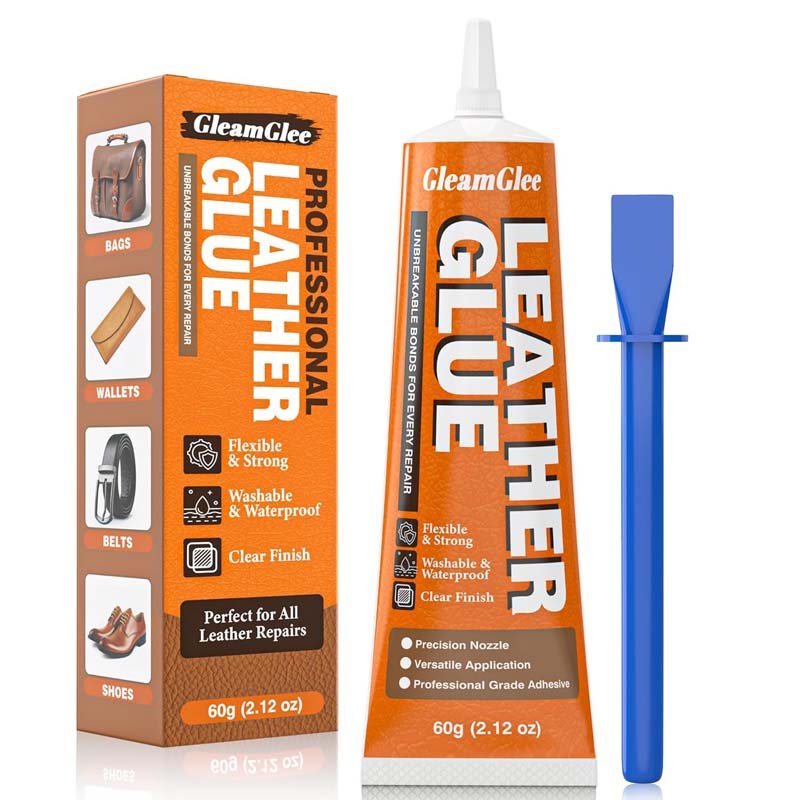
Leather is not just “thick fabric.” It behaves very differently:
- Smooth, non-porous surface that resists adhesion
- Sensitive to moisture and chemicals
- Can darken or stain permanently
- Once hardened, it cannot be softened again
When you glue leather clothing, you’re working with a high-risk material.
The adhesive must bond without soaking in, discoloring, or stiffening the leather.
What Is Quick-Repair Glue?
Quick-repair glue is designed for moments when waiting isn’t an option. Unlike traditional adhesives that require long setup, clamping, or curing time, quick-repair glue delivers near-instant bonding so broken parts can be fixed and handled almost immediately. At its core, quick-repair glue is defined by three things:
1. Instant Bonding
It begins bonding within seconds after contact, allowing you to align, press, and move on without extended holding or tools.
2. Immediate Handling Strength
The bond is strong enough to hold parts in place right away, making it ideal for emergency and time-sensitive repairs.
3. Simple, No-Hassle Use
No mixing, no clamps, no complicated steps — just apply a small amount, press briefly, and the repair is underway.
Quick-repair glue isn’t about slow perfection. It’s about fast, reliable fixes that restore function when something breaks unexpectedly. When speed matters most, this type of glue turns minutes and hours of waiting into seconds of action.
When People Need Quick Repairs Most
People commonly reach for quick-repair glue in situations like:
- A broken household item that needs to work immediately
- Small parts snapping off during use
- Emergency fixes before work, travel, or events
- DIY projects interrupted by accidental breaks
- Loose components that must be secured on the spot
These are moments where waiting simply isn’t an option.

Why Traditional Repairs Take Too Long
When something breaks, the biggest problem isn’t always the damage —
it’s the time required to fix it.
Most traditional repair methods are designed for careful, long-term projects, not real-life emergencies. They often involve:
- Multiple preparation steps
- Precise alignment and extended holding
- Clamps, tape, or additional tools
- Waiting hours — sometimes overnight — before the item can be used again
Even if the final result is strong, the process itself is slow and inconvenient when you need a fix right away.
For everyday breaks and urgent situations, waiting simply isn’t realistic.
That’s why quick-repair glue exists —
to eliminate delays and deliver a fast, functional repair when time matters more than perfection.
Why Super Glue Is the Go-To Quick-Repair Solution
Super glue has become the go-to choice for quick repairs for a reason. It wasn’t designed for slow, adjustable bonding — it was designed for moments when something needs to be fixed immediately.
Bonds in Seconds, Not Hours
Super glue begins bonding almost instantly upon contact.
For emergency repairs, that speed is the difference between waiting and moving on.
Strong Immediate Hold
Unlike many adhesives that feel weak until fully cured, super glue delivers instant handling strength, allowing parts to stay in place right away without clamps or tools.
Minimal Application, Maximum Effect
A small amount goes a long way.
You don’t need layers, mixing, or reinforcement — just a precise drop and brief pressure.
Reliable on Everyday Materials
Super glue works especially well for common quick-repair materials such as:
- Plastic
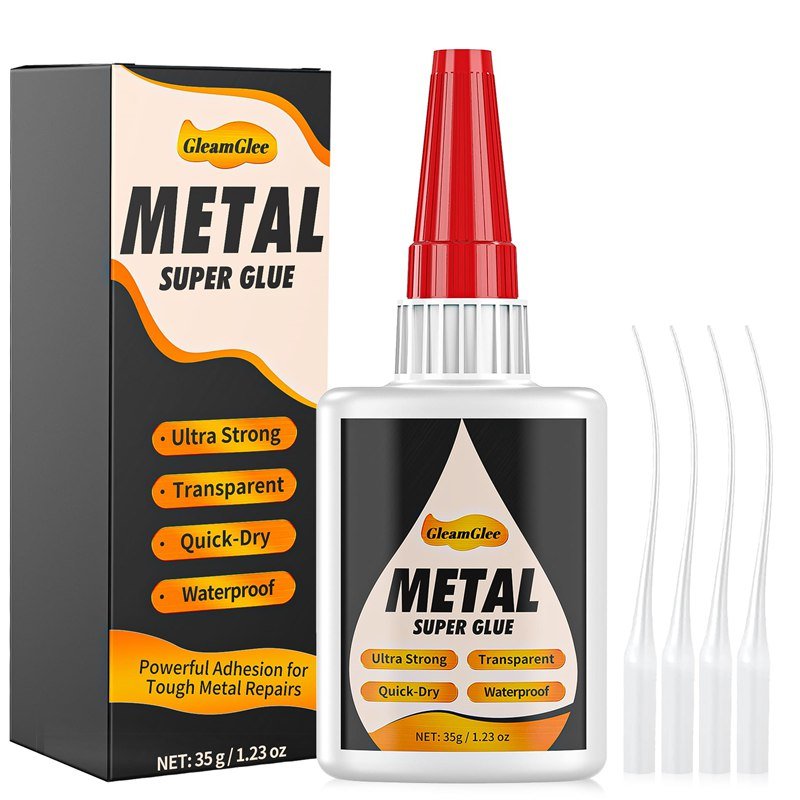
- Metal
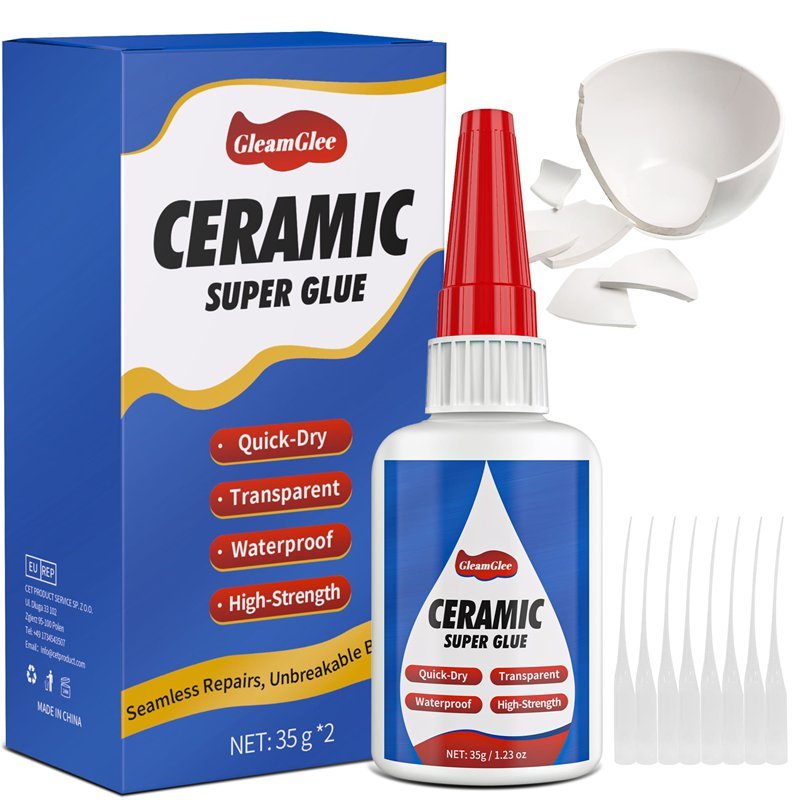
- Ceramic
- Rubber
- Small household components
This versatility makes it ideal when you don’t have time to think about material compatibility.
Built for Emergency Situations
Super glue isn’t about repositioning or long working time.
It’s about decisive, immediate repairs when something breaks unexpectedly.
That’s why, when time is critical, super glue isn’t just a good option — it’s usually the only practical one.

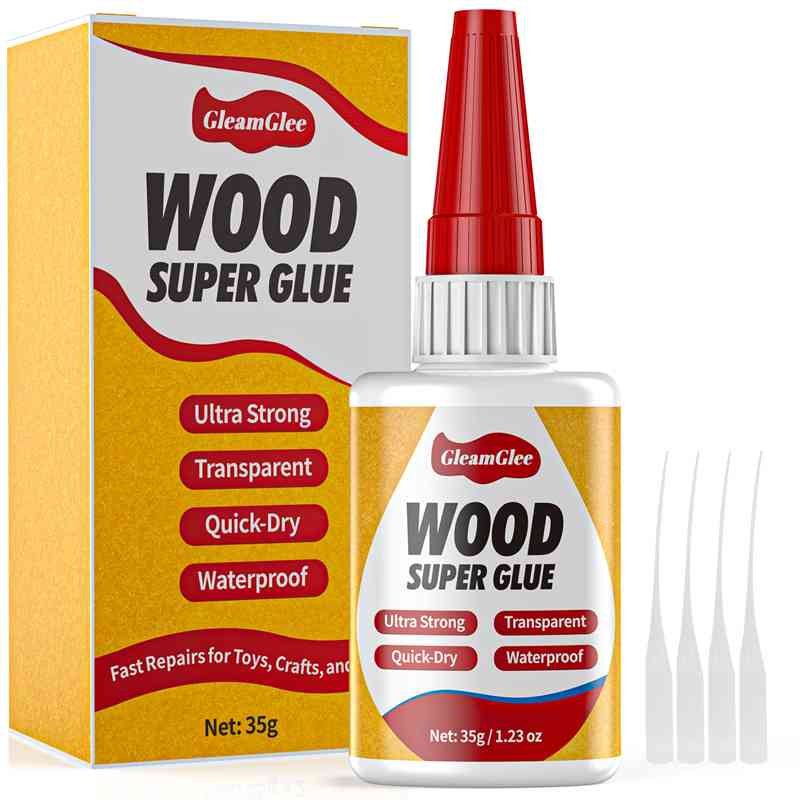
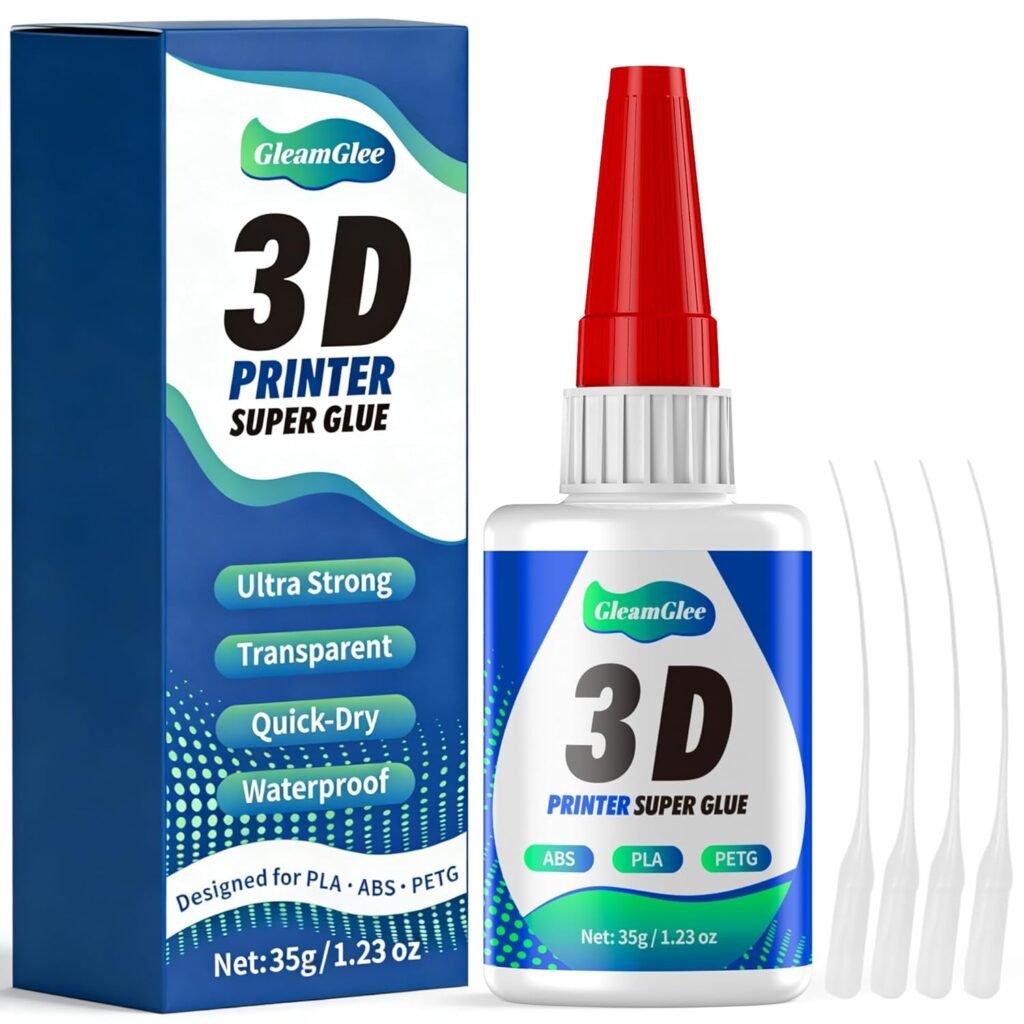
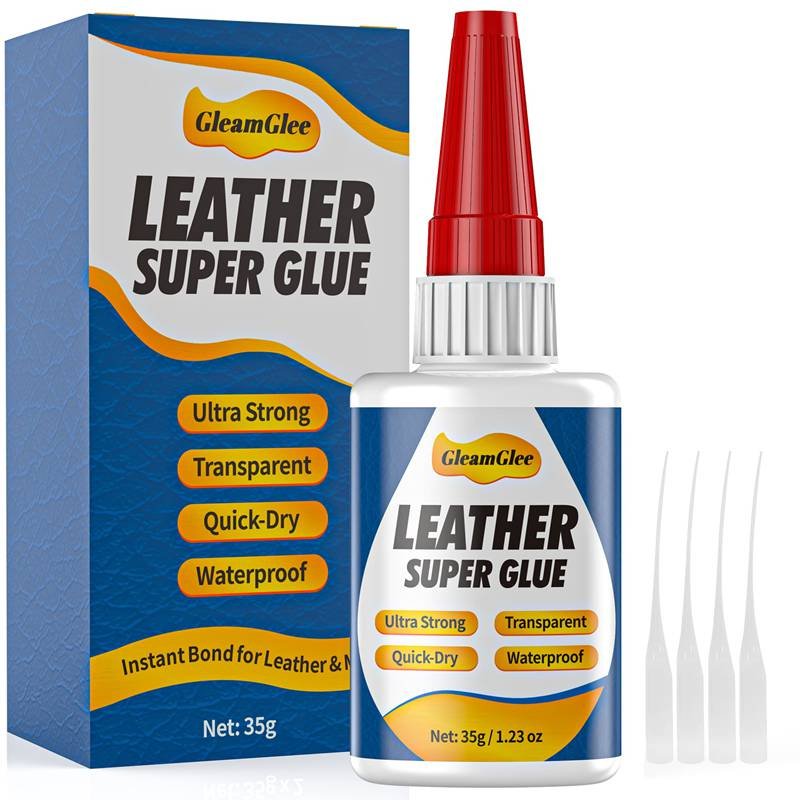
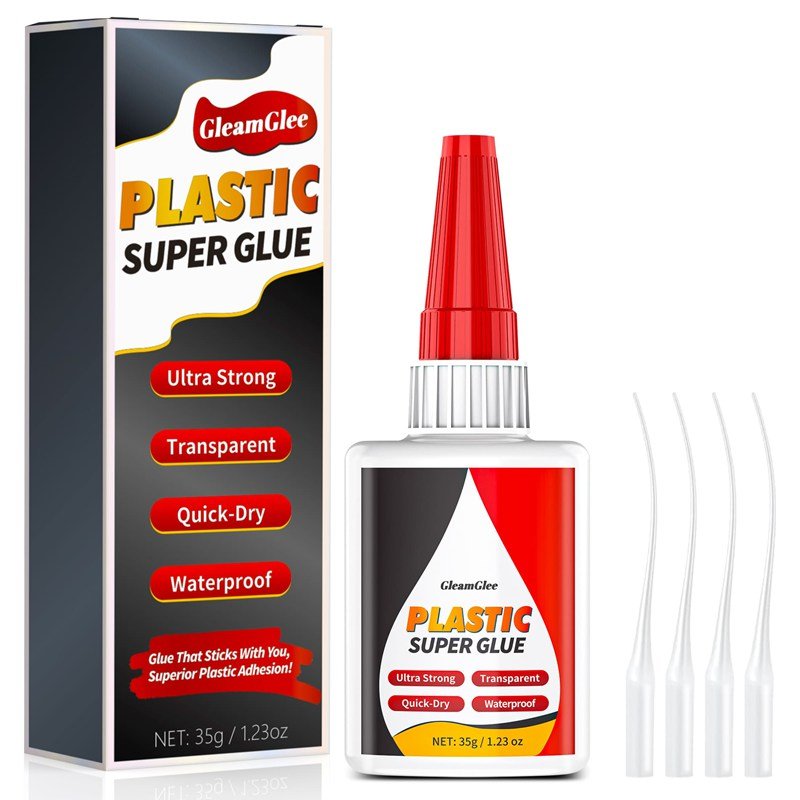
Why Many People Trust GleamGlee Super Glue for Quick Repairs
For quick-repair situations, many users rely on GleamGlee Super Glue because it focuses on what matters most in emergencies:
- Ultra-fast bonding in seconds
- Strong instant hold without clamps
- Precision application for controlled repairs
- Dependable performance on everyday materials
Instead of slowing the repair process down, it helps you fix the problem and move on.
What Makes a Good Quick-Repair Super Glue
Not all fast glues perform the same. A reliable quick-repair super glue should offer:

1. Ultra-Fast Bonding
Bonds in seconds — not minutes.
2. Strong Instant Hold
Provides immediate handling strength after joining.
3. Precision Application
Allows controlled use without mess or overflow.
4. Broad Material Compatibility
Works on common materials like plastic, metal, ceramic, rubber, and more.
5. Compact & Ready Anytime
Easy to store and grab when emergencies happen.
Speed is only useful when it’s paired with dependable strength.
Quick-Repair Glue vs Other Adhesives
| Adhesive Type | Speed | Strength | Practical for Emergencies |
|---|---|---|---|
| Epoxy | ❌ Slow | High | ❌ |
| Multipurpose glue | ⚠️ Medium | Medium | ⚠️ |
| Wood / fabric glue | ❌ Slow | Medium | ❌ |
| Super glue (quick-repair) | ✅ Instant | High | ✅ |
When time matters, quick-repair super glue is often the only practical choice.
How to Use Quick-Repair Super Glue
Quick repairs should stay simple::
1. Clean the surface
Remove dust, grease, or moisture.
2. Apply a small amount
One drop is usually enough.
3. Press and hold briefly
A few seconds is often sufficient.
4. Release and let it set
The bond continues to strengthen.
That’s it — no clamps, no waiting.
Common Quick-Repair Mistakes to Avoid
Quick-repair glue works fast — but only when it’s used correctly. Most failed “instant fixes” aren’t caused by weak glue, but by simple mistakes made in a rush. Here are the most common quick-repair errors to avoid:
1. Using Too Much Glue
More glue doesn’t mean a stronger fix.
Excess adhesive can:
- Take longer to set
- Spread beyond the repair area
- Weaken the bond instead of strengthening it
For quick repairs, one small drop is usually enough.
2. Skipping Surface Cleaning
Quick repairs still need clean surfaces.
Dust, oil, or moisture can prevent proper bonding, causing repairs to fail even when the glue sets quickly.
A quick wipe can make the difference between a temporary fix and a lasting one.
3. Expecting Flexibility from a Rigid Bond
Quick-repair super glue creates a rigid bond.
It’s not designed for:
- Soft, flexible joints
- Constant bending or twisting
Using it where flexibility is required often leads to cracking or breakage.
4. Pulling or Stressing the Repair Too Soon
Even fast-setting glue needs a short moment to stabilize.
Moving or stressing the joint immediately after bonding can weaken the repair before it fully sets.
Give the glue a brief pause to do its job.
5. Trying to Re-Glue a Failed Repair Without Cleaning
If a quick fix fails, applying more glue on top rarely helps.
Old adhesive residue can interfere with bonding.
Always remove loose residue before reapplying for a clean, reliable fix.
Why Many People Choose Our Super Glue for Quick Repairs

Best Quick-Repair Super Glue
For fast, no-nonsense repairs, many users choose GleamGlee Super Glue as their go-to quick-repair solution.
It’s designed for situations where speed and reliability matter most:
- Bonds in seconds for immediate fixes
- Strong instant hold for emergency repairs
- Easy, controlled application
- Suitable for common household and DIY materials
- Compact and ready whenever accidents happen
Instead of waiting hours for a repair to set, this super glue lets you fix the problem and move on.
What Quick-Repair Glue Is Best For
Best For
Small emergency repairs
Instant bonding needs
Broken parts that must hold immediately
Quick fixes at home, work, or on the go
Not Ideal For
Large structural repairs
Flexible or load-bearing joints
Repairs requiring long repositioning time
Understanding the limits helps ensure successful quick repairs.
FAQ
These FAQs cover the questions people search right before buying: whether super glue works, how long to clamp, what to do in wet weather, and how to handle different sole materials. Skim this section if you need a quick answer.
Q1: How fast does quick-repair super glue bond?
Most quick-repair super glues begin bonding within seconds after contact. Initial handling strength is reached very quickly, allowing small repairs to be fixed almost immediately.
Q2: Is quick-repair super glue permanent?
Quick-repair super glue is designed for long-lasting bonds on small parts and rigid materials. While it’s not meant for flexible joints, a properly applied bond can last for years under normal use.
Q3: What materials does quick-repair super glue work best on?
It works especially well on plastic, metal, ceramic, rubber, and other rigid materials commonly involved in emergency household and DIY repairs.
Q4: Does it work on flexible materials?
Quick-repair super glue creates a rigid bond. It is not recommended for materials that bend or flex frequently, as movement can weaken the bond over time.
Q5: How much glue should I use for a quick repair?
Very little. A single small drop is usually enough. Using too much glue can actually slow setting time and reduce bond strength.
Q6: Do I need clamps or tools?
No. One of the key advantages of quick-repair super glue is that it typically does not require clamps, tape, or additional tools for small fixes.
Q7: How long should I wait before using the repaired item?
For light handling, most repairs can be used shortly after bonding. For best strength, allow the bond to continue setting for a short period before applying stress.
Q8: Can quick-repair super glue be used indoors?
Yes. Use it in a well-ventilated area and follow the instructions for safe, comfortable indoor use.
Q9: What if the repair fails the first time?
If a repair doesn’t hold, remove loose residue, clean the surfaces, and reapply a small amount. Avoid layering glue over old adhesive without cleaning.
Q10: Which quick-repair super glue do many people trust for emergency fixes?
For fast, reliable emergency repairs, many users choose GleamGlee Super Glue because it focuses on speed, instant strength, and controlled application when time matters most.

When You Need It Fixed Now, Speed Matters

Breaks rarely happen at a convenient time.
When something snaps, loosens, or falls apart, the real problem isn’t just the damage — it’s the interruption. Waiting hours for a repair to set often isn’t realistic when you need the item working again right away.
That’s why quick-repair glue exists.
It’s not meant to replace every repair method.
It’s designed for those moments when speed is the priority and a fast, reliable fix is the most practical solution.
Having a dependable super glue within reach means:
- Less downtime
- Fewer delays
- More confidence handling unexpected breaks
When you need it fixed now, speed matters — and the right quick-repair glue makes all the difference.