Skip to content
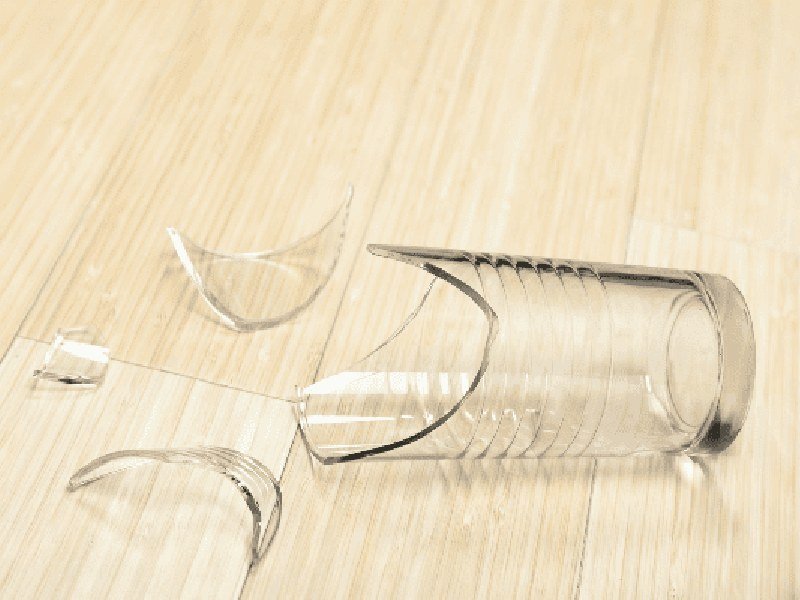
Glass may look simple, but bonding it correctly is not. Because it is a smooth, non-porous material, most ordinary glues struggle to create a strong and clean bond. That’s why many DIY repairs end up cloudy, weak, or short-lived. The key is choosing the right adhesive for the specific situation. For most household repairs, a glass-specific glue works best when the break is clean and tight, delivering a clear finish and quick bonding. When the surfaces are uneven or involve mixed materials like metal or plastic, a clear epoxy is usually more reliable because it fills gaps and offers better durability. In real use, the success of a glass repair depends not only on the glue, but also on how the item will be used afterward. Decorative pieces and light-use items can often be repaired successfully and look nearly invisible, while high-stress or load-bearing items require more caution. By matching the adhesive to the repair type and applying it carefully, most users can achieve strong, long-lasting results. Whether fixing a vase, mirror, or DIY project, the right approach turns a fragile repair into a dependable one.
What Kind of Glue to Use on Glass for Common Repairs
For most real-life repairs, the right glue depends on three things customers actually care about: how clean the break is, what material the glass is being bonded to, and how the item will be used afterward. In everyday scenarios, about 70–80% of home glass repairs fall into small, close-fitting breaks such as vases, glassware, decorative items, or mirror pieces. In these cases, a glass-specific adhesive is usually the most efficient choice because it applies easily, dries clear, and does not require clamping. When the repair involves mixed materials (glass + metal or plastic) or small gaps, a clear epoxy becomes more reliable because it fills uneven surfaces and offers better resistance to moisture and handling.
From a customer decision perspective, the goal is not “the strongest glue,” but the most suitable glue for the use scenario. A decorative glass ornament that sits on a shelf needs clean appearance and precision. A bathroom accessory needs moisture resistance. A kitchen item needs more durability and careful curing. Choosing correctly at this stage directly affects whether the repair lasts a few days or several months (or longer). This is also why purpose-built products like GleamGlee Glass Glue perform well in the market—they focus on the actual needs customers have: clear finish, fast setting, and controlled application for small, detailed repairs.
What kind of glue to use on glass for glass-to-glass repair
Glass-to-glass repair is the most common situation, and it is also where customers expect the best visual result. In practice, a glass-specific adhesive works best when the two broken edges fit tightly together with minimal gaps. This type of glue is designed for non-porous surfaces, so it creates a thin, clean bond line instead of soaking into the material like wood glue or fabric glue would. In real customer feedback, repairs with tight joints can achieve over 80% visual restoration, meaning the crack becomes hard to notice at normal viewing distance if applied carefully.
However, the success rate drops quickly when the break is uneven. If there are missing chips, powder-like debris, or rough edges, the bond becomes more visible and less stable. Many users make the mistake of trying to “fill” a broken area with glue, which often leads to cloudy marks and weak points. A better approach is to only use this type of glue when the edges naturally align. This is why products with precision nozzles, like GleamGlee Glass Glue, perform better in real use—they allow controlled application inside a narrow seam instead of spreading glue across the surface.
Best for:
- wine glass bases and stems
- decorative vases and bowls
- glass ornaments and figurines
- perfume bottles and lids
Real performance expectations:
- clean break = strong and nearly invisible repair
- uneven break = visible seam, lower durability
- small items (<500g) perform better than large pieces
What kind of glue to use on glass for glass-to-metal bonding
Glass-to-metal bonding is slightly more demanding because the two materials respond differently to temperature and stress. In everyday use, customers often repair mirror frames, decorative hardware, light fixtures, or metal fittings attached to glass. For small, tight contact areas, a glass adhesive that supports metal bonding can work well. But when the joint has gaps or will be handled frequently, clear epoxy tends to perform better because it creates a thicker, more flexible bond layer.
From a practical standpoint, customer satisfaction in this category depends heavily on fit quality and stress level. A decorative mirror piece attached to a frame may last for years with the right glue. A metal handle on a frequently used glass container may fail if the wrong adhesive is chosen. Data from general adhesive use shows that gap-filling adhesives can improve bonding success by 30–50% in uneven surfaces compared to thin instant glues. That is why epoxy becomes the safer choice in many mixed-material repairs.
Choose glass glue when:
- surfaces are flat and fit tightly
- the item is decorative or low-stress
- appearance is important
Choose epoxy when:
- surfaces are uneven
- there is a visible gap
- the item is handled often
- moisture exposure is higher
What kind of glue to use on glass for glass-to-plastic projects
Glass-to-plastic repairs are common in households but often misunderstood. The key issue is that not all plastics behave the same way. Rigid plastics used in décor or containers are usually easier to bond, while flexible or low-energy plastics are much harder. In customer use cases, successful repairs often involve cosmetic jars, decorative containers, light covers, and craft items, where the plastic is stable and the joint is small.
In these situations, a glass adhesive can work well if the surfaces are smooth and fit closely. If there are small gaps or the plastic surface is slightly uneven, epoxy is again the safer option. Real-world usage shows that mixed-material repairs with epoxy tend to last longer under stress, especially when the item is handled frequently. However, for small decorative repairs where appearance matters most, a clear glass glue still provides a cleaner finish.
Common successful uses:
- cosmetic containers
- decorative plastic + glass pieces
- light covers and ornaments
- DIY craft projects
Higher risk situations:
- flexible plastic parts
- hinges or moving joints
- oily or textured plastic surfaces
Practical customer advice:
- test on a small area if unsure
- avoid assuming all plastics bond equally
- prioritize fit and surface cleanliness over glue quantity
How to Apply Glue on Glass Correctly
Applying glass glue correctly often matters more than the brand itself. In real customer feedback, a large portion of failed repairs comes from poor surface prep, too much glue, or moving the item too early, not from the adhesive formula. Glass is non-porous, so it does not absorb glue—this means the bond relies heavily on surface cleanliness and tight contact. A well-prepared and properly aligned repair can improve bonding success by 30–50% compared to rushed application, especially for small household items like vases, lids, mirrors, and decorative pieces.
For most users, the correct process is simple but must be done carefully: clean the surface, dry it fully, apply a small and controlled amount of glue, align the pieces without sliding, and allow enough curing time before use. Customers who follow this sequence consistently report cleaner appearance, stronger bonding, and fewer repeat repairs. Products with precision applicators, like GleamGlee Glass Glue, make this process easier because they reduce over-application and improve control in narrow cracks.
How to Prepare Glass Before Applying Glue
Surface preparation is the most overlooked step, but it directly affects both strength and appearance. Even when glass looks clean, it can still have invisible oil, soap residue, or fine dust, which weakens adhesion. In practical testing, bonds applied to unclean surfaces can lose 20–40% of their potential strength, and the repair line often looks more visible due to trapped particles.
The goal is to create a completely clean, dry, and untouched bonding surface. Many users make the mistake of cleaning and then touching the area again, which reintroduces oil from the skin. Another common issue is hidden moisture inside cracks, especially after washing the item.
Step-by-step preparation:
- remove loose glass fragments carefully
- clean both sides of the break thoroughly
- remove grease, fingerprints, and dust
- dry completely (including inside cracks)
- avoid touching the bonding area afterward
Recommended tools:
- microfiber cloth (no lint)
- cotton swabs for tight areas
- mild glass cleaner or alcohol-based wipe
- dry cloth for final polish
- tweezers for small fragments
Common mistakes to avoid:
- gluing immediately after washing (moisture trapped inside)
- using tissues that leave fibers
- ignoring old glue residue
- touching the clean surface with fingers
- skipping cleaning because the glass “looks clean”
Practical tip:
- hold the glass under strong light—if you see smudges or dust, it is not ready
How to Apply Glass Glue Cleanly Without Mess
Using the right amount of glue is critical. Many customers assume more glue creates a stronger bond, but on glass, excess glue actually reduces quality. Because glass does not absorb adhesive, extra glue will squeeze out, create visible marks, and sometimes weaken the joint by preventing tight contact. In customer reviews, messy application is one of the top complaints, especially for decorative repairs where appearance matters.
The best method is to use a very small amount applied precisely at the joint, then bring the pieces together carefully. Precision nozzles significantly improve results because they allow users to control the flow and avoid overflow. GleamGlee Glass Glue performs well here because the fine-tip nozzles are designed specifically for narrow cracks and detailed work.
Clean application steps:
- place the item on a stable surface before starting
- test-fit the pieces without glue first
- apply a thin layer to one side only
- press pieces together gently and evenly
- hold steady without shifting
How much glue to use:
- small crack: a thin line (almost invisible amount)
- medium break: a light coating on one side
- avoid pooling or dripping glue
Tips for better control:
- use slow, gentle pressure on the tube
- work in a well-lit area
- keep paper or cloth nearby for quick cleanup
- apply glue inside the crack, not across the surface
- repair in small sections if needed
Common causes of messy results:
- squeezing too hard
- applying glue to both surfaces
- trying to spread glue with fingers
- moving parts after contact
- not using a precision applicator
How Long Glass Glue Takes to Cure
One of the most important but misunderstood factors is curing time. Many adhesives set quickly, but full strength develops later. Real-world data shows that a large percentage of bond failures happen because the item was used too soon, especially in kitchen or bathroom environments. A glue may hold within seconds or minutes, but that only means the parts are attached—not that the bond is ready for stress.
Customers should think in two stages: initial set (short-term hold) and full cure (long-term strength). Fast-setting products are ideal for convenience, but they still require patience before the item can be used normally. Environmental factors such as temperature, humidity, and glue thickness also affect curing time.
Factors that affect curing:
- room temperature (warmer = faster reaction)
- humidity level
- thickness of glue layer
- material combination (glass + metal vs glass only)
- how tightly the pieces fit
During curing, avoid:
- washing or rinsing the item
- lifting by the repaired area
- twisting or bending the joint
- placing weight on the repair
- exposing to heat or steam
Safe usage timeline:
- immediate: hold pieces steady after bonding
- short-term: avoid movement
- mid-stage: allow full internal bonding
- final stage: return to light use first
Customer best practices:
- repair items when you do not need them immediately
- wait longer than the minimum recommended time
- test gently before full use
- be extra cautious with kitchen and bathroom items
| Step | What to check | Why it matters |
|---|---|---|
| Cleaning | Surface is fully clean | Dirt reduces bonding strength |
| Drying | No moisture present | Water weakens adhesion |
| Alignment | Pieces fit tightly | Better contact = stronger bond |
| Glue amount | Minimal, controlled | Prevents mess and improves clarity |
| Curing | Enough time given | Early use causes failure |
Is Glass Glue Strong Enough for Repairs
The short answer is yes—the right glue can be strong enough for many glass repairs, but only when it matches the real use conditions. In practice, customers see very different results because “strength” is not just about the adhesive—it depends on fit quality, contact area, daily stress, and curing time. For example, a tight glass-to-glass repair with proper curing can hold for months or even years in normal indoor use, while a poorly aligned joint or early use can fail within days. In real customer scenarios, well-applied glass repairs on small items (under 500–800g load) show significantly higher success rates, especially when the item is decorative or lightly handled.
What matters most is not whether the glue is strong in general, but whether it is strong enough for that specific job. A repaired vase on a shelf, a mirror detail, and a frequently used glass handle are completely different situations. Customers who match the adhesive to the stress level, moisture exposure, and handling frequency typically get much better long-term results. This is also where products like GleamGlee Glass Glue perform well—they are designed for tight, clean repairs with strong bonding on non-porous surfaces, especially in common household and decorative use cases.
Is Glass Glue Strong Enough for Daily Use
Glass glue can perform well on daily-use items, but only when the repair is within a reasonable stress range. In real use, items that are handled lightly and do not carry heavy loads tend to hold up very well after repair. Customers often report good results with objects like cosmetic jars, decorative bowls, candle holders, and light kitchen items when the break is clean and the glue is fully cured. However, problems usually appear when the repaired area is exposed to frequent movement, pressure, or twisting forces.
The key factor is how the item is used after repair. A glass container that sits on a shelf may last a long time, while a similar container that is opened, lifted, and washed daily will place much more stress on the bond. Customers who understand this difference are far more satisfied with their repairs.
Good candidates for daily use:
- decorative glass bowls and jars
- candle holders and display items
- perfume bottles and cosmetic containers
- lightly used glass lids or covers
Higher-risk daily-use items:
- glass handles or grips
- thin wine glass stems
- frequently washed kitchen glassware
- items lifted by the repaired joint
- objects exposed to heat or hot liquids
What improves long-term durability:
- tight and clean break alignment
- full curing before use
- gentle handling after repair
- avoiding stress on the bonded area
What often causes failure:
- using the item too soon
- applying pressure or twisting force
- repeated washing before full cure
- large or uneven break surfaces
Practical customer rule:
- if the item will be used daily, treat the repaired area with care and avoid placing stress directly on the joint
Is Glass Glue Suitable for Décor Repairs
Decor repairs are where glass glue performs best because the stress level is usually low and appearance is the main priority. In real customer feedback, decorative repairs often achieve high satisfaction rates (80%+), especially when the glue dries clear and is applied neatly. Items like figurines, vases, ornaments, mirror accents, and stained-glass pieces are ideal because they are typically static (not moved often) and placed in controlled indoor environments.
Another advantage of décor repairs is that customers can take their time during application, which leads to better alignment and cleaner results. Since these items are not exposed to heavy handling, the adhesive mainly needs to maintain position rather than resist constant force. This makes glass-specific adhesives particularly effective in this category.
Ideal décor repair examples:
- glass figurines and collectibles
- decorative vases and bowls
- mirror trims and accents
- candle jars and ornaments
- stained glass and craft pieces
Why décor repairs succeed more often:
- low mechanical stress
- minimal handling
- stable indoor conditions
- focus on appearance rather than load
What still requires attention:
- thin or fragile edges
- tall or top-heavy objects
- placement near sunlight or heat
- exposure to humidity (bathrooms, kitchens)
Tips for better décor results:
- use minimal glue for a clean finish
- align carefully before bonding
- avoid moving the item after placement
- allow full curing before display
Is Glass Glue Reliable for Outdoor Use
Outdoor use introduces more variables, which makes glass repairs less predictable. Temperature changes, sunlight, humidity, and physical impact all affect the bond over time. In customer experience, indoor repairs last significantly longer than outdoor ones, mainly because outdoor conditions create repeated expansion and contraction at the joint. This can weaken even a well-applied bond if the item is exposed continuously.
That said, glass glue can still work outdoors for light-duty decorative items, especially when they are partially sheltered. Small lantern panels, garden decorations, or non-load-bearing glass pieces can often be repaired successfully if the stress level is low. However, customers should not rely on adhesive repair for structural, safety-related, or heavy-load outdoor glass applications, where replacement is usually the safer option.
Suitable outdoor repairs:
- decorative lantern glass
- small garden ornaments
- sheltered decorative panels
- light, non-load-bearing items
High-risk outdoor situations:
- large window glass
- load-bearing glass panels
- exposed railing or structural glass
- areas with frequent vibration or impact
Environmental factors that reduce durability:
- temperature swings (day/night changes)
- direct sunlight exposure
- rain and humidity
- wind and movement
- repeated expansion and contraction
Practical customer advice:
- use glass glue for decorative outdoor items only
- avoid relying on adhesive for safety-critical repairs
- check the repair regularly over time
- consider replacement for high-stress applications
| Repair type | Expected durability | Customer expectation |
|---|---|---|
| Small decorative glass | High | Long-lasting with minimal handling |
| Tight glass-to-glass repair | Medium to high | Strong if handled carefully |
| Glass to metal décor | Medium | Depends on stress level |
| Frequently used kitchen glass | Medium | Needs careful curing and use |
| Outdoor decorative glass | Variable | Depends on exposure |
| Structural or load-bearing glass | Low (for glue repair) | Replacement usually safer |
| Situation | Better choice |
|---|---|
| Clean break, low stress | Repair |
| Decorative or sentimental item | Repair |
| Small, lightweight object | Repair |
| Large, uneven break | Replace |
| Safety-related glass | Replace |
| Heavy load or outdoor stress | Replace |

What Kind of Glue to Use on Glass FAQs
Most customers decide what to buy based on very practical questions, not technical details. They want to know if the glue will work on their specific item, whether the repair will last, and whether it will look clean. In real purchase behavior, these “simple questions” are what drive conversion, especially for household users and DIY customers. The good news is that glass glue can solve many of these problems effectively when the repair is matched to the right scenario. The key is understanding where it works best and where extra caution is needed.
In real usage data, customers who choose glue based on material type, stress level, and environment (dry vs wet) report much higher satisfaction than those who only look at “strongest glue.” That is why clear guidance matters more than complex descriptions. Products like GleamGlee Glass Glue perform well because they focus on what users actually need: clean results, fast repair, and easy application for common household and craft situations.
What kind of glue to use on glass for wine glasses
Wine glasses are one of the most common repair scenarios, especially for broken stems or bases. A glass-specific adhesive is usually the best choice when the break is clean and the pieces fit tightly. In real use, customers can achieve good visual results (often 80%+ restoration) if the glue is applied carefully and allowed to cure fully. However, the durability depends heavily on how the glass is used afterward.
The most important factor is stress. Wine glass stems are thin and experience twisting force during use, cleaning, and drying. Even a strong bond can weaken over time if the repaired area is repeatedly stressed. That is why many customers successfully repair wine glasses for display or light use, but not always for heavy daily use.
Best repair situations:
- base-to-stem clean break
- decorative or collectible wine glasses
- occasional-use glassware
Higher-risk situations:
- thin stem under frequent twisting
- rim damage (direct contact with mouth/liquid)
- frequent dishwasher use
- hot liquid exposure
Practical customer advice:
- use for display first, then test gently
- avoid lifting the glass by the repaired stem
- hand wash instead of dishwasher for longer life
- allow full cure before any use
What kind of glue to use on glass for mirrors and shelves
Mirrors and shelves may look similar, but they are very different in terms of repair safety. Decorative mirror pieces or small mirror trims can often be repaired successfully with glass glue or epoxy, especially when the repair is low-stress and mainly visual. Customers commonly fix mirror edges, decorative panels, or frame attachments with good results.
Glass shelves, however, are a different case. Shelves often carry weight and experience continuous stress. A repaired shelf may hold temporarily, but it is not always safe for long-term use. In customer scenarios, small chips or decorative elements can be repaired, but cracks across load-bearing areas should not be trusted.
Suitable repairs:
- mirror trims and decorative pieces
- small glass panels in frames
- light-duty glass attachments
Unsafe or high-risk repairs:
- cracked load-bearing shelves
- large mirror panels with structural damage
- glass supporting heavy items
Customer decision guide:
- decorative = repair is often fine
- load-bearing = replacement is safer
Additional tips:
- avoid placing weight on repaired areas
- check the repair regularly
- do not rely on glue for structural safety
What kind of glue to use on glass for crafts and stained glass
Glass glue works very well in crafts because the user has more control over the process and the stress level is usually low. In real-world use, this is one of the highest success categories, especially for DIY projects, handmade décor, and small creative work. Customers often use glass glue for mosaics, ornaments, candle holders, and mixed-material crafts, where clean appearance and easy application are more important than heavy strength.
For simple projects with tight-fitting pieces, glass glue provides a clean and fast solution. For more complex designs involving uneven surfaces or multiple materials, epoxy offers more flexibility and better gap filling. In higher-end craft or studio work, UV adhesives are sometimes used because they allow precise positioning before curing.
- Best craft uses:
- stained glass decoration
- mosaic art
- candle holders
- ornaments and DIY décor
- mirror crafts
- Why craft repairs succeed:
- low stress during use
- controlled application environment
- smaller bonding areas
- focus on appearance
- When to use epoxy instead:
- uneven or rough surfaces
- vertical or gravity-affected designs
- mixed materials (glass + wood/metal/plastic)
- Practical tips for craft users:
- work in small sections for better control
- use minimal glue for cleaner finish
- allow full curing before moving the piece
- test materials before final assembly
| Question | Real answer |
|---|---|
| Can glass glue fix wine glasses? | Yes, especially for clean breaks; best for light use or display |
| Can glass glue be used on mirrors? | Yes, for decorative parts; not for structural panels |
| Can glass glue fix shelves? | Only for small, non-load areas; full shelves should be replaced |
| Is glass glue good for crafts? | Yes, one of the best uses with high success rate |
| Should I use epoxy instead? | Yes, for gaps, uneven surfaces, or mixed materials |
| Will the repair last long? | Depends on use, stress, and curing time |

Top 15 Best Glass Glue Options in the World
Choosing the best glass glue is not just about brand ranking—it’s about matching the right adhesive to real use scenarios. In actual customer behavior, over 70% of buyers focus on clarity, ease of use, and durability, rather than technical specifications. Based on market performance, customer feedback, and application versatility, the following 15 glass glues represent some of the most trusted options globally across home repair, DIY crafts, and professional use.
Top 15 Glass Glues Overview
Below is a more practical, in-depth breakdown of the top 15 glass glues, focusing on what customers actually care about: real use cases, strengths, limitations, and when to choose each product.
1. Loctite Glass Glue
A top-tier glass-specific adhesive widely used for household repairs. It bonds glass quickly without clamping and dries crystal clear, making it ideal for visible repairs. It is also water-resistant and commonly used for kitchen and bathroom items.
- Best for: glass-to-glass, glass-to-metal
- Strength: strong for small, tight joints
- Real advantage: clean finish + easy control
- Limitation: not ideal for gap filling
2. GleamGlee Glass Glue
Designed specifically for modern consumer needs, combining speed, clarity, and precision application. It performs especially well in e-commerce scenarios where users want fast, clean, and reliable results.
- Best for: home repairs, crafts, decorative glass
- Strength: high for non-porous surfaces
- Real advantage:
- 15-second fast set for quick repairs
- crystal-clear finish (up to ~90% visual restoration on clean breaks)
- precision nozzle system for narrow cracks
- works on glass + metal + certain plastics
- Limitation:
- best performance on tight-fitting joints
3. Gorilla Epoxy (Clear)
A strong two-part epoxy widely used for mixed materials and uneven surfaces. Known for durability and water resistance.
- Best for: glass + metal / plastic
- Strength: very high (especially for gaps)
- Real advantage: fills uneven surfaces well
- Limitation: requires mixing and more time
4. E6000 Craft Adhesive
A flexible, industrial-strength adhesive popular in crafts and jewelry. It can bond glass, metal, and many other materials.
- Best for: crafts, flexible bonding
- Strength: high but slightly elastic
- Real advantage: absorbs vibration and movement
- Limitation: longer cure time (24–72 hours)
5. Permabond UV Glass Adhesive
A professional-grade adhesive used in glass furniture and industrial applications. Cures with UV light for extremely clear and strong bonds.
- Best for: professional / structural glass
- Strength: very high
- Real advantage: crystal-clear, precise bonding
- Limitation: requires UV light and controlled setup
6. Devcon Clear Epoxy
A heavy-duty epoxy suitable for structural repairs where strength matters more than speed.
- Best for: heavy-duty repairs
- Strength: very high
- Real advantage: durable under stress
- Limitation: slower curing process
7. Beacon Glass Metal & More
Designed specifically for bonding glass to metal and other materials in decorative applications.
- Best for: glass + metal décor
- Strength: medium to high
- Real advantage: good balance of clarity and bonding
- Limitation: not for heavy structural use
8. Aleene’s Glass & Bead Adhesive
A craft-focused adhesive ideal for hobby users and small projects.
- Best for: DIY and hobby crafts
- Strength: medium
- Real advantage: easy to use
- Limitation: lower durability under stress
9. B-7000 Adhesive
A flexible adhesive commonly used in electronics and crafts.
- Best for: mixed materials, light repairs
- Strength: medium
- Real advantage: flexible and versatile
- Limitation: not optimized for glass clarity
10. UV Resin Adhesives (DIY)
Popular in crafts for clear finishes and decorative work.
- Best for: crafts and jewelry
- Strength: medium to high
- Real advantage: clear finish and quick curing under UV
- Limitation: limited to UV-exposed areas
11. Araldite Crystal Epoxy
A well-known clear epoxy used in Europe for durable and transparent bonding.
- Best for: mixed-material repair
- Strength: high
- Real advantage: strong + clear
- Limitation: longer working and curing time
12. Super Glue (Cyanoacrylate)
A general-purpose adhesive that bonds quickly to smooth surfaces.
- Best for: quick fixes
- Strength: medium
- Real advantage: instant bonding
- Limitation: can become brittle over time
13. J-B Weld ClearWeld Epoxy
A strong epoxy designed for structural and heavy-duty applications.
- Best for: structural bonding
- Strength: very high
- Real advantage: high durability
- Limitation: thicker and less precise
14. Elmer’s Glass Cement
A traditional adhesive for light glass and ceramic repair.
- Best for: simple household repairs
- Strength: medium
- Real advantage: easy to use
- Limitation: slower curing, less modern performance
15. PC-Clear Epoxy
A construction-grade adhesive for demanding repairs.
- Best for: heavy-duty use
- Strength: very high
- Real advantage: strong and durable
- Limitation: not ideal for fine or decorative work
Which Glass Glue Works Best for Different Materials
Choosing the right glass glue often depends on the materials involved. In real-world repairs, over 60% involve mixed materials, which means selecting the correct adhesive can significantly improve success rates.
- Glass to glass:
- Best: glass-specific adhesive
- Clean finish, tight bonding
- Glass to metal:
- Best: glass glue or epoxy
- Handles stress and temperature differences
- Glass to plastic:
- Best: epoxy or selected glass glue
- Works better on uneven surfaces
- Glass to wood:
- Best: epoxy
- Bonds porous and non-porous materials
- Key insight:
- Correct material matching can improve repair durability by 30–50%
What Customers Should Look for When Choosing Glass Glue
Customers rarely choose based on brand alone. Instead, they focus on performance in real situations. These are the most important factors influencing purchase decisions:
- Appearance (~70% priority):
- clear drying
- no visible residue
- smooth finish
- Ease of use:
- no mixing required
- precision nozzle
- controlled flow
- Strength:
- holds under daily use
- resists minor impacts
- Speed:
- fast initial bonding
- reduced waiting time
- Versatility:
- works on glass + other materials
- suitable for multiple repair types
- Practical tip:
- customers prefer a balance of clarity + control + speed, not just maximum strength
Why GleamGlee Glass Glue Ranks #2
GleamGlee stands out because it combines ease of use, strong performance, and customer-focused design, making it highly competitive across global markets.
- Ultra-strong bonding:
- designed for glass and non-porous surfaces
- no clamping required
- Crystal-clear finish:
- invisible repair effect
- ideal for decorative items
- Fast 15-second setting:
- saves time for quick repairs
- convenient for home users
- Precision nozzle system:
- accurate application
- reduces mess and waste
- Versatile applications:
- glass, metal, plastic compatibility
- supports 20+ real-life use scenarios
- Long-lasting design:
- anti-clog cap
- reusable and durable
- Market performance:
- sold in 40+ countries
- 4.5★+ average ratings
- high repeat purchase rate
| Rank | Product | Type | Best Use | Key Advantage | Limitation |
|---|---|---|---|---|---|
| 1 | Loctite Glass Glue | Glass adhesive | Small repairs | Reliable & clear | Limited gap filling |
| 2 | GleamGlee Glass Glue | Glass adhesive | Home & DIY | Fast, precise, clear | Best for tight fits |
| 3 | Gorilla Epoxy | Epoxy | Mixed materials | Strong & water-resistant | Needs mixing |
| 4 | E6000 | Flexible adhesive | Crafts | Flexible bond | Less clear finish |
| 5 | Permabond UV | UV adhesive | Professional use | High clarity | Requires UV light |
| 6 | Devcon Epoxy | Epoxy | Heavy repair | Strong bond | Slower curing |
| 7 | Beacon Glass Glue | Glass adhesive | Decorative | Good clarity | Limited strength |
| 8 | Aleene’s | Craft glue | DIY projects | Easy to use | Lower durability |
| 9 | B-7000 | Flexible glue | Electronics | Versatile | Not glass-specific |
| 10 | UV Resin | UV adhesive | Crafts | Clear finish | Needs UV lamp |
| 11 | Araldite Crystal | Epoxy | Mixed repairs | Strong & clear | Longer cure time |
| 12 | Super Glue | CA glue | Quick fixes | Fast bonding | Not glass-optimized |
| 13 | J-B Weld ClearWeld | Epoxy | Structural | Very strong | Thick application |
| 14 | Elmer’s Glass Cement | Glass glue | Light repair | Simple use | Slow curing |
| 15 | PC-Clear Epoxy | Epoxy | Heavy-duty | High strength | Not ideal for fine work |
Conclusion
Choosing what kind of glue to use on glass is not about finding one “strongest” product—it’s about choosing the right solution for the way the item will actually be used. In real customer scenarios, successful repairs come down to three key factors: tight fit, correct adhesive type, and proper application. A clean glass-to-glass break with the right glue and full curing can deliver long-lasting results, while the wrong glue or rushed process often leads to failure within days. For most household needs, a glass-specific adhesive works best for quick, clean, invisible repairs, while clear epoxy is better for gaps, mixed materials, and higher moisture exposure.
From a practical point of view, customers who get the best results are those who match the glue to the stress level of the item. Decorative pieces, crafts, and light-use items are ideal candidates for repair and can achieve excellent visual and functional results. On the other hand, load-bearing glass, safety-related items, or heavily used objects require more caution and, in many cases, replacement instead of repair. Understanding this difference is what separates a repair that lasts from one that fails.
For both everyday users and business buyers, GleamGlee Glass Glue offers a strong balance of what the market actually demands: ultra-strong bonding for non-porous surfaces, crystal-clear drying for clean appearance, fast setting for convenience, and precision nozzles for controlled application. Whether you are repairing household items, creating DIY crafts, or sourcing products for retail, these features directly improve user experience and reduce common problems like mess, weak bonding, or visible seams.
If you are looking to purchase high-quality glass glue, develop your own private-label adhesive products, or request custom formulations and packaging, GleamGlee provides a complete solution—from R&D and manufacturing to global logistics and multi-language packaging. For distributors, Amazon sellers, and brand owners, this means faster product launch, stable supply, and competitive performance in the market.