Skip to content

Plastic is used in thousands of everyday products—from storage bins and appliance housings to outdoor equipment and automotive parts. When these items crack or break, replacing them can be expensive and inconvenient. Many people try general household glues, only to find the repair fails after exposure to water, humidity, or daily stress. Choosing the best glue for plastic waterproof repairs means selecting an adhesive that bonds well to the specific plastic type and remains durable even in wet environments.
The best glue for plastic waterproof repairs is usually a plastic-specific cyanoacrylate adhesive (super glue), two-part epoxy, or specialized plastic cement designed for materials such as PVC, ABS, and acrylic. These adhesives form strong molecular bonds with plastic surfaces and resist moisture, temperature changes, and everyday wear. When the correct adhesive is matched with proper surface preparation, the repair can remain strong and reliable for years.
In real use, a high-quality waterproof plastic glue can restore a wide range of damaged items, including cracked containers, broken appliance parts, garden tools, automotive trim pieces, and hobby models. Instead of discarding damaged products, many DIY users rely on plastic adhesives to extend product life, reduce replacement costs, and keep equipment functioning. With the right adhesive and proper application, plastic repairs can be fast, clean, and surprisingly durable.
What Is the Best Glue for Plastic Waterproof?
The best glue for plastic waterproof repairs is an adhesive specifically designed to bond plastic materials while resisting moisture, humidity, and temperature changes. In most real-life repair situations, three adhesive types perform the most reliably: cyanoacrylate plastic glue (super glue), two-part plastic epoxy, and specialized plastic bonding systems. The correct choice depends on the plastic type, the size of the damage, and the environment where the item will be used.
For example, rigid plastics such as PVC, ABS, and acrylic usually bond well with high-strength cyanoacrylate or plastic epoxy adhesives. These glues create strong molecular adhesion and cure into a water-resistant structure. However, plastics such as polyethylene (PE) and polypropylene (PP) are harder to bond because their surfaces are chemically resistant and have very low surface energy.
For most household repairs, customers usually want three things from a waterproof plastic glue:
| Requirement | Why It Matters for Customers | Practical Benefit |
|---|---|---|
| Strong bond strength | Prevents repaired parts from breaking again | Longer product lifespan |
| Water resistance | Ensures repair survives humidity or water contact | Reliable outdoor or bathroom repairs |
| Fast curing time | Allows quick repairs without long waiting | Convenient DIY use |
A well-formulated plastic adhesive can withstand daily mechanical stress, water exposure, and temperature fluctuations. When the right glue is chosen and applied correctly, plastic repairs can often remain durable for years.
What Makes the Best Glue for Plastic Waterproof?
Waterproof plastic adhesives work because they form a bond that prevents moisture from entering the joint between two plastic surfaces. If water penetrates the bond line, it can weaken the adhesive and eventually cause the repair to fail.
High-performance plastic adhesives usually combine three technical features:
| Adhesive Feature | Function | Typical Result |
|---|---|---|
| High surface adhesion | Allows glue to grip smooth plastic surfaces | Strong initial bond |
| Chemical cross-linking | Forms durable molecular connections | Long-term strength |
| Moisture resistance | Prevents water from weakening the joint | Reliable waterproof repair |
For example, cyanoacrylate adhesives cure rapidly when exposed to trace moisture in the air, creating a tight bond line that resists water intrusion. Epoxy adhesives, on the other hand, cure through a chemical reaction between resin and hardener, forming a rigid structure that is extremely resistant to water and solvents.
For customers repairing items that will be used in bathrooms, kitchens, garages, or outdoor environments, these properties are critical. Without moisture resistance, even a strong glue may fail after repeated exposure to water.
Are All Plastic Glues Waterproof?
Not all plastic glues are designed to resist water. Many general-purpose adhesives can temporarily hold plastic parts together but may gradually weaken when exposed to humidity, cleaning chemicals, or outdoor weather.
This difference becomes clear when comparing different adhesive categories.
| Glue Type | Water Resistance | Typical Use |
|---|---|---|
| Craft glue / PVA | Low | Paper, fabric, lightweight crafts |
| General purpose adhesive | Moderate | Indoor household repairs |
| Cyanoacrylate plastic glue | High | Small plastic repairs |
| Two-part plastic epoxy | Very high | Structural plastic repairs |
For example, a simple craft adhesive might hold a plastic piece temporarily but could lose up to 40–60% of its bonding strength after prolonged moisture exposure. In contrast, plastic epoxies and specialized plastic adhesives maintain their strength even when exposed to water repeatedly.
This is why experienced DIY users rarely rely on general glues for plastic repairs that involve water exposure. Instead, they choose adhesives specifically designed for plastic bonding.
Why Choosing the Best Glue for Plastic Waterproof Matters
Choosing the correct waterproof plastic adhesive can make a major difference in repair durability and cost savings. Many plastic items break at small stress points such as hinges, handles, or mounting clips. Replacing the entire product can be expensive even though the damage itself is minor.
Here are common real-world repair examples:
| Item | Average Replacement Cost | Typical Repair Time |
|---|---|---|
| Storage bin | $20–$40 | 10–15 minutes |
| Vacuum cleaner housing | $50–$120 | 15–20 minutes |
| Garden watering can | $15–$30 | 10 minutes |
| Plastic chair arm | $25–$80 | 20 minutes |
| Appliance knob or cover | $10–$40 | 5–10 minutes |
A reliable plastic glue allows customers to repair these items quickly instead of replacing them.
For many households, this means:
- saving money on replacement products
- reducing waste from broken plastic items
- restoring equipment functionality within minutes
Because plastic is one of the most common materials in modern products, having the right waterproof adhesive available can turn small accidents into simple repairs rather than costly replacements.
Which Best Glue for Plastic Waterproof Works for Different Plastics?
Not all plastics behave the same when bonded with glue. Some plastics are easy to repair, while others resist most adhesives unless a specialized formula is used. Choosing the best glue for plastic waterproof repairs starts with identifying the type of plastic material involved. PVC, ABS, and acrylic generally bond well with plastic adhesives, while plastics like polyethylene (PE) and polypropylene (PP) are much harder to bond because their surfaces are chemically resistant.
For customers performing repairs, understanding the plastic type can significantly improve repair success. The following table shows how different plastics typically respond to adhesives.
| Plastic Type | Common Products | Bonding Difficulty | Recommended Waterproof Glue |
|---|---|---|---|
| PVC | Pipes, storage boxes, garden equipment | Easy | Plastic cyanoacrylate or plastic epoxy |
| ABS | Appliance housings, car parts, electronics | Easy–Moderate | Cyanoacrylate or epoxy |
| Acrylic | Clear décor, display cases, covers | Moderate | Clear plastic adhesive |
| Polycarbonate | Safety gear, tool housings | Moderate | Epoxy |
| Polyethylene (PE) | Containers, bottles, bins | Difficult | Specialized plastic bonding system |
| Polypropylene (PP) | Storage boxes, packaging, toys | Difficult | Specialized plastic adhesive |
For most households and DIY users, the plastics they encounter most often are PVC, ABS, and polypropylene, which means choosing a compatible adhesive is essential for reliable waterproof repairs.
Best Glue for Plastic Waterproof on PVC
PVC (polyvinyl chloride) is one of the most common plastics used in everyday products. It appears in plumbing parts, outdoor furniture, storage containers, and garden tools. PVC is relatively easy to bond compared with many other plastics because its surface allows adhesives to grip more effectively.
Typical PVC repair situations include:
| PVC Item | Typical Damage | Repair Goal |
|---|---|---|
| Garden watering can | Small cracks | Seal leak |
| Plastic pipe accessories | Broken connectors | Restore structure |
| Storage containers | Corner fractures | Reinforce strength |
| Outdoor furniture | Split joints | Improve durability |
For PVC, waterproof plastic adhesives such as cyanoacrylate plastic glue or two-part epoxy usually provide strong results. These adhesives bond well to rigid plastics and resist water exposure once fully cured.
Many customers also appreciate adhesives that cure quickly when repairing PVC. Fast bonding reduces the need for clamps or holding pressure and allows the repaired item to return to use faster.
For outdoor PVC products, water resistance is especially important. Items like watering cans or garden sprayers regularly contact water, so a glue that maintains its strength under wet conditions is essential.
Best Glue for Plastic Waterproof on ABS
ABS plastic is widely used in electronics, home appliances, automotive interiors, and power tools. It is strong and impact-resistant, but when it cracks, the repair must withstand daily handling and vibration.
Typical ABS repair examples include:
| ABS Product | Damage Type | Repair Challenge |
|---|---|---|
| Vacuum cleaner housing | Surface crack | Structural stability |
| Appliance control panel | Broken plastic tab | Precision bonding |
| Car dashboard trim | Split mounting clip | Heat resistance |
| Power tool casing | Fracture near screw mount | Impact resistance |
ABS responds well to both cyanoacrylate adhesives and plastic epoxy. Super glue works well for small cracks or broken tabs, while epoxy is better for larger fractures where additional strength is required.
Another factor to consider with ABS is vibration. Appliances, vehicles, and tools often experience movement during use. For these situations, a slightly thicker adhesive layer—such as epoxy—can distribute stress more evenly and reduce the risk of future cracking.
Many experienced repair users prefer epoxy for ABS because it can fill small gaps and reinforce weak areas in the plastic structure.
Best Glue for Plastic Waterproof on Acrylic
Acrylic plastic, often known as plexiglass, is used in decorative products, display cases, lighting covers, and transparent containers. While acrylic is relatively strong, repairing it requires special attention to appearance and clarity.
Typical acrylic repair situations include:
| Acrylic Item | Repair Concern |
|---|---|
| Picture frames | Maintain transparency |
| Display stands | Avoid visible glue lines |
| Lighting covers | Prevent cloudiness |
| Decorative boxes | Preserve visual quality |
The best glue for acrylic plastic waterproof repairs is usually a clear-drying plastic adhesive. These adhesives create strong bonds while remaining nearly invisible after curing.
For customers repairing clear plastic items, the appearance of the bond line can be just as important as its strength. Excess glue can create visible streaks or fogging, which reduces the aesthetic quality of the repair.
Using a precision applicator or fine nozzle helps apply small, controlled amounts of adhesive to the damaged area.
Best Glue for Plastic Waterproof on Hard-to-Bond Plastics
Some plastics are much harder to bond because their surfaces naturally repel adhesives. Polyethylene (PE) and polypropylene (PP) are two of the most common examples. These materials are widely used in storage bins, food containers, toys, and packaging.
These plastics present a challenge because their surface energy is very low, which prevents many adhesives from forming strong molecular bonds.
Typical PE or PP repair items include:
| Plastic Item | Common Damage |
|---|---|
| Storage bins | Cracked corners |
| Plastic containers | Broken handles |
| Toy components | Fractured pieces |
| Utility buckets | Split walls |
Standard glues often fail quickly on these plastics. For reliable repairs, specialized plastic adhesives or plastic bonding systems designed for low-energy plastics are usually required.
Another option sometimes used by experienced repair technicians is surface preparation methods such as light sanding or flame treatment. These techniques slightly alter the plastic surface, allowing adhesives to bond more effectively.
However, for most customers performing simple repairs at home, choosing an adhesive specifically designed for difficult plastics is the most practical solution.

Is Super Glue the Best Glue for Plastic Waterproof?
Super glue (cyanoacrylate adhesive) is one of the most commonly used products for plastic repairs because it bonds quickly, requires no mixing, and is easy for most people to apply. For many everyday situations—especially small cracks or broken plastic pieces—it can be an effective waterproof bonding solution. However, super glue is not always the best choice for every plastic or every repair environment.
In real repair scenarios, the performance of super glue depends on three main factors: the type of plastic, the size of the damage, and the amount of stress placed on the repaired part. For rigid plastics like PVC, ABS, or acrylic, super glue can create strong bonds that resist moisture once fully cured. But for flexible plastics, larger structural breaks, or parts exposed to heavy vibration, other adhesives such as epoxy or specialized plastic adhesives may provide longer-lasting results.
The table below shows how super glue performs compared with other common plastic adhesives.
| Adhesive Type | Bond Strength | Water Resistance | Gap Filling Ability | Typical Repair Size |
|---|---|---|---|---|
| Super glue (cyanoacrylate) | High | High | Low | Small cracks |
| Plastic epoxy | Very high | Very high | High | Large breaks |
| Flexible plastic adhesive | Moderate | High | Medium | Flexible parts |
Because super glue cures very quickly, it is especially useful for small repairs where holding parts together for a long time would be inconvenient.
When Super Glue Works Best for Waterproof Plastic Repairs
Super glue performs best when the repair involves small, clean cracks on rigid plastic surfaces. Its thin consistency allows the adhesive to flow into narrow gaps, creating strong contact between the two surfaces.
Typical successful repair situations include:
| Item Repaired | Why Super Glue Works Well |
|---|---|
| Remote control battery covers | Small fracture with tight fit |
| Plastic toy parts | Lightweight components |
| Acrylic display pieces | Precise bonding needed |
| Appliance clips | Narrow bonding area |
Super glue can create strong bonds within seconds. This quick curing time allows users to complete many repairs in less than five minutes.
Another advantage is the small amount of adhesive required. Because the glue spreads easily across plastic surfaces, only a thin layer is needed. Using too much glue can actually weaken the bond because the adhesive cures best when applied in a very thin layer.
For indoor household repairs where the part does not experience heavy mechanical stress, super glue is often a practical and reliable option.
When Epoxy Is Better Than Super Glue
While super glue is convenient, epoxy adhesives often perform better for large structural repairs. Two-part epoxy consists of a resin and hardener that react chemically to form a rigid, highly durable material once cured.
Epoxy adhesives are usually preferred when repairing:
| Repair Situation | Why Epoxy Works Better |
|---|---|
| Large cracks | Fills gaps between surfaces |
| Structural parts | Higher load-bearing strength |
| Outdoor equipment | Excellent moisture resistance |
| Automotive plastics | Better resistance to vibration |
Epoxy adhesives cure more slowly than super glue, but they produce a thicker bonding layer. This thicker layer helps distribute mechanical stress across a wider area.
For example, repairing a cracked vacuum cleaner housing or broken appliance panel often requires more structural strength than super glue alone can provide. In these cases, epoxy can reinforce the damaged area and restore much of the original strength of the plastic component.
Another benefit is durability. Once fully cured, epoxy bonds can remain stable even when exposed to water, cleaning chemicals, or temperature changes.
When Flexible Plastic Adhesives Are Better
Some plastic items bend or move during normal use. When a rigid adhesive such as super glue is used on these parts, the glue line may eventually crack as the plastic flexes.
Flexible adhesives are designed to remain slightly elastic after curing. This allows them to absorb movement without breaking.
Flexible adhesives are often used for:
| Flexible Plastic Item | Stress Type |
|---|---|
| Inflatable equipment | Air pressure changes |
| Plastic tubing | Repeated bending |
| Outdoor covers | Temperature expansion |
| Protective cases | Impact or movement |
These adhesives usually contain polymer formulas that maintain flexibility while still resisting water exposure.
For customers repairing flexible plastic products—such as inflatable gear, garden hoses, or protective equipment—this type of adhesive can last much longer than rigid glues.
Another advantage is impact resistance. When a flexible plastic item is dropped or bent, the adhesive layer can absorb some of the force rather than transferring it directly to the repair joint.
For these situations, a flexible waterproof plastic adhesive is often the most reliable long-term solution.
How Do You Use the Best Glue for Plastic Waterproof?
Using the best glue for plastic waterproof repairs is not complicated, but the durability of the repair depends heavily on how the adhesive is applied. Many plastic repair failures are not caused by weak glue; they happen because the surface was not prepared correctly, too much adhesive was used, or the bond was disturbed before it fully cured. When the correct steps are followed, a waterproof plastic adhesive can restore structural strength and remain durable even after repeated exposure to water, vibration, or temperature changes.
For most household repairs, the process can be completed in less than 15 minutes, but careful preparation greatly improves the final result. The table below summarizes the typical steps involved in plastic bonding.
| Repair Step | Time Required | Why It Matters |
|---|---|---|
| Surface cleaning | 2–3 minutes | Removes oils and dust that prevent adhesion |
| Surface preparation | 2–3 minutes | Improves bonding surface |
| Adhesive application | 1 minute | Ensures controlled glue coverage |
| Initial bonding | 1–5 minutes | Allows glue to set correctly |
| Full curing | 12–24 hours | Ensures maximum strength |
Customers who take the time to follow these steps usually achieve significantly stronger and longer-lasting repairs.
How to Prepare Plastic Before Using Waterproof Plastic Glue
Proper surface preparation is one of the most important factors for achieving a strong plastic repair. Plastic items often collect oils, dust, and residues from handling or environmental exposure. These contaminants can prevent the adhesive from bonding directly to the plastic surface.
The recommended preparation process usually includes four simple steps:
- Clean the surface Wipe the damaged area with a cloth and a small amount of alcohol or mild detergent to remove grease and dirt.
- Dry the surface completely Water trapped under the adhesive can weaken the bond.
- Lightly roughen the plastic Using fine sandpaper (around 320–400 grit) creates microscopic texture that helps the adhesive grip the surface.
- Remove sanding dust Wipe the surface again to ensure it is clean before applying glue.
Surface preparation improves adhesion because it increases the contact area between the adhesive and the plastic. Even a small amount of roughening can significantly increase bond strength.
| Preparation Action | Benefit |
|---|---|
| Cleaning with alcohol | Removes oils and residues |
| Drying | Prevents moisture interference |
| Light sanding | Increases surface grip |
| Final wipe | Ensures clean bonding surface |
Skipping these steps may cause the glue to adhere only weakly to the plastic surface.
How to Apply the Best Glue for Plastic Waterproof Correctly
Applying the adhesive correctly is just as important as choosing the right glue. Many users assume that applying more glue will create a stronger bond, but in reality, excessive adhesive can weaken the repair by slowing the curing process and creating uneven stress distribution.
A controlled application usually follows these steps:
- Apply a thin, even layer of adhesive to one surface.
- Align the broken pieces carefully.
- Press the surfaces together firmly.
- Hold the parts steady during the initial curing stage.
Precision applicators or fine nozzles make it easier to apply the adhesive accurately, especially for narrow cracks or small components.
| Application Tip | Reason |
|---|---|
| Use a thin glue layer | Thin layers cure faster and bond stronger |
| Align pieces carefully | Prevents uneven stress in the joint |
| Apply steady pressure | Ensures proper surface contact |
| Remove excess glue | Keeps the repair neat |
For larger cracks, some users apply a small reinforcing bead of adhesive along the outside seam after the initial bond forms. This extra layer can improve durability without affecting the appearance of the repair.
How Long Should Waterproof Plastic Glue Cure
One of the most common mistakes during plastic repair is using the item before the adhesive has fully cured. Even if the bond feels strong within minutes, the adhesive may still be developing internal strength.
Different adhesive types have different curing timelines.
| Adhesive Type | Initial Set Time | Full Cure Time |
|---|---|---|
| Cyanoacrylate (super glue) | 10–60 seconds | 24 hours |
| Two-part epoxy | 5–30 minutes | 12–24 hours |
| Flexible plastic adhesive | 5–10 minutes | 24 hours |
During the curing period, the repair should remain undisturbed so the adhesive can form a complete bond.
For waterproof applications—such as garden equipment, outdoor containers, or bathroom accessories—it is especially important to allow the adhesive to cure fully before exposing it to water.
How to Make Waterproof Plastic Repairs Last Longer
A few additional techniques can help extend the lifespan of plastic repairs, especially for items exposed to heavy use.
| Reinforcement Method | Benefit |
|---|---|
| Applying adhesive inside and outside the crack | Increases bonding area |
| Clamping parts during curing | Improves bond strength |
| Avoiding heavy load for 24 hours | Allows adhesive to reach full strength |
| Storing adhesive properly | Maintains product performance |
Customers often find that a properly repaired plastic item can last months or even years depending on how much stress the item experiences.
Simple precautions such as avoiding immediate heavy use and allowing sufficient curing time can significantly improve repair durability.
With the right adhesive and correct application method, plastic repairs become quick, practical solutions that restore functionality and reduce the need for replacing damaged products.

Where Can You Use the Best Glue for Plastic Waterproof?
The best glue for plastic waterproof repairs can be used in many real-life situations where plastic components crack, split, or separate. Because plastics are widely used in household products, outdoor equipment, electronics, and vehicles, a reliable waterproof plastic adhesive becomes a practical tool for everyday maintenance and repair.
Many customers first search for waterproof plastic glue after a single product breaks. However, once they see how effective the repair can be, they often start using the same adhesive for multiple applications around the home, garage, or workshop.
Plastic adhesives are especially valuable when replacing the entire product would be expensive or inconvenient. For example, repairing a cracked storage bin or appliance housing may take only a few minutes, while replacing the item could cost significantly more and require waiting for delivery.
The table below shows several common situations where waterproof plastic glue is frequently used.
| Application Area | Typical Plastic Products | Common Damage |
|---|---|---|
| Household items | Containers, chairs, appliance covers | Cracks, broken tabs |
| Automotive parts | Dashboard trim, mirror housings | Fractures, loose clips |
| Outdoor equipment | Planters, watering cans, storage boxes | Weather cracks |
| Hobby and DIY projects | Model kits, acrylic displays | Small broken parts |
Because many of these products are exposed to moisture or outdoor environments, choosing a waterproof adhesive helps ensure the repair remains durable over time.
Best Glue for Plastic Waterproof for Household Repairs
Household products are one of the most common areas where waterproof plastic glue is used. Many everyday items are made from plastic because it is lightweight, durable, and inexpensive. However, these items often break at stress points such as handles, hinges, or mounting clips.
Typical household repairs include:
| Household Item | Type of Damage | Repair Benefit |
|---|---|---|
| Storage bins | Cracked corners | Restore load capacity |
| Plastic drawers | Broken handles | Improve usability |
| Appliance housings | Split panels | Maintain function |
| Soap dispensers | Broken base | Prevent leaks |
| Trash can lids | Detached hinge | Restore opening mechanism |
These repairs are usually straightforward and require only a small amount of adhesive. When applied properly, the repair can often last much longer than expected.
For example, repairing a cracked storage container may extend its lifespan for several years. This reduces the need to replace household items frequently and helps save money.
Another advantage is convenience. Instead of searching for replacement parts or purchasing new products, many users can restore functionality within minutes using a reliable waterproof plastic glue.
Best Glue for Plastic Waterproof for Automotive Parts
Modern vehicles contain a large number of plastic components. Interior panels, mirror housings, dashboard parts, and protective covers are often made from ABS, polypropylene, or polycarbonate plastics.
Automotive plastic parts can crack due to impact, vibration, or temperature changes. Replacing these parts can sometimes be expensive because they are integrated into larger assemblies.
Common automotive repairs using plastic adhesive include:
| Automotive Component | Common Issue | Repair Objective |
|---|---|---|
| Dashboard trim | Broken mounting clips | Secure panel |
| Side mirror cover | Impact crack | Restore housing |
| Headlight casing | Small fracture | Prevent moisture entry |
| Interior console | Broken tabs | Stabilize attachment |
| Motorcycle fairings | Surface cracks | Maintain structure |
Waterproof adhesives are particularly useful in automotive environments because vehicles experience humidity, temperature changes, and occasional exposure to water.
In many cases, a well-applied adhesive repair can extend the life of these components until a permanent replacement becomes necessary.
Best Glue for Plastic Waterproof for Outdoor Equipment
Outdoor plastic equipment experiences much harsher conditions than indoor products. Sunlight, rain, temperature fluctuations, and physical stress all contribute to gradual material fatigue.
Typical outdoor plastic repairs include:
| Outdoor Item | Environmental Stress | Repair Purpose |
|---|---|---|
| Garden planters | Water exposure | Seal cracks |
| Watering cans | Internal pressure | Prevent leaks |
| Outdoor storage boxes | UV and temperature changes | Reinforce corners |
| Patio furniture | Load stress | Strengthen joints |
| Lawn equipment covers | Impact damage | Restore protection |
Waterproof plastic adhesives are particularly useful in these situations because they help prevent water from entering the damaged area. If moisture reaches the interior of a crack, it can gradually expand the damage.
For outdoor repairs, durability and weather resistance are more important than speed. Allowing the adhesive to cure fully before exposing the item to rain or moisture significantly improves the longevity of the repair.
Best Glue for Plastic Waterproof for DIY and Hobby Projects
Plastic adhesives are widely used in DIY projects and hobby work. Model builders, craft enthusiasts, and repair hobbyists often work with small plastic components that require precise bonding.
Common hobby uses include:
| DIY Project | Plastic Type | Adhesive Requirement |
|---|---|---|
| Model kits | Polystyrene | Precision bonding |
| 3D printed parts | PLA, PETG | Structural repair |
| Acrylic displays | Acrylic | Clear finish |
| Tool modifications | ABS | Strong reinforcement |
| Craft decorations | PVC | Clean bonding |
In these projects, control and accuracy are often more important than large bonding strength. Small plastic pieces require careful adhesive application to prevent excess glue from spreading across visible surfaces.
Precision nozzles or fine applicators help ensure that the adhesive is applied only where needed.
For hobbyists and makers, plastic adhesives are essential tools that enable complex assemblies and detailed repairs. Many experienced users keep multiple types of plastic glue available so they can choose the best adhesive depending on the materials involved.
With the right adhesive and careful application, waterproof plastic glue allows both professionals and DIY users to complete repairs efficiently while maintaining the original appearance and function of the plastic item.
Why Choose GleamGlee Best Glue for Plastic Waterproof?
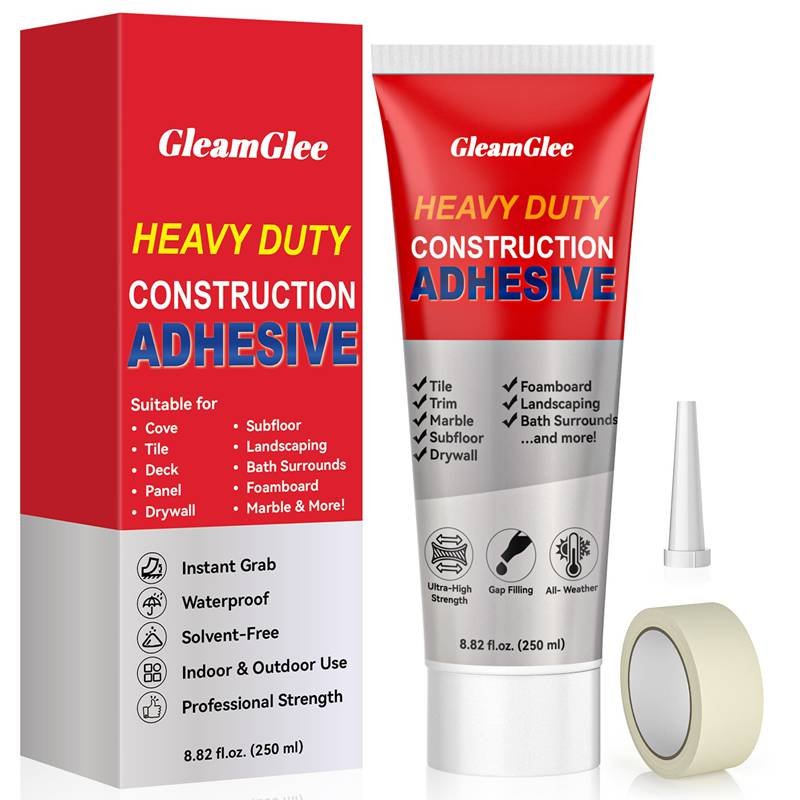
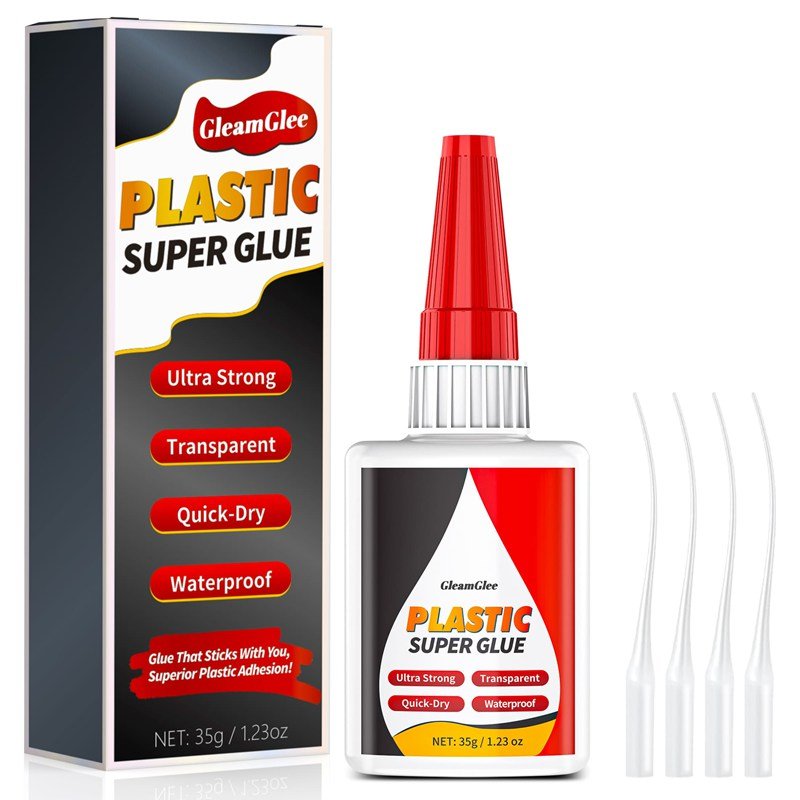
When customers choose a plastic adhesive, they usually look for several practical factors: strong bonding performance, waterproof durability, easy application, and good value for money. GleamGlee plastic glue is designed around these real needs rather than complicated specifications. The adhesive is formulated for common plastics such as PVC, ABS, acrylic, PLA, and many household plastics, making it suitable for everyday repairs at home, in the garage, or in workshops.
Another reason many users choose GleamGlee products is reliability. Thousands of consumers use GleamGlee adhesives for DIY repairs, crafts, shoe repair, and household maintenance. The brand has built a growing global user base and many verified reviews from customers who report successful repairs across different applications.
Below are several practical reasons why many users choose GleamGlee plastic glue for waterproof plastic repairs.
Product Capacity and Packaging Options
GleamGlee plastic glue is available in practical sizes designed for both occasional household use and frequent repair work. Common packaging formats include single tubes and value packs that provide enough adhesive for multiple repairs.
Typical product configurations include:
| Packaging Type | Capacity | Suitable For |
|---|---|---|
| Single tube | 20–35 g | Small household repairs |
| Dual pack | 35 g × 2 | Frequent DIY repairs |
| Repair kits | Tube + precision nozzles | Precision plastic bonding |
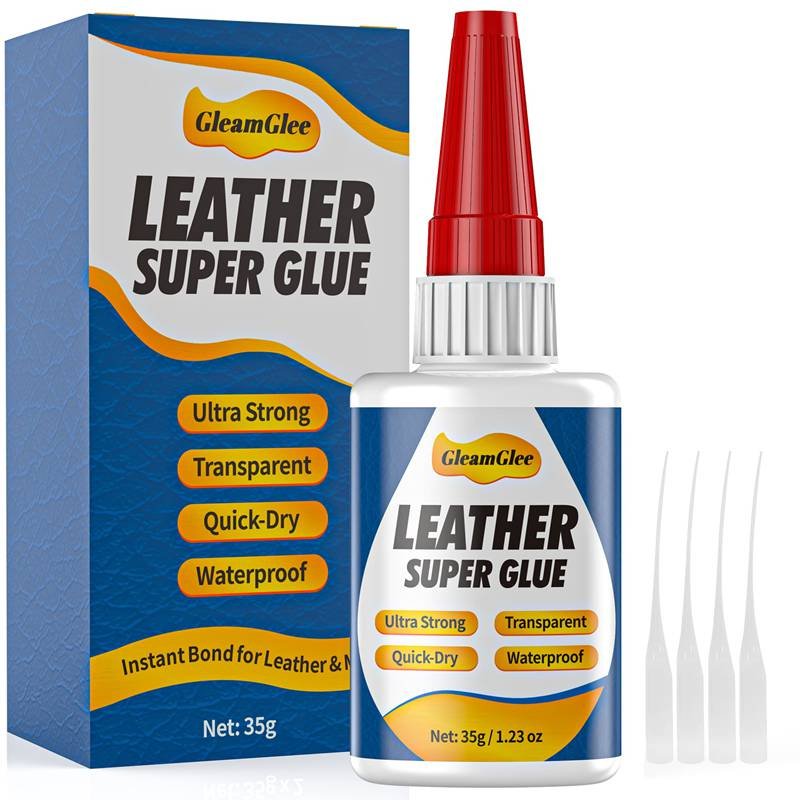
For example, one popular GleamGlee plastic glue product comes in a 35 g tube or a 35 g × 2 pack, giving customers enough adhesive to complete several repairs without needing to purchase additional products.
The packaging is designed with controlled applicators and compact tubes, which makes storage convenient and reduces adhesive waste.
Professional Adhesive Formula and Product Features
GleamGlee plastic glue is designed specifically for plastic bonding rather than general-purpose use. This targeted formula improves bonding strength on rigid plastics used in everyday products.
Key performance features include:
| Product Feature | Customer Benefit |
|---|---|
| Fast curing formula | Repairs can be completed quickly |
| Strong adhesion to PVC, ABS, acrylic | Reliable plastic bonding |
| Waterproof and heat-resistant | Suitable for outdoor and wet environments |
| Crystal-clear finish | Repairs remain visually clean |
| Precision nozzle | Accurate application for small cracks |
According to product descriptions, GleamGlee plastic glue forms strong and durable bonds that resist cracking, peeling, or failure under stress, making it suitable for high-use repairs.
These properties make the adhesive useful for many applications including:
- household plastic repairs
- electronics housings
- toys and hobby models
- automotive plastic components
- DIY projects and crafts
Strong Customer Reviews and High Ratings
Customer feedback is often one of the most reliable ways to evaluate product performance. GleamGlee plastic glue products receive consistently positive ratings from users who report successful repairs across many applications.
One example product listing shows:
| Metric | Performance |
|---|---|
| Customer rating | around 4.4–4.6 stars |
| Verified reviews | 2,800+ customer ratings |
| Purchase activity | 100–200+ units per month |
These ratings suggest that many customers are satisfied with the adhesive’s bonding performance and ease of use.
In many cases, users mention that the glue works well for repairing toys, plastic containers, electronics housings, and DIY models.
Trusted by Global Customers
GleamGlee adhesives are used by consumers, DIY enthusiasts, and repair professionals in many countries. The company supplies adhesives to international markets through online platforms, retailers, and distributors.
According to company information, more than 10,000 customers worldwide trust GleamGlee adhesive products for different repair needs.
Customer testimonials show a wide range of successful use cases, including fabric repairs, shoe sole bonding, and household fixes that remain durable after repeated use.
This broad usage demonstrates that the products are not limited to one application but can be used across multiple materials and repair scenarios.
Reliable Value for DIY Users and Businesses
For many customers, adhesive value is not just about price per bottle. A good adhesive saves time and reduces the need to repeat repairs. When the repair holds properly, users avoid replacing products and spending additional money.
Typical reasons customers choose GleamGlee adhesives include:
- strong bonding performance
- practical packaging sizes
- consistent product quality
- versatile applications across many materials
The following table summarizes the key advantages that users often consider when choosing GleamGlee plastic glue.
| Advantage | Why Customers Value It |
|---|---|
| Fast curing | Repairs completed quickly |
| Strong waterproof bond | Reliable outdoor use |
| Clear adhesive finish | Clean repair appearance |
| Precision application | Easier to control glue flow |
| High customer ratings | Confidence from verified reviews |
For both individual consumers and wholesale buyers, these features make GleamGlee adhesives a practical solution for everyday plastic repair needs.
Conclusion
Plastic products are everywhere in modern life, from household containers and appliance housings to outdoor equipment and automotive parts. When these items crack or break, replacing them is often unnecessary and expensive. Using the best glue for plastic waterproof repairs allows many damaged items to be restored quickly and safely. With the right adhesive and proper surface preparation, small cracks, broken clips, and separated plastic pieces can be repaired in minutes while maintaining long-term durability.
Choosing the correct plastic adhesive depends mainly on the type of plastic, the size of the damage, and the environment where the item will be used. Cyanoacrylate adhesives are often ideal for small, precise repairs, while plastic epoxies provide stronger structural reinforcement for larger cracks. Waterproof plastic adhesives also help ensure that repairs remain stable even when exposed to humidity, cleaning agents, or outdoor conditions. By following proper repair steps—cleaning the surface, applying a thin layer of adhesive, and allowing sufficient curing time—users can significantly improve the reliability of their plastic repairs.
For customers looking for dependable plastic repair solutions, GleamGlee plastic glue offers a practical combination of strong bonding performance, waterproof durability, and precise application control. Whether you are repairing household items, outdoor equipment, or DIY projects, a reliable adhesive can extend the lifespan of plastic products and reduce replacement costs. Businesses, distributors, and brand owners interested in sourcing high-quality plastic adhesives can also work with GleamGlee for bulk orders, custom formulations, and private label manufacturing, helping bring professional adhesive solutions to global markets.