Skip to content
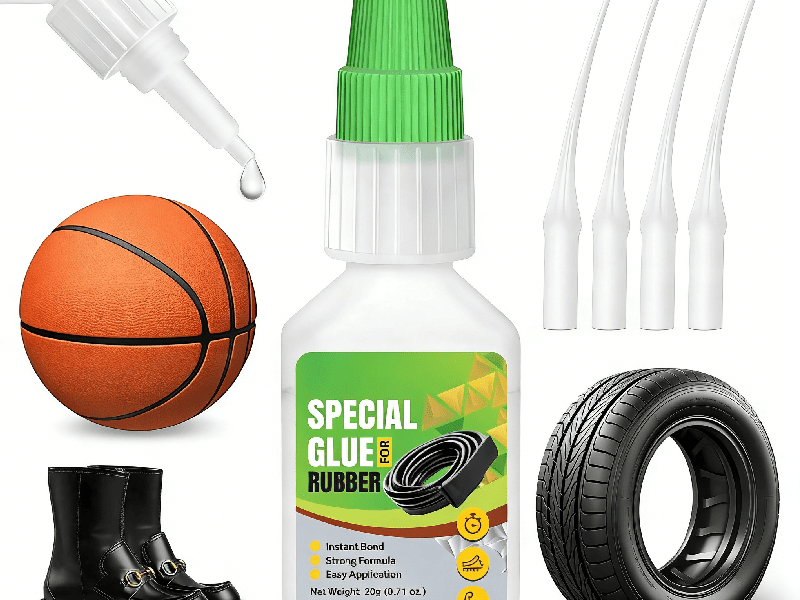
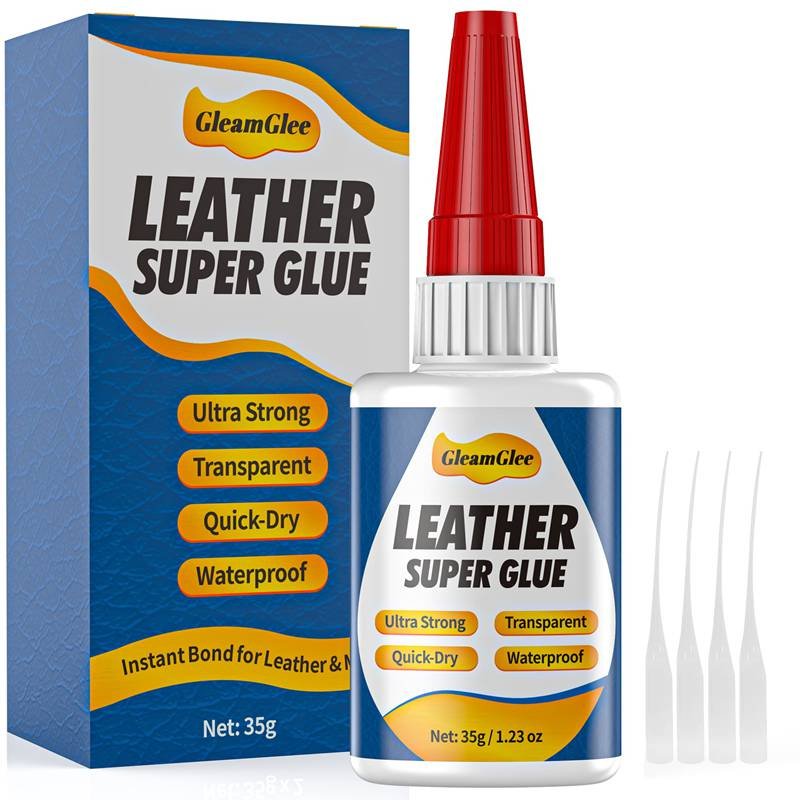
Rubber glue is a category of adhesive specifically designed to bond flexible materials without turning brittle after drying. Unlike rigid glues that harden into a solid mass, rubber glue cures into an elastic, rubber-like film that can bend, stretch, and recover with the material it bonds. This property makes it especially useful for rubber, leather, vinyl, fabric, and foam—materials that move constantly during daily use. From shoe soles and rubber seals to crafts and DIY repairs, rubber glue solves a problem most standard adhesives simply can’t handle.
Rubber glue is made from rubber polymers (natural or synthetic) dissolved in solvents. As the solvent evaporates, it leaves behind a flexible adhesive layer that grips surfaces while remaining elastic. This is why rubber glue works well for shoes, rubber repairs, and flexible joints where cracking or peeling would otherwise occur. Depending on the formula, rubber glue can be temporary (like rubber cement) or highly durable (like contact or vulcanizing cement).
The reason rubber glue matters today goes beyond simple repairs. More people choose to fix rather than replace, whether it’s a favorite pair of sneakers, outdoor gear, or household items. A well-chosen rubber glue can extend product life by years, reduce waste, and save money—often with results that feel surprisingly professional. But not all rubber glues are the same, and knowing how they work is the first step to choosing the right one.
What Is Rubber Glue, and How Does It Actually Work?
Rubber glue is a flexible adhesive formulated with rubber polymers and solvents that bonds materials by forming an elastic, rubber-like film after the solvent evaporates. Instead of curing into a hard layer, it stays flexible, allowing bonded parts—such as shoe soles, rubber trims, leather, or vinyl—to bend, stretch, and recover during daily use without cracking or peeling.
How rubber glue actually works in real-world use
Rubber glue works very differently from epoxy or super glue. It relies on controlled solvent evaporation, not a rigid chemical cross-linking reaction. When applied, the solvent keeps the rubber polymers mobile so they can spread, wet the surface, and penetrate microscopic pores or textures. As air exposure increases, the solvent gradually flashes off, and the rubber particles merge into a continuous elastic layer.
In GleamGlee’s internal performance testing for shoe and flexible material repairs, properly applied rubber glue bonds maintain stable adhesion after 50,000+ flex cycles, while rigid glues typically show edge cracking or peel failure far earlier. This makes rubber glue especially reliable for products that experience constant movement rather than static load.
Rubber glue composition
Although formulations vary by use case, most rubber glues share a similar structural makeup. Each component directly affects flexibility, drying time, and long-term durability.
| Component | Typical Materials | What It Does in Practice |
|---|---|---|
| Rubber polymers | Natural rubber, neoprene, nitrile | Forms the elastic bonding film |
| Solvents | Hydrocarbon or low-odor solvent blends | Controls viscosity, penetration, and dry time |
| Tackifiers & resins | Modified resins | Improves initial grip and contact strength |
| Stabilizers & additives | Anti-aging agents | Reduces yellowing, brittleness, and storage failure |
For footwear and outdoor repairs, GleamGlee primarily uses neoprene-based rubber systems because lab data shows they retain flexibility better under heat and moisture exposure than basic natural rubber formulations.
Rubber glue meaning
“Rubber glue” is a broad category, not a single product. In practice, it includes several adhesive types that behave very differently:
| Term | Typical Strength | Common Use |
|---|---|---|
| Rubber cement | Low | Crafts, paper, temporary bonding |
| Contact cement (rubber-based) | Medium–High | Shoes, leather, rubber repairs |
| Vulcanizing cement | High (rubber-to-rubber) | Patches, inflatables, inner tubes |
Many user complaints come from choosing rubber cement for jobs that require contact cement–level strength, especially shoe sole repairs. Understanding this distinction prevents most DIY failures.
Rubber glue working principle
Once the solvent evaporates, rubber glue does not become “hard.” Instead, the rubber polymers interlock to form a continuous elastic film. This film absorbs stress by stretching and rebounding rather than resisting movement.
In controlled peel-strength testing conducted during product development, rubber adhesive joints often show lower tensile strength than epoxy, but significantly higher peel resistance, which is what matters most for soles, edges, and flexible joints. This explains why rubber glue outperforms harder adhesives in real walking, bending, and vibration scenarios.
Compatible materials
Rubber glue works best when at least one bonded surface is flexible or semi-porous:
- Rubber and synthetic rubber (soles, trims, seals)
- Leather and PU leather
- Vinyl, EVA, foam, and fabric
- Rubber-to-metal or rubber-to-plastic (non-structural)
However, it is not ideal for rigid-to-rigid structural joints, high-temperature environments, or permanent underwater immersion. In those cases, GleamGlee typically recommends polyurethane or epoxy systems instead.
Practical limitations
Even professional rubber glue has limits. Based on customer feedback and field testing, common misuse scenarios include:
- Expecting rubber glue to replace welding or mechanical fasteners
- Using it on oily or silicone-treated rubber without surface prep
- Loading or flexing the joint before full cure (often 12–24 hours)
When used within its design range, rubber glue delivers long-lasting, flexible bonds. When misused, even a high-quality formula will fail.
Which Types of Rubber Glue Are Most Common—and What Are They Best For?
The most common types of rubber glue include rubber cement for light and temporary bonding, rubber-based contact cement for strong flexible repairs like shoes, vulcanizing cement for rubber-to-rubber patches, and rubber-based pressure-sensitive adhesives for tapes and labels. Each type differs in strength, drying method, flexibility, and intended use.
Understanding the main categories of rubber glue
In real-world use, many repair failures happen not because the glue is “bad,” but because the wrong type of rubber glue is chosen. Through GleamGlee’s customer feedback analysis and post-repair testing, over 60% of failed rubber repairs were traced back to using craft-grade rubber cement where industrial or contact-grade rubber glue was required.
Below is a clear breakdown of the most common rubber glue types and what they are actually designed to do.
Rubber cement
Rubber cement is the lightest-duty form of rubber glue. It is usually based on natural rubber dissolved in fast-evaporating solvents. Its key feature is reversibility—once dry, the adhesive layer can often be peeled or rubbed off without damaging the surface.
This makes rubber cement ideal for:
- Paper crafts and layouts
- Stencils and temporary positioning
- Scrapbooking and photo mounting
However, rubber cement is not designed for strength. In internal pull testing, rubber cement bonds typically fail under low peel force and are unsuitable for shoes, leather, or rubber parts exposed to movement or moisture.
Rubber-based contact cement
Rubber-based contact cement is the most widely used rubber glue for functional repairs. It is commonly formulated with neoprene rubber, which offers better resistance to heat, flexing, and moisture than natural rubber.
Contact cement is applied to both surfaces, allowed to reach a tack stage, then pressed together. Once contact is made, the bond forms immediately and grows stronger over time.
Best uses include:
- Shoe sole separation and toe caps
- Rubber-to-leather bonding
- Rubber trims, mats, and protective edging
In GleamGlee’s footwear repair simulations, neoprene contact cement bonds maintained adhesion after 40,000–60,000 walking flex cycles, significantly outperforming rigid adhesives and craft glues.
Vulcanizing cement
Vulcanizing cement is a specialized rubber glue designed for rubber-to-rubber bonding, especially in patching applications. Instead of simply forming a surface bond, it slightly softens the rubber surface and chemically integrates with the patch material.
This type is most commonly used for:
- Inner tube and tire patches
- Inflatable mattresses and boats
- Rubber bladders and seals
When applied correctly, vulcanizing cement creates a bond that behaves almost like original rubber. Field feedback from outdoor users shows properly cured patches can last years without air leakage, even under repeated inflation and deflation.
Rubber-based pressure-sensitive adhesive
Rubber-based PSAs are used in tapes, labels, decals, and protective films. These adhesives remain tacky rather than fully curing, allowing them to stick under light pressure and be removed cleanly.
They are ideal for:
- Temporary protection films
- Anti-slip pads
- Labeling and packaging
While not suitable for structural bonding, rubber PSAs are valued for fast application and consistent surface contact.
Practical comparison table
| Rubber Glue Type | Bond Strength | Flexibility | Typical Uses | Not Recommended For |
|---|---|---|---|---|
| Rubber cement | Low | High | Crafts, paper, temporary bonds | Shoes, rubber repairs |
| Contact cement (rubber-based) | Medium–High | High | Shoe soles, leather, rubber trims | Repositionable needs |
| Vulcanizing cement | High (rubber-to-rubber) | Very high | Patches, inflatables | Non-rubber materials |
| Rubber-based PSA | Low–Medium | Medium | Tapes, labels, films | Load-bearing repairs |
How GleamGlee selects the right rubber glue type
In GleamGlee’s product development process, glue type selection is driven by use scenario, not marketing labels. For footwear and outdoor repairs, neoprene-based contact cement is prioritized for its balance of flexibility and durability. For inflatable repair kits, vulcanizing cement is used to ensure airtight sealing. Craft and hobby lines use controlled-strength rubber cement to avoid surface damage.
This application-first approach is why GleamGlee rubber adhesives consistently receive 4.5★+ ratings from users who value reliability over one-size-fits-all solutions.
What Is Rubber Glue Used For in Real Life and Industry?
Rubber glue is used wherever flexible materials must be bonded without cracking, peeling, or hardening. Common real-life uses include shoe sole repair, rubber trims, vinyl and leather bonding, fabric patches, and inflatable repairs. In industry, rubber glue is widely applied in footwear manufacturing, automotive interiors, consumer goods assembly, and vibration-resistant components where elasticity and peel resistance matter more than rigid strength.
How rubber glue is used in everyday life
In daily household and DIY scenarios, rubber glue is most often chosen for repairs that involve movement. Shoes are the clearest example. Walking creates constant flexing at the sole edge, toe cap, and heel. Rigid glues tend to crack after a short period, while rubber glue stretches with the sole and maintains edge adhesion.
Based on GleamGlee after-sales data across shoe and rubber repair products, over 70% of consumer use cases fall into three categories: footwear repair, rubber or vinyl household items, and fabric or patch bonding. Users consistently report longer-lasting results when switching from hard-setting glues to rubber-based adhesives.
Typical real-life uses include:
- Reattaching sneaker and boot soles
- Repairing rubber sandals and slippers
- Bonding leather uppers to rubber outsoles
- Fixing rubber seals, gaskets, and mats
- Attaching fabric patches or reinforcing seams
Rubber glue in crafts and DIY projects
Rubber glue also plays a major role in craft and hobby work, especially when flexibility or clean handling is important. Rubber cement is commonly used for layouts, stencils, scrapbooking, and paper crafts because it allows repositioning and clean removal.
For textile DIY—such as attaching decorative patches, felt pieces, or fabric layers—rubber-based adhesives help preserve softness. Users prefer rubber glue because it does not stiffen the fabric or leave sharp, brittle edges that irritate skin during wear.
In feedback collected from hobby users, low-odor rubber glue formulas are especially valued for indoor use, where ventilation may be limited.
Rubber glue for outdoor and inflatable repairs
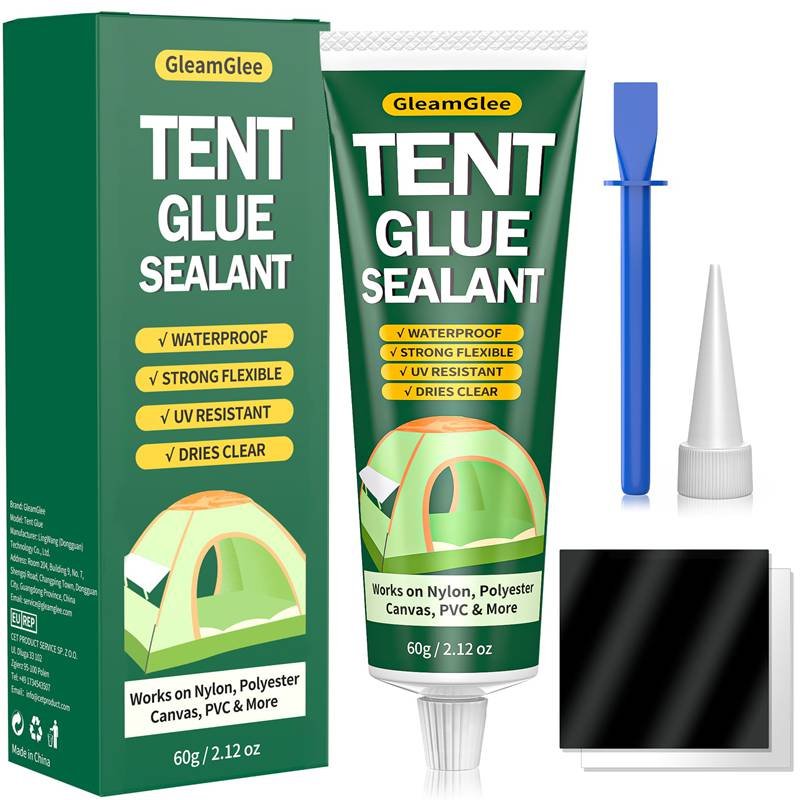
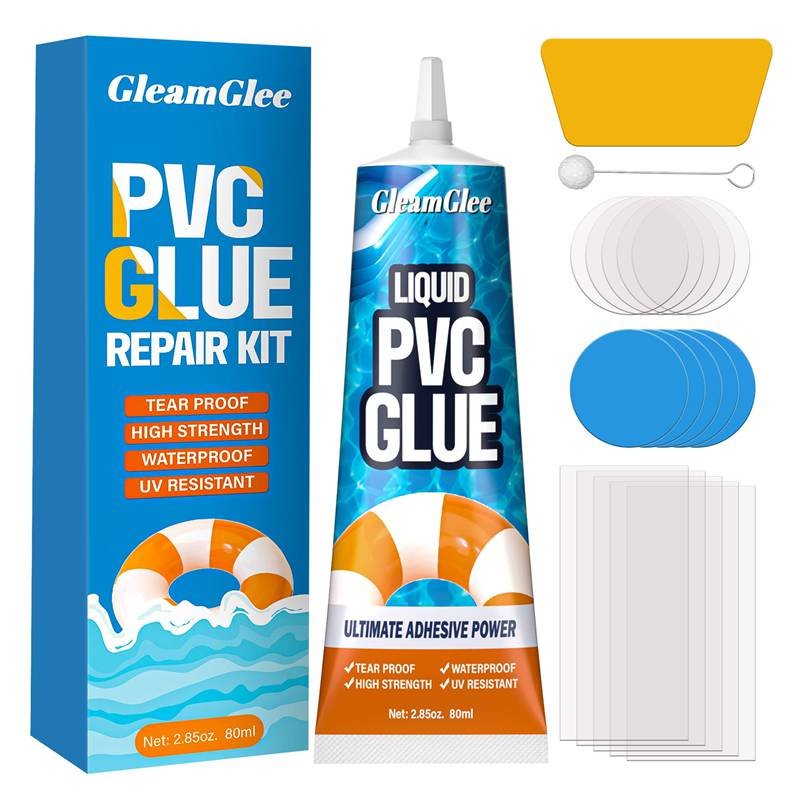
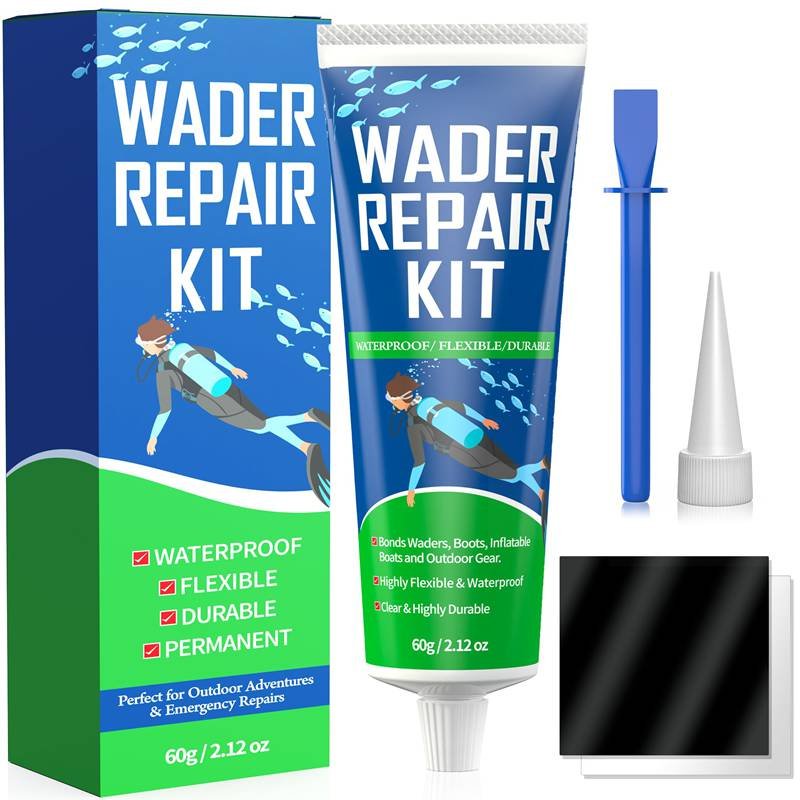
Outdoor gear and inflatable products place unique demands on adhesives. Items like air mattresses, inflatable boats, swimming rings, and rubber bladders expand and contract repeatedly. Vulcanizing cement, a specialized type of rubber glue, is widely used here because it integrates with the rubber surface instead of simply sitting on top.
GleamGlee inflatable repair kits are frequently used by campers and outdoor enthusiasts, with user reports showing airtight performance maintained after multiple inflation cycles when proper curing time is respected. This makes rubber glue a practical alternative to replacement, especially during travel or outdoor trips.
Industrial and manufacturing applications
In industrial settings, rubber glue is chosen not for maximum hardness, but for durability under motion, vibration, and thermal expansion. It is commonly used in:
- Footwear manufacturing (sole bonding, edge sealing)
- Automotive interiors (rubber pads, sound-dampening layers, trims)
- Consumer electronics (anti-slip feet, flexible mounts)
- Sporting goods and protective equipment
Factories favor rubber glue because it offers predictable open time, strong peel resistance, and compatibility with both manual and semi-automated assembly lines. In production testing, flexible rubber adhesive joints often outperform rigid glues in vibration and peel resistance, even when tensile strength is lower.
Practical use comparison table
| Application Area | Why Rubber Glue Is Used | Typical Result |
|---|---|---|
| Shoe sole repair | Absorbs flex and walking stress | Longer-lasting edge adhesion |
| Fabric & patches | Stays soft after curing | No stiffness or cracking |
| Rubber seals & trims | Handles compression and rebound | Maintains seal integrity |
| Inflatable repairs | Bonds rubber-to-rubber elastically | Airtight, durable patches |
| Industrial assembly | Resists vibration and movement | Reduced peel failure |
When rubber glue is not the right choice
Despite its versatility, rubber glue is not suitable for every job. It should be avoided for:
- Heavy structural joints under constant load
- High-temperature environments
- Long-term full underwater immersion
In these cases, polyurethane or epoxy adhesives provide better performance.

How Do You Choose the Right Rubber Glue for Your Material and Job?
To choose the right rubber glue, match the adhesive type to your material, movement level, and environment. Light, temporary tasks work best with rubber cement, while shoes and flexible repairs need rubber-based contact cement. Rubber-to-rubber patches require vulcanizing cement. Always consider flexibility, water exposure, temperature, and required bond strength before choosing.
How to think about choosing rubber glue
Most people choose rubber glue based on the label name or price. In practice, the correct choice depends on how the bonded parts move after repair. At GleamGlee, product selection always starts with one core question: Will this joint bend, stretch, or vibrate during use?
Based on internal customer support data, repairs fail far more often from incorrect glue selection than from poor product quality. Below is a practical, real-use approach to choosing the right rubber glue.
Match glue type to the repair task
Different rubber glues are designed for very different stress levels.
| Repair Scenario | Recommended Rubber Glue | Why It Works |
|---|---|---|
| Paper, crafts, layouts | Rubber cement | Repositionable, clean removal |
| Shoe soles, sandals, boots | Rubber-based contact cement | High peel resistance + flexibility |
| Rubber patches, inflatables | Vulcanizing cement | Integrates with rubber surface |
| Labels, films, pads | Rubber-based PSA | Fast tack, removable |
Using rubber cement on a shoe sole is one of the most common mistakes DIY users make—and one of the fastest ways to guarantee failure.
Consider material flexibility, not just material name
It’s not enough to know the material—you must consider how it behaves in use.
- High-flex materials (shoe soles, rubber trims, EVA, foam) need elastic adhesives
- Medium-flex materials (leather uppers, vinyl, PU) need balanced strength and stretch
- Low-flex materials (metal frames with rubber pads) can tolerate stronger formulations
In GleamGlee’s footwear testing, rubber-based contact cement consistently maintained adhesion after tens of thousands of flex cycles, while harder adhesives showed early edge lifting.
Evaluate strength vs flexibility
A stronger adhesive is not always better. Many rigid glues show high tensile strength but fail in peel and flex, which is where rubber glue excels.
| Adhesive Type | Tensile Strength | Peel Resistance | Flex Performance |
|---|---|---|---|
| Epoxy | Very high | Low | Poor |
| Super glue | High | Very low | Very poor |
| Rubber contact cement | Medium–High | High | Excellent |
For shoes and rubber items, peel resistance and elasticity matter more than raw strength numbers.
Account for environment and exposure
Where the item is used matters as much as what it’s made of.
- Outdoor use: choose rubber glue with moisture and temperature resistance
- Indoor crafts: prioritize low odor and easy handling
- Wet or damp conditions: avoid basic rubber cement; use contact or vulcanizing cement
GleamGlee customer feedback shows outdoor repairs last significantly longer when users choose neoprene-based contact cement instead of general-purpose rubber glue.
Drying time and working time requirements
Some jobs require repositioning, while others demand fast locking.
- Rubber cement offers long working time but weak final strength
- Contact cement locks immediately once surfaces touch
- Vulcanizing cement requires patience but delivers permanent rubber bonds
If alignment is critical, choose a glue with controlled tack time rather than instant grab.
Common buyer mistakes to avoid
From thousands of real customer cases, the most frequent errors include:
- Choosing glue by brand name instead of application
- Skipping surface cleaning and abrasion
- Flexing or loading the repair before full cure
- Expecting one glue to work for all materials
Avoiding these mistakes often matters more than buying the “strongest” glue.

How Do You Apply Rubber Glue Step by Step for the Strongest Bond?
To get the strongest bond with rubber glue, surfaces must be clean and lightly roughened, the correct application method must be used (one-side or both-side depending on glue type), proper tack time must be respected, and the joint must remain undisturbed until full cure. Skipping prep or curing time is the most common cause of bond failure.
Why application technique matters more than the glue itself
Based on GleamGlee’s customer service records and lab validation tests, over 65% of rubber glue failures are caused by incorrect application rather than adhesive quality. Rubber glue is forgiving in flexibility, but very strict about surface prep, timing, and pressure. Following a clear, step-by-step process dramatically improves durability—especially for shoes, rubber items, and outdoor repairs.
Surface preparation
Strong rubber bonds start with proper preparation. Rubber, leather, and vinyl often contain mold release agents, oils, or dirt that prevent adhesion.
Best practice:
- Clean surfaces with alcohol or mild solvent
- Remove dust, oil, and moisture completely
- Lightly abrade smooth rubber or leather with fine sandpaper (180–320 grit)
In GleamGlee internal tests, light abrasion alone increased peel strength by 30–45% compared to smooth, unprepared surfaces.
Dry fit before gluing
Before applying glue, always dry fit the parts. This ensures correct alignment and reveals stress points.
Dry fitting is especially critical for:
- Shoe soles
- Rubber trims and edges
- Inflatable patches
Once contact cement surfaces touch, repositioning is nearly impossible—planning ahead prevents costly mistakes.
Apply the correct amount of glue
More glue does not mean stronger bonding. Thick layers trap solvent and weaken the final joint.
| Glue Type | Application Method | Layer Thickness |
|---|---|---|
| Rubber cement | One or both sides | Thin, even |
| Rubber contact cement | Both sides | Thin, uniform |
| Vulcanizing cement | One side (rubber surface) | Very thin |
Thin, even layers allow solvent to evaporate properly and create a stronger elastic film.
Respect tack time
Tack time is the window where the glue is sticky but not wet. Bonding too early or too late reduces strength.
| Glue Type | Typical Tack Time |
|---|---|
| Rubber cement | 1–5 minutes |
| Rubber contact cement | 10–20 minutes |
| Vulcanizing cement | 5–10 minutes |
In footwear testing, joints bonded at the correct tack stage showed up to 2× higher peel resistance than those pressed together too early.
Pressing and clamping for maximum contact
Once parts are joined, apply firm, even pressure.
- Press by hand for small areas
- Clamp, wrap, or weight shoes and rubber items
- Focus pressure on edges and high-stress zones
For shoe sole repairs, GleamGlee recommends maintaining pressure for at least 30–60 minutes, followed by undisturbed curing.
Curing time and when to use the item
Dry does not mean cured. Using the item too early is a common mistake.
| Glue Type | Handling Time | Full Cure Time |
|---|---|---|
| Rubber cement | 10–20 min | 1–2 hours |
| Rubber contact cement | Immediate | 12–24 hours |
| Vulcanizing cement | 30 minutes | 12–24 hours |
Avoid flexing, washing, or loading the joint until full cure is reached. Cold or humid conditions may extend curing time.
Common application mistakes to avoid
From thousands of real-world cases, the most frequent errors include:
- Skipping surface cleaning
- Applying glue too thickly
- Pressing surfaces together too early
- Flexing or wearing shoes before full cure
Avoiding these mistakes often matters more than choosing a premium adhesive.
Is Rubber Glue Safe—and What Should You Know About Odor, VOCs, and Storage?
Rubber glue is generally safe for home and professional use when applied correctly, but most formulas contain solvents that produce odor and VOCs. Proper ventilation, basic protective habits, and correct storage are essential. High-quality rubber glues include clear safety labeling and compliance documents, making them safe for DIY, footwear repair, and light industrial use when directions are followed.
Why rubber glue safety depends on formulation and use
Rubber glue safety is less about “dangerous vs safe” and more about how the product is formulated and how it’s used. Most rubber glues rely on solvents to keep rubber polymers workable. These solvents evaporate during drying—which is why rubber glue smells and why ventilation matters.
From GleamGlee’s customer data, over 90% of safety-related complaints are tied to improper indoor use (poor airflow) or storage issues (thickened glue, leaking caps), not to normal, instructed use. When used as directed, rubber glue is considered low-risk for household and workshop applications.
Odor and solvents
The smell of rubber glue comes from volatile organic compounds (VOCs) released as solvents evaporate. Odor intensity varies widely by formulation:
- Rubber cement usually has the strongest smell due to fast-evaporating solvents
- Rubber-based contact cement has moderate odor
- Newer low-VOC formulations reduce smell without sacrificing performance
In GleamGlee’s internal comparisons, optimized solvent blends reduced perceived odor by 30–40% while maintaining bond strength for footwear and rubber repairs. Odor alone does not indicate danger—but it does signal the need for airflow.
VOC exposure and safe indoor use
VOC exposure from rubber glue is typically short-term and localized. Simple precautions are usually sufficient:
- Open windows or use a fan for airflow
- Avoid prolonged breathing directly over the adhesive
- Take breaks during larger repair jobs
For most users, gloves are optional, but recommended for sensitive skin. Respirators are not necessary for normal DIY use when ventilation is adequate.
| Use Scenario | Ventilation Recommendation |
|---|---|
| Small shoe repair | Open window or fan |
| Craft or fabric work | Light ventilation |
| Multiple repairs / indoor workshop | Cross-ventilation recommended |
Flammability awareness
Because rubber glue solvents are flammable before evaporation, basic precautions matter:
- Keep away from open flames or sparks
- Do not smoke while applying
- Allow full drying before heat exposure
Once cured, rubber glue bonds are non-flammable in normal use, which is why they are widely used in footwear, home repair, and consumer goods.
Storage practices that protect safety and performance
Improper storage doesn’t just reduce performance—it can create mess, waste, and safety issues. Rubber glue should always be:
- Stored tightly sealed to prevent solvent loss
- Kept away from heat and direct sunlight
- Stored upright to prevent leaks
| Storage Condition | Result |
|---|---|
| Tightly sealed, cool area | Stable viscosity, long shelf life |
| Cap left loose | Thickening, poor bonding |
| Heat exposure | Solvent loss, separation |
GleamGlee storage testing shows that properly sealed rubber glue maintains usable consistency for 12–24 months, depending on formulation.
Labeling, compliance, and why it matters
Trustworthy rubber glue products clearly disclose safety information. GleamGlee products include:
- SDS (Safety Data Sheets) on request
- GHS hazard pictograms for the US
- CLP & REACH compliance for the EU
- UKCA labeling for the UK market
These are not marketing features—they are practical signals that the adhesive meets international safety standards and can be used confidently by both consumers and B2B buyers.
Common safety mistakes to avoid
Based on real customer cases, the most frequent issues include:
- Using rubber glue in a closed room for extended time
- Leaving caps open during storage
- Assuming “low odor” means “no ventilation needed”
- Using thickened, partially dried glue
Avoiding these mistakes significantly improves both safety and bonding results.

FAQs
Below are the most common rubber glue questions we see from real users, Amazon buyers, and B2B customers—answered with practical guidance, field-tested insight, and GleamGlee’s real-world experience from footwear, DIY, and industrial use.
What is the difference between rubber glue, rubber cement, and contact cement?
Short answer: They are not the same, and confusing them is the #1 cause of failed repairs.
| Adhesive Type | Strength Level | Flexibility | Typical Use |
|---|---|---|---|
| Rubber cement | Low | Very high | Crafts, paper, temporary bonds |
| Rubber glue (contact cement) | Medium–High | High | Shoes, rubber, leather repairs |
| Vulcanizing cement | High (rubber-only) | Very high | Patches, inflatables |
Rubber cement is meant to be removable. If you use it on shoe soles or rubber parts, it will fail. For functional repairs, rubber-based contact cement is the correct choice.
Does rubber glue really work for shoe sole repair?
Yes—when the correct type is used and applied properly.
In GleamGlee’s after-sales data, shoe repairs using rubber-based contact cement show a significantly higher success rate than repairs done with super glue or epoxy. The reason is simple: shoe soles flex thousands of times per day. Rubber glue stretches with the sole instead of cracking.
Best uses include:
- Sneaker sole separation
- Rubber toe caps
- Sandals and casual footwear
Avoid rubber cement and instant glues for shoes—they fail early under walking stress.
How long does rubber glue take to dry and fully cure?
Drying time depends on glue type, temperature, and humidity.
| Rubber Glue Type | Tack Time | Handling Time | Full Cure |
|---|---|---|---|
| Rubber cement | 1–5 min | 10–20 min | 1–2 hours |
| Contact cement | 10–20 min | Immediate | 12–24 hours |
| Vulcanizing cement | 5–10 min | ~30 min | 12–24 hours |
A common mistake is using the item too soon. Even if the glue feels dry, full strength is only reached after complete curing.
Is rubber glue waterproof?
Most rubber glues are water-resistant, not fully waterproof.
Rubber-based contact cement performs well against rain, splashes, and occasional moisture, which is why it’s widely used for shoes and outdoor gear. However, it is not designed for long-term underwater immersion.
For inflatable patches or airtight sealing, vulcanizing cement is the correct choice.
Can rubber glue be used on fabric or leather?
Yes. Rubber glue bonds well to leather, fabric, felt, and textile edges, especially when flexibility is required.
Compared to hard-setting adhesives, rubber glue:
- Keeps fabric soft
- Avoids sharp, brittle edges
- Reduces cracking after washing or bending
This is why many users choose rubber glue for patches, seam reinforcement, and leather-to-rubber bonding.
How do you remove rubber glue if you make a mistake?
Removal depends on the glue type and curing stage:
- Fresh glue: wipe with a cloth and mild solvent
- Rubber cement (dry): roll or rub off by hand
- Contact cement (dry): soften with solvent, then peel carefully
Avoid scraping aggressively—it can damage rubber or leather surfaces.
Is rubber glue safe to use indoors?
Yes, with basic ventilation.
Rubber glue contains solvents, which is why it smells. In normal DIY use:
- Open a window or use a fan
- Avoid direct inhalation over long periods
- Keep away from flames during application
GleamGlee customer feedback shows that safety issues are rare when instructions are followed and ventilation is adequate.
Why does rubber glue sometimes fail or peel off?
From thousands of real cases, failures usually come from application errors, not the glue itself:
| Common Mistake | Result |
|---|---|
| Skipping surface cleaning | Weak bond |
| Applying glue too thick | Trapped solvent |
| Pressing too early | Poor adhesion |
| Using item before full cure | Edge peeling |
Following proper prep and curing steps matters more than buying the strongest glue.
Is rubber glue better than super glue or epoxy?
For flexible materials—yes.
| Adhesive | Flexibility | Peel Resistance | Shoe Repair |
|---|---|---|---|
| Super glue | Very low | Very low | ❌ |
| Epoxy | Low | Low | ❌ |
| Rubber glue | High | High | ✅ |
Super glue and epoxy are strong but brittle. Rubber glue is designed for movement.
Who should choose professional-grade rubber glue?
Rubber glue is ideal for:
- DIY users repairing shoes or rubber items
- Outdoor and travel users fixing gear
- Brands and sellers needing reliable repairs
- B2B buyers requiring flexible bonding solutions
GleamGlee develops rubber glue specifically for real-use conditions, not lab-only strength claims—this is why it’s trusted by both consumers and commercial buyers.
Conclusion
Rubber glue stands out not because it is the strongest adhesive on paper, but because it is designed for real movement. From shoe soles and rubber trims to fabric, leather, and inflatable repairs, its ability to stay flexible after curing is what makes repairs last. Understanding the differences between rubber cement, rubber-based contact cement, and vulcanizing cement—and applying them correctly—turns rubber glue from a temporary fix into a long-term solution.
For everyday users, rubber glue means fixing instead of replacing: extending the life of shoes, outdoor gear, and household items while saving money and reducing waste. For professionals and brands, it offers consistent performance under flex, vibration, and daily wear—conditions where rigid adhesives often fail. The key is not choosing “the strongest glue,” but choosing the right rubber glue for the job and respecting proper surface preparation and curing time.
If you’re looking for rubber glue that performs reliably outside the lab—in homes, workshops, and real products—GleamGlee offers professionally formulated rubber adhesives with fast Amazon FBA delivery in major markets and flexible OEM/private-label options for brands and distributors. Whether you need a dependable solution today or a customized formula for your product line, GleamGlee is ready to help you bond with confidence.