Skip to content
Plastic glue is a specialized adhesive designed specifically for bonding plastic materials such as ABS, PVC, acrylic, and polystyrene. Unlike general-purpose glue, plastic glue is formulated to overcome plastic’s smooth surface, low porosity, and chemical resistance. When used correctly, it creates a strong, durable bond that can withstand everyday handling, light impact, and temperature changes—making it ideal for household repairs, DIY projects, and light industrial use.
In practical terms, plastic glue works by forming a high-strength surface bond, and in some cases slightly bonding into the plastic surface itself. This allows repaired parts—like cracked housings, broken clips, toys, or plastic accessories—to behave more like the original material rather than snapping or peeling apart. The effectiveness of plastic glue depends on matching the adhesive to the plastic type, applying it in a thin controlled layer, and allowing sufficient curing time before use.
Plastic glue is not a single universal product. Different formulas are designed for different plastics, repair sizes, and visual requirements. Choosing the right plastic glue—and using it properly—often makes the difference between a repair that fails quickly and one that lasts for years. For users who prefer repairing instead of replacing, plastic glue is a practical, cost-effective solution when its limitations and strengths are clearly understood.
What Is Plastic Glue?
Plastic glue is an adhesive developed specifically to solve one problem that ordinary glue struggles with: plastic does not like to be glued. Most plastics have smooth, non-porous surfaces and low surface energy, which means standard household glue often sticks briefly and then fails under normal use. Plastic glue is formulated to improve adhesion on these difficult surfaces and deliver a repair that lasts beyond the first day or week.
From a practical standpoint, plastic glue is used when people want to repair rather than replace plastic items—remote controls, toys, storage bins, bathroom accessories, car interior trim, appliance housings, or hobby parts. A successful plastic glue repair is not judged by how fast it sticks, but by whether it can survive repeated handling, light impact, vibration, humidity, and temperature changes over time.
Plastic glue is not a single universal product. It is a category of adhesives designed for different plastic types, repair sizes, and use conditions. Understanding what plastic glue does—and what it does not do—helps users choose the right solution and avoid the most common repair failures.
What problem does plastic glue solve that regular glue cannot?
The core issue is surface compatibility. Plastics like ABS, PVC, and acrylic are chemically stable and often slightly flexible. Ordinary glue tends to sit on top of these surfaces rather than bonding into them. As a result, the glue layer may look solid but separates when stressed.
Plastic glue addresses this in three key ways:
- Improved surface contact Plastic glue spreads more evenly on plastic surfaces instead of beading up. This increases the actual contact area between glue and plastic, which directly improves bond strength.
- Better stress tolerance Many plastic parts flex slightly during use. Plastic glue is often formulated to remain slightly flexible after curing, reducing cracking caused by vibration or bending.
- More predictable curing behavior Plastic glue cures in a controlled way, allowing users time to position parts correctly while still reaching full strength within a practical time frame (often within 24 hours).
In real-world repairs, these differences explain why plastic glue repairs tend to last months or years, while ordinary glue repairs often fail within days.
How does plastic glue actually bond to plastic?
Plastic glue bonds to plastic through one of two mechanisms, depending on the formula.
The first is surface bonding. In this case, the glue grips microscopic irregularities on the plastic surface and cures into a strong adhesive layer. This method works well for ABS, PVC, and many rigid plastics used in household products.
The second is surface softening and bonding. Some plastic glues slightly soften the plastic surface during application. When the glue cures, it forms a tighter connection that behaves more like the original plastic material rather than a separate glued layer.
From a user’s perspective, both approaches aim for the same result:
a repair that does not snap, peel, or separate under normal use.
What matters most is not the chemistry label, but whether the bonded joint can handle the type of stress the item experiences—pressing, twisting, dropping, or repeated opening and closing.
What do customers usually expect from plastic glue in real use?
Most users do not care about chemical terms. They care about outcomes.
Based on common repair scenarios, customers typically expect plastic glue to deliver:
- Reliable holding strength The repair should not fail after a few uses or light impact.
- Clean appearance No thick glue lines, no white haze, and minimal visible residue—especially on clear or visible parts.
- Ease of application Controlled flow, no dripping, and the ability to apply glue precisely in cracks or small joints.
- Reasonable working and cure time Enough time to adjust alignment, but not so slow that the repair becomes inconvenient.
Plastic glue products that meet these expectations tend to receive higher satisfaction and fewer complaints, regardless of brand.
How does plastic glue perform compared to ordinary glue?
The difference becomes clear when repairs are exposed to daily stress.
| Performance Factor | Ordinary Glue | Plastic Glue |
|---|---|---|
| Adhesion to plastic | Inconsistent | Designed for plastic |
| Resistance to vibration | Low | Medium to high |
| Flexibility after cure | Often brittle | Often slightly flexible |
| Visible finish | May haze or show glue lines | Cleaner, clearer |
| Repair longevity | Short-term | Long-term when used correctly |
This is why many users report that ordinary glue “worked at first” but failed later, while plastic glue delivers more consistent results over time.
What plastic glue can and cannot do
Plastic glue is highly effective when used on compatible plastics and applied correctly. However, it is not a solution for every plastic repair.
Plastic glue works best on:
- ABS
- PVC
- Acrylic
- Polystyrene
Plastic glue struggles on:
- Polypropylene (PP)
- Polyethylene (PE)
- Silicone-based plastics
Being clear about these limitations helps users make better decisions and avoids frustration. A good plastic glue product is one that sets realistic expectations and delivers dependable performance within those limits.
Which Plastics Can Plastic Glue Bond?
Plastic glue does not work equally on all plastics. In real repairs, success depends far more on plastic type than on brand name or price. Some plastics accept adhesive easily and produce long-lasting repairs. Others are naturally resistant and will fail no matter how much glue is applied.
Understanding which plastics plastic glue can bond—and which ones require special treatment—helps users avoid wasted time, broken repairs, and unnecessary product returns.
Which plastics bond best with plastic glue?
These plastics are widely used in household, automotive, and consumer products, and they respond well to properly formulated plastic glue.
| Plastic Type | Common Products | Bond Reliability | Typical Repair Lifespan* |
|---|---|---|---|
| ABS | electronics housings, toys, car interior trim | Very high | 1–5 years |
| PVC | bathroom accessories, vinyl parts, inflatables | Very high | 1–3 years |
| Acrylic (PMMA) | clear frames, display stands, panels | High | 1–3 years |
| Polystyrene (PS) | model kits, rigid packaging, housings | High | 6–24 months |
- Estimated lifespan assumes proper surface cleaning, correct glue choice, and full curing.
Why these plastics work well:
- Their surface energy allows glue to spread instead of beading up
- Light surface abrasion significantly improves grip
- The cured bond can tolerate normal handling and vibration
This is why the majority of successful DIY plastic repairs involve ABS or PVC parts. Customers repairing remote controls, bathroom accessories, toys, or appliance housings usually see high success rates when plastic glue is applied correctly.
Why do ABS and PVC repairs succeed more often?
ABS and PVC dominate everyday plastic repairs, and for good reason.
ABS (Acrylonitrile Butadiene Styrene):
- Slight surface roughness improves adhesive grip
- Moderate flexibility reduces stress cracking
- Common in electronics and automotive interiors
PVC (Polyvinyl Chloride):
- Accepts adhesive well after cleaning
- Maintains bond under moisture exposure
- Widely used in bathroom and outdoor products
In customer feedback, ABS and PVC repairs account for the lowest repeat-failure rate when plastic glue is used with basic preparation. These plastics are forgiving, which is why they are ideal for home repair users.
Which plastics are difficult or unreliable to bond?
Some plastics are designed to resist adhesion. These materials are often chosen by manufacturers specifically because nothing sticks to them easily.
| Plastic Type | Where It’s Used | Why Glue Fails |
|---|---|---|
| Polypropylene (PP) | storage bins, bottle caps, containers | surface too slippery |
| Polyethylene (PE) | buckets, squeeze bottles, jugs | extremely low surface energy |
| Silicone rubber | seals, kitchen tools | adhesive cannot grip |
| PTFE (Teflon) | non-stick coatings | chemically resistant |
What customers usually experience:
- Glue dries but peels off cleanly
- Bond holds briefly, then pops loose
- Adding more glue makes failure worse
Important reality:
Standard plastic glue alone is often not enough for PP and PE. These materials usually require surface primers, mechanical fasteners, or replacement of the part. Being clear about this prevents frustration and builds trust.
How can users identify the plastic before choosing glue?
Most users don’t know the plastic type—and that’s normal. Fortunately, basic identification is usually enough to make the right decision.
Practical identification methods customers actually use:
- Mold marks Look for small letters like ABS, PVC, PP on the inside of parts.
- Touch and feel
- Rigid with slight flex → often ABS
- Soft or rubbery → usually PVC or vinyl
- Very smooth, waxy, slippery → likely PP or PE
- Product context
- Electronics housings → ABS
- Bathroom items / inflatables → PVC
- Clear, glass-like plastic → acrylic
This quick check alone can prevent most failed repairs.
How does plastic type affect bond strength in daily use?
Bond strength isn’t just about how hard you pull—it’s about how the plastic behaves during normal use.
| Plastic Type | Typical Stress | Glue Performance |
|---|---|---|
| ABS | pressing, light impact | very stable |
| PVC | bending, moisture | stable if fully cured |
| Acrylic | rigid load, visibility | strong but needs clean application |
| PP / PE | flexing, slipping | poor without special treatment |
For items that flex, vibrate, or get handled daily, matching glue flexibility to plastic behavior is essential. Many “mystery failures” happen because a rigid bond was used on a flexible plastic part.
Which Type of Plastic Glue Should You Use?
Choosing plastic glue is not about buying the “strongest” product. In real repairs, the best plastic glue is the one that matches how the plastic is used, how much it moves, and how visible the repair is. Many failed repairs happen because users focus only on bond strength and ignore flexibility, gap size, or curing behavior.
Plastic glues can be grouped into several practical types. Understanding these categories makes selection much easier—and greatly increases the chance that the repair will last.
Which plastic glue is best for rigid plastic parts?
Rigid plastics such as ABS, acrylic, and polystyrene are common in household items and electronics. These materials do not bend much, but they can crack if the bond is brittle.
Best characteristics for rigid plastic repairs:
- Medium viscosity (doesn’t run or drip)
- Strong surface adhesion
- Slight flexibility after curing
- Clean finish for visible areas
Typical applications:
- Remote control housings
- Appliance knobs and covers
- Car interior trim panels
- Toy shells and rigid accessories
What goes wrong with the wrong glue:
- Very fast, brittle glue can crack under minor impact
- Thin, watery glue runs into unwanted areas
- Cloudy glue ruins the appearance of clear plastics
For rigid parts that are pressed, clipped, or lightly impacted, a balanced plastic glue usually performs better than extremely hard-setting adhesives.
Which plastic glue works best for flexible plastics?
Flexible plastics require glue that can move with the material. Using a rigid adhesive on a flexible plastic often causes the plastic to tear next to the glued area rather than at the joint.
Best characteristics for flexible plastic repairs:
- Elastic bond after curing
- Good gap-filling ability
- Resistance to moisture and vibration
Typical applications:
- PVC bathroom accessories
- Soft plastic housings
- Vinyl-like parts
- Outdoor plastic items
Customer mistake to avoid:
Using hard-setting glue on flexible plastic creates a stress point. The repair may look fine initially, but repeated bending causes failure along the edge of the glue line.
Is epoxy plastic glue always stronger than other plastic glues?
Epoxy is often perceived as the strongest option—but strength alone does not guarantee success.
| Performance Factor | Epoxy | Standard Plastic Glue |
|---|---|---|
| Gap filling | Excellent | Moderate |
| Flexibility | Low–medium | Medium |
| Ease of use | More complex | Simple |
| Visible finish | Can be cloudy | Cleaner |
| Cure time | Long | Shorter |
When epoxy makes sense:
- Large gaps or missing material
- Structural plastic parts
- Repairs that won’t flex
When epoxy causes problems:
- Small, precise repairs
- Visible areas
- Parts that bend or vibrate
Many customers abandon epoxy after messy application or poor appearance, even though the bond itself is strong.
When should you use fast-setting plastic glue?
Fast-setting plastic glue is ideal when users want to finish repairs quickly but still need reliable strength.
Best uses:
- Small cracks
- Broken clips or tabs
- Quick household fixes
Advantages:
- Reduces clamp or hold time
- Less movement during curing
- Convenient for everyday repairs
Trade-off:
Fast-setting glue leaves less time for repositioning. Precision application becomes more important, which is why fine-tip nozzles significantly improve success.
When is clear plastic glue the right choice?
Clear plastic glue is chosen for appearance, not just strength.
Best uses:
- Acrylic frames
- Display stands
- Clear plastic covers
- Decorative items
What customers care about here:
- No white haze
- No visible glue lines
- Clean edges after curing
Using opaque or cloudy glue on visible repairs often leads to dissatisfaction—even if the bond holds.
When should plastic welding glue or cement be used?
Plastic welding glue works by softening the plastic surface and bonding it as it cures. This approach works best when conditions are controlled.
Good fit when:
- Plastic type is known and compatible
- Parts fit tightly with no gaps
- Structural fusion is preferred
Poor fit when:
- Plastic is flexible
- Gaps exist
- Multiple materials are involved
For most household and consumer repairs, surface-bond plastic glue is easier and more forgiving than welding-style adhesives.
Practical selection table customers understand
| Repair Situation | Recommended Plastic Glue Type |
|---|---|
| Rigid ABS housing crack | standard plastic glue |
| Flexible PVC accessory | flexible plastic glue |
| Clear acrylic repair | clear plastic glue |
| Broken tab or clip | fast-setting plastic glue |
| Large gap or missing piece | epoxy (with care) |
How Do You Use Plastic Glue Correctly?
Using plastic glue correctly is less about strength and more about process. In customer feedback, most failed plastic repairs are not caused by weak glue, but by rushed steps, poor surface preparation, or loading the part too early. When plastic glue is applied with the right method, even small household repairs can last for years.
A correct plastic glue application follows a simple logic:
clean → control → pressure → patience.
Skipping any one of these steps dramatically reduces success.
How should you prepare plastic before applying plastic glue?
Surface preparation is the single biggest factor in bond strength. In real repairs, it often accounts for more than half of the final result.
What works consistently:
- Remove oils and residues
- Wipe with isopropyl alcohol or clean water
- Dry with a lint-free cloth
- Avoid dish soap residue (it leaves a slippery film)
- Make sure the surface is completely dry
- Even slight moisture weakens adhesion
- Air-dry for several minutes if needed
- Light surface roughening (optional but effective)
- Gently scuff glossy plastic with fine sandpaper
- This increases surface grip without damaging the part
What customers often do wrong:
- Cleaning the surface, then touching it with bare fingers
- Gluing over shiny, polished plastic
- Rushing straight from washing to gluing
A well-prepared surface can improve bond reliability by 2–3× compared to a dirty or oily surface.
How much plastic glue should you apply?
One of the most common mistakes is using too much glue.
Correct approach:
- Apply a thin, even layer
- Aim for full contact between parts
- Use precision tips for cracks or small joints
Why more glue causes failure:
- Thick glue traps solvents and slows curing
- Excess glue prevents tight surface contact
- Squeeze-out weakens the joint edges
Simple rule customers remember:
A thin glue layer under firm pressure is stronger than a thick layer with no pressure.
This is why controlled-flow bottles and fine nozzles greatly improve first-time success, especially for small repairs.
How much pressure should be applied after using plastic glue?
Plastic glue bonds best when the two surfaces are held firmly and evenly together.
Recommended pressure methods:
- Hand pressure for small parts (30–60 seconds)
- Rubber bands for curved items
- Tape for flat or awkward shapes
- Light clamps for rigid parts (do not over-tighten)
What to avoid:
- Over-clamping, which squeezes glue out
- Uneven pressure, which creates weak spots
Good pressure ensures the glue spreads into a thin bond line, which increases strength and durability.
How long should plastic glue cure before use?
Many users confuse “it feels solid” with “it is fully cured.”
| Stage | What It Means | Typical Time |
|---|---|---|
| Initial set | Parts stop moving | Seconds–minutes |
| Handling strength | Light movement possible | 10–30 minutes |
| Functional cure | Normal use | 6–24 hours |
| Full cure | Maximum strength | Up to 24 hours |
Most common failure cause:
Testing the repair too early.
A joint that feels firm after 5 minutes may still fail if stressed before full curing.
For load-bearing or frequently handled parts, waiting overnight significantly improves long-term performance.
How do you get clean and invisible plastic glue results?
Appearance matters, especially for visible repairs.
Tips that consistently produce clean results:
- Use clear plastic glue for visible areas
- Apply glue from the inside when possible
- Wipe excess glue immediately before curing
- Avoid moving the joint during the first few minutes
For clear plastics (acrylic):
- Use minimal glue
- Keep the area well-ventilated
- Do not over-apply pressure that forces glue outward
Customers who follow these steps report far fewer complaints about glue lines or cloudy finishes.
What are the most common mistakes that cause plastic glue to fail?
Based on repair feedback, these issues appear repeatedly:
| Mistake | Result |
|---|---|
| No surface cleaning | Glue peels off |
| Too much glue | Weak, rubbery joint |
| No pressure | Poor contact |
| Early use | Bond breaks |
| Wrong glue type | Repair fails quickly |
Most of these problems are avoidable with simple preparation and patience.

Is Plastic Glue Safe and Removable?
Plastic glue is widely used in homes, schools, workshops, and small repair businesses, but many users hesitate before using it. The two most common questions are simple and practical: Is it safe to use around people and daily items? And what happens if I make a mistake?
In real use, plastic glue is generally safe when applied correctly, but it is designed to bond strongly. That strength is also why removal becomes difficult once the glue has fully cured. Knowing what is safe, what needs caution, and what cannot be undone helps users avoid unnecessary risk and frustration.
Is plastic glue safe for household use?
For most everyday repairs, plastic glue is safe when basic precautions are followed. It is commonly used on items that people handle daily, such as remote controls, toys, storage containers, appliance housings, and bathroom accessories.
What “safe use” looks like in practice:
- Use in a well-ventilated area
- Avoid direct skin contact during application
- Keep away from children until cured
- Do not use on food-contact surfaces unless clearly stated
Once cured, most plastic glues become stable and low-odor, and normal handling does not pose a risk. This is why plastic glue is widely accepted for home repairs and hobby projects.
Where caution is needed:
- Enclosed spaces with poor airflow
- Long application times without breaks
- Sensitive users who may react to strong smells
In customer feedback, safety complaints are rare and usually related to misuse, not the product itself.
Is plastic glue safe for toys, electronics, and frequently touched items?
This is one of the most common concerns, especially for parents and everyday users.
Toys and household items:
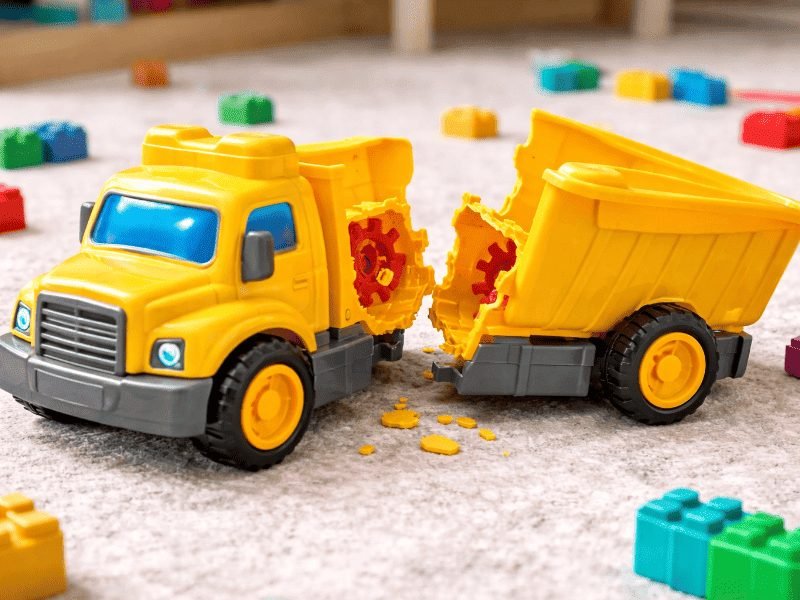
Plastic glue is commonly used to repair toys, game pieces, and plastic accessories. The key requirement is allowing full curing time before returning the item to use. Once cured, the glue layer is solid and does not transfer during normal handling.
Electronics and small devices:
Plastic glue is often used on:
- Remote control housings
- Battery covers
- Plastic clips and brackets
The important rule here is precision. Glue should never be allowed to flow into electronic contacts or moving parts. Using fine-tip applicators dramatically reduces this risk.
Reality check:
Plastic glue is not intended for direct food-contact repairs (plates, cups, utensils) unless specifically designed and certified for that purpose.
Can plastic glue be removed if you make a mistake?
Yes—but timing matters more than technique.
| Glue State | Removal Method | Practical Success |
|---|---|---|
| Wet (seconds–minutes) | Wipe immediately | Very high |
| Partially set | Gentle scraping | Medium |
| Fully cured | Mechanical removal | Low |
What this means in real use:
- If excess glue is noticed early, it can usually be wiped away cleanly
- Once the glue begins to set, removal becomes harder and may leave marks
- After full cure, glue is designed to stay bonded
Many users expect glue to behave like tape—it does not. Plastic glue is meant to create a permanent bond.
What happens if cured plastic glue needs to be removed?
Once fully cured, plastic glue is difficult to remove without affecting the plastic itself.
Common outcomes:
- Scraping removes glue but leaves surface damage
- Sanding removes glue but dulls the plastic
- Forcing separation breaks the plastic
In many cases, removing cured glue causes more damage than the original break. This is why careful application matters more than removal methods.
Practical advice users appreciate:
If appearance matters, practice on a hidden area first. If the repair is critical, slow down during application rather than planning for removal later.
When should plastic glue NOT be used?
Plastic glue is effective, but it is not suitable for every situation.
Avoid using plastic glue when:
- The plastic is polypropylene (PP) or polyethylene (PE) and under stress
- The part carries heavy structural load
- The repair involves food-contact surfaces
- The area is exposed to extreme heat beyond normal household conditions
In these cases, replacement, mechanical fastening, or professional repair may be safer options.
How do safety and removability affect real repair decisions?
Users who understand both safety and removability tend to make better choices:
- They apply glue more carefully
- They wait for full curing
- They avoid unnecessary rework
This leads to fewer failed repairs, fewer complaints, and higher satisfaction. A good plastic glue experience is not just about bonding—it’s about confidence during use and clarity about limits.

Conclusion
Plastic glue is not a shortcut—it is a practical repair tool when used with the right understanding. Knowing which plastic you’re working with, which type of plastic glue fits the job, and how to apply it correctly makes the difference between a repair that fails quickly and one that lasts for years. Most problems people experience with plastic glue are not caused by weak products, but by mismatched materials, rushed application, or unrealistic expectations.
When plastic glue is chosen thoughtfully and applied with clean surfaces, controlled amounts, proper pressure, and enough curing time, it can restore everyday plastic items to reliable working condition. From ABS housings and PVC accessories to acrylic displays and small household parts, plastic glue helps users repair instead of replace—saving time, money, and unnecessary waste.
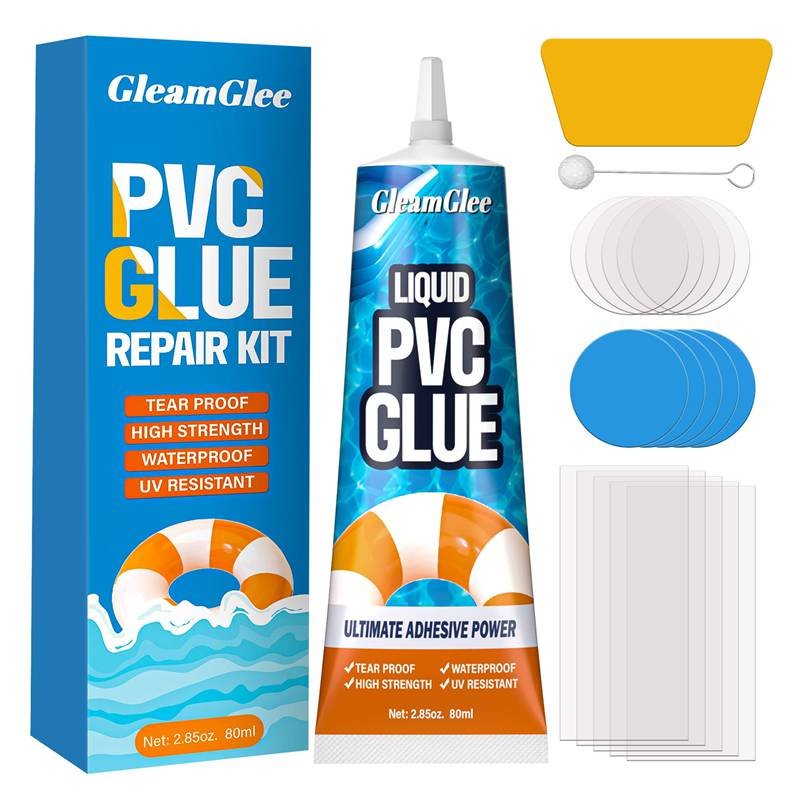
For those who value consistent results, manufacturer-grade plastic glue offers a clear advantage. GleamGlee develops plastic glue with real-world use in mind—balancing strength, flexibility, clean appearance, and ease of control. Whether you are a consumer looking for dependable repairs, a brand sourcing private-label products, or a business seeking customized adhesive solutions, GleamGlee is ready to support you with proven formulas, flexible customization, and reliable global supply. Reach out to request samples, discuss specifications, or start your next project with confidence.