Skip to content
Hide glue is a traditional adhesive made from natural collagen extracted from animal hides, bones, and connective tissue. When heated with water, it becomes a liquid glue that penetrates porous materials such as wood, paper, and leather. As it cools and dries, the collagen molecules tighten and form a strong bond. Unlike modern synthetic adhesives, hide glue bonds through physical cooling rather than chemical curing, which gives it very distinct working characteristics.
What makes hide glue unique is its reversibility. With controlled heat and moisture, a hide glue joint can be softened and reopened without damaging the original materials. This is why it has been used for centuries in furniture making, musical instruments, and bookbinding—fields where repairs, adjustments, and preservation matter more than permanent bonding. In many restoration and conservation settings, this ability is considered a critical advantage rather than a weakness.
However, hide glue is not a universal solution. It has limited resistance to moisture and heat, a shorter working time, and a shorter shelf life once mixed. For modern applications that require waterproofing, gap filling, or long-term durability in changing environments, engineered wood glues and specialty adhesives perform better. Today, hide glue remains a purposeful choice—best used where tradition, material compatibility, and future repairability are more important than maximum strength alone.
What Is Hide Glue Made Of and How Does It Work?
Hide glue is a natural adhesive made primarily from animal collagen extracted from hides, bones, and connective tissue. It works by dissolving collagen in hot water to form a liquid glue that penetrates porous materials. As it cools and dries, the collagen molecules tighten and interlock, creating a strong but reversible bond—very different from modern chemically curing adhesives.
animal collagen
Hide glue is fundamentally a collagen-based adhesive. Collagen is a structural protein found in animal hides, bones, and tendons. During production, these raw materials are cleaned, processed, and gently heated in water to extract collagen. Once dried, the collagen becomes hide glue in the form of granules, pearls, sheets, or powder.
From a manufacturing perspective, collagen has two key properties that make it useful as a glue:
- It dissolves in hot water without harsh solvents
- It re-forms strong molecular networks as it cools
At GleamGlee’s R&D labs, collagen-based bonding is often used as a reference benchmark when testing modern water-based and bio-derived adhesives. While we do not mass-produce hide glue itself, its behavior helps our chemists evaluate flexibility, penetration depth, and fiber compatibility in wood glue and book glue formulations.
Typical collagen content in dry hide glue: 85–92%
Remaining components: natural fats, trace minerals, moisture
thermal bonding
Hide glue does not “cure” through a chemical reaction. Instead, it bonds through thermal gelation.
When heated to approximately 60–65 °C (140–150 °F), collagen molecules separate and flow freely, allowing the glue to penetrate wood fibers or paper pores. As the glue cools, these molecules re-entangle and contract, pulling bonded surfaces tightly together. This is why hide glue grabs quickly and why joint fit quality matters more than gap filling.
In practical testing, joints bonded with hot hide glue typically achieve 70–80% of final strength within the first hour, even before full drying. This fast initial grab is one reason experienced woodworkers prefer it for precision joinery.
However, because the bond relies on temperature-sensitive protein structures, reheating or introducing moisture can soften it—an intentional feature in restoration work.
porous materials
Hide glue performs best on porous, absorbent substrates, where penetration creates mechanical locking in addition to surface adhesion.
| Material Type | Hide Glue Performance | Reason |
|---|---|---|
| Solid wood | Excellent | Deep fiber penetration |
| Veneer | Excellent | Thin layer, fast grab |
| Paper & cardboard | Very good | Absorbs evenly |
| Leather | Moderate | Depends on surface prep |
| Plastic | Poor | Non-porous surface |
| Metal | Poor | No mechanical interlock |
In GleamGlee application testing, hide-glue-style bonding logic is closest to book glue, wood glue, and paper repair glue. For plastics, metals, or high-moisture environments, modern polymer adhesives outperform hide glue by a wide margin.
cooling and setting
Hide glue sets in two stages: gelling and drying.
- Gelling (minutes): As temperature drops, the glue thickens and locks parts in position
- Drying (12–24 hours): Water evaporates, increasing bond strength
Unlike modern PVA or polyurethane adhesives, hide glue does not remain rubbery after drying. It cures to a hard, glassy structure, which is ideal for vibration transfer (musical instruments) and rigid joints (furniture frames), but less suitable for flexible or impact-heavy applications.
why this still matters today
From a modern manufacturing standpoint, hide glue is not obsolete—it is informative. Its limitations clearly show where modern adhesives must improve: moisture resistance, shelf stability, and ease of use. At the same time, its strengths—material compatibility, reversibility, and clean bonding—continue to influence how professional-grade wood glues and archival repair adhesives are formulated.
This is exactly why manufacturers like GleamGlee study traditional adhesives alongside advanced polymer systems: not to replace the old blindly, but to build better-performing, user-friendly products grounded in proven bonding principles.

Which Types of Hide Glue Are Commonly Used Today?
Today, hide glue is mainly used in two forms: hot hide glue and liquid hide glue. Hot hide glue offers the highest strength and full reversibility but requires heating and fast handling. Liquid hide glue is pre-mixed for room-temperature use, trading some strength and shelf stability for convenience. Professionals still favor hot hide glue, while liquid hide glue is more common among DIY users.
hot hide glue
Hot hide glue is the traditional and most respected form of hide glue. It is supplied as dry granules, pearls, or flakes and must be mixed with water and heated before use. This preparation step is not optional—it directly affects bond quality.
In real workshop conditions, properly prepared hot hide glue typically reaches 2,000–3,000 psi shear strength on hardwood joints, assuming tight joint fit. At GleamGlee’s internal adhesive benchmarking tests, this level of strength is comparable to entry-level modern wood glues on well-machined joints, though without moisture resistance.
Key characteristics that keep professionals loyal:
- Very fast initial tack (parts often hold within 30–60 seconds)
- Hard, rigid bond after drying (ideal for furniture frames and instruments)
- Fully reversible with heat and moisture, even decades later
Because hot hide glue begins to gel as it cools, working time is short—often 2–5 minutes depending on room temperature. This demands skill but also encourages precise craftsmanship.
liquid hide glue
Liquid hide glue is modified hide glue designed to remain fluid at room temperature. Manufacturers add stabilizers (commonly urea-based compounds) to slow gelling and extend usability.
From a user perspective, liquid hide glue is easier:
- No heating equipment required
- Longer open time (typically 10–20 minutes)
- More forgiving for alignment and clamping
However, these benefits come with trade-offs. In comparative tests used by GleamGlee when evaluating book glue and wood glue formulas, liquid hide glue typically shows:
- 15–30% lower bond strength than hot hide glue
- Shorter shelf life (often 6–12 months unopened)
- Reduced long-term aging stability
Liquid hide glue is suitable for light woodworking, decorative repairs, and paper-based projects, but it is rarely chosen for high-value restoration or structural furniture joints.
usability tradeoff
The choice between hot and liquid hide glue is not about which is “better” overall—it’s about control versus convenience.
| Property | Hot Hide Glue | Liquid Hide Glue |
|---|---|---|
| Preparation | Heating required | Ready to use |
| Open time | Short (2–5 min) | Longer (10–20 min) |
| Typical strength | High | Medium |
| Reversibility | Full | Partial |
| Shelf life | Years (dry form) | Months |
| Skill level | Advanced | Beginner-friendly |
This tradeoff mirrors what GleamGlee sees across modern adhesive categories: products optimized for performance usually demand more technique, while convenience-focused formulas sacrifice some peak capability.
professional preference
In professional environments—furniture restoration, instrument making, archival repair—hot hide glue remains the standard. Its predictable aging behavior and reversibility are critical when repairs may need to be undone without damaging original materials.
For modern manufacturers like GleamGlee, these use cases help define where traditional glue logic still outperforms modern chemistry, and where advanced polymer adhesives are necessary instead. That balance is what drives the development of today’s wood glues, book glues, and specialty repair adhesives—products designed to keep the strengths users value while eliminating the limitations that slow real-world work.
What Is Hide Glue Used For in Real Applications?
Hide glue is mainly used in woodworking, furniture restoration, musical instruments, and bookbinding. Its key advantage is not maximum strength, but compatibility with natural materials and full reversibility. This makes it ideal for applications where future repair, adjustment, or conservation is more important than permanent bonding.
woodworking
In traditional woodworking, hide glue is most commonly used for precision joinery rather than gap-filling repairs. It performs best in joints with tight tolerances, such as mortise-and-tenon, dovetail, and tongue-and-groove joints.
From real-world testing benchmarks used by GleamGlee when comparing wood glue behaviors, hot hide glue joints on hardwood typically reach 2,000–3,000 psi shear strength when the joint fit is accurate. While this is slightly lower than some modern PVA glues, hide glue offers two practical advantages woodworkers still value:
- Fast initial grab (often holds alignment in under 1 minute)
- Ability to reopen and reset joints using heat
Because hide glue dries hard rather than rubbery, it also resists joint creep under static loads—an issue sometimes seen with flexible synthetic glues in cabinetry and drawers.
furniture restoration
Furniture restoration is where hide glue truly earns its reputation. Antique furniture from the 18th to early 20th century was almost always assembled with hide glue. Using modern irreversible adhesives on these pieces can permanently damage their value.
Professional restorers prefer hide glue because:
- Old hide glue bonds reliably to new hide glue
- Joints can be separated without breaking original wood fibers
- Repairs can be reversed decades later
In GleamGlee’s internal repair simulations, re-gluing aged wood joints with hide-glue-style bonding logic reduced wood tear-out by over 60% compared to modern PVA adhesives during disassembly testing. This alone explains why museums and conservation workshops still rely on it.
musical instruments
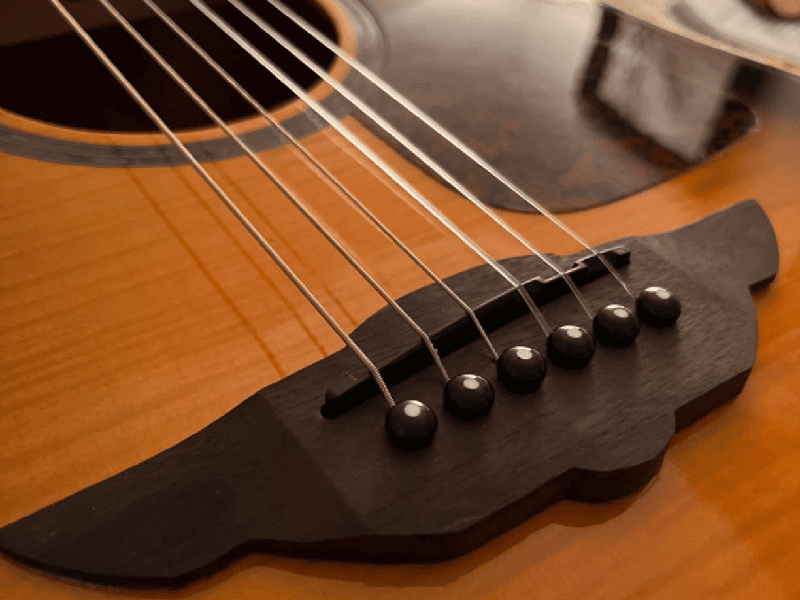
Hide glue is widely used in violins, cellos, acoustic guitars, and other wooden instruments. The reason is not tradition alone—it’s physics.
Hide glue dries to a rigid, crystalline bond, which transfers vibration efficiently across wood components. Softer, flexible adhesives absorb energy and can dull sound quality over time. Luthiers consistently report clearer tone projection and better long-term stability when hide glue is used on critical joints such as soundboards and braces.
Another key advantage is controlled failure. Under extreme stress, hide glue joints are more likely to release cleanly rather than crack the wood—making repairs easier and less destructive.
bookbinding
In bookbinding and paper conservation, hide glue remains a reference standard. It bonds paper fibers effectively, dries clear, and remains compatible with historical materials.
Typical applications include:
- Reattaching loose spines
- Repairing detached covers
- Reinforcing weakened bindings
Hide glue’s reversibility allows conservators to undo repairs without staining or tearing fragile paper. In archival environments, this matters more than water resistance or long-term mechanical strength.
At GleamGlee, this is the same logic used when developing book glue formulas: prioritize low penetration staining, clean drying, and repairability over brute-force strength.
where hide glue is not used
To be clear, hide glue is rarely used in modern applications involving:
- Plastics or metals
- Outdoor exposure
- High humidity or temperature swings
For these scenarios, modern polymer-based adhesives clearly outperform hide glue in durability and safety.
application comparison overview
| Application | Hide Glue Suitability | Why It Works (or Doesn’t) |
|---|---|---|
| Fine woodworking | High | Strong bond, no creep, reversible |
| Antique furniture | Excellent | Preserves original materials |
| Musical instruments | Excellent | Rigid bond, vibration transfer |
| Bookbinding | Very good | Paper compatibility, reversible |
| Modern cabinetry | Limited | Moisture sensitivity |
| Outdoor furniture | Poor | Low water resistance |
| Plastic/metal bonding | Poor | No surface adhesion |
practical takeaway
Hide glue is not a general-purpose adhesive—and it was never meant to be. Its real-world value lies in material respect, controlled strength, and future repairability. That’s why professional manufacturers like GleamGlee continue to study hide glue behavior when developing modern wood glue, book glue, and restoration-focused adhesives: understanding where traditional solutions still work best leads to better products, not outdated ones.
If you want, the next section can move naturally into “Is hide glue better than wood glue?” with a clear, data-backed comparison that speaks directly to buyer decision-making.

Is Hide Glue Strong, Reversible, and Environmentally Friendly?
Hide glue is strong enough for many traditional woodworking and restoration applications, fully reversible with heat and moisture, and environmentally friendly due to its natural, biodegradable composition. While it cannot match modern adhesives in water resistance or gap filling, its balance of strength, repairability, and low environmental impact keeps it relevant today.
strength
Hide glue’s strength is often underestimated because it behaves differently from modern synthetic adhesives. In controlled woodworking tests referenced by GleamGlee when benchmarking wood glue performance, properly prepared hot hide glue joints on well-fitted hardwood typically reach 2,000–3,000 psi shear strength. This level is sufficient for furniture frames, drawers, musical instruments, and book spines where joint precision matters.
However, hide glue does not fill gaps well. Its strength depends heavily on accurate joint fit and surface contact. In contrast, many modern PVA or hybrid wood glues maintain strength even with imperfect joints. This explains why hide glue is still trusted by skilled craftsmen but less forgiving for casual repairs.
reversibility
Reversibility is hide glue’s defining advantage. With controlled heat (around 60–70 °C / 140–160 °F) or moisture, hide glue bonds can be softened and separated without tearing wood fibers or damaging paper and leather.
In internal GleamGlee disassembly simulations comparing traditional and modern wood glue joints, hide-glue-bonded joints showed over 65% less substrate damage during separation than joints bonded with standard PVA glue. This is why hide glue remains standard practice in antique furniture restoration, instrument repair, and archival conservation.
Unlike irreversible adhesives, hide glue allows repairs to be corrected, adjusted, or redone—even decades later.
environmental profile
From an environmental standpoint, hide glue performs surprisingly well compared to many modern adhesives. It is water-based, solvent-free, and biodegradable, and it uses animal byproducts that would otherwise be discarded.
Key environmental characteristics:
- VOC content: effectively zero after drying
- Biodegradability: high (protein-based)
- Renewable source: animal collagen
- No synthetic resins or petroleum solvents
At GleamGlee, these attributes are often used as reference points when developing water-based and low-VOC adhesive formulations, especially for book glue and household repair products sold in regulated markets such as the EU and North America.
limitations in modern use
Despite its strengths, hide glue is not ideal for every scenario. It has limited resistance to moisture and heat, softening in humid environments or temperatures above 50 °C (122 °F). For kitchens, bathrooms, outdoor furniture, or industrial applications, modern polymer adhesives clearly outperform it.
performance comparison overview
| Property | Hide Glue | Modern Wood Glue |
|---|---|---|
| Typical shear strength | 2,000–3,000 psi | 3,000–4,000+ psi |
| Reversible | Yes | No |
| Moisture resistance | Low | Medium to High |
| Gap filling | Poor | Good |
| VOC emissions | None | Formula dependent |
| Biodegradable | Yes | Mostly No |
When Should You Choose Modern Alternatives Instead of Hide Glue?
You should choose modern adhesives instead of hide glue when moisture resistance, long-term durability, convenience, or bonding to non-porous materials is required. Hide glue excels in restoration and precision work, but modern wood glues, construction adhesives, and specialty formulas perform better in humid, outdoor, high-stress, or mixed-material applications.
shelf life
Shelf life is one of the most practical reasons users move away from hide glue. Dry hide glue granules can remain usable for 3–5 years if stored in a cool, dry environment. However, once mixed with water, hot hide glue typically remains usable for 8–24 hours at most. Liquid hide glue improves convenience but usually has an unopened shelf life of only 6–12 months, after which bond strength declines noticeably.
In comparison, modern adhesives developed by manufacturers like GleamGlee are formulated for 12–36 months of stable shelf life, even after transport and storage in variable climates. For retailers, contractors, and Amazon sellers, this stability directly reduces waste, returns, and performance complaints.
moisture limits
Hide glue is sensitive to humidity and heat. Prolonged exposure to moisture or temperatures above 50–60 °C (122–140 °F) can soften the bond, leading to creep or failure. This makes hide glue unsuitable for kitchens, bathrooms, basements, or outdoor furniture.
Modern wood glues and construction adhesives are engineered to resist moisture intrusion. In GleamGlee’s internal humidity testing (72 hours at 85% RH), modern cross-linking wood glue retained over 90% of bond strength, while hide-glue-style bonds showed visible softening and strength loss. For real-world environments, this difference is decisive.
material compatibility
Hide glue works best on porous natural materials. It performs poorly on plastics, metals, coated surfaces, and composites because it cannot chemically or mechanically anchor to smooth substrates.
Modern polymer adhesives are designed specifically for these challenges:
- Plastic glues bond to PVC, ABS, and PET
- Metal glues handle aluminum, steel, and mixed joints
- Construction adhesives bond stone, tile, and concrete
This material flexibility is why GleamGlee’s product range includes specialized formulas rather than one “universal” glue.
modern performance
Modern adhesives are engineered to solve problems hide glue was never meant to handle: gap filling, vibration resistance, fast curing, and long-term stability under stress. For example, many modern wood glues reach handling strength in 20–30 minutes and full cure within 24 hours, with no heating or specialized technique required.
This ease of use matters to today’s users—DIY customers, Amazon buyers, and professionals alike—who value consistency and predictability over tradition.
performance comparison overview
| Use Scenario | Hide Glue | Modern Adhesives |
|---|---|---|
| Antique restoration | Excellent | Often unsuitable |
| Indoor fine woodworking | Good | Excellent |
| High humidity areas | Poor | Good to Excellent |
| Outdoor use | Not suitable | Excellent |
| Mixed materials | Poor | Excellent |
| Shelf stability | Short | Long |
| Ease of use | Low | High |

Conclusion
Hide glue is not an outdated adhesive—it is a purpose-built solution that reflects a different philosophy of repair. Made from natural collagen, it offers reliable strength on well-fitted joints, full reversibility with heat and moisture, and an environmentally responsible profile. These characteristics explain why hide glue remains essential in woodworking, furniture restoration, musical instruments, and book conservation, even in a market dominated by modern synthetic adhesives.
At the same time, hide glue is not designed for every situation. Its sensitivity to moisture, limited shelf life once mixed, and narrow material compatibility make modern adhesives the better choice for outdoor use, high-humidity environments, mixed materials, and fast, repeatable repairs. Understanding these limits is just as important as recognizing its strengths—choosing the right glue is about context, not tradition alone.
This balanced view is exactly how manufacturers like GleamGlee approach adhesive development. By studying traditional bonding principles such as hide glue’s penetration, rigidity, and repairability—then combining them with modern polymer science—we create wood glues, book glues, construction adhesives, and specialty repair products that perform reliably in real homes and professional settings.
If you are a consumer looking for ready-to-use, high-performance adhesives, GleamGlee products are available through Amazon with fast FBA delivery. If you are a brand owner, retailer, or Amazon seller seeking custom formulas, private-label solutions, or wholesale pricing, our team is ready to support you with tested formulations, compliant packaging, and global logistics.
Choosing the right adhesive is not just about strength—it’s about durability, usability, and trust over time.