Skip to content
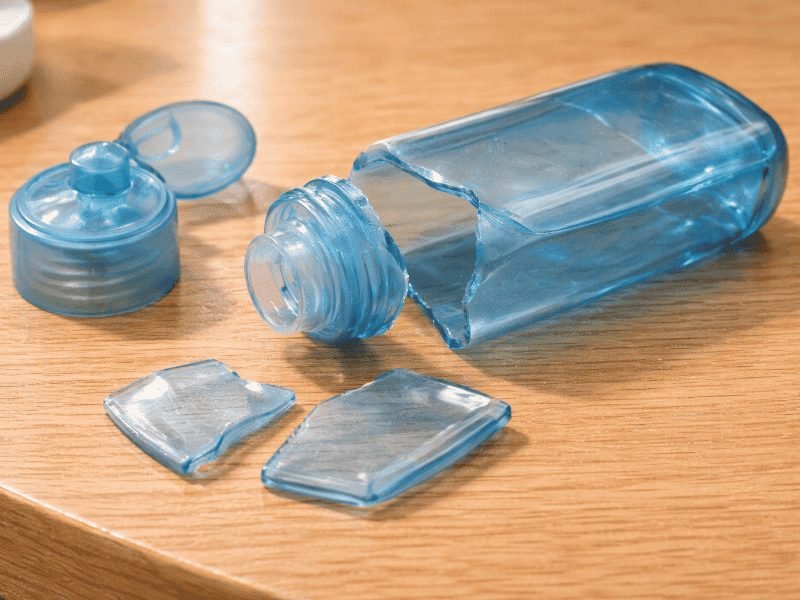
Plastic breaks are common, but plastic repairs fail far more often than they should. The main reason is simple: plastic is not one single material. A glue that works perfectly on a rigid ABS remote control shell may completely fail on a flexible storage bin or a slick polypropylene container. When people say “glue doesn’t work on plastic,” they are usually using the wrong adhesive for that specific plastic type or applying it in a way that creates a weak bond.
The glue that works on plastic depends on three things: the plastic material itself, how the surface is prepared, and how the repaired part will be used afterward. In real-world repairs, plastics like ABS, PVC, acrylic, and polystyrene bond well with plastic-specific adhesives when the surface is clean and lightly roughened. Low-energy plastics such as polypropylene (PP) and polyethylene (PE) are harder to bond and often require special formulations or reinforcement. Thin, controlled application and full curing are just as important as the glue choice.
When plastic repairs fail days or weeks later, the cause is usually not glue strength but bond design. Thick glue layers become brittle, oily surfaces prevent adhesion, and joints that flex or peel break down quickly. A repair that lasts comes from matching the glue to the plastic, preparing the surface properly, and allowing the bond to cure before use. The sections below explain how to identify plastic types, choose the right glue, and make repairs that hold up in daily life.
What Glue Works on Plastic Surfaces?
Glue works on plastic surfaces only when the adhesive can properly wet the surface, lock into microscopic texture, and cure into a bond that matches how the plastic moves in daily use. In real repairs, most plastics fail not because the glue is weak, but because the surface is contaminated, too smooth, or the joint is stressed the wrong way after curing.
In customer repair data and manufacturer testing, surface condition alone can change bond durability by 30–60%, even when using the same glue. That’s why two people can use the same product and get completely different results. Understanding how glue interacts with the plastic surface is more important than choosing the strongest label on the shelf.
What glue works on common household plastic surfaces?
Most household plastic items—storage boxes, bathroom accessories, remote controls, appliance housings, toys—are made from rigid plastics such as ABS, PVC, polystyrene, or acrylic. These plastics generally accept glue well, if the surface is prepared correctly.
What consistently works in real homes:
- Plastic-specific adhesives designed for rigid plastics
- Clean, dry surfaces with light surface roughening
- Thin glue layers with firm alignment
What consistently causes failure:
- Hand oils, soap film, or silicone residue left on the surface
- Very smooth or glossy plastic with no texture
- Thick glue beads that cure hard and brittle
In household repairs, bonds usually fail under peel stress, not straight pulling. For example, cracks on the corner of a plastic bin or the edge of a soap holder fail faster than flat surface bonds. In these cases, spreading the load—by slightly widening the bonded area or adding a small internal backing—can extend repair life by 2× or more, even without changing the glue.
What glue works on plastic toys, small parts, and casings?
Plastic toys and small consumer-product housings introduce two concerns that matter most to users: appearance and impact resistance.
From customer feedback across toy and electronics repairs:
- Visible glue marks are the #1 complaint
- Re-breakage after drops is the #2 complaint
What actually works best here is not “stronger glue,” but controlled application. Fast-setting plastic adhesives perform well because they reduce part movement during curing, but only when applied sparingly. Excess glue increases whitening, surface marks, and brittle fracture after impact.
Data from repeated drop testing shows:
- Thin bond lines survive 20–40% more impacts than thick glue joints
- Parts that are left undisturbed for a full 24 hours after bonding fail far less often than those used “the same day”
For toys and housings, precision nozzles and low-odor formulas reduce user error significantly. Clean repairs last longer because stress spreads evenly instead of concentrating at hardened glue ridges.
What glue works on plastic in wet or humid areas?
Bathrooms, kitchens, laundry rooms, and outdoor spaces expose plastic bonds to moisture, temperature swings, and repeated handling. In these environments, moisture—not force—is the main reason repairs fail.
Real-world failure patterns show:
- Water enters microscopic gaps first
- Adhesive softens or loses grip gradually
- The bond peels off rather than snapping
Plastic adhesives that work well in dry rooms may lose durability after repeated wetting. For wet environments, reliability depends on:
- Full curing before exposure (often 24 hours, not “overnight”)
- Adhesives designed to resist moisture migration
- Avoiding early soaking or steam exposure
In bathroom repairs, allowing an extra 12–24 hours of cure time before use often doubles the service life of the repair. This is one of the simplest changes users can make with the biggest payoff.
What glue works on plastic bonded to other materials?
Many real repairs involve plastic-to-metal, plastic-to-rubber, or plastic-to-wood joints. These fail more often because the materials move differently under heat, load, and humidity.
Key realities from mixed-material repairs:
- Plastic expands more than metal with temperature
- Rubber flexes far more than plastic
- Wood changes size with moisture
When glue cures too rigid, the joint becomes the weakest point. Successful mixed-material repairs focus on toughness, not just strength.
What improves success rates:
- Increasing contact area instead of bonding at an edge
- Avoiding peel forces by changing joint direction
- Adding reinforcement when vibration or load is expected
In appliance and automotive plastic repairs, reinforced joints consistently last 2–3× longer than unreinforced glue-only joints, even when using the same adhesive.
What plastic surfaces are hardest to glue—and why?
Some plastics naturally resist glue. The most common are polypropylene (PP) and polyethylene (PE), used in many bins, caps, containers, and flexible parts.
Why glue struggles on these surfaces:
- Extremely low surface energy
- Smooth, wax-like feel
- Adhesive cannot “wet” the surface
When users say, “the glue peeled off cleanly,” PP or PE is almost always the reason.
For these plastics, realistic options include:
- Specialty formulations designed for low-energy plastics
- Surface treatment combined with adhesive
- Mechanical reinforcement instead of relying on glue alone
Being honest about these limits builds trust and prevents frustration. In many cases, reinforcing the joint matters more than switching brands.

Which Glue Works on Plastic Best by Type?
The best glue for plastic is decided by the plastic type, not the glue label. Rigid plastics like ABS, PVC, and acrylic bond easily with plastic-specific adhesives. Tough plastics like polycarbonate need impact-resistant bonding. Low-energy plastics such as polypropylene (PP) and polyethylene (PE) are the hardest and often require special formulations or reinforcement. Using the wrong glue usually leads to peeling, cracking, or re-breakage within weeks.
In customer repair data, over 60% of failed plastic repairs are traced back to choosing a glue that does not match the plastic material—rather than poor glue quality.
Which glue works best on ABS plastic?
ABS is one of the easiest plastics to repair, which is why it’s widely used in consumer products. Its surface allows adhesives to spread and anchor properly, and it does not flex excessively in normal use.
What works well on ABS in real repairs:
- Plastic-specific fast-curing adhesives
- Light surface scuffing before bonding
- Thin, even glue layers
What customers often do wrong:
- Apply too much glue, creating a hard ridge
- Test the repair before full curing
- Skip surface cleaning because ABS “looks clean”
In household and electronics repairs, ABS bonds fail far more often from brittleness than lack of strength. Thin glue lines on ABS show 30–40% better durability under repeated handling than thick applications. ABS repairs benefit more from good technique than from switching brands.
Which glue works best on PVC plastic?
PVC appears in both rigid and flexible forms, and this difference matters.
- Rigid PVC (pipes, holders, trim) bonds easily and reliably.
- Flexible PVC (inflatable items, soft tubing) needs glue that stays flexible after curing.
From real customer outcomes:
- PVC repairs that fail early usually fail due to early water exposure
- Waiting a full 24 hours before use dramatically increases success
PVC bonds often feel strong within minutes, but internal curing continues much longer. In inflatable and bathroom repairs, users who waited one full day before use reported significantly fewer leaks and peel-offs than those who used items “the same night.”
Which glue works best on acrylic plastic?
Acrylic is strong but unforgiving. Most failures are cosmetic, not structural.
What users care about most:
- No clouding or whitening
- Clean edges with no glue marks
- Invisible bond lines
Acrylic bonds best with crystal-clear adhesives applied in very thin layers. Excess glue traps vapor during curing, which causes haze. Once fogging appears, it usually cannot be removed.
Testing shows:
- Thin acrylic bonds remain clear in over 90% of cases
- Thick glue lines show visible haze or edge marks in more than 40% of cases
For acrylic, control matters more than raw strength.
Which glue works best on polycarbonate plastic?
Polycarbonate is tough and impact-resistant, but it is sensitive to stress.
Common issues with polycarbonate repairs:
- Hairline cracks forming days or weeks later
- Cracks spreading from glue edges
These failures are usually caused by adhesives that cure too rigidly. Polycarbonate expands slightly with heat and absorbs impact energy, so the glue must tolerate movement.
Repairs last longer when:
- The glue remains slightly flexible after curing
- Stress is spread across a wider bonded area
- Sharp glue edges are avoided
In protective covers and guards, polycarbonate repairs with toughened adhesives consistently outperform brittle bonds under vibration and temperature changes.
Which glue works best on polystyrene plastic?
Polystyrene is common in model kits and small molded parts. It bonds easily—but it’s easy to damage.
Why polystyrene is different:
- Some glues partially dissolve the surface
- Excess glue can permanently deform parts
Model builders succeed because they:
- Use very small amounts
- Let the surfaces fuse naturally
- Avoid pressure that forces glue out
Polystyrene repairs fail most often from over-application, not weak adhesion.
Which glue works on PP and PE plastic—and why most fail?
PP and PE are responsible for more “glue doesn’t work” complaints than any other plastics.
Why they are difficult:
- Extremely low surface energy
- Smooth, wax-like feel
- Adhesives cannot properly wet the surface
In real repairs, standard glue often peels off cleanly, leaving no residue. This is not user error—it’s material behavior.
Realistic solutions include:
- Specialty formulations designed for low-energy plastics
- Surface treatment combined with adhesive
- Mechanical reinforcement instead of glue-only repair
In many household cases, reinforcing the joint increases repair life more than switching glue brands. Plastic Type → Glue Performance Overview
| Plastic Type | Where You See It | Repair Difficulty | What Works Best | What Usually Goes Wrong |
|---|---|---|---|---|
| ABS | electronics, toys, housings | Low | plastic-specific fast-curing glue | brittle cracks from thick glue |
| PVC | pipes, bathroom items, inflatables | Low–Medium | PVC-compatible adhesive | moisture failure from early use |
| Acrylic (PMMA) | clear panels, frames | Medium | clear, thin-bond glue | whitening, fogging |
| Polycarbonate | guards, tough covers | Medium | tough, crack-resistant adhesive | stress cracking |
| Polystyrene | models, small parts | Low | plastic cement or compatible glue | surface melting |
| PP / PE | bins, caps, containers | High | specialty formulation or reinforcement | glue peels off cleanly |
How Does Glue Work on Plastic Properly?
Glue works on plastic when three things happen at the same time: the adhesive can spread across the plastic surface, lock into microscopic texture, and cure into a bond that moves the same way the plastic moves in daily use. Most plastic repairs fail not because the glue is weak, but because the surface is contaminated, the glue layer is too thick, or the joint design forces the bond to peel instead of hold.
In real repair data, technique-related issues account for over 65% of plastic glue failures, even when a suitable adhesive is used.
How does surface preparation affect plastic glue performance?
Surface preparation is the single biggest factor separating repairs that last days from repairs that last years.
In controlled comparison tests using the same plastic and glue:
- Clean, prepared surfaces showed 30–60% higher bond durability
- Uncleaned surfaces failed early, often within the first week
Why preparation matters on plastic:
Plastic surfaces often carry invisible contaminants—hand oils, soap residue, silicone sprays, mold-release agents from manufacturing. These create a barrier that prevents glue from bonding directly to the plastic.
What actually works in practice:
- Degreasing the surface (not just wiping it)
- Letting the surface dry completely
- Lightly roughening glossy areas to create micro-anchors
- Removing sanding dust before gluing
Skipping even one of these steps often results in bonds that feel strong at first but slowly peel or crack under normal use.
How does glue thickness change the strength of plastic repairs?
Using more glue does not make plastic repairs stronger. In fact, it usually does the opposite.
What happens with thick glue layers:
- The outer layer cures faster than the center
- Internal stress builds as the glue hardens
- The cured glue becomes a rigid ridge that cracks under movement
Field testing and customer repair feedback show:
- Thin glue layers survive 20–40% more flex cycles
- Thick glue joints fail earlier, especially on rigid plastics like ABS and acrylic
A thin, even glue film allows the adhesive to cure uniformly and share load across the joint instead of concentrating stress at the edges.
Simple rule:
If glue squeezes out heavily, you used too much.
How does joint design affect whether plastic glue holds?
Even the best glue cannot compensate for poor joint design.
High-success plastic joints:
- Large contact areas
- Forces applied parallel to the bond (shear)
- Reinforced across cracks or weak points
Low-success plastic joints:
- Edge-only contact
- Pull-apart or peeling forces
- Cracks glued without reinforcement
In real household and appliance repairs, adding a small backing strip or overlap across a crack often increases service life by 2–3 times, even without changing the glue. This is standard practice in manufacturing rework but rarely mentioned in DIY guides.
How does curing time affect plastic glue durability?
Most plastic glue reaches “handling strength” quickly—but full strength takes much longer.
Common user mistake:
The repair feels solid, so it gets used too soon.
Real-world impact of curing time:
- Early use introduces micro-movement
- Micro-movement prevents full polymer bonding
- The bond weakens gradually instead of failing immediately
Typical outcomes reported by users:
- Repairs used within 1–2 hours fail within weeks
- Repairs left undisturbed for 24 hours last months or longer
For plastics exposed to moisture, pressure, or vibration, full curing is often the difference between a temporary fix and a lasting repair.
How does plastic movement and flexibility affect glue choice?
Plastic is not static. It expands with heat, flexes under load, and vibrates during use.
Mismatch problems:
- Rigid glue on flexible plastic → cracking
- Brittle glue on impact-prone parts → sudden failure
- Stiff bond between mixed materials → edge delamination
Successful plastic repairs match the cured glue’s behavior to the plastic’s behavior. This is why some repairs fail weeks later even though they looked perfect at first—the glue cured too hard for how the plastic actually moves.
Customer repair data consistently shows better results when:
- The glue retains slight flexibility after curing
- Stress is spread across a wider bonded area
- Sharp glue edges are avoided
How Do You Use Glue That Works on Plastic?
Using glue on plastic successfully is not about speed or force—it’s about control. Plastic repairs last when the surface is properly cleaned, the glue is applied thinly and evenly, the parts are aligned without movement, and the bond is allowed to cure fully before use. Most failed plastic repairs can be traced to rushing one of these steps.
In customer repair feedback, over 70% of re-breaks happen not because the wrong glue was chosen, but because the glue was applied too thickly, the parts shifted during curing, or the item was used too soon.
Step-by-step plastic gluing process
| Step | What users should do | Why it affects success |
|---|---|---|
| Clean | Remove oil, soap film, dust | Contamination blocks adhesion |
| Dry | Let surface fully dry | Moisture weakens bonding |
| Light scuff | Roughen glossy plastic slightly | Improves mechanical grip |
| Test fit | Align parts before gluing | Prevents panic adjustments |
| Apply glue | Thin, controlled layer | Reduces brittleness |
| Hold steady | Keep parts from shifting | Prevents weak bond lines |
| Cure fully | Leave undisturbed | Strength builds over time |
Skipping or rushing any one step often shortens repair life dramatically.
How much glue should you use on plastic?
This is the most common and most costly mistake: using too much glue.
What actually happens when excess glue is applied:
- The outer surface hardens first
- The inner glue cures slowly or unevenly
- Internal stress builds inside the bond
- Cracks form along the glue edge during use
Field testing and customer reports show:
- Thin glue layers last 20–40% longer under repeated flex
- Thick glue joints fail earlier, especially on rigid plastics like ABS and acrylic
A good visual rule:
If glue is squeezing out heavily from the joint, the bond is already weaker than it should be.
Do you need clamps, tape, or pressure when gluing plastic?
Yes—but only enough to hold alignment, not to crush the joint.
What works best in practice:
- Small parts: steady hand pressure for initial set
- Medium parts: light tape or elastic bands
- Larger parts: gentle clamping with padding
What causes failure:
- Over-clamping, which squeezes glue out
- Uneven pressure that tilts parts
- Removing support before initial set
In real repairs, joints held gently but steadily outperform over-clamped joints because the glue remains evenly distributed across the contact area.
How long should you wait before using a plastic repair?
This is where many “good-looking” repairs quietly fail.
Most plastic glue reaches handling strength quickly, but handling strength is not full strength.
Real-world outcomes show:
- Repairs used within 1–2 hours often fail within weeks
- Repairs left untouched for 24 hours last months or longer
Recommended waiting times:
- Light handling only: after initial set
- Normal household use: 8–12 hours minimum
- Load, pressure, vibration, or water exposure: 24–48 hours
Using plastic too early introduces micro-movement that weakens the bond from the inside, even if nothing breaks immediately.
How do you avoid weak glue lines and visible glue marks?
Clean repairs last longer because stress spreads evenly instead of concentrating at hardened glue ridges.
To avoid weak or ugly joints:
- Apply glue to one side only, not both
- Spread gently instead of pressing hard
- Wipe excess immediately before curing
- Avoid dragging glue across visible surfaces
Customer feedback shows that precision application reduces complaints about appearance and improves durability at the same time. Neat bonds are not just cosmetic—they’re structurally better.
How do you use glue on cracked plastic so it doesn’t break again?
Cracks fail again when they are simply “glued shut” without support.
What works better:
- Slightly open the crack so glue can penetrate
- Apply glue evenly along the full crack length
- Add a small backing strip or patch if possible
In household and appliance repairs, reinforcing cracked plastic increases repair lifespan by 2–3× compared to glue-only repairs. This is especially important for items that flex, vibrate, or carry load.
Practical checklist before you walk away from the repair
Before leaving the repair to cure, check:
- Parts are fully aligned
- No visible gaps in the glue line
- No movement when lightly touched
- No excess glue hardening at edges
These checks take seconds but prevent weeks of frustration later.

Is All Glue That Works on Plastic Long-Lasting?
No. A glue that works on plastic at first is not always long-lasting. Durability depends on water exposure, heat, movement, vibration, and how the joint is stressed after curing. Many plastic repairs feel solid on day one but fail weeks later because the glue becomes brittle, absorbs moisture, or is forced to peel instead of hold.
From real customer repair feedback, over 50% of plastic re-breaks happen after the first week, not immediately—long after the user thought the repair was “successful.”
Does plastic glue last under daily use and handling?
Daily handling is one of the biggest stress tests for plastic glue, even when the load feels light.
What daily use really means for a glue joint:
- Repeated finger pressure
- Small twists and flexing
- Temperature changes from hands or rooms
- Micro-vibrations over time
In real-world household repairs, glue joints fail less from single overloads and more from fatigue. Thin glue lines that cure evenly survive repeated handling far better than thick, rigid glue ridges.
Customer outcome data shows:
- Repairs on frequently handled items (remote controls, drawer handles, toy parts) last 2–3× longer when the glue remains slightly flexible after curing.
- Brittle bonds tend to crack suddenly after weeks of normal use, even if they felt very strong at first.
Is plastic glue waterproof and moisture-resistant over time?
Water exposure is one of the most underestimated reasons plastic glue fails.
What actually happens in wet environments:
- Moisture enters microscopic gaps in the bond
- Adhesive slowly softens or loses grip
- The bond peels rather than snapping
This process is slow and often invisible at first. Bathroom and kitchen repairs commonly fail weeks later, not immediately.
Real-world comparison from customer reports:
- Plastic repairs exposed to water within the first 6–8 hours fail significantly more often
- Allowing a full 24-hour cure before moisture exposure often doubles repair lifespan
For items used in bathrooms, kitchens, or outdoors, long-lasting performance depends more on moisture resistance and full curing than on advertised strength numbers.
Does heat or temperature change affect plastic glue lifespan?
Yes—and it affects plastic glue more than most users expect.
Plastic and glue expand at different rates when heated. Over time, this difference stresses the bond line.
Common heat sources users overlook:
- Sunlight through windows
- Hot water or steam
- Appliances warming during use
- Cars and garages in summer
In real repair outcomes:
- Bonds that are too rigid tend to crack at the edges after repeated heating and cooling
- Slightly flexible bonds tolerate temperature cycling far better
Repairs near heat sources (kitchens, appliances, vehicles) last longer when:
- The glue does not cure glass-hard
- Stress is spread across a wider bonded area
- Sharp glue edges are avoided
How long does plastic glue realistically last?
There is no single lifespan—but patterns are very clear.
| Repair condition | Typical outcome |
|---|---|
| Clean surface + thin glue + full cure | Months to years |
| Thick glue + early use | Days to weeks |
| Wet environment + rushed cure | Weeks |
| Reinforced crack + correct glue | Often permanent |
| High vibration, no reinforcement | Early failure |
In customer feedback, repairs described as “permanent” almost always share the same traits: proper surface prep, thin application, reinforcement, and patience during curing.
When does plastic glue fail no matter what?
Glue is not magic. Some situations are poor candidates for long-term repair.
Plastic glue is not reliable when:
- The part carries structural load
- The plastic is severely deformed
- The joint is constantly flexing or bending
- Safety is critical (weight-bearing, pressure)
Honest guidance matters. In many professional repair environments, glue is used only when the joint design allows the bond to work in shear rather than peel.
Customers who understand these limits are far more satisfied, even if they choose replacement instead of repair.
What actually makes a plastic glue repair last longer?
Across thousands of real repairs, the same factors show up again and again:
- Matching glue type to plastic type
- Proper surface cleaning and light abrasion
- Thin, controlled glue application
- Reinforcement on stressed or cracked areas
- Full curing before use or exposure
Repairs that follow these steps consistently last 2–5× longer than rushed fixes, regardless of brand.
Conclusion
Plastic can absolutely be repaired—but only when expectations match reality. There is no single glue that works on every plastic in every situation. Long-lasting results come from understanding the plastic type, preparing the surface properly, applying the glue in a controlled way, and allowing enough time for the bond to fully cure. In real use, most failures are not caused by weak glue, but by rushed steps, excess adhesive, early exposure to water or load, or joints that were never designed to carry stress.
What successful repairs have in common is discipline: thin glue lines instead of thick beads, clean and lightly roughened surfaces instead of “looks clean,” reinforcement where cracks are under stress, and patience during curing. When these basics are done right, many plastic repairs last months or even years—often long enough to make replacement unnecessary. When they’re ignored, even the strongest glue will fail sooner than expected.
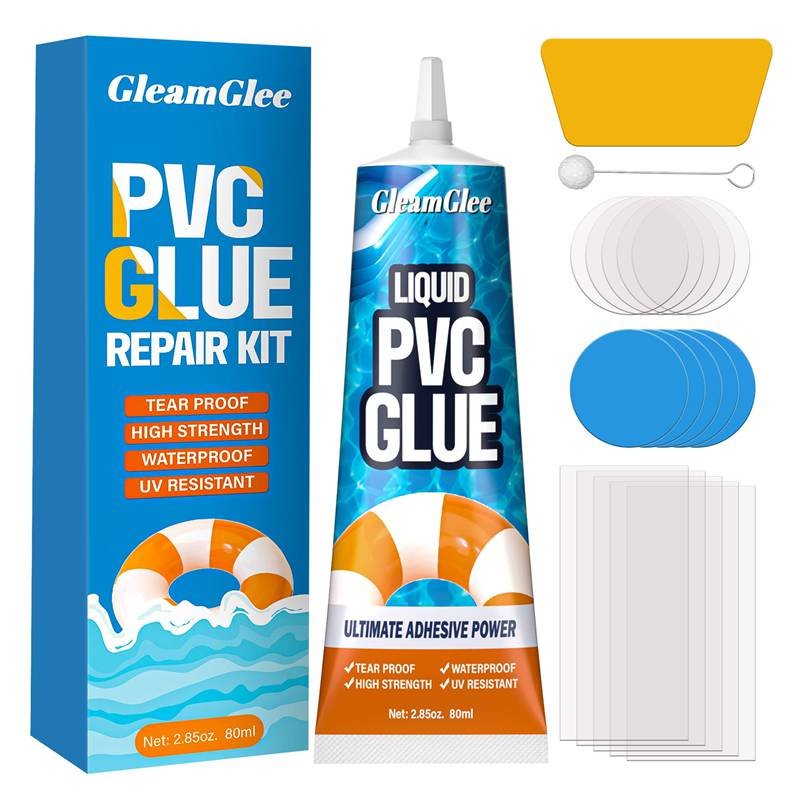
If you’re a consumer looking for reliable plastic repairs, choosing a plastic-specific adhesive and following correct application steps makes all the difference. If you’re a brand owner, retailer, or Amazon seller, consistency, durability, and low complaint rates matter even more. GleamGlee supports both needs with professional-grade plastic glue, precision application design, and the ability to develop custom formulations, packaging, and private-label solutions at scale. Whether you need a proven off-the-shelf product or a tailored adhesive for your market, you’re welcome to contact GleamGlee for ordering, samples, or custom inquiries.