Skip to content
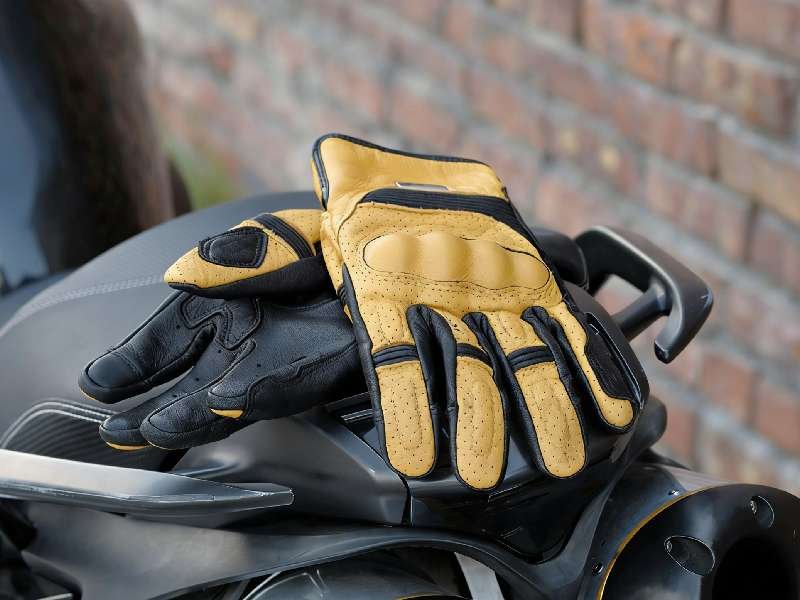
Leather products are known for their durability, but even high-quality leather items such as shoes, sofas, handbags, and car seats can eventually crack, peel, or separate at the seams. When that happens, many people ask the same question: what glue works on leather? Leather is a flexible and porous material, so ordinary household glue often fails after a short period of use. The best solution is a leather adhesive designed specifically for flexible materials, allowing the repair to withstand bending, pressure, and everyday wear without cracking or peeling.
The glue that works best on leather is usually a flexible leather repair adhesive that dries clear and forms a strong bond with porous surfaces. Unlike rigid glues, leather adhesives remain slightly elastic after curing, which allows them to move with the leather rather than breaking under stress. High-quality leather glues can also bond multiple materials—such as rubber, vinyl, fabric, or plastic—making them ideal for repairing items like shoe soles, handbag straps, upholstery seams, and automotive leather interiors.
When repairing leather, preparation and application are just as important as choosing the right adhesive. Cleaning the repair area, applying a thin and even layer of glue, and allowing sufficient curing time—usually around 24 hours—greatly improves the durability of the repair. With the correct leather glue and proper technique, many damaged leather items can be restored quickly and effectively, extending their lifespan and saving the cost of replacement.
What Glue Works on Leather?
The glue that works best on leather is a flexible leather repair adhesive designed for porous materials. Leather constantly bends and stretches, especially on items like shoes, bags, car seats, and jackets. Because of this movement, adhesives that dry too rigid often fail quickly. A good leather glue should create a strong bond while remaining slightly flexible after curing. High-quality leather adhesives are commonly used to repair shoe soles, sofa seams, handbag straps, leather upholstery, and automotive interiors because they can hold through repeated bending and pressure.
Another important factor is material compatibility. Many leather products combine leather with rubber, fabric, foam, or plastic. For example, a leather sneaker usually includes leather uppers attached to rubber soles, while a leather sofa may have leather bonded to foam backing. The best leather glues are designed to bond multiple materials at once while still drying clear and clean. In real repair scenarios, adhesives used for leather typically achieve bond strengths around 2–4 MPa, which is strong enough to handle everyday stress such as walking, sitting, or carrying weight.
What makes leather difficult to glue?
Leather behaves differently from many common materials because it is flexible, fibrous, and often coated with oils or finishes. These characteristics make it harder for ordinary adhesives to penetrate and grip the surface. When leather bends repeatedly—such as in footwear or upholstery—the adhesive layer must move with the material. If the glue becomes brittle, the repair will crack along the bond line.
Several factors influence how well glue bonds to leather:
- Surface oils and coatings – Leather often contains wax, dyes, or protective finishes that reduce adhesion.
- Continuous movement – Leather shoes can bend 4,000–6,000 times per day during normal walking.
- Mixed materials – Many leather products combine rubber, foam, or fabric layers that require multi-surface adhesives.
- Visible repair areas – Repairs on furniture or handbags must remain clean and transparent to preserve appearance.
Because of these conditions, specialized leather adhesives are formulated to penetrate leather fibers while remaining elastic after drying. This allows the repair to withstand repeated bending without separating.
What glue works best on leather?
Several adhesive types can bond leather effectively, but each performs differently depending on the repair. The table below compares the most common options used for leather repairs.
| Glue Type | Bond Strength | Flexibility | Typical Use |
|---|---|---|---|
| Leather repair glue | High | High | Shoes, bags, furniture |
| Contact adhesive | Very high | Medium | Upholstery and panels |
| Super glue | Medium | Low | Small cracks or quick fixes |
| Polyurethane adhesive | High | Medium | Heavy-duty bonding |
Among these options, leather repair glue is usually the most balanced solution for everyday users. It provides strong adhesion while remaining flexible and easy to apply. Many modern formulas also dry clear, which helps keep the repair nearly invisible on visible surfaces such as leather jackets, sofas, or handbags.
Is one glue suitable for every leather repair?
Not all leather repairs require the same adhesive strength. The best glue depends on how much stress the item experiences after repair. For example, a wallet seam carries very little load, while a boot sole experiences constant pressure and bending.
The table below shows how different leather items require different adhesive performance levels:
| Leather Item | Stress Level | Recommended Adhesive |
|---|---|---|
| Wallet seams | Low | Leather glue |
| Handbag straps | Medium | Flexible leather adhesive |
| Sofa upholstery | Medium | Leather repair adhesive |
| Car seats | High | Multi-material leather glue |
| Shoe soles | Very high | Heavy-duty leather adhesive |
Understanding the stress level helps users choose a glue that will last longer. In most household repairs, a flexible leather adhesive designed for multi-material bonding provides the most reliable results because it can handle bending, weight, and friction without breaking the bond.
Which Leather Glue Is Best?
The best leather glue is one that creates a strong bond while remaining flexible after curing. Leather products are constantly exposed to bending, pressure, and friction, especially in items such as shoes, handbags, car seats, and furniture upholstery. If the adhesive dries too rigid, the repair line may crack when the leather moves. For this reason, most professionals recommend using flexible leather repair adhesives or specialized leather glues that can penetrate leather fibers and maintain elasticity after drying.
Another factor to consider is how the leather item is used in daily life. Repairs on a sofa or car seat must tolerate body weight and repeated compression, while shoe repairs must withstand thousands of bending cycles each day. High-quality leather adhesives are designed to bond leather not only to leather itself but also to other materials such as rubber, fabric, foam, and plastic. In real repair environments, well-formulated leather glues can reach bond strengths between 2–4 MPa, which is sufficient for most household leather repairs.
Is super glue a good choice for leather?
Super glue (cyanoacrylate adhesive) is widely available and dries very quickly, which makes it attractive for quick repairs. However, its performance on leather depends heavily on the type of repair. Super glue forms a very rigid bond, and this rigidity can become a problem when leather bends repeatedly.
Super glue may work for:
- small cracks in leather surfaces
- minor seam reinforcement
- temporary emergency repairs
However, it is usually not ideal for high-movement areas such as shoes, gloves, belts, or upholstery seams. When leather flexes repeatedly, a rigid adhesive layer may develop small cracks. Over time these cracks can cause the repair to fail.
The comparison below illustrates where super glue performs well and where it struggles:
| Repair Type | Performance of Super Glue |
|---|---|
| Small decorative leather parts | Good |
| Tiny surface cracks | Acceptable |
| Leather shoes or boots | Poor long-term durability |
| Upholstery seams | Often fails with repeated pressure |
| Leather bags and straps | Moderate, but not ideal |
Because of these limitations, super glue is often used only for small cosmetic repairs, while more flexible adhesives are preferred for structural leather bonding.
Does contact adhesive work well on leather?
Contact adhesive is one of the most widely used glues in professional leatherworking and upholstery industries. Unlike many adhesives, contact adhesive is applied to both bonding surfaces, allowed to become slightly tacky, and then pressed together. Once the surfaces touch, the bond forms almost immediately.
This method provides extremely strong bonding for large leather surfaces. Contact adhesives are commonly used for:
- upholstery installation on sofas and chairs
- attaching leather panels to wood frames
- bonding leather to foam cushions
- craft leather projects
One advantage of contact adhesive is its large surface bonding strength. When applied correctly, the adhesive layer distributes force across the entire bonded area.
However, contact adhesive also has some drawbacks for home users:
- repositioning is difficult once surfaces touch
- excess glue can stain finished leather surfaces
- some formulas produce strong solvent odors
For experienced repair technicians, contact adhesive remains a powerful option. But for everyday DIY repairs—such as fixing shoe uppers, handbag straps, or small furniture tears—many users prefer specialized leather glues that are easier to apply.
Why is flexible leather glue usually the best option?
Flexible leather glue is designed specifically to handle the movement and stress that leather experiences during daily use. Unlike rigid adhesives, flexible formulas contain polymer structures that remain elastic after curing. This elasticity allows the bond to move with the leather instead of cracking.
This feature becomes especially important in products that experience repeated bending. For example:
- leather shoes can bend 4,000–6,000 times per day during walking
- car seat edges compress every time a person enters or exits the vehicle
- handbag straps carry load and stretch during use
- leather jackets flex around elbows and shoulders
If the adhesive layer cannot flex along with the leather, the bond will eventually weaken.
The following table shows why flexibility matters in leather repair:
| Repair Situation | Stress Type | Benefit of Flexible Glue |
|---|---|---|
| Shoe sole repairs | Repeated bending | Prevents cracking |
| Sofa upholstery | Compression and friction | Maintains bond under pressure |
| Handbag straps | Constant pulling force | Reduces bond separation |
| Automotive leather | Temperature changes and wear | Maintains durability |
Flexible leather adhesives combine bond strength, elasticity, and clean appearance, which is why they are widely used in professional leather repair kits. For most household repairs, they offer the best balance between durability and ease of application.
How Do You Glue Leather?
Gluing leather successfully requires more than just applying adhesive between two surfaces. Because leather is flexible and often coated with oils or finishes, proper preparation and application play a major role in the durability of the repair. When the process is done correctly, leather adhesives can form a bond strong enough to withstand daily stress such as walking, sitting, bending, and pulling. In many practical repair situations, a well-applied leather adhesive can restore functionality to shoes, bags, upholstery, and car interiors for months or even years.
Most professional leather repair technicians follow a simple three-stage process: surface preparation, controlled adhesive application, and sufficient curing time. Skipping any of these steps often reduces bonding strength significantly. For example, tests in repair workshops show that poorly prepared leather surfaces can reduce adhesive strength by 30–50%, even when a high-quality glue is used. Following a consistent method greatly improves the success rate of leather repairs.
How do you prepare leather before gluing?
Surface preparation is the foundation of a strong leather repair. Leather items accumulate oils, dust, sweat, and cleaning residues during normal use. These substances act as barriers that prevent adhesive from bonding directly to the leather fibers.
A proper preparation process typically includes the following steps:
- Clean the leather surface
Use a mild leather cleaner or rubbing alcohol to remove oils, dust, and surface contamination.
- Allow the leather to dry completely
Moisture trapped under adhesive can weaken the bond. Drying usually takes 5–10 minutes at room temperature.
- Lightly roughen smooth surfaces if needed
Very smooth or coated leather may benefit from gentle abrasion using fine sandpaper (around 400–600 grit) to improve adhesive grip.
- Trim loose fibers or peeling edges
Removing frayed material helps create a cleaner bonding surface and prevents weak spots in the repair.
- Test the alignment before applying glue
Position the leather pieces together first so you understand how they fit before adhesive is applied.
The impact of preparation can be significant:
| Preparation Level | Bond Reliability | Typical Result |
|---|---|---|
| No cleaning | Low | Repair may peel quickly |
| Basic cleaning | Medium | Repair holds under light use |
| Full preparation | High | Repair can last long-term |
Proper surface preparation is especially important for high-value items such as leather furniture, handbags, or automotive upholstery where both strength and appearance matter.
How do you apply leather glue correctly?
Correct adhesive application ensures that the bond spreads evenly across the leather surface. Applying too much glue can create stiff areas, while applying too little may leave weak gaps in the repair.
Most leather repairs follow these practical steps:
Step 1 – Apply a thin, even layer of adhesive
Spread a small amount of glue across the bonding area. Thin layers usually perform better because they penetrate leather fibers more effectively.
Step 2 – Join the leather pieces carefully
Press the surfaces together while aligning edges properly. Once adhesive begins to set, repositioning may become difficult.
Step 3 – Apply steady pressure
Holding the pieces firmly together helps distribute adhesive evenly. Depending on the repair, pressure can be applied manually or with clips or clamps.
Step 4 – Remove excess adhesive immediately
Wipe away extra glue before it dries to keep the repair area clean and natural-looking.
Precision applicator tips are extremely useful during this stage. Many leather adhesives include narrow nozzles that allow users to apply glue directly into seams, cracks, or small repair areas.
These tools help reduce common problems such as:
- glue spreading onto visible leather surfaces
- uneven adhesive distribution
- excess glue creating hardened patches
Controlled application often produces a repair that is both stronger and more visually appealing.
How long should leather glue cure?
Curing time is another important factor in leather repairs. While many adhesives begin bonding within minutes, full strength usually develops over several hours. Using the repaired item too early may weaken the bond before it has fully stabilized.
Typical curing stages for leather adhesives are shown below:
| Time After Application | Adhesive Condition | Recommended Action |
|---|---|---|
| 1–2 minutes | Initial bonding begins | Hold surfaces firmly |
| 5–10 minutes | Surface sets | Avoid movement |
| 30 minutes | Partial strength | Light handling possible |
| 24 hours | Full cure | Ready for normal use |
Environmental conditions can also influence curing speed. Higher temperatures usually accelerate curing, while colder environments slow it down.
| Temperature | Average Cure Time |
|---|---|
| 10°C / 50°F | 36–48 hours |
| 20°C / 68°F | About 24 hours |
| 30°C / 86°F | 12–18 hours |
For repairs involving heavy stress—such as shoe soles, belts, or seat edges—most repair professionals recommend allowing a full 24-hour curing period before using the item normally. This ensures the adhesive reaches its designed strength and flexibility, helping the repair last significantly longer.

Where Can You Use Leather Glue?
Leather glue can be used in many everyday repair situations because leather appears in a wide range of products—from footwear and bags to furniture and car interiors. Unlike many standard adhesives, leather glue is designed to bond flexible materials and maintain strength even when the bonded area bends or stretches during use. This makes it suitable for repairing items that experience frequent movement, weight, or friction.
Another advantage of modern leather adhesives is multi-material bonding. Many leather products combine leather with other materials such as rubber, foam, fabric, or plastic. For example, a leather sneaker may have a rubber sole and textile lining, while a leather sofa often includes foam padding and internal frames. A good leather adhesive must bond these materials together while remaining flexible and durable.
Can leather glue repair shoes and boots?
Yes, leather glue is widely used for repairing leather shoes and boots. Footwear is one of the most demanding environments for adhesives because shoes experience constant bending, pressure, and friction during walking. Research in footwear biomechanics shows that the front part of a shoe can flex 4,000–6,000 times per day during normal walking activity. Because of this, adhesives used in shoe repair must remain flexible while maintaining strong bonding strength.
Common shoe repairs using leather glue include:
- reattaching partially separated shoe soles
- repairing cracks in leather uppers
- bonding loose leather panels
- re-gluing insoles or interior linings
- fixing detached heel edges
The type of repair often determines the adhesive strength required.
| Shoe Repair Type | Stress Level | Typical Solution |
|---|---|---|
| Leather upper crack | Medium | Flexible leather glue |
| Loose insole | Low | Multi-surface adhesive |
| Sole edge separation | High | Strong leather repair glue |
| Heel lift | High | Flexible heavy-duty adhesive |
When applied correctly and allowed to cure fully, leather adhesives can restore footwear stability and extend the lifespan of shoes or boots significantly.
Can leather glue repair sofas and furniture?
Leather furniture is another common application for leather adhesives. Sofas, chairs, and recliners experience constant pressure from sitting, which gradually weakens seams or causes small tears in the upholstery.
Typical furniture repairs include:
- small tears in leather seat cushions
- peeling leather edges on armrests
- loose upholstery panels
- cracked leather decorative trim
- lifting leather sections on dining chairs
Furniture repairs require adhesives that remain flexible under compression. Each time someone sits on a leather sofa, the material stretches slightly and then returns to its original shape. If the adhesive layer cannot move with the leather, the repair may reopen.
The table below shows common furniture repair scenarios:
| Furniture Problem | Repair Method |
|---|---|
| Seat cushion tear | Bond leather edges underneath |
| Peeling armrest leather | Reattach leather panel |
| Loose upholstery seam | Apply flexible leather adhesive |
| Decorative leather trim lifting | Secure trim back to frame |
Repairing furniture with adhesive is often far more economical than replacing upholstery. Reupholstering a leather sofa can cost several hundred dollars, while adhesive repairs typically require only a small amount of product.
Can leather glue bond leather to other materials?
Yes. Many modern leather adhesives are designed specifically to bond leather with other materials commonly used in manufactured products. This is important because many leather goods are built using multiple layers of different materials.
Examples of multi-material leather bonding include:
- leather attached to rubber shoe soles
- leather bonded to foam cushioning in furniture
- leather glued to fabric lining in handbags
- leather panels connected to plastic automotive trim
- leather components bonded to vinyl upholstery
These combinations require adhesives capable of bonding both porous surfaces (leather or fabric) and smooth surfaces (rubber, plastic, or vinyl).
| Material Combination | Typical Product |
|---|---|
| Leather + Rubber | Shoes and boots |
| Leather + Fabric | Handbags and jackets |
| Leather + Foam | Sofa cushions |
| Leather + Plastic | Automotive interiors |
| Leather + Vinyl | Upholstery panels |
This multi-surface bonding capability makes leather glue a practical repair tool not only for household items but also for automotive, outdoor equipment, and craft projects. With the right adhesive and proper application, leather glue can restore many products that would otherwise need to be replaced.
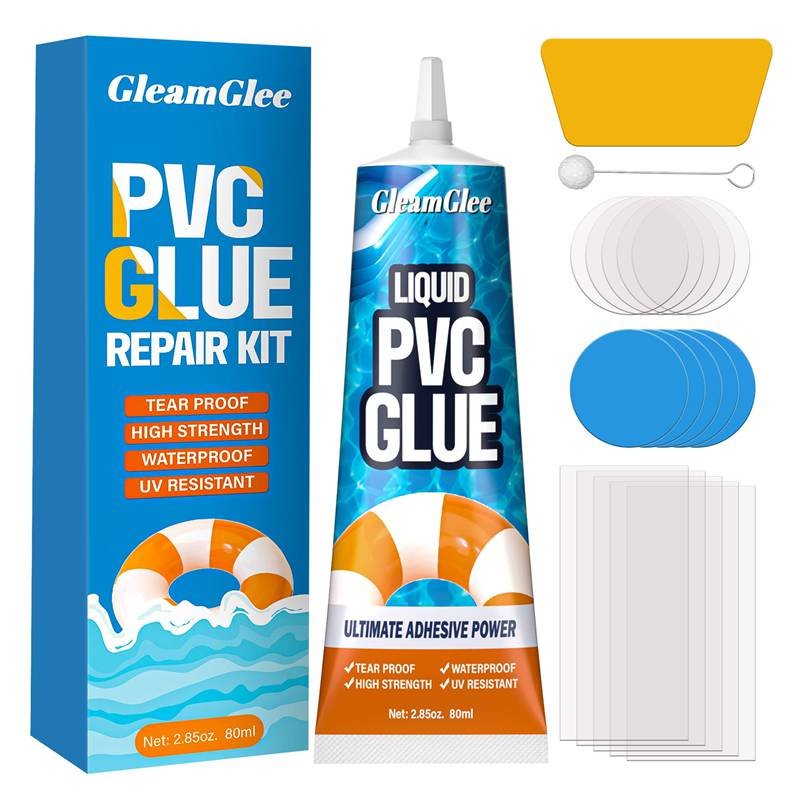
Why Choose GleamGlee Leather Glue?
Choosing a reliable leather glue is not only about bonding strength. Customers usually care about several practical factors at the same time: whether the glue is easy to apply, whether it dries clean without visible marks, whether it stays flexible after curing, and whether it can handle everyday stress such as bending, pulling, and friction. GleamGlee Leather Glue was developed specifically for these real-world repair needs. The adhesive is designed to penetrate leather fibers quickly, form a strong bond, and remain flexible after curing so the repair does not crack when the leather moves.
Another important advantage is versatility. Many leather items combine leather with rubber, fabric, plastic, or foam. A good repair adhesive must bond these materials together reliably. GleamGlee Leather Glue is formulated to bond multiple materials while drying clear, which helps maintain the appearance of visible surfaces such as sofas, jackets, handbags, and car interiors. This makes it suitable for a wide range of repairs—from small household fixes to professional maintenance tasks.
What makes GleamGlee leather glue different?
One major difference is the balance between bond strength and flexibility. Leather products move constantly during normal use. Shoes bend while walking, sofa cushions compress when people sit down, and handbag straps carry weight. If an adhesive becomes too rigid after drying, the bond line may crack over time. GleamGlee Leather Glue is formulated to maintain flexibility after curing, which allows the bonded area to move naturally with the leather.
The adhesive also focuses on clean application. Many leather repairs occur in small or visible areas where excessive glue can damage the appearance of the item. GleamGlee products include precision nozzles that help users apply adhesive exactly where it is needed.
Key functional advantages include:
- fast bonding that begins within seconds
- transparent finish after drying
- flexible adhesive layer that resists cracking
- compatibility with leather, vinyl, rubber, fabric, and plastic
- precision applicator tips for controlled placement
These features make the adhesive suitable for repairing many types of leather items, including footwear, furniture upholstery, automotive interiors, bags, belts, and clothing.
How does GleamGlee ensure adhesive quality?
Product consistency is critical for adhesives because small variations in formulation can significantly affect performance. GleamGlee maintains quality by controlling the entire production chain—from raw material sourcing to packaging and final distribution.
The company operates multiple specialized facilities that handle different stages of production, including adhesive formulation, packaging manufacturing, and label printing. This integrated manufacturing structure allows the company to maintain strict quality standards while keeping production costs competitive.
Quality control typically includes the following steps:
| Quality Control Stage | Purpose |
|---|---|
| Raw material testing | Ensures chemical stability and purity |
| Adhesion strength testing | Verifies bonding performance |
| Flexibility testing | Confirms durability during bending |
| Accelerated aging tests | Simulates long-term usage conditions |
| Packaging compatibility testing | Prevents leakage or contamination |
The research and development team includes more than 25 chemists and materials engineers specializing in polymer chemistry and industrial adhesives. These specialists test adhesives under simulated conditions such as humidity changes, temperature variation, and repeated mechanical stress to ensure that the products perform reliably in everyday situations.
Because GleamGlee also operates its own packaging and raw material facilities, the company can maintain tighter control over production quality compared with many suppliers that rely heavily on outsourced manufacturing.
Can GleamGlee support private label and OEM customers?
Yes. In addition to selling consumer products, GleamGlee also works with businesses that want to launch their own adhesive brands. Many retailers, e-commerce sellers, and distributors prefer to partner with an experienced manufacturer instead of building production capability from the ground up.
GleamGlee provides a range of services that support these business customers:
| Service | Description |
|---|---|
| Custom adhesive formulation | Adjust adhesive performance for specific products |
| Private label packaging | Custom branding, packaging design, and labeling |
| Low minimum order quantities | Starting around 200 units for custom projects |
| Multilingual packaging support | English, German, French, Italian, Spanish, Dutch, Japanese |
| Regulatory compliance | Labels designed to meet EU, UK, and US regulations |
| Global logistics support | FBA-ready shipping and international distribution |
The company currently supplies adhesives and cleaning products to customers in more than 40 countries through online platforms, retail networks, and distribution partners. With integrated manufacturing, packaging design capability, and global logistics support, GleamGlee can help brands launch new repair products quickly while maintaining consistent quality and supply.
For businesses looking to develop their own adhesive products—or for consumers seeking a dependable repair solution—GleamGlee Leather Glue offers a practical combination of performance, reliability, and professional manufacturing support.

Conclusion
Leather products are built to last, but everyday use can eventually lead to cracks, peeling edges, loose seams, or separated parts. Understanding what glue works on leather makes it possible to repair many of these problems quickly and effectively instead of replacing the entire item. A flexible leather adhesive that bonds strongly while remaining elastic after curing is usually the most reliable option. When the repair surface is cleaned properly, the adhesive is applied carefully, and enough curing time is allowed, leather glue can restore the strength and appearance of shoes, bags, furniture, and car interiors for long-term use.
For customers looking for a dependable repair solution, GleamGlee Leather Glue offers a practical combination of strong bonding, flexibility, and clean application. It is designed to repair leather items while also bonding materials such as rubber, fabric, vinyl, and plastic, making it useful for a wide range of everyday repairs. In addition to serving individual consumers, GleamGlee also works with distributors, retailers, and private label brands worldwide. Whether you are repairing a favorite leather item or exploring adhesive products for your own brand, choosing a reliable leather glue is the first step toward durable and cost-effective repairs.