Skip to content
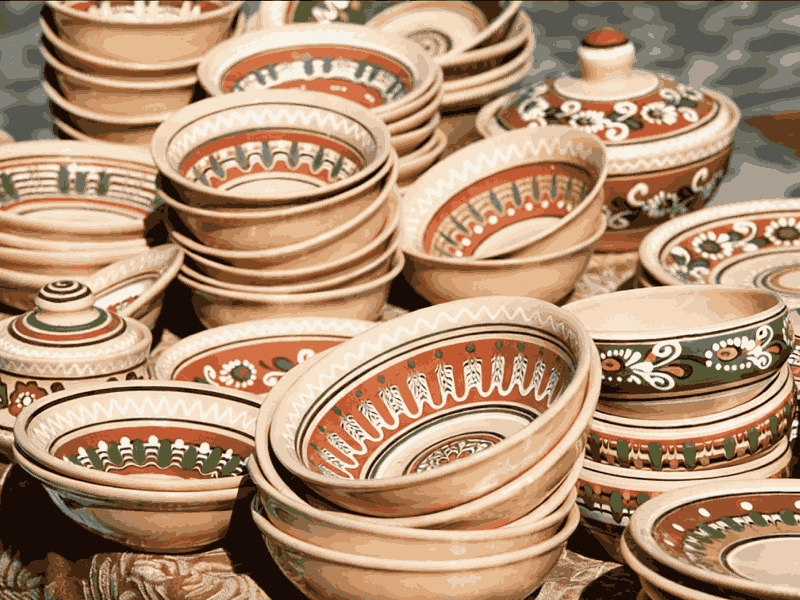
Porcelain is one of the most delicate and beautiful materials used in everyday items—from fine china to treasured family heirlooms. However, when porcelain breaks or chips, it’s crucial to use the right glue for repairs. Using the wrong adhesive can lead to weak bonds, visible residue, or worse, irreversible damage. With so many types of glues available, choosing the best one can feel overwhelming, but getting it right can save your beloved porcelain pieces.
The best glue for porcelain depends on the type of repair. Epoxy glue is typically the strongest and most versatile, while specialized porcelain glues offer precision and invisibility for delicate projects.
For instance, if you’re fixing a decorative porcelain figurine, you’ll need a glue that bonds invisibly without leaving a trace. On the other hand, if you’re repairing a broken mug or teapot, you may want a strong adhesive like epoxy that can endure daily use. In this guide, we’ll walk you through the different types of glues available for porcelain repairs and help you select the best option for your project. Let’s dive into the details of the strongest and most reliable adhesives that will restore your porcelain to its former glory.
Best Glues for Porcelain Repairs
The best glues for porcelain repairs are epoxy, cyanoacrylate (super glue), and specialized ceramic adhesives. Each type serves different needs, from durable household fixes to delicate restorations.
When selecting glue for porcelain, it’s essential to consider the material’s smooth surface and the type of repair required. Below, we outline the most effective types of glues for porcelain, highlighting their features, benefits, and ideal use cases.
1. Epoxy Glue
Strength: High
Best For: Heavy-duty repairs, high-stress items
Drying Time: 5-10 minutes for initial bonding, 24-48 hours for full cure
Epoxy is a two-part adhesive (resin + hardener) known for its strength and versatility. It’s ideal for items that require a strong, durable bond, such as mugs, teapots, or outdoor garden statues. Once mixed, epoxy forms an ultra-strong bond that resists heat, moisture, and physical stress. It is excellent for large repairs or areas subjected to daily use.
| Feature | Epoxy Glue |
|---|---|
| Strength | Very high, suitable for heavy repairs |
| Drying Time | Initial bond: 5-10 minutes; Full cure: 24-48 hours |
| Waterproof | Yes |
| Heat Resistance | Yes, ideal for high-temperature use |
| Best For | Teapots, mugs, vases, tiles |
Pros:
- Extremely strong and durable
- Bonds to various materials (ceramics, metal, glass)
- Resistant to environmental factors
Cons:
- Requires mixing, which can be messy
- Drying time can be longer compared to other glues
2. Cyanoacrylate
Strength: Moderate
Best For: Small, delicate repairs
Drying Time: 1-2 minutes for initial bond, full cure in 24 hours
Super glue, or cyanoacrylate, is a quick-drying adhesive that’s perfect for small porcelain repairs like fixing a chip in a decorative porcelain figurine. It creates a strong bond in seconds but is less durable than epoxy, so it’s better suited for items that won’t experience heavy use or stress.
| Feature | Super Glue |
|---|---|
| Strength | Moderate, ideal for small fixes |
| Drying Time | Initial bond: 1-2 minutes; Full cure: 24 hours |
| Waterproof | Limited resistance |
| Heat Resistance | Low |
| Best For | Small cracks, delicate figurines |
Pros:
- Fast-drying and easy to use
- Ideal for small repairs
- Works well on ceramic and porcelain
Cons:
- Not as durable for high-use items
- May leave visible residue if not applied carefully
3. Specialized Ceramic Glue
Strength: Moderate to High
Best For: Decorative porcelain, delicate repairs
Drying Time: 10-15 minutes for initial bond, full cure in 24 hours
Specialized ceramic glues are formulated specifically for bonding porcelain and ceramics. They offer a strong yet invisible bond, making them ideal for decorative items like porcelain figurines or antique plates. These glues are usually clear and dry without leaving residue, ensuring that repairs are nearly invisible.
| Feature | Ceramic Glue |
|---|---|
| Strength | Moderate to high, for delicate items |
| Drying Time | Initial bond: 10-15 minutes; Full cure: 24 hours |
| Waterproof | Yes |
| Heat Resistance | Yes, but limited compared to epoxy |
| Best For | Decorative porcelain, collectibles |
Pros:
- Clear, invisible bond
- Perfect for fine porcelain and collectibles
- Easy to apply with precision nozzles
Cons:
- Not as strong as epoxy for high-stress repairs
- May not work well for larger cracks
Choosing the Right Glue for Your Porcelain Repairs
Selecting the right glue depends on the type of porcelain item and the severity of the damage. For decorative or delicate items, specialized ceramic glue is the best choice. For larger or high-stress items, epoxy glue offers superior strength and durability. Super glue works best for small, non-visible cracks but may not be as durable as other options. By understanding each type of glue’s properties, you can make an informed decision to ensure your porcelain repairs are strong, clean, and long-lasting.
Top 10 Porcelain Repair Glue Brands
1. Clear Gorilla Glue
- Price: $9.99
- Best For: Multi-surface repairs, porcelain, wood, metal, etc.
- Key Features: Strong bond, heat-resistant, waterproof, ideal for general repairs
- Rating: 4.4/5
- Use: Works well for a wide variety of materials and provides excellent durability, making it a great option for multi-surface repairs like porcelain, wood, and metal.
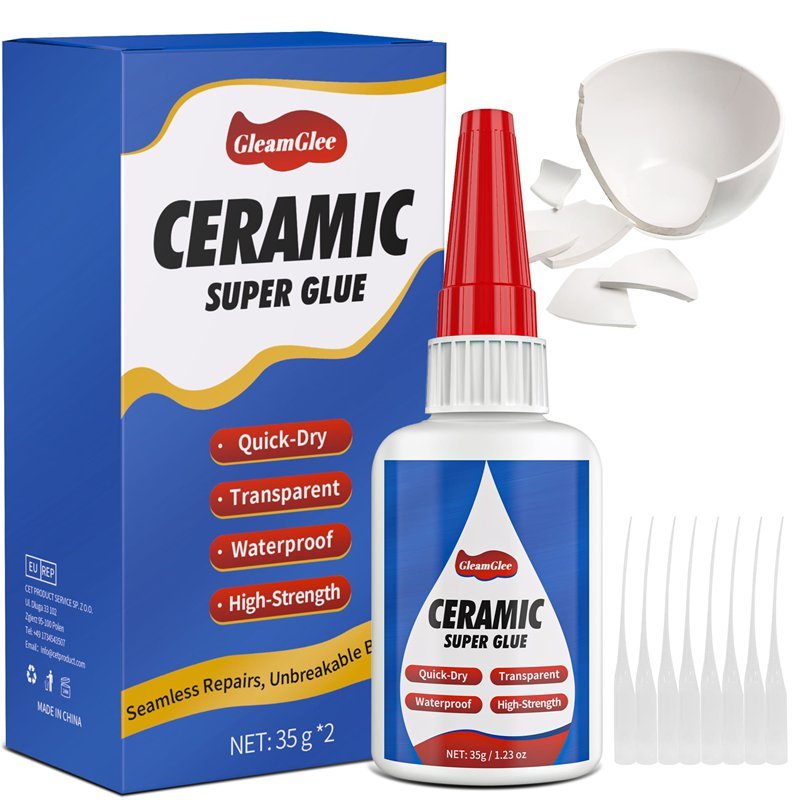
2. GleamGlee Ceramic Glue
- Price: $7.99–$12.99
- Best For: Porcelain, decorative cracks, detailed repairs
- Key Features: Ultra-strong, clear, quick-drying, heat- and water-resistant, precision applicator for detailed work
- Rating: 4.8/5
- Use: Ideal for both functional and decorative porcelain repairs, offering a clean, invisible bond.
3. Adhesive Guru Ceramic Glue
- Price: $13.76
- Best For: Figurines, small porcelain pieces
- Key Features: Fast-drying, invisible bond, precision applicator
- Rating: 4.9/5
- Use: Perfect for porcelain collectibles and smaller repairs where precision is important.
4. Ceralun Ceramic Epoxy
- Price: $7.93
- Best For: Decorative porcelain, crystal
- Key Features: High-strength, waterproof, heat-resistant
- Rating: 4.6/5
- Use: Excellent for detailed porcelain repairs requiring strength and moisture resistance, especially for crystal or high-end porcelain.
5. UHU Special Porcelain Glue
- Price: $8.60
- Best For: Daily porcelain fixes
- Key Features: Easy to use, fast-setting, resistant to water
- Rating: 4.0/5
- Use: Ideal for everyday repairs on porcelain items like mugs, plates, and household decor.
6. Super Glue Porcelain Repair
- Price: $4.98
- Best For: Small cracks, chips
- Key Features: Fast-drying, clear, great for small repairs
- Rating: 4.0/5
- Use: Perfect for quick, small porcelain repairs that don’t experience heavy stress.
7. Krazy Brush-On Glue
- Price: $3.99
- Best For: Large surface repairs
- Key Features: Brush-on application, versatile for multi-surface bonding
- Rating: 4.3/5
- Use: Great for larger porcelain areas where a quick application is needed, such as fixing cracked porcelain tiles.
8. Krazy Glue Gel
- Price: $1.99–$3.99
- Best For: Gap-filling, small cracks
- Key Features: Gel formula, great for irregular edges
- Rating: 4.1/5
- Use: Excellent for small chips and cracks in porcelain that require gap-filling.
9. E6000 Adhesive
- Price: $9.15
- Best For: Heavy-duty and flexible repairs
- Key Features: Waterproof, flexible, works on multiple surfaces
- Rating: 4.6/5
- Use: Ideal for heavy-duty repairs that require flexibility and durability, such as bathroom porcelain or outdoor porcelain items.
10. Permatex Bathtub Repair Kit
- Price: $13.77–$19.99
- Best For: Ceramic fixtures like sinks and tubs
- Key Features: Includes pigments and fillers for smooth finishes
- Rating: 3.0/5
- Use: Designed for repairing larger porcelain fixtures like bathtubs and sinks. Best for practical, utility repairs rather than fine porcelain.
Top 10 Porcelain Repair Glue Comparison
| Brand | Strength | Precision | Price | Best For |
|---|---|---|---|---|
| Clear Gorilla Glue | High | Medium | 9.99 USD | Multi-surface repairs |
| GleamGlee Ceramic Glue | High | High | 9.99-15.99 USD | Porcelain, detailed cracks |
| Adhesive Guru Ceramic Glue | Medium-High | High | 13.76 USD | Figurines & small pieces |
| Ceralun Ceramic Epoxy | High | Medium | 7.93 USD | Decorative crystal/porcelain |
| UHU Special Porcelain Glue | Medium | Medium | 8.60 USD | Daily porcelain fixes |
| Super Glue Porcelain Repair | Medium | Medium | 4.98 USD | Budget repair |
| Krazy Brush-On Glue | Medium | Medium | 3.99 USD | Large surface fixes |
| Krazy Glue Gel | Medium | Medium | 1.99-3.99 USD | Gap-filling |
| E6000 Adhesive | High | Low | 9.15 USD | Heavy-duty & flexible |
| Permatex Bathtub Kit | Low | Low | 13.77-19.99 USD | Ceramic fixtures |
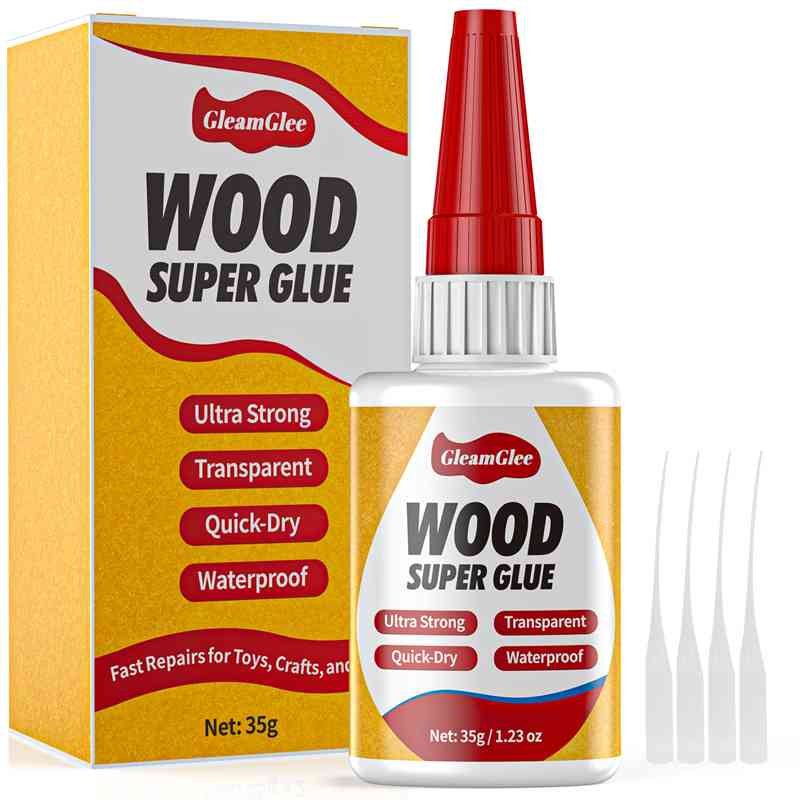
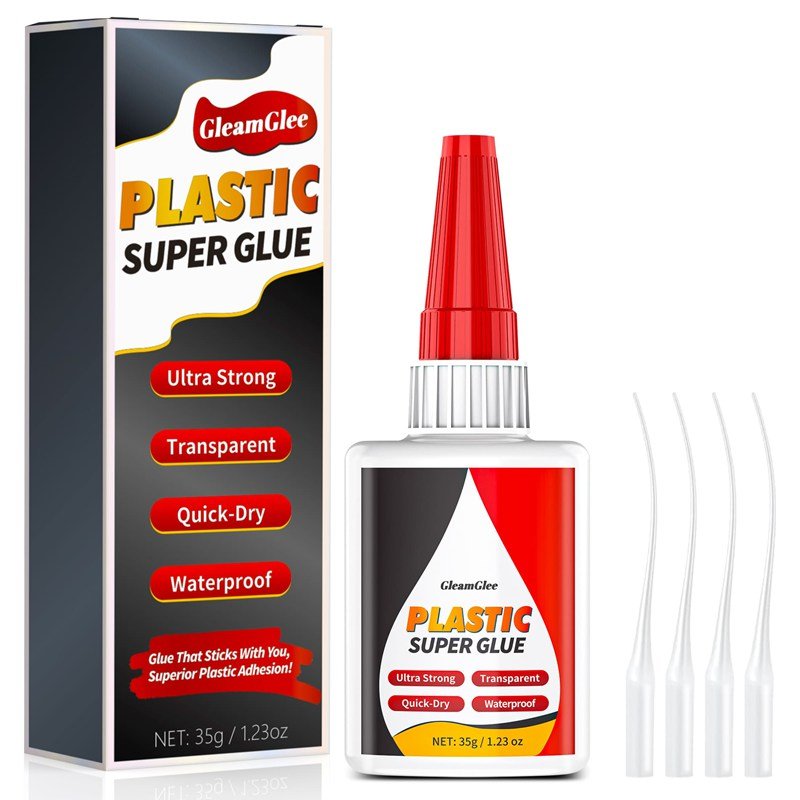
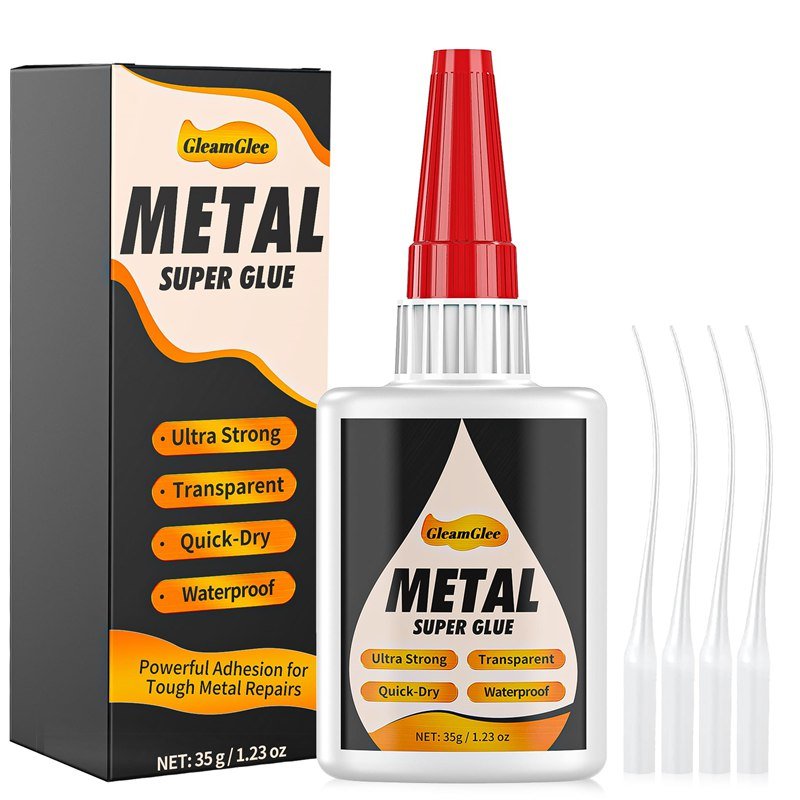
How GleamGlee Stands Out
While many glues can bond porcelain, GleamGlee Ceramic Glue delivers a balanced combination of strength, precision, and ease of use:
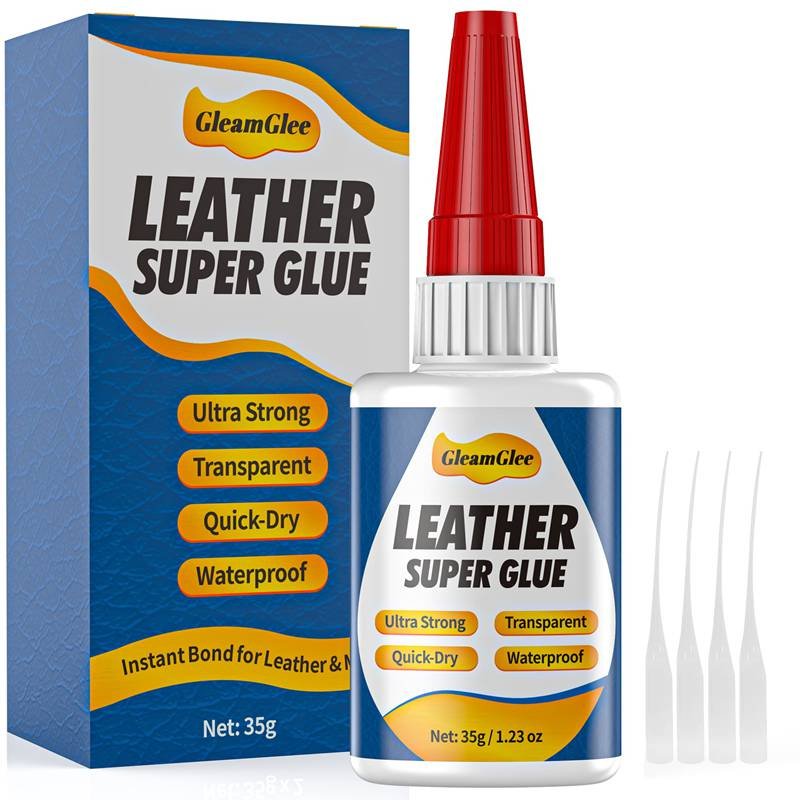
- Precision Application: 4 different fine nozzles for clean, controlled glue placement (especially in tight cracks or fine decorative work).
- Versatile Material Compatibility: Works on porcelain and wood, glass, metal, concrete — ideal for mixed‑material repairs.
- Performance You Can Count On: Strong bond suited for both decorative objects and functional items like mugs or plates.
- Design Tailored for DIY and Pro Pros: Engineered for reliability with a clog‑resistant cap so glue stays fresh longer.
GleamGlee’s product is perfect for customers who want professional‑looking repairs without professional tools — all with clear results and minimal mess.
Best Way to Apply Glue to Porcelain
Proper application of glue is essential for strong, clean porcelain repairs. Follow a precise method to achieve a seamless bond and avoid visible glue marks.
Applying glue to porcelain requires precision and care to achieve a lasting, clean repair. Here’s a step-by-step guide on how to apply porcelain glue for the best results:
1. Clean the Porcelain Surface
Before applying any glue, ensure the porcelain surface is clean and free of dust, grease, or dirt. Residues can prevent the glue from bonding properly. Use a mild soap and water solution or rubbing alcohol to clean the surface.
| Step | Action |
|---|---|
| Clean Surface | Use soap, water, or rubbing alcohol to remove oils and dirt from the porcelain. |
| Dry Completely | Let the porcelain dry completely to ensure optimal adhesion. |
| Check for Cracks | Examine the piece for chips, cracks, or rough edges that need attention. |
2. Prepare the Glue
Choose a high-quality adhesive designed for porcelain, such as GleamGlee Ceramic Glue, which is specially formulated to bond porcelain effectively. Make sure the glue is fresh and stored properly to avoid clogging or hardening.
| Step | Action |
|---|---|
| Use Fresh Glue | Always use glue that hasn’t dried out. If using epoxy, mix it well. |
| Choose Precision Applicators | For fine cracks, choose glue with a precision nozzle to avoid excess glue. |
3. Apply the Glue Precisely
Use the glue’s applicator or a fine-tip nozzle to apply a thin layer of glue along the broken edges or cracks. Avoid applying too much glue, as excess glue can seep out and create visible marks on the surface.
| Step | Action |
|---|---|
| Thin, Even Layer | Apply a thin, even coat on the bonding surfaces. Too much glue can overflow. |
| Avoid Gaps | Ensure the glue covers all the areas that need to bond, but avoid overapplication. |
4. Join the Pieces Together
Press the pieces of porcelain together immediately after applying the glue. Hold them in place for 30-60 seconds to ensure a solid initial bond. Use masking tape or clamps to secure the pieces if necessary.
| Step | Action |
|---|---|
| Press Pieces Together | Hold the pieces firmly for 30-60 seconds to secure the bond. |
| Use Tape or Clamps | If needed, use tape or clamps to ensure a strong bond while the glue sets. |
5. Remove Excess Glue
Immediately wipe away any excess glue with a damp cloth before it hardens. For stubborn residue, use a razor blade or scraper carefully to avoid damaging the porcelain surface.
| Step | Action |
|---|---|
| Wipe Excess Glue | Use a clean, damp cloth to remove any visible excess glue. |
| Let It Dry | Allow the repair to cure fully before using or handling the item. |
6. Allow the Glue to Cure
Let the glue dry and fully cure according to the manufacturer’s instructions. Epoxy and other adhesives may take 24 hours to reach full strength. Avoid using or moving the item during this time to ensure the best bond.
| Step | Action |
|---|---|
| Wait for Full Cure | Allow 24-48 hours for the glue to fully cure. |
| Avoid Handling | Do not use or handle the repaired item until it’s completely set. |
By following these steps carefully, you’ll achieve a professional‑quality porcelain repair that is both durable and nearly invisible. Whether you’re fixing a teapot, decorative porcelain, or a cherished collectible, proper glue application is key to restoring it effectively.

Is Epoxy the Best Glue for Porcelain Repairs?
Epoxy glue is often the best choice for porcelain repairs due to its strong bonding capabilities and versatility. It works well for high-stress items, ensuring a durable and lasting bond.
Epoxy glue stands out as a top contender for porcelain repairs because of its strength and versatility. Let’s explore why epoxy is an excellent option for restoring porcelain items and when it might be the best choice compared to other adhesives.
1. Exceptional Bonding Strength
Epoxy glue forms a high-strength bond that is ideal for porcelain items that will experience regular use or pressure. Unlike other adhesives, epoxy doesn’t just create a surface-level bond but deeply integrates with the materials, ensuring long-lasting results.
| Feature | Epoxy Glue |
|---|---|
| Bond Strength | High, ideal for high-stress repairs |
| Bond Type | Permanent and strong |
| Best For | Mugs, teapots, vases, tiles, high-use porcelain |
For items like teapots and mugs that are handled regularly, a strong bond is crucial. Epoxy provides the necessary durability that will allow your porcelain to last without the risk of the bond weakening over time.
2. Versatility Across Materials
One of the standout features of epoxy glue is its versatility. It works well not only on porcelain but also on metal, glass, wood, and concrete. This makes it an excellent choice if you need to repair porcelain alongside other materials, such as a porcelain figurine with a broken metal base.
| Material Compatibility | Epoxy Glue |
|---|---|
| Porcelain | Yes |
| Glass | Yes |
| Metal | Yes |
| Wood | Yes |
If you have a mixed-material repair, epoxy is the ideal glue because it can bond to porcelain and other surfaces with ease, providing a uniform and reliable repair.
3. Heat and Water Resistance
Epoxy glue is heat-resistant and waterproof, making it suitable for porcelain items that will be exposed to these elements, such as mugs, teapots, or tiles in the kitchen.
| Feature | Epoxy Glue |
|---|---|
| Heat Resistance | Yes, can withstand high temperatures |
| Water Resistance | Yes, perfect for items exposed to moisture |
| Best For | Mugs, teapots, bathroom décor |
Porcelain items like mugs and teapots are often exposed to heat or water. Epoxy’s resistance to these elements ensures the repair will hold strong and won’t degrade with regular use.
4. Ease of Application
While epoxy requires mixing (resin + hardener), it is relatively easy to apply with the proper tools. Precision nozzles and fine-tip applicators help control the application, minimizing mess and ensuring clean, invisible repairs.
| Feature | Epoxy Glue |
|---|---|
| Application Method | Mix and apply, requires precision |
| Precision | High, works well for small cracks and gaps |
| Setting Time | Initial bonding in 5-10 minutes |
Even though epoxy requires mixing, the overall application process is straightforward. You can use it with precision tools for detailed repairs, ensuring minimal cleanup and professional results.
5. When Epoxy Might Not Be the Best Option
Epoxy glue is not always the best choice for every porcelain repair. For example, if you need a quick fix for small cracks or want a completely invisible repair on delicate porcelain, a clear ceramic glue or super glue might be a better fit.
| Feature | Epoxy Glue | Super Glue/Ceramic Glue |
|---|---|---|
| Drying Time | 24-48 hours for full cure | Fast, bonds in seconds |
| Visibility | Can leave residue if not applied carefully | Invisible, ideal for delicate work |
If the repair needs to be nearly invisible, like on a decorative porcelain item, super glue or specialized ceramic glue may be better. Epoxy can be slightly visible if not applied cleanly, making it less suitable for fine porcelain repairs where appearance is crucial.
Key Factors in Choosing the Right Glue for Porcelain
When selecting glue for porcelain, consider factors like bond strength, drying time, ease of application, and whether the glue will be visible after curing. These considerations will help you choose the best adhesive for your repair.
Choosing the right glue for porcelain repairs requires careful attention to several key factors. Here’s what to look for when selecting an adhesive:
1. Bond Strength
Porcelain repairs need a strong, durable bond to ensure they last. The bond strength of the glue will determine how well the repair holds up over time, especially if the item is subject to regular use or stress. Epoxy glue typically offers the highest strength, making it ideal for items like mugs, vases, and teapots that undergo frequent handling.
| Glue Type | Bond Strength | Best For |
|---|---|---|
| Epoxy Glue | High | High-stress items like mugs, vases |
| Super Glue | Medium | Small, delicate cracks in figurines |
| Ceramic Glue | Medium to High | Decorative porcelain, small repairs |
A high-strength bond ensures that the porcelain will hold up to physical stress and environmental factors, such as heat and moisture. If your porcelain item is used frequently, opt for a stronger glue like epoxy.
2. Drying and Curing Time
The drying time of your glue is an important consideration. Super glue is fast-drying, making it ideal for quick fixes, while epoxy may take longer to set but provides a stronger and more permanent bond. The full cure time also affects the final strength of the bond, so it’s essential to follow the manufacturer’s instructions carefully.
| Glue Type | Drying Time | Full Cure Time |
|---|---|---|
| Epoxy Glue | 5-10 minutes | 24-48 hours |
| Super Glue | 1-2 minutes | 24 hours |
| Ceramic Glue | 5-10 minutes | 24 hours |
If you need the repair to be done quickly, a fast-drying glue like super glue may be the best choice. However, for stronger, longer-lasting repairs, epoxy glue requires a longer curing period, which ensures a more reliable bond.
3. Ease of Application
Some adhesives require more preparation and careful application than others. Epoxy glue often requires mixing and can be messier than super glue or ceramic glue, which come in ready-to-use forms. For precise repairs, especially on delicate porcelain items, using a glue with a fine-tipped nozzle or a brush applicator can help achieve a cleaner, more controlled result.
| Glue Type | Ease of Application | Features |
|---|---|---|
| Epoxy Glue | Moderate | Requires mixing, can be messy |
| Super Glue | High | Quick and easy to apply, no mixing |
| Ceramic Glue | High | Ready to use, precision applicator |
For detailed work, such as repairing small chips in porcelain figurines, using a precision applicator ensures that the glue is applied accurately without creating a mess. Choosing an easy-to-use glue can save time and reduce frustration.
4. Visibility After Application
If your repair is visible, you’ll want an adhesive that dries clear and doesn’t leave noticeable residue. Clear ceramic glue is specifically designed for decorative porcelain items, providing an invisible bond. Epoxy glue, while strong, can sometimes leave visible marks if not applied carefully, making it less suitable for delicate or high-visibility repairs.
| Glue Type | Visibility | Best For |
|---|---|---|
| Epoxy Glue | Can leave residue | Large repairs, hidden areas |
| Super Glue | Clear | Small, less-visible repairs |
| Ceramic Glue | Clear | Decorative and visible porcelain |
For decorative porcelain items or collectibles, you’ll want a clear adhesive that doesn’t distract from the piece’s appearance. In contrast, for high-stress or hidden repairs, epoxy glue might be more suitable, as long as it’s applied carefully.
5. Water and Heat Resistance
Porcelain items such as teapots, mugs, or bathroom décor are frequently exposed to heat and moisture. Epoxy glue is highly heat-resistant and waterproof, making it an excellent choice for items that will undergo frequent washing or exposure to hot liquids. On the other hand, super glue may not perform as well under extreme conditions.
| Glue Type | Water Resistance | Heat Resistance |
|---|---|---|
| Epoxy Glue | Yes | Yes |
| Super Glue | Limited | Low |
| Ceramic Glue | Yes | Moderate |
If your porcelain repair will be exposed to moisture or high temperatures, such as in the kitchen or bathroom, choose a glue that’s waterproof and can withstand heat. Epoxy glue is the best option for these conditions, ensuring that your repair stays intact.

Best Porcelain Repair Glues for Different Applications
The best glue for porcelain depends on the type of repair. Epoxy is ideal for high-stress items, while ceramic glue works best for decorative or delicate repairs.
Different types of porcelain items require different types of adhesives to ensure a strong, clean, and lasting repair. Here’s a breakdown of the best adhesives for common porcelain repairs:
1. Epoxy for High-Stress Items
Epoxy glue is one of the strongest adhesives available and is ideal for items that will be used frequently or experience physical stress. Teapots, mugs, tiles, and vases are examples of high-stress porcelain items that benefit from epoxy’s strength.
| Glue Type | Best For | Key Advantages |
|---|---|---|
| Epoxy Glue | Mugs, teapots, vases, tiles | Strong, heat-resistant, waterproof |
Epoxy creates a permanent, high-strength bond that is resistant to both heat and moisture, making it perfect for items exposed to daily wear and tear.
2. Ceramic Glue for Decorative Porcelain
For decorative items like figurines, collectibles, and antique porcelain, ceramic glue is the best choice. It’s formulated to bond porcelain without leaving any visible residue, ensuring a clean, nearly invisible repair.
| Glue Type | Best For | Key Advantages |
|---|---|---|
| Ceramic Glue | Figurines, collectibles, delicate repairs | Clear drying, strong invisible bond |
Ceramic glue dries clear and forms an invisible bond, making it perfect for delicate repairs where aesthetics are important. It’s commonly used for restoring porcelain collectibles and decorative porcelain pieces.
3. Super Glue for Small Repairs
Super glue (cyanoacrylate) is a fast-drying adhesive that works best for small cracks and chips in porcelain. It’s ideal for small decorative porcelain repairs, like fixing a chip in a figurine or mending small cracks in plates.
| Glue Type | Best For | Key Advantages |
|---|---|---|
| Super Glue | Small chips, cracks, delicate items | Fast-drying, easy to apply |
Super glue bonds quickly and effectively, making it perfect for minor cracks and chips. It’s ideal for quick fixes, but it may not be as durable as epoxy for larger or high-stress items.
4. Best Glues for Porcelain Tiles
Porcelain tiles, whether used for flooring, countertops, or backsplash, require a strong adhesive to withstand pressure and moisture. Epoxy glue or a ceramic tile adhesive is ideal for these repairs.
| Glue Type | Best For | Key Advantages |
|---|---|---|
| Epoxy Glue | Porcelain tiles, floors, counters | High strength, waterproof |
| Tile Adhesive | Tile repairs, bathroom/kitchen | Quick application, moisture-resistant |
Tile adhesives are formulated for large, flat surfaces and provide quick-setting properties, while epoxy is best for stronger bonds when repairing porcelain tiles in high-use areas.
5. High-Heat and Waterproof Adhesives
Certain porcelain items, like bathroom decor (e.g., soap dishes, toothbrush holders), need an adhesive that is heat-resistant and waterproof. For these repairs, epoxy glue is the best option, as it can handle moisture and heat exposure without breaking down.
| Glue Type | Best For | Key Advantages |
|---|---|---|
| Epoxy Glue | Bathroom decor, high-heat items | Heat-resistant, waterproof, durable |
| Ceramic Glue | Decorative porcelain, multi-surface | Clear, works well in high-moisture areas |
Epoxy glue is heat-resistant and waterproof, making it perfect for bathroom items or other porcelain objects that will regularly be exposed to water or heat.

How to Repair Porcelain Cracks and Chips with Glue
Fixing porcelain cracks and chips requires careful application of glue to ensure a strong, seamless bond. The process can be straightforward with the right tools and adhesive.
Porcelain is a durable material, but it can chip or crack with use. Fortunately, repairing these damages is possible with the right approach. Here’s a step-by-step guide to fixing porcelain cracks and chips using glue.
1. Clean and Prepare the Surface
Before applying any glue, it’s essential to clean the porcelain surface to remove any dust, dirt, or oils. A clean surface helps the glue bond more effectively and ensures a lasting repair.
| Step | Action |
|---|---|
| Clean the Surface | Use mild soap or rubbing alcohol to clean the porcelain. |
| Dry Completely | Allow the porcelain to dry fully before applying glue. |
Cleaning the surface ensures the glue adheres properly and doesn’t fail over time. Any residue or moisture left on the surface can weaken the bond.
2. Choose the Right Glue
Select an adhesive based on the size of the chip or crack and the porcelain’s intended use. Epoxy glue is ideal for larger, high-stress repairs, while super glue or ceramic glue works best for small chips or cracks in decorative porcelain.
| Glue Type | Best For | Key Features |
|---|---|---|
| Epoxy Glue | Large cracks, high-stress items | Strong, waterproof, heat-resistant |
| Super Glue | Small chips, delicate items | Fast-drying, easy to apply |
| Ceramic Glue | Small cracks, decorative items | Clear, invisible bond, strong for fine repairs |
Choosing the right glue ensures the repair is durable. Epoxy glue provides strength for high-use items, while ceramic glue is better for decorative repairs.
3. Apply the Glue
Use the glue’s applicator or a fine-tip nozzle for a precise application. Apply a small, even layer of glue to both sides of the chip or crack. Avoid over-application to prevent excess glue from spilling out.
| Step | Action |
|---|---|
| Apply Glue | Use a fine-tip nozzle or precision applicator to apply a thin, even layer of glue to both surfaces. |
| Press the Pieces Together | Gently press the porcelain pieces together, ensuring they align properly. |
Applying glue too thickly can create a messy repair. A thin, even layer ensures the glue bonds effectively without leaving visible residue.
4. Hold the Pieces Together
Press the cracked or chipped porcelain together and hold it in place for several seconds. If the item is large or the pieces are not easily held together, use masking tape or clamps to secure the pieces.
| Step | Action |
|---|---|
| Press and Hold | Press the pieces firmly for 30–60 seconds to ensure an initial bond. |
| Use Tape or Clamps | If needed, use masking tape or clamps to hold the porcelain together while it dries. |
Holding the pieces together ensures a strong initial bond. Clamping or taping the pieces reduces the risk of misalignment during drying.
5. Remove Excess Glue
Immediately wipe away any excess glue with a damp cloth. If glue has spilled over onto the surface, use a razor blade or scraper to carefully remove it before it hardens.
| Step | Action |
|---|---|
| Wipe Away Excess Glue | Use a damp cloth to clean any visible glue before it dries. |
| Scrape Residual Glue | If necessary, use a razor blade to remove any stubborn glue residue. |
Removing excess glue prevents visible residue or unsightly marks on the porcelain after it dries, ensuring a clean repair.
6. Let the Glue Cure
Allow the glue to fully cure as per the manufacturer’s instructions. Epoxy and other glues often require 24–48 hours to reach full strength. Avoid handling the item during this time to ensure the repair sets correctly.
| Step | Action |
|---|---|
| Wait for Full Cure | Allow 24-48 hours for the glue to cure fully before using the item. |
| Avoid Handling | Do not move or use the repaired item until it is fully cured. |
Curing time is essential for ensuring a strong bond. Premature handling could result in a weak repair.
Conclusion
Repairing high-end porcelain, such as Villeroy & Boch items, requires more than just basic glue. The right ceramic adhesive is crucial to restore both strength and aesthetics while ensuring the repaired pieces remain safe for everyday use. As demonstrated, adhesives designed specifically for porcelain provide superior bonding, heat resistance, and longevity, allowing you to continue enjoying your ceramics without compromising their quality.
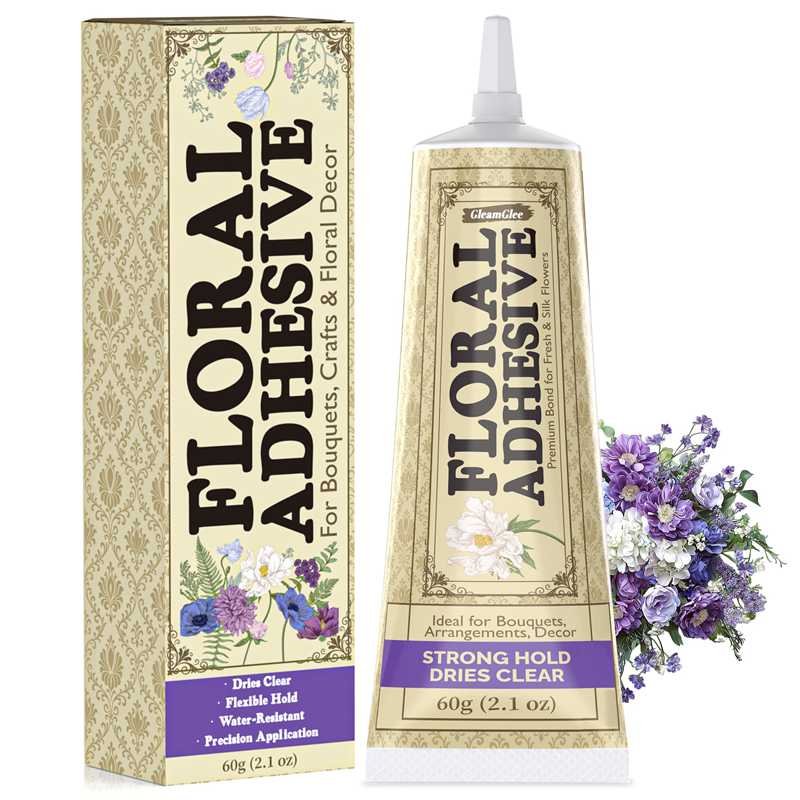
Choosing the right adhesive ensures that the repair maintains the value of your Villeroy & Boch items, especially when it comes to preserving their appearance and structural integrity. Manufacturer-grade adhesives like those from Gleamglee are tested for durability, food safety, and heat resistance, making them ideal for porcelain repairs that need to stand the test of time.
Ultimately, the key to successful ceramic repair lies in selecting the right product for the job. Gleamglee’s high-performance ceramic glues offer reliable solutions, whether you’re fixing a cracked plate, a broken mug, or a cherished decorative piece. For durable, long-lasting results, choose Gleamglee and experience the peace of mind that comes with professional-grade repairs.