Skip to content
Which Wader Repair Glue Works Best for Patagonia:A Durable Leak-Fix Guide
Your trusted adhesives glue & cleaner manufacturer

Patagonia waders are designed to survive cold rivers, sharp rocks, and long days of movement—but when they leak, the frustration is immediate. A pinhole in the knee, a seam that slowly weeps, or a boot junction that lets water creep in can turn a premium piece of gear into a liability overnight. Many anglers instinctively reach for “any waterproof glue,” only to find that the repair cracks, peels, or leaks again after the first trip.
The truth is simple but often overlooked: Patagonia waders fail differently—and must be repaired differently—than generic waders. Their breathable laminates, neoprene booties, seam tapes, and high-flex zones place very specific demands on repair adhesives. The wrong glue can stiffen fabric, damage coatings, or fail under stretch. The right glue, applied correctly, can extend the life of your waders for seasons.
The best wader repair glue for Patagonia waders is a flexible, urethane-based adhesive that cures waterproof, resists abrasion, and moves with the fabric. It must bond to neoprene, breathable laminates, and coated textiles without cracking. Rigid glues like super glue or epoxy should be avoided. Proper surface prep, thin application, and full cure time are just as important as the glue itself for a lasting repair.
Many anglers don’t realize that Patagonia wader repairs follow a logic similar to professional outdoor-gear servicing. Once you understand that logic—and apply it step by step—you stop “patching leaks” and start restoring performance. Let’s break it down.
What Makes Patagonia Waders Tricky to Repair With Glue?
Patagonia waders are difficult to repair because they combine breathable laminated fabrics, seam-tape construction, and high-stretch neoprene booties in one garment. These materials flex constantly, resist rigid adhesives, and rely on thin waterproof coatings that can be damaged by the wrong glue. Successful repairs require flexible, urethane-based adhesives and precise application—otherwise leaks often return after just a few uses.
Which Patagonia wader materials matter most (neoprene vs breathable laminates)?
Most Patagonia waders are built from multi-layer breathable laminates in the upper body and neoprene booties in the lower section. These two materials behave very differently:
- Breathable laminates depend on thin membrane layers and surface coatings to block liquid water while allowing vapor to escape. These coatings can be weakened by aggressive solvents or stiff adhesives.
- Neoprene booties stretch, compress, and twist with every step. Any glue used here must remain elastic after curing.
A glue that works on one material but not the other often creates uneven stress, leading to new leaks near the repair.
Why Patagonia’s seam-tape system complicates repairs
Patagonia uses internally taped seams rather than exposed stitching. Over time, seam tape can lift at the edges due to abrasion, body movement, or repeated wet/dry cycles.
The challenge is that:
- Re-gluing seam tape requires an adhesive that bonds both fabric and tape backing
- Thick or rigid glue layers can create hard edges that peel again under flex
- Simply “sealing over” seam tape without addressing adhesion underneath often fails
This is why many DIY seam repairs look successful initially—but leak again after a few trips.
What kinds of leaks are most common—and why glue choice matters
Patagonia waders typically fail in predictable ways:
| Leak Type | Why It Happens | Why Glue Often Fails |
|---|---|---|
| Micro pinholes | Abrasion from rocks, gravel, kneeling | Glue applied too thick or without prep |
| Seam leaks | Aging seam tape, flex fatigue | Rigid sealants crack along seam lines |
| Boot junction leaks | Neoprene–fabric stress point | Glue can’t flex in multiple directions |
Each leak type places different mechanical demands on the adhesive. A “waterproof” label alone is not enough.
Why rigid or fast-setting glues fail on Patagonia waders
Many users reach for super glue, epoxy, or quick-setting waterproof adhesives. These products fail because they:
- Cure too hard, creating crack points when fabric bends
- Do not tolerate cold-water flex cycles
- Can damage factory coatings or seam adhesives
- Lose adhesion under repeated immersion
Patagonia waders move constantly when walking, climbing, kneeling, or casting. Any glue that cannot move with the fabric will eventually fail—even if it appears strong at first.
Why Patagonia waders require a “system repair” mindset, not spot fixes
The biggest mistake users make is treating leaks as isolated defects. In reality:
- A pinhole often signals abrasion in a broader zone
- A seam leak may indicate adhesive fatigue along the entire seam
- A boot leak usually involves multi-directional stress, not a single crack
Effective repairs consider material type, stress direction, water pressure, and abrasion exposure—not just sealing a hole.
What this means for choosing the right wader repair glue
Because of these design factors, Patagonia waders require:
- Urethane-based waterproof glue that cures flexible
- Adhesion to neoprene, coated fabrics, and seam tape
- Thin, controlled application—not thick “fill-and-forget” sealing
- Enough cure time to reach full elastic strength
When these requirements are met, repairs can last for seasons. When they’re ignored, leaks almost always return.
Which Wader Repair Glue Works Safely on Patagonia Fabrics?
The safest and most effective wader repair glue for Patagonia fabrics is a urethane-based waterproof adhesive. It cures into a flexible, rubber-like seal that bonds neoprene, breathable laminates, seam tape, and coated textiles without cracking or damaging membranes. Rigid glues such as super glue, epoxy, or hot glue should be avoided, as they fail under flex and repeated immersion.
Why urethane-based glue is the industry standard for wader repairs
Urethane adhesives are widely used in professional outdoor-gear repair because they solve three problems at once: waterproofing, flexibility, and durability. Once cured, they behave like elastic rubber rather than hard plastic. This allows repairs to stretch and compress with Patagonia waders as you walk, kneel, or climb—without cracking.
From a chemical perspective, urethane adhesives bond well to both rubber-based materials (neoprene) and coated synthetic fabrics, making them uniquely suited to mixed-material garments like waders. This is why most trusted wader repair products—and factory-level repairs—are urethane-based.
What kind of glue to use on neoprene—and why flexibility matters most
Neoprene booties and panels stretch constantly at the ankles, calves, and feet. Any glue used here must tolerate repeated elongation and compression. Urethane glue penetrates neoprene fibers and cures into a flexible seal that moves with the material.
In contrast:
- Super glue bonds instantly but becomes brittle
- Epoxy cures hard and cracks under flex
- Silicone sealants stretch but lack abrasion resistance
For neoprene, flexibility is not optional—it is the core performance requirement.
How breathable laminate fabrics change glue requirements
Patagonia’s breathable uppers rely on thin membrane layers and surface coatings. Aggressive solvents or rigid adhesives can weaken these layers, reducing breathability or causing delamination.
Urethane adhesives are preferred because they:
- Bond without dissolving membrane coatings
- Cure thin and elastic rather than bulky
- Maintain waterproof integrity without blocking large fabric areas
This balance is essential for repairs that last without compromising comfort.
Which glues you should avoid—and why they fail in real use
Many glues are marketed as “waterproof,” but that label alone is misleading. Common failures include:
| Glue Type | Why It Fails on Patagonia Waders |
|---|---|
| Super glue (cyanoacrylate) | Becomes brittle, cracks with movement |
| Epoxy | Too rigid, delaminates fabric |
| Hot glue | Softens, peels, absorbs water |
| General silicone sealant | Poor abrasion resistance, weak bonding |
These products may seal temporarily, but almost always fail after repeated flex and immersion.
Why patch compatibility matters as much as glue choice
Glue alone is often enough for micro-pinholes, but patch + glue systems perform better in abrasion zones. The key is compatibility:
- Thin TPU or fabric-backed patches flex with the wader
- Thick rubber patches can over-stiffen fabric
- Tape-only repairs often lift at the edges
When paired with urethane glue, a compatible patch distributes stress and dramatically increases repair lifespan.
What “safe” glue really means for Patagonia waders
A glue that works safely on Patagonia fabrics must meet all of the following criteria:
- Waterproof after full cure
- Flexible under repeated movement
- Bonds neoprene and coated fabrics
- Resists abrasion, UV, and cold water
- Does not damage breathable membranes
If a glue fails any one of these, the repair may look fine—but won’t last.
How professional repair shops evaluate glue performance
Professionals don’t judge glue by brand claims alone. They test for:
- Flex cycles (bend, stretch, twist)
- Cold-water immersion
- Abrasion after curing
- Adhesion to mixed materials
Urethane-based wader repair glues consistently pass these tests, which is why they dominate both DIY and professional repair workflows.
How Do You Find the Exact Leak Spot on Patagonia Waders?
The most reliable way to find leaks in Patagonia waders is a controlled section-by-section water or air test. Turn the waders inside out, test one area at a time, and mark leaks immediately. Pinholes, seam leaks, and boot junction leaks appear differently, so accurate identification is critical before applying glue. Skipping proper leak detection often leads to failed or short-lived repairs.
Why Patagonia wader leaks are often hard to see
Patagonia waders rarely fail with obvious tears. Most leaks start as micro pinholes or slow seam seepage, especially in high-wear zones like knees, crotch panels, and ankles. Breathable fabrics can absorb and spread moisture internally, making the leak appear far from its true origin. This is why many anglers feel wet but can’t visually locate the problem.
Accurate leak detection prevents unnecessary glue application and avoids sealing the wrong area—a common cause of repeat leaks.
How to do the water test step by step (most accurate method)
The water test is the most widely used and reliable method:
- Turn the waders inside out
- Hang them or lay them flat
- Fill one section at a time with clean water (do not overfill)
- Watch for droplets forming on the outside
- Mark each leak immediately with chalk or tape
- Drain and dry fully before repair
Testing one leg or panel at a time prevents water migration from masking the true leak source.
How the air + soapy water test helps find micro leaks
For extremely small pinholes, an air test can be more sensitive:
- Lightly inflate the waders (never over-pressurize)
- Spray or brush soapy water over suspected areas
- Look for steady bubbles, not foam
- Mark bubble points precisely
This method is excellent for locating clusters of micro leaks that may require reinforcement rather than single-spot sealing.
How to tell pinholes, seam leaks, and boot leaks apart
Each leak type behaves differently:
| Leak Type | Visual Clue | Repair Implication |
|---|---|---|
| Pinhole | Single droplet or bubble | Spot glue or glue + patch |
| Seam leak | Damp line along stitching/tape | Seam reseal or reinforcement |
| Boot junction | Moisture around foot/ankle | Flexible waterproof glue required |
Misidentifying a seam leak as a pinhole is one of the most common DIY mistakes.
Why marking leaks immediately matters
Leaks can disappear once pressure is released or fabric dries. Always mark the exact spot as soon as you find it. Professionals often mark both inside and outside to ensure alignment during repair. This simple habit dramatically improves repair accuracy.
What to do when you find many small leaks at once
Multiple pinholes in one zone usually indicate abrasion fatigue, not isolated damage. In these cases:
- Spot fixes alone may fail
- A thin reinforcement layer or patch system works better
- Glue should be feathered beyond visible damage
This approach treats the cause, not just the symptoms.
When to stop searching and start repairing
If you’ve tested all major zones and marked leaks clearly, stop testing. Repeated wet/dry cycles without repair can spread moisture and confuse diagnosis. Proper leak detection is about clarity, not perfection.
Why correct leak diagnosis determines glue success
Many glue “failures” are actually diagnosis failures. Applying the best urethane adhesive to the wrong location—or wrong leak type—will not solve the problem. Accurate detection ensures:
- Correct glue placement
- Correct repair method
- Longer-lasting waterproof results

How Do You Repair Pinhole Leaks or Small Tears Step by Step?
To repair pinhole leaks or small tears in Patagonia waders, first find and mark the leak, then clean and lightly abrade the area, apply a thin urethane-based waterproof glue layer, and allow a full cure (often 8–12 hours). For tears or high-wear zones, add a flexible patch over the glue to distribute stress. Most repair failures come from poor surface prep, thick glue blobs, or rushing cure time.
Step 1 — Decide if it’s a pinhole, a tear, or a seam problem
Before you glue anything, confirm what you’re repairing:
- Pinhole leak: tiny dot leak; usually abrasion-related
- Small tear: visible slit or puncture (often 2–20 mm)
- Seam seepage: damp line along seam tape or stitch line
Why this matters: pinholes can be sealed with a thin flexible film, but tears need reinforcement. If it’s actually a seam leak, spot-gluing the fabric won’t solve the root cause and the leak will return.
Step 2 — Dry the waders completely (this is non-negotiable)
Patagonia wader fabrics are coated/laminated, and moisture trapped in fibers prevents proper adhesion. Let the area dry until it’s bone dry—not “mostly dry.”
Practical tips:
- Hang waders in a warm, ventilated room
- If you used a water test, allow extra time for layers to dry
- Avoid high heat (it can stress seam tape and coatings)
If the repair site is even slightly damp, glue may skin over on top while failing underneath.
Step 3 — Clean the area like a repair tech, not like a quick wipe
“Clean” means removing skin oils, sunscreen, fish slime, mud minerals, and DWR residues—all of which can block bonding.
A safe, practical cleaning routine:
- Rinse off grit first (don’t grind sand into fabric)
- Wipe with a clean cloth and a mild cleaner
- Finish with a final wipe until the cloth comes away clean
- Let it fully evaporate before moving on
If you skip real cleaning, glue may peel at the edges after the first flex cycle.
Step 4 — Lightly abrade (scuff) the repair zone to improve adhesion
For breathable laminates, you’re not sanding through the fabric—you’re creating micro “tooth” so urethane adhesive can grip.
Guidelines:
- Use very light scuffing on the leak zone plus a small margin around it
- Avoid aggressive abrasion that damages the membrane/coating
- Remove dust after scuffing (dust becomes a weak boundary layer)
This step is one of the biggest differences between “it held once” and “it’s still holding months later.”
Step 5 — Apply glue thinly (the #1 technique that makes repairs last)
For pinholes and tiny punctures, thin is strong. The goal is a flexible film, not a mound.
How to apply correctly:
- Apply a small drop over the leak point
- Spread into a thin oval around it (feathered edges)
- Keep the layer smooth—thick blobs cure unevenly and can peel
Why: Patagonia waders flex constantly. Thick glue creates stiff edges that lift or crack. A thin, elastic layer moves with the fabric and stays sealed.
Step 6 — Patch or no patch? Use a simple decision rule
Use this rule to decide whether to patch:
| Damage | Recommended Fix | Why |
|---|---|---|
| Single pinhole | Glue only | Thin seal is enough |
| Cluster of pinholes | Glue + reinforcement patch | Abrasion zone needs stress spread |
| Small tear / slit | Patch + glue | Prevents tear growth |
| High-wear zones (knees/crotch/ankle) | Patch strongly recommended | Flex + abrasion will reopen |
A patch isn’t about “making it thicker.” It’s about distributing stress so the repaired zone isn’t the weakest link.
Step 7 — Cure time is your “hidden performance feature”
Most DIY repairs fail because people test too soon.
Best practice:
- Allow full cure (often 8–12 hours) before flexing or water exposure
- If temperature is cold, cure time effectively increases
- Don’t fold, stretch, or wear waders during curing
Urethane adhesives develop their best waterproof seal after complete curing. Early testing can create micro channels you won’t see until you’re knee-deep in water.
Step 8 — Retest the repair (and when to add a second thin coat)
After curing, do a quick re-test:
- Use a localized water test on that section
- If seepage remains, add another thin coat, not a thick one
Two thin coats often outperform one thick coat because they cure more evenly and remain more flexible.
Common mistakes that cause Patagonia wader pinhole repairs to fail
Here are the real-world failure modes that show up again and again:
- Gluing over damp fabric → adhesion looks fine, then peels
- Skipping scuffing → glue bonds weakly to smooth coatings
- Using rigid glue (super glue/epoxy) → cracks with movement
- Applying a thick blob → stiff edges lift under flex
- No patch on a tear → tear spreads from the edge
- Rushing cure time → invisible micro leaks remain
If you avoid these six issues, your success rate climbs dramatically.
How Do You Fix Seam Leaks, High-Stress Areas, and Boot Junction Leaks?
To fix Patagonia wader seam leaks, you must reinforce the seam line (often the seam tape edge) with a thin, flexible urethane seal rather than spot-filling. For high-stress zones (crotch, knees, ankles), use glue plus a stress-distributing patch to prevent re-opening. For boot junction leaks (where fabric meets boot), use a high-flex waterproof urethane glue and build a smooth “fillet” seal along the junction, then fully cure before testing.
First—confirm which leak you actually have (seam vs fabric vs junction)
These three problems look similar when you’re wearing the waders (you just feel wet), but they behave differently under testing:
| Leak Zone | Common Symptom | What You Usually See in Testing | What Fix Works Best |
|---|---|---|---|
| Seam leak | Damp line, often on movement seams | Seepage along seam tape edge | Seam sealing / reinforcement |
| High-stress fabric area | Repeated wetness in knees/crotch | Multiple pinholes or a weak patch | Glue + patch reinforcement |
| Boot junction leak | Wet feet/ankles, worse after walking | Leak at fabric-to-boot boundary | Flexible “fillet” seal + patch (if needed) |
If you treat a seam leak like a pinhole (single dot), the leak often returns in the same trip.
How seam leaks happen on Patagonia waders (and why spot glue often fails)
Most seam leaks aren’t “holes.” They’re edge failures—tiny channels where seam tape meets fabric or where repeated flexing gradually lifts a tape edge. You can’t fix an edge failure by putting a dot of glue on the wet spot. The water tracks along the seam and exits somewhere else.
The correct repair approach is to seal the seam path, especially:
- seam tape edges
- seam intersections (T-junctions)
- folds/creases in articulated knees and crotch panels
Think of it like fixing a roof: you seal the seam, not the drip location.
Step-by-step seam leak repair (clean, seal, feather, cure)
Use this practical sequence:
- Turn waders inside out (most seam tape is inside)
- Dry fully (seam tape + fabric layers hold moisture)
- Clean the seam line thoroughly (oils + DWR overspray can reduce bonding)
- Lightly scuff only if safe (avoid shredding seam tape)
- Apply a thin urethane layer over the seam tape edge and 5–10 mm beyond
- Feather the edges so there’s no hard ridge
- Cure fully (often 8–12 hours) before flexing or water exposure
A thin, continuous seal works better than thick glue because it stays flexible and doesn’t peel at the edges.
How to reinforce high-stress areas (crotch, knees, ankles) so leaks don’t return
High-stress zones fail because of repeated flex + abrasion. If you only seal the hole, the area around it stays weak—new pinholes appear nearby.
Best practice for long-term durability:
- After cleaning and scuffing, apply a thin glue base coat
- Add a flexible patch (clear or black depending on aesthetics)
- Seal patch edges with a thin perimeter coat (prevents peel-start)
- Cure fully, then retest
This is the same logic used in professional outdoor-gear repairs: distribute the stress so the repaired spot isn’t the “hinge point.”
What’s the best waterproof glue for wading boots and boot junction leaks?
Boot junction leaks happen where fabric meets rigid boot material—a classic stress concentration point. You need a glue that cures into a flexible waterproof rubber, not a rigid plastic.
A urethane-based repair glue is usually the safest choice because it:
- remains flexible after curing
- bonds well to many boot materials (rubber, PU, coated fabrics)
- resists abrasion and repeated bending
Avoid brittle adhesives (like cyanoacrylate “super glue”) in this zone—they can crack as soon as you walk.
Step-by-step boot junction leak repair (the “fillet seal” method)
This is the repair style that holds up best for ankle/boot boundaries:
- Find the exact leak line at the junction (water/soap test)
- Clean aggressively (boots collect oils, dirt, and release residues)
- Lightly roughen the boot surface (only the outermost surface)
- Apply glue as a smooth rounded bead along the junction (a “fillet”)
- Smooth it with a disposable tool so it transitions gradually (no sharp edge)
- Let it cure fully (often 8–12 hours)
- Retest; add a second thin coat if seepage persists
The rounded fillet matters because it reduces edge-lift and spreads bending stress.
When to add a patch at the boot junction (and where people mess up)
Add a patch if:
- the leak repeats in the same boundary section
- the fabric is thinning near the ankle
- there’s a small tear close to the boot top
Common mistakes:
- patching without sealing the edge (edge peel starts quickly)
- using a patch that’s too small (stress concentrates at corners)
- skipping cure time and walking too soon (microchannels form)
A slightly larger patch with feathered edges usually lasts much longer.
Fast troubleshooting—why your seam/junction repair still leaks
If your repair still leaks after curing, usually one of these is happening:
- You sealed the wrong spot (water tracked along a seam)
- Surface wasn’t truly clean (skin oils are enough to cause peel)
- Glue layer was too thick and formed a stiff ridge
- Cure time was shortened by cold temperature
- Leak is at a seam intersection you didn’t cover
Fix approach: retest, mark precisely, and add a thin reinforcement layer rather than piling on a blob.
How Do You Choose a Professional Wader Repair Glue Kit for Patagonia Use?
Choose a professional Patagonia wader repair glue kit by matching material compatibility (breathable laminates, neoprene, rubber/PVC boot junctions), flexibility after cure (urethane-like elastic film), and waterproof + abrasion resistance. The best kits also include patches (clear/black), a precision applicator for thin feathered layers, and clear cure guidance (often 8–12 hours). Avoid brittle glues or kits without patches for high-stress repairs.
Start with Patagonia’s reality—your waders aren’t “one material”
Patagonia waders are usually a mix of:
- Breathable laminate fabric (outer textile + membrane + inner scrim)
- Seam tape / bonded seams
- High-flex zones (knees, crotch, ankles)
- Boot junction materials (rubber, PU, PVC blends, plus adhesives from manufacturing)
A “random waterproof glue” might seal a pinhole but fail at seams or the boot edge. A professional kit needs a glue that stays elastic and plays well with coated fabrics and rubber-like materials, plus patches that reduce stress.
What to look for in the glue formula (the 6-performance checklist)
When shoppers search “best wader repair glue for Patagonia,” they’re really searching for these performance traits:
- Flexible cure (rubber-like, not brittle)
- True waterproof sealing (not just tacky bonding)
- Abrasion resistance (dragging, kneeling, gravel, brush)
- Cold/temperature tolerance (fishing seasons aren’t always warm)
- Multi-material bonding (fabric coatings + neoprene + rubber/PVC)
- Controlled viscosity (spreads thin; doesn’t run everywhere)
If a glue cures hard like plastic, it often cracks along fold lines—especially at ankles and knees.
Which glue type works best for Patagonia repairs (and what to avoid)
For Patagonia-style wader repairs, a urethane-based waterproof repair adhesive is usually the safest all-around choice because it cures into a flexible, waterproof film that tolerates bending.
Avoid these common “wrong picks”:
- Cyanoacrylate (super glue): fast, but often brittle; can crack in flex zones
- Rigid epoxies: strong on rigid parts, but too stiff for breathable fabric movement
- Generic craft glues: may not be waterproof or abrasion-resistant long-term
- Hot glue: poor waterproof integrity and softens with temperature swings
If you want one glue type that handles pinholes, small tears, seams, and boot junction touch-ups, urethane-style repair adhesive is the most practical base.
Kit matters as much as glue—what a “pro” kit includes (and why)
A professional kit isn’t just a tube. Look for these components:
Precision applicator / fine nozzle
Helps create thin, feathered layers (thin = flexible = durable).
Patch sheets in two styles
- Clear patch: discreet repairs on visible areas
- Black patch: tougher look, often preferred for heavy-wear zones
Edge-seal capability
A good glue should seal patch edges smoothly so peeling doesn’t start.
Enough volume for multiple repairs
Patagonia leaks rarely happen “once.” A kit should cover future pinholes too.
If a kit has no patches, it’s not truly prepared for knees/crotch/ankles or boot junction stress.
Choose the kit by repair scenario (Patagonia-specific decision table)
Use this table to match kit features to real Patagonia use-cases:
| Repair Scenario | What You Need Most | Kit Must Include |
|---|---|---|
| Single pinhole on breathable fabric | Thin, flexible seal | Precision tip + flexible waterproof glue |
| Cluster of pinholes (abrasion zone) | Reinforcement | Patch sheets + edge-seal capability |
| Small tear / slit | Stress distribution | Patches + glue that bonds fabric coatings |
| Seam seepage / seam tape edge | Seam-path sealing | Glue that feathers thin and adheres to seam tape edges |
| Boot junction leak | High-flex waterproof fillet seal | Glue compatible with rubber/PVC/PU + smooth bead control |
| Emergency field fix vs home repair | Speed vs durability | Fast set is helpful, but full cure guidance still matters |
This is the difference between “it lasted one trip” and “it lasts the season.”
What kind of glue to use on neoprene and how to tell if your kit covers it
Many Patagonia anglers also use neoprene items—wading boots, socks, gloves, or older neoprene waders. Neoprene moves and compresses; it needs a glue that cures flexible and holds under stretching.
Signs the kit is neoprene-friendly:
- lists neoprene/rubber compatibility
- forms a flexible seal after cure
- resists water + abrasion
If you’re repairing neoprene seams or tears, pairing glue with a flexible patch often improves durability—especially if the neoprene area is under tension.
“Waterproof glue for wading boots”—what that phrase really means
When people search this, they usually mean one of two jobs:
- Re-sealing boot junction leaks (fabric meets boot)
- Bonding boot rubber / repairing cracks or small splits
In both cases, the glue must:
- stay flexible after cure
- handle repeated bending
- resist water immersion
- tolerate abrasion from walking
A kit that includes both black and clear patches is useful here: black patches often look cleaner on boot areas and hide heavy-duty reinforcement.
Practical buying questions
Before buying any kit, ask these:
- Does it cure flexible (rubber-like), not rigid?
- Is it compatible with breathable coated fabrics and rubber/PVC/PU?
- Does the kit include patch sheets (clear + black ideally)?
- Can you apply it thinly with control (precision nozzle/applicator)?
- Is cure time clearly stated (often 8–12 hours for best seal)?
- Does it hold up to abrasion and bending, not just “sticking”?
If a listing can’t answer these clearly, it’s usually not a “professional” solution.

Conclusion
Repairing Patagonia waders successfully isn’t about finding the strongest glue—it’s about making the right repair in the right way. From tiny pinholes and seam seepage to high-stress areas and boot junction leaks, each problem demands a slightly different approach. When you take the time to locate leaks accurately, prepare surfaces properly, and use a flexible, waterproof repair system designed for multi-material gear, the results are dramatically better—and longer-lasting.
For anglers, guides, and outdoor professionals, a reliable wader repair isn’t just about staying dry for one trip. It’s about extending the life of premium gear, reducing waste, and keeping equipment field-ready season after season. Choosing a professional-grade wader repair glue kit—with flexible urethane performance, abrasion resistance, and proper patch support—turns repairs from a temporary fix into a durable solution you can trust on the river.
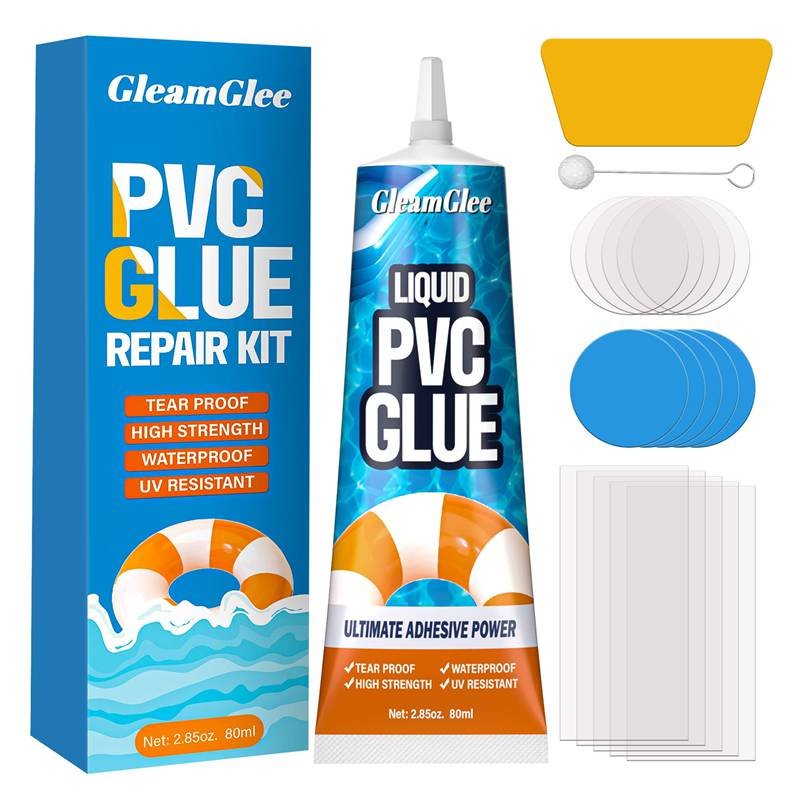
If you’re ready to repair with confidence, GleamGlee wader repair glue kits are available on Amazon with fast local fulfillment. And if you need customized repair kits, bulk pricing, or private-label solutions for your brand or business, our team is ready to help—just reach out to service@gleamglee.com for a tailored quote.
Fix it once, fix it right—and get back to fishing dry.
Share:
Table of Contents
Here, creating your adhesives glue & removal cleaner collection is no longer a barrier—it’s a collaborative journey where GleamGlee helps brands and businesses transform their vision into durable, certified, and market-ready solutions.
Partner with GleamGlee
Join hundreds of global partners who trust GleamGlee for adhesives and cleaners that combine innovation, compliance, and speed. Our vertically integrated system—from R&D to warehouse—guarantees consistent performance and reliable delivery.
Whether you’re sourcing FBA-ready stock or developing your own formula, our team provides unmatched technical support and responsive service.