Skip to content
Shoe Glue for Nike: A Simple & Reliable Repair Guide
Your trusted adhesives glue & cleaner manufacturer

Nike sneakers are designed to perform—run faster, jump higher, endure impact—but ironically, adhesive failure is one of the most common reasons people stop wearing them. Outsoles begin to peel, midsoles crack at flex points, insoles curl, and suddenly a perfectly wearable shoe feels “done.” The problem isn’t always abuse or age. In many cases, it’s simply the wrong glue choice—or no glue repair at all.
Many Nike owners assume shoe repair glue is either too weak, too messy, or only suitable for old dress shoes. Others try quick fixes using super glue or household adhesives, only to watch the repair fail after a few wears. The truth is more nuanced. Nike shoes use advanced materials—rubber compounds, EVA foam, synthetic uppers—that demand flexible, waterproof, material-compatible adhesives. When you use the right glue with the right technique, repairs can last months—or even years.
The best shoe glue for Nike sneakers is a flexible, waterproof adhesive designed for rubber and foam materials. Unlike super glue, it stays elastic after curing, resists cracking at flex points, and bonds securely to rubber outsoles, EVA midsoles, leather, canvas, and synthetic uppers. Proper surface prep and curing time are just as important as the glue itself for long-lasting Nike shoe repairs.
Think of Thomas, a German hiker whose Nike trail shoes began separating days before a mountain trip. A rushed purchase of new shoes wasn’t an option. Instead, a proper shoe glue repair restored his soles overnight—and the shoes are still going strong today. His story isn’t rare. Let’s break down exactly when Nike shoes need glue, what glue works best, and how to repair them properly.
What Nike shoe repairs actually need glue?
Nike shoes typically need glue when the problem is bond-related rather than material failure. Common glue-repairable issues include sole separation, heel lifting, detached insoles, toe cap peeling, and minor edge splits. These failures occur when factory adhesive weakens due to flexing, moisture, heat, or age. However, issues like crumbling midsoles or torn mesh usually require replacement or professional reconstruction—not glue alone.
Before choosing any shoe glue, Nike owners must answer one critical question:
Is the failure caused by weakened adhesive — or by damaged material?
Glue is designed to restore bonds, not rebuild destroyed materials. Understanding this distinction saves time, money, and frustration.
What kind of glue can you use on your shoes?
Not every shoe issue needs the same adhesive approach. Nike sneakers experience repetitive flex, moisture exposure, and impact stress, so only flexible shoe glue should be considered for most repairs.
Use glue when:
- Two surfaces were originally bonded
- The materials themselves are still intact
- The shoe structure remains aligned
Avoid glue when:
- Foam has chemically degraded
- Fabric is torn or missing
- The sole shape has collapsed
This logic aligns with how professional cobblers evaluate repair viability.
Sole separation vs. upper tears — what glue can and can’t fix
Sole separation is the most common Nike failure and also the most repair-friendly.
Why soles separate:
- Heat softens factory adhesive
- Sweat and moisture penetrate seams
- Repeated toe flexing weakens glue lines
In contrast, upper tears (mesh blowouts, Flyknit rips) are usually material failures, not adhesive failures.
- Small edge splits near the sole → glue can help
- Large tears across breathable mesh → glue alone will fail
Understanding this difference prevents false expectations.
Insole detaching and heel lifting — high-success glue repairs
Detached insoles and lifting heels are ideal glue repair candidates because:
- Stress levels are moderate
- Bonding surfaces are flat
- Repairs are largely invisible
Insoles often detach due to:
- Sweat saturation
- Frequent removal for cleaning
- Aging adhesive layers
Heel lifting, if caught early, can be permanently fixed before it causes outsole separation or gait imbalance.
When a “crumbling midsole” cannot be fixed with glue
Some Nike shoes—especially older running models stored for years—suffer from EVA hydrolysis.
Signs glue will not work:
- Foam crumbles when pressed
- Powder residue appears
- Permanent dents remain after pressure
This is chemical breakdown, not adhesive failure. No shoe glue can reverse this process. Replacement is the only viable option.
Table: Common Nike Shoe Problems & Glue Repair Suitability
| Nike Shoe Problem | Root Cause | Can Glue Fix It? | Recommended Action |
|---|---|---|---|
| Sole separating from upper | Adhesive fatigue, flexing | Yes | Flexible waterproof shoe glue |
| Outsole edge peeling | Wear + moisture intrusion | Yes | Clean, sand, glue, clamp |
| Insole lifting or curling | Sweat, aging adhesive | Yes | Thin glue layer, full cure |
| Heel partially detached | Impact + bond failure | Yes (early stage) | Glue + pressure overnight |
| Toe cap lifting | Repetitive toe flex | Yes | Elastic glue, edge control |
| Mesh or Flyknit tear | Material rupture | No | Stitching or replacement |
| Crumbling midsole (EVA) | Chemical degradation | No | Replace shoe |
| Fully detached sole (50%+) | Structural failure | Limited | Professional cobbler |
Why identifying repair type matters before choosing shoe glue
Many failed Nike repairs happen not because the glue is bad, but because the problem was misdiagnosed.
- Glue used on torn fabric → peels
- Glue used on degraded foam → crumbles
- Glue used without prep → fails early
When glue is used only on bond-related failures, repair success rates increase dramatically.
For Nike owners, this means:
- Less waste
- More wear per pair
- Better value from premium footwear
Which shoe glue is best for Nike materials?
The best shoe glue for Nike materials is a flexible, waterproof adhesive designed for rubber, EVA foam, leather, canvas, and synthetic uppers. Unlike super glue or epoxy, it remains elastic after curing, resists cracking at flex points, and bonds securely under moisture and impact. The right glue must match Nike’s mixed-material construction, not just provide high initial strength.
Nike shoes are multi-material systems, not single-surface products. A single shoe may combine:
- Carbon or blown rubber (outsole)
- EVA or Phylon foam (midsole)
- Synthetic leather or Flyknit (upper)
- Fabric-backed insoles and liners
Each material expands, flexes, and absorbs moisture differently.
Using the wrong glue creates stress imbalance, leading to early failure.
What glue is used in Nike shoes?
Nike factories typically use industrial-grade polyurethane or contact cement systems, applied with:
- Heat activation
- High-pressure molds
- Controlled curing environments
These adhesives are not consumer-available and are impractical for home repairs.
Key insight for users:
Trying to “match factory glue” is unnecessary and unrealistic.
What matters is functional equivalence:
- Flexibility after curing
- Long-term adhesion under movement
- Resistance to sweat, heat, and water
Modern shoe repair adhesives are formulated specifically to replicate performance, not process.
Rubber outsole bonding — traction rubber & edge seams
Nike outsoles use proprietary rubber blends that:
- Resist abrasion
- Contain processing oils
- Have low surface energy
This makes rubber notoriously difficult to bond.
Best glue characteristics for rubber outsoles:
- High initial tack
- Elastic cured state
- Strong mechanical grip after sanding
Avoid:
- Super glue (brittle, cracks quickly)
- White glue (no water resistance)
Use:
- Flexible shoe repair glue designed for rubber-to-foam bonds
EVA & foam midsoles — the hidden failure zone
EVA foam compresses and rebounds with every step.
A rigid adhesive will crack internally, even if it looks fine on the surface.
Best glue properties for EVA:
- Remains rubbery after curing
- Absorbs micro-movements
- Bonds without melting or degrading foam
Critical note:
No glue can repair hydrolyzed or crumbling EVA. Glue is only effective when foam is structurally intact.
Leather, canvas & synthetic uppers — clean bonding without stains
Nike uppers often prioritize aesthetics and breathability.
The ideal glue for uppers must:
- Dry crystal clear
- Avoid soaking through fabric
- Allow precision edge control
Thick or fast-curing glues often:
- Leave white residue
- Harden fabric edges
- Create visible repair lines
A fine-tip or metal nozzle dramatically improves results on visible seams.
What glue is used to repair sports shoes professionally?
Professional cobblers and sports repair shops avoid instant glues.
They favor adhesives that:
- Cure slower but stronger
- Maintain elasticity
- Withstand repeated flex cycles
These are often:
- Rubber-based or polyurethane-modified adhesives
- Designed specifically for footwear and sports gear
Repair-grade shoe glue ≠ household glue, even if the bottle looks similar.
Table 1: Nike Shoe Materials & Best Glue Type Match
| Nike Shoe Material | Movement Level | Best Glue Type | Why It Works |
|---|---|---|---|
| Rubber outsole | High | Flexible shoe repair glue | Bonds oily rubber, resists cracking |
| EVA / Phylon foam | Very High | Elastic, waterproof glue | Absorbs compression & rebound |
| Synthetic leather | Medium | Clear, flexible glue | Clean finish, no staining |
| Canvas / textile | Medium | Low-viscosity shoe glue | Penetrates fibers evenly |
| Flyknit / mesh | High | Glue (edges only) | Seals seams, not fabric tears |
| Insoles / footbeds | Low–Medium | Thin-layer shoe glue | Flat bond, low stress |
Table 2: Glue Types You Should (and Shouldn’t) Use on Nike Shoes
| Glue Type | Suitable for Nike Shoes? | Reason |
|---|---|---|
| Shoe repair glue | Yes | Designed for flex + moisture |
| Contact cement | Limited | Strong but messy, harder to control |
| Super glue (CA) | No | Brittle, cracks at flex points |
| Epoxy | No | Too rigid, damages foam |
| Hot glue | No | Weak bond, heat-sensitive |
| White / wood glue | No | No waterproofing |
Why “flexibility after curing” matters more than strength
Many users choose glue based on initial bond strength.
This is a mistake.
Nike shoes flex thousands of times per day:
- Toe bends during walking
- Lateral movement in sports
- Heel compression on impact
A slightly weaker but elastic bond outlasts a rigid strong bond every time.
Where GleamGlee shoe glue fits in this material matrix
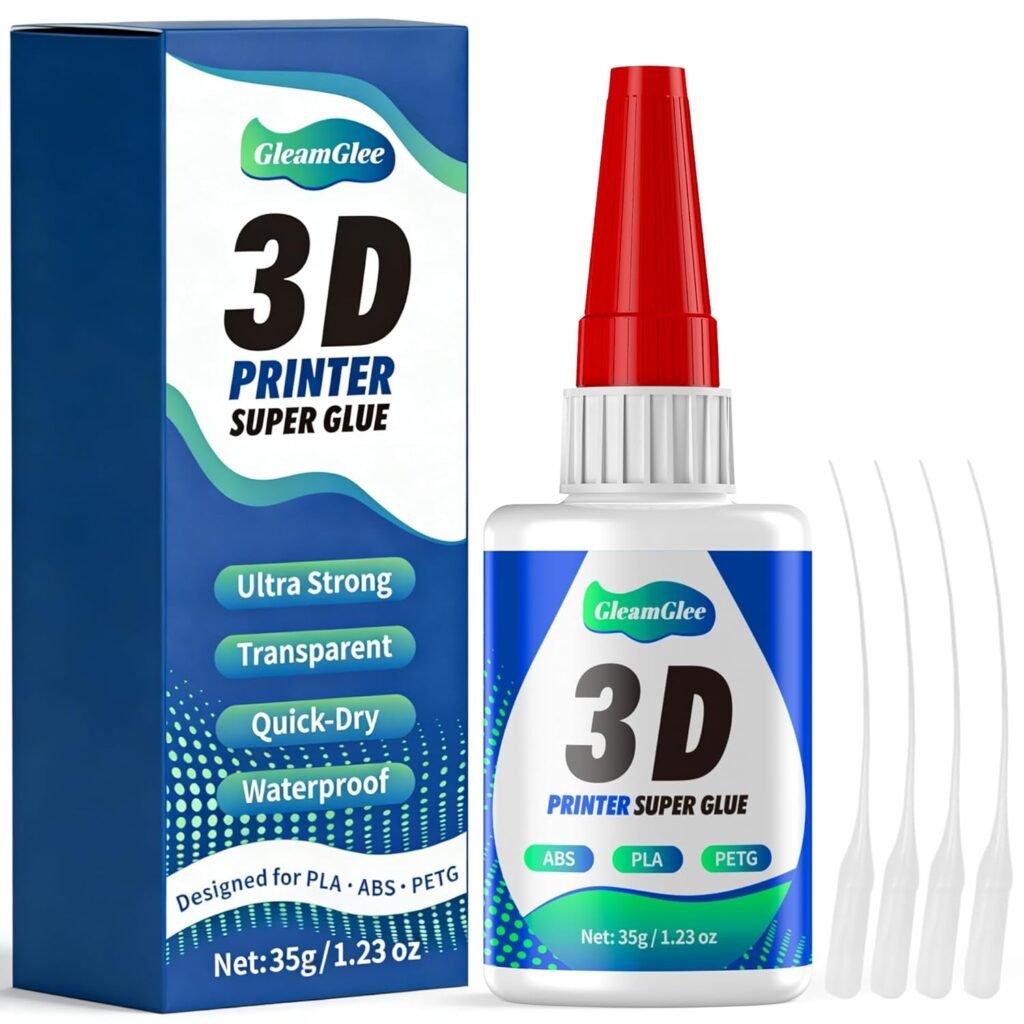
GleamGlee shoe glue is engineered to:
- Bond rubber, EVA, leather, and synthetics
- Remain flexible after curing
- Resist water, sweat, and temperature shifts
- Dry clear for visible repairs
Its material compatibility makes it especially suitable for Nike’s mixed-material construction, rather than single-material footwear.

How do you choose shoe glue for your Nike model and use?
To choose the right shoe glue for Nike sneakers, you must consider shoe type, movement intensity, sole material, and exposure to water. High-impact models like running and basketball shoes require a flexible, waterproof adhesive, while lifestyle sneakers may need cleaner, low-visibility bonding. The more a shoe flexes and contacts moisture, the more elastic and durable the glue must be.
Many Nike owners search for “best shoe glue for Nike” expecting one universal answer.
In reality, Nike shoes serve radically different purposes, and glue selection must reflect that.
Think in terms of stress + environment + materials — not marketing labels.
What is the best glue for Nike soles?
Nike soles vary in density, flexibility, and load-bearing behavior.
The best glue for Nike soles must:
- Bond rubber to EVA securely
- Stay elastic after curing
- Resist repeated toe bending
- Seal against moisture intrusion
Rule of thumb:
The softer and more flexible the sole, the more flexible the glue must be.
Running vs. basketball vs. lifestyle sneakers
Different Nike categories impose different adhesive demands.
| Nike Shoe Type | Primary Stress | Glue Requirement | Why It Matters |
|---|---|---|---|
| Running shoes | Forward flex + compression | High elasticity + waterproof | Thousands of toe bends |
| Basketball shoes | Lateral torque + impact | Strong + elastic bond | Side-to-side stress |
| Training shoes | Multi-directional | Balanced elasticity | Mixed movement |
| Lifestyle sneakers | Light walking | Clean, clear glue | Aesthetic priority |
| Nike boots | Weight + moisture | Waterproof sealing | Long-term durability |
Glue that works for Air Force 1 may fail on Pegasus or LeBron models.
Waterproof needs and wet-weather wear (rain, sweat, gyms)
Moisture is one of the largest contributors to glue failure.
Sources include:
- Rain and puddles
- Sweat soaking into seams
- Gym humidity
- Snow and slush
Choose glue labeled waterproof after curing, not just “water-resistant.”
Waterproof glue:
- Seals micro-gaps
- Prevents adhesive softening
- Extends repair life significantly
This is especially critical for running, hiking, and work-use Nike shoes.
Flex points that crack weak glue
Nike shoes flex most at:
- Toe bend line
- Medial arch transition
- Heel edge during strike
Weak or brittle glue fails here first.
A flexible shoe glue:
- Stretches under load
- Returns to shape
- Maintains bond integrity
This is why rigidity is the enemy of durability in footwear repair.
Quick fix vs. long-term repair
Fast-drying glues feel convenient—but convenience often equals compromise.
| Repair Goal | Glue Choice | Expected Result |
|---|---|---|
| Emergency fix | Fast-dry glue | Short-term hold |
| Daily wear repair | Flexible shoe glue | Weeks to months |
| Sports shoe repair | Elastic waterproof glue | Long-term durability |
Long-term repairs reward patience: proper prep + full cure time dramatically increase lifespan.
Table: Nike Model & Usage-Based Glue Selection Guide
| Nike Model Category | Typical Use | Best Glue Characteristics | Avoid |
|---|---|---|---|
| Running (Pegasus, Zoom) | High-mileage | Flexible, waterproof | Brittle glue |
| Basketball (LeBron, KD) | High-impact | Strong + elastic | Super glue |
| Lifestyle (AF1, Dunk) | Casual wear | Clear, clean glue | Thick cement |
| Outdoor / Hiking | Wet terrain | Waterproof seal | Water-based glue |
| Kids’ Nike shoes | Daily abuse | Elastic + safe formula | Hard-setting glue |
Why environment matters as much as movement
Two identical Nike shoes can need different glue depending on environment.
- Urban daily wear → aesthetics matter
- Gym use → sweat resistance critical
- Outdoor use → water sealing essential
Choosing glue without considering environment leads to premature failure.
How GleamGlee shoe glue simplifies Nike glue selection
GleamGlee shoe glue is designed to cover the widest range of Nike use cases:
- Compatible with rubber, EVA, leather, and synthetics
- Waterproof after curing
- Remains flexible under repeated stress
- Precision application for visible areas
This makes it a safe default choice for most Nike models when users don’t want to overthink technical specs.
How do you glue a Nike sole back on step by step?
To glue a Nike sole back on properly, clean and fully dry both bonding surfaces, remove loose old adhesive, lightly sand the rubber and foam for grip, apply a thin, even layer of flexible waterproof shoe glue, press the sole into perfect alignment, clamp or wrap firmly for consistent pressure, and let it fully cure (typically 24–48 hours) before wearing. Most failures come from skipping surface prep or wearing the shoe too soon.
Nike sole separation is usually an adhesive fatigue problem, not “your shoes are ruined.” But to get a repair that survives flexing, sweat, rain, and daily miles, you need a method that respects how shoes work:
- Shoes flex thousands of times per day
- Soles absorb impact and torsion
- Rubber edges face constant abrasion
- Moisture attacks weak glue lines
So this isn’t just “glue it and go.” It’s prep + precision + pressure + patience.
How to stick Nike shoe sole?
Here’s the high-success formula in one glance:
- Clean + dry completely
- Remove loose old glue (don’t glue over flaky layers)
- Light sanding to create mechanical grip
- Thin adhesive layer (thin bonds cure stronger)
- Press and hold alignment (even pressure matters)
- Full cure (24–48 hrs, not “feels dry”)
If you only remember one thing:
A clean, sanded surface + full cure time beats “strongest glue” every time.
Prep: cleaning, sanding, and dry-fit (the step most people skip)
Goal: Turn “dirty, smooth, oily” surfaces into “clean, textured, bond-ready” surfaces.
Step A — Clean like a pro
- Wipe bonding areas with isopropyl alcohol (70–99%) or a degreasing cleaner
- If there’s heavy grime, wash with mild soap and water first, then alcohol
- Let the shoe dry fully (hair dryer on low can help, but avoid overheating)
Step B — Remove loose old adhesive
- Peel off flaky glue with a plastic scraper or tweezers
- Don’t obsess over perfect removal—just remove anything crumbly, glossy, or loose
Step C — Sand for grip (critical for Nike rubber/EVA)
- Sand outsole rubber edge + midsole/upper bonding area lightly
- You’re creating micro-scratches, not grinding material away
- Wipe sanding dust off again with alcohol
Step D — Dry-fit
- Press sole back into place without glue
- Confirm alignment lines up correctly at toe + heel
- Take a photo if helpful so you can match it later under pressure
Nike-specific tip:
For running shoes, alignment matters more because outsole geometry affects stride.
For AF1/Dunk/lifestyle shoes, keep the edge clean—cosmetic appearance matters.
Apply: thin coats and edge control
Most people apply too much glue. A thick glue bead can trap solvent and stay soft inside.
Best practice:
- Apply a thin, even layer to both sides (sole + shoe)
- Spread with an applicator (or a disposable brush) to avoid pooling
- Focus on edges and contact zones
- Keep glue away from visible upper fabric when possible
How thin is “thin”?
Think “paint layer,” not “caulk bead.”
If the glue squeezes out heavily when pressed, you used too much.
Edge control for clean repairs
- Use masking tape along visible edges (optional, but great for white midsoles)
- Remove tape before the glue fully sets to prevent tearing
Press: rubber bands/clamps and alignment
Glue bonds need pressure to achieve full contact.
Pressure options (choose what fits your shoe):
- Rubber bands (great for toe and midfoot)
- Clamps (best for flat areas; add cardboard pads to avoid dents)
- Tight wrap + books (for wide soles like AF1)
Pressure rules:
- Pressure should be firm, not crushing
- Pressure must be even across the separation area
- Re-check alignment in the first 2–5 minutes (before glue grabs)
Pro trick:
After clamping, press along the seam with your thumb for 30–60 seconds—this removes micro air gaps.
Cure: how long to wait before wearing (dry vs cured)
This is the #1 reason “it held for a week” repairs fail.
- Dry to touch might happen fast
- Full cure takes longer (often 24–48 hours)
Basic curing guidance:
- Light separations: 24 hours
- Larger separations / heavy sports shoes: 36–48 hours
- Cold / humid rooms: add extra time
Do this test:
Gently flex the shoe slightly after curing. If the bond line feels tacky or “rubbery wet,” wait longer.
Table 1: Step-by-Step Nike Sole Repair Checklist
| Step | What to Do | Why It Matters | Common Mistake |
|---|---|---|---|
| 1 | Clean with alcohol & dry | Removes oils/sweat | Gluing on dirty rubber |
| 2 | Remove loose old glue | Prevents weak layers | Gluing over flaky adhesive |
| 3 | Light sanding | Creates grip | Skipping sanding on rubber |
| 4 | Dry-fit alignment | Prevents misalignment | Trying to “adjust later” |
| 5 | Apply thin glue layer | Stronger cure | Using thick beads |
| 6 | Press + clamp/wrap | Full contact bonding | Uneven pressure |
| 7 | Cure 24–48 hours | True strength forms | Wearing too soon |
Table 2: Quick Troubleshooting — Why Your Repair Failed
| Symptom | Likely Cause | Fix Next Time |
|---|---|---|
| Peels after 1–3 wears | No sanding / oily surface | Clean + sand + reapply |
| Bond feels soft inside | Too much glue | Use thinner layers |
| Glue turns white/cloudy | Wrong adhesive type | Use clear shoe glue |
| Sole shifts out of place | No dry-fit / weak clamping | Dry-fit + stronger wrap |
| Works on heel but not toe | Toe flex stress | Use flexible glue + longer cure |
What mistakes make Nike shoe glue repairs fail?
Nike shoe glue repairs usually fail due to poor surface preparation, using rigid or unsuitable glue, applying too much adhesive, uneven pressure during curing, or wearing the shoes before full cure. Because Nike shoes flex constantly and often encounter moisture, even small mistakes can cause repaired soles to peel again within days. Correct technique matters more than glue strength alone.
When users say “shoe glue didn’t work,” the glue is rarely the real problem.
Nike shoes are high-flex, mixed-material systems.
Glue failures almost always come from process errors, not product defects.
Below are the most common, repeatable mistakes that cause Nike shoe repairs to fail — and how to avoid them.
Using the wrong type of glue (rigid ≠ strong)
This is the #1 fatal mistake.
Many people reach for:
- Super glue (cyanoacrylate)
- Epoxy
- Household all-purpose glue
These glues:
- Dry hard and brittle
- Cannot stretch with the shoe
- Crack internally at toe bend zones
Nike shoes flex thousands of times per day.
A glue that cannot flex will fail — even if it feels “rock solid” at first.
Correct approach:
Always use flexible shoe repair glue designed for rubber and foam.
Skipping surface preparation (gluing dirt to dirt)
Glue does not bond materials — it bonds surfaces.
Nike soles accumulate:
- Sweat salts
- Body oils
- Road grime
- Old adhesive residue
If you glue over:
- Smooth rubber
- Oily EVA foam
- Dusty fabric
…the bond will be superficial and short-lived.
Most “re-glue failures” happen because people glue over the previous failed glue layer.
Correct approach:
Clean with alcohol, remove loose adhesive, lightly sand, then glue.
Applying too much glue (thicker is weaker)
This mistake feels logical but is chemically wrong.
Excess glue:
- Traps solvent inside
- Takes much longer to cure
- Remains soft beneath the surface
The result:
- Bond peels under stress
- Edges lift first
- Repair “fails suddenly” after a few wears
Thin glue layers cure stronger and more evenly.
Correct approach:
Apply a thin, even layer — think “paint,” not “sealant.”
Uneven or insufficient pressure during curing
Glue needs intimate surface contact to work.
Common pressure mistakes:
- Pressing by hand for 10 seconds only
- Clamping only one spot
- Letting the sole shift while curing
Uneven pressure creates:
- Micro air pockets
- Partial bonding
- Weak zones that spread over time
Nike outsole edges are especially sensitive to this.
Correct approach:
Use rubber bands, clamps, or weights to apply even pressure for hours, not minutes.
Wearing the shoes too soon (dry ≠ cured)
This is the most underestimated mistake.
Glue may feel dry in:
- 20–30 minutes
- 1–2 hours
But internally, the adhesive is still forming its polymer structure.
Early wear causes:
- Micro-cracks in the glue line
- Permanent loss of elasticity
- Failure days later (not immediately)
Correct approach:
Respect full cure time — typically 24–48 hours, longer in cold or humid conditions.
Ignoring flex points and stress zones
Nike shoes fail at predictable locations:
- Toe bend line
- Medial arch transition
- Heel strike edge
Many users glue only the visible gap, not the stress zone around it.
This creates a “hinge effect” where the repair edge peels again.
Correct approach:
Extend glue coverage slightly beyond the separation area to distribute stress.
Why Nike shoes are less forgiving than other footwear
Compared to dress shoes or casual flats, Nike shoes:
- Flex more aggressively
- Use softer foams
- Experience lateral sports stress
- Are often exposed to sweat and moisture
This means:
Nike shoe glue repairs demand higher standards than “normal” shoes.
A method that works on loafers may fail completely on running or basketball shoes.
Is GleamGlee shoe glue a good option for Nike repairs?
Yes. GleamGlee shoe glue is well-suited for Nike repairs because it forms a waterproof, flexible, crystal-clear bond compatible with rubber, EVA foam, leather, canvas, and synthetic uppers. Its precision nozzle and included repair tools help users achieve cleaner, longer-lasting repairs compared to ordinary household glues.
GleamGlee shoe glue was developed specifically around real-world repair scenarios, not lab-only strength metrics.
Where it performs best on Nikes (soles, heels, insoles)
GleamGlee excels in:
- Sole separation repairs
- Heel reattachment
- Insole and footbed bonding
- Toe-cap and edge sealing
Its cured elasticity allows repaired areas to flex naturally with Nike’s engineered movement patterns.
What the kit helps with (precision nozzle, sandpaper, rubber bands)
Many failures come from missing tools, not bad glue.
The GleamGlee kit includes:
- Metal needle nozzle for clog-free, precise application
- Sandpaper sheets to ensure proper surface prep
- Rubber bands to maintain pressure during curing
This eliminates guesswork and mirrors professional cobbler workflows.
Best use cases for sports shoes (gym, running, daily wear)
For Nike users who:
- Train regularly
- Walk long distances
- Use shoes in wet or sweaty environments
GleamGlee’s waterproof, elastic bond offers a strong balance between durability and comfort. One kit can repair 20+ pairs, making it cost-effective for families or sneaker enthusiasts.
When to use a cobbler instead (major separation, structural damage)
No glue replaces structural rebuilding.
Seek professional repair if:
- More than 50% of the sole is detached
- Midsole foam has crumbled
- Shoe geometry is distorted
GleamGlee is best for preventative and moderate repairs, extending shoe life before damage becomes irreversible.

Conclusion
Nike shoes are designed to move—and your repairs should respect that movement. When you understand what failed, why it failed, and how to repair it correctly, shoe glue becomes a powerful tool, not a temporary fix.
GleamGlee shoe glue empowers everyday users to:
- Save money
- Reduce waste
- Extend the life of premium footwear
- Achieve professional-level results at home
Whether you’re repairing one favorite pair or managing multiple shoes, using the right adhesive and method makes all the difference.
Share:
Table of Contents
Here, creating your adhesives glue & removal cleaner collection is no longer a barrier—it’s a collaborative journey where GleamGlee helps brands and businesses transform their vision into durable, certified, and market-ready solutions.
Partner with GleamGlee
Join hundreds of global partners who trust GleamGlee for adhesives and cleaners that combine innovation, compliance, and speed. Our vertically integrated system—from R&D to warehouse—guarantees consistent performance and reliable delivery.
Whether you’re sourcing FBA-ready stock or developing your own formula, our team provides unmatched technical support and responsive service.