Skip to content
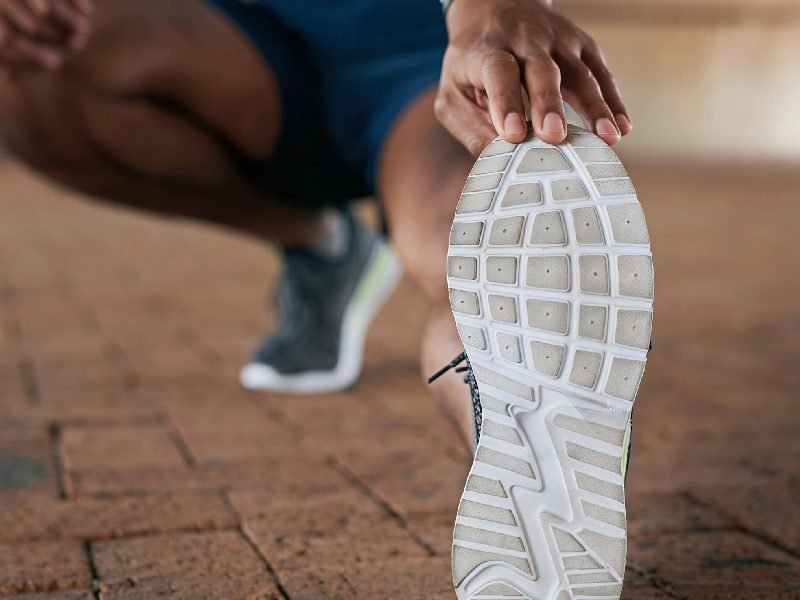
If the sole of your shoe has started to separate, it can usually be repaired at home with the right adhesive and preparation. First, clean the separated area thoroughly to remove dirt, dust, and oil. Then remove any loose old glue and lightly sand both bonding surfaces so the adhesive can grip better. Proper preparation is essential because even strong glue cannot bond well to dirty or smooth surfaces.
Next, apply a thin and even layer of flexible shoe repair glue to both the sole and the shoe upper. Align the sole carefully and press it firmly back into place. Use rubber bands, clamps, or weights to keep steady pressure on the repair area. This pressure ensures the glue spreads evenly and eliminates air gaps, creating a stronger bond across the entire surface.
Finally, allow the adhesive to cure completely before wearing the shoes. Most shoe glues need at least 12–24 hours to reach full strength. A flexible, waterproof shoe adhesive works best because it can withstand bending, walking, and exposure to moisture. When done correctly, gluing the sole back on can extend the life of your shoes for months or even years.
Why Does a Shoe Sole Come Off?
A shoe sole usually comes off because the adhesive bond between the sole and the upper gradually weakens after repeated use. Shoes flex thousands of times during walking, and this constant bending slowly breaks down the glue that holds the sole in place. Moisture, heat, dirt, and long-term wear also affect the durability of the original adhesive. In many cases, the upper part of the shoe is still in good condition, but the bonding layer has simply reached the end of its lifespan.
For most everyday shoes, the sole is attached using industrial adhesive during manufacturing. While this bond is strong, it is still exposed to stress every time the shoe is worn. Over time, even well-made footwear can experience sole separation, especially in areas where the shoe bends the most, such as the toe or forefoot.
Understanding why the sole separates helps customers decide whether the shoe can be repaired and how to prevent the problem from happening again.
What causes a shoe sole to separate?
The most common cause of sole separation is repeated flexing during walking. When a person walks, the front part of the shoe bends every step. For someone who walks around 8,000–10,000 steps per day, the shoe may flex more than three million times in a year. Over time, this constant movement weakens the adhesive layer between the sole and the upper.
Other factors can accelerate this process. Water exposure from rain or wet surfaces can soften some adhesives and reduce their grip. Heat from direct sunlight or hot storage environments can also cause adhesives to age faster. Dirt and sand that enter small gaps between the sole and the upper act like wedges, slowly enlarging the separation.
Below are the most common causes of shoe sole separation:
| Cause | How It Affects the Shoe | Common Location |
|---|---|---|
| Constant bending | Adhesive weakens from repeated flexing | Toe and forefoot |
| Moisture exposure | Water breaks down bonding strength | Sole edge |
| Heat exposure | Adhesive ages faster | Entire sole |
| Dirt and debris | Gaps expand when particles enter | Toe or sidewall |
| Heavy walking or running | Increased pressure on bonding areas | Heel and forefoot |
These factors often combine together. For example, a pair of running shoes used frequently outdoors may experience bending, moisture, and dirt all at once, which speeds up the separation process.
Is it common for a shoe sole to come off?
Yes, sole separation is one of the most common footwear problems worldwide. Many shoe repair professionals report that a large portion of their repair work involves detached soles. This issue appears across many types of shoes, from casual sneakers to outdoor boots.
Certain types of footwear experience this problem more often because of how they are used. Sports shoes, for example, endure high levels of movement and impact. Work boots may be exposed to moisture, oil, or extreme temperatures. Children’s shoes often wear out faster because kids run, jump, and drag their feet more frequently.
Here is a comparison of different shoe types and how likely they are to experience sole separation:
| Shoe Type | Why Separation Happens | Frequency |
|---|---|---|
| Running shoes | High flexing during running | Very common |
| Hiking boots | Moisture and rough terrain | Common |
| Basketball shoes | Strong lateral movement | Common |
| Work boots | Long hours and heavy load | Moderate |
| Casual sneakers | Daily walking wear | Moderate |
| Fashion shoes | Sometimes weaker adhesives | Moderate |
Another situation where sole separation appears frequently is when shoes sit unused for a long period. Adhesives can age even when shoes are not worn. When the shoes are used again after months or years of storage, the bond may fail quickly.
Should you glue the sole of a shoe back on or replace it?
In many cases, gluing the sole back on is the most practical solution. If the upper part of the shoe is still in good condition and the outsole still has traction, repairing the bond can extend the life of the shoes significantly. A simple repair can often restore functionality for months or even longer.
The decision usually comes down to the condition of the rest of the shoe. If the upper material is strong and the internal structure is intact, repairing the sole is usually worth it. However, if the midsole foam is crumbling or the shoe structure is severely damaged, replacing the shoe may be the better option.
The cost comparison below shows why many people choose repair:
| Option | Average Cost | Result |
|---|---|---|
| Buying new shoes | $60–$180 | Full replacement |
| Professional shoe repair | $25–$70 | Good but slower |
| DIY glue repair | Under $10 | Fast and economical |
Repairing shoes also reduces waste. Millions of pairs of shoes are discarded every year even though many of them only need minor repairs. Fixing the sole instead of replacing the entire shoe helps extend product life and saves money for consumers.
For many customers, a reliable shoe repair adhesive becomes a useful tool at home, especially for families, outdoor enthusiasts, and anyone who wants to maintain their footwear longer.
Which Glue Works Best to Glue a Shoe Sole Back On?
Choosing the right glue is one of the most important factors when repairing a detached shoe sole. Shoes are not static objects—they bend, compress, twist, and absorb impact with every step. Because of this, the adhesive used for shoe repair must be strong enough to hold the sole in place while also remaining flexible after it dries. If the glue becomes too rigid, it may crack when the shoe bends, causing the repair to fail quickly.
A proper shoe repair adhesive is designed to bond common footwear materials such as rubber, leather, vinyl, foam, and fabric. It should also resist water, temperature changes, and repeated flexing. This is why flexible shoe repair glues are usually recommended instead of ordinary household adhesives.
Below is a quick comparison of common adhesive types used by consumers when repairing shoes:
| Glue Type | Flexibility | Water Resistance | Typical Durability | Suitability for Shoe Soles |
|---|---|---|---|---|
| Super glue | Low | Moderate | Short-term | Not ideal |
| Epoxy glue | Low | High | Medium | Too rigid |
| Rubber cement | Medium | Low | Short-term | Limited |
| Shoe repair adhesive | High | High | Long-lasting | Best choice |
A flexible shoe adhesive is specifically engineered to maintain elasticity after curing. This elasticity allows the bond to stretch slightly when the shoe bends, reducing the chance of cracking or peeling.
What glue is best for shoe sole repair?
The best glue for shoe sole repair is a flexible, waterproof adhesive designed specifically for footwear. These glues are formulated to bond materials commonly found in shoes, including rubber outsoles, leather uppers, EVA foam midsoles, and synthetic fabrics.
When choosing a glue, customers usually care about several practical factors:
- strong bonding power
- flexibility after drying
- water resistance
- clean and precise application
- compatibility with multiple materials
A high-quality shoe glue should provide all of these benefits. For example, flexible shoe adhesives can stretch slightly during walking, which prevents the bond from breaking under repeated stress.
Below are the key features customers should look for in a good shoe repair glue:
| Feature | Why It Matters for Customers |
|---|---|
| Flexible bond | Prevents cracking when the shoe bends |
| Waterproof performance | Protects repair from rain or wet surfaces |
| Clear drying finish | Keeps the shoe looking neat |
| Precision nozzle | Allows accurate glue placement |
| Multi-material adhesion | Works on rubber, leather, foam, and fabric |
Modern shoe repair adhesives are often made with polymer formulas designed to maintain durability under repeated movement. In everyday use, this type of glue can restore the bonding strength between the sole and the shoe upper while maintaining flexibility.
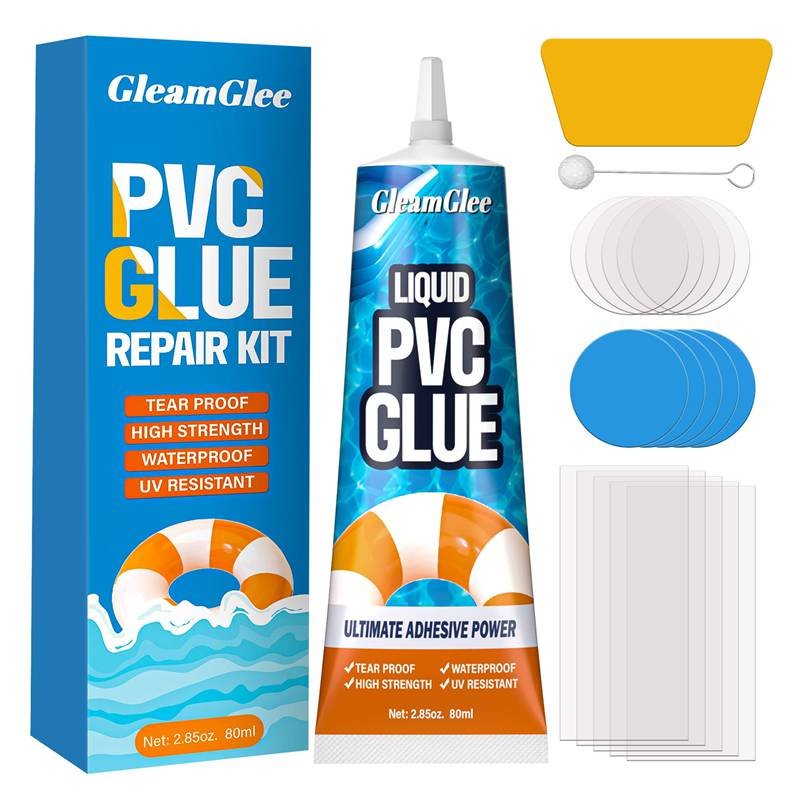
Products such as GleamGlee shoe glue are developed with these characteristics in mind. The adhesive is designed to bond different materials used in footwear and remain flexible after curing, which helps the repair survive normal walking conditions.
Is super glue strong enough for a shoe sole?
Super glue is often the first adhesive people try when fixing a shoe because it dries quickly and is easy to find. However, it is usually not the best option for repairing a shoe sole.
The main problem with super glue is that it becomes very hard after drying. While the initial bond can feel strong, the glue does not tolerate bending well. When the shoe flexes during walking, the hardened adhesive may crack, and the repair may fail after only a short period of use.
The following comparison helps explain the difference between super glue and flexible shoe adhesives:
| Property | Super Glue | Flexible Shoe Glue |
|---|---|---|
| Drying speed | Very fast | Moderate |
| Flexibility | Low | High |
| Resistance to bending | Poor | Excellent |
| Long-term durability | Limited | High |
| Suitability for shoe soles | Low | High |
Super glue may work temporarily for very small repairs or decorative parts of a shoe, but it is not designed for areas that flex repeatedly, such as the forefoot or toe.
Customers who want a repair that lasts longer generally prefer adhesives made specifically for shoe repair because these products balance strength with flexibility.
Which glue works for rubber, leather, or sneaker soles?
Different shoes contain different materials, and the glue must be able to bond them effectively. Running shoes, boots, and casual sneakers often combine several materials in the same construction.
Common footwear materials include:
- rubber outsoles
- EVA foam midsoles
- leather uppers
- canvas fabric
- synthetic plastics
- vinyl components
Because of this material variety, a good shoe repair adhesive must be versatile. It should bond porous materials like leather as well as smooth surfaces like rubber.
Here is how different shoe materials interact with adhesives:
| Shoe Material | Common Location | Adhesive Requirement |
|---|---|---|
| Rubber | Outsole | Strong grip and flexibility |
| EVA foam | Midsole | Elastic bond that absorbs shock |
| Leather | Upper or dress shoes | Clean bonding without residue |
| Canvas | Casual shoes | Good penetration into fibers |
| Vinyl | Sandals or fashion shoes | Stable adhesion on smooth surfaces |
Flexible shoe repair adhesives are designed to handle these combinations. They form a bond that distributes stress evenly across the repaired area rather than concentrating pressure at a single point.
Many repair adhesives can be used for a wide range of footwear, including:
- running shoes
- basketball shoes
- hiking boots
- work boots
- sandals and slippers
- casual sneakers
- children’s school shoes
Repair kits such as those produced by GleamGlee typically include precision nozzles and small tools to help apply glue accurately. This helps customers apply the adhesive directly into the separation gap without excessive mess.
For households that regularly maintain footwear, a versatile shoe adhesive can repair multiple pairs of shoes, making it a practical and economical solution for everyday shoe care.
How Do You Prepare a Shoe Sole Before Gluing?
Preparing the shoe properly before applying glue is one of the most important steps in a successful repair. Many shoe sole repairs fail not because the glue is weak, but because the surfaces were not prepared correctly. If dirt, moisture, or old adhesive remains on the shoe, the new glue cannot bond directly to the material. Instead, it attaches to debris or weak residue, which quickly causes the repair to separate again.
Professional cobblers and footwear repair technicians often say that surface preparation determines more than 60–70% of the repair strength. Proper preparation allows the adhesive to penetrate the material and create a stronger mechanical bond. This process usually includes cleaning the surfaces, removing old glue, and lightly sanding the materials so the adhesive can grip better.
Below is a simple overview of the preparation process before gluing a shoe sole:
| Preparation Step | Purpose | Result |
|---|---|---|
| Cleaning | Remove dirt, oil, and dust | Stronger adhesive contact |
| Removing old glue | Eliminate weak bonding layers | Prevents repair failure |
| Sanding | Create rough bonding surface | Improves adhesive grip |
| Drying | Remove moisture | Ensures glue cures properly |
Taking a few extra minutes to complete these steps can significantly improve the durability of the repair.
How do you clean a shoe sole before gluing?
Cleaning the shoe sole and upper surfaces is the first step before applying any adhesive. Shoes are constantly exposed to dust, sand, oil from skin, road grime, and other contaminants. Even small particles trapped between the sole and the upper can weaken the bond.
Start by opening the separated section slightly so the inner surfaces are accessible. Use a small brush or cloth to remove loose dirt from the gap. If the shoe has been used outdoors or in muddy environments, a deeper cleaning may be necessary.
The following cleaning methods are commonly used during shoe repair:
| Cleaning Method | Best For | Advantage |
|---|---|---|
| Dry brushing | Loose dirt and dust | Quick removal |
| Alcohol wipe | Oil or grease contamination | Dissolves residue |
| Mild soap solution | Mud or heavy dirt | Thorough cleaning |
| Cloth wipe | Final preparation | Removes remaining particles |
After cleaning, the shoe must dry completely. Moisture trapped inside the bonding area can weaken the adhesive and prevent it from curing correctly. Leaving the shoe in a dry environment for 15–30 minutes is usually sufficient before continuing to the next step.
Proper cleaning ensures that the glue will bond directly to the material rather than to contaminants.
Should you remove old glue from the shoe sole?
Yes, removing old glue is strongly recommended before applying new adhesive. Many factory adhesives become brittle after months or years of use. When new glue is applied over weakened adhesive, the repair may not last long because the old bonding layer can break apart.
Old glue should be inspected carefully. If it appears cracked, flaky, or soft, it should be removed as much as possible. A small scraper, knife, or sandpaper can help remove the loose material.
Here is a simple guide to evaluating existing adhesive:
| Condition of Old Glue | Recommended Action |
|---|---|
| Cracked or flaky | Remove completely |
| Soft or sticky | Clean with alcohol |
| Smooth but solid | Light sanding only |
| Large buildup | Scrape and sand |
Removing weak glue allows the new adhesive to attach directly to the shoe materials, which creates a stronger bond.
This step is especially important when repairing older shoes or shoes that have already been glued once before. In those cases, the previous adhesive layer may no longer provide reliable support.
Do you need to sand the shoe sole before gluing?
Light sanding is one of the most effective ways to improve adhesive bonding. Many shoe materials, especially rubber and synthetic plastics, have smooth surfaces that make it difficult for glue to grip properly. Sanding creates microscopic roughness that allows the adhesive to penetrate the surface and form a stronger mechanical connection.
Use fine sandpaper to gently roughen both the shoe sole and the upper bonding area. The goal is not to remove material but to create a slightly textured surface.
Recommended sanding approach:
- Use sandpaper with 120–180 grit.
- Sand lightly across the bonding surfaces.
- Focus on the areas where glue will be applied.
- Wipe away sanding dust before applying adhesive.
The improvement in adhesion after sanding can be significant. The following comparison shows how surface condition affects glue performance:
| Surface Condition | Adhesion Strength |
|---|---|
| Smooth untreated rubber | Low |
| Clean but unsanded surface | Moderate |
| Lightly sanded surface | High |
Sanding increases the surface area available for bonding and helps adhesives grip more effectively. This is why many professional shoe repair kits include small sandpaper sheets as part of the repair tools.
Once the surfaces are cleaned, old glue removed, and sanding completed, the shoe is properly prepared for gluing. At this stage, the adhesive can form a much stronger bond, increasing the chances that the repair will hold up under everyday walking conditions.

How to Glue the Sole of a Shoe Back On Step by Step?
Once the shoe has been properly cleaned and prepared, the next step is applying the adhesive and bonding the sole back to the shoe. A careful step-by-step approach helps ensure that the glue spreads evenly, the sole is aligned correctly, and the bond forms across the entire repair area.
Most shoe sole repairs take 15–30 minutes of work, although the curing process will require additional time before the shoes can be worn again. The goal during the repair process is to create a thin, consistent adhesive layer and maintain pressure while the glue cures.
Below is a simple overview of the shoe sole gluing process:
| Step | Action | Purpose |
|---|---|---|
| Step 1 | Apply adhesive evenly | Ensure full bonding coverage |
| Step 2 | Press the sole into position | Remove air gaps |
| Step 3 | Maintain pressure | Strengthen adhesive contact |
| Step 4 | Allow curing time | Achieve maximum bond strength |
When each step is followed carefully, the repaired shoe can regain much of its original strength and durability.
How much glue should you apply to the shoe sole?
One of the most common mistakes during shoe repair is applying either too little glue or too much glue. A thin and even layer is usually the most effective approach.
Applying too little adhesive can leave gaps between the sole and the shoe upper. These gaps reduce the bonding surface and make it easier for the sole to separate again. On the other hand, excessive glue may overflow from the edges and create a messy repair while also preventing proper pressure distribution.
For most shoe repairs, the best method is to apply a continuous thin bead of adhesive along the entire separated area. The adhesive should cover both surfaces evenly.
Here are practical guidelines for applying glue:
| Separation Type | Recommended Glue Layer |
|---|---|
| Small edge lift | Very thin layer |
| Toe separation | Thin even coat |
| Heel separation | Slightly thicker layer |
| Large sole gap | Spread evenly across surface |
Using a precision nozzle helps control the amount of adhesive being applied. Many shoe repair glues are packaged with narrow metal or plastic nozzles that allow users to place glue directly inside the separation gap.
After the adhesive is applied, allow it to sit for a short moment if recommended by the manufacturer. Some adhesives form a stronger bond when they become slightly tacky before pressing the surfaces together.
How do you press the shoe sole firmly?
After the glue has been applied, the sole must be pressed firmly against the shoe upper so that the adhesive spreads evenly across the bonding surfaces. This pressure helps eliminate air pockets and ensures that the glue forms full contact between the materials.
Start by aligning the toe and heel sections of the sole carefully. Once the sole is positioned correctly, apply steady pressure along the entire repair area.
Several methods can be used to maintain pressure during the bonding process:
| Pressure Method | Best For | Benefit |
|---|---|---|
| Hand pressure | Small repairs | Quick alignment |
| Rubber bands | Sneakers and flexible shoes | Even pressure distribution |
| Heavy books or weights | Flat soles | Stable compression |
| Clamps | Thick boots or work shoes | Strong pressure |
Rubber bands are particularly useful because they wrap around the shoe and apply consistent pressure without damaging the material. Many repair kits include rubber bands specifically for this purpose.
When pressing the sole, begin at one end and slowly move along the seam. This technique pushes excess air outward and distributes the adhesive evenly across the repair area.
Maintaining pressure for one to two hours significantly improves the strength of the bond.
How do you keep the shoe sole aligned while drying?
Proper alignment is essential during the drying stage. If the sole shifts slightly before the adhesive sets, the shoe may feel uncomfortable or uneven during walking.
Before securing the shoe with pressure, carefully check that the sole lines up with the original shape of the shoe. Pay close attention to the toe area and side edges, as these are the most visible parts of the repair.
The following checklist helps ensure correct alignment:
- The toe of the sole matches the toe shape of the upper
- The heel sits flat and centered
- The side edges align with the upper material
- The sole is not twisted or angled
Once the alignment is correct, secure the shoe using rubber bands, clamps, or weights. Then place the shoe in a stable position where it will not be disturbed.
The curing process typically follows this timeline:
| Time After Repair | Condition of Bond |
|---|---|
| 5–10 minutes | Initial adhesion begins |
| 1–2 hours | Bond stabilizes under pressure |
| 8–12 hours | Adhesive becomes stronger |
| 24 hours | Full curing achieved |
During this period, avoid bending or wearing the shoe. Movement can weaken the adhesive before it fully cures.
Allowing enough drying time ensures that the repair holds during daily use. When done properly, the glued sole can withstand normal walking, bending, and outdoor conditions for an extended period.
How Long Does It Take to Glue a Shoe Sole Back On?
The time required to glue the sole of a shoe back on depends on several factors, including the type of adhesive used, the materials of the shoe, the thickness of the glue layer, and the temperature and humidity of the environment. In most cases, the actual repair process takes only 15–30 minutes, but the adhesive needs additional time to cure properly before the shoe can be worn again.
Many customers assume that once the glue feels dry to the touch, the repair is finished. In reality, adhesives continue strengthening internally for many hours. Walking too soon can weaken the bond before it reaches full strength.
Most flexible shoe repair adhesives follow a curing timeline similar to the table below:
| Stage | Time Range | What Happens |
|---|---|---|
| Glue application | 5–10 minutes | Adhesive spreads across surfaces |
| Initial bonding | 20–30 minutes | Surfaces begin holding together |
| Pressure setting | 1–2 hours | Bond becomes stable |
| Partial cure | 8–12 hours | Adhesive gains strength |
| Full cure | 24 hours | Maximum durability achieved |
Allowing enough curing time is one of the most important steps in ensuring the repair lasts during everyday use.
How long should shoe glue dry?
Most shoe repair adhesives require at least 8–12 hours before the shoes can be handled safely and approximately 24 hours before they reach their full bonding strength. This drying period allows the adhesive molecules to form a flexible and durable bond between the sole and the shoe upper.
Environmental conditions can affect the drying process. Warm and dry environments usually help adhesives cure faster, while cold or humid conditions may slow down the process.
Below is a general guide showing how temperature can affect drying time:
| Temperature | Estimated Cure Time |
|---|---|
| 10°C (50°F) | 24–36 hours |
| 20°C (68°F) | 18–24 hours |
| 25°C (77°F) | 12–24 hours |
| 30°C (86°F) | 10–18 hours |
Humidity also plays a role. High humidity can slow evaporation and extend curing time. For best results, place the repaired shoe in a dry indoor area with moderate temperature.
Many users prefer to perform shoe repairs in the evening so the adhesive can cure overnight. By the next day, the bond is usually strong enough for normal walking.
When can you wear the repaired shoes?
Although the shoe may feel stable after a few hours, it is usually best to wait at least 24 hours before wearing it. This waiting period ensures the adhesive has fully cured and reached its maximum strength.
If the shoes are used too soon, the bond may weaken because the adhesive has not completed its curing process. Early movement can create tiny gaps between the sole and upper, which may eventually cause the repair to fail.
Here is a general guideline for safe usage after repair:
| Time After Repair | Recommended Activity |
|---|---|
| 0–2 hours | Keep pressure on the repair |
| 2–6 hours | Leave the shoe undisturbed |
| 6–12 hours | Light handling only |
| 24 hours | Safe for normal walking |
| 48 hours | Safe for heavy activity |
Athletic shoes and work boots should ideally cure for 24–48 hours before heavy use such as running, hiking, or construction work.
Many customers who repair their shoes at home find that waiting one full day provides the most reliable results.
What mistakes make shoe sole glue fail?
Even when using a high-quality adhesive, certain mistakes can reduce the strength of the repair. Most failures occur because one of the preparation or curing steps was skipped.
Some of the most common mistakes include:
- applying glue to dirty surfaces
- not removing old adhesive
- skipping the sanding step
- applying too much glue
- failing to maintain pressure while drying
- wearing the shoes before the glue fully cures
The table below shows how these mistakes affect the repair:
| Mistake | Result |
|---|---|
| Dirty bonding surfaces | Adhesive cannot grip properly |
| Old glue left behind | Weak bonding layer |
| No sanding | Smooth surfaces reduce adhesion |
| Excess glue | Uneven bonding and weak spots |
| Insufficient pressure | Air pockets form |
| Early use | Bond breaks prematurely |
Avoiding these problems greatly increases the success rate of the repair.
Many successful repairs follow a simple rule: clean surfaces, apply glue evenly, maintain pressure, and allow enough curing time. When these steps are done correctly, a glued shoe sole can withstand normal walking, bending, and outdoor conditions for a long period.

Is Gluing the Sole of a Shoe Back On Strong Enough?
Yes, gluing the sole of a shoe back on can be strong enough for everyday use when the correct adhesive and repair method are used. Modern shoe repair adhesives are designed to create a flexible bond that can handle bending, pressure, and repeated walking. Unlike rigid glues, flexible shoe adhesives stretch slightly with the shoe as it moves, which helps prevent cracking and separation.
In many cases, a properly repaired shoe can perform very close to its original condition. The durability of the repair depends on several factors such as the type of glue, how well the surfaces were prepared, the materials of the shoe, and how long the adhesive was allowed to cure before use.
The following factors influence the strength of a glued shoe sole repair:
| Factor | Impact on Repair Strength |
|---|---|
| Type of adhesive | Flexible shoe glue provides stronger long-term bonding |
| Surface preparation | Clean and sanded surfaces improve adhesion |
| Pressure during curing | Even pressure creates a stronger bond |
| Curing time | Full curing ensures maximum durability |
| Shoe materials | Rubber and leather bond more reliably than worn foam |
When these conditions are handled properly, many repaired shoes can last for months or even years of normal use.
Is shoe sole glue waterproof?
Many high-quality shoe repair adhesives are designed to be water resistant or waterproof once fully cured. This is important because footwear is often exposed to rain, wet sidewalks, sweat, or damp outdoor environments.
A waterproof adhesive prevents water from entering the bonding layer and weakening the repair. It also helps protect the shoe structure from moisture damage.
The table below compares how different types of glue perform in wet conditions:
| Adhesive Type | Water Resistance | Suitability for Outdoor Shoes |
|---|---|---|
| Standard household glue | Low | Not recommended |
| Super glue | Moderate | Temporary repairs only |
| Epoxy adhesive | High but rigid | Limited flexibility |
| Shoe repair adhesive | High and flexible | Ideal for footwear |
Flexible waterproof adhesives are particularly useful for shoes used in outdoor activities such as hiking, running, and construction work. These shoes often encounter mud, puddles, and wet surfaces, which means the adhesive must maintain strength even when exposed to moisture.
For example, many customers who repair hiking boots or work boots report that waterproof shoe glue repairs remain stable even after repeated exposure to wet ground.
Does glued shoe sole repair last long?
A glued shoe sole repair can last a long time when the adhesive is applied correctly and allowed to cure fully. Many users find that the repair lasts for several months or even longer, especially for casual shoes or moderate daily use.
Durability depends on how the shoes are used. Running and heavy work conditions place more stress on the bonding area than light walking. However, flexible adhesives distribute stress evenly across the repair area, which helps extend the life of the bond.
Here is a general durability comparison for different repair scenarios:
| Repair Quality | Expected Lifespan |
|---|---|
| Temporary quick fix | Several days |
| Basic glue repair | Several weeks |
| Proper flexible adhesive repair | Several months or longer |
| Professional cobbler repair | Months to years |
Footwear used for sports or outdoor activities may experience more stress, but even in these situations, a properly repaired sole can still perform well.
Many customers choose to repair shoes rather than replace them because the cost of adhesive is much lower than buying a new pair of shoes. When the rest of the shoe remains in good condition, repairing the sole often provides excellent value.
When should you not glue a shoe sole?
Although many sole separations can be repaired successfully, there are situations where replacing the shoe is the better option. If the shoe structure itself has deteriorated significantly, glue alone may not restore stability.
Examples of situations where repair may not be effective include:
- midsoles that are crumbling or breaking apart
- severe tears in the upper material
- completely worn-out outsoles with no traction
- large structural cracks in the sole
- damaged internal support layers
The following table helps determine whether repair or replacement is more appropriate:
| Shoe Condition | Recommended Action |
|---|---|
| Small edge separation | Repair with glue |
| Toe lifting slightly | Repair with glue |
| Heel separation | Repair with glue |
| Midsole foam deterioration | Replace shoe |
| Deep structural cracks | Replace shoe |
In most everyday situations where the sole has simply detached from the upper, gluing the sole back on can restore the shoe to a usable condition.
For many consumers, having a reliable shoe repair adhesive at home allows them to fix minor problems quickly and extend the life of their footwear without the expense of buying a new pair.
Why Choose GleamGlee Shoe Glue?
When repairing a detached shoe sole, the type of adhesive used can determine whether the repair lasts for days or for months. GleamGlee shoe glue is designed specifically for footwear repair, where flexibility, bonding strength, and resistance to moisture are essential. Unlike ordinary household glues, shoe repair adhesives must tolerate repeated bending, pressure from body weight, and constant friction during walking.
GleamGlee focuses on adhesives for real-world repair situations. The product is developed by a professional research team with experience in polymer chemistry and material bonding. The goal is to provide a glue that creates a strong bond while remaining flexible after curing so the repair does not crack when the shoe bends.
The product is also designed to be practical for everyday users. The repair kit includes not only adhesive but also tools that help customers perform the repair more effectively.
Below is a simple overview of what the GleamGlee shoe repair kit provides:
| Item in Kit | Purpose |
|---|---|
| Two 20 ml tubes of adhesive | Enough glue for multiple repairs |
| Precision metal nozzle | Accurate glue application |
| Sandpaper sheets | Surface preparation |
| Rubber bands | Maintain pressure during curing |
With proper use, the kit can repair more than 20 pairs of shoes, making it a cost-effective solution for families, outdoor enthusiasts, and anyone who wants to extend the life of their footwear.
Why is GleamGlee shoe glue stronger?
GleamGlee shoe glue is formulated to bond materials commonly found in footwear, such as rubber, leather, vinyl, foam, and fabric. These materials expand and flex when the shoe moves, so the adhesive must remain flexible after curing.
The company’s research and development team includes more than 25 chemists and materials engineers who specialize in adhesive technology. Their laboratories test adhesives under conditions that simulate real usage, including repeated bending, humidity exposure, and temperature changes.
The goal of these tests is to ensure that the adhesive maintains bonding strength under daily wear.
Here is a comparison of the characteristics typically required for strong shoe repair adhesives:
| Performance Feature | Why It Matters for Shoe Repair |
|---|---|
| Strong adhesion | Holds sole and upper together |
| Elastic flexibility | Prevents cracking when bending |
| Resistance to moisture | Maintains bond in wet conditions |
| Impact tolerance | Withstands walking pressure |
| Clear drying finish | Keeps repair visually clean |
A strong adhesive bond is especially important in areas of the shoe that experience the highest stress, such as the toe and forefoot. These parts of the shoe bend with every step, so a flexible but durable adhesive helps distribute the stress evenly across the repaired area.
Why does flexible shoe glue matter?
Flexibility is one of the most important properties of a shoe repair adhesive. Shoes bend constantly when walking, running, or climbing stairs. If the adhesive becomes rigid after drying, the repair can crack quickly under repeated stress.
Flexible adhesives behave differently. After curing, they remain slightly elastic, which allows them to move with the shoe structure. This elasticity helps absorb mechanical stress and prevents the bond from breaking.
The following table explains how flexibility improves repair durability:
| Adhesive Property | Effect on Shoe Repair |
|---|---|
| Rigid adhesive | Cracks when shoe bends |
| Semi-flexible adhesive | Moderate durability |
| Flexible shoe adhesive | Long-lasting repair |
This flexibility is particularly important for:
- running shoes
- hiking boots
- work footwear
- children’s shoes
- casual sneakers used daily
These types of shoes experience frequent bending and impact forces. A flexible adhesive distributes these forces across the repair area rather than concentrating stress in one point.
For customers, this means the repair can survive normal walking conditions without failing prematurely.
How does GleamGlee make shoe sole repair easier?
Another reason customers choose GleamGlee shoe glue is the practical design of the repair kit. Many people who repair shoes at home struggle with messy glue application or difficulty keeping the sole aligned while the adhesive dries.
The GleamGlee repair kit is designed to simplify the process and improve the success rate of DIY repairs.
The precision metal nozzle allows glue to be applied accurately along the separation line. This helps users control the amount of adhesive and reduces the chance of excess glue spilling onto visible parts of the shoe.
The included sandpaper sheets help prepare the bonding surfaces, which improves adhesion. As discussed earlier in the repair process, surface preparation is essential for creating a durable bond.
The rubber bands included in the kit help maintain even pressure around the shoe while the adhesive cures. Consistent pressure helps eliminate air gaps and ensures the glue spreads evenly across the bonding surfaces.
Below is a simple overview of how each tool helps during the repair process:
| Tool | Function | Benefit |
|---|---|---|
| Metal nozzle | Precise glue placement | Cleaner repair |
| Sandpaper | Surface roughening | Stronger adhesion |
| Rubber bands | Maintain pressure | Better bond formation |
| Multiple glue tubes | Several repairs possible | Higher value |
Because the kit contains enough adhesive for multiple repairs, it becomes useful not only for fixing a single pair of shoes but also for maintaining footwear over time.
Many households keep a shoe repair adhesive available for situations such as:
- sneakers with lifting toe edges
- boots with separating soles
- sandals with detached straps
- children’s shoes damaged from daily activity
Having a reliable adhesive available allows these issues to be repaired quickly instead of replacing the shoes.
For customers who value durability, practicality, and cost efficiency, a specialized shoe repair adhesive like GleamGlee provides a convenient solution for maintaining footwear and extending the life of shoes that are still comfortable to wear.
Conclusion
Repairing a detached shoe sole is often easier and more economical than replacing the entire pair of shoes. With proper surface preparation, the right flexible adhesive, and enough curing time, many sole separations can be repaired successfully at home. A well-done repair can restore stability, extend the life of the footwear, and allow the shoes to handle normal walking, bending, and everyday use again.
Choosing a specialized shoe repair adhesive is an important part of achieving a durable result. Flexible shoe glues designed for materials such as rubber, leather, vinyl, and foam create a bond that moves with the shoe instead of cracking under pressure. When the surfaces are cleaned, lightly sanded, and pressed firmly during curing, the repair can remain reliable for months of regular wear.
For customers who want a dependable repair solution, GleamGlee shoe glue offers a practical option for restoring sneakers, boots, work shoes, and everyday footwear. The repair kit includes precision tools that make the process easier and more efficient. Whether you are fixing a favorite pair of shoes or maintaining footwear for your household, using a high-quality shoe adhesive can help keep your shoes in service longer while saving money and reducing waste.