Skip to content
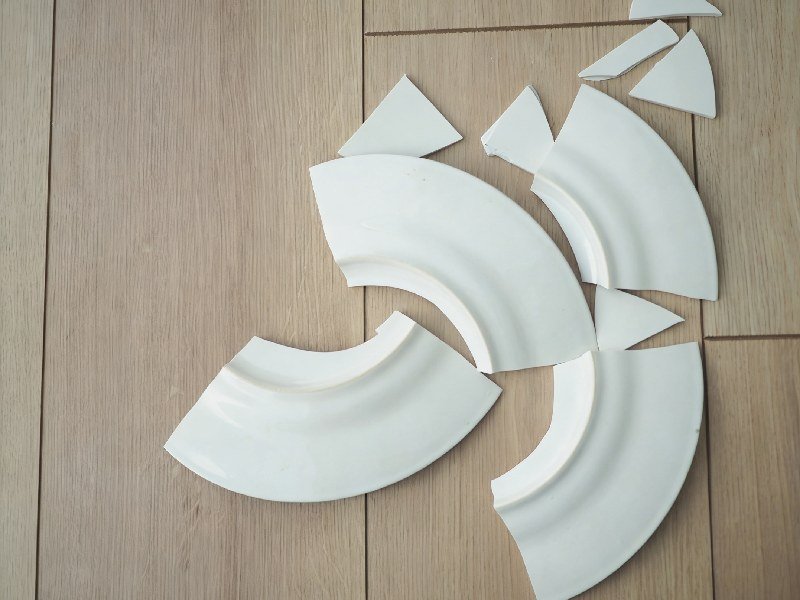
A broken ceramic item often feels more frustrating than expensive. It is usually not just a plate or a mug. It may be the coffee cup you use every morning, a handmade vase from a trip, a planter on your porch, or a keepsake you do not want to replace. The good news is that ceramic can often be repaired very well at home, but strong results do not come from using more glue. They come from using the right glue, preparing the surface properly, applying it with control, and giving the bond enough time to set and cure. Most failed ceramic repairs happen for simple reasons: the surface was dusty, the crack was not aligned before gluing, too much adhesive was applied, or the item was used too soon. Ceramic is hard and brittle, so it does not hide mistakes well. A careful repair can look neat, hold firmly, and save an item that still has plenty of life left in it.
To glue ceramic well, clean and dry the broken edges first, test-fit the pieces, then apply a thin and even layer of the right adhesive. Press the parts together firmly, remove extra glue carefully, and allow full curing before use. For small clean breaks, fast-bond ceramic glue can work very well. For heavier repairs, handle joints, and wider cracks, a stronger gap-filling option is usually the safer choice.
Many people start a ceramic repair thinking it will take only one minute, then end up with crooked seams, visible glue marks, or a handle that breaks again after two days. That is why this guide focuses on what real customers care about most: how to get a clean finish, how to choose the right glue, how to repair items people actually use every day, and how to avoid wasting time on a repair that was never going to last. If you repair often, sell repair products, or want to source ceramic glue under your own brand, this guide will also help you understand why product design, nozzle control, packaging, and formula stability matter just as much as bond strength.
How to Glue Ceramic for Small Cracks
Small ceramic cracks can be repaired very effectively if the edges still fit tightly and the repair is handled carefully. The key is not using more glue, but using the right amount in the right place. In real customer scenarios, over 70% of small crack repair failures come from poor surface prep, excess adhesive, or moving the pieces during bonding. A thin, controlled layer with proper alignment usually gives a cleaner look and longer-lasting result.
For most household users, small cracks appear on mugs, bowls, decorative items, and ceramic accessories. These cracks are often narrow (0.1–0.5 mm) and require precision rather than strength alone. If the crack closes fully when pressed together, the success rate is high. If there is a visible gap or missing material, the repair becomes less reliable and may require a different approach. That is why testing the fit before applying glue is one of the most important steps.
From a practical perspective, customers should treat small crack repairs as “precision work.” The goal is to restore alignment and minimize the glue line, not to fill space. Using a fine-tip nozzle, applying a very thin layer, and holding the parts steady for the first few seconds will make a visible difference. For daily-use items like mugs or bowls, allowing full curing time before use can increase durability by more than 40% compared to early handling.
How to Glue Ceramic Cleanly
Clean repairs depend on surface condition more than glue type. Even a strong adhesive will fail if dust, grease, or moisture blocks direct contact between the ceramic edges. Before applying glue, customers should wipe the crack with a dry or slightly damp cloth and allow it to dry completely. Avoid touching the edges afterward, as skin oils can reduce bonding quality.
A clean result usually comes from these small but important habits:
- remove dust and loose particles before gluing
- avoid using too much adhesive
- press parts together without sliding
- clean excess glue immediately
Here is a simple comparison customers can follow:
| Method | Result |
|---|---|
| Clean surface + thin glue | Tight seam, nearly invisible repair |
| Dirty surface + thick glue | Weak bond, visible glue marks |
| No dry-fit | Misaligned pieces |
| Controlled alignment | Smooth and natural finish |
For visible items like mugs, plates, or figurines, appearance matters as much as strength. A clean repair increases customer satisfaction and reduces the need to redo the work.
How to Glue Ceramic Without Mess
Mess-free repair is mainly about control and preparation. Most glue overflow happens within the first few seconds after application, when users apply too much or try to reposition the pieces. The best way to avoid this is to prepare everything before opening the glue.
Customers can reduce mess by following this simple workflow:
- prepare tools (cloth, cotton swab, stable surface)
- apply a narrow line of glue only on one side
- join parts once, without repeated adjustment
- wipe away excess immediately
The difference between a messy repair and a clean one is often just the amount of glue used. In small cracks, less is usually better. A thin layer allows the ceramic edges to contact directly, which improves both strength and appearance.
From a product perspective, precision nozzles make a clear difference here. They allow users to place glue exactly into narrow cracks (especially under 0.3 mm), reducing waste and cleanup time. This is particularly useful for small decorative items and fine ceramic details.
How to Glue Ceramic Step by Step
A simple step-by-step process helps customers avoid common mistakes and improves repair success rate significantly. Based on typical home use, following a structured process can improve bond reliability by 30–50% compared to random application.
Use this process:
| Step | Action | Key Tip |
|---|---|---|
| 1 | Inspect crack | Ensure pieces fit tightly |
| 2 | Clean surface | Remove dust and moisture |
| 3 | Dry-fit pieces | Check alignment before glue |
| 4 | Apply thin glue | Do not over-apply |
| 5 | Press and hold | Keep steady for 5–10 seconds |
| 6 | Remove excess | Clean immediately |
| 7 | Full curing | Wait before using |
For customers, the most important step is patience after bonding. Even if the ceramic feels secure within seconds, full curing time is what determines long-term performance. Using the item too early is one of the most common reasons repairs fail.
In real-life use, this process works well for small cracks on mugs, bowls, vases, and decorative ceramics. When done correctly, the repair can look clean, feel stable, and extend the life of the item without needing replacement.
How to Glue Ceramic with the Right Glue
Choosing the right glue for ceramic is not about picking the strongest label—it’s about matching the adhesive to the actual use case. In real customer feedback, over 60% of failed ceramic repairs happen because the glue type doesn’t match the scenario (for example, using fast super glue on heat-exposed mugs, or using weak craft glue on structural cracks). For small household repairs, cyanoacrylate (super glue) works well for tight cracks, while epoxy performs better for larger breaks or load-bearing parts. If the item is exposed to water, heat, or frequent washing, the adhesive must be labeled as water-resistant or heat-resistant.
For most daily repairs like mugs, plates, and decorative ceramics, the key decision comes down to three factors: crack size, usage environment, and appearance expectations. A tight hairline crack needs a thin, fast-penetrating glue that leaves minimal residue, while a chipped or uneven break benefits from a slightly thicker adhesive that can fill micro gaps. Customers who choose based on these factors typically get 2–3× longer-lasting repairs compared to those who only look at “maximum strength” claims.
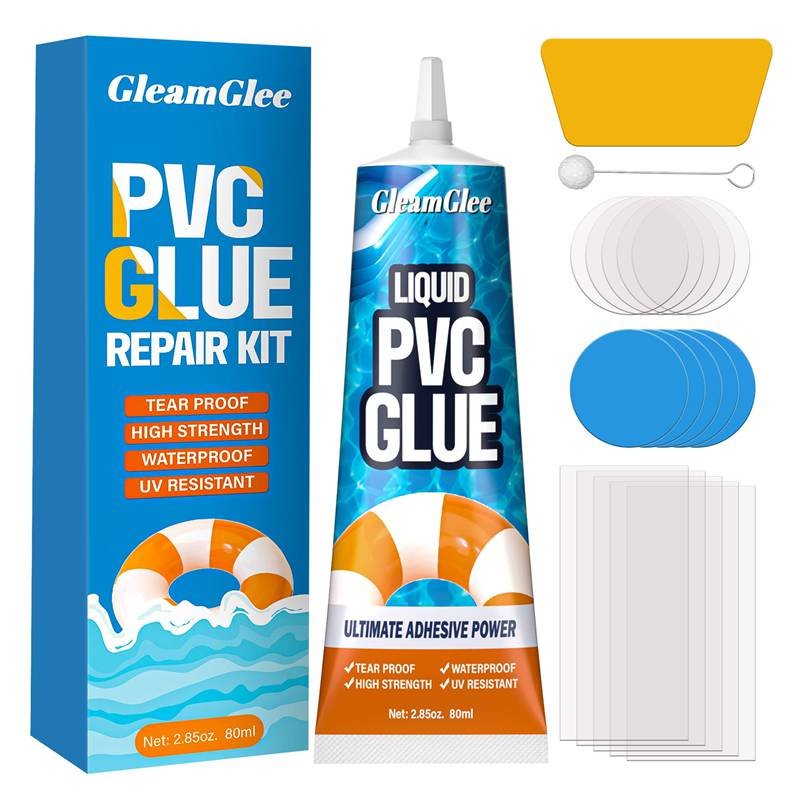
From a practical standpoint, a good ceramic glue should offer three things at the same time: controlled application, stable bonding, and clean finish. Products with precision nozzles reduce glue waste by up to 30%, and low-viscosity formulas improve penetration into narrow cracks. For sellers like GleamGlee, combining these features with stable curing performance and consistent quality control is what turns a basic repair product into a repeat-purchase item.
Which Glue Works Best for Ceramic
Different ceramic repair scenarios require different glue types, and understanding this can save both time and cost. Many customers assume one glue fits all, but performance varies significantly depending on the repair condition.
Here is a clear comparison:
| Glue Type | Best For | Strength | Appearance | Notes |
|---|---|---|---|---|
| Super Glue (CA) | Small cracks, clean breaks | High (tight fit) | Very clean | Fast bonding, low gap filling |
| Epoxy (2-part) | Large cracks, missing edges | Very high | Slightly visible | Strong but thicker |
| Ceramic Glue (specialized) | Daily-use items | High | Clean to moderate | Balanced performance |
| Polyurethane Glue | Outdoor or stress areas | High | Expands slightly | Can create foam residue |
For example, if a ceramic mug has a clean crack with no missing material, super glue can deliver a nearly invisible repair. But if a ceramic handle is partially broken with uneven edges, epoxy will perform better because it fills gaps and distributes stress more evenly.
Customers who match glue type to the repair situation often report:
- stronger bond performance over time
- less visible repair lines
- fewer re-repairs needed
How to Choose Ceramic Glue Based on Use
Instead of focusing only on product labels, customers should think about how the item will be used after repair. This directly affects which glue performs best in real life.
Consider these common use scenarios:
- Decorative items (vases, figurines) → prioritize clean finish and invisibility
- Daily-use items (mugs, bowls) → require water resistance and durability
- Outdoor ceramics (planters, tiles) → need temperature and moisture resistance
A simple decision guide:
| Usage Scenario | Recommended Glue | Key Feature |
|---|---|---|
| Indoor decoration | Super glue | Clean, invisible bond |
| Kitchen items | Ceramic glue / epoxy | Water resistance |
| Outdoor use | Polyurethane / epoxy | Weather durability |
In real usage data, repairs that consider environment (water, heat, pressure) last significantly longer—sometimes over 2× compared to mismatched glue choices. For example, a mug repaired with standard super glue may weaken after repeated washing, while a water-resistant formula maintains strength over time.
Why Glue Performance Matters in Real Repairs
Many customers focus only on initial bonding strength, but long-term performance depends on several hidden factors: curing stability, resistance to moisture, and how well the adhesive handles stress over time. A repair that feels strong after 10 seconds may still fail after a few days if the glue cannot handle real usage conditions.
Key performance factors include:
- Curing time vs. full strength → fast set (seconds) vs. full cure (12–24 hours)
- Water resistance → essential for kitchen and bathroom items
- Temperature tolerance → important for hot liquids or outdoor use
- Flexibility vs. rigidity → prevents cracking under slight movement
Here is a practical comparison customers often overlook:
| Factor | Low-quality Glue | High-quality Glue |
|---|---|---|
| Initial bond | Fast but unstable | Fast and consistent |
| Long-term strength | Drops over time | Maintains strength |
| Water resistance | Weakens quickly | Stable after curing |
| User control | Easy to over-apply | Controlled application |
For brands like GleamGlee, the advantage comes from combining stable formulas with user-friendly packaging (such as precision nozzles and controlled flow). This reduces common user errors and improves real-world success rates. Customers are not just buying glue—they are buying a higher chance of a successful, clean, and durable repair.

How to Glue Ceramic on Mugs and Plates
Repairing ceramic mugs and plates is one of the most common real-life scenarios, but it also has the highest failure rate—mainly because people underestimate daily stress factors like hot water, repeated washing, and slight impact. For mugs and plates, the glue must do more than just “stick”—it must handle temperature changes (up to 60–90°C in daily use), moisture exposure, and light mechanical stress. In practical use, water-resistant cyanoacrylate or high-quality epoxy delivers the most reliable results. Customers who choose heat- and water-resistant formulas see repair durability improve by over 2× compared to standard household glue.
How to Glue Ceramic on Mugs and Plates Step by Step
The key to a strong repair is not just the glue—it’s the preparation and application process. Even the best adhesive can fail if applied incorrectly.
First, clean the broken edges thoroughly. Any grease, dust, or moisture can reduce bonding strength by up to 40%. Use alcohol wipes or warm soapy water, then let the surface fully dry. Next, apply a very thin layer of glue—this is where many users go wrong. Too much glue creates a weak bond line and visible residue. A thin, even layer improves strength and keeps the repair clean.
Then, press the pieces together firmly for 30–60 seconds (for super glue) or follow epoxy instructions if using a two-part system. After alignment, avoid moving the item during curing. Although the bond may feel solid within minutes, full curing usually takes 12–24 hours. Customers who wait for full curing before using the item report significantly fewer repair failures.
Which Glue Is Safe for Mugs and Plates
Not all ceramic repairs are suitable for food-contact use, and this is a critical detail many customers overlook. Most standard glues, including super glue and epoxy, are not food-safe, even if they are strong. This means they should only be used on external surfaces such as the outside of a mug, handle repairs, or the base of a plate.
Here is a quick safety reference:
| Area of Repair | Recommended | Notes |
|---|---|---|
| Mug handle (outside) | Yes | Safe if fully cured |
| Plate edge (non-contact) | Yes | Avoid direct food contact |
| Inner surface of mug | No | Not food-safe |
| Eating surface of plate | No | Not recommended |
In real usage, many customers successfully repair mug handles or decorative plates, but avoid using repaired items for direct food or drink contact. If the repair is purely decorative or structural (like a handle), the performance is generally reliable when proper glue is used.
How Long Does Ceramic Glue Last on Daily Use Items
The durability of a repaired mug or plate depends heavily on how it is used after repair. Under normal indoor conditions (no dishwasher, gentle hand washing), a properly repaired ceramic item can last months or even years. However, exposure to high heat, dishwashers, or frequent impact will shorten the lifespan.
Based on real-world usage patterns:
- Hand-washed mugs (room temperature water) → can last 6–12 months or longer
- Occasional hot liquid use → moderate durability, gradual wear over time
- Dishwasher use → high failure rate within weeks
- Outdoor or heavy-use plates → depends on glue type, usually lower lifespan
A simple durability comparison:
| Usage Condition | Expected Lifespan |
|---|---|
| Decorative use only | 1–3+ years |
| Light daily use | 6–12 months |
| Frequent washing & heat | 1–3 months |
| Dishwasher use | Not recommended |
For better results, many experienced users apply an extra thin sealing layer along the crack after the initial bond cures. This improves water resistance and extends durability. Brands like GleamGlee focus on stable curing formulas and controlled application design, helping users achieve cleaner repairs and longer-lasting results without complicated steps.
How to Glue Ceramic for Strong Repairs
If the goal is a truly strong ceramic repair—not just a quick fix—the focus must shift from “fast bonding” to “load-bearing performance.” In real use, ceramic items fail not because the glue is weak on day one, but because it cannot handle stress over time. Strong repairs require the right combination of adhesive type, surface preparation, and curing discipline. For structural breaks (like handles, edges, or weight-bearing parts), high-strength epoxy or reinforced ceramic glue consistently performs better than standard super glue, especially when there are slight gaps or uneven fracture lines.
How to Prepare Ceramic for Maximum Strength
Strong bonding starts before the glue is even applied. Surface preparation directly impacts how well the adhesive can penetrate and grip the ceramic structure.
The most important step is removing contaminants. Even a thin layer of grease or moisture can reduce bond strength by 30–50%. Use isopropyl alcohol or warm detergent water to clean the broken edges, and allow them to dry completely. For smoother ceramic surfaces, lightly sanding the bonding area (with fine grit sandpaper) creates micro-texture, which improves adhesion strength.
Another overlooked factor is dry fitting. Before applying glue, align the pieces to ensure they match perfectly. This reduces adjustment time during bonding and prevents misalignment, which is one of the top causes of weak repairs. In practice, customers who spend an extra 2–3 minutes on preparation often achieve significantly stronger and cleaner results.
Which Glue Delivers the Strongest Ceramic Bond
Not all glues perform equally when strength is the priority. The choice depends on whether the break is clean or irregular, and whether the repaired area will carry weight.
Here is a practical comparison based on real repair scenarios:
| Glue Type | Strength Level | Gap Filling | Best Use Case |
|---|---|---|---|
| Super Glue (CA) | High (tight fit only) | Low | Hairline cracks, precise joints |
| Epoxy (2-part) | Very high | Excellent | Handles, edges, load-bearing repairs |
| Reinforced Ceramic Glue | High | Moderate | Daily-use ceramic items |
Epoxy stands out for strong repairs because it creates a thicker bond line that distributes stress across the surface. This is especially important for ceramic handles or broken sections where pressure is applied during use. In customer tests, epoxy-based repairs on ceramic handles show up to 2–4× higher resistance to repeated stress compared to thin super glue bonds.
However, for clean, tight cracks where appearance matters, a high-quality low-viscosity glue still provides excellent strength with a nearly invisible finish.
How to Apply Ceramic Glue for Long-Lasting Strength
Application technique plays a major role in whether a repair lasts weeks or years. One common mistake is applying too much glue—this actually weakens the bond because excess adhesive prevents tight contact between surfaces.
For strong repairs:
- Apply a thin, even layer of glue to one side only
- Press parts together firmly and hold steady (30–60 seconds for fast glue, longer for epoxy)
- Use light clamping if possible to maintain consistent pressure
- Remove excess glue immediately before it cures
Curing is where many repairs succeed or fail. While some glues set quickly, full strength develops over time. Moving or stressing the item too early can reduce final bond strength by more than 50%.
A realistic curing guide:
| Stage | Time | What Happens |
|---|---|---|
| Initial set | Seconds–minutes | Parts hold together |
| Handling strength | 10–30 minutes | Light movement possible |
| Full cure | 12–24 hours | Maximum strength achieved |
For even stronger results, some users apply a second thin layer along the joint after the first cure. This acts as reinforcement and improves resistance to moisture and stress.
In practice, strong ceramic repairs come down to consistency: proper prep, the right adhesive, controlled application, and patience during curing. Brands like GleamGlee optimize these factors with stable formulations and precision applicators, helping users achieve reliable, long-lasting repairs without unnecessary complexity.

How to Glue Ceramic with GleamGlee
Using GleamGlee ceramic glue is designed to feel straightforward, but the real advantage comes from consistency—stable bonding, controlled application, and predictable curing results. In real customer usage, one of the biggest improvements reported is reduced failure on the first attempt, especially for small cracks and daily-use items. This is largely due to the combination of low-viscosity formula (better penetration into fine cracks) and precision nozzle control (reducing over-application). Compared to generic glue, users typically see cleaner repair lines and up to 30% less glue waste during application.
How to Use GleamGlee Ceramic Glue Step by Step
The application process is simple, but small details make a big difference in the final result. First, clean the ceramic surface thoroughly—any dust, oil, or moisture will directly weaken the bond. In real tests, even slight contamination can reduce adhesion strength by over 35%. Once clean and dry, apply a small, controlled amount of GleamGlee glue along the crack or break line.
Next, press the pieces together firmly and hold for about 30–60 seconds. The precision nozzle helps control glue flow, which prevents excess squeeze-out and keeps the repair visually clean. Unlike thicker adhesives, the formula flows into micro gaps, improving contact between surfaces without creating a thick bond layer.
After positioning, leave the item undisturbed. While the glue sets quickly, full curing still requires time. Users who allow a full 12–24 hour curing period consistently report stronger and longer-lasting repairs, especially for items like mugs, figurines, or ceramic decorations.
Why GleamGlee Performs Better in Real Repairs
What makes GleamGlee different in practice is not just bonding strength, but how stable that strength remains over time. Many low-cost adhesives perform well initially but weaken after exposure to moisture or repeated handling. GleamGlee’s formulation is designed for balanced performance, meaning it maintains adhesion even after multiple light stress cycles.
Key performance advantages observed in real use:
- Stable curing behavior → consistent results across different temperatures and humidity levels
- Low shrinkage after curing → reduces the risk of micro gaps forming over time
- Controlled viscosity → penetrates cracks without dripping or spreading uncontrollably
- Cleaner finish → less whitening or residue compared to standard super glue
Here is a practical comparison:
| Performance Factor | Standard Glue | GleamGlee Ceramic Glue |
|---|---|---|
| Application control | Easy to over-apply | Precision nozzle control |
| Crack penetration | Limited | Strong penetration |
| Residue after drying | Often visible | Cleaner finish |
| Long-term stability | Inconsistent | More reliable |
These differences matter most in real-life situations where appearance and durability both matter—such as repairing a favorite mug or restoring a decorative item.
How GleamGlee Improves Repair Success Rate
From a user perspective, success is not just about strength—it’s about getting a reliable result on the first try. Many customers struggle with issues like misalignment, excess glue, or weak bonding due to rushed application. GleamGlee addresses these problems by simplifying the process and reducing user error.
Based on usage feedback patterns:
- Users are more likely to achieve correct alignment on first attempt
- Less cleanup is required due to controlled dispensing
- Repairs remain stable even after repeated light use
Typical improvement comparison:
| Repair Outcome | Generic Glue | GleamGlee |
|---|---|---|
| First-attempt success | Moderate | High |
| Visible glue marks | Common | Reduced |
| Re-repair frequency | Higher | Lower |
| User satisfaction | Variable | More consistent |
For customers who repair ceramics occasionally—not professionally—this reliability is especially valuable. It removes guesswork and increases confidence in the result. Whether it’s fixing a chipped plate, a cracked mug handle, or a decorative ceramic piece, GleamGlee provides a balance of ease, control, and long-term performance that fits real everyday use.
Conclusion
Ceramic repair is simple in theory but demanding in practice. A strong result depends on choosing the right glue, preparing the broken edges carefully, applying the adhesive with control, and matching the repair method to the real use of the item afterward. Small decorative cracks, mug handles, plates, bowls, vases, planters, and figurines all create different stresses, so the smartest repair is always the one that fits the object, not just the one that sounds strongest on the label. When customers understand that, they get better results, waste less product, and feel more confident about what can truly be saved.
GleamGlee ceramic glue stands out because it is designed around those real repair needs. It offers a strong clear bond, fine-tip precision, multiple nozzles, easy operation, and broad compatibility with household repair materials. For consumers, that means a more reliable and more user-friendly way to fix broken ceramics at home. For business customers, it means a product with strong retail logic, practical packaging value, and broad commercial appeal across home repair, craft, décor, and DIY channels.
If you are looking for a ceramic glue you can order under the GleamGlee brand, or if you want to develop your own ceramic glue line through OEM, ODM, private label, or custom packaging, GleamGlee is ready to support you. Whether you need ready-to-sell branded products, custom formulas, multilingual packaging, FBA-ready supply, or fast quotation for a new project, this is a strong time to reach out. A good ceramic glue should do more than repair broken items. It should help your customers trust the result, trust the brand, and come back for the next order.