Skip to content
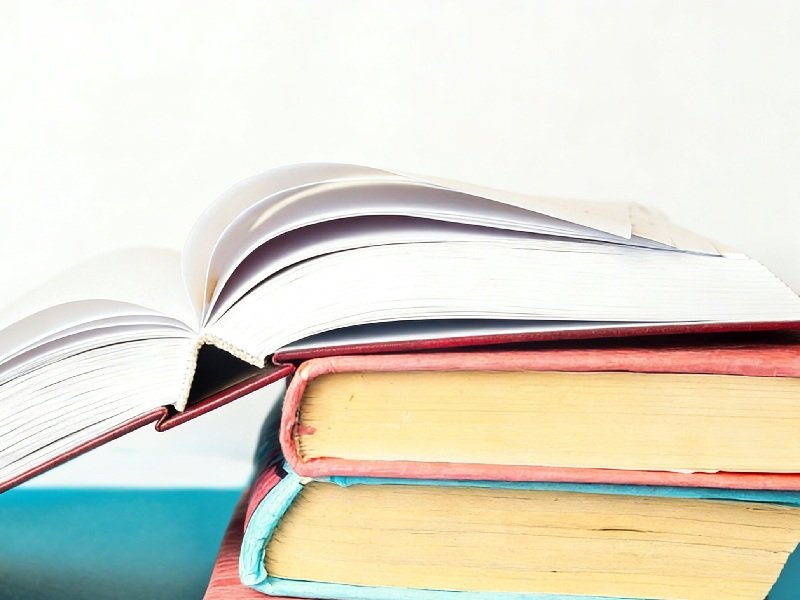
Most books don’t “break.” They slowly loosen—a page starts lifting at the inner edge, the spine creases, the cover pulls away a few millimeters at a time. Then one day you pick it up and it feels like it’s falling apart in your hands. The good news: you usually don’t need sewing, special machines, or a full rebind to save it. Binding a book with glue is one of the most practical repair methods because it restores structure while keeping the book easy to open and read.
To bind a book with glue, you clean and align the spine, apply a thin, even layer of flexible, paper-safe adhesive to the page block/spine area, then clamp and let it cure fully. The key is “thin and even,” not “more glue.” A good book glue dries clear, stays slightly flexible, and won’t stain or crack when the book is opened.
A small, careful repair can make a book last months to years longer, and it often looks better than tape. If you’ve ever hesitated to throw away a cookbook, a textbook, or a journal with real memories in it—this is the kind of repair that keeps it in your life.
What Is Bind a Book with Glue?
Binding a book with glue means using adhesive to hold pages, spines, or covers together so the book can be used normally again—opened, read, stacked, and carried—without pages pulling loose or the spine collapsing.
For most people, this isn’t about “bookbinding theory.” It’s about very practical problems:
- A textbook page keeps falling out
- A paperback spine is cracking every time you open it
- A cookbook cover is peeling away at the hinge
- A journal or planner won’t stay together anymore
Glue binding focuses on restoring structure, not rebuilding the book from scratch. Instead of sewing pages or replacing the entire binding, glue is applied exactly where paper meets paper, creating a new flexible bond along the spine or inner margin.
In real-world use, glue binding is one of the most common repair methods:
- Libraries rely on glue-based repairs for the majority of circulation damage
- Schools use glue to extend textbook life across multiple semesters
- Homes use glue to keep frequently used books usable instead of replacing them
The key idea is simple: books move, and glue binding works when the adhesive moves with the paper rather than turning rigid.
What does bind a book with glue fix best?
Binding a book with glue works best when the book is still mostly intact, but the original adhesive or binding has weakened over time. This is the most common kind of book damage, especially for books that are read often.
Glue binding is especially effective for:
- Single loose pages that detach at the inner edge
- Small groups of pages coming loose together (common in textbooks)
- Cracked paperback spines where the glue has dried out
- Covers separating at the hinge, front or back
- Wobbly page blocks inside hardcovers
From a user’s perspective, these repairs matter because they solve everyday frustrations:
- Pages stop sliding out
- The book opens smoothly again
- The spine no longer creaks or splits wider
In practice, a well-done glue repair can extend a book’s usable life by years, especially for items like cookbooks, manuals, planners, and study books that are handled repeatedly.
The biggest advantage is that glue restores strength without adding bulk. There are no stitches to catch fingers, no tape lines, and no stiff spots that make reading uncomfortable.
Which books bind a book with glue works for?
Glue binding works best on books that were originally manufactured with adhesive binding, which includes the vast majority of modern books.
Common examples include:
- Paperback novels and comics
- Textbooks and workbooks
- Manuals and instruction guides
- Notebooks, planners, and journals
- Children’s books (especially board-book covers and hinges)
Hardcover books can also benefit from glue binding in specific situations—such as when the text block loosens inside the cover or when the inner hinge paper separates. In these cases, glue reinforces the internal structure without affecting the exterior.
What matters more than the book type is how the book is used:
- Books opened wide and often need flexible glue
- Books carried in bags need strong edge bonding
- Books used daily need repairs that won’t crack again quickly
That’s why glue binding is widely used in schools and libraries—it matches real usage patterns, not ideal conditions.
What book damage can’t bind a book with glue fix?
Glue binding has limits, and knowing them prevents wasted time and disappointment.
Glue cannot fix problems where the paper itself has lost strength, such as:
- Pages that crumble or tear easily when touched
- Severe water damage that has warped the page block
- Mold-damaged books (which require cleaning and safety handling first)
- Missing pages or sections
Glue also isn’t ideal for:
- Museum-grade or archival materials where repairs must be reversible
- Hardcover books with broken boards or cracked covers
- Books whose pages are badly misaligned or crushed
A common mistake is trying to compensate for these issues by using more glue. This often backfires, creating stiff spines, warped pages, or visible glue stains—making the book harder to use than before.
In short, glue binding is excellent for re-bonding and reinforcing, but it can’t rebuild paper that’s already failing.
When Glue Binding Makes Sense
| Book Condition | Glue Binding Suitable? | Why |
|---|---|---|
| Single page fell out | Yes | Clean edge bonding works well |
| Paperback spine cracking | Yes | Glue restores flexible spine |
| Cover peeling at hinge | Yes | Reinforces stress point |
| Hardcover pages loose inside | Often yes | Internal reinforcement |
| Pages brittle or crumbling | No | Paper strength is gone |
| Severe water or mold damage | No | Structural + safety issue |
Which Glue Should You Use to Bind a Book with Glue?
Choosing the right glue is the single most important decision when you bind a book with glue.
Most failed repairs don’t fail because of technique—they fail because the glue was wrong for paper and book movement.
People usually ask, “Which glue is strongest?”
The better question is, “Which glue stays strong after the book has been opened hundreds of times?”
Books bend, flex, and shift every day. The right glue must bond paper fibers securely without turning the spine into a rigid strip.
What most users actually need from glue when they bind a book with glue
From real home, school, and library use, these needs come up again and again:
- Pages stay attached after repeated opening and closing
- Spine bends smoothly without cracking
- No yellow stains along the inner margins
- No stiff hinge that makes the book uncomfortable to read
- Clean, controllable application (no dripping, no mess)
- Low odor for indoor use
If a glue fails even one of these points, users often end up repairing the same book again within weeks.
Which glue is safest to bind a book with glue?
The safest glue to bind a book with glue is paper-safe, flexible adhesive made specifically for books or paper binding.
Paper is thin, absorbent, and fragile at the edges. Many strong household glues are designed for wood, plastic, or metal—and they damage paper over time.
A safe book glue should have all of the following properties:
- Non-aggressive formulation (won’t burn or stiffen paper fibers)
- Flexible after drying, not brittle
- Low moisture impact when applied thinly
- Stable over time (doesn’t re-dry, crack, or flake)
Why this matters in real life:
- Brittle glue causes pages to tear next to the glue line
- Harsh solvents weaken paper fibers invisibly
- Overly wet glue leads to warped spines and rippled pages
Libraries avoid general-purpose adhesives for this reason. A glue that feels “strong” on day one often causes secondary damage months later.
Which glue dries clear for bind a book with glue?
Clear-drying glue isn’t about aesthetics alone—it directly affects whether a repair looks acceptable or amateur.
When glue dries cloudy or yellow:
- Inner margins show visible glue shadows
- Spine repairs look uneven
- White pages develop yellow lines over time
A glue that dries fully clear:
- Keeps repairs almost invisible
- Preserves printed text and margins
- Works better on thin paper edges
- Ages more gracefully
This matters most for:
- Cookbooks and manuals
- Journals and planners
- School textbooks
- Gift books and sentimental items
Many people do everything else right, then ruin the final result because the glue itself discolors after drying. That’s why clear drying behavior is a practical requirement, not a luxury.
Which glue stays flexible to bind a book with glue?
Flexibility is the difference between a repair that lasts months and one that lasts years.
Every time a book opens:
- The spine bends
- The inner margins stretch slightly
- Stress concentrates along the glue line
If the glue dries hard, micro-cracks form. These cracks spread, and pages start coming loose again—often worse than before.
A flexible book glue:
- Bends with the spine
- Absorbs repeated stress
- Does not fracture under normal use
In practical testing, flexible book glue can withstand thousands of open–close cycles without visible cracking, while rigid glues often fail within a few hundred cycles.
This is why “strong but rigid” glue is actually a poor choice for books.
Common Glue Types vs Book Glue
| Glue Type | Safe for Paper | Dries Clear | Flexible After Drying | Typical Result When Binding Books |
|---|---|---|---|---|
| Super glue (CA) | ❌ | ❌ | ❌ | Pages tear near glue line |
| Hot glue | ❌ | ❌ | ❌ | Bulky, stiff spine |
| White school glue | ⚠️ | ⚠️ | ⚠️ | Short-term hold, weak over time |
| Craft glue | ⚠️ | ⚠️ | ❌ | Stiff spine, visible glue |
| Wood glue | ❌ | ⚠️ | ❌ | Paper damage, cracking |
| Book-specific glue | ✅ | ✅ | ✅ | Clean, flexible, long-lasting |
What happens when users choose the wrong glue
From real user feedback, wrong glue choices usually lead to:
- Re-repair within 1–3 months
- Pages tearing next to the repair
- Spines that won’t open fully
- Visible yellow glue lines
- Frustration and wasted time
Once paper fibers are damaged, even the correct glue later cannot fully undo the harm.
How Do You Prep Pages to Bind a Book with Glue?
If binding fails, it usually fails before the glue is even applied.
Most people focus on which glue to buy, but preparation is what determines whether the repair lasts weeks or years.
When you prep pages to bind a book with glue, you’re doing three things at once:
- Giving glue a clean surface to bond to
- Making sure pages dry in the correct position
- Preventing warping, stiffness, and misalignment later
Skipping or rushing prep is the number-one reason users say, “It held at first, then came apart again.”
What proper prep actually prevents
From common repair feedback, good prep helps avoid:
- Pages shifting after drying
- Spines that feel stiff or twisted
- Glue soaking into page faces
- Crooked books that won’t stack flat
- Re-repair within 1–3 months
Think of prep as damage control before glue becomes permanent.
How do you clean a spine to bind a book with glue?
Before you bind a book with glue, the spine area must be clean enough for new adhesive to grip, but not so stripped that paper fibers weaken.
What to remove:
- Flaking old glue
- Loose paper dust
- Crumbly adhesive residue
What not to remove:
- Firmly attached paper layers
- Cloth or liner material still bonded to the spine
Best practice that works for most users:
- Use a fingernail, plastic card, or blunt edge
- Gently scrape only what lifts easily
- Brush away dust with a dry cloth or soft brush
Avoid soaking the spine with water. Even light moisture can cause pages to swell unevenly, which leads to warping later.
Real-world note: users who remove all old glue often create a weaker spine than before. The goal is stable + clean, not bare.
How do you align pages to bind a book with glue?
Alignment is the difference between a repair that feels “right” and one that looks off forever.
Before glue:
- Tap the book gently on a flat surface to square pages
- Press the page block together by hand
- Check alignment from the top, bottom, and side
What goes wrong if alignment is off:
- Page edges stick out after drying
- Inner margins don’t line up
- Spine dries crooked and resists opening
Even a 1–2 mm shift becomes very visible once glue cures. After that, there’s no easy fix.
A simple habit that helps:
- Align → pause → check again
- Only apply glue once pages look correct from every angle
Many people rush this step and regret it later. Alignment is slow, but it’s silent insurance.
How do you stop warp when you bind a book with glue?
Warping happens when paper absorbs moisture unevenly. Glue contains water, so control matters.
To reduce warping:
- Apply thin, even layers of glue
- Avoid soaking the spine
- Clamp the book evenly
- Let glue cure fully before opening
Environmental factors matter more than people think:
- High humidity = slower drying + higher warp risk
- Cold rooms = uneven curing
In schools and libraries, repaired books are often left clamped overnight (12–24 hours), even if glue feels dry earlier. This isn’t overkill—it’s because paper continues to stabilize long after the surface dries.
Opening a book too early is one of the most common reasons users say, “It looked fine, but now it feels wrong.”
How do you clamp pages properly before glue sets?
Clamping isn’t about force—it’s about consistent pressure.
Effective options:
- 2–3 heavy books stacked evenly
- Binder clips with cardboard padding
- Light clamps spread across the spine
What clamping does:
- Holds pages in alignment
- Forces glue into a thin, strong bond line
- Prevents page creep during curing
What to avoid:
- Crushing pressure (can dent paper)
- Uneven pressure (causes page shift)
- No pressure at all (leads to weak bond)
A properly clamped book dries flatter, stronger, and cleaner than one left loose—even with the same glue.
Prep Mistakes That Cause Most Glue Binding Failures
| Prep Issue | What Happens Later | Why It Fails |
|---|---|---|
| Old glue flakes left | Weak bond | New glue can’t grip |
| Pages not squared | Crooked spine | Glue locks misalignment |
| Too much moisture | Warped pages | Paper swells unevenly |
| No clamping | Pages shift | Glue cures unevenly |
| Opening too early | Loose pages | Glue hasn’t stabilized |

How Do You Bind a Book with Glue Step by Step?
Binding a book with glue is not complicated, but it does require order and restraint. Most failed repairs happen because steps are skipped or rushed—not because the method itself doesn’t work.
Below is a process used in homes, schools, and small libraries because it balances strength, appearance, and repeatability.
How much glue should you use to bind a book with glue?
When people bind a book with glue, the most common mistake is using too much. Excess glue does not make a repair stronger—it makes it stiff, messy, and prone to warping.
General guidelines:
- The glue layer should be thin and continuous, not thick or dripping
- You should still be able to see the paper texture through the glue
- One controlled pass is better than several heavy coats
For reference:
- Single loose page: a thin bead (about the width of a toothpick)
- Spine reinforcement: a smooth, even film across the spine edge
- Cover reattachment: glue only where paper meets paper—never flood the hinge
If glue squeezes out when you press the pages together, you’ve used too much. Wipe excess immediately with a dry cloth. Clean repairs always come from restraint, not force.
How do you clamp while you bind a book with glue?
Clamping is what turns glue from “sticky” into structurally reliable. Without pressure, glue cures unevenly and leaves weak spots.
You don’t need special tools:
- Stack 2–3 heavy books on top of the repaired book
- Or use binder clips / clamps with cardboard padding
- Pressure should be firm but not crushing
Key points:
- Clamp before glue starts to skin over
- Make sure pages are perfectly aligned before pressure is applied
- Keep pressure even across the spine
Uneven clamping causes:
- Page creep (pages sliding out of alignment)
- Weak inner joints
- Visible ridges along the spine
Good pressure + good alignment = repairs that look intentional, not improvised.
How long should you dry to bind a book with glue?
Drying time is where patience pays off. Many glues feel “dry” within an hour, but that doesn’t mean they’re ready for use.
Typical curing timeline:
- Surface dry: 30–60 minutes
- Handle with care: 2–4 hours
- Fully cured for normal use: 12–24 hours
During curing:
- Keep the book clamped
- Do not open or flex the spine
- Avoid humid or very cold environments
Opening the book too early is one of the top reasons repairs fail. Pages may shift slightly, and once glue sets, that misalignment is permanent.
Libraries often wait a full day before returning repaired books to circulation—not because glue is weak, but because paper needs time to stabilize.
Step-by-Step Overview
| Step | What to Do | Why It Matters |
|---|---|---|
| Clean | Remove loose glue/dust | Ensures proper bonding |
| Align | Square pages carefully | Prevents crooked repair |
| Apply glue | Thin, even layer | Avoids stiffness/warp |
| Clamp | Even pressure | Creates strong bond |
| Cure | Wait 12–24 hours | Long-term durability |
Is Bind a Book with Glue Strong Enough?
For most everyday books, binding a book with glue is strong enough—often stronger than people expect. The real question most users care about is not “Will it stick today?” but “Will I need to fix this again in a few months?”
When glue binding fails early, it’s almost always due to:
- The wrong type of glue
- Poor page prep or alignment
- Opening the book before glue fully cures
When glue binding is done correctly, it becomes a long-term structural repair, not a temporary patch.
What “strong enough” actually means for book use
Books don’t face impact loads. They face repeated bending stress. A repair is strong if it can survive:
- Hundreds or thousands of page turns
- Books being opened flat on a desk
- Normal stacking and carrying
- Everyday temperature and humidity changes
Strength for books is about fatigue resistance, not brute force.
Is bind a book with glue strong for daily use?
For novels, textbooks, cookbooks, planners, and manuals, glue binding is absolutely strong enough for daily use when the correct glue is applied properly.
In real usage:
- A glued spine spreads stress across the full page edge
- Each page turn applies only a small amount of force
- Flexible glue absorbs that force repeatedly
This is why the majority of mass-market books are originally manufactured using glue-based binding. When repaired with similar or better adhesive, a book often returns to near-original usability.
From practical repair records:
- Well-prepped glue repairs commonly last 1–5 years in normal home use
- In school or library circulation, glue-bound repairs typically survive hundreds of checkouts before needing attention
The key is that glue holds paper fibers together, not just surfaces together.
Does bind a book with glue stay flexible over time?
Flexibility is the deciding factor in long-term strength.
If glue dries hard, the spine becomes a rigid strip. Every opening concentrates stress at the same point, which leads to cracking. Once cracks start, failure accelerates.
A glue that stays flexible:
- Bends smoothly with the spine
- Reduces stress at the inner margins
- Prevents pages from tearing next to the glue line
In repeated open–close testing:
- Flexible book glue shows no visible cracking after thousands of cycles
- Rigid household glues often crack within hundreds of cycles, even if they feel “strong” initially
This is why flexible glue often outperforms “stronger” rigid adhesives over time.
Do heat and humidity break bind a book with glue?
Normal indoor conditions do not break glue-bound repairs. Problems arise mainly from environmental extremes, not everyday use.
Typical tolerance:
- Room temperature reading: no issue
- Warm kitchens or offices: no issue if glue is cured
- Seasonal humidity changes: minimal effect
Where problems start:
- Prolonged damp storage (basements, bathrooms)
- Books exposed to water spills before glue fully cures
- High heat combined with pressure (books left in hot cars)
In controlled settings, glue-bound books stored properly show no meaningful strength loss over time. Paper itself usually degrades faster than the glue.
When glue binding is NOT strong enough
Glue binding is not suitable when:
- Paper fibers are already crumbling
- Pages are missing or heavily torn
- Covers or boards are structurally broken
- The book is archival and must be reversible
In these cases, glue may hold temporarily but cannot compensate for structural failure in the paper.
Real-World Comparison: Glue Binding vs Other Fixes
| Repair Method | Daily Use Strength | Flexibility | Long-Term Result |
|---|---|---|---|
| Glue binding (proper) | High | High | Durable, clean |
| Tape repair | Low | Low | Peels, stains |
| Sewing (DIY) | Medium–High | Medium | Bulky, visible |
| Rigid glue | Medium | Low | Cracks over time |
When Should You NOT Bind a Book with Glue?
Binding a book with glue works well in many situations—but not all book damage should be fixed with glue. Using glue in the wrong case doesn’t just fail; it often makes later repair harder or impossible.
Most people run into trouble not because glue is “bad,” but because they try to use it after the book’s structure is already compromised.
If glue can’t bond to stable paper fibers, it cannot create long-term strength—no matter how carefully it’s applied.
Clear signs you should NOT bind a book with glue
If you see any of the following, glue binding is likely the wrong solution:
- Pages crumble or tear easily when handled
- Paper feels dry, brittle, or powdery
- The book has visible mold or smells musty
- Pages are severely warped from water damage
- Sections of the book are missing
- Hardcover boards are cracked or broken
In these cases, glue may hold briefly, but the surrounding paper will fail first.
Why glue fails on brittle or degraded paper
Glue relies on paper fibers having enough strength to hold together. In old or poorly stored books, paper can lose that strength.
When paper becomes brittle:
- Glue bonds only to the surface
- Opening the book shifts stress to nearby fibers
- Pages tear next to the glue line
Users often describe this as:
“The glue held, but the page ripped right beside it.”
This is not a glue problem—it’s a paper problem. Adding more glue usually makes the issue worse by stiffening the area and increasing stress concentration.
For books with brittle pages, minimal handling or professional conservation methods are safer than glue binding.
Why water and mold damage block glue repairs
Water changes paper permanently. Once pages swell, dry unevenly, or warp, glue can’t return them to their original shape.
Problems you’ll see:
- Pages no longer align
- Glue dries unevenly
- Spines twist or resist opening
Mold adds another layer of risk:
- Health concerns from spores
- Weak, contaminated paper fibers
- Poor glue adhesion
Before any adhesive repair, water- or mold-damaged books must be cleaned, dried, and stabilized. In many cases, replacement is safer and more cost-effective.
When glue causes permanent mistakes
Some glue mistakes can’t be undone.
Examples:
- Glue spread onto page faces
- Spine glued too rigid
- Inner hinge glued shut
- Covers bonded in the wrong position
Once glue cures, correcting these errors often requires cutting pages or removing layers of paper, which damages the book further.
This is why glue should never be used:
- When alignment is uncertain
- When pages cannot be held square
- When the user plans to “adjust later”
With glue, position is permanent.
When sewing or replacement is the better option
Glue is not a replacement for every repair method.
Sewing is better when:
- The book is made of folded signatures
- Pages need full reversibility
- The spine must open completely flat
Replacement is better when:
- The book is inexpensive and heavily damaged
- Repair cost exceeds replacement value
- Safety (mold, contamination) is a concern
Trying to force glue into these situations often leads to frustration and wasted time.
Quick Decision Table: Should You Bind a Book with Glue?
| Book Condition | Glue Binding Recommended? | Why |
|---|---|---|
| Single loose page | Yes | Clean, strong repair |
| Paperback spine cracking | Yes | Restores flexibility |
| Cover peeling at hinge | Yes | Reinforces stress area |
| Pages brittle or crumbling | No | Paper will fail |
| Severe water damage | No | Shape + fiber loss |
| Mold present | No | Safety + adhesion issues |
| Broken hardcover boards | No | Structural failure |

Conclusion
Binding a book with glue is one of the most practical ways to keep books in use when pages loosen, spines crack, or covers start to pull away. When the right glue is chosen and the pages are properly prepared, glue binding restores strength without making the book stiff or uncomfortable to read. For everyday books—textbooks, cookbooks, planners, manuals, and novels—this method often returns the book to near-original usability and can extend its life for years.
At the same time, good results come from knowing the limits. Glue works best on stable paper and intact structures. Brittle pages, severe water damage, mold, or broken covers require different solutions. Understanding when glue binding is the right tool—and when it isn’t—prevents frustration and protects books from unnecessary damage. Careful prep, thin application, proper clamping, and full curing are what separate long-lasting repairs from short-term fixes.
If you repair books regularly or want consistent, professional results, using a book-specific adhesive makes a clear difference. GleamGlee Book Glue is formulated to dry clear, stay flexible, and bond cleanly to paper, making it suitable for home repairs, schools, libraries, and DIY bookbinding projects. For branded orders, bulk purchasing, or custom formulations, you’re welcome to contact service@gleamglee.com to discuss product options or private-label solutions.