Skip to content
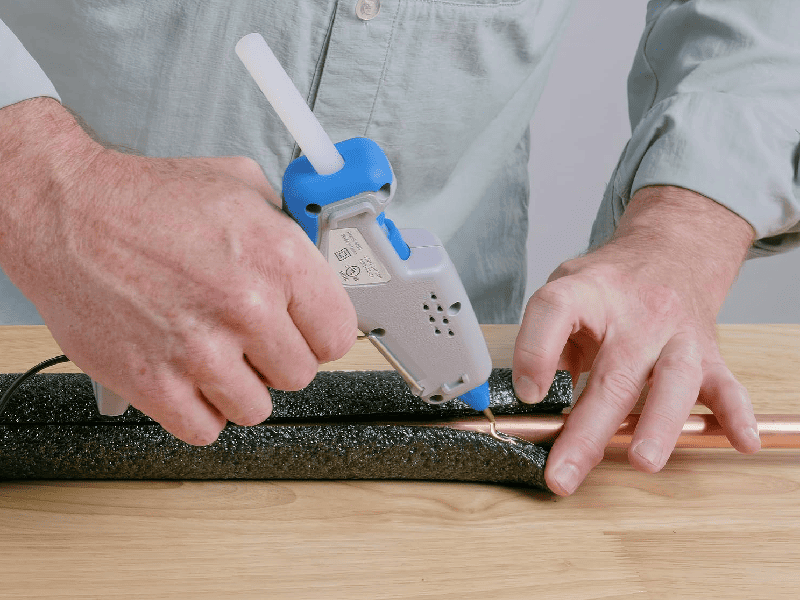
Glue guns have become a staple tool in Pakistan for everything from DIY crafts and school projects to packaging, home repairs, and light industrial use. What seems like a simple purchase decision—just pick the cheapest tool and start gluing—turns into a series of questions the moment you compare brands, wattage, output quality, and long-term performance. Buyers often find that prices can vary widely, and that the “best deal” isn’t always the lowest sticker price: it’s the one that gives consistent temperature, fewer failures, and better adhesive results for your specific task.
Glue gun prices in Pakistan typically range from low-cost mini models designed for occasional crafts to mid-range 40W tools and higher-output workshop units. Price differences are driven by wattage, glue stick compatibility, build quality, and where you buy (online marketplaces vs specialist stores). For occasional use, budget models work; for frequent or heavy tasks, higher-quality options offer better performance and reliability.
But here’s where it gets interesting: once you start using glue guns regularly—repairing shoes, packaging cartons, or fixing household items—you begin to see their limitations. Heat inconsistency, dripping glue, and weak bonds aren’t just annoying—they cost time and money. That’s why serious users start asking deeper questions about not just the price, but how much glue sticks you’ll consume, whether the tool can maintain temperature, and if alternatives like liquid adhesives optimized for specific materials might actually save more in the long run.
What Is the Average Glue Gun Price in Pakistan?
Glue gun prices in Pakistan vary by power level, stick size, and seller. Entry-level mini guns usually sell around PKR 300–650. Standard 40W–60W models—the most common choice for home and workshop use—are typically PKR 400–1,200. Higher output and branded units often fall between PKR 1,400–2,500+. Factors such as build quality, heat consistency, glue stick compatibility, and retailer pricing all influence final customer price.
Entry-Level Pricing
For casual buyers and students, the most widely seen glue guns in Pakistan are entry-level units. These typically include basic 20W–30W glue guns that use smaller 7mm glue sticks. They are common on local online marketplaces, general hardware stores, and stationery outlets.
Typical price range:
- PKR 300–450: No-brand mini glue guns with basic heating element and stand
- PKR 450–650: Slightly improved mini units with a simple switch and short warm-up time
What buyers get:
- Compact size suited for paper, light fabric, cardboard
- Often include a few starter glue sticks
- Best for occasional crafts and school projects
Limitations:
- Lower heat output and slow warm-up time
- Not suitable for heavy materials (leather, thick plastic, wood)
- Glue stick availability is sometimes limited to smaller sizes
Example data point:
A common listing on major marketplace shows a 20W mini gun priced around PKR 334 and described as “ideal for crafts and cards.” Listings in local stationery shops often show similar models priced near PKR 500.
Standard Glue Gun Pricing
Standard Glue Gun Price in Pakistan
This represents the bulk of glue gun purchases. Standard glue guns are designed for universal use and typically accept 11mm glue sticks. They bridge the gap between casual and frequent use.
Typical price range:
- PKR 400–800: Basic standard models most often seen online
- PKR 800–1,200: Models with switch, better handle grip, and more consistent heat
Use cases:
- Everyday home fixes
- Gift wrapping and packaging
- Furniture touch-ups
- DIY household projects
Price influencers:
- Brand or store mark-up
- Included accessories (stand, glue stick bundle)
- Build quality (insulation, nozzle design)
Market snapshot:
Standard models priced around PKR 499–750 dominate the listings on major Pakistani ecommerce sites, selling well in volume due to their broad usefulness.
Workshop / Higher Output Pricing
Higher output glue guns aim at heavier tasks and repeat use. These are frequently sold through hardware retailers or power-tool sections rather than general marketplaces.
Typical price range:
- PKR 1,400–1,800: Higher wattage tools with larger glue stick support
- PKR 1,800–2,500+: Branded or heavy-duty units with insulated handles and robust nozzles
Why this tier exists:
- Stronger bonding for heavier materials
- Ability to keep temperature stable during longer sessions
- Larger glue stick capacity for less downtime
When buyers choose these:
Customers doing frequent repairs, light furniture alteration, or preparing cartons for delivery often opt for these higher output units.
Example pricing:
Products listed on power-tool specialist sites show 150W glue guns around PKR 1,465–2,530 depending on features and brand name.
Local vs Imported Pricing
In Pakistan, glue gun prices are shaped heavily by supply source:
- Imported units typically cost more due to shipping, customs, and multi-tier distribution.
- Local or no-brand imports are cheaper but vary in build quality.
Imported glue guns that carry a recognizable brand or better specifications often command a 10–30% premium compared to no-brand listings.
Seller Type Pricing Differences
Glue gun pricing also varies by where you buy:
| Seller Type | Typical Price Range | Notes |
|---|---|---|
| Online marketplace | PKR 300–900 | More listings, often walk-in deals & bundles |
| Stationery / craft stores | PKR 400–1,200 | Slightly higher but clearer specs |
| Hardware / tool shops | PKR 1,200–2,500+ | Higher reliability, workshop focus |
Marketplace units may look like bargains but often lack regulated temperature control or safety features that hardware-store units include.
Price Influence Factors
- Wattage: Higher watts typically mean quicker warm-up and better glue flow
- Glue stick size: 11mm sticks cost more than 7mm per gram but deliver stronger bonds
- Build quality: Better insulation and nozzle design increase price
- Included accessories: Extra glue sticks or stands slightly raise retail value
- Brand and warranty: Branded tools often have higher price tags but better after-sales support
Pricing Table
| Category | Wattage | Stick Size | Price Range (PKR) | Best For |
|---|---|---|---|---|
| Entry-Level | 20W–30W | 7mm | 300–650 | Crafts, school |
| Standard | 40W–60W | 11mm | 400–1,200 | Household, DIY |
| Workshop | 100W–150W | 11mm+ | 1,400–2,500+ | Frequent, heavy use |
Which Types of Glue Guns Are Commonly Sold in Pakistan?
In Pakistan, glue guns fall into clear practical categories based on size, wattage, and application: mini hobby glue guns for crafts and light tasks, standard 40W–60W models for everyday household use and packaging, and higher-output workshop units for heavier materials or frequent use. Prices and availability vary, but the most common types across online marketplaces and retail shops align with these application tiers.
Below are the common glue gun types found in the Pakistani market, how they differ, and how to choose the right one based on your needs.
Mini Glue Guns
What they are: Mini glue guns are low-wattage (typically 20W–30W), compact tools designed for light gluing tasks like school projects, fabric crafts, and quick fixes.
Key features and typical specs:
- Wattage: ~20W–30W
- Glue stick size: 7mm diameter
- Use case: Paper, lightweight fabric, basic crafts
- Price range (PKR): Rs. ~300–650
Why buyers choose them:
Mini glue guns are affordable and easy to handle. They’re ideal for occasional DIY projects and beginners who don’t need high bonding strength. Many come bundled with a small number of glue sticks, making them a convenient starter option.
Limitations:
The low wattage and small glue sticks limit both bond strength and continuous use. Tasks involving thicker materials (leather, wood, plastics) quickly exceed their practical capacity.
Real-world example: Popular mini models sold on marketplaces like Daraz often list around Rs. 334–Rs. 450 with a few glue sticks included. Such listings frequently highlight “compact size for crafts and home” in product descriptions.
Standard Glue Guns (40W–60W)
What they are: These are the most commonly purchased glue guns in Pakistan for general use, striking a balance between heat performance and affordability.
Key features and typical specs:
- Wattage: 40W–60W
- Glue stick size: 11mm diameter (standard)
- Use case: Household repairs, gift wrapping, light packaging, DIY projects
- Price range (PKR): Rs. ~400–1,200
Typical offerings:
40W models dominate this category as they provide sufficient heat to melt standard glue sticks consistently without overheating. Many sellers include an adjustable stand or safety nozzle to appeal to home users.
Why these are popular:
Standard 40W–60W glue guns balance price with broader usability. They heat faster than mini units and can handle thicker sticks used for stronger bonding. Their price range attracts both one-off buyers and regular users who need more reliability without a workshop-grade tool.
Limitations:
Even within this group, buyers find inconsistency when tools lack proper thermal regulation. A handful of marketplace offerings advertise “stable melting,” “anti-drip,” and “comfortable grip” as differentiators.
Workshop / Higher Output Glue Guns
What they are: Tools with higher wattage and capacity suitable for repeat or heavier tasks.
Key features and typical specs:
- Wattage: 100W–150W
- Glue stick size: 11mm (sometimes thicker)
- Use case: Frequent repairs, wood/craft bonding, packaging work
- Price range (PKR): Rs. ~1,400–2,500+
Why these matter:
For buyers doing regular fixing, packaging or light woodworking tasks, a higher-output unit provides more consistent heat and increased glue flow. These tools are often found through power-tool retailers rather than stationery stores.
Example price indicators:
- 150W glue gun: around Rs. 1,465 (workshop style)
- Branded option: around Rs. 2,530 — often advertised with improved nozzles, higher duty cycle, and better insulation.
Limitations:
These tools are more expensive and heavier. They shine in shop environments but may be overkill for occasional users.
Glue Gun Types Comparison Table
| Type | Wattage | Glue Stick Size | Typical Price (PKR) | Best For |
|---|---|---|---|---|
| Mini Glue Gun | 20W–30W | 7mm | 300–650 | Crafts, school projects |
| Standard Glue Gun | 40W–60W | 11mm | 400–1,200 | Household repairs, DIY |
| Workshop Glue Gun | 100W–150W | 11mm+ | 1,400–2,500+ | Frequent use, heavier materials |
How Wattage and Stick Size Affect Performance
- Wattage: Higher wattage generally means quicker heat up and more consistent melt, but it must be paired with good thermal design. A 40W tool with poor insulation will underperform compared with a well-built 40W unit.
- Glue Stick Size: 7mm sticks are common in mini guns but melt faster and hold less adhesive material. Standard 11mm sticks offer more glue per minute and stronger bonds, which is why the majority of repeat buyers select 11mm-compatible models.
Choosing the Right Glue Gun
When evaluating glue guns in Pakistan, consider these practical factors:
1. Task Frequency
- Occasional light tasks → Mini glue gun
- Frequent DIY and repairs → Standard 40W–60W
- Heavy or repeated use → Higher wattage workshop unit
2. Material Types
Everyday bonding of paper, cloth, and light plastics works on standard tools. For heavier materials (wood trims, leather patches, packaging with weight), standard models are better, and workshop glue guns are ideal.
3. Total Cost of Use
Glue gun price is just one part of the cost. Glue stick consumption and tool durability are equally important. Standard glue guns with good thermal control often reduce waste and deliver more value over time.

How Does Glue Gun Quality Affect Price and Performance?
Glue gun quality directly impacts heating stability, glue flow consistency, safety, and bond strength. Higher-quality glue guns maintain a stable working temperature, reduce dripping, and support longer continuous use, which increases price but lowers long-term cost. Cheaper models often suffer from uneven heating and faster wear, making them suitable only for light, short-term tasks.
Heating Temperature
Most glue guns sold in Pakistan fall into a working temperature range of 160–200°C, depending on wattage and internal heating design. A common 40W glue gun typically reaches 170–190°C, which is enough for paper, cardboard, thin plastics, and basic crafts.
Where quality matters is temperature stability. Low-cost glue guns may reach peak heat initially but fail to maintain it during continuous use. This causes glue to partially melt, leading to weak bonds and stringing. Higher-quality units use better insulation and heating coils, allowing them to hold temperature more consistently.
From GleamGlee’s adhesive testing perspective, inconsistent heat is one of the main reasons hot-melt bonds fail prematurely—especially on leather, plastic, or mixed materials.
Wattage vs Output
Many buyers assume higher wattage automatically means better bonding. In reality, wattage only tells part of the story.
- 20W–30W: slow heat-up, limited glue flow
- 40W–60W: balanced performance for most home and DIY tasks
- 100W–150W: higher output for frequent or heavier use
The key difference between a cheap 40W gun and a better 40W gun is how evenly that power is delivered. Poor internal design leads to overheating when idle and cooling under load—both reduce bonding quality and increase glue waste.
In manufacturing environments, GleamGlee often sees users replace glue guns not because of insufficient wattage, but because the tool cannot maintain usable output over time.
Glue Flow Control
Glue flow is where quality becomes immediately visible. Lower-priced glue guns commonly suffer from:
- uncontrolled dripping
- sudden bursts of glue
- uneven bead thickness
This wastes glue sticks and contaminates surfaces. Higher-quality glue guns use better nozzle seals and internal pressure balance, allowing smoother, more predictable glue flow.
For users doing visible repairs or packaging, inconsistent glue flow often matters more than raw bond strength—it affects finish quality and rework rate.
Nozzle Design
Nozzle quality is one of the biggest price differentiators. Cheap nozzles are thin, poorly sealed, and lose heat quickly. This causes glue to drip even when not pressing the trigger.
Better glue guns feature:
- insulated metal nozzles
- tapered tips for precision
- reduced back-flow and leakage
From GleamGlee’s product feedback data, nozzle leakage is one of the top complaints from users who switch away from glue guns toward liquid adhesives for cleaner results.
Build Durability
Entry-level glue guns are often built for intermittent use, not daily operation. Common failure points include:
- cracked plastic housing
- loose wiring near heating element
- unstable stands
Higher-quality glue guns last longer because of:
- thicker heat-resistant casings
- better strain relief on power cords
- reinforced trigger mechanisms
For frequent users, replacing a cheap glue gun every few months often costs more than buying a better unit—or switching application methods altogether.
Safety Features
Safety is closely tied to quality and price. Low-cost glue guns usually lack:
- thermal cut-off protection
- proper insulation near the nozzle
- stable resting stands
This increases burn risk and electrical hazards. Better glue guns cost more because they incorporate:
- heat-resistant housings
- stable bases
- controlled heat zones
This is especially important in homes, schools, and small workshops.
Cost Efficiency
While cheaper glue guns have lower upfront cost, their long-term cost is often higher due to:
- glue stick waste
- failed bonds
- frequent replacements
- rework time
In GleamGlee’s experience working with DIY sellers and small businesses, many users eventually move away from glue guns for repetitive tasks and adopt material-specific liquid adhesives, which offer:
- controlled application
- stronger, more consistent bonds
- lower cost per finished job
Glue Gun Quality Comparison Table
| Quality Level | Heat Stability | Glue Control | Typical Lifespan | Best Use |
|---|---|---|---|---|
| Low-cost | Inconsistent | Dripping common | Short | Crafts, occasional |
| Mid-range | Moderate | Acceptable | Medium | Home DIY |
| Higher-quality | Stable | Clean, controlled | Long | Frequent use |
Where Do People Buy Glue Guns in Pakistan and at What Prices?
In Pakistan, glue guns are commonly purchased through online marketplaces, hardware and tool stores, local stationery shops, and second-hand channels. Online listings range from PKR 300–1,200 for basic to mid-range models, while hardware and professional tool outlets list higher-output options from PKR 1,400–3,500+. Prices reflect seller type, sourcing (local vs imported), and offered features such as wattage and build quality.
Online Marketplaces
Online platforms like Daraz, PakWheels Classifieds, and select ecommerce aggregators serve as the most active digital channels for glue gun purchases in Pakistan. These sites list a broad range of products, from low-power hobby guns to higher wattage models, with detailed pricing and seller comparisons.
Price examples from listings:
- Mini glue guns (20W, 7mm) — PKR 300–500
- Standard glue guns (40W–60W, 11mm) — PKR 450–1,200
- Higher output models (100W–150W) — PKR 1,400–2,500
Online listings often include bundles with glue sticks, reducing the upfront consumable cost for customers. Buyers also see ratings and review counts, which help in selecting tools with fewer quality complaints.
Online marketplaces are ideal for buyers looking for competitive prices across multiple sellers, and for delivery support to major cities like Karachi, Lahore, Islamabad, and Rawalpindi.
Hardware & Tool Stores
Brick-and-mortar outlets focus on tools and industrial supplies. These include local hardware stores, specialist tool retailers, and multi-brand power-tool shops. In these outlets, glue guns are often displayed alongside drills, saws, and bundled hand tools.
Price examples from tool retailers:
- Standard professional glue gun (100W) — ~PKR 1,400–1,800
- High-output/heavy duty tools — ~PKR 2,000–3,500+
Purchases from these stores tend to come with:
- clearer specification labels (wattage, voltage)
- visible inspection before purchase
- immediate availability
Many hardware store models carry slightly higher prices than basic online deals, but buyers report fewer early failures and better heat stability from these units.
Local & Stationery Shops
In smaller towns, stationery and office supply shops stock budget glue guns as part of their general inventory. These sellers often carry compact and mid-range tools that are priced to attract walk-in buyers.
Typical price range in local shops:
- PKR 400–850 for standard glue gun models
Stationery shops may bundle 11mm glue sticks with the tool, making them attractive for home use without additional purchases.
These shops tend to be the go-to for customers who want immediate pickup without delivery wait time and for buyers who make impulse or craft project purchases.
Second-Hand & Classifieds
Classified platforms like OLX and local Facebook Marketplace often list used or surplus glue guns, appealing to budget-minded buyers. Prices here reflect condition and model age rather than specs alone.
Typical second-hand price range:
- PKR 450–950 depending on condition and wattage
This channel is popular among hobbyists who are unconcerned with the latest features and are comfortable inspecting a tool before purchase.
Buying Channel Price Comparison
| Buying Channel | Price Range (PKR) | Common Features | Typical Buyer |
|---|---|---|---|
| Online Marketplaces | 300–1,200 | Large variety, bundles | Home users, DIYers |
| Hardware & Tool Stores | 1,400–3,500+ | Better specs, visible inspection | Frequent users, technicians |
| Local Stationery Shops | 400–850 | Immediate pickup, basic tools | Casual buyers |
| Second-Hand / Classifieds | 450–950 | Variable condition | Value-focused shoppers |
Key Pricing Differences
- Import vs Local Stock Most glue guns are imported, which means exchange rates, shipping, and customs duties affect final retail price. Online sellers often discount aggressively to compete, whereas physical stores price products to reflect overhead and warranty support.
- Bundle Offers Some online listings include sets with glue sticks (12–50 pieces); these offer lower per-stick cost and are effective entry packs for new buyers.
- Brand Influence Nominal brands and unbranded units are cheapest, but sometimes lack consistent quality. Branded or more robust workshop models command higher retail values but often deliver more reliable performance over time.

Is a Cheap Glue Gun Good Enough for Daily Use?
A cheap glue gun can handle occasional, light tasks, but it is usually not reliable for daily use. Low-cost models often struggle with heat stability, glue flow control, and durability, leading to weak bonds, glue waste, and frequent replacement. For users who glue every day—repairs, packaging, or small production—the hidden costs quickly outweigh the low purchase price.
Safety
Cheap glue guns typically lack thermal cut-off protection and proper insulation around the nozzle and housing. During repeated use, internal temperatures can spike, increasing the risk of burns, melted housings, or electrical faults. In homes, schools, and small workshops, this becomes a real safety issue rather than a theoretical one.
From feedback GleamGlee collects from DIY users and resellers, safety complaints—hot handles, unstable stands, dripping nozzles—are among the top reasons users abandon low-end glue guns after short periods.
Heat Stability
Daily use exposes the biggest weakness of cheap glue guns: unstable heat. Many entry-level models heat quickly at first, then cool down under continuous use. The result is partially melted glue that looks fine on application but fails after cooling.
Stable temperature matters more than peak temperature. Without it, bonds on leather, plastic, wood, or mixed materials fail under light stress—forcing rework and wasting time.
Glue Waste
Cheap glue guns tend to drip when idle and release uneven glue beads when triggered. Over a week of daily use, this adds up to significant glue stick waste.
In GleamGlee’s internal usage comparisons, users relying on low-cost glue guns often consume 15–30% more glue per job compared to users with better flow control—or those switching to controlled liquid adhesive application.
Durability
Entry-level glue guns are generally designed for intermittent use, not daily operation. Common failure points include:
- cracked plastic housings
- loose power cords
- weakened trigger mechanisms
For daily users, replacing a cheap glue gun every few months is common. Over a year, the replacement cost often exceeds that of a single, better-built tool.
Bond Reliability
Even if a cheap glue gun forms an initial bond, that bond often degrades with temperature changes, vibration, or repeated handling. This is especially noticeable in:
- shoe repairs
- packaging under load
- plastic-to-plastic joints
GleamGlee testing data shows that inconsistent heat application is a major contributor to early bond failure when using hot-melt glue for daily tasks.
Time Cost
Daily users quickly feel the time penalty of cheap tools. Dripping glue means cleaning. Weak bonds mean redoing work. Tool failure means stopping mid-task.
For small businesses, this lost time often costs more than upgrading the tool—or switching to a more suitable adhesive method.
Cheap vs Daily-Use Glue Guns: Practical Comparison
| Factor | Cheap Glue Gun | Daily-Use / Better Tool |
|---|---|---|
| Heat stability | Inconsistent | Stable |
| Safety features | Minimal | Improved |
| Glue waste | High | Lower |
| Tool lifespan | Short | Longer |
| Bond reliability | Variable | Consistent |
| Suitable for daily use | ❌ | ✅ |
How Should Businesses Choose Glue Guns Beyond Price?
Businesses should choose glue guns based on output stability, consumable cost, labor efficiency, and failure risk, not the cheapest sticker price. For packaging, repairs, and light assembly, the real cost is driven by glue stick usage, rework time, downtime, and bond durability. Many teams use glue guns for quick tasks but switch to material-specific liquid adhesives for repeatable strength and lower cost per finished unit—especially when scaling.
Production Needs
In business use, the first question isn’t “How cheap is the tool?”—it’s “Can it run all day without slowing down?” Low-end glue guns often overheat, drip, or cool under load. That creates stop-and-go work, which kills throughput.
A simple way to define your need:
- Occasional station work (few minutes per hour): a standard 40W–60W tool may be fine
- Daily packaging/repairs (multiple hours/day): you need stable heat and higher output
- Continuous production (shift work): glue guns often become the bottleneck—especially on mixed materials
From GleamGlee’s experience supporting small brands and resellers, many “daily packaging” teams start with budget glue guns, then upgrade quickly once they see how much time is lost to reheating, stringing, and rework.
Heat Consistency
For businesses, temperature stability matters more than wattage. A cheap 60W glue gun that swings hot/cold will waste glue and create weak bonds. A better-built 40W–60W unit with stable heat can produce cleaner, stronger, more repeatable joints.
What heat instability costs in real operations:
- inconsistent glue viscosity → uneven beads
- weak wetting on surfaces → early bond failure
- more rework → higher labor cost per unit
This is why professional users often pay more for a tool that maintains steady melt performance—not one that simply heats fast.
Consumables Cost
A business doesn’t “buy a glue gun”; it commits to a consumable system. Glue sticks are the recurring cost driver.
A practical reference point:
1 kg of standard glue sticks is commonly ~50–65 sticks (varies by diameter and length). If your work uses 10–20 sticks per day, consumable cost becomes a major line item—even before counting waste from dripping or over-application.
GleamGlee’s field feedback shows that low-end glue guns often increase glue consumption by 15–30% due to uncontrolled flow and dripping. That extra waste is invisible on day one, but obvious over a month of daily production.
Cost Per Unit
Businesses should evaluate glue tools the same way they evaluate packaging tape or labels: cost per finished unit, not cost per tool.
A simple cost-per-unit model:
- glue used per unit (grams)
- labor time per unit (seconds)
- failure/rework rate (%)
- tool downtime (minutes/day)
Even small differences compound. Saving PKR 400 on a glue gun is meaningless if you lose one extra hour/week to rework.
Bond Requirements
Hot-melt glue works well for quick bonding on:
- cardboard, paperboard, light plastics
- decorative and temporary packaging
But businesses run into limitations with:
- flexing materials (shoes, textiles, soft plastics)
- high-stress joints (handles, brackets, load-bearing parts)
- hot/cold exposure (delivery vans, outdoor storage)
This is where many professional users shift from “tool thinking” to “adhesive thinking”—choosing a formulation that matches the surface and performance requirement.
GleamGlee’s product lines are built around this reality: plastic glue (ABS/PVC-focused), shoe glue (high-flex, waterproof), leather glue, wood glue, metal glue, glass and ceramic glue, plus construction adhesive for demanding bonding.
Process Control
Businesses often underestimate how operator-dependent glue guns are. Two workers can produce very different results based on:
- how long they heat
- bead thickness
- pressure and clamp time
- surface prep
For repeatable outcomes, companies either:
- standardize glue-gun SOPs (heat time, bead size, press time), or
- adopt liquid adhesives with controlled application (nozzle, brush tip, precision tube)
GleamGlee’s manufacturing clients often prefer controlled liquid adhesives because training becomes easier and results are more consistent across shifts and staff turnover.
Scaling Strategy
Glue guns feel convenient at small scale. But at higher volume, many businesses switch for three reasons:
- glue waste grows fast
- bond failures become expensive
- labor time matters more than tool price
In real-world small operations—packaging, repair shops, e-commerce prep—teams commonly keep glue guns for quick fixes but rely on manufacturer-grade adhesives for key joints where durability and consistency matter.
GleamGlee supports these businesses with:
- bulk supply (stable inventory planning)
- material-specific formulations
- OEM/private label options (low MOQ, flexible packaging)
- fast design turnaround (print-ready artwork in as little as 2 days)
Business Buyer Comparison Table
| Decision Factor | Cheap Glue Gun Approach | Business-Grade Approach |
|---|---|---|
| Daily throughput | Slows under load | Stable output |
| Glue waste | Higher (drip/overuse) | Lower (controlled flow) |
| Training | Operator-dependent | SOP-friendly, repeatable |
| Rework risk | Higher | Lower |
| Best for | Occasional tasks | Daily packaging/repairs |
| Long-term cost | Often higher | Often lower |

Are Glue Guns or Liquid Adhesives the Better Value Long-Term?
For long-term, frequent use, liquid adhesives usually deliver better value than glue guns. While glue guns feel convenient upfront, recurring costs—glue stick waste, rework, downtime, and inconsistent bonds—add up quickly. Material-specific liquid adhesives provide stronger, more repeatable bonds with lower cost per finished unit, especially for businesses that package, repair, or assemble products daily.
Upfront Cost
Glue guns look cheaper at first. A basic tool plus a pack of sticks is an easy entry for DIY or light tasks. Liquid adhesives may appear more expensive per tube or bottle, but the comparison changes once you account for how much adhesive actually ends up in the joint.
In practice, many users discover that a “cheap” glue gun becomes expensive after a few weeks due to wasted glue and tool replacement. Liquid adhesives, applied precisely, stretch further per unit of work.
Consumable Waste
Hot-melt systems inherently waste adhesive. Dripping, stringing, and over-beading are common—even with experienced users. Field feedback collected by GleamGlee from repair shops and small sellers shows glue-gun workflows consuming 15–30% more adhesive than controlled liquid application for the same task.
Liquid adhesives are dispensed where needed, in measured amounts. Less waste means lower monthly spend and fewer inventory surprises.
Bond Strength
Glue guns perform well for quick, non-structural bonds. However, their bonds weaken under:
- heat and cold cycles
- vibration and flex
- moisture exposure
Liquid adhesives are formulated for specific materials and stresses. For example:
- shoe and leather adhesives flex without cracking
- plastic adhesives chemically bond to ABS/PVC
- construction adhesives hold under load and weather
This performance gap directly impacts long-term value by reducing failures and returns.
Process Control
Glue gun results vary by operator—how long the gun heats, bead thickness, press time, and surface prep all change outcomes. That variability costs time in training and quality checks.
Liquid adhesives are easier to standardize. With a defined bead size and cure window, results stay consistent across operators and shifts. GleamGlee’s business clients often cite lower training time and fewer rejected units after switching to liquid systems.
Labor Time
Glue guns feel fast—until rework enters the picture. Weak joints, messy finishes, and temperature swings slow teams down.
Liquid adhesives may require clamp or cure time, but they reduce rework. Over weeks of production, businesses report net time savings because fewer joints fail and surfaces stay clean.
Cost Per Unit
The real comparison is cost per finished unit, not tool price. Consider:
- adhesive used per unit
- labor minutes per unit
- failure/rework rate
- tool replacement and downtime
When these are measured together, liquid adhesives often win for any operation beyond occasional use.
Glue Guns vs Liquid Adhesives: Long-Term Value
| Factor | Glue Guns | Liquid Adhesives |
|---|---|---|
| Upfront cost | Lower | Moderate |
| Adhesive waste | Higher | Lower |
| Bond durability | Moderate | High |
| Operator consistency | Variable | Consistent |
| Rework risk | Higher | Lower |
| Cost per finished unit | Often higher | Often lower |
| Best use case | Quick, temporary tasks | Daily, repeatable work |
Why Do Many Users Choose Manufacturer-Grade Adhesives Like GleamGlee?
Many users choose manufacturer-grade adhesives because they deliver stronger, more consistent bonds with lower long-term cost than glue guns. By matching adhesive chemistry to specific materials—plastic, wood, metal, leather, glass, or construction surfaces—professional formulations reduce waste, rework, and failures. For daily use and business workflows, this consistency translates into better durability, predictable results, and scalable operations.
Material Specificity
Glue guns rely on heat to melt a general-purpose adhesive. Manufacturer-grade adhesives work differently: the formulation is engineered for the surface itself. For example, plastics like ABS or PVC need chemical affinity, leather and shoes need flexibility, and construction surfaces need gap-filling strength.
GleamGlee develops separate adhesive systems for plastic, wood, metal, ceramic, glass, leather, shoes, books, and construction use. This targeted approach avoids the “one-glue-fits-all” problem that causes hot-melt bonds to fail under stress, moisture, or temperature changes.
Bond Durability
Hot-melt glue forms a mechanical bond that can soften again with heat. Liquid adhesives cure into a stable structure designed to resist vibration, flexing, water exposure, and aging.
Based on GleamGlee’s internal application testing and customer feedback, users switching from glue guns to material-specific adhesives report:
- fewer joint failures over time
- better performance in hot or humid environments
- stronger load-bearing capability on wood, metal, and ceramic
This durability matters for repairs, packaging, and resale products where returns or rework are costly.
Application Control
Glue guns are operator-dependent. Bead size, heat time, and pressure vary from person to person, leading to inconsistent results. Liquid adhesives offer controlled dispensing—precision tips, brush heads, or narrow nozzles—so the adhesive goes only where it’s needed.
In real workflows, GleamGlee customers consistently see lower adhesive usage per job when switching to controlled liquid application, especially on small or visible joints.
Cost Efficiency
The real cost question is not “How much does the tool cost?” but “How much does each finished job cost?”
GleamGlee’s business users often track:
- adhesive used per unit
- labor time per unit
- failure or rework rate
When measured this way, manufacturer-grade adhesives typically reduce total cost—even if the upfront price per bottle looks higher—because waste and rework drop significantly.
Scalability
Glue guns work for quick fixes, but they don’t scale well. As volume increases, inconsistency becomes a problem: different operators, different results.
Manufacturer-grade adhesives are easier to standardize across teams and shifts. GleamGlee supports this with:
- consistent batch quality
- stable supply for bulk orders
- OEM and private-label options starting at low MOQs
- fast packaging and label design support
This makes it easier for businesses to grow without changing their bonding process every few months.
Glue Guns vs Manufacturer-Grade Adhesives
| Factor | Glue Guns | GleamGlee Manufacturer-Grade Adhesives |
|---|---|---|
| Material fit | General purpose | Material-specific |
| Bond durability | Moderate | High |
| Waste level | Higher | Lower |
| Application control | Operator-dependent | Controlled |
| Rework risk | Higher | Lower |
| Best use | Quick, temporary tasks | Daily and professional use |
FAQs: What Do People Ask About Glue Gun Prices in Pakistan?
People in Pakistan most often ask about price ranges, lifespan, electricity use, glue stick costs, safety, and whether one glue gun works for all materials. These questions reflect real buying concerns: avoiding low-quality tools, controlling consumable spend, and choosing a setup that won’t fail during daily use. Clear answers help buyers estimate total cost—not just the sticker price.
Are Glue Gun Prices Increasing?
Yes—prices fluctuate with import costs, exchange rates, and shipping fees. Entry models still exist at low prices, but mid-range and workshop tools have edged upward as sellers add safety features and better heating components. Buyers notice the increase most in branded or higher-wattage models, not in basic minis.
How Long Does a Glue Gun Last?
Lifespan depends on build quality and usage frequency.
- Entry-level tools used occasionally may last 3–6 months
- Mid-range tools used daily can last 12–24 months
- Better-built workshop tools can last 2+ years
GleamGlee user feedback consistently shows that daily use exposes weak wiring, unstable heating, and nozzle leakage in low-cost tools.
Do Glue Guns Consume a Lot of Power?
No—glue guns are low-power devices. A 40W glue gun running for one hour consumes 0.04 kWh, which is minimal. However, inefficient heating causes longer warm-up times and idle heat loss, indirectly increasing operating cost through wasted time and glue, not electricity.
How Much Do Glue Sticks Cost in Pakistan?
Glue sticks are the real recurring cost. Typical retail packs include 30–50 sticks, priced around PKR 500–900 depending on size and brand. For daily users, monthly glue stick spend often exceeds the original cost of the glue gun within a few weeks.
GleamGlee field data indicates that poor flow control can increase glue consumption by 15–30%.
Are Glue Sticks Interchangeable?
Not always. Glue sticks vary by diameter (7mm vs 11mm) and formulation. Using the wrong size causes jamming or weak melt. Formulation also matters—standard craft glue sticks may not perform well on plastics, leather, or load-bearing joints.
Can One Glue Gun Work for All Materials?
No. Glue guns work best on paper, cardboard, light plastics, and décor. They struggle with:
- flexible materials (shoes, textiles)
- smooth plastics (ABS, PVC)
- high-stress or outdoor joints
This is why many frequent users pair glue guns with material-specific liquid adhesives.
Are Glue Guns Safe for Home and School Use?
Basic glue guns can be safe if used carefully, but cheap models often lack thermal cutoffs and proper insulation. Burns from hot nozzles and unstable stands are common complaints. Better tools reduce risk, but supervision and correct use remain essential.
Is a More Expensive Glue Gun Worth It?
Often yes—if you use it frequently. Higher-quality tools reduce glue waste, improve bond consistency, and last longer. For daily work, many users find that upgrading the tool—or switching to liquid adhesives—lowers total cost over time.
Quick FAQ Snapshot Table
| Question Topic | Short Answer | Buyer Takeaway |
|---|---|---|
| Price increases | Moderate, import-driven | Compare features, not just price |
| Tool lifespan | 3 months–2+ years | Daily use exposes quality gaps |
| Power use | Very low | Waste costs more than electricity |
| Glue stick cost | PKR 500–900 per pack | Consumables dominate total cost |
| Stick compatibility | Size/formula matter | Wrong stick = poor results |
| Material range | Limited | Use the right adhesive |
| Safety | Varies by build | Avoid cheapest tools for kids |
Conclusion
Glue guns remain a popular and accessible tool in Pakistan because they are easy to find, simple to use, and inexpensive to get started with. For light DIY projects, crafts, decorations, and occasional household fixes, a basic glue gun can do the job just fine. However, once you look beyond the upfront price, the real picture becomes clearer: heat instability, glue stick waste, limited bond strength, and frequent replacement all add hidden costs—especially for daily or business use.
For frequent users and small businesses, the smarter decision is rarely about buying a cheaper or more expensive glue gun. It’s about choosing a bonding system that delivers consistent results, predictable costs, and fewer failures. In many real-world scenarios—packaging, shoe repair, plastic bonding, furniture fixes, or construction touch-ups—material-specific liquid adhesives outperform hot-melt glue in durability, efficiency, and total cost per finished job.
This is where GleamGlee fits naturally into the picture. As a manufacturer with deep experience across plastic, wood, metal, leather, glass, ceramic, shoe, and construction adhesives, GleamGlee helps users move from “making a glue gun work” to using the right adhesive for the right material. Whether you’re buying ready-to-ship products on Amazon or exploring OEM and custom formulations for your business, the long-term value comes from reliability, consistency, and performance—not just the lowest tool price.