Skip to content
Upholstery Fabric Glue
Strong, Flexible Repairs for Furniture, Cushions & Upholstery
Upholstery repairs are different from clothing repairs.
Furniture fabric is thicker, heavier, and under constant pressure from daily use.
When seams loosen, fabric lifts, or trim comes undone, ordinary fabric glue often isn’t enough.
That’s why choosing the right upholstery fabric glue matters — not just for appearance, but for long-term durability.
Here we explains what upholstery glue must do, where it works best, and why a furniture-grade fabric adhesive makes such a difference.
Upholstery Repairs Need More Than Ordinary Fabric Glue
Couches, chairs, headboards, and cushions are used every day.
They’re sat on, leaned against, pulled, and compressed — sometimes for years.
Any adhesive used on upholstery has to handle weight, movement, and time.
If a glue is designed only for crafts or light fabric, it may look fine at first —
then fail once real furniture use begins.
Is This You?
- Your couch fabric is coming loose
- Cushion seams are opening
- Upholstery trim won’t stay in place
- You want to fix it without reupholstering
If so, you’re exactly where you need to be.

Why Upholstery Fabric Is Harder to Repair
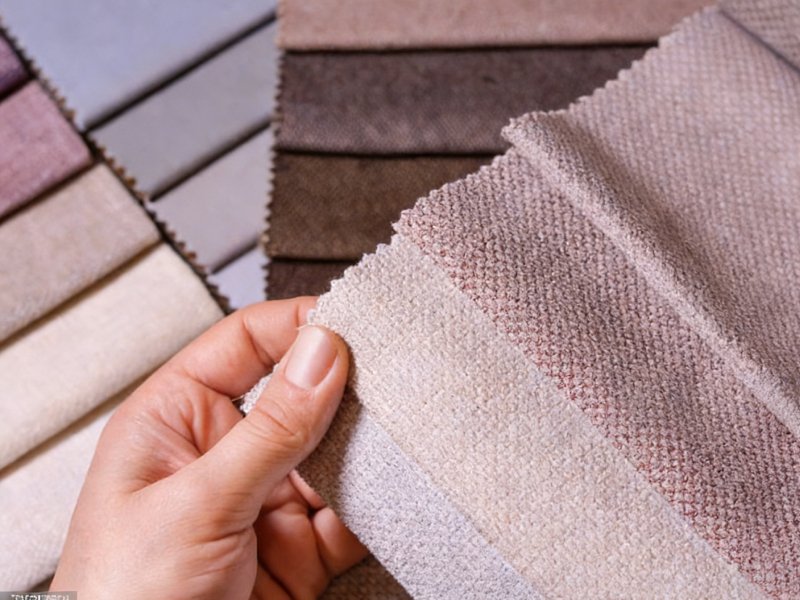
Upholstery fabric places much higher demands on adhesive than clothing or décor fabric.
- Thicker, denser materials make bonding harder
- Constant pressure and body weight stress repairs
- Frequent movement at seams, cushions, and edges
- Limited access makes sewing difficult or impractical
Furniture fabric doesn’t just move — it bears load.
That’s why upholstery repairs need a glue made for heavy-duty use.
What “Flexible Fabric Glue” Really Means
Most people search for upholstery fabric glue to fix everyday furniture issues like:
- Upholstery seams opening
- Fabric separating from the frame
- Cushion fabric shifting or lifting
- Decorative trim or piping coming loose
- Small tears or worn edges
These problems are frustrating but don’t usually require full reupholstering — if addressed early and correctly.
Why Sewing Isn’t Always Practical for Upholstery
Sewing upholstery can be effective, but it’s often inconvenient.
- Furniture is large and hard to move
- Access to seams is limited
- Removing fabric panels takes time
- Hand-sewing thick upholstery is difficult
For many localized repairs, glue provides a simpler and more practical solution than dismantling furniture just to add a few stitches.

Why Ordinary Fabric Glue Often Fails on Upholstery
Many fabric glues are designed for crafts or clothing.
On upholstery, these glues often fail because they:
- Don’t penetrate thick fabric layers
- Dry too brittle under pressure
- Break down with long-term compression
- Lose strength over time
Furniture quickly exposes weak adhesives.
If a glue can’t handle pressure + movement + time, it won’t last on upholstery.
What Makes the Best Upholstery Fabric Glue
A reliable upholstery fabric glue must meet furniture-grade requirements.
1. Strong Bond for Thick, Heavy Fabric
The glue must penetrate dense upholstery fibers and hold under load.
2. Flexible Cure Under Pressure
Upholstery fabric flexes when sat on. The glue must flex with it — not crack.
3. Long-Term Durability
Repairs must hold up through daily use, not just initial drying.
4. Fabric-Safe, Low-Visibility Finish
No stiff patches, discoloration, or rough spots that affect comfort or appearance.

Why Choosing the Right Upholstery Glue Matters
Using the wrong glue often leads to:
- Repairs failing after a few weeks
- Fabric lifting again under pressure
- Wasted time and repeated fixes
Choosing a furniture-grade fabric glue means:
- Fewer repairs
- Better durability
- Furniture that stays comfortable and usable
👉 Upholstery glue isn’t about quick crafts — it’s about lasting furniture repairs.
Upholstery Fabric Glue vs Other Repair Methods
| Repair Method | Convenience | Durability | Best Use |
|---|---|---|---|
| Sewing | Low | High | Structural seams |
| Staples | Medium | Medium | Frame attachment |
| Replacement | Low | Very High | Major damage |
| Fabric Glue | High | High (for local repairs) | Seams, fabric lift, trim |
For many common upholstery issues, fabric glue offers the best balance of strength and practicality.
How to Use Upholstery Fabric Glue
Clean & Dry the Area
Remove dust and make sure fabric is dry.
Apply Glue Evenly
Spread a thin, even layer — avoid over-applying.
Press & Secure
Hold fabric in place or use temporary clamps.
Allow Full Cure
Let the repair cure completely before use.
Proper curing is critical for load-bearing upholstery repairs.
Common Mistakes When Repairing Upholstery with Glue
Most furniture glue failures come from:
- Using too much adhesive
- Not securing fabric during curing
- Choosing glue not rated for heavy fabric
- Using furniture before full cure
Small details make a big difference when weight and pressure are involved.

Popular Fabric Glues People Try for Upholstery
When repairing furniture, people often try:
- Regular fabric glue
- Heavy-duty multipurpose glue
- Spray adhesives
While some may work short-term, many struggle with long-term pressure and daily furniture use.
That’s why upholstery repairs benefit from a glue specifically designed for thick fabric and sustained load.
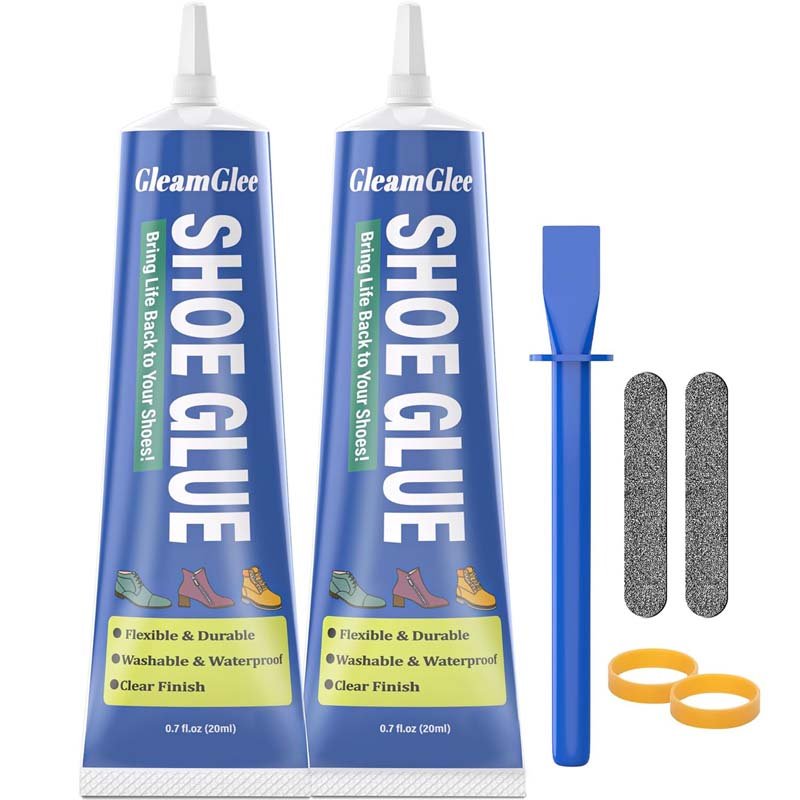
Why Many People Choose GleamGlee for Upholstery Repairs

⭐ Editor’s Pick: Best Upholstery Fabric Glue for Furniture Repairs
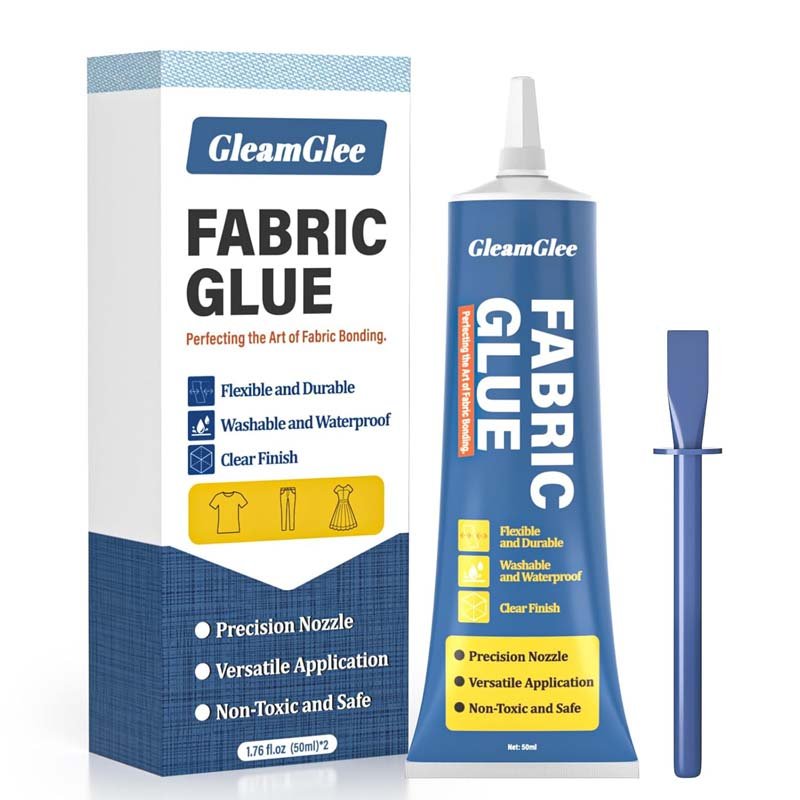
For upholstery and furniture fabric, many users choose GleamGlee Fabric Glue because it’s designed to handle heavier, high-stress fabric applications.
Key reasons it’s often recommended for upholstery:
- Strong bonding on thick upholstery fabric
- Flexible after curing, even under pressure
- Holds up to daily sitting and movement
- Does not create stiff or uncomfortable areas
- Suitable for sofas, chairs, cushions, and headboards
Rather than acting like a brittle surface layer, GleamGlee reinforces upholstery fabric while keeping furniture comfortable and usable.
Which Upholstery Repairs Work Best with Fabric Glue?
Fabric glue works best for:
✔ Loose upholstery fabric
✔ Cushion covers and seams
✔ Trim, piping, and edging
✔ Small tears and worn edges
Not recommended for:
- Full fabric replacement
- Structural frame damage
- Large load-bearing seams
Knowing where glue works best ensures reliable results.
If your upholstery issue:
- Is localized (not full replacement)
- Involves loose fabric, seams, or trim
- Needs to stay flexible and comfortable
Then a proper upholstery fabric glue is likely the right solution.
A Practical Way to Repair Upholstery Without Reupholstering

Furniture repairs don’t always require expensive reupholstering or professional service.
In many cases, the right upholstery fabric glue can:
- Fix problems early
- Prevent further damage
- Save time and money
- Extend the life of furniture you already own
Choosing a glue designed for upholstery — not crafts — makes all the difference.
Repair smarter, restore comfort, and keep your furniture in use longer.
Recommended for most upholstery fabric repairs — especially when you want a strong fix without reupholstering.