Skip to content

How to Repair Plastic Household Items Using Plastic Glue :Essential Guide
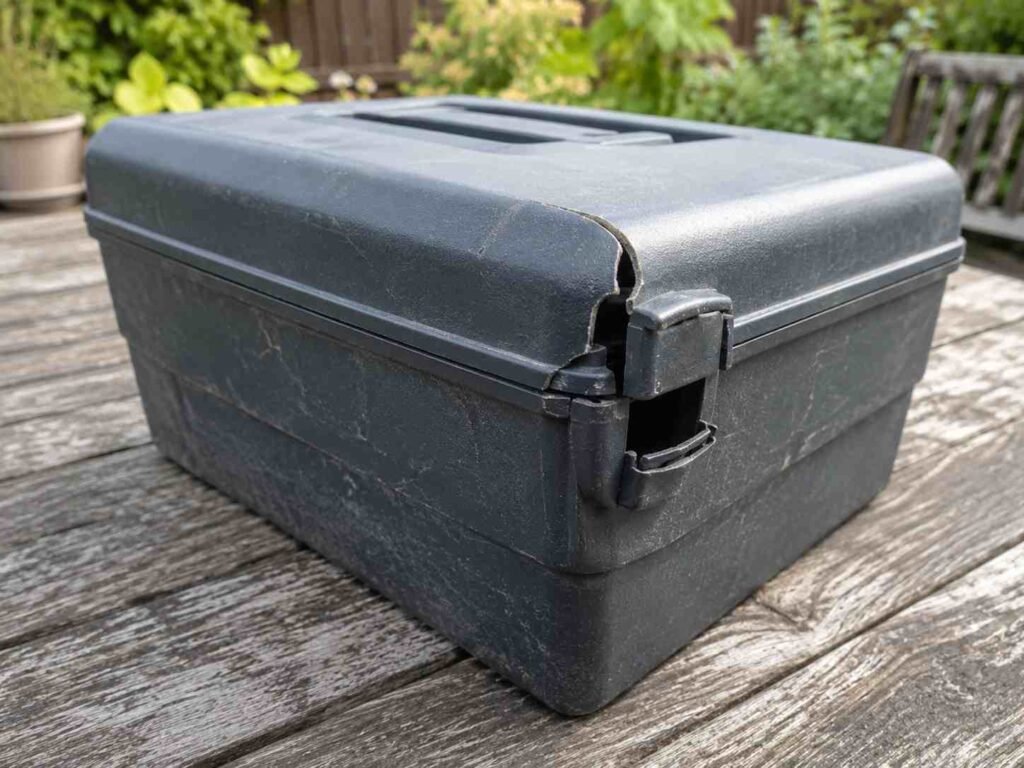
Plastic glue repairs household items by bonding clean, dry, close-fitting plastic surfaces with an adhesive made for plastics such as PVC, ABS, acrylic, and similar materials. For a stronger repair, identify the plastic type, clean the surface, test the fit, apply a thin glue line, press firmly, and let the repaired part rest before daily use.
How to Repair Plastic Outdoor Gear : Practical Guide
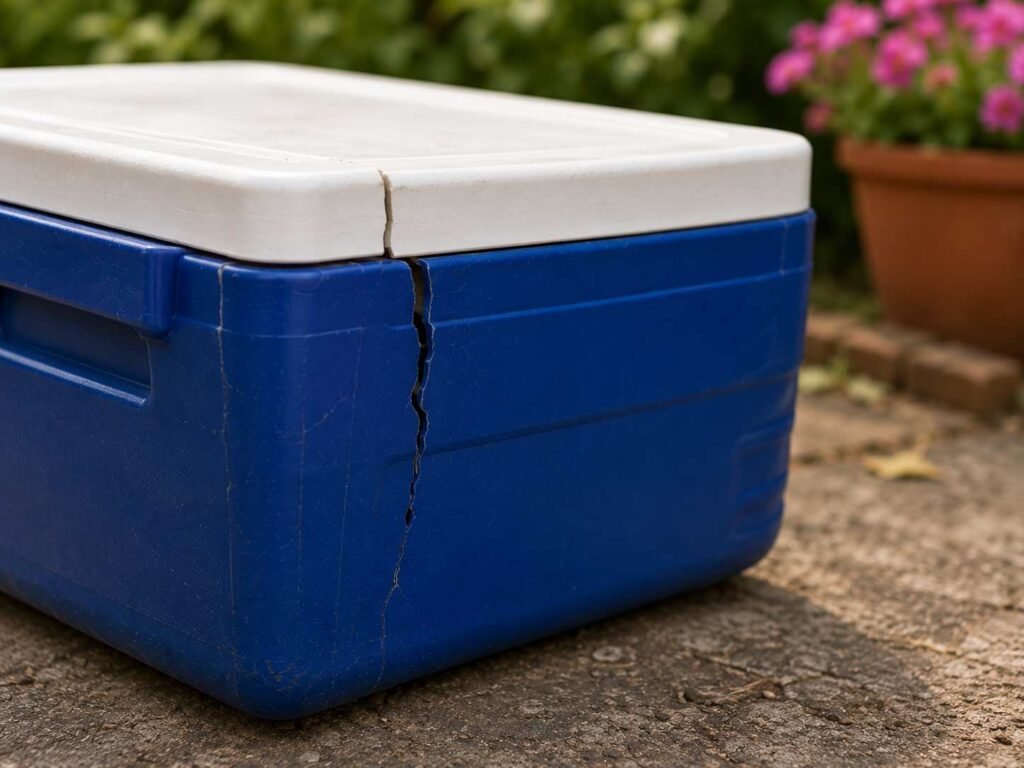
The best way to repair plastic outdoor gear is to clean and dry the damaged area, identify whether the plastic is rigid enough for gluing, test-fit the broken parts, apply a thin line of clear plastic glue, press the joint firmly, and let the repair rest before outdoor use. PVC, ABS, acrylic, and many hard plastics are good repair targets.
How to Use Quick-Dry Plastic Glue for Toys and Containers: A Professional Guide

Quick-dry plastic glue for toys and containers is a fast-setting adhesive used to repair PVC, ABS, acrylic, toy parts, storage bins, lids, handles, organizers, and clear plastic pieces. It works best when applied in a thin layer, pressed firmly, and left to cure before normal use.
How to Repair Plastic Household Items Using Plastic Glue: An Expert Guide
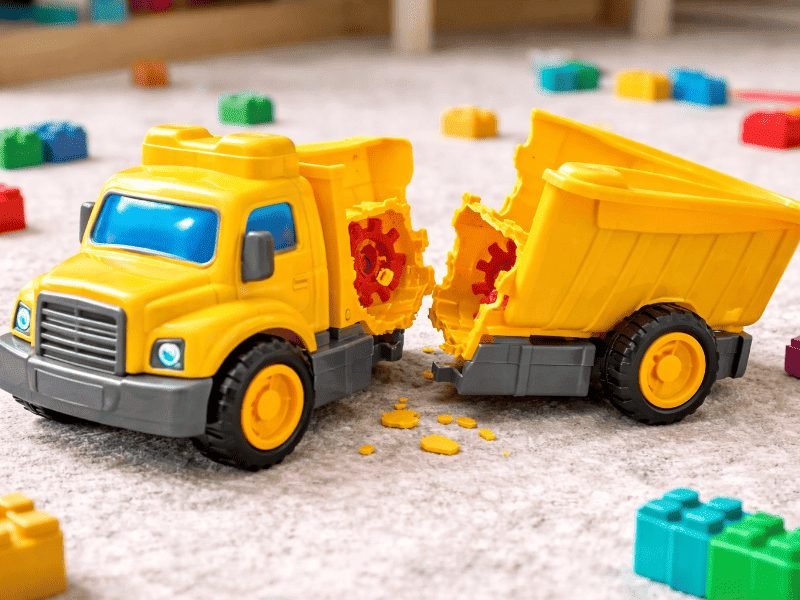
A small plastic crack can quickly turn into a daily annoyance. A storage box no longer closes tightly, a remote-control battery cover keeps sliding off, a toy part breaks again and again, or a bathroom organizer starts splitting at the corner. Many people replace these items too soon because plastic feels difficult to repair neatly. In many cases, the item is not truly useless—it simply needs the right plastic glue, clean surface preparation, and enough curing time.
What Is the Best Glue for Plastic Waterproof: Recommended Guide

The best glue for plastic waterproof repairs is usually a plastic-specific cyanoacrylate adhesive (super glue), two-part epoxy, or specialized plastic cement designed for materials such as PVC, ABS, and acrylic. These adhesives form strong molecular bonds with plastic surfaces and resist moisture, temperature changes, and everyday wear. When the correct adhesive is matched with proper surface preparation, the repair can remain strong and reliable for years.
How to Glue Plastic to Plastic: A Simple Guide
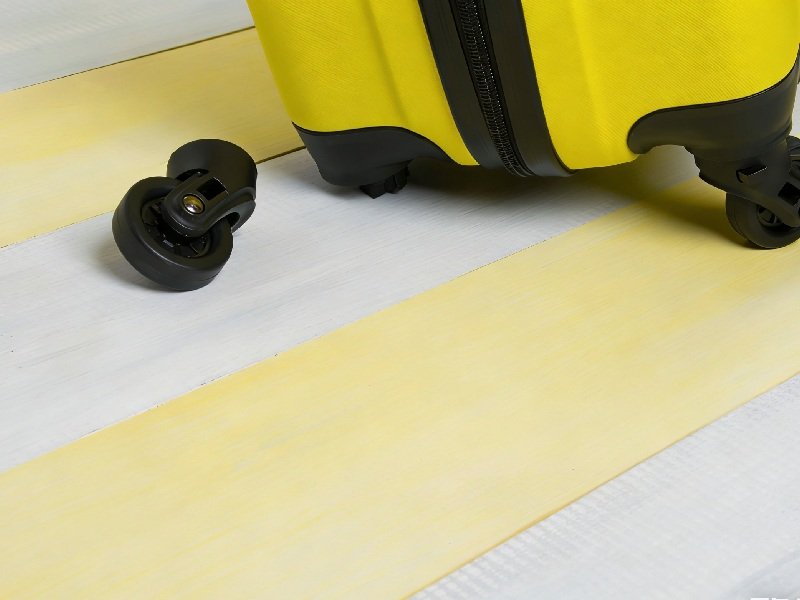
Plastic parts break more often than people expect—remote control covers snap, storage bins crack, toys lose small joints, and appliance housings split along stress lines. The good news is that many of these items can be repaired instead of replaced. Learning how to glue plastic to plastic correctly can restore strength and extend the life of everyday objects while saving money and reducing waste.
What Glue Works on Plastic:A Practical Repair Guide
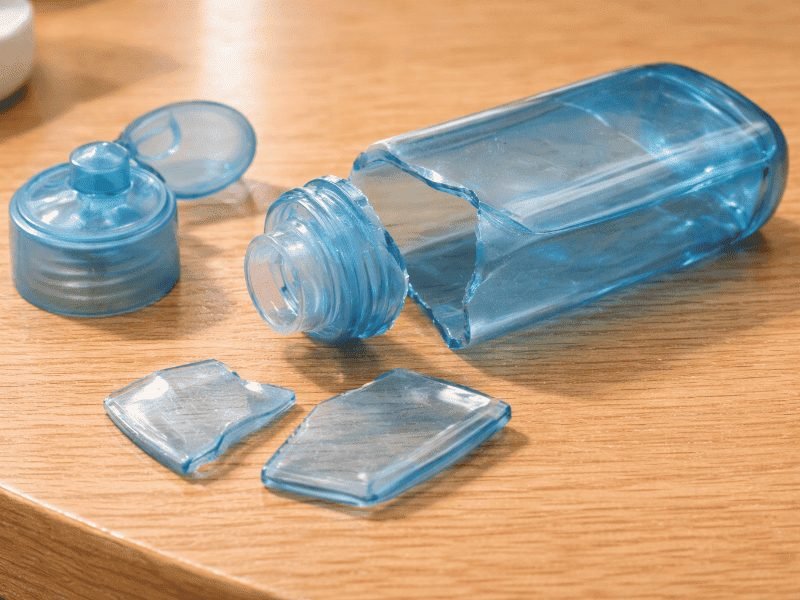
The glue that works on plastic depends on three things: the plastic material itself, how the surface is prepared, and how the repaired part will be used afterward. In real-world repairs, plastics like ABS, PVC, acrylic, and polystyrene bond well with plastic-specific adhesives when the surface is clean and lightly roughened. Low-energy plastics such as polypropylene (PP) and polyethylene (PE) are harder to bond and often require special formulations or reinforcement. Thin, controlled application and full curing are just as important as the glue choice.
What Is Plastic Glue: Uses, Types & Repair Guide
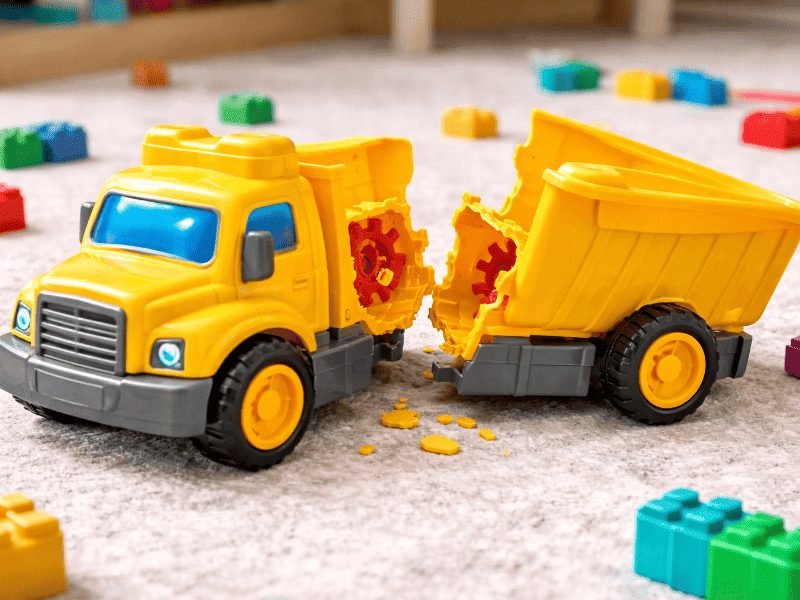
Plastic glue is a specialized adhesive designed specifically for bonding plastic materials such as ABS, PVC, acrylic, and polystyrene. Unlike general-purpose glue, plastic glue is formulated to overcome plastic’s smooth surface, low porosity, and chemical resistance. When used correctly, it creates a strong, durable bond that can withstand everyday handling, light impact, and temperature changes—making it ideal for household repairs, DIY projects, and light industrial use.
What Is a Good Glue for Plastic: Quick Guide
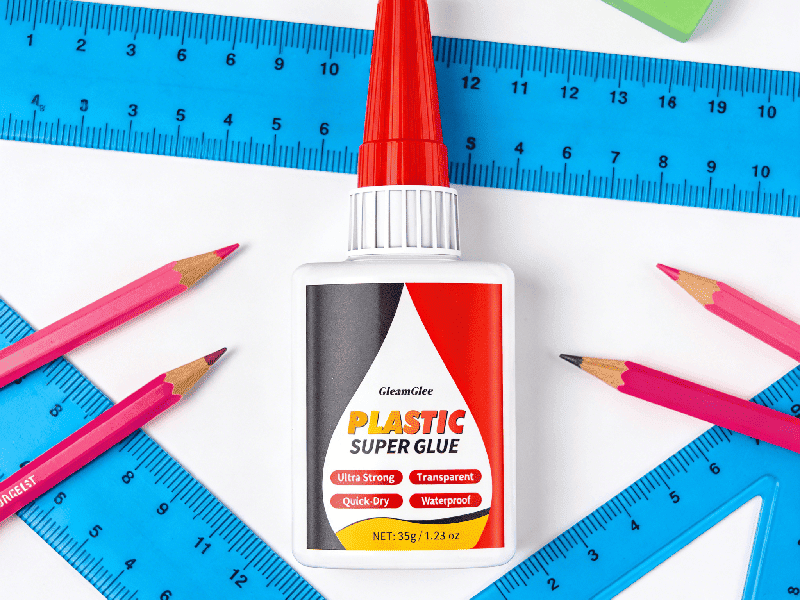
A good glue for plastic depends on the plastic type and how the part is used. Rigid plastics like PVC, ABS, acrylic, and polystyrene bond well with cyanoacrylate (super glue), epoxy, or plastic-specific adhesives. Low-surface-energy plastics such as polyethylene (PE) and polypropylene (PP) are difficult to glue and often require primers, specialty adhesives, or plastic welding for permanent results.
Best Plastic Glue Guide: What Glue Works for Every Plastic Type
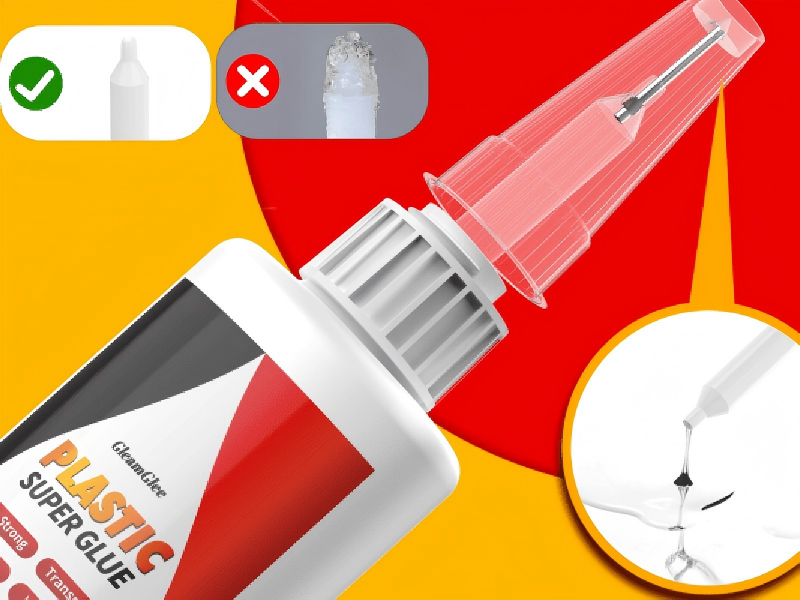
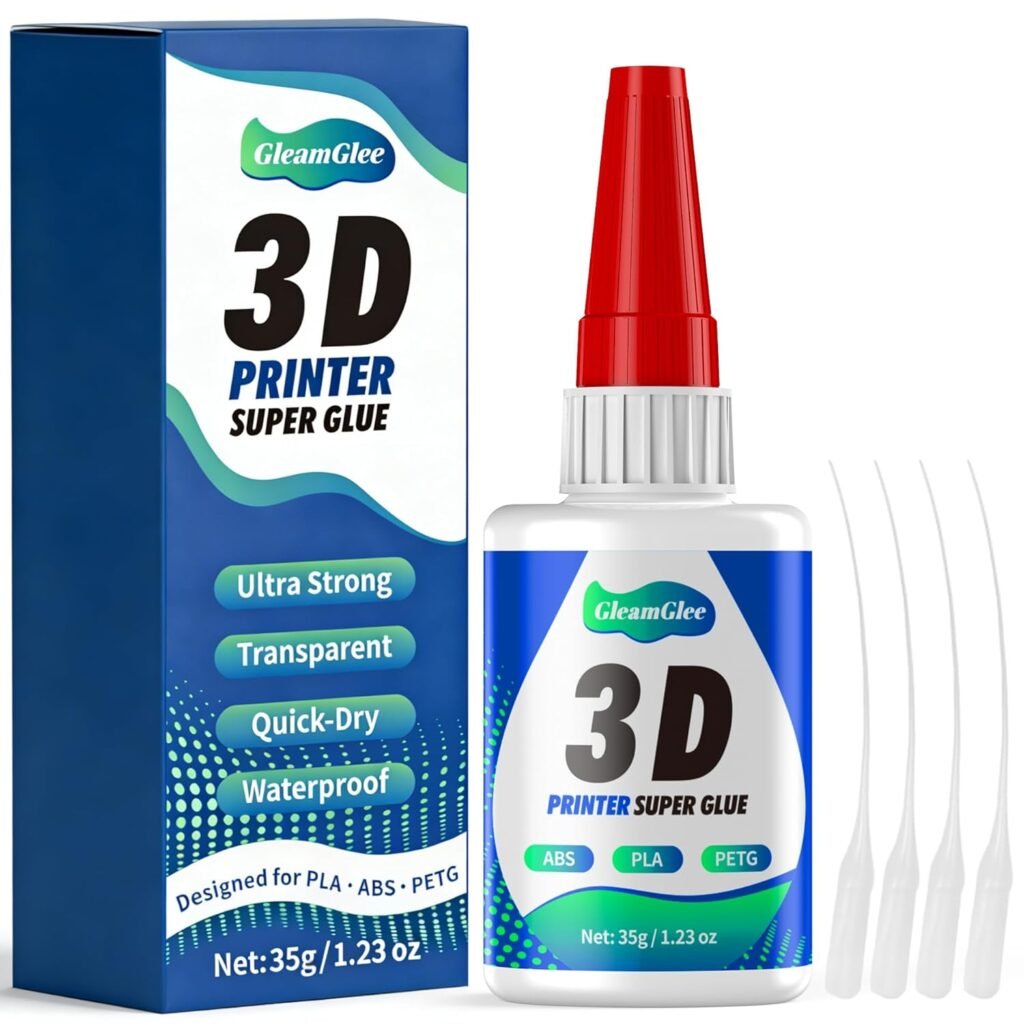
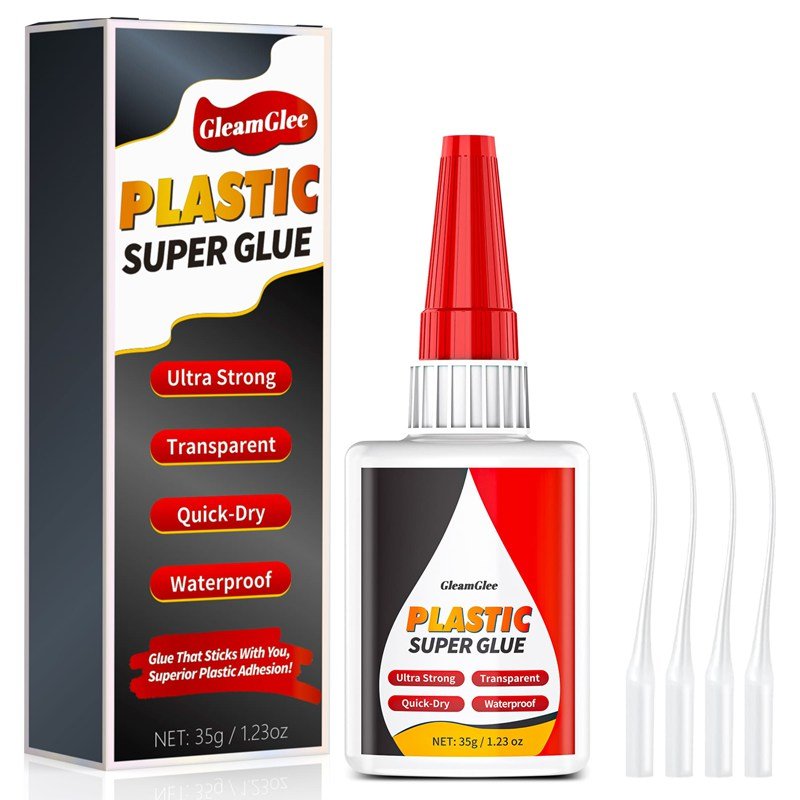
The best glue for plastic depends on the plastic type and repair purpose. Rigid plastics like PVC and ABS bond well with plastic-specific adhesives, while clear plastics require crystal-clear formulas. Some plastics, such as PP and PE, resist most glues entirely. For the strongest plastic-to-plastic bond, choose a high-strength adhesive designed specifically for plastic—such as GleamGlee Plastic Glue—which cures fast, dries clear, and forms a durable, long-lasting bond.