Skip to content
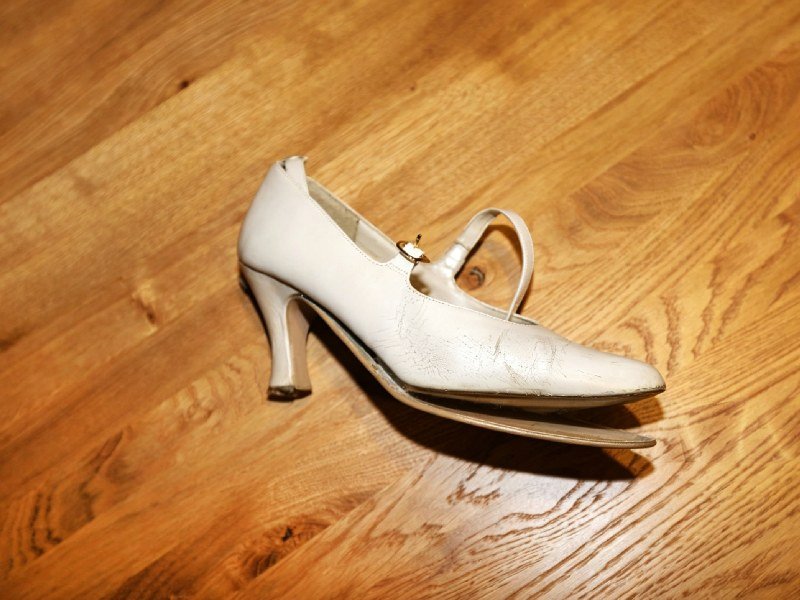
A loose shoe sole almost never looks serious in the beginning. It may start with a small gap at the toe, a soft clicking sound when walking, or a heel edge that feels slightly unstable. Many people keep wearing the shoes because the damage still looks minor. But sole separation usually gets worse fast. Once dust, moisture, and repeated bending enter the gap, the opening spreads, the edges weaken, and a pair that felt usable at the start of the week can feel unreliable a few days later. That is why shoe sole repair is not really about finding the “fastest” glue. It is about choosing a glue that can keep working after real walking, real weather, and real daily pressure.
The best glue to repair shoe sole is usually a shoe-specific adhesive that combines strong bonding, flexibility, and water resistance. Shoes are different from static household surfaces. A shoe sole bends, twists, compresses, absorbs impact, and rubs against the ground thousands of times. If the glue dries too hard, the repair may crack. If it is not water-resistant, the bond may weaken after rain, mopping, wet sidewalks, or repeated cleaning. If it leaves a messy visible line, the repair may hold, but the shoe may still look bad enough that the customer does not want to keep wearing it. So the real answer is not “the strongest glue wins.” The better answer is “the right type of strength wins.”
There is also a very practical cost reason behind this topic. Replacing shoes is expensive. Everyday sneakers often cost $60 to $120, work boots often cost $100 to $200, and hiking boots can cost even more. A good repair solution costs much less and can extend the life of multiple pairs. For many households, for sneaker owners, for outdoor users, and for small businesses, shoe glue is not a small DIY tool. It is a cost-saving product that helps keep good shoes in service longer.
What Is the Best Glue to Repair Shoe Sole?
The best glue to repair shoe sole is not the glue that feels hardest after a few minutes. It is the glue that still holds after the shoe goes back into real use. A person may take 5,000 to 10,000 steps in a normal day, and every step puts stress on the repaired seam. Add moisture, friction, stairs, and daily pressure, and shoe repair becomes one of the most demanding adhesive jobs in normal home use. That is why the best option is usually a shoe-specific adhesive made for flexible materials such as rubber, leather, canvas, vinyl, and synthetic shoe components.
From a customer point of view, the best shoe sole glue should solve four real problems at the same time. It should keep the sole closed, keep the shoe comfortable, keep the repair neat-looking, and make the repair financially worthwhile compared with buying new shoes. If one of these is missing, the user may still feel disappointed even if the glue technically “works.” A repair that holds but leaves ugly white marks is not good enough for many sneaker owners. A repair that looks neat but turns stiff can ruin walking comfort. A repair that feels strong on day one but opens again a week later wastes time and trust.
This is why many people get poor results after using ordinary household glue or general super glue. The issue is not always that those products are weak in every situation. The issue is that shoe soles need a different kind of performance. They need a bond that is tough enough to hold, flexible enough to move, and stable enough to handle everyday moisture and repeated use.
What really makes a shoe sole glue worth buying?
The best way to judge shoe glue is not to ask, “Is it strong?” but to ask, “What happens after I start wearing the shoe again?” That question leads to much better decisions. A shoe glue is worth buying when it helps the repair survive normal life instead of just surviving the first ten minutes on a work table.
The most important things customers should look for are:
- Strong bonding on shoe materials Good shoe glue should work on rubber, leather, vinyl, canvas, and mixed-material shoes.
- Flexibility after curing Shoe soles bend constantly, especially at the toe and sidewall. A rigid repair line often becomes the first weak point.
- Water resistance Shoes meet moisture more often than people think: damp sidewalks, wet floors, grass, rain, and cleaning.
- Clean finish A clear-drying formula helps the shoe stay wearable in appearance, especially on sneakers, dress shoes, and heels.
- Easy control during use A precision nozzle matters because most home users are repairing narrow edges, not large flat surfaces.
Here is the easiest way to think about product value:
| What customers want | What the glue needs to do |
|---|---|
| “I don’t want the sole to open again next week” | Strong and stable bonding |
| “I still want the shoe to feel normal” | Flexible after drying |
| “I wear these outside in real weather” | Water-resistant bond |
| “I don’t want visible glue marks” | Clean, clear finish |
| “I’m repairing this at home” | Easy control and less mess |
In simple terms, the glue is worth buying when the repaired shoe still feels wearable, still looks acceptable, and still holds after real use.
Which repairs are actually worth doing?
Customers do not need unrealistic promises. Not every shoe is worth saving with glue. The best results usually happen when the shoe is still structurally sound and the damage is mainly separation, not total breakdown.
Repairs that are usually worth doing:
- Sole edge lifting
- Toe opening
- Heel edge separation
- Insole or footbed peeling
- Small sidewall separation
- Light boot sole lifting
Repairs that are more limited:
- Crumbling foam midsoles
- Fully worn-through outsoles
- Major structural collapse
- Shoes with several serious failures at once
A practical guide looks like this:
| Shoe condition | Is glue a good solution? |
|---|---|
| Upper still good, sole edge opening | Yes |
| Good shoe, toe or heel separation | Yes |
| Insole peeling, rest of shoe fine | Yes |
| Midsole foam breaking down | Limited |
| Outsole destroyed | Limited |
| Shoe badly deformed overall | Usually no |
This matters because customers want real judgment, not empty encouragement. Honest advice makes the article more useful and the product recommendation more believable.
Is shoe glue usually better than ordinary super glue?
For most everyday sole repairs, yes. Shoe glue is usually a better choice than ordinary super glue because shoes are moving, flexible items. Super glue is known for fast sticking power, but many standard formulas dry into a hard, brittle bond. That can work on rigid items, but it is not ideal for a shoe that bends with every step.
Shoe-specific glue usually performs better because:
- It stays more flexible after drying
- It handles moisture better
- It works better on larger sole gaps
- It is less likely to make the shoe feel stiff
- It usually gives a cleaner repair line
A simple comparison helps:
| Glue type | Initial hold | Flexibility after drying | Better for daily shoe wear | Repair appearance |
|---|---|---|---|---|
| Ordinary super glue | High | Low | No | Can leave visible marks |
| Shoe-specific glue | Medium to high | High | Yes | Usually cleaner |
For most customers, the easy rule is this: if the shoe will be worn often, bent often, or used outdoors, a shoe-specific glue is usually the more dependable choice.

Which Best Glue to Repair Shoe Sole Fits Your Shoes?
The best glue to repair shoe sole also depends on the type of shoe being repaired. That is where many short articles stop too early. They talk as if one shoe repair is the same as every other shoe repair. It is not. Sneakers, boots, and heels fail in different ways, face different stress, and have different customer expectations. A good article should help readers choose based on use, not just on the word “strong.”
For example, a sneaker bends hard at the forefoot and sidewall. A boot often deals with more body weight, rough ground, and moisture. A heel may have a smaller repair area, but the repair has to look cleaner because appearance matters more. This is why the same glue can feel excellent on one pair and disappointing on another if the user does not understand what the shoe actually demands.
The easiest way to help customers is to match the glue choice to the shoe’s real-life pressure, environment, and appearance standards.
Which best glue to repair shoe sole works for sneakers?
Sneakers need a glue that stays flexible and bonds well across mixed materials. Many sneakers combine rubber outsoles, foam midsoles, mesh, synthetic leather, and fabric. That means the glue has to do more than just stick two flat surfaces together. It must survive constant bending and repeated movement.
What sneaker owners care about most:
- Flexibility The forefoot bends a lot during walking and sports.
- Clean appearance White marks or messy glue lines stand out badly on sneakers.
- Good bonding across mixed materials Many sneaker failures happen where different materials meet.
- Comfort after repair The shoe should not feel stiff or awkward.
Common sneaker repair zones:
| Sneaker repair area | Why it happens | What the glue needs to do |
|---|---|---|
| Toe edge lift | Repeated bending | Stay flexible and seal tightly |
| Side sole peeling | Movement and friction | Hold mixed materials well |
| Midsole cracks | Age and pressure | Support without becoming brittle |
| Insole separation | Moisture and wear | Rebond cleanly |
For many sneaker owners, repair is not only about saving money. It is also about saving a pair that still fits well and still looks worth wearing.
Which best glue to repair shoe sole works for boots?
Boots need more emphasis on waterproofing and durability. Work boots, hiking boots, rain boots, and outdoor boots usually deal with rougher conditions than casual sneakers. That means the glue must handle moisture and heavier pressure more reliably.
Boot users usually care most about:
- Water resistance
- Durability under heavier weight
- Performance on rough ground
- Compatibility with leather, rubber, and mixed materials
- Longer service life from expensive footwear
Common boot repairs:
| Boot type | Common damage | What matters most |
|---|---|---|
| Work boots | Sole edge separation, heel looseness | Strong hold, water resistance |
| Hiking boots | Outsole peeling, toe lift | Flexibility, waterproof sealing |
| Rain boots | Cracks near sole edge | Water resistance |
| Tactical boots | Sole detachment, hard-use wear | Durability |
For boots, repair often makes strong financial sense. A decent pair may cost over $100, so repairing a still-good upper is often much smarter than replacing the whole pair.
Which best glue to repair shoe sole works for heels?
Heels require precision and a cleaner finish. The repair area is often smaller, but the visual standard is much higher. Many customers will accept a slightly visible repair on garden or work footwear, but they do not want obvious glue marks on dress shoes or heels.
What matters most in heel repair:
- Precise application
- Clear drying
- Strong local hold
- Low-mess use
- Maintained balance and comfort
Common heel-related repairs:
| Heel repair area | Why it matters | What the glue should provide |
|---|---|---|
| Heel edge lift | Visible and easy to worsen | Clean drying, precise hold |
| Detached heel block | Affects stability | Strong bond under pressure |
| Sole peeling near heel | Can spread quickly | Good sealing and flexibility |
| Decorative trim loosening | Appearance issue | Neat application |
For heel users, a shoe glue with a fine nozzle and clean finish is often more important than a product that only advertises raw strength.
How to Use Best Glue to Repair Shoe Sole?
Most failed shoe repairs are not caused by weak glue. They are caused by poor preparation or poor timing. This is one of the most important practical truths in this whole topic. A customer may buy a decent product and still get a poor result if the inside of the sole is still dirty, the old glue is left behind, too much new glue is used, or the shoe is worn before the bond fully cures.
A shoe sole is a moving repair line. It bends, twists, compresses, and absorbs body weight every day. That means good results usually come from doing four things right: cleaning, roughening, applying a controlled line of glue, and waiting long enough before wear.
The process is not complicated, but it is less forgiving than many people expect. That is why products that are easier to control usually lead to better user experience and stronger repeat purchase potential.
Why does surface preparation matter so much?
Inside a separated sole, there is often more contamination than people expect. Dust, old adhesive, grit, oils, and moisture all weaken bonding. If glue is applied over that layer, the repair may look fine at first but fail quickly once the shoe starts bending again.
A good preparation routine should include:
- Opening the gap gently
- Removing dust and debris
- Peeling away brittle old glue
- Making sure the area is fully dry
- Lightly sanding smooth surfaces
- Test-fitting the sole before glue is added
Preparation guide:
| Surface problem | What to do |
|---|---|
| Dusty gap | Brush and wipe clean |
| Old dried glue | Remove loose pieces |
| Smooth rubber edge | Lightly sand it |
| Damp shoe | Dry fully first |
| Dirty outdoor boot | Clean more carefully |
A clean surface usually gives the biggest improvement in real repair quality.
Why does neat application usually create a stronger repair?
Too much glue often makes shoe repair worse, not better. Thick glue can overflow, make alignment harder, slow curing, and stop the surfaces from sitting tightly together. A thin, even line usually gives a better bond.
Best habits during application:
- Use a fine tip or precision nozzle
- Apply a narrow even line
- Stay close to the seam
- Align carefully before pressing
- Remove excess glue quickly
- Keep pressure even while setting
Application guide:
| Application mistake | What happens | Better approach |
|---|---|---|
| Too much glue | Messy seam, slower cure | Thin even layer |
| Uneven glue line | Weak zones | Follow seam carefully |
| Poor alignment | Sole dries wrong | Dry-fit first |
| Uneven pressure | Some parts bond, others do not | Even pressure |
For customers, neat application is part of performance, not just part of appearance.
Why is cure time where many repairs fail?
This is probably the most common mistake in home shoe repair. The repair looks dry, so the user assumes it is ready. But once the shoe is worn, the bond immediately faces body weight, bending, and friction. If the glue has not fully cured, the repair can weaken before full strength develops.
A realistic timing rule:
- Initial set: around 6–10 minutes
- Hold under pressure: during the early setting stage
- Full cure before wear: around 24 hours
- Heavy repairs or damp conditions: 24–48 hours is safer
Timing chart:
| Repair type | Safer wear time |
|---|---|
| Small sole edge lift | 24 hours |
| Sneaker toe repair | 24 hours |
| Heel edge repair | 24 hours |
| Boot sole repair | 24–48 hours |
| Larger separation | 24–36 hours |
Customers often want speed, but in shoe repair, patience usually decides whether the repair lasts.
Is Best Glue to Repair Shoe Sole Strong Enough?
Yes, a good shoe sole glue is strong enough for many common repairs, but that answer only matters if it stays true after real daily wear. Customers do not want a repair that looks fine while the shoe is sitting on a table. They want a repair that survives walking to work, stairs, errands, school runs, wet weather, and repeated use. That is why the real strength question is not “Does it bond?” but “Does it keep bonding after the shoe goes back into life?”
For many users, the best repair results happen when the damage is caught early. Sole edge lift, toe opening, heel peeling, and insole release are usually strong repair candidates. The upper is still good, the shoe still fits comfortably, and the problem is mainly separation rather than total collapse. In those cases, a proper shoe adhesive can save a surprising amount of money and extend the useful life of the pair substantially.
At the same time, strength should be judged realistically. Glue can solve many separation problems, but it cannot fully restore a shoe that is already breaking down in multiple structural ways. Customers usually get the best results when the shoe is still basically sound and the repair is focused on keeping parts attached and sealed.
Is waterproof performance really that important?
Yes. Shoes meet moisture much more often than many people realize. Even if users do not wear shoes in heavy rain, they still walk on damp pavement, cross wet parking lots, step on grass, wear shoes on mopped floors, and store them in changing humidity.
Water resistance matters because it helps the repair survive:
- Wet sidewalks
- Light rain
- Outdoor commuting
- Work environments with damp floors
- School and family use
- Repeated cleaning and wiping
Use-case table:
| Shoe use condition | Why waterproof strength matters |
|---|---|
| Daily commuting | Wet pavement and weather |
| School and family use | Frequent outdoor moisture |
| Hiking and work boots | Mud, grass, rain |
| Indoor service work | Wet floors and cleaning |
| Casual weekend shoes | Unexpected moisture |
A waterproof flexible bond usually gives customers much more confidence in normal daily wear.
Why is flexibility such a big part of “strength”?
Because on shoes, hard does not always mean better. Shoes bend constantly. If the bond becomes too rigid, the repair line itself can become the next failure point.
Flexibility matters most in:
- Toe bend zone
- Side sole edges
- Heel transitions
- Mixed-material shoes
What flexibility improves:
- Repair life
- Walking comfort
- Edge stability
- User confidence in daily wear
Simple comparison:
| Bond type | Daily wear behavior |
|---|---|
| Hard, brittle bond | May crack when shoe bends |
| Flexible bond | Moves with the shoe and holds longer |
In shoe repair, flexibility is not the opposite of strength. Very often, it is what makes the strength useful.
Can a repaired shoe really handle daily wear?
In many common cases, yes. A well-repaired shoe can absolutely go back into daily use if the shoe structure is still good and the damage is within a repairable range.
Daily-wear strength is most realistic when:
- The upper is still in good condition
- The damage is mainly separation
- The surface was prepared properly
- The glue was applied evenly
- The shoe was allowed to cure fully
Daily-use guide:
| Repair condition | Daily wear expectation |
|---|---|
| Small sole edge separation | Usually very reliable |
| Sneaker toe opening | Good if repaired early |
| Insole separation | Often very dependable |
| Heel edge repair | Good if aligned well |
| Work boot edge lift | Strong with waterproof flexible glue |
| Full sole collapse | Limited |
For many customers, this is the section that turns interest into action. They are not buying glue only for theory. They are buying more usable life from shoes they already paid for and still want to wear.

Why Choose GleamGlee Best Glue to Repair Shoe Sole?
For most customers, choosing GleamGlee is not just about buying adhesive. It is about buying a repair solution that feels more practical in real life. A lot of shoe glues claim strong bonding, but customers care about more than that. They want the repair to be easier to do, cleaner in appearance, and more cost-effective over time. GleamGlee answers these practical concerns directly: the formula is made for real shoe materials, the bond stays flexible, the finish dries clear, and the kit includes tools that improve repair success at home.
That matters because most users are not repair professionals. They are parents fixing school shoes, commuters saving favorite sneakers, hikers repairing boots, and everyday users trying to avoid replacing a pair too early. In these situations, product design matters. If the glue is messy, hard to control, or clogs easily, the experience still feels poor even if the formula is good. GleamGlee improves that by making the repair process easier to manage.
For business customers, the reason to choose GleamGlee is wider still. They care about stable supply, custom packaging, repeat quality, and whether the supplier can help support retail or marketplace growth. That is where GleamGlee becomes more than a product brand.
Why does the product feel more practical for end users?
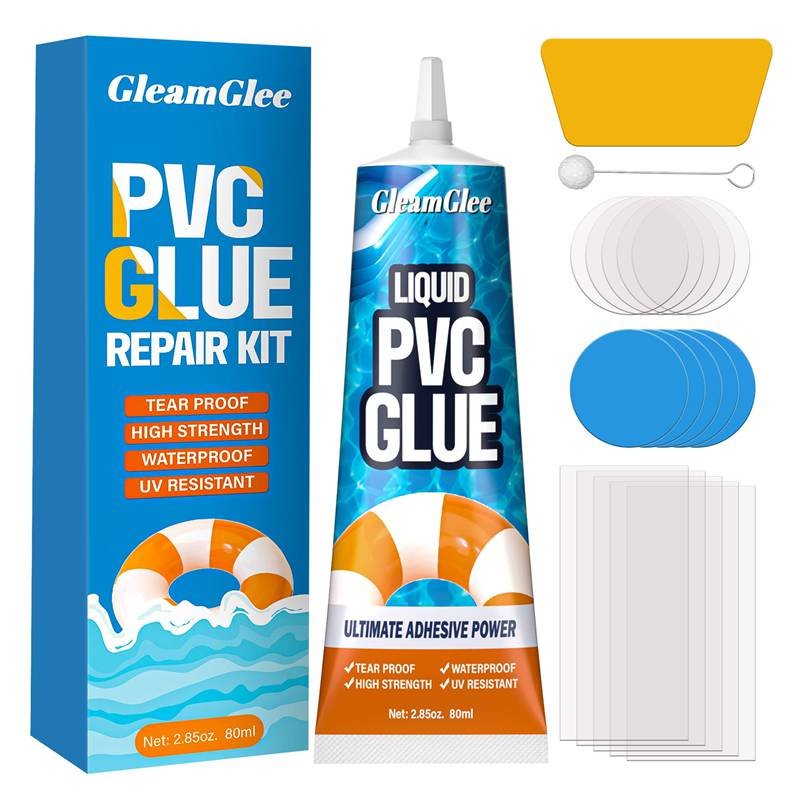
GleamGlee is designed around the small frustrations that often ruin home shoe repair. The kit includes:
- Two 20 ml tubes of glue
- One applicator
- Two sandpaper sheets
- Two rubber bands
Why these matter:
- Metal needle nozzle helps place glue accurately
- Sandpaper improves bonding by roughening smooth surfaces
- Rubber bands help keep even pressure on the repair
- Two tubes make repeated use and storage more practical
Product-value table:
| Kit component | Why users need it |
|---|---|
| Two glue tubes | Enough product for repeated repairs |
| Applicator | Better control, less mess |
| Sandpaper | Better prep for stronger bonding |
| Rubber bands | Better pressure while setting |
This is the kind of product design that improves actual user results rather than just sounding good in marketing copy.
Why is the value story strong for households and repeat users?
The financial logic is simple. Shoes are expensive to replace, especially when the upper still looks fine and fits well.
| Footwear type | Common replacement cost |
|---|---|
| Casual sneakers | $60–$120 |
| Running shoes | $80–$160 |
| Work boots | $100–$200+ |
| Hiking boots | $120–$220+ |
| Dress shoes or heels | $50–$150 |
Now compare that with a repair kit that can handle 20+ pairs of repairs in many common cases. Even if larger repairs use more product, the cost per repair can still be much lower than replacing shoes one pair at a time.
This is especially useful for:
- Families with children
- Workers with everyday footwear
- Sneaker owners
- Outdoor boot users
- Small resellers or refurbishers
There is also a comfort benefit. Many people would rather repair a pair that already fits well than replace it with something new that may take time to break in.
Why is GleamGlee a strong choice for wholesale and private label customers?
For B2B customers, product performance is only part of the decision. The supplier behind it matters just as much. GleamGlee has several strong advantages here:
- 25+ chemists, engineers, and technical staff
- 4 specialized factories
- 12 million+ annual production capacity
- 3,000+ packaging molds
- Fast design support in as little as 2 days
- Sampling in about 7–14 days
- Mass production around 20 days
- Custom development from 200 units
- Warehousing support in the US, UK, and Germany
- Experience serving 5,000+ wholesale and private label customers
Business-value table:
| Business need | GleamGlee advantage |
|---|---|
| Repeat quality | In-house R&D and production |
| Private label support | Packaging and label coordination |
| Faster launch | Faster design and sampling |
| Lower MOQ | Easier testing and launch |
| International supply | Overseas warehouse support |
This matters because a shoe glue product does not succeed by formula alone. It also depends on packaging, positioning, instructions, and dependable supply. GleamGlee can support both the end-user side and the commercial side of that process.

Conclusion
The best glue to repair shoe sole is not simply the one that sticks the fastest. It is the one that can hold after real walking, real bending, real moisture, and real daily wear. That is why the best solution is usually a shoe-specific adhesive that combines bond strength, flexibility, water resistance, and clean application. Just as important, the repair itself must be done correctly: clean surfaces, a controlled glue line, even pressure, and enough cure time are what turn a basic repair into a useful one.
For consumers, a good shoe repair glue is a practical way to save money and extend the life of shoes that still fit well and still have value. For families, workers, outdoor users, and sneaker owners, that means fewer unnecessary replacements and better use of what they already own. For many households, saving even one or two decent pairs already makes the product worth keeping on hand.
For distributors, Amazon sellers, importers, and private label customers, GleamGlee offers more than a formula. It offers integrated product development, packaging support, scalable production, and international fulfillment strength. If you want to order GleamGlee shoe glue for your market, or if you want to request a quote for OEM, ODM, private label, or custom packaging, GleamGlee is in a strong position to support both branded sales and custom product development.