Skip to content
Best Glue for Wood to Metal
The right repair depends on the crack type, fit, and visible damage.
Need to bond wood to metal without screws, bulky hardware, or glue that seems fine at first but fails a few days later?
The truth is simple: the best glue for wood to metal depends on the size of the repair, the stress on the joint, and the type of finish on each surface. Some projects need a heavy-duty structural adhesive. Others need a fast, precise glue that works cleanly on smaller repairs.
If you are fixing a loose wood trim piece on metal, repairing a furniture detail, bonding a small wooden part to metal hardware, or handling a quick household repair, a high-quality instant adhesive is often the easiest and most practical option. If you are working on a larger, load-bearing, gap-filled, or outdoor project, epoxy or polyurethane adhesive may be the better fit.
In this guide, we’ll break down what actually works, what fails, and how to choose the right adhesive for your specific wood-to-metal project—plus why GleamGlee Super Glue for Wood is our top pick for small, precise repairs.
Why Wood to Metal Is Harder to Bond Than It Looks
Bonding wood to metal sounds straightforward, but it is actually one of those mixed-material repairs where the wrong adhesive choice causes a lot of frustration.

Wood is porous. It can absorb adhesive into its fibers, which is useful when bonding wood to wood, but less predictable when bonding to a non-porous material. Metal is smooth, dense, and often difficult for glue to grip unless it is properly cleaned and lightly roughened first. On top of that, wood and metal expand and contract differently with changes in temperature and humidity. That movement can stress the bond over time.
That is why many people end up with a repair that feels solid on day one, then loosens, cracks, or peels away later.
It is also why ordinary wood glue is usually not the best answer for wood-to-metal bonding. Traditional wood glue performs best when both surfaces are wood. Once metal enters the equation, you usually need an adhesive designed for mixed-material bonding.
If you want the bond to last, you need two things: the right adhesive category and the right surface prep.
What Type of Glue Works Best for Wood to Metal?
There is no single glue that is perfect for every wood-to-metal project. The best choice depends on what you are actually trying to bond.
For heavy-duty or outdoor applications, epoxy is often the strongest option. It is excellent for rigid, durable bonds and works especially well when the joint may carry weight or face weather exposure.
For larger surfaces or installation-style projects, polyurethane or construction adhesive often makes more sense. These adhesives are useful when the bonded area is broad, the surfaces are slightly uneven, or the project is more about secure mounting than precision repair.
For smaller repairs, precise bonding, decorative fixes, furniture details, and quick household use, CA glue—often called super glue—is usually the easiest and most efficient choice. It sets quickly, applies neatly, and works especially well when the two parts fit closely together.
Traditional PVA wood glue is still a great option for wood-to-wood joints, but it is generally not the right solution when one side of the bond is metal.

A Quick Comparison of the Main Adhesive Types
| Adhesive Type | Best For | Main Strength | Best Feature | Main Limitation |
|---|---|---|---|---|
| Epoxy | Heavy-duty repairs, outdoor use, structural bonding | Very high bond strength | Strong, durable, gap-filling | Slower, more mess, usually requires mixing |
| Polyurethane / Construction Adhesive | Large surfaces, installation work, uneven materials | Strong long-term hold | Good for bigger jobs and rough surfaces | Less ideal for small precision work |
| CA Glue / Super Glue | Small repairs, precise bonding, fast fixes | Strong on close-fitting small areas | Fast, clean, easy to use | Not ideal for large structural joints |
| PVA Wood Glue | Wood-to-wood projects | Excellent on wood fibers | Familiar and easy for woodworking | Usually not suitable for wood to metal |
Which Glue Is Best for Your Specific Project?

If you are fixing a small wood-to-metal joint, a decorative piece, a furniture detail, a wood trim section, or a DIY craft repair, CA glue is often the smartest choice. It is fast, clean, precise, and easy to apply in small amounts without creating a bulky glue line.
If you are bonding a wood panel to a metal frame, repairing a larger mixed-material surface, or attaching wood to metal in a way that needs more coverage, polyurethane or construction adhesive may be a better fit.
If the repair needs to survive outdoor exposure, repeated stress, vibration, or weight-bearing use, epoxy is usually the safer option.
In other words, the best glue for wood to metal is not about finding the strongest-sounding label. It is about choosing the right type of adhesive for the job in front of you.
How to Glue Wood to Metal Properly
Even the best adhesive can fail if the surface preparation is poor. A good bond starts before the glue is opened.
step 1
First, clean the metal thoroughly. Remove grease, dust, oil, oxidation, loose particles, or old adhesive residue. Metal that looks clean can still have enough contamination on the surface to weaken the bond.
step 2
Next, lightly sand the metal. A smooth glossy surface is harder to bond than one with a little texture. Light sanding helps create more grip. The wood surface should also be dry, clean, and free from dust or weak fibers.
step 3
Before applying glue, dry-fit the pieces. Make sure the alignment is correct and the parts sit the way you want them to. This is especially important if you are using a fast-setting adhesive and will not have much time to reposition.
step 4
Apply the adhesive in a controlled amount. For small close-fitting repairs, a thin layer is usually better than overapplying. Too much glue can slow the bond, create squeeze-out, or make the repair messy.
step 5
Press the pieces together and hold or clamp as needed. Small instant-adhesive repairs may only need steady pressure for a short time, while slower-curing adhesives may benefit from clamping.
step 6
Finally, let the adhesive cure fully before putting the bond under stress. A repair can feel solid long before it reaches full strength.
Popular Adhesive Options People Buy for Wood to Metal
When shoppers search for the best glue for wood to metal, they are usually comparing a few common adhesive categories. Here is the practical way to think about them.
| Adhesive Category | Best For | Typical Buyer Profile | Overall Take |
|---|---|---|---|
| Epoxy | Structural repairs, outdoor use, rigid mixed-material bonding | Someone who wants maximum strength and does not mind mixing | Best for heavy-duty jobs |
| Polyurethane / Construction Adhesive | Large surfaces, mounting projects, rough or uneven materials | Someone working on installation-style or larger-area bonding | Best for bigger surface coverage |
| General Super Glue Gel | Small repairs, quick fixes, easy household use | Someone who wants speed and convenience | Great for fast everyday repairs |
| Precision CA Glue for Wood Repairs | Small wood-to-metal repairs, furniture details, trim, crafts | Someone who wants cleaner, more targeted application | Best for smaller precise jobs |
The key is matching the adhesive to the project. A lot of people overbuy heavy-duty glue for a small repair, then deal with extra mess, longer cure time, and harder application than they actually needed. On the other hand, some people try to use instant glue for a large structural project where epoxy would have been the better answer.
Our Top Pick for Small Wood-to-Metal Repairs
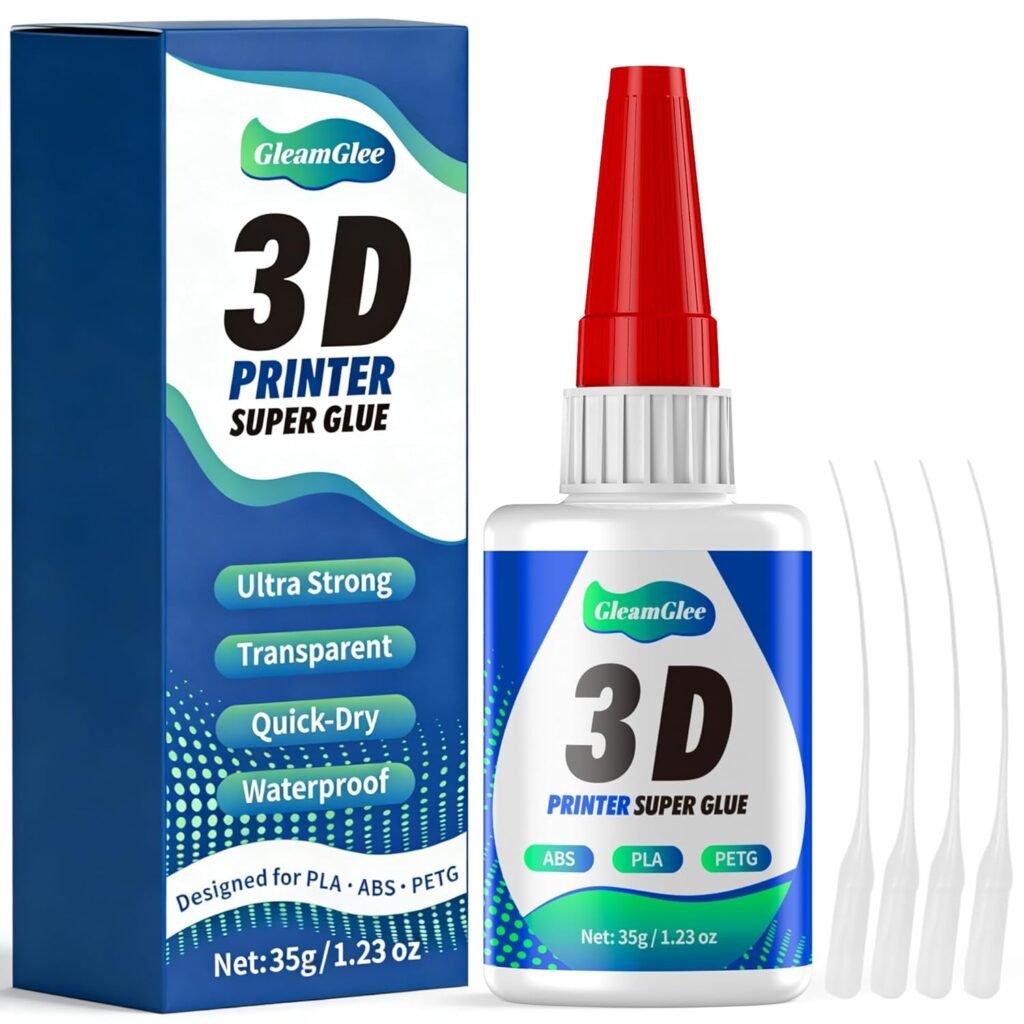
If your project is a smaller repair and you want something fast, clean, and easy to control, GleamGlee Super Glue for Wood is our top pick.

It is especially well suited for:
- small wood-to-metal repairs
- furniture detail fixes
- decorative wood pieces attached to metal parts
- wood trim or craft repairs
- quick household repairs where neat application matters
GleamGlee is a particularly strong fit when you want:
- fast setup
- easy handling
- precise application
- a cleaner-looking repair
- a simple solution for small mixed-material fixes
What makes this style of adhesive so practical is the combination of speed and precision. You do not need to mix two parts. You do not need a thick bead of adhesive. You do not need to wait through a long setup just to handle a simple repair. For the right type of project, it is the kind of glue that makes the job easier from start to finish.
If you are repairing a loose wooden accent on metal hardware, fixing a small broken furniture connection, reattaching a trim piece, or handling a DIY craft repair, this is exactly the kind of product that makes sense.
Why Many Wood-to-Metal Repairs Fail
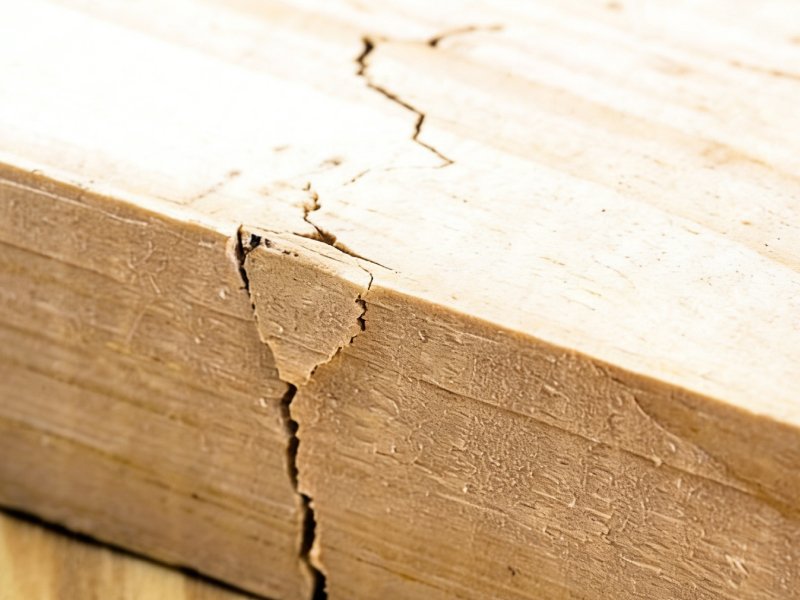
If you’ve ever glued wood to metal, thought it looked solid, and then watched it loosen, crack, or fall apart later, you’re not alone. Wood-to-metal bonding fails more often than people expect—not because the repair is impossible, but because a few small mistakes can ruin the result. Here are the most common reasons:
1. The wrong glue gets used from the start
This is the mistake that causes the most failed repairs.
A lot of people automatically grab regular wood glue because the project involves wood. But wood glue is mainly designed for wood-to-wood joints, not for bonding wood to a smooth, non-porous metal surface. The repair may seem fine at first, but the bond often does not hold the way people expect.
2. The metal surface is too smooth or dirty
Even a strong adhesive can struggle if the surface is not properly prepared.
Metal often has dust, oil, factory residue, oxidation, or a slick finish that prevents good adhesion. If the glue cannot grip the metal well, the bond is already weak before the repair even starts. Light sanding and proper cleaning can make a huge difference.
3. The glue doesn’t match the job
Not every wood-to-metal project needs the same type of adhesive.
A small decorative repair, a loose trim piece, and a large structural bond are completely different jobs. Many repairs fail because people use a quick-fix glue on a heavy-duty project—or choose a bulky construction adhesive for a tiny precision repair where a cleaner, faster option would work better.
4. Too much glue is applied
This is one of the most common DIY mistakes.
People often assume more glue means more strength. In reality, too much adhesive can create mess, reduce clean surface contact, slow the bond, and leave the repair looking sloppy. For many small wood-to-metal fixes, a controlled amount works better than overapplying.
5. The parts are not pressed together firmly enough
A strong bond needs solid contact.
If the wood and metal shift during setup, do not sit flush, or are not held together evenly, the glue may not cure into a strong, reliable connection. Even a good adhesive can fail when the surfaces are not properly aligned and secured.
6. The repair is used before the bond is fully ready
This happens all the time.
A repair may feel attached within minutes, but that does not always mean it is ready for stress. Moving the item too soon, putting weight on it too early, or testing the bond before full cure can weaken the repair before it ever reaches full strength.
7. People expect one glue to solve every wood-to-metal problem
This is where a lot of frustration starts.
There is no universal “best glue” for every wood-to-metal job. Small, precise repairs usually call for one kind of adhesive. Large, load-bearing, outdoor, or uneven-surface projects often need something completely different. Choosing the right glue for the actual repair is what makes the difference between a quick fix and a lasting one.
The good news?
Most wood-to-metal repair failures are preventable.
When you choose the right adhesive, prep the surfaces properly, apply it carefully, and give the bond enough time to set, wood-to-metal repairs can be surprisingly strong, clean, and reliable.
When Super Glue Is Not the Best Choice
A trustworthy guide should say this clearly: super glue is not the right answer for every wood-to-metal application.
If your repair is large, weight-bearing, exposed to outdoor weather, subject to repeated impact, or involves uneven surfaces with gaps, epoxy or polyurethane adhesive is usually the better route.
That does not make super glue a weak option. It simply means every adhesive has a best-use zone.
For small, precise, close-fitting repairs, super glue is often the most practical and user-friendly choice. For larger structural assemblies, heavier-duty adhesive categories are usually a smarter fit.
That honest distinction matters, because it helps shoppers buy the right product instead of the most aggressive-sounding one.
Quick Decision Guide
If your project sounds like this, here is the easiest way to choose:

| Your Project | Best Choice |
|---|---|
| Small wood part bonded to metal hardware | CA Glue |
| Furniture detail repair | CA Glue |
| Decorative trim or craft fix | CA Glue |
| Large wood panel attached to metal | Polyurethane / Construction Adhesive |
| Outdoor wood-to-metal repair | Epoxy |
| Heavy-load or structural bond | Epoxy |
| Wood-to-wood woodworking joint | PVA Wood Glue |
For most everyday shoppers, the real question is not “What is the strongest glue in the world?” It is “What is the right glue for my repair?” That is where this guide matters.
FAQ
Q1: Can wood glue bond wood to metal?
Usually not well enough for a reliable long-term repair. Traditional wood glue is designed mainly for wood-to-wood bonding, not for attaching wood to smooth metal surfaces.
Q2: Is epoxy stronger than super glue for wood to metal?
For larger, more demanding, or more structural applications, yes, epoxy is usually the stronger option. For small repairs and close-fitting pieces, super glue can still be extremely effective and much easier to use.
Q3: Do I need to sand metal before gluing it to wood?
Yes, light sanding usually helps. It gives the adhesive more surface texture to grip and can improve bond performance.
Q4: What is the best glue for outdoor wood-to-metal bonding?
In most cases, epoxy is the better starting point for outdoor repairs, especially when durability and weather resistance matter.
Q5: What is the best glue for small wood-to-metal repairs?
A quality CA glue is often the best choice for small, precise, fast repairs because it is easy to apply and works well on close-fitting parts.
Q6: Is GleamGlee a good choice for wood-to-metal repairs?
Yes, especially for small, precise, non-structural repairs where fast setup, neat application, and convenience matter most.


The best glue for wood to metal depends on the project.
If you are dealing with a large, heavy-duty, outdoor, or gap-filled repair, epoxy or polyurethane adhesive may be the better fit.
But if you are handling the kind of repair most people actually mean when they search this topic—small household fixes, decorative pieces, furniture details, trim, crafts, and quick wood-to-metal bonding—then a precise CA glue is often the smartest and easiest solution.
That is why GleamGlee Super Glue for Wood is our top recommendation for small wood-to-metal repairs. It is fast, practical, clean to apply, and well suited to the everyday projects where speed and precision matter most.