What Glue Is Best for Shoes: A Practical Guide to Strong, Flexible Repairs
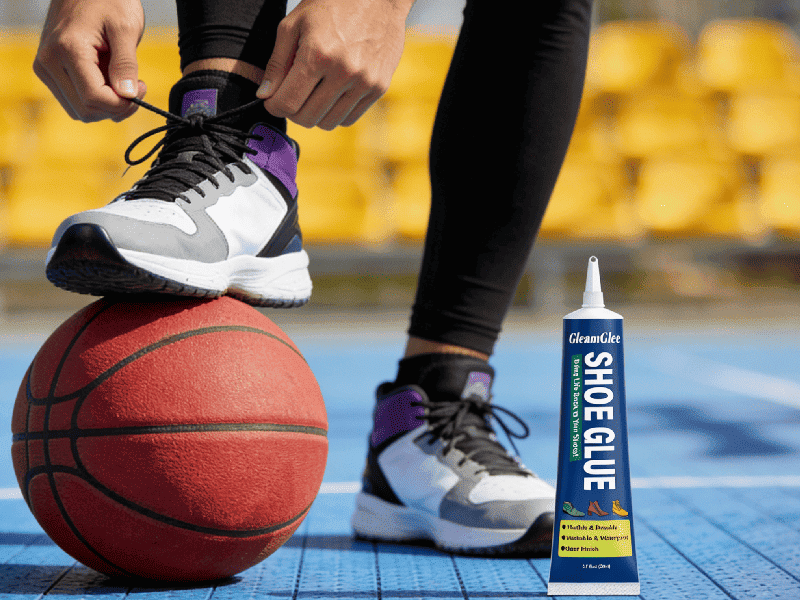
Shoes are one of the most mechanically stressed items we own, yet most people underestimate how demanding they are from an adhesive perspective. Every step creates a complex combination of bending, shear force, compression, and friction. Add moisture from rain or sweat, temperature changes, and mixed materials—and you have one of the toughest bonding challenges […]
What Is Floral Adhesive:A Complete Guide
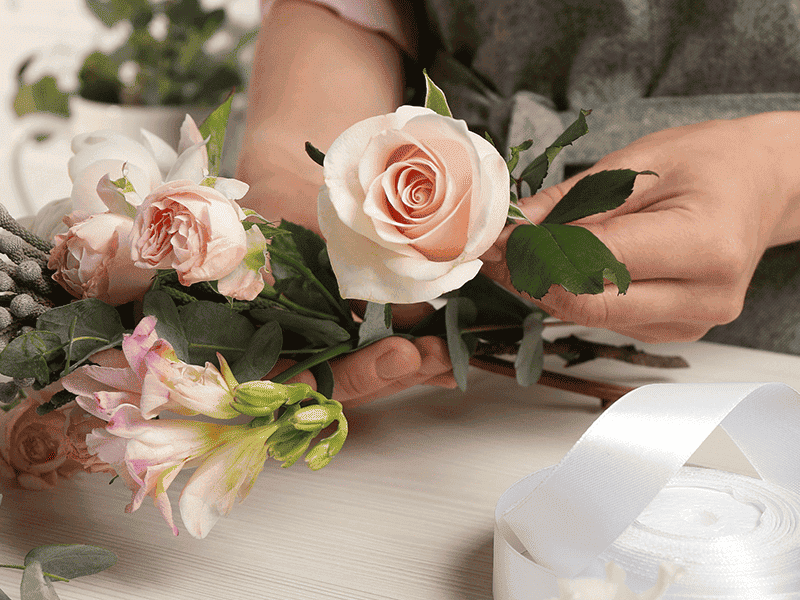
Floral adhesive is a fast-drying, flexible glue made specifically for bonding fresh flowers, greenery, ribbons, and decorative materials without damaging petals or stems. Unlike hot glue or craft glue, it works on moist surfaces, dries clear, stays flexible, and is often waterproof—making it ideal for bouquets, corsages, boutonnieres, centerpieces, and floral foam. Florists use it to secure flowers in place, create detailed designs, and ensure arrangements stay intact all day.
What Is PVC Adhesive:A Complete Guide for Modern Repairs
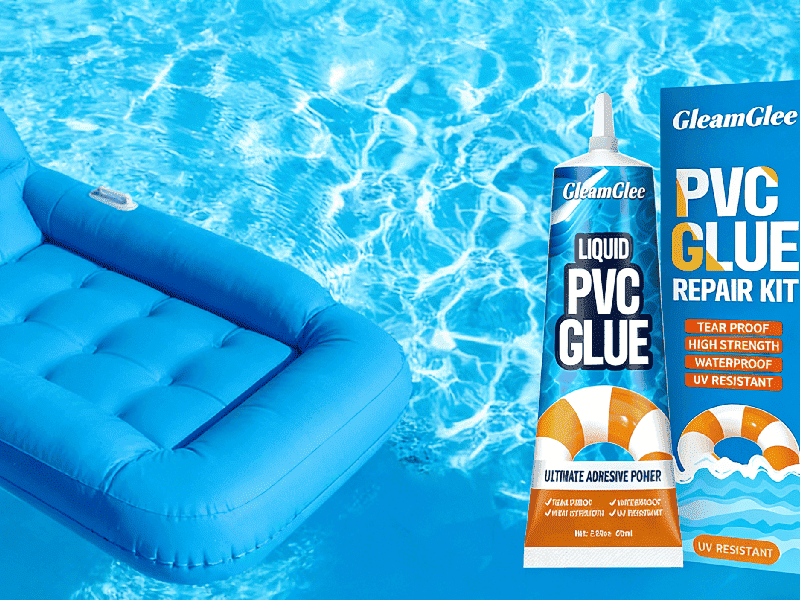
PVC adhesive is a specialized bonding agent designed for PVC, vinyl, and similar plastics. It works by softening the material surface and creating a chemical weld, resulting in a waterproof, flexible, and long-lasting seal. It is used for repairing PVC pipes, inflatables, kayaks, pools, air mattresses, tents, and outdoor gear. When applied correctly, PVC adhesive forms a durable and often permanent bond ideal for both household and outdoor applications.
What Is Wood Glue: Uses, Types & How It Works Explained
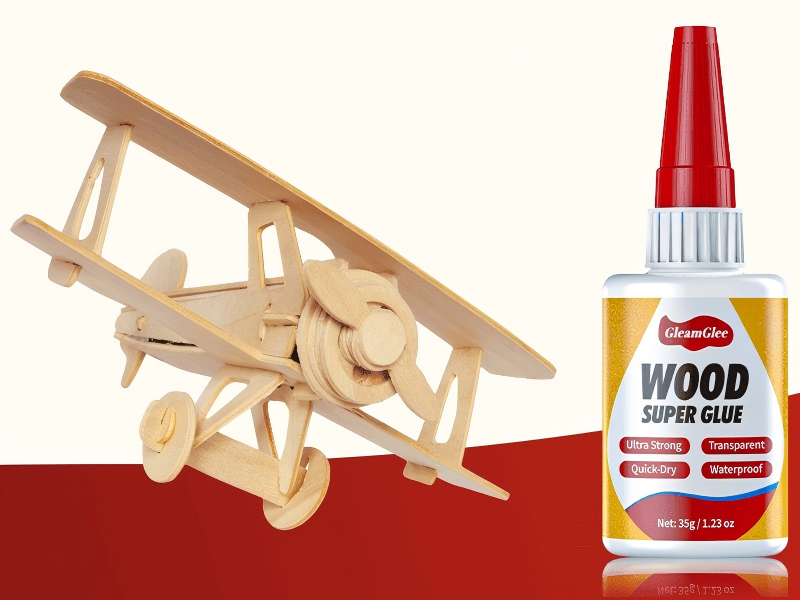
Wood glue is a specialized adhesive designed to bond wood fibers together by penetrating the surface, creating a joint often stronger than the wood itself. It is used for furniture repairs, carpentry, crafts, woodworking joints, and indoor or outdoor projects. Compared with regular glue, wood glue offers superior strength, flexibility, and moisture resistance. It is applied to clean wood surfaces, clamped, and then allowed to dry and cure for long-lasting results.
Best Plastic Glue Guide: What Glue Works for Every Plastic Type
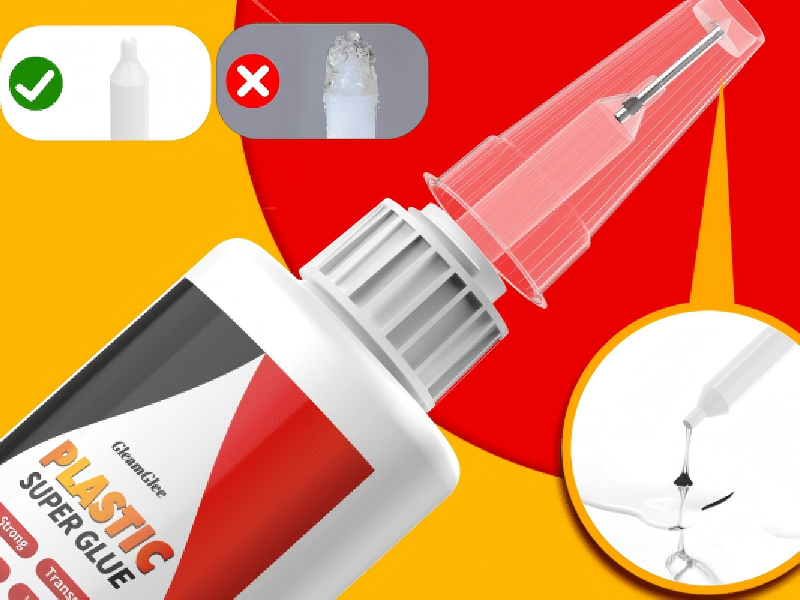
The best glue for plastic depends on the plastic type and repair purpose. Rigid plastics like PVC and ABS bond well with plastic-specific adhesives, while clear plastics require crystal-clear formulas. Some plastics, such as PP and PE, resist most glues entirely. For the strongest plastic-to-plastic bond, choose a high-strength adhesive designed specifically for plastic—such as GleamGlee Plastic Glue—which cures fast, dries clear, and forms a durable, long-lasting bond.
Best Glue for Ceramic Repairs :Strongest Ceramic Adhesives Guide
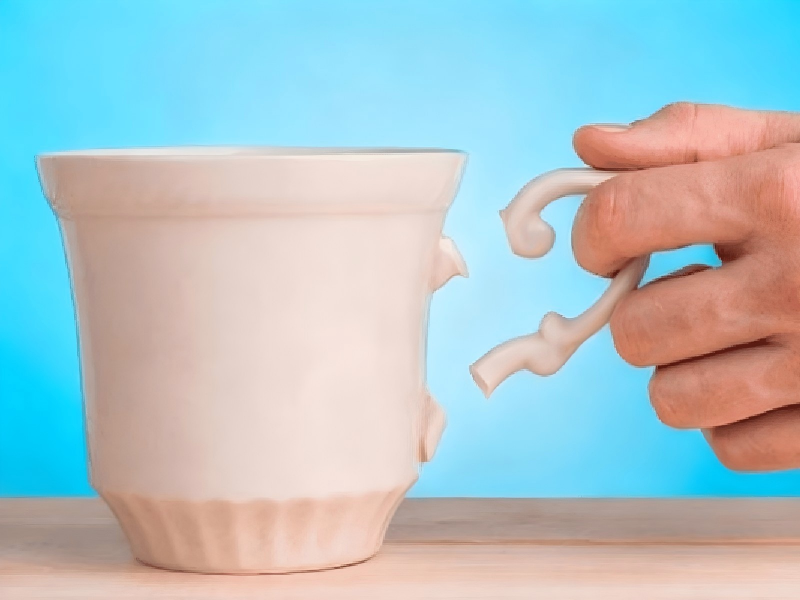
The best glue for ceramic repairs is a high-strength epoxy or a professional-grade cyanoacrylate (super glue) designed specifically for ceramics. Epoxy offers the strongest and most durable bond—ideal for heavy, structural, or heat-exposed ceramic. Super glue is faster and perfect for small, clean breaks and fine cracks. For the most reliable all-purpose solution, modern ceramic-specific CA glues like GleamGlee provide a fast, nearly invisible, waterproof, and heat-resistant bond.
What Is The Best Glue for Glass: Strong, Clear & Long-Lasting Repairs
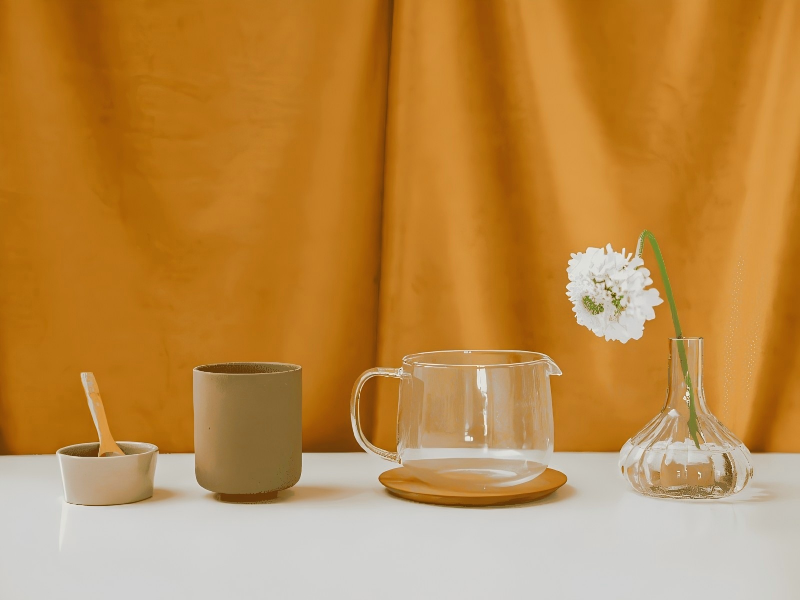
Finding the best glue for glass has become a surprisingly complex question in future. Glass is smooth, non-porous, temperature-sensitive, and often transparent—meaning the adhesive must deliver strength, clarity, and durability all at once. Whether you’re repairing a broken wine glass, reattaching a mirror panel, fixing a shattered vase, bonding stained-glass art, or securing a cracked headlight, the wrong glue can turn a simple fix into a permanent flaw. Many homeowners and DIYers discover too late that ordinary super glue often turns cloudy, becomes brittle, or simply doesn’t grip the way they expected. Meanwhile, professional installers know that structural glass, heavy loads, and outdoor environments demand a far more engineered adhesive solution.
How to Open Fabric Glue Safely: Step-by-Step Guide

Opening a new tube of fabric glue sounds simple—until it isn’t. Anyone who works with clothing repairs, DIY crafts, upholstery, or costumes knows the frustration: a cap that won’t twist, a nozzle that won’t puncture, glue that suddenly bursts out, or a tube that seems clogged before you even begin. These problems are extremely common, especially among low-quality glues packaged with outdated lids or unstable formulas. And because fabric glue is designed to bond tightly and quickly, an opening mistake can easily ruin your worktable, your clothes, or the glue tube itself.
What Is Fabric Adhesive: Uses, Types & How It Works
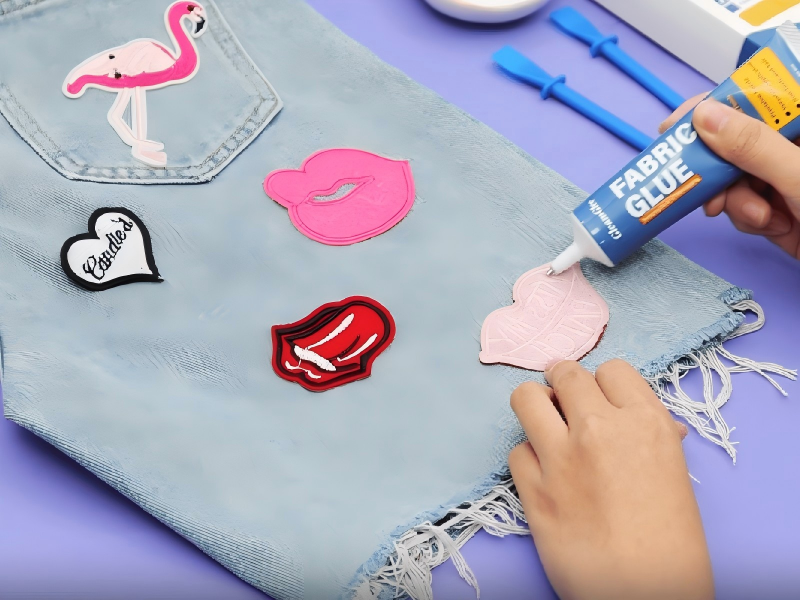
Fabric adhesive has become one of the most valuable tools in modern clothing repair, crafting, home décor, and professional textile work. Whether you’re hemming a pair of jeans, repairing a curtain, attaching appliqués, or customizing a costume, fabric adhesive offers a fast, flexible, and sewing-free solution. As consumers shift toward convenience and sustainability—choosing to fix, personalize, and upcycle instead of replacing—fabric adhesive has evolved into a high-performance, science-driven alternative to traditional stitching.
What Glue Is Good for Fabric:The Ultimate Guide
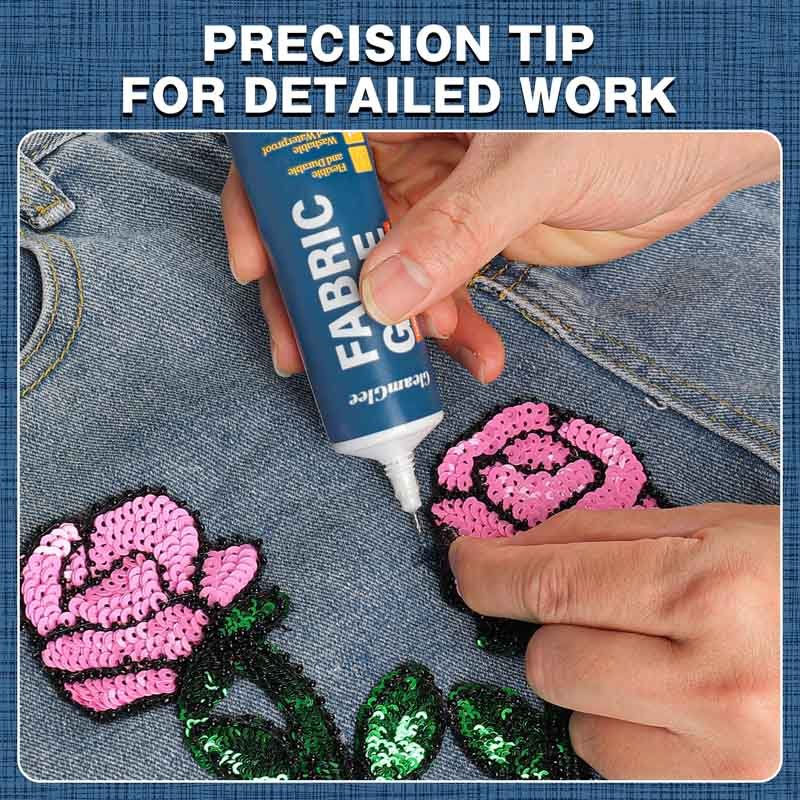
The best glue for fabric is a flexible, washable, non-yellowing textile adhesive designed specifically to bond fibers without stiffness. High-performance fabric glues—such as GleamGlee Fabric Glue—offer strong, permanent bonding for cotton, denim, canvas, polyester, lace, and many other materials. They remain soft after curing, withstand washing and ironing, and work for repairs, crafts, and clothing alterations. Unlike PVA or school glue, true fabric glue is long-lasting and purpose-built for textiles.