What Is E6000 Glue Used For:A Comprehensive Guide

E6000 glue is widely used for crafts, jewelry making, fashion embellishments, shoe repairs, and light household fixes where flexibility matters. Its biggest advantage is that it bonds dissimilar materials—such as metal to fabric, rubber to plastic, or leather to metal—while remaining elastic after curing. This makes it popular for items that bend, vibrate, or move in daily use, like footwear, wearable accessories, decorative trims, and DIY projects where repositioning time is helpful.
What Is Tacky Glue Used For:Crafts, Repairs, and Smart Uses

Tacky glue is commonly used for crafts, DIY projects, light repairs, and decorative bonding where precision, safety, and clean application matter. It works best on materials like paper, fabric, wood, foam, and lightweight plastics. Unlike fast-curing or rigid adhesives, tacky glue offers controlled application, flexible drying, and low odor—making it ideal for home, school, and hobby use.
What Is Hot Glue Made Of:Ingredients, Safety, and Real Uses
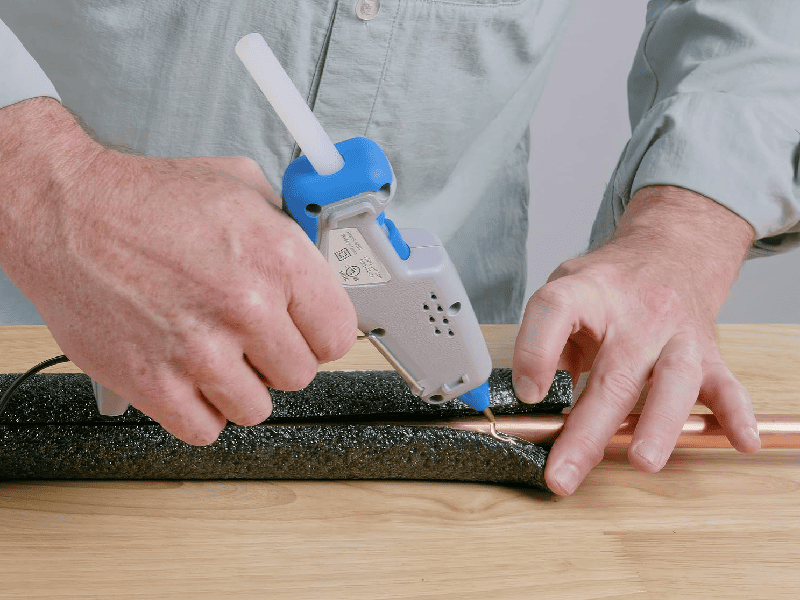
Hot glue is one of the most familiar adhesives in everyday life, yet it’s also one of the most misunderstood. It looks simple—a solid stick that melts, flows, and bonds in seconds—but behind that convenience is a carefully engineered material system. Many users assume hot glue is just melted plastic, but that assumption leads to wrong expectations about strength, durability, and safety. To understand why hot glue works so fast—and why it sometimes fails—you have to look at what it’s actually made of, not just how it’s used.
What Is Elmer’s Glue Made Of:A Clear Guide

Most people recognize Elmer’s Glue instantly—the white bottle, the friendly cow, the classroom memories. But behind that familiar image is a material choice that explains exactly why the glue behaves the way it does. Many users expect it to work on plastic, fabric, or outdoor repairs and feel confused when it peels, softens, or fails. To understand those limits, you need to understand what Elmer’s Glue is actually made of—and what it was designed to do.
What Is Epoxy Glue:A Comprehensive Guide
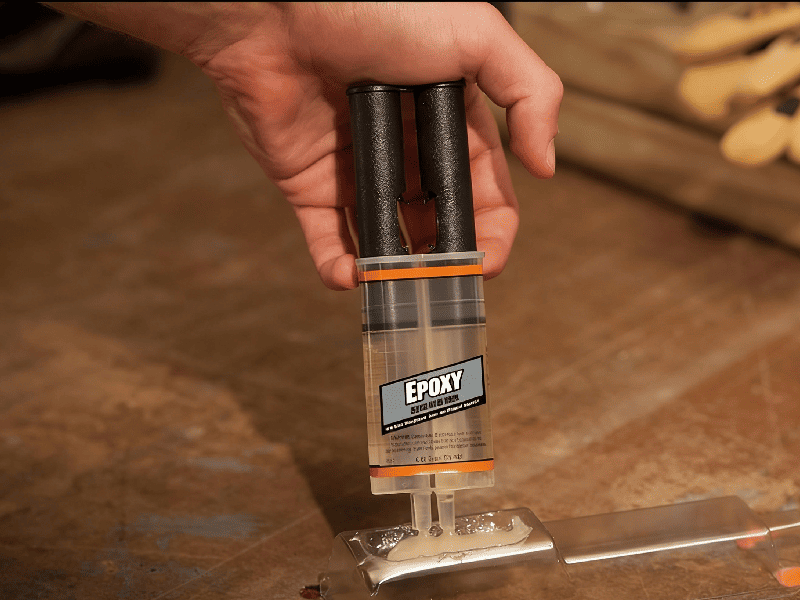
Epoxy glue is often called a “strong adhesive,” but its real value lies in when and why it is used. It is the go-to solution for repairs that must last—bonding metal, ceramic, glass, wood, and concrete in situations where ordinary glue would fail. From household fixes to industrial and construction applications, epoxy is chosen when durability, stability, and long-term performance matter more than speed.
What Is Tacky Glue:The Ultimate Guide
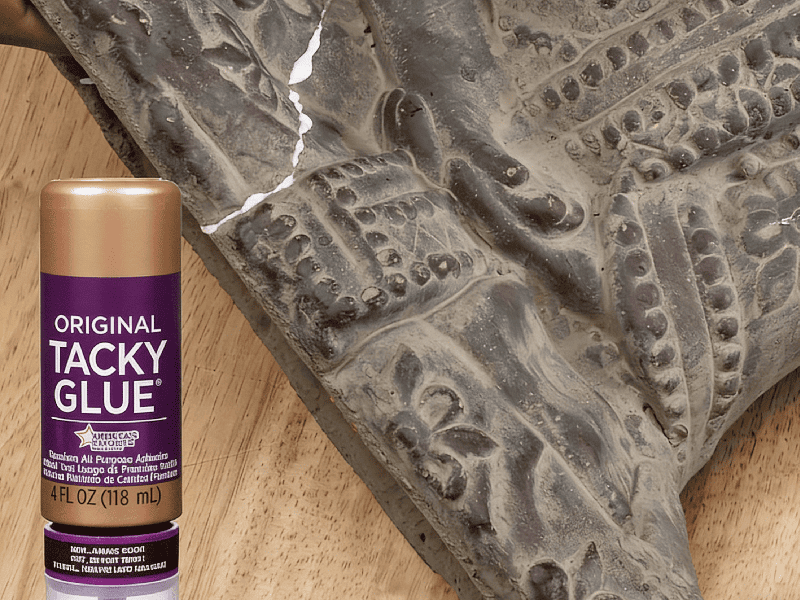
Tacky glue is one of those everyday adhesives people often use without fully understanding why it works better than “regular” glue in certain situations. It’s commonly picked up for crafts, school projects, fabric decorations, and small household fixes because it feels thicker, grabs faster, and stays where you put it. Unlike thin white glue that can slide or drip, tacky glue gives users a sense of control—especially important when precision matters or when working on vertical or layered surfaces.
What Is Rubber Glue:A Complete Guide
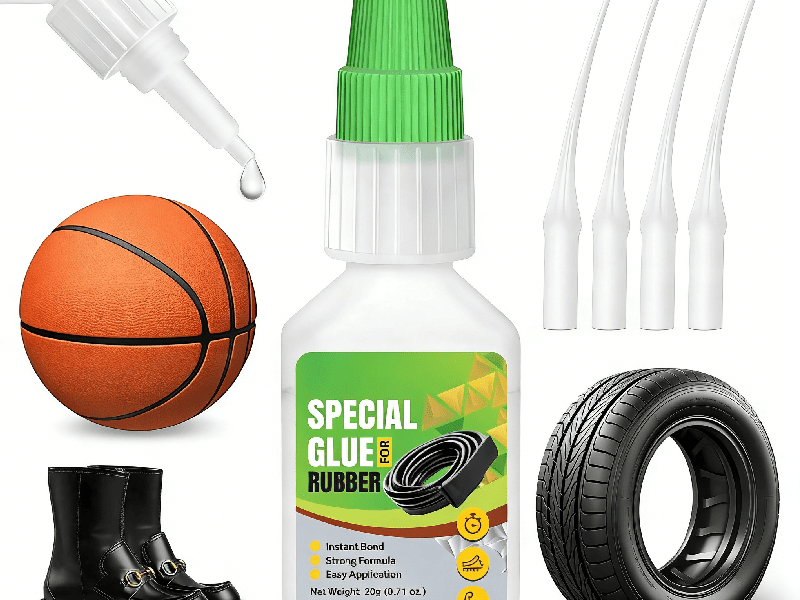
Rubber glue is a category of adhesive specifically designed to bond flexible materials without turning brittle after drying. Unlike rigid glues that harden into a solid mass, rubber glue cures into an elastic, rubber-like film that can bend, stretch, and recover with the material it bonds. This property makes it especially useful for rubber, leather, vinyl, fabric, and foam—materials that move constantly during daily use. From shoe soles and rubber seals to crafts and DIY repairs, rubber glue solves a problem most standard adhesives simply can’t handle.
What Is Cyanoacrylate Glue: Uses, Safety, Strength Explained
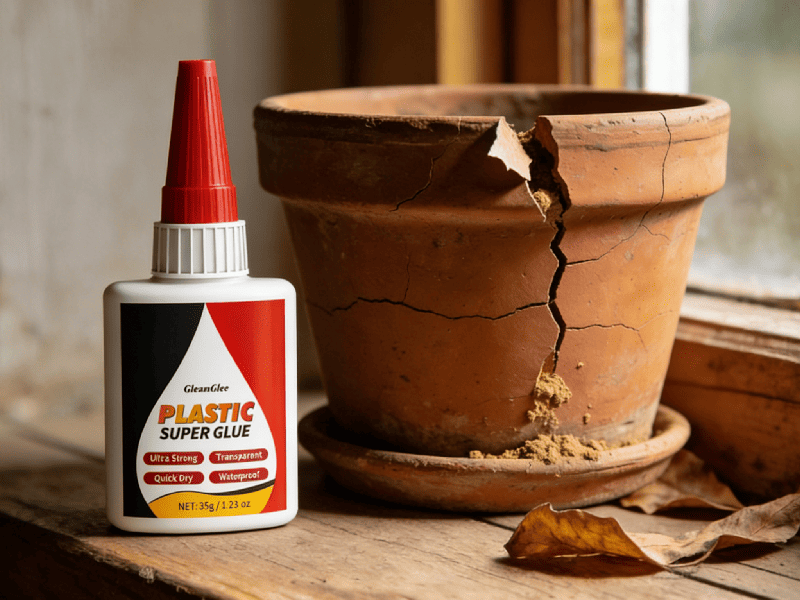
Cyanoacrylate glue is one of those products most people have used—but very few truly understand. Often labeled as “super glue,” it promises instant bonding and quick fixes, whether it’s a cracked ceramic cup, a loose shoe sole, or a broken plastic part. Its speed feels almost magical. Yet behind that tiny bottle is a highly specialized adhesive chemistry that works exceptionally well in some situations and poorly in others. Misunderstanding how cyanoacrylate works often leads to brittle bonds, safety concerns, or failed repairs that could have been avoided.
What Are the Main Glue Types: A Complete Guide
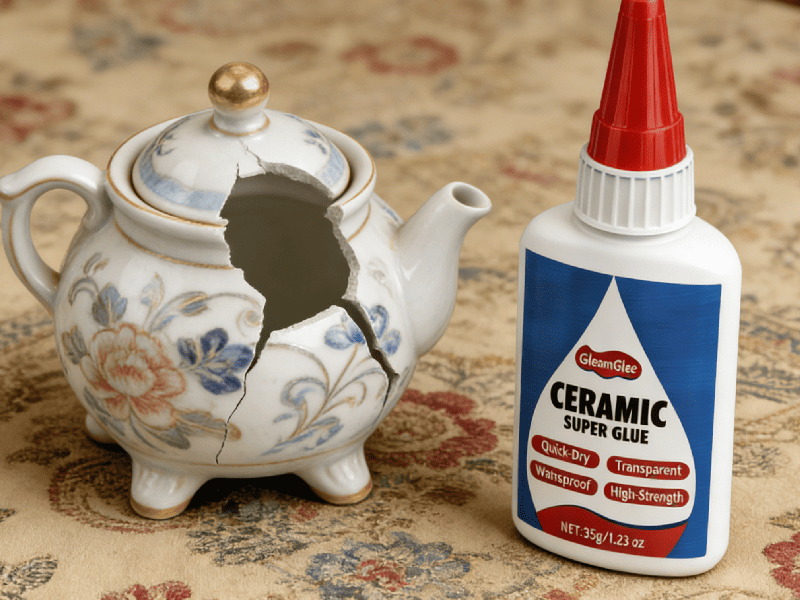
Choosing the “right glue” seems simple—until it fails. A chair leg loosens after a week, a shoe sole peels mid-walk, or a fabric patch stiffens and cracks after the first wash. These failures don’t happen because glue is weak; they happen because the wrong glue type was used for the job.
GleamGlee Glue vs Aleene’s Glue: Strength, Durability & Use
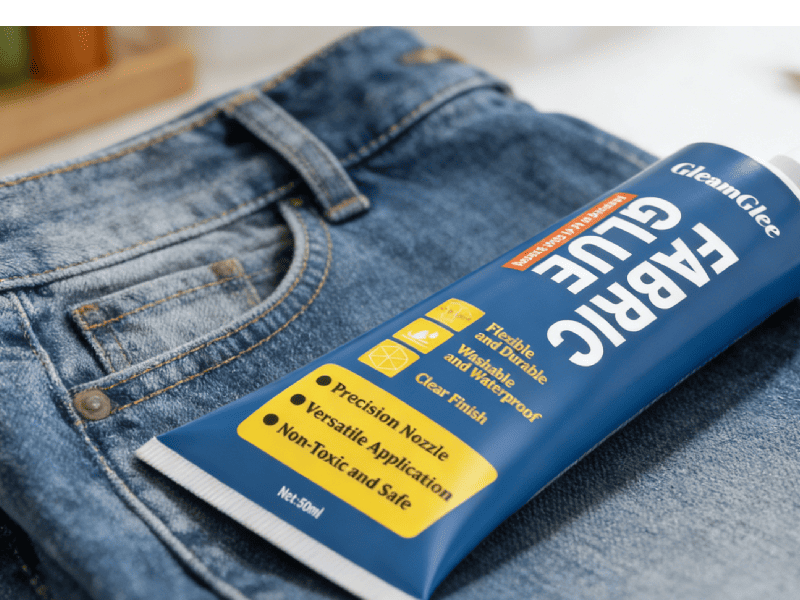
GleamGlee glue is generally stronger, more permanent, and better suited for real repairs than Aleene’s glue. While Aleene’s tacky glue works well for crafts and light-duty bonding, it is PVA-based and not designed for high stress, washing, or long-term durability. GleamGlee focuses on material-specific repair adhesives engineered for fabric, leather, plastic, and construction use, offering stronger bonds, better flexibility, and longer service life.