Will Super Glue Work on Glass:Strength, Limits & Better Fixes
Glass is one of those materials that looks easy to fix—until you try. It’s smooth, non-porous, and “clean,” so people assume glue will behave predictably. In real homes, though, glass gets hit with the things glue hates most: tiny twists, vibration, hot-and-cold cycles, moisture, and cleaning chemicals. That’s why a repair that feels rock-solid today can pop off later when you’re washing the item, setting it down, or the room temperature shifts.
What Glue Works on Plastic:A Practical Repair Guide
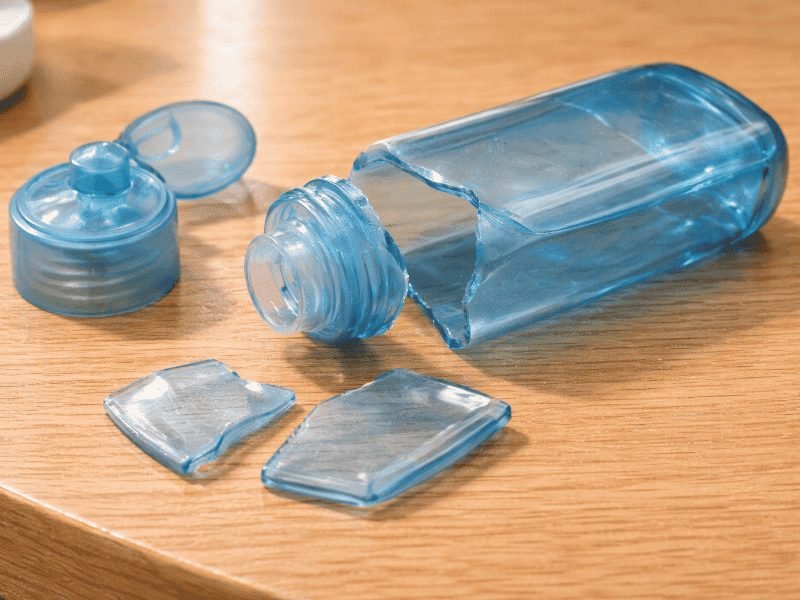
The glue that works on plastic depends on three things: the plastic material itself, how the surface is prepared, and how the repaired part will be used afterward. In real-world repairs, plastics like ABS, PVC, acrylic, and polystyrene bond well with plastic-specific adhesives when the surface is clean and lightly roughened. Low-energy plastics such as polypropylene (PP) and polyethylene (PE) are harder to bond and often require special formulations or reinforcement. Thin, controlled application and full curing are just as important as the glue choice.
What Is Plastic Glue: Uses, Types & Repair Guide
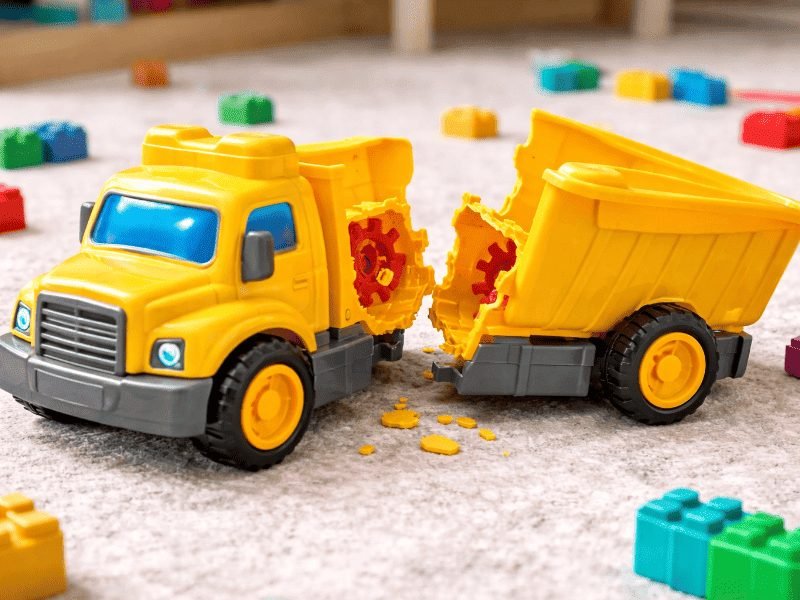
Plastic glue is a specialized adhesive designed specifically for bonding plastic materials such as ABS, PVC, acrylic, and polystyrene. Unlike general-purpose glue, plastic glue is formulated to overcome plastic’s smooth surface, low porosity, and chemical resistance. When used correctly, it creates a strong, durable bond that can withstand everyday handling, light impact, and temperature changes—making it ideal for household repairs, DIY projects, and light industrial use.
What Is Shoe Glue: A Complete Guide
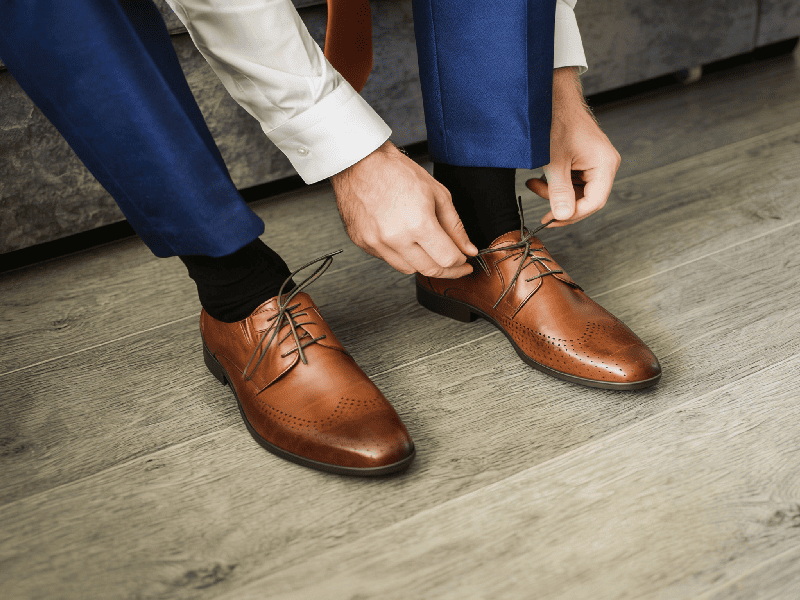
Shoe glue is a type of adhesive specifically formulated for shoe repair. Unlike regular household glues that dry hard and crack under movement, shoe glue cures into a flexible, elastic bond. It is designed to grip materials commonly found in footwear—such as rubber, EVA foam, leather, vinyl, and canvas—while withstanding repeated bending, pressure, and moisture. This makes it suitable for repairs like sole separation, loose heels, lifted toe caps, and detached insoles, where flexibility and durability matter more than instant hardness.
Where to Buy Shoe Glue: Online, Local, or Direct
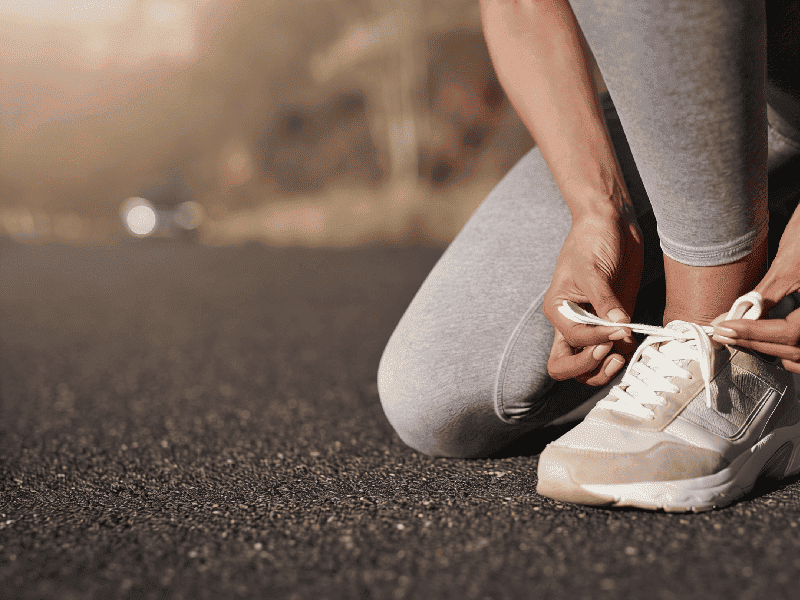
A shoe doesn’t fail politely. One day the sole starts peeling at the toe, then a rainy walk turns it into a flapping “mouth.” Or a heel goes loose right before you’re supposed to be out the door. That’s when people search “where to buy shoe glue”—and quickly learn a frustrating truth: a lot of products called “shoe glue” aren’t made for shoes that bend, get wet, and take impact.
How to Use Fabric Glue: Strong, Clean No-Sew Repairs
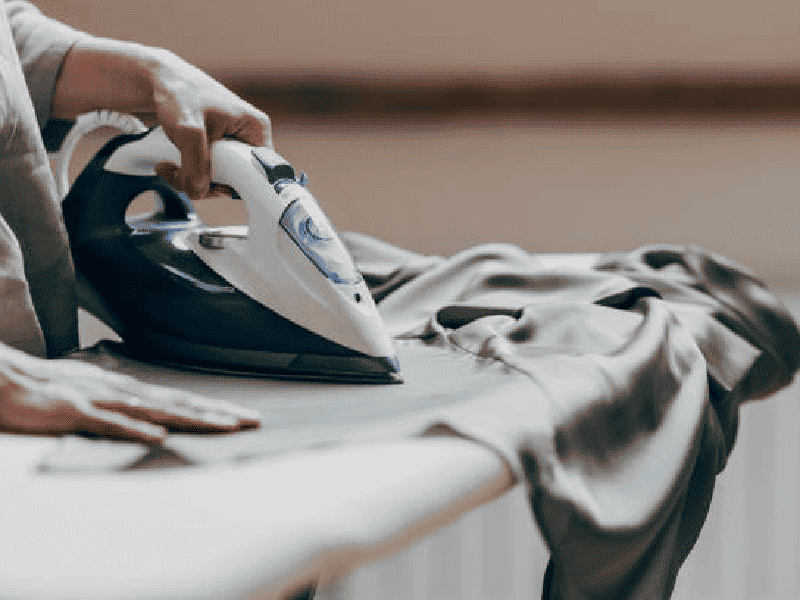
Fabric glue makes clothing repair and fabric projects faster and easier than traditional sewing. Whether you’re hemming pants, fixing a small seam, attaching a patch, or adding decorative details, fabric glue allows you to bond fabric cleanly without needles or thread. When used correctly, it dries clear, stays flexible, and blends naturally into the fabric—so the repair looks and feels normal in everyday wear.
Attach Fabric to Fabric Temporarily: No-Sew Methods
Most people looking to attach fabric to fabric temporarily are not trying to “cheat” sewing—they’re trying to avoid making the wrong permanent decision. It might be a last-minute hem before an event, a patch you’re not sure you want to keep, a costume fix that only needs to last one night, or a clothing adjustment you want to test before stitching. In these moments, the real need is control: holding fabric securely now, without locking yourself into something you can’t undo later.
How Long Does Fabric Glue Take to Dry:Real Dry Time Guide

Most fabric glue becomes dry to the touch in about 5–15 minutes, depending on how much you applied and how breathable the fabric is. But the bond usually needs around 24 hours to fully cure. Full cure is what gives the repair its real strength, flexibility, and wash/iron resistance. Using the item too early is the #1 reason repairs peel or crack.
What Does Adhesive Mean: A Clear Explained Guide
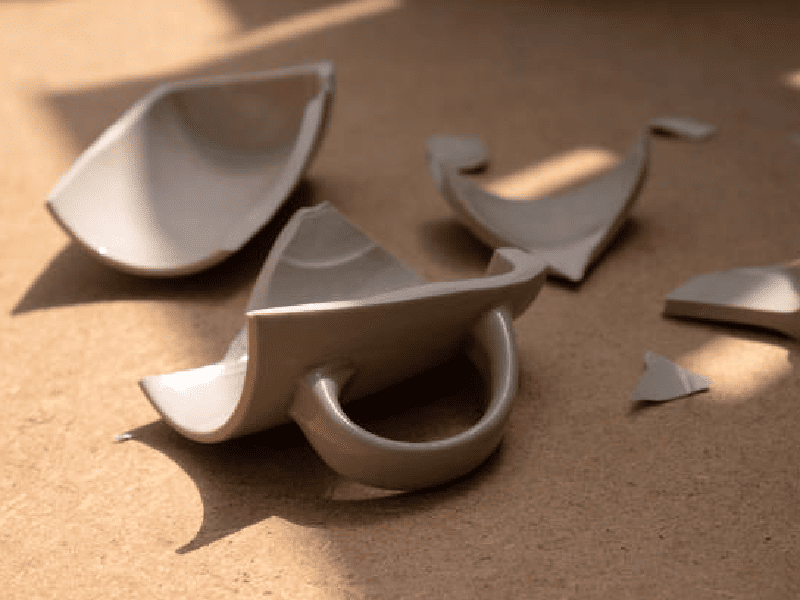
An adhesive is a substance made to join two surfaces by creating a bond that resists separation. Unlike the casual word “glue,” adhesives are formulated for specific materials and conditions (like flexing, heat, humidity, or vibration). They bond by wetting the surface, filling micro-gaps, and curing through drying, chemical reaction, or pressure to form a durable joint.
What Glue Is Best for Porcelain: Strong, Clear, Heat-Safe Repairs
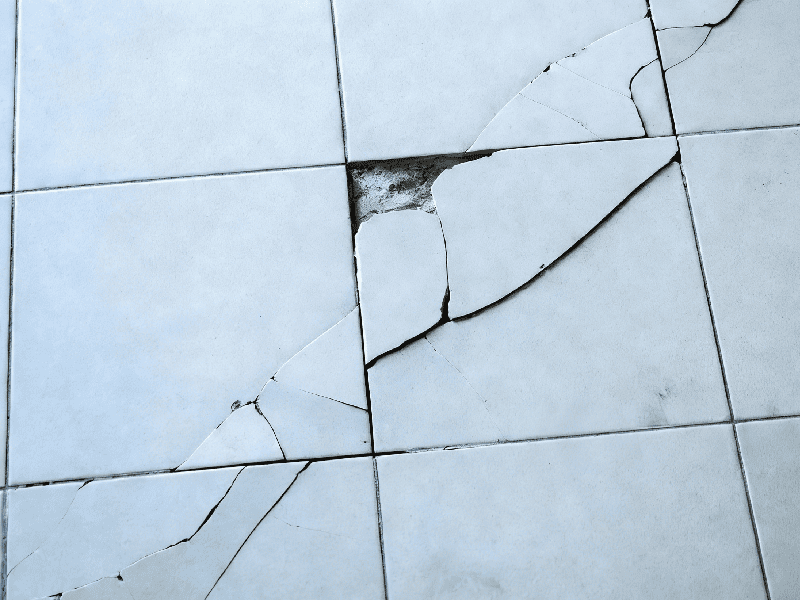
The best glue for porcelain is a purpose-made porcelain/ceramic glue that dries clear, bonds smooth non-porous surfaces, and holds up to daily heat and moisture. For most household repairs (mugs, plates, décor, figurines), it gives cleaner and more reliable results than super glue. For heavy structural breaks or tile load points, 2-part epoxy is often the safer choice.