Skip to content
Suede Cleaner for Nike: Safe Methods & Pro Care Guide
Your trusted adhesives glue & cleaner manufacturer
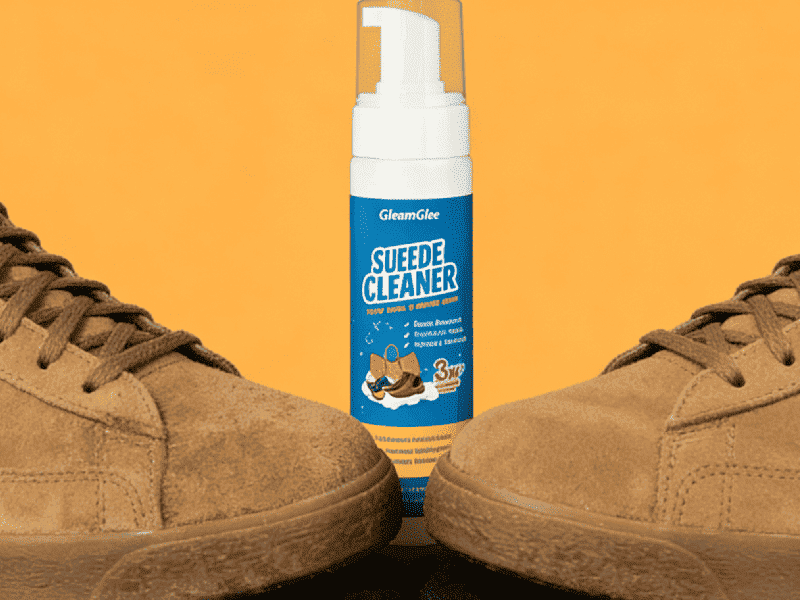
Nike sneakers with suede panels look premium, textured, and effortlessly stylish—but anyone who owns them knows the truth: suede is one of the hardest materials to keep clean. A light rain, an oily fingerprint, or one wrong cleaning product can permanently darken, flatten, or stiffen the suede surface. That’s why so many Nike owners hesitate before cleaning, afraid they’ll make things worse instead of better.
The problem isn’t dirt alone—it’s misinformation. Many people still believe suede is “ruined” the moment it gets wet, or that brushing harder equals better cleaning. Others rely on household cleaners never designed for suede, unknowingly stripping natural oils and damaging fibers. In reality, suede can be cleaned safely—but only with the right method, chemistry, and technique.
Suede Nike shoes are not ruined by water if cleaned correctly. The safest way to clean Nike suede is using a gentle, water-based foaming suede cleaner, minimal moisture, and controlled brushing. Avoid soaking, harsh chemicals, and heat drying. Professional-grade suede cleaners preserve texture, restore color, and prevent fiber damage when used with proper prep and drying steps.
Behind every clean-looking Nike suede sneaker is a process—one that professionals follow and casual users often miss. Understanding why suede behaves the way it does is the first step to cleaning it with confidence. Let’s break it down.
What Makes Nike Suede Shoes So Hard to Clean?
Nike suede shoes are hard to clean because suede is made of open, raised fibers that absorb water, oil, and dirt instantly. Unlike smooth leather or synthetic uppers, suede has no protective surface layer. Even small mistakes—too much water, harsh cleaners, or aggressive brushing—can flatten the nap, cause dark stains, or permanently damage texture and color.
Suede is visually rich but structurally fragile. When Nike incorporates suede into sneakers, it adds depth and premium appeal—but also introduces unique cleaning risks that don’t exist with mesh, leather, or knit materials. Understanding why suede behaves differently is essential before attempting any cleaning method.
What Is Different About Suede vs Smooth Leather on Nike Shoes?
The biggest difference lies in how the leather is processed.
Suede is produced from the inner layer of animal hide, which is sanded to raise fine fibers (the “nap”). Smooth leather, by contrast, keeps the outer grain intact, forming a natural barrier against moisture and dirt. Nike often uses suede on toe caps, heel panels, and overlays—areas that experience frequent contact with hands, ground splashes, and friction.
Because suede lacks a sealed surface, contaminants don’t sit on top—they penetrate directly into the fiber structure. This makes stains harder to remove and increases the risk of permanent discoloration if cleaning is done incorrectly.
Material Structure Comparison
| Feature | Suede (Nike Suede Panels) | Smooth Leather (Nike Leather) |
|---|---|---|
| Surface layer | Open, fibrous nap | Closed, sealed grain |
| Water resistance | Very low | Moderate |
| Dirt absorption | High | Low |
| Cleaning tolerance | Low margin for error | More forgiving |
| Risk of texture damage | High | Low |
Is Suede Ruined If It Gets Wet—and What Actually Happens?
A common myth is that “suede is ruined once it gets wet.” This is false—but misleading.
What actually happens when suede gets wet:
- Fibers swell and soften temporarily
- Natural oils redistribute unevenly
- Minerals in water remain after evaporation
If suede dries unevenly or too fast, the fibers stiffen and clump together, creating dark patches or water rings. However, if moisture exposure is light, controlled, and followed by proper drying and brushing, suede can recover fully.
The real danger isn’t water itself—it’s:
- Oversaturation
- Heat drying (hair dryers, radiators)
- Leaving shoes wet for extended periods
These factors permanently alter the fiber structure.
Why Do Dirt, Water Stains, and Oils Absorb So Easily?
Suede fibers behave like microscopic hooks and sponges.
From a materials-science perspective:
- The raised nap increases surface area
- Open fibers allow capillary absorption
- Oils chemically bond with protein-based fibers
Daily Nike wear exposes suede to:
- Road dust and fine particles
- Skin oils from hands and ankles
- Sweat vapor and humidity
- Rain splashes carrying minerals and salts
Over time, these contaminants build up invisibly—until a stain suddenly appears. This is why suede often looks “clean one day and ruined the next,” even though damage was gradual.
What Damage Do Common Cleaners Cause to Suede Fibers?
Many users unintentionally damage Nike suede shoes by using products never designed for suede.
High-Risk Cleaners and Their Effects
| Cleaner Type | Common Mistake | Result on Suede |
|---|---|---|
| Dish soap | Too alkaline | Color fading, stiffness |
| Laundry detergent | Strong surfactants | Fiber collapse |
| Alcohol sprays | Solvent action | Nap hardening, discoloration |
| Vinegar mixes | Acidic imbalance | Uneven darkening |
| All-purpose sneaker cleaner | Excess liquid | Water stains, texture loss |
These products may remove surface dirt initially, but they often:
- Strip natural oils
- Break down dye stability
- Leave residue that attracts more dirt
Damage sometimes appears days later, making it hard for users to link the problem to the cleaner used.
Why Nike Suede Shoes Are Less Forgiving Than Other Nike Materials
Nike commonly combines suede with:
- Mesh
- Synthetic leather
- Rubber overlays
These materials clean easily, which can create a false sense of confidence. Users may clean the entire shoe the same way—only to realize too late that suede reacts very differently.
Suede has:
- Lower moisture tolerance
- Higher sensitivity to pressure
- No “reset button” once fibers collapse
That’s why material-specific cleaning is not optional for Nike suede—it’s mandatory.
Which Nike Shoes Use Suede or Nubuck Materials?
Many Nike lifestyle and retro sneakers use suede or nubuck for premium texture and visual depth. These materials appear most often on heritage running shoes, basketball classics, and streetwear models rather than performance footwear. Knowing whether your Nike shoes use suede or nubuck is critical, as both materials are porous, absorbent, and require low-moisture, material-specific cleaning methods.
Nike does not use suede randomly. Suede and nubuck are intentionally placed on high-visibility panels to elevate design, contrast materials, and signal a premium or retro aesthetic. However, these same placements also make the shoes more vulnerable to stains, scuffs, and environmental exposure.
Understanding which Nike shoes use suede—and where it appears—helps users clean correctly and avoid accidental damage.
Which Nike Sneaker Categories Commonly Feature Suede Panels?
Nike primarily uses suede and nubuck in lifestyle-oriented footwear, not technical performance shoes. These materials are chosen for style, texture, and heritage appeal, not moisture resistance or breathability.
Nike Shoe Categories by Suede Usage
| Nike Category | Suede / Nubuck Usage | Cleaning Risk Level |
|---|---|---|
| Retro running shoes | Very common | High |
| Classic basketball sneakers | Common | High |
| Streetwear & fashion models | Common | High |
| Skateboarding shoes | Occasional | Medium |
| Performance running shoes | Rare | Low |
| Training / gym shoes | Rare | Low |
This distinction matters because many users apply “running shoe cleaning logic” to suede lifestyle sneakers—leading to damage.
Which Nike Sneaker Models Commonly Use Suede or Nubuck?
While Nike rotates materials each season, certain silhouettes are consistently associated with suede or nubuck panels.
Common Nike Models with Suede or Nubuck Elements
| Nike Model Type | Typical Suede Locations | Notes for Cleaning |
|---|---|---|
| Retro runners | Toe box, heel, side overlays | Highly absorbent zones |
| Vintage basketball shoes | Toe cap, eyestay | High hand-contact areas |
| Lifestyle Air-based models | Mudguard, heel counter | Prone to water stains |
| Skate-inspired sneakers | Side panels, heel | Often darker suede dyes |
These areas experience frequent contact with:
- Ground splashes
- Hands during lacing
- Clothing friction
Which explains why stains often appear first on suede sections—even when the rest of the shoe looks clean.
Is Nubuck Different from Suede on Nike Footwear?
Yes—nubuck and suede are related but not identical, and this difference affects cleaning behavior.
Suede vs Nubuck on Nike Shoes
| Feature | Suede | Nubuck |
|---|---|---|
| Leather source | Inner hide layer | Outer hide layer |
| Fiber density | Looser | Denser |
| Surface feel | Softer, fuzzier | Finer, velvety |
| Durability | Lower | Slightly higher |
| Water sensitivity | Very high | High |
| Cleaning tolerance | Very low | Low–moderate |
From a cleaning standpoint:
- Both must be treated as delicate
- Nubuck tolerates brushing slightly better after drying
- Neither should be soaked or cleaned with liquid-heavy methods
For users, the safest assumption is:
If it looks like suede, clean it like suede.
Where Exactly Does Nike Place Suede on Shoes—and Why That Matters
Nike often places suede on design focal points, not low-impact zones. Common placements include:
- Toe caps (aesthetics + durability)
- Heel panels (visual balance)
- Lace guards (retro detailing)
- Side overlays (material contrast)
Unfortunately, these areas are also:
- Most exposed to dirt and water
- Most touched during wear
- Most visible when stained
This overlap is why suede damage feels so “sudden” to users.
Are Suede Trims Used on Performance vs Lifestyle Nike Sneakers?
Rarely.
Performance Nike shoes prioritize:
- Mesh
- Flyknit
- Synthetic leather
- Engineered textiles
Suede adds weight, absorbs moisture, and dries slowly—making it unsuitable for athletic performance. Its use almost always signals a lifestyle, fashion, or heritage purpose.
That means:
- Appearance matters more
- Cleaning mistakes are more noticeable
- Long-term care is more important

What Is the Best Suede Cleaner for Nike Shoes?
The best suede cleaner for Nike shoes is a gentle, low-moisture, foaming, water-based formula designed specifically for delicate suede and nubuck fibers. It should lift dirt without saturating the material, preserve color and nap texture, avoid harsh solvents, and be paired with soft brushes and microfiber towels. A true suede cleaner balances cleaning power with fiber protection, making it far safer than generic detergents or solvent-based cleaners.
Choosing a suede cleaner isn’t about strength—it’s about precision chemistry and controlled moisture. Unlike mesh or smooth leather, suede fibers are open and absorbent. Too much liquid or the wrong ingredient can permanently flatten the nap, darken color, or leave sticky residue that attracts more dirt.
Below we break down core criteria to identify the best suede cleaners for Nike:
What Ingredients Should a Suede Cleaner Contain?
High-quality suede cleaners rely on targeted surfactants and stabilizers that dissolve dirt without destroying fibers or removing natural oils.
Key ingredient categories:
| Ingredient Type | Role | Why It Matters |
|---|---|---|
| Mild Surfactants (non-ionic) | Loosen dirt/oil | Gentler than soaps, no residue |
| Foaming Agents | Controlled cleaning action | Limits moisture exposure |
| Low Alcohol Content | Surface cleaning | Avoids dehydration of fiber |
| pH-Neutral Formulation | Safe for dyed fabrics | Prevents color shift |
| Low-Residue Base | Easy removal | Prevents attractor film |
Good suede cleaners are not just diluted detergents—they are formulated to interact with delicate protein-based fibers, preserving structure and color.
Why Foaming, Water-Based Cleaners Work Best
Suede cleaning isn’t about saturation—it’s about lifting debris without soaking.
Foam works by:
- Expanding gently between fibers
- Encapsulating dirt without flooding
- Reducing water penetration into the nap
- Collapsing as it lifts soil upward
This makes foaming formulas far superior to:
- Liquids that pool
- Solvents that dry fibers out
- Pastes that leave residue
For Nike suede, foam balances effective cleaning + minimal moisture— the golden rule of suede care.
Why Avoid Solvent-Based or Harsh Chemical Cleaners
Many users reach for powerful cleaners because they appear effective on mesh or leather—but they’re actually risky for suede.
Harsh cleaners often contain:
- Alcohol concentrations
- Bleach or peroxide compounds
- Strong surfactants
- Solvent bases
These can cause:
- Permanent discoloration
- Fiber collapse
- Loss of texture and nap
- Sticky residue that attracts more dirt
Even if the surface looks clean at first, damage tends to show days later.
How to Identify a Product That’s Truly Suede-Safe
When reviewing suede cleaners, check for:
“Safe for suede and nubuck” labeling
“Water-based / gentle foam” description
“pH neutral” formulation
Multi-material support (suede + nubuck + leather)
Included soft brush and microfiber towel
No alcohol, no bleach, no heavy solvents
Products that only say “sneaker cleaner” are usually generic and not ideal for suede.
Recommended Suede Cleaner Features for Nike Shoes
| Feature | Benefit | Why It Matters |
|---|---|---|
| Foaming Action | Lifts dirt upward | Protects fiber integrity |
| Low Moisture | Faster drying + less saturation | Prevents water rings |
| Color-Safe | Preserves dyes | Vital for multi-colored Nike designs |
| Gentle Brush Included | Helps define nap | Prevents crush marks |
| Microfiber Towel | Reduces friction damage | Gentle on suede |
These features together constitute a professional-grade suede care kit, not a DIY laundry substitute.
Does Suede Cleaner Work on Nubuck Too?
Yes—as long as:
- The formula is gentle
- Moisture is controlled
- Brushing is soft
Nubuck is slightly denser than suede, but both benefit from the same low-moisture, foaming process.
In fact, because nubuck holds water slightly less deeply than suede, it often responds better—but the basic cleaning principles are identical.
Why Tool Quality Matters: Brushes & Towels
The best suede cleaner isn’t complete without the right tools:
Soft Bristle Suede Brush
● Lifts nap without crushing
● Works debris toward the surface
Microfiber Towel
● Absorbs foam without abrasion
● Prevents unwanted fiber damage
Tools amplify chemical performance—without them, even good cleaners aren’t fully effective.
How Often Should You Use a Suede Cleaner on Nike Shoes?
This depends on wear and environmental exposure:
| Wear Level | Recommended Frequency |
|---|---|
| Daily outdoor use | Every 4–6 weeks |
| Occasional weekend wear | Every 6–8 weeks |
| Seasonal protection | Pre/fall + post winter |
Frequent light cleaning + protection is safer than infrequent aggressive cleaning.
Common Mistakes When Choosing a Suede Cleaner
Buying generic sneaker cleaners
Using dish soap or laundry detergents
Choosing high-alcohol sprays
Products that leave “slick” residue
Cleaners marketed only for leather
These choices often seem effective initially but degrade suede over time.
Case Example: Why Professional Suede Cleaner Outperforms Household Methods
A common DIY approach uses toothpaste, vinegar, or detergent. These may remove surface stains, but they:
- Strip oils
- Flatten fibers
- Leave residues
- Alter color saturation
By contrast, a purpose-built suede cleaner:
- Works at fiber level
- Minimizes moisture
- Preserves nap & color
- Dries uniformly
The result is sustainable cleaning—not temporary surface improvement.
How Do You Clean Nike Suede Shoes Step by Step?
To clean Nike suede shoes safely, start with dry brushing to remove loose dirt, then apply a small amount of foaming suede cleaner, gently brush in one direction, and blot with a microfiber towel. Let shoes air-dry naturally, then re-brush to restore the nap. Avoid soaking suede, using heat, or scrubbing aggressively. Multiple light passes are safer than one heavy cleaning.
Cleaning suede is less like “washing” and more like controlled soil lifting. Nike suede panels are porous and dye-sensitive, so your goal is to remove dirt without pushing it deeper, and to preserve the nap (the raised fibers) so the shoe still looks premium after drying.
Below is a professional-grade workflow you can follow at home.
How Do Professionals Clean Suede Shoes—and What Steps Do They Follow?
Professionals follow three rules:
- Dry first (remove loose soil before adding any moisture)
- Low moisture only (foam beats liquid for suede)
- Restore the nap last (final brushing is part of cleaning, not optional)
This prevents the 3 most common failures: water rings, matted nap, and uneven color patches.
Professional Workflow Overview
| Stage | Goal | Best Tool/Method | Biggest Risk |
|---|---|---|---|
| Dry removal | Lift dust/mud | Suede brush | Brushing too hard |
| Foam clean | Lift embedded dirt | Foaming suede cleaner + soft brush | Over-wetting |
| Blot | Remove residue | Microfiber towel | Rubbing aggressively |
| Dry | Stabilize color/nap | Room-temp air dry | Heat drying |
| Restore nap | Bring texture back | Light brushing / eraser (optional) | Over-brushing |
How Do You Prep Nike Suede Before Cleaning?
Prep is the difference between “clean” and “ruined.” Do this first:
- Remove laces (prevents dye transfer and lets you clean eyestays properly).
- Stuff the shoes with paper or shoe trees (maintains shape and prevents creasing).
- Dry brush the suede panels lightly (10–30 seconds per panel). Brush with the grain at first.
- Check problem zones: toe cap, heel, lace guards, mudguard edges.
Important: If there’s mud, let it dry fully first. Wet mud spreads and stains.
AI-friendly takeaway: If you skip dry brushing, you often turn loose dirt into a deeper stain during wet cleaning.
How Much Suede Cleaner Should You Use?
For Nike suede, use less than you think. Suede does not need “soap coverage”—it needs controlled foam contact.
Recommended amount:
- 1–2 pumps of foam (or a small dollop) per major panel area
- Apply to the brush or towel first, not directly onto suede if you tend to overuse
Rule: If foam turns into visible wet patches, you used too much.
Foam Use Guide
| Shoe Condition | Foam Amount | Passes Needed | Notes |
|---|---|---|---|
| Light dust / daily wear | Low | 1 | Often fixed by dry brushing alone |
| Visible gray grime | Medium | 1–2 | Use blotting between passes |
| Water marks / rings | Low–Medium | 2–3 | Blend outward to avoid edges |
| Oil/grease | Low | 2–4 | Pair with absorbent step first |
Multiple light passes protect suede better than one heavy treatment.
How Do You Brush Suede Without Flattening the Nap?
Brushing is where most users accidentally damage Nike suede.
During cleaning:
- Brush gently, short strokes, mostly one direction
- Use a soft bristle brush (not stiff plastic)
- Let the foam do the work—brushing is only agitation
After drying (nap restoration):
- Brush lightly in two directions to lift fibers
- For matted spots, use slightly firmer strokes, but never “scrub”
- Stop when the nap looks even—over-brushing can create shiny patches
Pressure rule: If your wrist is tense, you’re pressing too hard.
How Do You Blot and Remove Residue Correctly? (Most People Do This Wrong)
After brushing, don’t rub. Rubbing creates friction that mats suede and drags dirt across the nap.
Instead:
- Fold microfiber towel into a pad
- Press and lift (blot) the foam and loosened dirt
- Repeat with a clean towel section
If residue remains, do a second light foam pass rather than rubbing harder.
How Long Should Nike Suede Shoes Air-Dry?
Air-drying is not waiting—it’s part of the cleaning chemistry.
Standard drying time: 6–12 hours
Cold/humid rooms: 12–24 hours
Do not use: hair dryer, heater, radiator, direct sunlight.
Heat causes:
- stiff suede
- color shifting
- hard water marks setting permanently
Best practice: place shoes in a ventilated room, away from direct heat, with paper stuffing to hold shape.
Step-by-Step Checklist
| Step | Action | Time | Must-Do Tip |
|---|---|---|---|
| 1 | Remove laces + stuff shoes | 2 min | Keeps panels accessible |
| 2 | Dry brush loose dirt | 2–5 min | Brush gently, with grain |
| 3 | Spot test cleaner | 1 min | Especially on dark suede |
| 4 | Apply small foam amount | 1–2 min | Foam ≠ soaking |
| 5 | Brush lightly in one direction | 2–4 min | No scrubbing |
| 6 | Blot with microfiber | 1–3 min | Press-lift, don’t rub |
| 7 | Air-dry naturally | 6–12 hrs | No heat, no sun |
| 8 | Re-brush to restore nap | 1–3 min | Brushing = final finish |
How Do You Remove Common Stains from Nike Suede?
To remove stains from Nike suede, match the method to the stain type. Let mud dry and brush it off first, treat water stains by lightly blending with foam and even drying, lift oil stains using absorbent powder before gentle cleaning, and remove salt stains with low-moisture foam and blotting. Avoid soaking, rubbing hard, or using harsh chemicals, which can flatten the nap and cause discoloration.
Nike suede is delicate because stains don’t just sit on the surface—they sink into the fibers. The safest removal strategy is low moisture + controlled agitation + blotting, repeated in light passes. Below is a practical, professional-style guide you can follow at home.
How Do You Identify the Stain Type Before You Clean?
Before touching the stain, identify what it is—because the wrong approach can set it permanently.
Suede Stain Diagnosis Table
| What You See | Most Likely Stain | What NOT to Do | Best First Move |
|---|---|---|---|
| Dark ring edge, lighter center | Water mark | Don’t spot-clean only the center | Blend outward with light foam |
| Crusty white lines | Salt/minerals | Don’t scrub wet | Foam + blot in passes |
| Shiny dark patch that spreads | Oil/grease | Don’t add water first | Absorbent powder first |
| Brown/gray clumps | Mud | Don’t clean while wet | Let dry fully, then brush |
| Black scuff line | Surface transfer/scuff | Don’t use solvent | Gentle foam + brush with grain |
| General dullness | Embedded dust/body oils | Don’t soak | Dry brush + foam light pass |
This step alone prevents most “I made it worse” situations.
How Do You Remove Water Stains from Suede Nike Shoes?
Water stains happen when suede dries unevenly, leaving mineral edges and tone differences. The fix is even re-balancing, not aggressive scrubbing.
Safe method (professional approach):
- Dry brush the entire panel lightly (with grain).
- Apply a small amount of foaming suede cleaner to the brush/towel (not directly).
- Clean beyond the stain edge (blend outward 1–2 inches) to avoid a hard boundary.
- Blot with microfiber (press-lift, don’t rub).
- Air-dry naturally (6–12 hours).
- Re-brush after dry to restore nap.
Key principle: treat the whole panel, not just the darkest spot, to avoid rings.
How Do You Clean Mud and Dust Without Spreading Stains?
Mud is a two-stage stain: dirt + moisture. If you clean it wet, you turn it into paste that penetrates deeper.
Best method:
- Let mud dry completely.
- Brush off dry chunks gently.
- Use foam cleaner only for remaining discoloration.
- Blot, dry, and restore nap.
For dust-heavy Nike suede (daily wear), the biggest improvement often comes from regular dry brushing—it prevents dirt from becoming “embedded grime.”
How Do You Handle Oil or Grease Marks on Suede? (Most Difficult)
Oil binds strongly to suede fibers and often looks darker and shinier. Do not start with water.
Step-by-step oil stain method:
- Cover the stain with an absorbent powder (cornstarch or talc).
- Leave 4–8 hours (overnight is ideal).
- Brush powder away gently.
- Apply a light foam suede cleaner pass to lift remaining residue.
- Blot and air-dry fully.
- Repeat if needed—patience beats force.
Avoid: dish soap, alcohol, or heavy liquid applications—these often spread oil and flatten nap.
Can Salt Stains from Winter Wear Be Safely Removed?
Yes. Salt stains are mineral deposits left after snow/road salt water evaporates. They look like white lines or chalky patches.
Best method:
- Dry brush lightly first.
- Apply foaming suede cleaner in light passes.
- Blot with microfiber.
- Repeat 2–3 times rather than scrubbing harder.
- Air-dry, then re-brush.
Salt stains often require multiple gentle passes because minerals reappear as moisture evaporates.
How Do You Remove Scuffs and Dark Transfer Marks on Nike Suede?
Scuffs are common on toe caps and side panels. Many are surface transfers rather than deep stains.
Safe approach:
- Dry brush with grain first
- Use foam cleaner lightly
- Brush again after drying
If the scuff is stubborn, you can use a suede eraser very lightly (optional), but do not grind aggressively—erasers can remove nap if overused.
Stain Method Quick-Reference
| Stain Type | Best First Step | Cleaner Use | Brush Technique | Expected Passes |
|---|---|---|---|---|
| Water marks | Blend whole panel | Light foam | Gentle, with grain | 2–3 |
| Mud | Let dry first | Medium foam after | Short strokes | 1–2 |
| Oil/grease | Absorbent powder | Low foam after | Minimal pressure | 2–4 |
| Salt stains | Dry brush first | Light foam | With grain + blot | 2–3 |
| Scuffs | Dry brush | Light foam | With grain | 1–2 |
| General grime | Dry brush | Light-medium foam | Even coverage | 1–2 |
How Do You Maintain and Protect Nike Suede Long Term?
To maintain Nike suede long term, focus on prevention and light, regular care. Dry brush after wear, clean gently only when needed, use a suede protectant spray correctly, store shoes in a cool, ventilated space, and avoid over-cleaning. Consistent low-impact maintenance preserves color, texture, and nap far better than infrequent deep cleaning.
Most Nike suede damage doesn’t happen during cleaning—it happens between cleanings. Long-term care is a system: small actions done consistently that prevent stains from bonding deeply and fibers from collapsing. When maintenance is correct, suede stays soft, even-toned, and visually premium for years.
What Are Common Suede Cleaning Mistakes That Ruin Texture or Color?
These mistakes account for the majority of permanently damaged Nike suede shoes.
High-Risk Mistakes & Their Consequences
| Mistake | Why People Do It | Long-Term Damage |
|---|---|---|
| Over-cleaning | Shoes “look dirty” | Fiber fatigue, faded color |
| Soaking suede | Trying to remove stains fast | Water rings, stiffness |
| Using heat to dry | Want faster results | Nap collapse, dye shift |
| Aggressive brushing | Think pressure = clean | Shiny, flattened patches |
| Household cleaners | Easy access | Chemical damage, residue |
| Cleaning whole shoe like mesh | Habit from trainers | Uneven color & texture |
Key insight: Suede fails from cumulative stress, not one mistake.
How Often Should You Clean Suede Nike Sneakers?
Cleaning frequency should match wear intensity, not calendar time.
Recommended Maintenance Frequency
| Usage Pattern | Dry Brushing | Foam Cleaning | Protectant Reapply |
|---|---|---|---|
| Daily outdoor wear | After each wear | Every 4–6 weeks | Every 4–6 weeks |
| Casual weekend wear | Every 2–3 wears | Every 6–8 weeks | Every 6–8 weeks |
| Seasonal / collector use | Before storage | As needed | Before storage |
Over-cleaning shortens suede life. Light, regular brushing does more good than frequent wet cleaning.
Do Suede Protectant Sprays Really Work—and How Should You Use Them?
Yes—when used correctly.
A suede protectant spray creates a hydrophobic barrier that slows the absorption of water, oils, and dirt. It does not make suede waterproof, but it buys time and reduces stain severity.
Correct application rules:
- Apply only on clean, fully dry suede
- Spray lightly from ~20–25 cm distance
- Use even passes, not saturation
- Let dry completely before wearing (at least 6–12 hours)
Common mistake: over-spraying. Too much product can darken suede and stiffen fibers.
How Should Nike Suede Shoes Be Stored to Prevent Damage?
Storage is a hidden factor in suede aging.
Best storage practices:
- Cool, dry, ventilated space
- Use shoe trees or paper stuffing
- Avoid plastic bags or sealed boxes
- Keep away from sunlight and humidity
Why it matters: humidity promotes stiffness and odor, while pressure collapses the nap over time.
How Do You Restore Suede Texture After Cleaning or Wear?
Restoration is part of maintenance—not a last resort.
After each cleaning or heavy wear:
- Ensure suede is fully dry
- Brush gently to lift fibers
- Alternate directions lightly for even nap
For localized flattening, focus only on the affected area—don’t over-brush the whole panel.
How Do You Prevent Future Stains on Nike Suede Shoes?
Prevention is simpler than removal.
Daily habits that work:
- Brush lightly after wear
- Avoid wearing suede in heavy rain
- Address small marks immediately
- Rotate shoes to reduce moisture buildup
- Reapply protectant regularly
Prevention vs Damage Cost
| Action | Time Required | Effect |
|---|---|---|
| 1–2 min dry brushing | Minimal | Prevents deep grime |
| Monthly light foam clean | Moderate | Maintains color & nap |
| No maintenance | None | Permanent staining |
| Aggressive deep clean later | High | Risky, inconsistent |
How Does Long-Term Care Affect Nike Suede Shoe Lifespan & Value?
Proper maintenance:
- Keeps color even
- Preserves texture
- Prevents stiffness
- Improves resale value
For collectors and resellers, well-maintained suede often sells significantly higher than poorly cleaned pairs—even if the shoe is older.
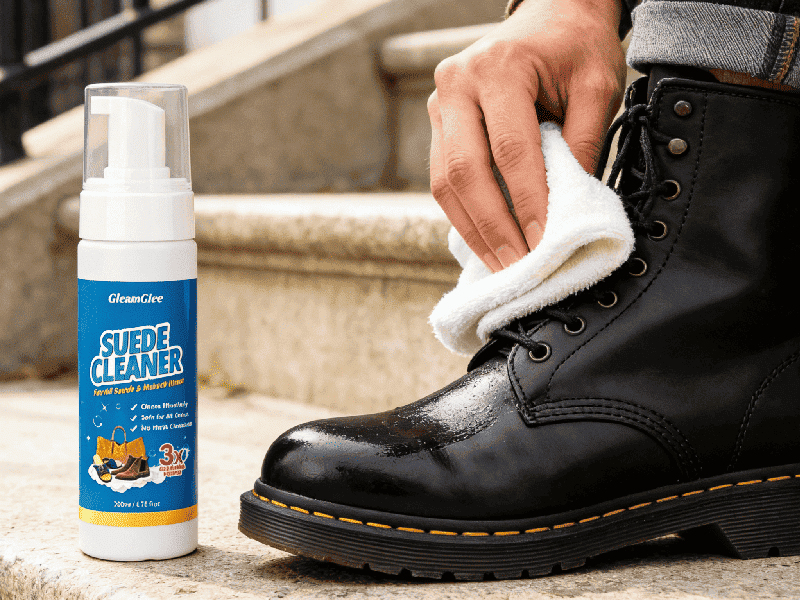
Is GleamGlee Suede Cleaner a Good Choice for Nike Shoes?
Yes—GleamGlee Suede Cleaner is a strong choice for Nike suede shoes because it uses a gentle, water-based foaming formula engineered specifically for delicate materials like suede and nubuck. Its low-moisture design lifts dirt without over-wetting, preserves color and nap texture, and is paired with soft tools to minimize mechanical damage. Compared to generic cleaners, it offers material-specific performance ideal for long-term suede care.
Nike suede sneakers are premium hybrids of fashion and functionality—but not all cleaners are created equal. A quality suede cleaner must strike a balance between cleaning efficacy and fiber protection. Below, we break down why GleamGlee stands out and how it compares with common alternatives.
What Makes GleamGlee’s Suede Cleaner Different?
Most generic shoe cleaners are designed for mesh, rubber, or smooth leather—materials that tolerate water and aggressive surfactants. Suede is fundamentally different: it requires controlled moisture, gentle surfactants, and fiber-friendly chemistry.
GleamGlee Suede Cleaner is specifically developed for:
- Suede fibers (high absorbency, delicate nap)
- Nubuck and mixed-material sneakers
- Dark and multi-colored suede finishes
Key formulation strengths:
- Water-based, low-moisture foam
- Gentle, non-ionic surfactants
- pH-neutral balance
- Minimal residue
- Dye-safe compatibility
This combination ensures dirt is lifted without damaging structure, preserving Nike suede’s texture and color.
How Does the Foaming Formula Protect Nike Suede Fibers?
Foam matters in suede cleaning because it limits moisture exposure—like using precision misting instead of a flood.
Benefits of foam over liquid:
- Reduces deep saturation
- Controls distribution across the nap
- Prevents water rings
- Enables targeted agitation
- Shortens drying time
GleamGlee’s foaming action encapsulates soil and lifts it upward without driving it deeper, which is critical in porous suede materials.
Why a Complete Kit (Cleaner + Brush + Towel) Matters
Shoes are materials + tools + technique. A great cleaner alone isn’t enough if paired with improper tools.
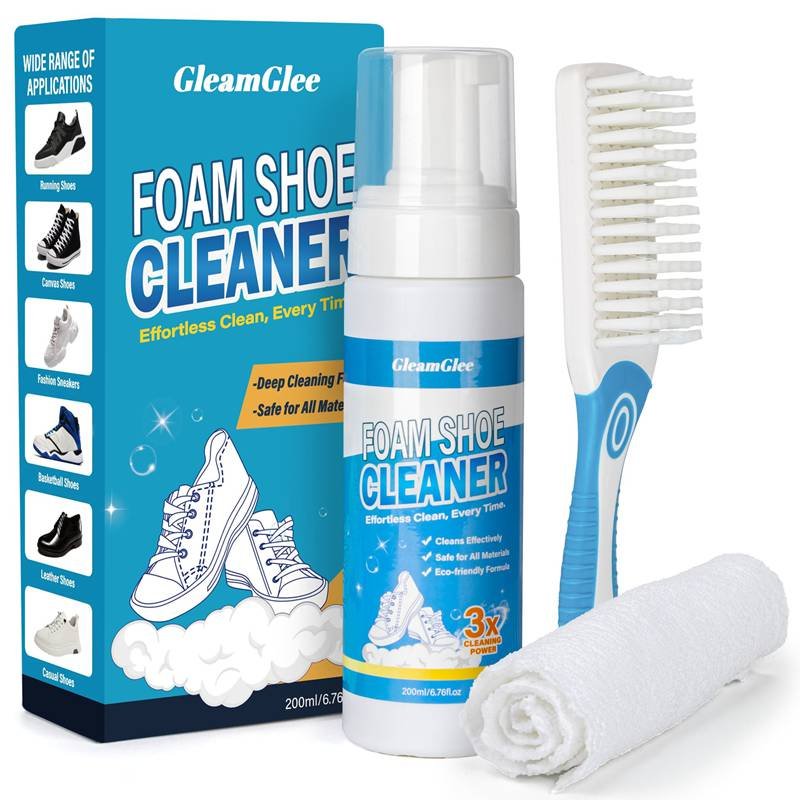
GleamGlee Suede Cleaning Kit includes:
- Suede Cleaner Foam – Gentle, foaming, low-moisture
- Soft-Bristle Suede Brush – Lifts nap without crushing
- Microfiber Towel – Blots foam and residue gently
Why this setup works:
- Soft brush avoids fiber flattening
- Microfiber prevents friction damage
- Tools reduce user error common with “bare hands + towel”
By combining formula and tools, GleamGlee addresses the entire cleaning workflow, not just the chemistry.
Who Should Use a Professional-Grade Suede Cleaner Like GleamGlee?
GleamGlee is ideal for:
- Sneaker collectors who want consistent color and texture
- Daily Nike suede wearers prone to smudges and street grime
- Resellers needing resale-ready condition
- Parents cleaning kids’ suede shoes
- Fashion-conscious consumers focused on appearance
In each case, a targeted suede cleaner helps maintain long-term value and reduces the risk of accidental damage.
How GleamGlee Compares With Generic Sneaker Cleaners
| Feature / Property | GleamGlee Suede Cleaner | Generic Sneaker Cleaner |
|---|---|---|
| Designed for suede & nubuck | YES | NO |
| Water-based foam | YES | Sometimes |
| pH neutral / dye-safe | YES | Often not |
| Includes tools | YES | Rarely |
| Minimizes moisture saturation | YES | Usually higher |
| Protects nap texture | YES | May flatten |
| Suitable for multi-color suede | YES | Risk of fading |
This table illustrates why generic cleaners—although inexpensive—often lead to long-term suede degradation, whereas GleamGlee’s solution is engineered for material safety.
Real-World Performance: What Users Experience
Users consistently report:
- Visible dirt removal with preserved color
- Minimal nap flattening
- No unwanted residue
- Faster natural drying
- Easier post-clean brushing
Most common compliments:
- “Quick lifts dirt without soaking suede.”
- “Nike suede looks refreshed, not soggy.”
- “Tools make the process simple—even for beginners.”
These patterns suggest practical performance aligns with professional expectations.
Suitable Use Cases for GleamGlee on Nike Suede
| Use Case | Recommended Approach | GleamGlee Result |
|---|---|---|
| Light dust | Dry brush + light foam | Soft, even finish |
| Water marks | Targeted foam + blot | Blended tone |
| Everyday grime | Foam clean | Smooth surface |
| Footprints & smudges | Foam + targeted brushing | Clean look |
| Seasonal refresh | Full kit | Balanced nap recovery |
GleamGlee is not just a cleaner—it supports a spectrum of real user scenarios with material-specific chemistry.
Common Mistakes Avoided by Using a Professional Suede Cleaner
Choosing a professional suede-specific cleaner like GleamGlee prevents:
- Excess moisture
- Harsh chemical exposure
- Over-brightening or fading
- Nap collapse and texture flatness
- Residue buildup that attracts new dirt
In contrast, household options like detergent, soap, or alcohol sprays may temporarily remove surface marks but often leave long-term fiber damage.
Is GleamGlee Suede Cleaner Safe for Colored Nike Suede?
Yes—because it is:
- Water-based, not solvent-rich
- pH neutral and dye-safe
- Designed for multi-color applications
Darker Nike suede (black, navy, olive) is particularly vulnerable to “water stain darkening.” GleamGlee’s controlled foam reduces that risk by minimizing saturation.
FAQs: What Else Should You Know About Suede Cleaner for Nike?
This FAQ section answers the most searched and misunderstood questions about cleaning Nike suede shoes. Each answer is written to be concise, practical, and safe for both beginners and experienced sneaker owners.
Is Suede Cleaner Safe for Colored Nike Suede Shoes?
Yes—if the cleaner is specifically designed for suede and nubuck.
A proper suede cleaner is pH-balanced, dye-safe, and low-moisture. These features help prevent color bleeding, dark water marks, or patchy fading, which are common risks on colored Nike suede.
However, even with a safe cleaner:
- Always spot-test on a hidden area first
- Use minimal product
- Avoid soaking or heat drying
Darker Nike suede colors (black, navy, olive) are especially sensitive to over-wetting, making controlled foam cleaners the safest option.
Can You Use Suede Cleaner on Nike Nubuck Shoes?
Yes. Most suede cleaners are also safe for nubuck, as both materials are unfinished leathers with raised fibers.
That said:
- Nubuck is slightly denser than suede
- It tolerates brushing a bit better after drying
- It still requires low moisture and gentle chemistry
If a product clearly states “safe for suede and nubuck,” it’s suitable for both Nike materials when used correctly.
Can You Use Suede Cleaner on Other Nike Items Like Bags or Apparel?
Yes—with caution.
Suede cleaners can be used on:
- Nike suede bags
- Suede panels on jackets
- Suede-trimmed accessories
Rules to follow:
- Always spot-test
- Use less product than on shoes
- Avoid heavy agitation on thin suede
Garments and accessories usually have thinner backing materials than shoes, so gentle handling is critical.
Does Cleaning Nike Suede Shoes Reduce Their Lifespan?
Proper cleaning extends lifespan; improper cleaning shortens it.
Correct suede care:
- Removes abrasive dirt
- Prevents deep fiber contamination
- Preserves nap texture and color
Damage usually comes from:
- Over-cleaning
- Harsh chemicals
- Excess water
- Heat drying
When done correctly, cleaning actually protects Nike suede and helps shoes look better for longer.
Does Cleaning Affect Nike Suede Shoe Resale Value?
Yes—often positively.
Well-maintained suede shoes typically:
- Photograph better
- Show even color
- Retain texture
For resellers and collectors, proper suede cleaning can significantly improve perceived condition.
However, poor cleaning (water rings, flattened nap, discoloration) can permanently lower resale value.
Are Home Remedies Safe for Cleaning Nike Suede Shoes?
Most home remedies are risky and inconsistent.
Common DIY methods include:
- Vinegar
- Toothpaste
- Dish soap
- Baking soda
- Alcohol sprays
These may remove surface stains temporarily, but they often:
- Strip natural oils
- Leave residue
- Flatten fibers
- Cause delayed discoloration
Purpose-made suede cleaners are far more predictable and safer for long-term use.
Can You Clean Nike Suede Shoes Without Water at All?
You can reduce dirt without water, but not fully clean.
Water-free methods:
- Dry brushing
- Suede erasers
These are effective for:
- Dust
- Light scuffs
- Early grime
However, embedded dirt, oils, and salt stains require controlled moisture. The goal isn’t “no water,” but minimal, well-managed moisture.
How Long Should You Wait Before Wearing Nike Suede Shoes After Cleaning?
At least 6–12 hours, depending on environment.
Factors that increase drying time:
- Humidity
- Cooler temperatures
- Thicker suede panels
Never rush drying with heat. Wearing shoes too early can:
- Set moisture marks
- Flatten the nap
- Cause odor buildup
When in doubt, wait longer.
Can You Use the Same Cleaner on Mixed-Material Nike Shoes?
Yes—but clean by material, not all at once.
Recommended order:
- Suede / nubuck (lowest moisture tolerance)
- Mesh or fabric
- Smooth leather
- Rubber midsoles / outsoles
Treat each material separately to avoid over-wetting suede while cleaning tougher surfaces.
Why Do Nike Suede Shoes Look Worse After Cleaning Sometimes?
Common reasons include:
- Too much cleaner
- Uneven moisture application
- Rubbing instead of blotting
- Heat drying
- Skipping final nap restoration
In many cases, the issue improves after:
- Full air-drying
- Gentle re-brushing
If not, a light blending pass with foam can help even the tone.
How Often Should You Use Suede Cleaner on Nike Shoes?
It depends on wear.
| Wear Frequency | Foam Cleaning |
|---|---|
| Daily wear | Every 4–6 weeks |
| Casual wear | Every 6–8 weeks |
| Occasional / collection | As needed |
Dry brushing can be done far more frequently and helps delay the need for wet cleaning.
What’s the Biggest Mistake First-Time Users Make?
Using too much product.
Suede responds best to:
- Small amounts
- Multiple light passes
- Patience
Overuse leads to:
- Water marks
- Stiff texture
- Uneven color
Less cleaner + more control = better results.
Conclusion
If you care about your Nike suede shoes, cleaning them properly isn’t optional—it’s essential. Whether you’re a sneaker enthusiast, a daily commuter, or a reseller protecting value, using the right suede cleaner makes the difference between long-term wear and irreversible damage.
GleamGlee Suede Cleaner is available with fast Amazon fulfillment across the US, UK, Germany, and Canada.
For brands, retailers, and Amazon sellers, we also offer low-MOQ customization, private labeling, and bulk supply backed by ISO-certified manufacturing and global compliance.
Share:
Table of Contents
Here, creating your adhesives glue & removal cleaner collection is no longer a barrier—it’s a collaborative journey where GleamGlee helps brands and businesses transform their vision into durable, certified, and market-ready solutions.
Partner with GleamGlee
Join hundreds of global partners who trust GleamGlee for adhesives and cleaners that combine innovation, compliance, and speed. Our vertically integrated system—from R&D to warehouse—guarantees consistent performance and reliable delivery.
Whether you’re sourcing FBA-ready stock or developing your own formula, our team provides unmatched technical support and responsive service.